Top 15 Castles around Marche-En-Famenne
Best castles around Marche-En-Famenne are found in a region characterized by its historical significance and natural landscapes, including the Ourthe river valley. This area in Wallonia offers a blend of historical architecture and scenic views. The terrain features wooded hills and river bends, providing a setting for various historical sites. Many castles in the vicinity reflect centuries of regional history.
Best castles around Marche-En-Famenne
- The most popular castles is La Roche-en-Ardenne, a settlement known for the ruins of its…
Last updated: August 4, 2026
Durbuy — Old Town and Castle
Highlight • Settlement
Translated by Google •
Tip by

La Roche-en-Ardenne
Highlight • Settlement
Translated by Google •
Tip by
Sign up now to discover places like this
Get recommendations on the best single tracks, peaks, & plenty of other exciting outdoor places.
Sign up for free
Durbuy Castle
Highlight • Castle
Translated by Google •
Tip by

Bomal-sur-Ourthe Castle
Highlight • Castle
Info: durbuytourisme.be/hades_offre/le-chateau-de-bomal/?l=fr
Translated by Google •
Tip by

La Roche-en-Ardenne Castle and Old Town
Highlight • Castle
The very popular Place …
Translated by Google •
Tip by

Palogne Estate
Highlight • Rest Area
Translated by Google •
Tip by

Chateau Radhadesh (Petite Somme)
Highlight • Castle
Translated by Google •
Tip by

Jemeppe Castle
Highlight • Castle
Translated by Google •
Tip by

Deulin Castle
Highlight • Castle
The architecture of the 18th century is really very beautiful to see.
Translated by Google •
Tip by

Durbuy Castle on the Ourthe River
Highlight • Castle
Translated by Google •
Tip by
Sign up for free to discover even more castles around Marche-En-Famenne.
Sign up for free
Already have an account?
Start today with a free account
Your next adventure awaits.
Login or Signup
Popular around Marche-En-Famenne
The most beautiful bike rides in Wallonia – pure nature and culture
RAVeL W7 — On the road of the Ardennes
Hardennes Gravel Tour by Resist & Ride - 700 kilometers of unpaved adventure
From Picardie to the Ardennes — Crossing Wallonia by Bike
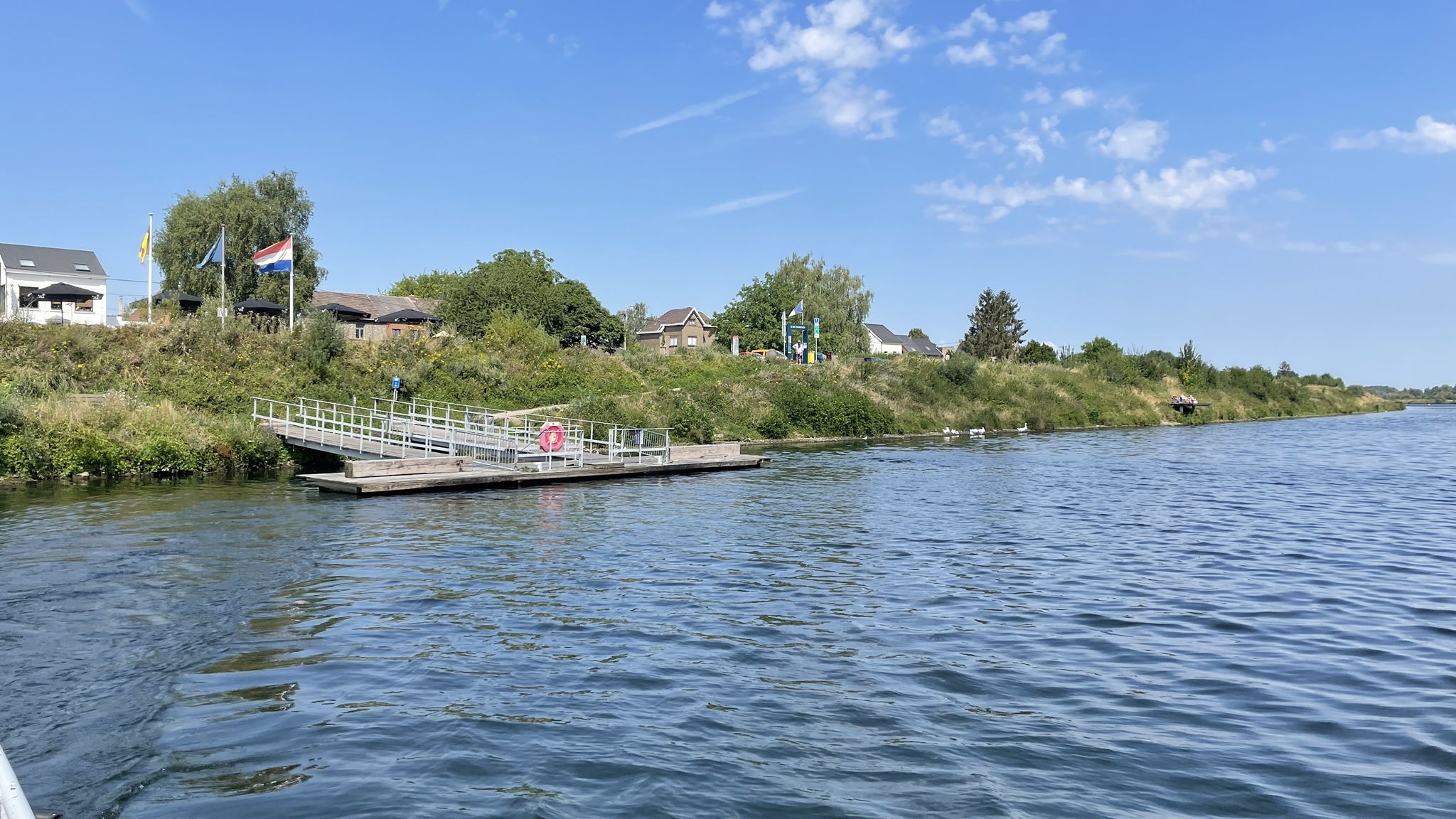
Cycling through green Wallonie — Four days on L'Ardennaise
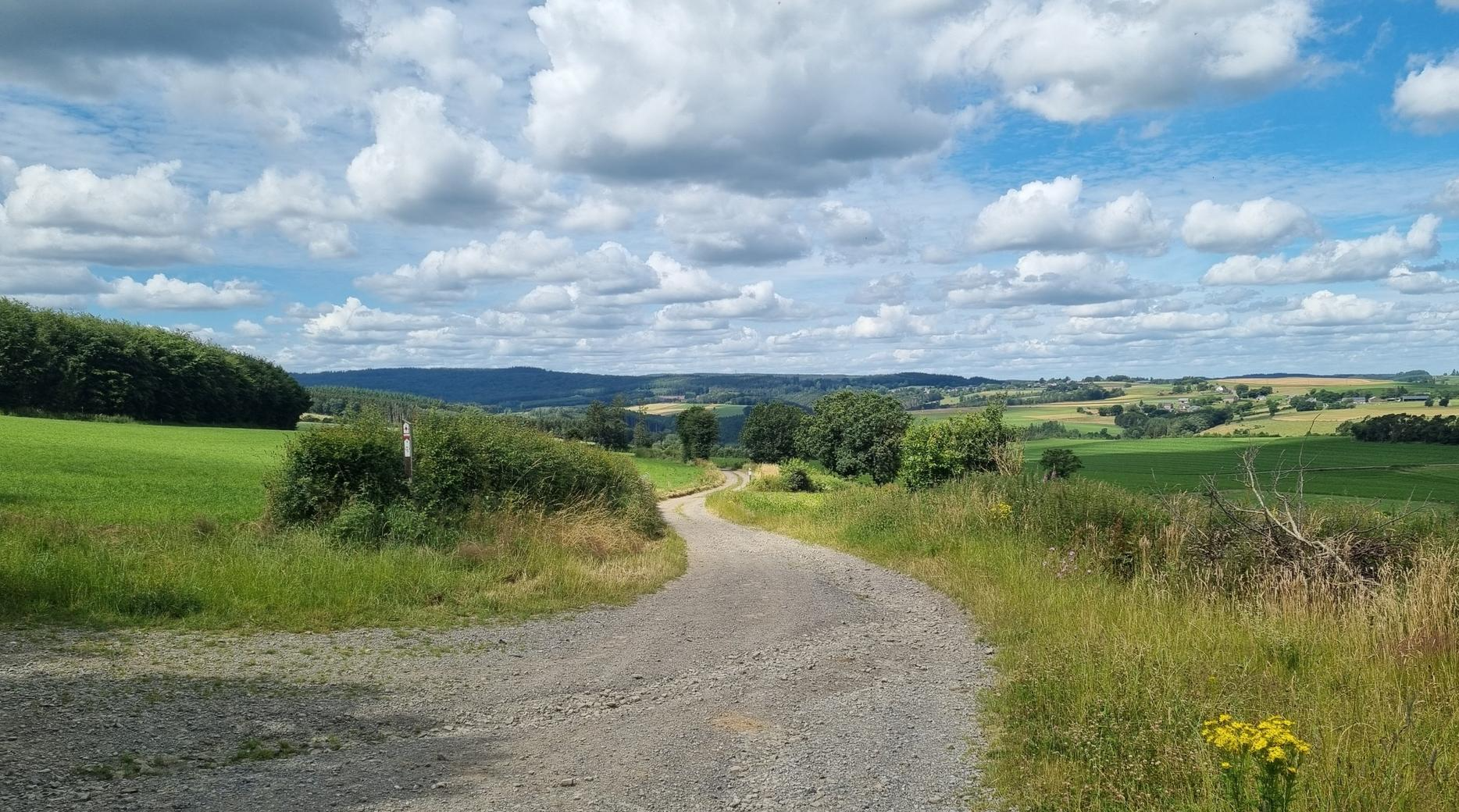
At the heart of the Géoparc Famenne-Ardenne — The Transfamenne
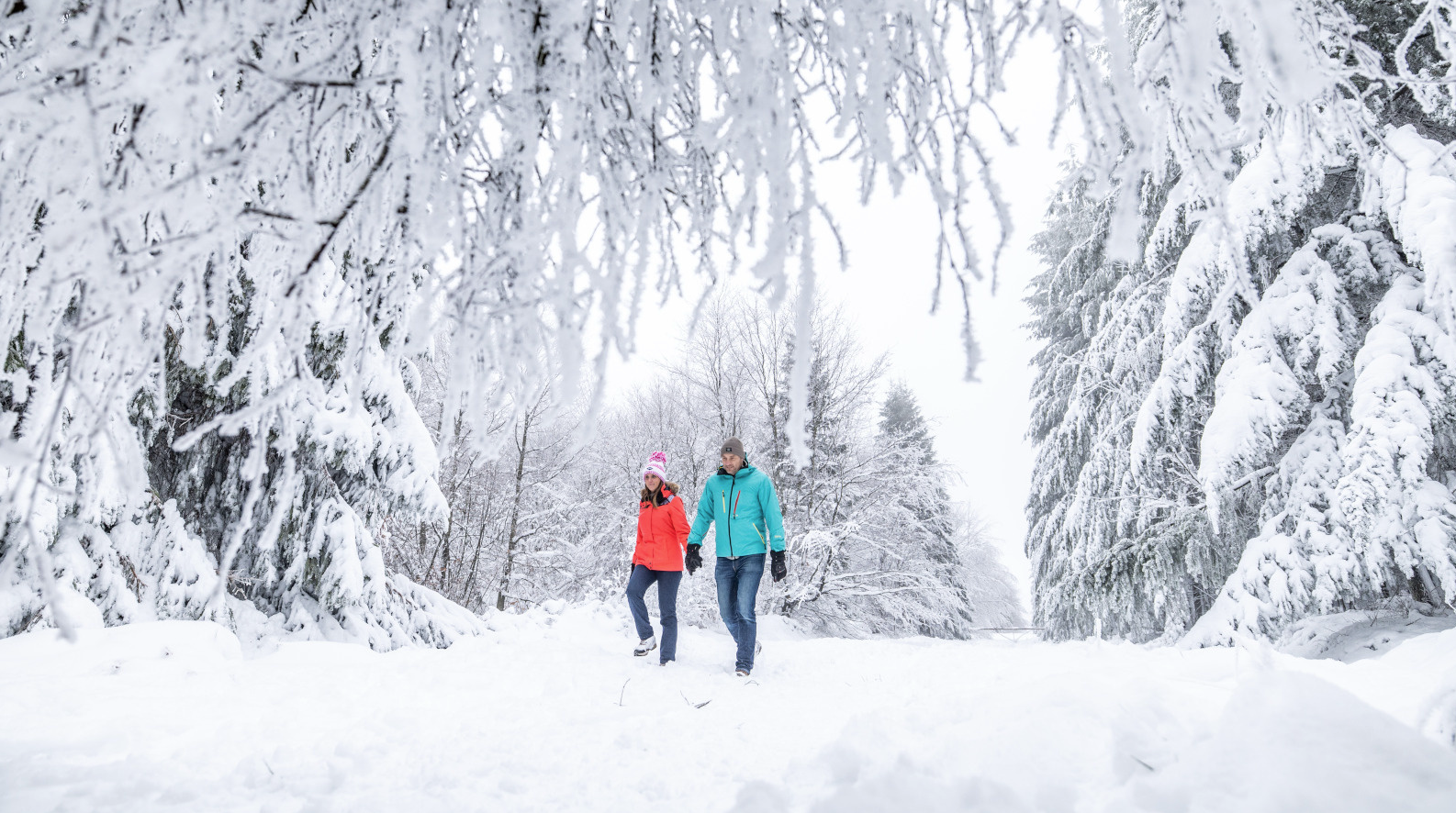
Belgian Ballads – winter hiking in the Belgian Ardennes
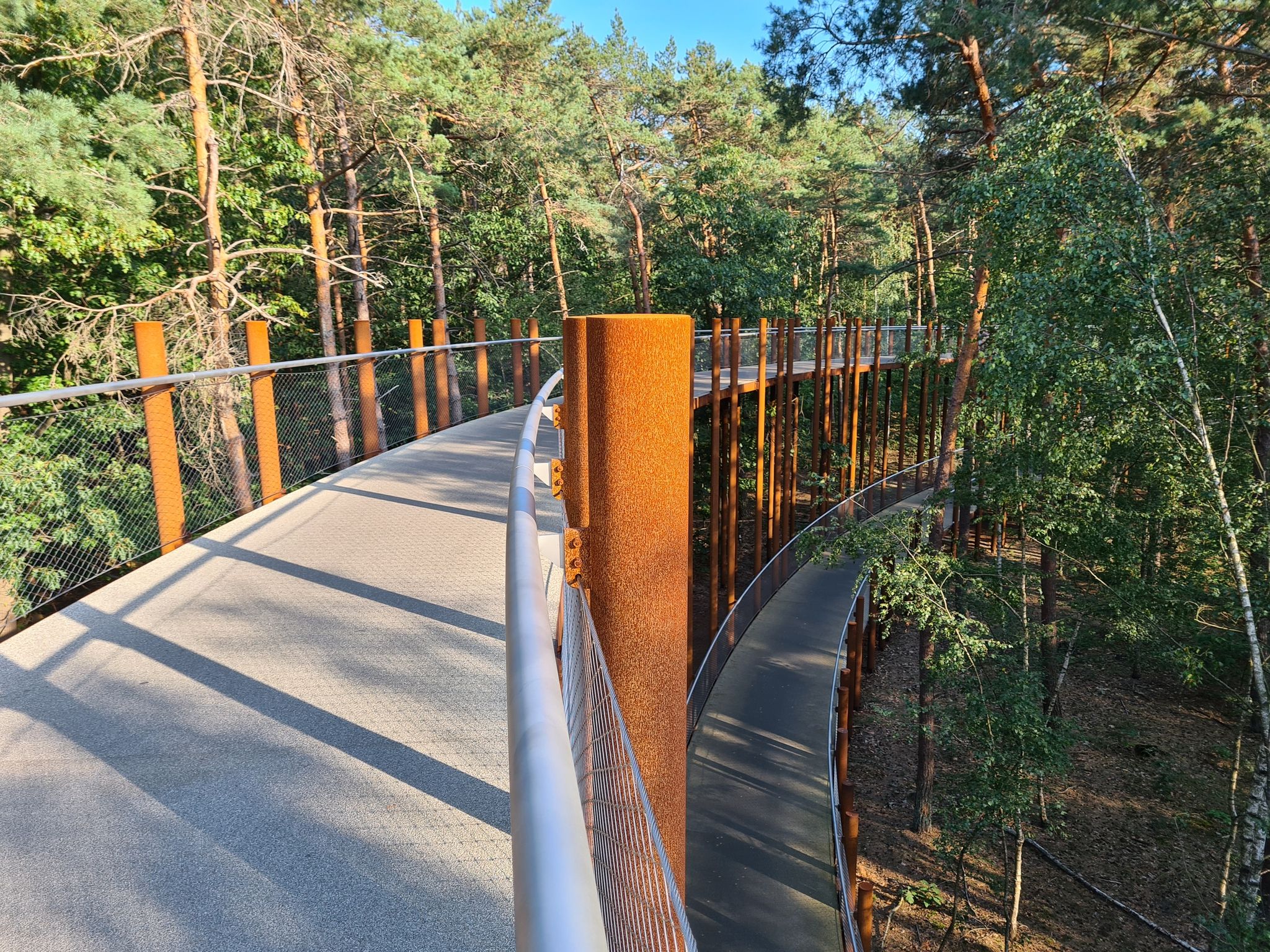
Cycling on Belgium’s most beautiful bike paths — 10 boucles à vélo
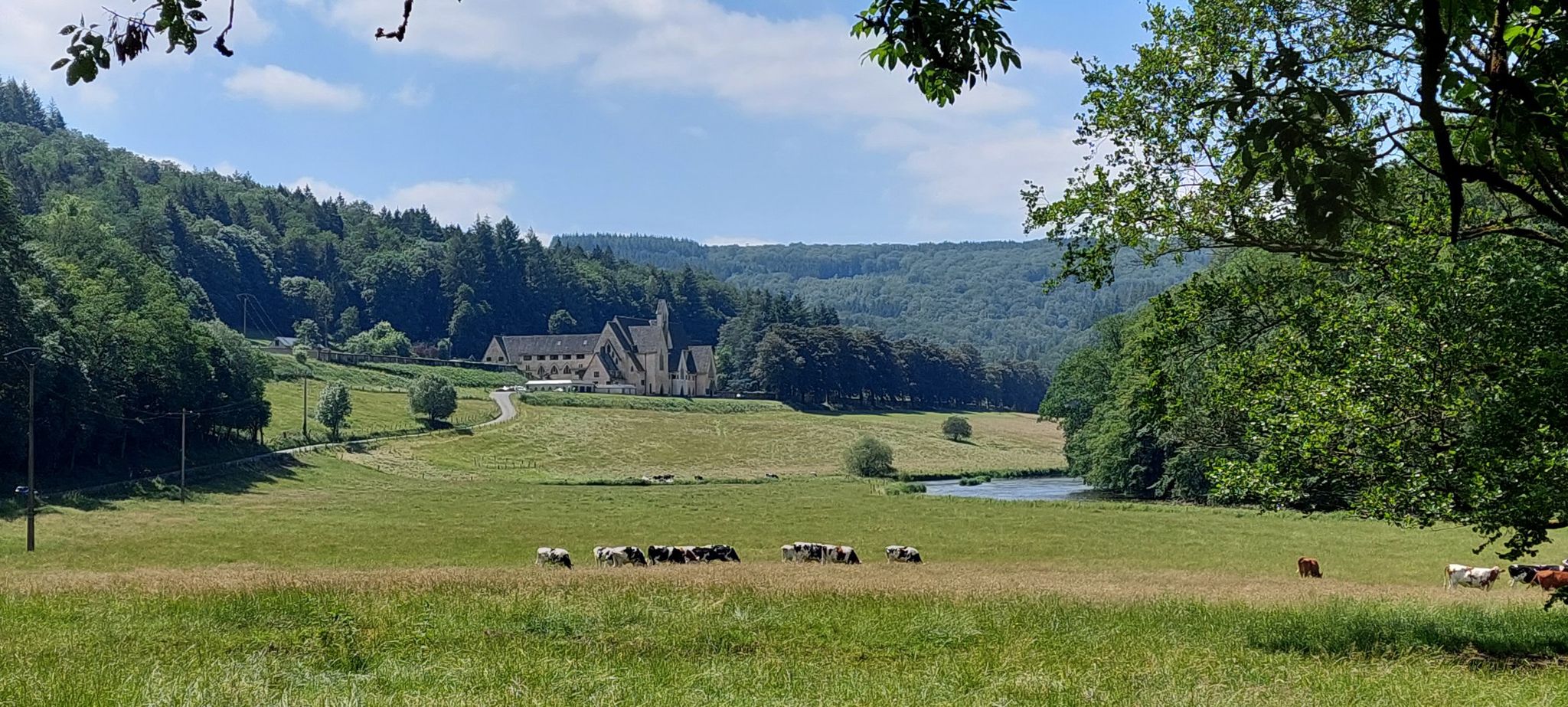
The great crossing of the Belgian Ardennes — La Transardennaise
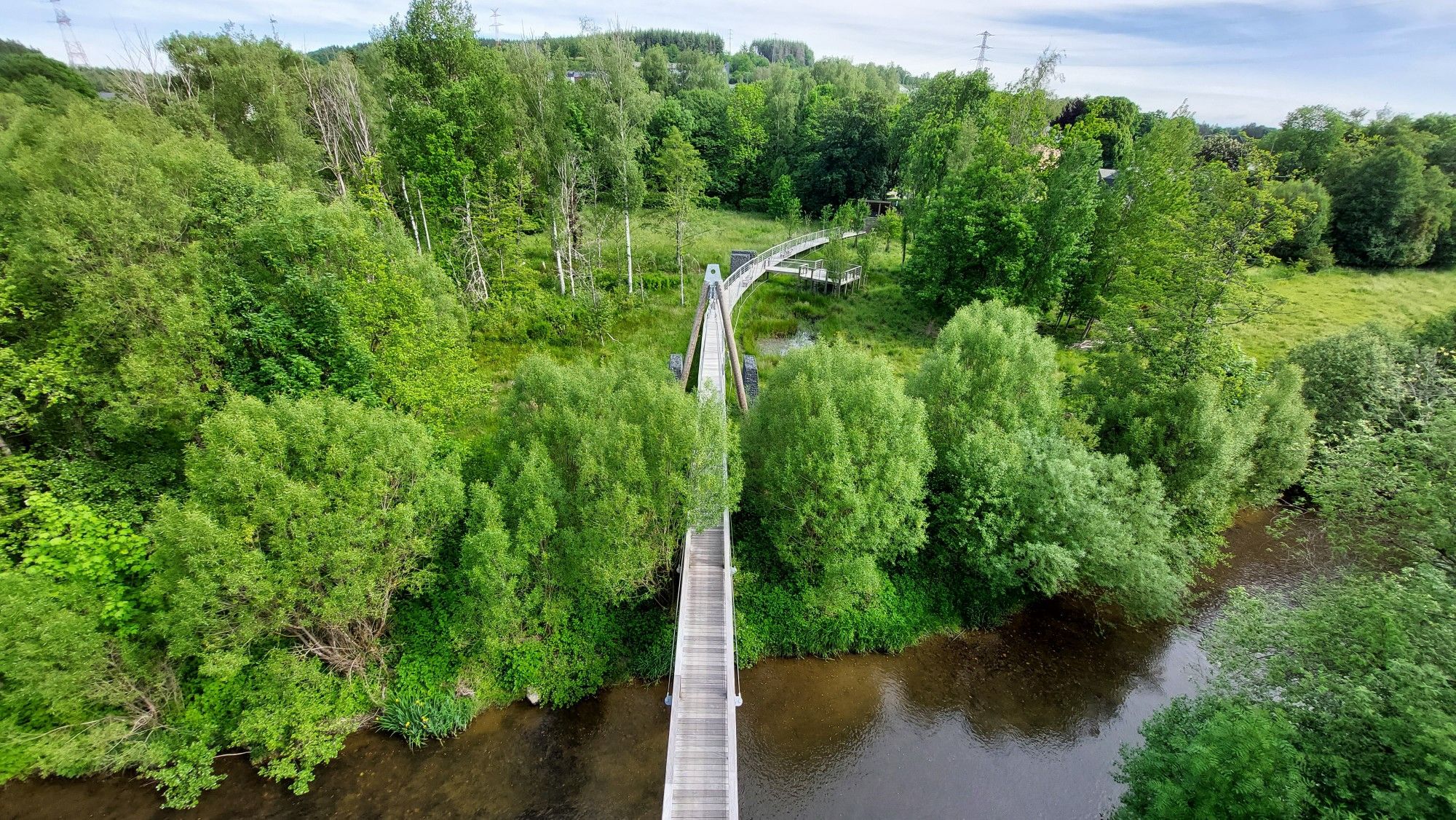
A Tour of Belgian Luxembourg — the greenest province of the kingdom
Other adventures around Marche-En-Famenne


Tips from the Community

Ideal resting place during a longer hike.
0
0

See the official website: https://www.chateaudedurbuy.be/index.html
1
0

A beautiful castle to see.
1
1

A beautiful view of the castle from the central courtyard in the town (on the Ourthe River, Sanglier des Ardennes, and the old bridge). You can clearly see the massive rock, as well as one side of the castle grounds. A bit of history about the castle: Durbuy is first mentioned in 1078 (as Dolbui) and in 1084 (under its current name). The first traces of habitation were found during excavations in the Anticline Cave by Count Pierre d'Ursel. The d'Ursel family still lives in Durbuy Castle. Before the current castle, others existed. According to the Luxembourg archives, one castle was destroyed, and in the 11th century, another was built by Henri II de Puer, who had received the estate from his mother, Rageline, sister of Pope Stephen II, and her husband, Albert II of Namur. Around 1156, that castle was severely damaged by fire, and during the Wars of Succession of the Duchy of Limburg, it was destroyed several more times. From 1412 onwards, Durbuy came into the hands of the House of Burgundy, and at the end of the fifteenth century, the then existing castle was destroyed by Maximilian of Austria, as were all the castles of the van der Marck family: besides Durbuy, these also included the castles of Logne and La Roche. In 1628, Antonie Schetz, Baron van Grobbendonck, leased the Durbuy estate for 40,000 gold marks, a very considerable sum. Besides being a baron, he was also Count of Grobbendonk, Lord of Tilburg and Goirle, Pulle and Pulderbos, and Wezemaal. He served in the Spanish service and led the defense of 's-Hertogenbosch during the Eighty Years' War. At 71, he was also governor of the city of Leuven during the Siege of Leuven. And he was the first in a long line of the d'Ursel family who still inhabit the castle today. In 1731, the castle was rebuilt by the then Duke of Ursel. Countess Auguste d'Ursel, who acquired the d'Ursel family's estate in Durbuy, modernized the castle between 1880 and 1882 with the help of architect Thirian from Namur. During World War II, the castle was occupied several times, and in 1944, during the Battle of the Bulge, it was used as a field hospital by the American liberators, with the billiard table serving as an operating table. Sources: Historical overviews in Word documents on the website of Count Jean-Michel d'Ursel, current resident, at https://www.chateaudedurbuy.be/historique.html
7
0
Durbuy is first mentioned in 1078 (as Dolbui) and in 1084 (under the current name). The first traces of habitation are found during excavations in the Anticlinaal cave by Count Pierre d'Ursel. The d'Ursel family still inhabits Durbuy Castle. Before the current castle, there were already others. Based on the archives of Luxembourg, a castle was destroyed and in the eleventh century, another was built by Henry II the Lame, who had received the domain from his mother Rageline, sister of Pope Stephen II, and her husband Albert II of Namur. Around 1156, that castle was severely damaged by flames and during the succession wars of the Duchy of Limburg, it was destroyed several more times. From 1412, Durbuy came into the hands of the House of Burgundy and at the end of the fifteenth century, the then-existing castle was destroyed by Maximilian of Austria, like all the castles of the la Marck family: besides Durbuy, these also include the castles of Logne and La Roche. In 1628, Baron Antoine Schetz of Grobendonck leased the Durbuy estate for 40,000 gold marks, a very considerable sum. Besides being a baron, he was also Count of Grobbendonk, Lord of Tilburg and Goirle, Pulle and Pulderbos, and Wezemaal. He was in the service of the Spanish and had led the defense of 's-Hertogenbosch during the Eighty Years' War. At the age of 71, he was also governor of the city of Leuven during the Siege of Leuven. And he was the first in a long line of the d'Ursel family who, to this day, inhabit the castle. In 1731, the castle was rebuilt by the then Duke of Ursel. Countess Auguste d'Ursel, who acquired the d'Ursel family's possessions in Durbuy, then modernized the castle from 1880 to 1882 with the help of architect Thirian from Namur. During the Second World War, the castle was occupied several times and in 1944, during the Battle of the Bulge, it was used as a field hospital by the American liberators, with the billiard table serving as an operating table. Sources: historical overviews in Word documents on the website of Count Jean-Michel d'Ursel, current resident, at https://www.chateaudedurbuy.be/historique.html
6
0
Today, the castle is part of the Radhadesh estate, which also includes a more recent residential center and several even more recent agricultural buildings. Openbaar Kunstbezit Vlaanderen (Flanders Public Art Agency) calls it a spiritual community, where the new residents have thoroughly restored the castle and transformed it into a true spiritual oasis where you can explore the colorful culture of Indian traditions. Specifically, the International Society for Krishna Consciousness (formerly the Hare Krishna movement) has a base and residential community there. There's also a vegan restaurant, a shop, a museum of sacred art (MOSA), and you can take a paid tour. The temple is accessible without payment. There's also a 2.8-kilometer "spiritual" walking trail. More at https://www.okv.be/museum/radhadesh-kasteel-van-petite-somme I'm not mentioning the domain's website because of a virus alert on my computer.
7
0
Built in 1888 and now in its neo-Gothic style, the castle served as a field hospital during the First World War, where the Jourda family cared for wounded and also sheltered local residents whose homes had been destroyed. During the Second World War, it housed American soldiers during the Rundstedt Offensive. From 1946 onwards, it became a holiday center, a school for people with intellectual disabilities, a youth hostel, a campsite, and a hotel-restaurant, all under the initiative of mayors Jean Andrieu of Herstal and Denis Deghaye of Oupeye. After the initiative's bankruptcy, a Brussels real estate agent, Serge Frankovich, bought the property in 1975, leaving it vacant for five years and plundering it. The Hare Krishna movement then purchased it and turned it into the Radhadesh estate. Sources: - https://www.castles.nl/petite-somme-castle - https://www.burchten-kastelen.be/provincies/luxemburg/002%20Kasteel%20van%20Petite%20Somme/Kasteel%20van%20Petite%20Somme.html - https://nl.wikipedia.org/wiki/Petite-Somme
7
0
Since 1980, the castle of Petite-Somme has housed a temple of the Hare Krishna movement, which today operates as the International Society for Krishna Consciousness. The dilapidated castle, of course, has a longer history. The current castle is also not the original and dates from 1888. The first mention of a castle on this site dates back to the eleventh century, when a certain Gozélonde Montaigu owned it. He was also the first Count of Montaigu. The County of Montaigu was quite influential for a time. It included the County of Duras in the Sint-Truiden region, the County of Clermont-sous-Huy, the Lordship of Jodoigne, and the village of Marcourt. The Counts of Montaigu were also vice-patrons of the Abbey of Sint-Truiden. Ecclesiastically, it belonged to the diocese of Liège. The castle was reportedly donated to the Abbey of Saint Hubert by the wife of Gozélon de Montaigu as penance for his husband's alleged plundering of the abbey's property. In the fourteenth century, a certain Jean de Bohême was said to have owned it, adding a tower to the castle, which became part of Luxembourg's defensive line. In 1461, the castle became the property of the de Hamal family, a Dutch-Belgian noble family that also appears in the histories of several Limburg villages and lordships (including 's Herenelderen, Grevenbroek, and the land of Vogelsanck). The de Hamal family held the lordship and castle of Petite Somme until 1774. Several noble families then succeeded one another. First came Albert Joseph de Favereau, born in 1750. De Favereau demolished the house that had served as the Hamal family's residence and built a brick manor house on its foundations. The new castle remained in the family's possession until 1877. Other sources claim that the demolition was carried out by the Count de Vaux, Aimable-Alexis de Jourda. What is certain is that the de Favereau family building was also demolished by a certain Louise Marie Eulalie, a relative of Baron Victor Albert de Favereau. And whatever the exact details are: it is certain that the current neo-Gothic castle stood there in 1888. Sources: - https://www.castles.nl/petite-somme-castle - https://www.burchten-kastelen.be/provincies/luxemburg/002%20Kasteel%20van%20Petite%20Somme/Kasteel%20van%20Petite%20Somme.html - https://nl.wikipedia.org/wiki/Petite-Somme
7
0
Frequently Asked Questions
What are some of the most historically significant castles to visit near Marche-en-Famenne?
The region boasts a rich history. You can explore the feudal ruins of La Roche-en-Ardenne, which dramatically overlooks the town. Another notable site is Jemeppe Castle, a fortified castle dating back to the 13th century that has been transformed over time. The Palogne Estate also features an authentic fortified castle, the Château Fort de Logne, offering a deep dive into medieval history.
Are there any castles near Marche-en-Famenne that are particularly family-friendly?
Yes, several castles and related sites are suitable for families. The Palogne Estate is an excellent choice, combining nature, adventure, and history with activities like mountain biking, kayaking, mini-golf, and falconry shows. The Old Town and Castle of Durbuy, often called 'the smallest city in the world,' offers a charming medieval atmosphere that families can enjoy exploring.
Which castles offer unique architectural styles or cultural experiences?
For architectural beauty, consider Château de Deulin, recognized as an exceptional heritage site of Wallonia for its stunning 18th-century design. For a unique cultural experience, the Château de Petite Somme (Radhadesh) is a Neo-Gothic castle that now houses a Hare Krishna temple, blending historical charm with a spiritual dimension.
Can I find castles near Marche-en-Famenne that are suitable for hiking or offer scenic viewpoints?
Absolutely. The ruins of La Roche-en-Ardenne Castle are perched dramatically above the Ourthe river and wooded hills, making it a popular spot for hikers and offering excellent scenic views. The Bomal-sur-Ourthe Castle, a classical-style château, is also beautifully situated on terraces overlooking the Ourthe valley, providing picturesque vistas.
What is the best time of year to visit the castles around Marche-en-Famenne?
The best time to visit is generally during the spring (April-May) and autumn (September-October) when the weather is pleasant for exploring and the natural landscapes are particularly beautiful. Summer (June-August) is also popular, though some areas like Durbuy can attract larger crowds. Winter visits are possible, but some outdoor activities or castle access might be limited, and the weather can be cold.
Are there any castles near Marche-en-Famenne that are dog-friendly?
While specific indoor access policies for dogs vary by castle and are best checked directly with each site, many outdoor castle grounds and ruins, such as those at La Roche-en-Ardenne, are often dog-friendly, especially if dogs are kept on a leash. The surrounding hiking trails are generally welcoming to dogs.
Are there opportunities for outdoor activities like hiking or cycling near these castles?
Yes, the region around Marche-en-Famenne is excellent for outdoor activities. Many castles, like La Roche-en-Ardenne and the Palogne Estate, are situated amidst beautiful natural landscapes with numerous trails. You can find various hiking routes, including moderate trails like the 'Around the Nisramont reservoir' or 'Borzée Loop No. 6', and cycling routes, such as the 'RAVeL route along the Ourthe'. For more details on routes, visit the Hiking around Marche-En-Famenne or Cycling around Marche-En-Famenne guides.
What kind of terrain can I expect on hiking trails near the castles?
The terrain around the castles in the Marche-en-Famenne region is characterized by wooded hills and river bends, particularly along the Ourthe river valley. You can expect a mix of forest paths, riverside trails, and some ascents, offering varied and scenic hiking experiences. Trails range from easy to moderate difficulty.
Are there any castles that also offer accommodation or dining options?
Yes, some castles have been converted to offer modern amenities. Jemeppe Castle, for instance, operates as a hotel and restaurant, also hosting events. While not a publicly accessible historical site, Château d'Hassonville (not listed in highlights but mentioned in region research) is a castle hotel known for its gastronomic packages and luxurious retreat experience.
Are there any hidden gem castles or lesser-known historical sites worth visiting?
While many castles are well-known, exploring the smaller, classical châteaux like Bomal-sur-Ourthe Castle can offer a more tranquil experience. The Jenneret Architectural Ensemble, though not solely a castle, is a historical site that provides insight into the region's past beyond the major fortifications.
What do visitors enjoy most about the castles and surrounding areas?
Visitors frequently praise the blend of historical significance and natural beauty. Many appreciate the dramatic ruins of La Roche-en-Ardenne and the charming medieval atmosphere of Durbuy. The opportunities for outdoor activities like hiking and the picturesque views from castle vantage points are also highly valued.
Most popular routes around Marche-En-Famenne
Most popular attractions around Marche-En-Famenne

Get inspired with the komoot mobile app


Didn’t find what you were looking for?
Explore Marche-En-Famenne’s best castles region by region:
Explore more
Looking for the best castles somewhere else? Discover other guides around Marche-En-Famenne:
