Top 20 Natural Monuments around Bastogne
Best natural monuments around Bastogne offer a diverse landscape characterized by river valleys, rock formations, and extensive forests. The region features the Ourthe river, which is central to many natural attractions, including its confluence and various viewpoints. These natural features provide opportunities for exploration and observation of the Ardennes environment. The area's topography includes steep rocks and wooded meanders, contributing to its distinct natural character.
Best natural monuments around Bastogne
- The most popular natural monuments is View of the Confluence of the Two Ourthes, a viewpoint where the western and eastern Ourthe rivers merge at the Barrage de Nisramont reservoir. This location provides a panoramic perspective of the river landscape.
- Another must-see spot is Le Hérou Rock Formation, a natural monument featuring steep rock walls extending along the Ourthe river. The site is part of the Natura 2000 network and offers views of the river and its wooded surroundings.
- Visitors also love Western Ourthe Viewpoint, a viewpoint overlooking the Ourthe river. It is recognized as a resting place offering views of the river's course and the surrounding natural scenery.
- Bastogne is known for its river valleys, rock formations, and dense forests. The region offers a variety of natural monuments, including viewpoints, rock formations, and historical sites within natural settings, providing diverse exploration opportunities.
- The natural monuments around Bastogne are appreciated by the komoot community, with more than 800 upvotes and over 450 photos contributed by visitors.
Last updated: August 6, 2026
Le Hérou Rock Formation
Highlight • Natural Monument
The view from Le Hérou or from the neighboring paths offers authentic landscapes of the Ourthe and its numerous wooded meanders. The entire site is classified Natura 2000.
Translated by Google •
Tip by

Nisramont Dam
Highlight • Lake
Translated by Google •
Tip by
Sign up now to discover places like this
Get recommendations on the best single tracks, peaks, & plenty of other exciting outdoor places.
Sign up for free
View of the Confluence of the Two Ourthes
Highlight • Viewpoint
Translated by Google •
Tip by

Hérou Rocks - François Rémy Viewpoint
Highlight • Viewpoint
Translated by Google •
Tip by

Western Ourthe Viewpoint
Highlight • Viewpoint
Translated by Google •
Tip by

Floating Rocks on the Ourthe River
Highlight • River
A tough calf biter.
Translated by Google •
Tip by

Boardwalk Trail on the Plateau des Tailles
Highlight • Trail
Translated by Google •
Tip by

Nasse de Berbret Weir
Highlight • Structure
This is the only possibility for a few kilometers!
Translated by Google •
Tip by

Martin Moulin River in Parc naturel des deux Ourthes
Highlight • River
Colorful mushrooms make the scenery of the valley enchanting.
The gnomes still have a lot of work to do in the erratic and restless bed. Traces of the abundant rainfall from last summer 2021 are still clearly visible. Many obstacles have to be overcome. Good luck. We recommend the harepath, which takes you along muddy and crumbling hiking trails in rapids back to the valley of Achouffe.
Translated by Google •
Tip by
Wood of Peace
Highlight • Forest
Translated by Google •
Tip by

Sign up for free to discover even more natural monuments around Bastogne.
Sign up for free
Already have an account?
Start today with a free account
Your next adventure awaits.
Login or Signup
Popular around Bastogne
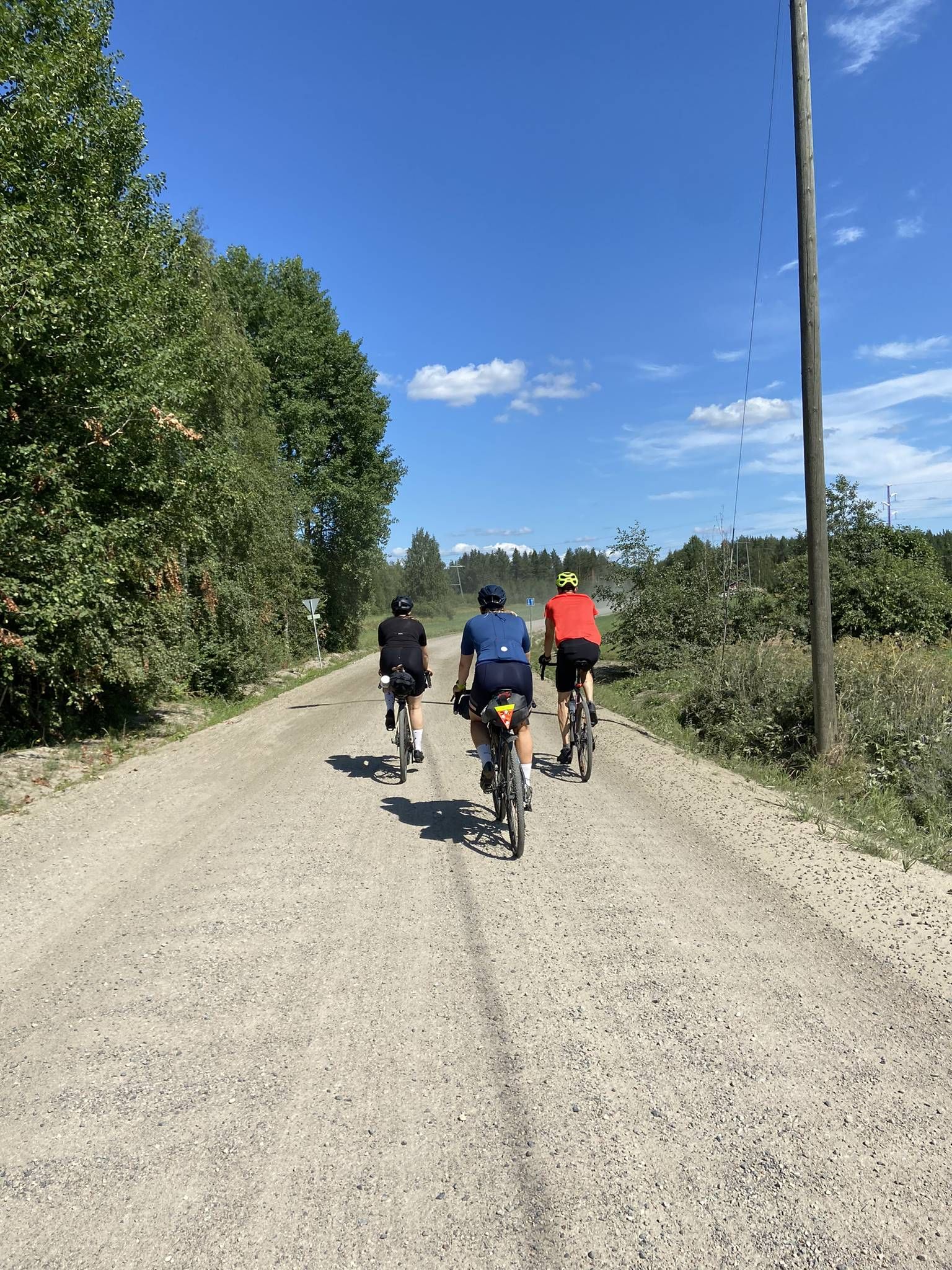
Naples to North Cape — Two friends, one purpose and many scoops of ice-cream
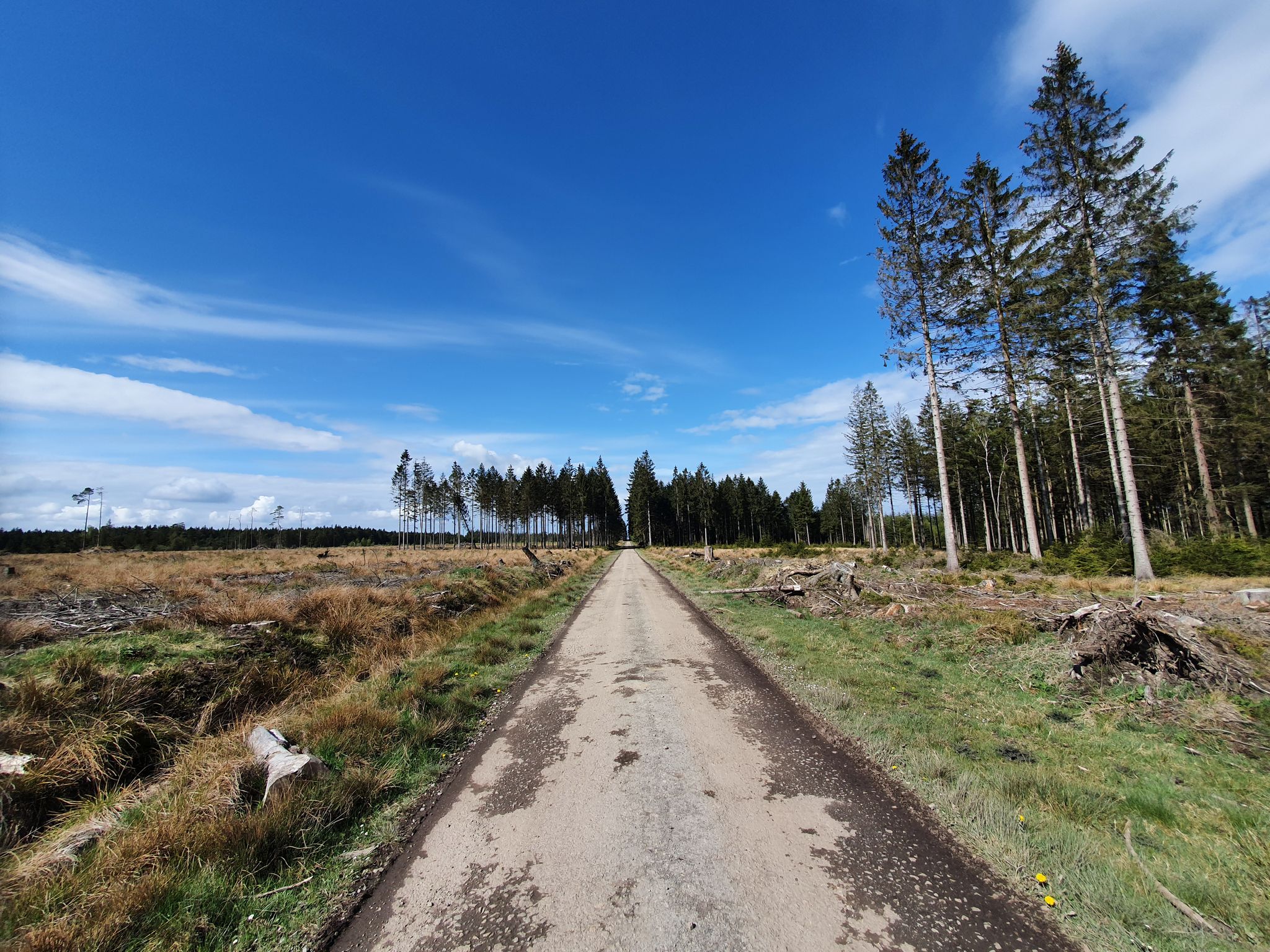
GR 2 from Verviers to Orval — The beautiful Ardennes in gravel
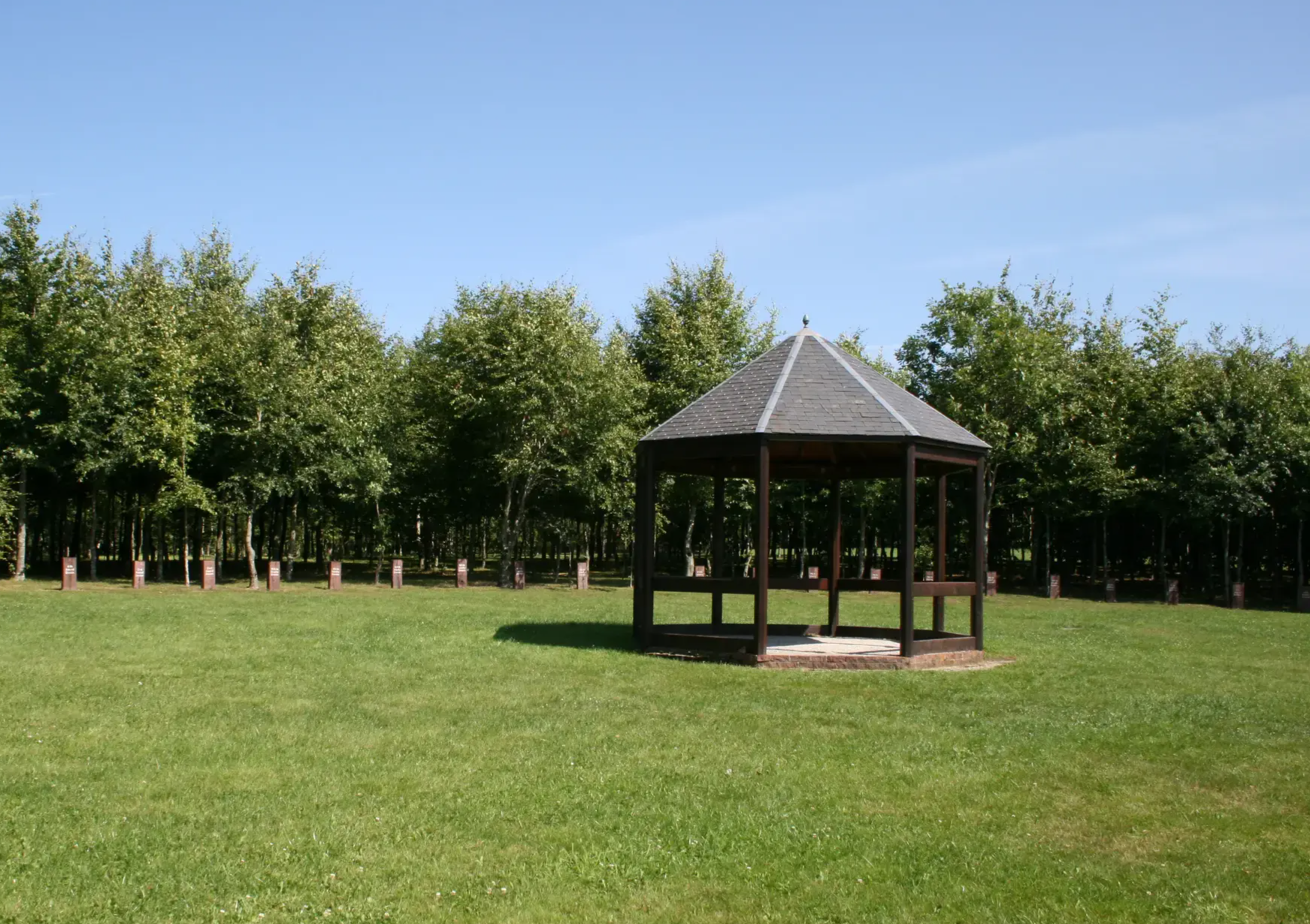
The Chemin de la Liberté — On the traces of the battle of the Ardennes
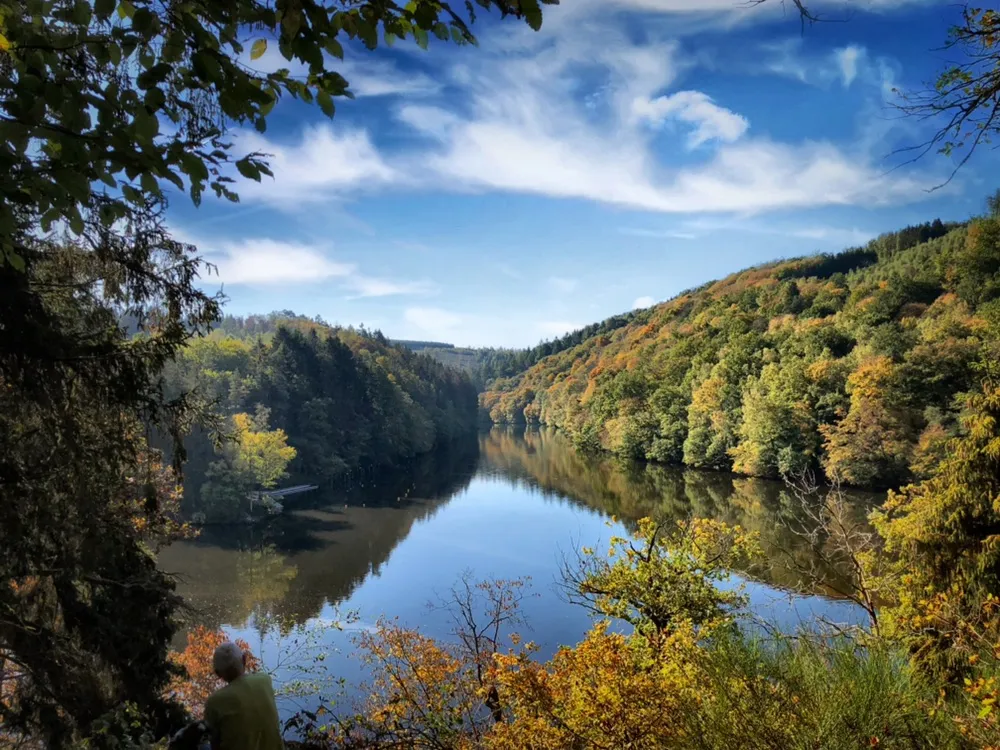
Deep valleys and mysterious forests - L'Escapardenne
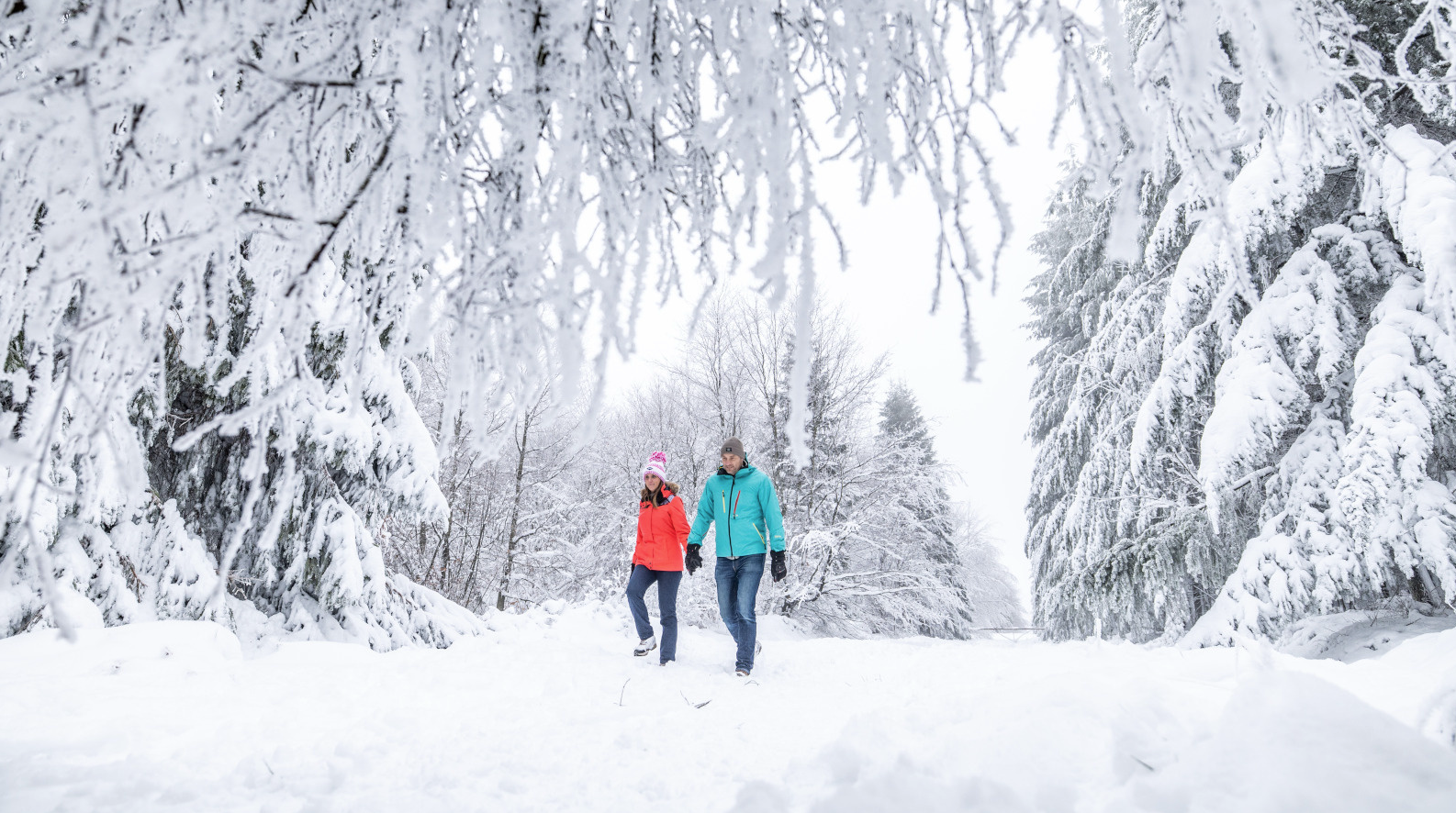
Belgian Ballads – winter hiking in the Belgian Ardennes
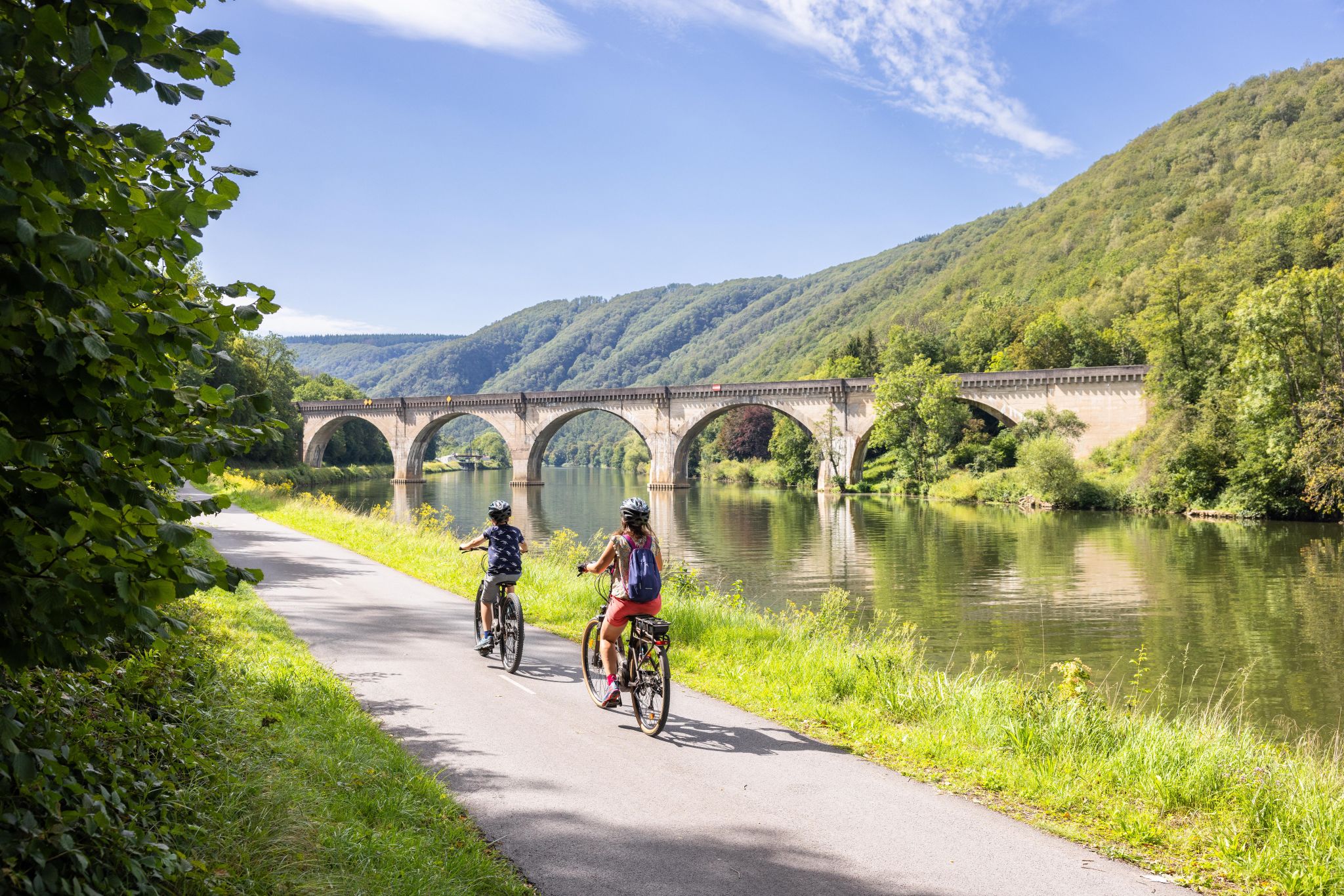
The French Ardennes – more than 270 km of trails through nature
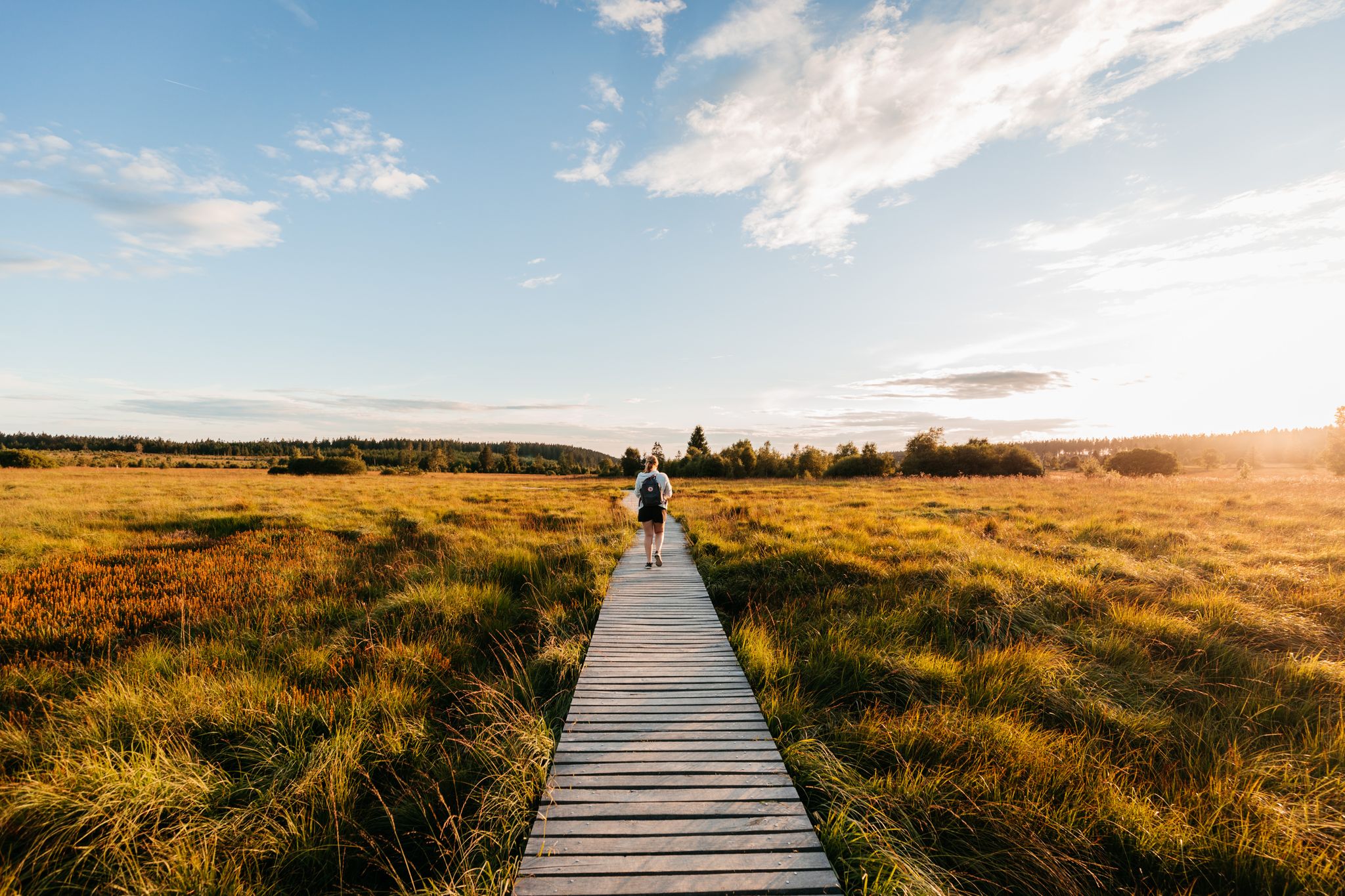
Unspoilt nature and wide views – hiking in Wallonia
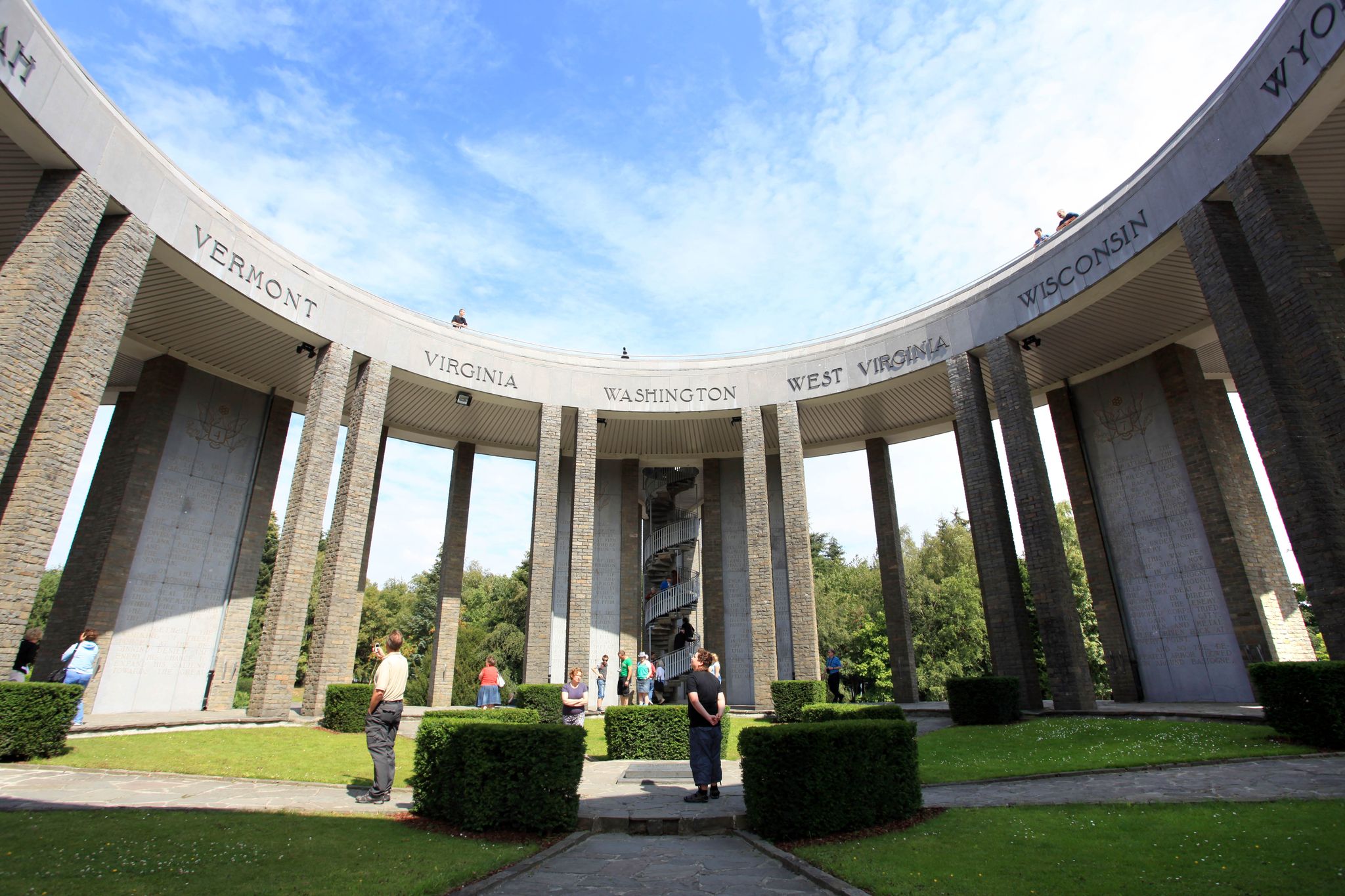
Walks around Belgium’s Bastogne – discover the history of the Ardennes
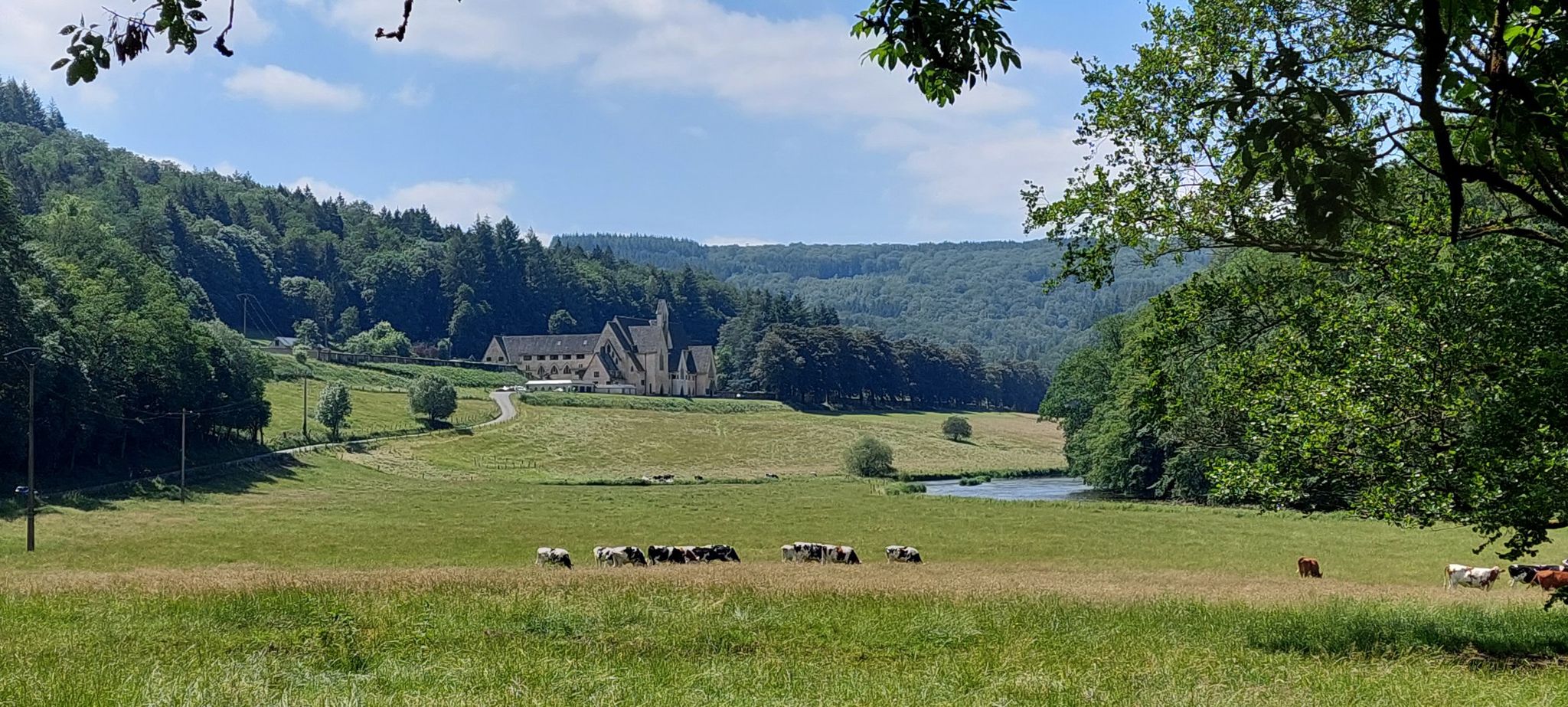
The great crossing of the Belgian Ardennes — La Transardennaise
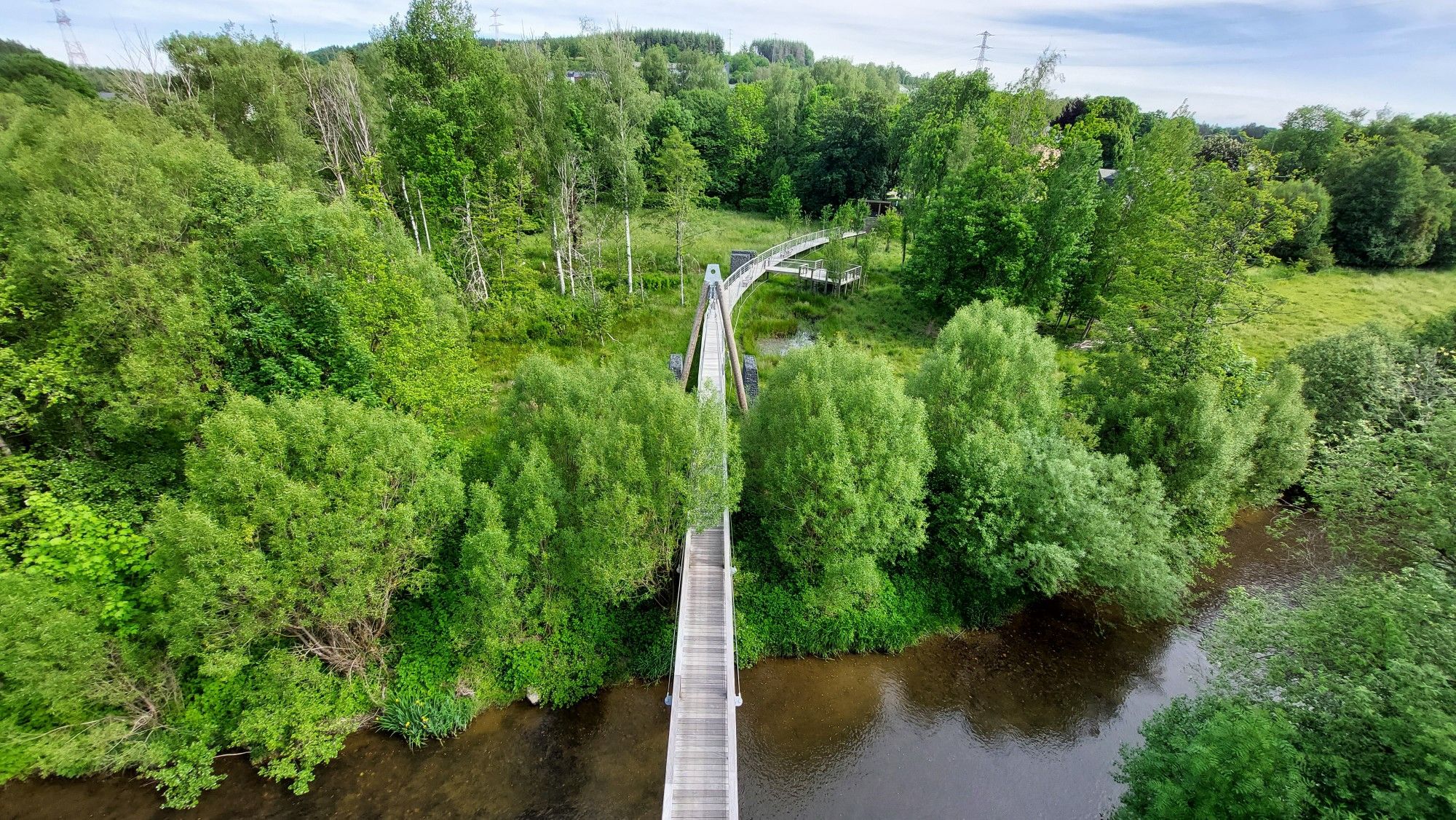
A Tour of Belgian Luxembourg — the greenest province of the kingdom
Other adventures around Bastogne


Tips from the Community

Built in 1958 to supply the region with drinking water and for the production of hydroelectricity. You can cross the dam and there is a water purification station and a fish ladder.
4
0
Nasse de Berbret is a small dam on the Western Ourthe with a pedestrian bridge.
3
0

A very sturdy and well-maintained boardwalk with interesting information boards.
15
0

The Sacrawé raised bog (Plateau des Tailles) is one of the most valuable peatlands in the region. A boardwalk allows visitors to safely cross the delicate bog without damaging the vegetation. It is part of a marked circular trail with information panels and a small viewpoint. As the area is strictly protected, visitors must stay on the marked paths, and individual sections may be temporarily closed. The landscape is characterized by sphagnum mosses, cotton grass, and heathland, and provides habitat for specialized bog plants and animals.
45
0

Beautiful and highly recommended to walk this part
0
0
Large smooth boulders that cause narrowings and small rapids on the Ourthe.
3
0

Voordam on the Western Ourthe. Well-known walking intersection over the water, which is quite wide here.
3
0
Frequently Asked Questions
What natural features define the landscape around Bastogne?
The region around Bastogne is characterized by diverse natural features, including scenic river valleys, dramatic rock formations, and extensive forests. The Ourthe river is a central element, with many natural attractions found along its course, such as its confluence and various viewpoints. The topography often includes steep rocks and wooded meanders, contributing to its distinct natural character.
Are there natural monuments suitable for families with children?
Yes, several natural monuments around Bastogne are family-friendly. The View of the Confluence of the Two Ourthes is a popular spot offering panoramic views where the Western and Eastern Ourthe rivers merge. Another excellent option is the Wood of Peace, which combines natural beauty with historical significance, providing a reflective and engaging experience for all ages.
Which natural monuments offer easy walks or accessible paths?
For easy walks and accessibility, the Boardwalk Trail on the Plateau des Tailles is highly recommended. This trail features a sturdy and well-maintained boardwalk that allows visitors, including those with wheelchairs, to safely explore a delicate raised bog without damaging the vegetation. It includes information panels and a small viewpoint, making it an informative and gentle outdoor experience.
What kind of wildlife can I expect to see near Bastogne's natural monuments?
The natural monuments around Bastogne, particularly those within the Parc naturel des deux Ourthes and areas like the Plateau des Tailles, are rich in biodiversity. The Sacrawé raised bog, for instance, provides a habitat for specialized bog plants and animals. While specific sightings vary, the extensive forests and river ecosystems support a variety of birds, small mammals, and insects. Visitors are encouraged to observe quietly and respect the natural environment.
Are there challenging natural monuments or trails for advanced hikers?
Yes, for those seeking a challenge, the region offers several demanding natural monuments. The Le Hérou Rock Formation features steep rock walls along the Ourthe river and is known for its challenging hiking trails, including sections described as 'almost via ferrata'. Another adventurous option is exploring the Martin Moulin River in Parc naturel des deux Ourthes, which presents an adventurous landscape with obstacles to overcome, especially after heavy rainfall.
What outdoor activities can I do near the natural monuments around Bastogne?
Beyond exploring the natural monuments themselves, the Bastogne region offers a wide range of outdoor activities. You can find numerous hiking trails, from easy strolls to more challenging routes. There are also dedicated running trails and road cycling routes that traverse the scenic landscapes. For more detailed information on routes, you can explore guides like Easy hikes around Bastogne, Running Trails around Bastogne, and Road Cycling Routes around Bastogne.
Are there any historical sites integrated with the natural monuments?
Yes, the region combines natural beauty with historical significance. The Wood of Peace is a notable example, serving as both a natural monument and a historical site. Additionally, you can find sites like the Foxholes WW2 near Baraque Fraiture, which are historical remnants within a natural forest setting, offering a unique blend of nature and history.
What are some lesser-known natural monuments worth discovering?
While many visitors flock to the main viewpoints, exploring less-trafficked spots can be rewarding. The Floating Rocks on the Ourthe River offers a unique natural spectacle. Another interesting spot is the Hérou Rocks - François Rémy Viewpoint, which provides a different perspective of the impressive Hérou rock formations, often with fewer crowds than the main Le Hérou site.
What is the best time of year to visit the natural monuments around Bastogne?
The natural monuments around Bastogne can be enjoyed throughout the year, each season offering a different experience. Spring brings lush greenery and blooming flora, while autumn showcases vibrant fall colors across the forests. Summer is ideal for longer days and outdoor activities. Winter can be beautiful with snow-covered landscapes, though some trails might be more challenging due to conditions. Always check local weather and trail conditions before your visit.
What should I wear or bring when visiting the natural monuments?
Given the varied terrain and potential for changing weather, it's advisable to wear sturdy hiking boots or comfortable walking shoes. Layered clothing is recommended, as temperatures can fluctuate, especially in forested areas or along river valleys. Depending on the season, consider bringing rain gear, sun protection, and sufficient water and snacks. For more challenging trails, trekking poles can be beneficial.
Are dogs allowed at the natural monuments?
Many natural monuments and outdoor trails in the Bastogne region are dog-friendly, especially those in the extensive forests and along river paths. However, it's always best to keep dogs on a leash to protect wildlife and ensure the safety of other visitors. For specific sites, check local signage or guidelines, particularly in protected areas like the Natura 2000 network, to ensure compliance with regulations.
Most popular routes around Bastogne
Most popular attractions around Bastogne

Get inspired with the komoot mobile app


Didn’t find what you were looking for?
Find even more amazing natural monuments around Bastogne by checking out the top Highlights region by region:
Explore more
Extend your search for the best caves by checking out these guides of the top ones around Bastogne:
