The best running trails around Bree
4.3
(11)
1,187
runners
123
runs
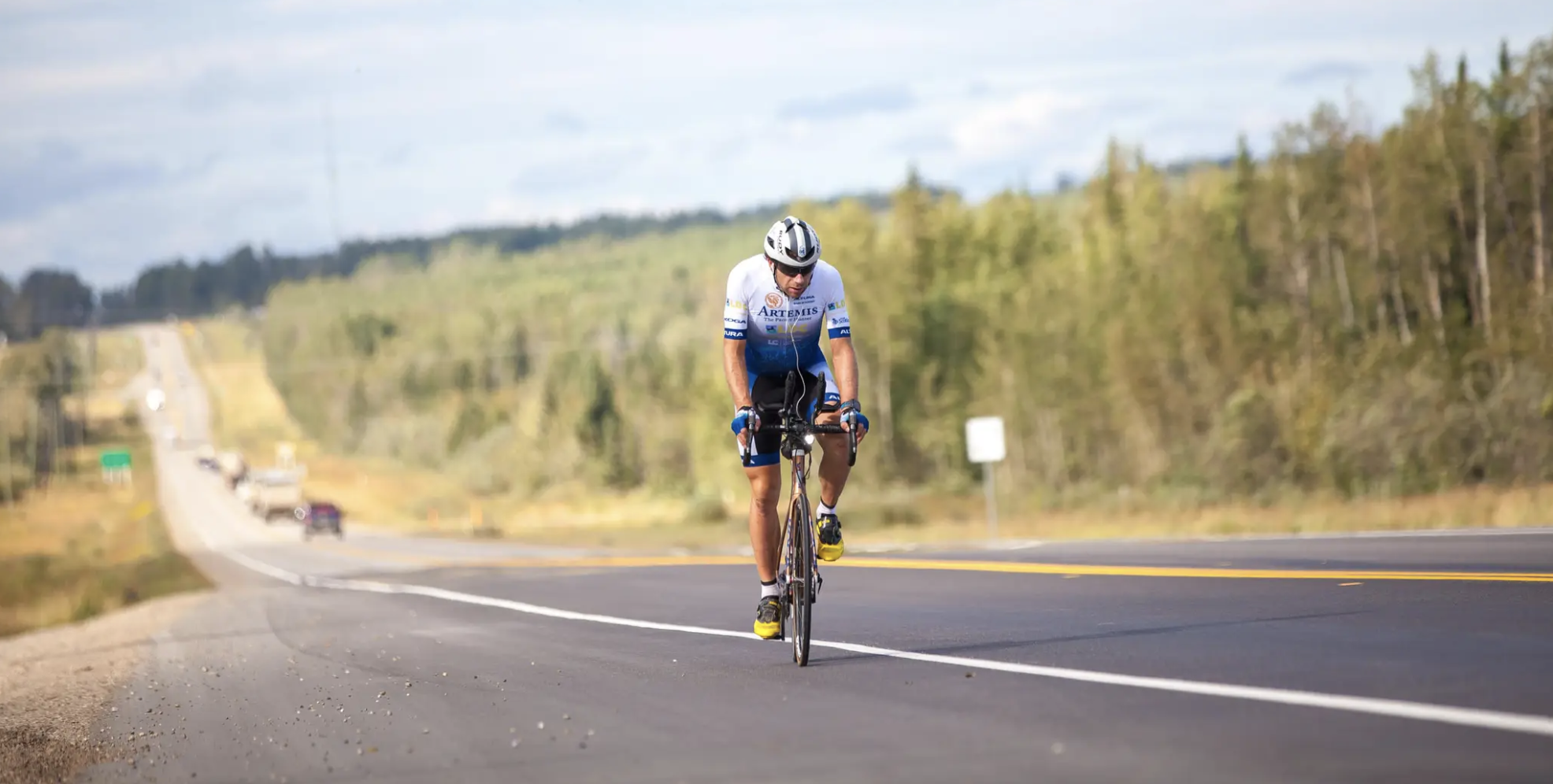
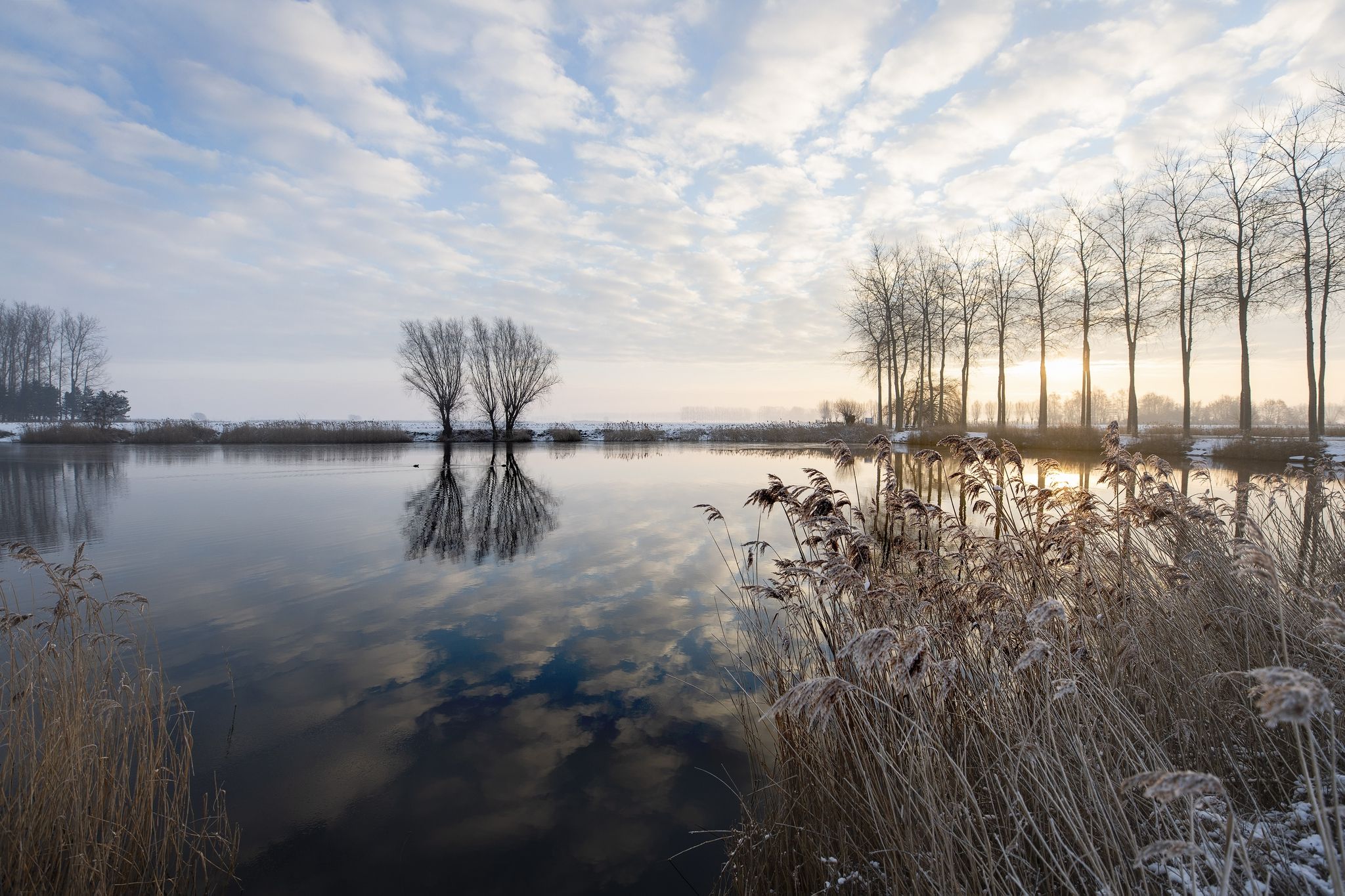
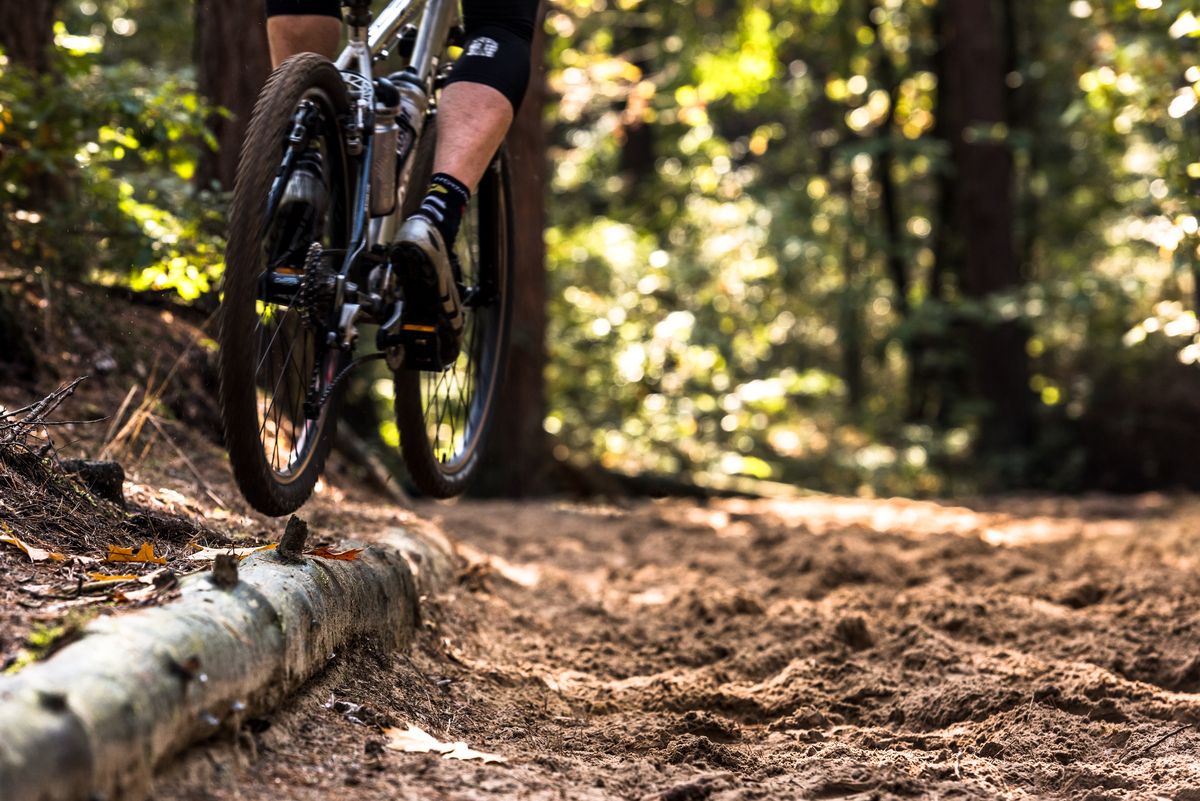
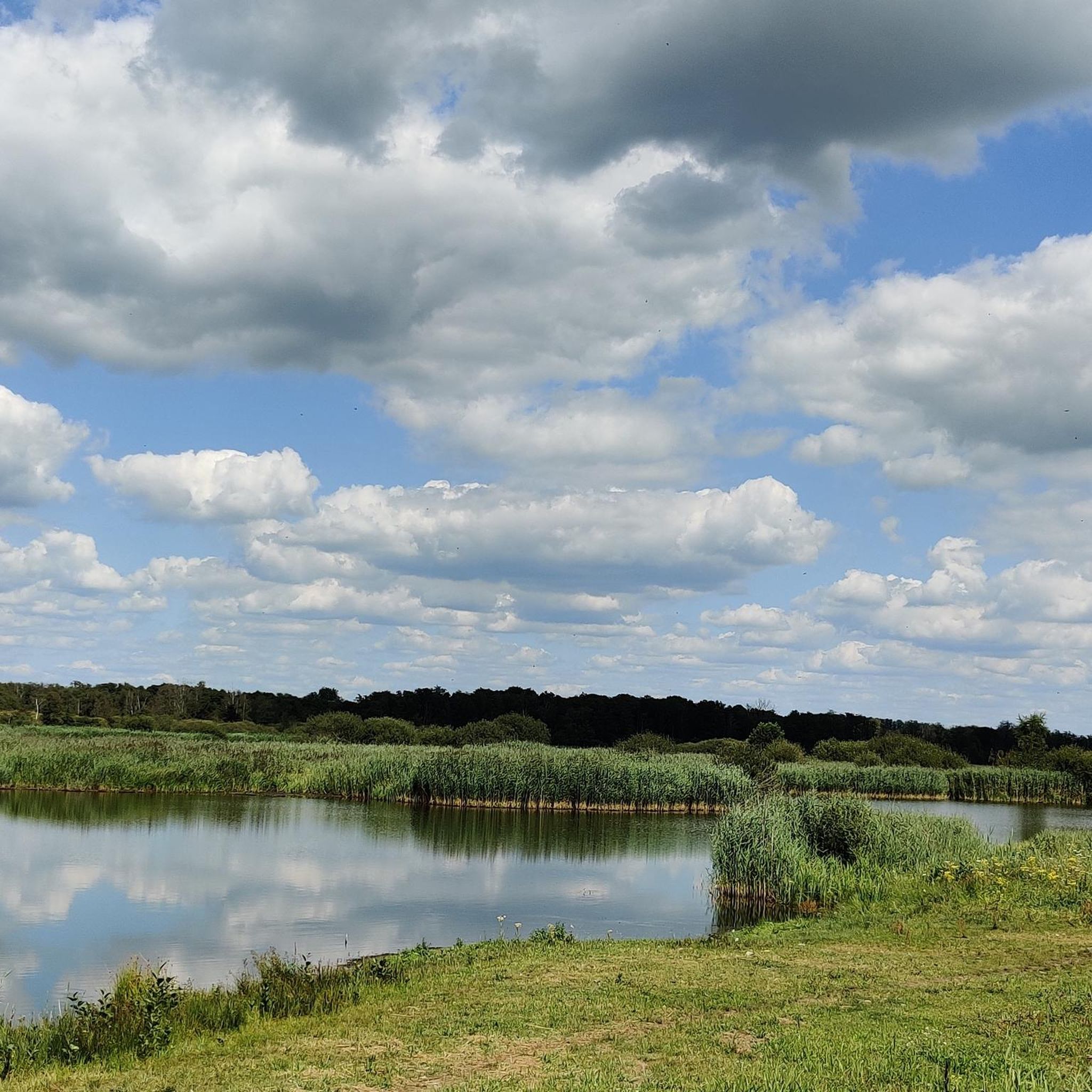
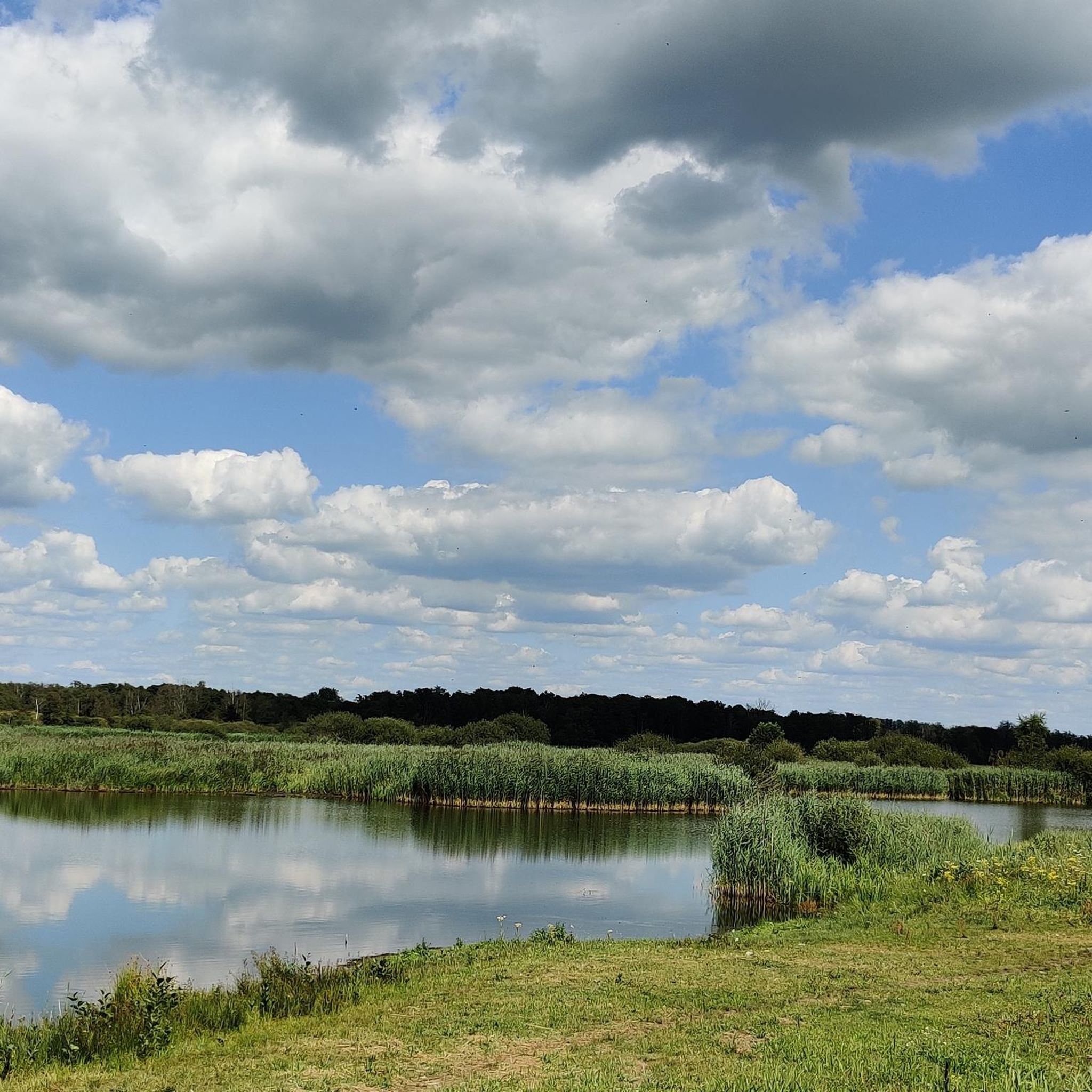
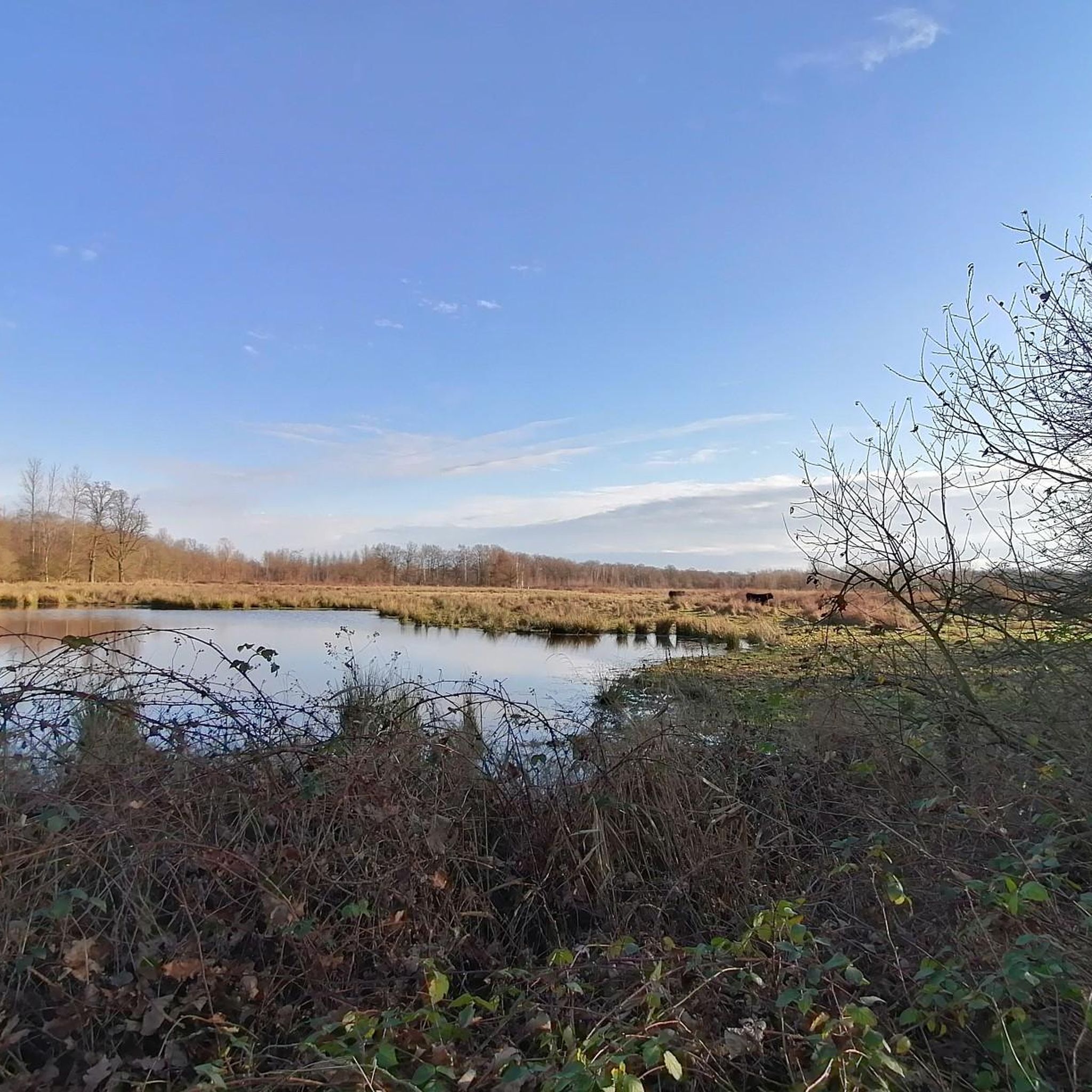
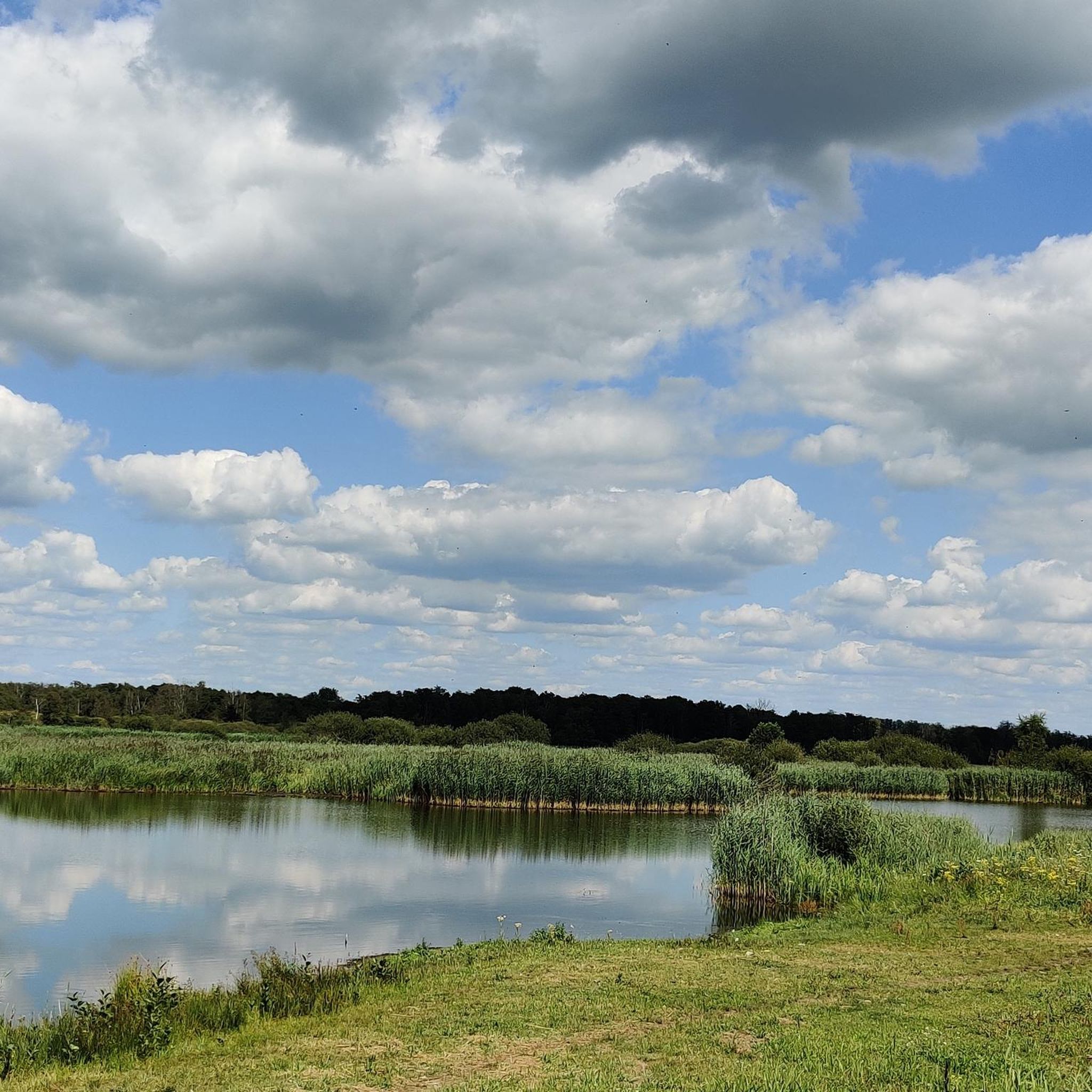
Jogging routes around Bree traverse a varied natural environment characterized by a mix of woods, open fields, and small streams. The landscape includes tranquil nature reserves, often featuring former fish ponds, which provide a serene setting for outdoor activities. The terrain is generally gentle, offering accessible paths for runners of various abilities.
Best jogging routes around Bree
- The most popular jogging route is Cart track near Orshof – Groeve Martin loop from Opitter, a 6.7 miles (10.8 km) trail…
Last updated: June 6, 2026
4.0
(1)
62
runners
14.6km
01:38
70m
70m
Moderate run. Good fitness required. Mostly paved surfaces. Suitable for all skill levels.
44
runners
10.8km
01:12
50m
50m
Moderate run. Good fitness required. Mostly paved surfaces. Suitable for all skill levels.

Sign up for free
30
runners
Moderate run. Good fitness required. Mostly paved surfaces. Suitable for all skill levels.
27
runners
Moderate run. Good fitness required. Mostly paved surfaces. Suitable for all skill levels.
21
runners
8.64km
00:55
20m
20m
Moderate run. Good fitness required. Mostly paved surfaces. Suitable for all skill levels.
Get access to more routes and recommendations from other explorers.
Sign up for free
Already have an account?
Our route recommendations are based on thousands of hikes, rides, and runs completed by other people on komoot.
Start today with a free account
Your next adventure awaits.
Login or Signup


Tips from the Community

a drink and a bite at the mill
0
0

Near Orshof (the Neerglabbeek section of Oudsbergen), a network of old paths and tracks runs through the dunes, heathland, and forests of the Dune Belt, including sections sometimes locally referred to as cart tracks. These cart tracks are not modern roads but historical unpaved tracks once used by horse-drawn carts and other vehicles to travel through the landscape, often before the construction of official paved roads. A cart track is a unique landscape element that develops in sandy and agricultural areas when frequent cart use creates incisions in the loose soil. As a result, two parallel tracks, often about a meter apart, remain visible in the ground from the cart wheels. These tracks reveal ancient traffic and trade routes and how people used to move through the landscape before modern infrastructure existed. In the Dune Belt and surrounding Kempen countryside, you can walk on various unpaved paths that have developed this character from historical customs and the natural development of paths over sandy soil. Orshof itself lies on the edge of the Solterheide area within the Dune Belt, an important part of the Hoge Kempen National Park, and a unique landscape of heathland, forests, sand dunes, and valleys. A large number of signposted hiking, cycling, and horseback riding trails, which run along unpaved paths, start from Orshof. Many of these trails use old rural cart tracks and field roads from earlier times, paths created by farm traffic between villages and used by horse riders, traders, and residents of the Kempen region. These tracks are now part of the recreational route and trail network that you can follow as a hiker, cyclist, or horseback rider.
1
0
🏘️ Opitter Center – The beating heart of a Kempen village. Opitter is a historic Kempen church village that has been part of the municipality of Bree in the Belgian province of Limburg since its merger in 1977. The center of Opitter, especially around Itterplein, forms the social, historical, and geographical core of the village, where nature, village life, cultural heritage, and community converge. The village was first mentioned in writing in 1143 as Itera, a name derived from the Itterbeek stream that flows through the village and defines Opitter's natural location. The village originated as a river valley settlement on the Itter riverbank and experienced its greatest growth around agriculture, watermills, and religious life. Throughout the centuries, Opitter often fell under the domain of the Counts of Loon and, in the Middle Ages, changed various administrative and property rights, including the influence of Averbode Abbey. Until well into the 20th century, Opitter remained primarily a farming village, although in the second half of the century it transformed into a commuter town with new residential areas and housing developments. The center was always formed around Itterplein, where the Itterbeek stream flows immediately to the west, a place where social, religious, and economic functions converged. Itterplein is the central square of Opitter and forms the social and historical hub of the village. Here are several important buildings and functions, such as the church and rectory, small squares, green spaces, and sightlines with a historical connection to the now-lost castle of the Lords of Opitter. (The castle once stood on a moated plot on the northern bank of the Itter; it was replaced by multifunctional centers in the 1980s.) Today, the square remains a central landmark for events, markets, and walking and cycling routes in and around Opitter. The Gothic St. Trudo Church is one of the most important heritage sites in the center and a recognizable landmark. Its foundations date back to the Middle Ages and it houses works of art and liturgical objects of historical significance. In the center and surrounding area, there are also other chapels and religious structures, such as the Chapel of Our Lady, and pastoral buildings rooted in local traditions from the 17th and 18th centuries. Opitter boasts several watermills, some of which are directly linked to the village's social and economic history. The most famous of these is Pollismolen, mentioned as early as 1078 and restored to this day. In addition, there are historical traces of other mills along the Itterbeek stream, such as Slagmolen (Slag Mill) and Kasteelmolen (Castle Mill), which, along with their milling history, illustrate traditional agriculture and crafts. These mills bear witness to how water power was part of the local economy and infrastructure for centuries, memories still visible in the landscape around the village center. In the town center, on Itterplein, lies the Cornelissen Brewery (formerly Sint-Jozef Brewery), a traditional family brewery since 1859 that produces beers such as Herkenrode and Pax Pils. This brewery is a cultural and social hub in Opitter, where visitors come to sample local beer and socialize in the area surrounding the square. Roads and paths run around the town center, leading directly to nature reserves such as the Itterbeek Valley and the castle park. This connection makes the town center not only a residential and shopping area but also a base for walks and recreation in the surrounding valleys, forests, and stream landscapes.
0
0
The Pollismolen is one of the most striking historic watermills in Opitter, a submunicipality of Bree (Limburg, Belgium). This beautifully situated undershot watermill, mentioned in documents dating back more than eighty generations, is a fascinating piece of industrial heritage and an attractive starting point for nature experiences in the Wijshager/Eetsevelderbeek valley and surrounding nature reserves such as the Itterbeek Valley. The Pollismolen was mentioned as early as 1078, making it one of the oldest watermills in the region. Over the centuries, the mill was called by various names, including the Wayenberghmolen and later the Scheelenmolen, until its current name, derived from the old name Pölles, became common. The current mill building, with its authentic wooden interior, largely dates from the 19th century (circa 1870). The mill served as a grain mill on the Wijshagerbeek (also called Eetsevelderbeek) for a long time until it was decommissioned in 1961. In 1981, the mill was purchased by the municipality of Bree, after which a thorough restoration took place to make it operational again. Since 1994, the Pollismolen has been officially recognized as a protected monument, including the mill house, water wheel, and lock mechanism, due to its industrial-archaeological value. Today, the mill is once again in operation, for example, for demonstrations, and remains a living example of the typical watermill tradition.
0
0

idyllic place, and ready to grind (was on Sunday morning)
3
0

The best place in Limburg to stop for a coffee and a delicious piece of pie!
0
0

A wonderful mill with a restaurant. It also made a great impression for larger family celebrations.
1
0

Beautiful hiking trails and tasty beers
0
1
Frequently Asked Questions
How many running routes are available around Bree?
There are over 95 running routes available around Bree, catering to various preferences and fitness levels. The majority are moderate, with 82 routes, while 12 are easy and 1 is difficult.
What kind of terrain can I expect on the running trails in Bree?
The running trails around Bree feature a varied natural environment, including a mix of woods, open fields, and small streams. You'll also find tranquil nature reserves, often with paths around former fish ponds. The terrain is generally gentle, offering accessible paths suitable for runners of various abilities.
What do other runners say about the routes in Bree?
The running routes in Bree are highly rated by the komoot community, with an average score of 4.3 stars from over 10 reviews. More than 950 runners have explored Bree's varied terrain, often praising the gentle landscapes and serene natural settings.
Are there running routes suitable for beginners in Bree?
Yes, Bree offers several easy running routes perfect for beginners or those looking for a relaxed jog. There are 12 easy routes available, providing gentle paths through the region's natural beauty.
Can I find circular running routes in Bree?
Absolutely. Many of the running routes in Bree are designed as loops, allowing you to start and finish at the same point. Examples include the Cart track near Orshof – Groeve Martin loop from Opitter and the Oud Kanaal loop from Bree, which follows the historic canal.
Are there any scenic viewpoints or natural features to see while running in Bree?
Yes, Bree's natural environment offers several scenic spots. You can encounter tranquil nature reserves, often featuring former fish ponds. Nearby attractions include the Molenplas Tree Monument and the Stepping Stone Bridge. Some routes also pass by observation huts, like the Beautiful observation hut, perfect for birdwatching.
Are the running trails around Bree suitable for families?
Given the generally gentle terrain and the presence of easy routes, many of Bree's running trails are suitable for families. The serene nature reserves and paths through woods and fields provide a pleasant environment for all ages to enjoy outdoor activity.
Are dogs allowed on the running trails in Bree?
While specific regulations can vary, many natural areas and public paths in Belgium are dog-friendly, often requiring dogs to be on a leash. It's always a good idea to check local signage or specific route descriptions for any restrictions before heading out with your dog.
What are the options for parking near the running routes in Bree?
Many running routes in and around Bree have designated parking areas, especially near trailheads or popular starting points in nature reserves. While specific parking details for each route are best found on individual komoot tour pages, general access points often include parking facilities.
What is the best time of year to go running in Bree?
Bree, Belgium, generally experiences mild weather, making it suitable for outdoor activities like running throughout much of the year. Spring and autumn offer pleasant temperatures and beautiful scenery, while summer can be enjoyable, especially during cooler mornings or evenings. Even winter can be suitable, provided you dress appropriately for the mild conditions.
Are there any routes that pass by historic or cultural landmarks?
Yes, some routes offer glimpses of the region's history. For instance, the Opitter Town Center – Pollis Mill loop from Bree leads through varied landscapes and near water features, potentially passing by historic mills or town centers. Additionally, the nearby 'little white town' of Thorn is a notable cultural highlight.
How long are the typical running routes in Bree?
The running routes in Bree vary in length, offering options for different preferences. Many popular routes range from 4.6 miles (7.4 km) to 6.7 miles (10.8 km), such as the Oud Kanaal loop from Bree (4.6 miles) and the Cart track near Orshof – Groeve Martin loop from Opitter (6.7 miles).
Most popular attractions around Bree

Get inspired with the komoot mobile app


Explore more
Browse the best Running Trails & Routes in other regions.
