The best cycling routes around Dilsen-Stokkem
4.5
(646)
5,336
riders
101
rides
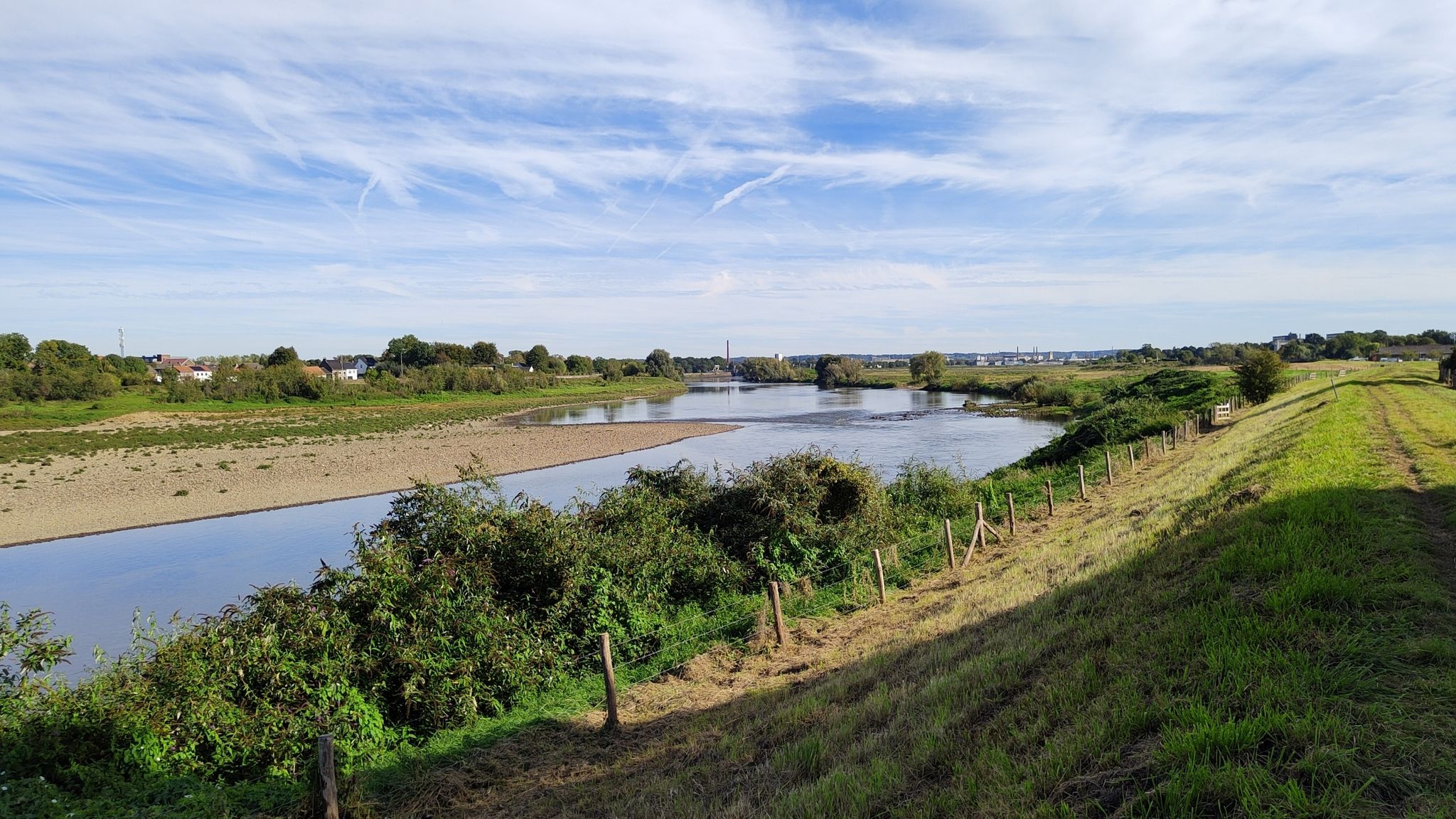
Touring cycling routes around Dilsen-Stokkem are characterized by the meandering Meuse River landscape, its old arms, and natural meadows within the RivierPark Maasvallei. The region also integrates with the Hoge Kempen National Park, featuring diverse terrain from former mining areas reclaimed by nature to extensive heathlands. These landscapes offer a mix of flat river paths and routes with gentle elevation changes, suitable for various cycling preferences. The area's well-developed cycling infrastructure connects these natural features.
Best touring cycling routes around…
Last updated: June 1, 2026
4.7
(56)
350
riders
48.4km
02:47
150m
150m
Moderate bike ride. Good fitness required. Mostly paved surfaces. Suitable for all skill levels.
4.5
(138)
822
riders
Moderate bike ride. Good fitness required. Mostly paved surfaces. Suitable for all skill levels.

Sign up for free
4.6
(109)
585
riders
Moderate bike ride. Good fitness required. Mostly paved surfaces. Suitable for all skill levels.
4.8
(32)
220
riders
Moderate bike ride. Good fitness required. Mostly paved surfaces. Suitable for all skill levels.
4.5
(23)
134
riders
47.1km
02:41
90m
90m
Moderate bike ride. Good fitness required. Mostly paved surfaces. Suitable for all skill levels.
Get access to more routes and recommendations from other explorers.
Sign up for free
Already have an account?
Our route recommendations are based on thousands of hikes, rides, and runs completed by other people on komoot.
Start today with a free account
Your next adventure awaits.
Login or Signup
Popular around Dilsen-Stokkem
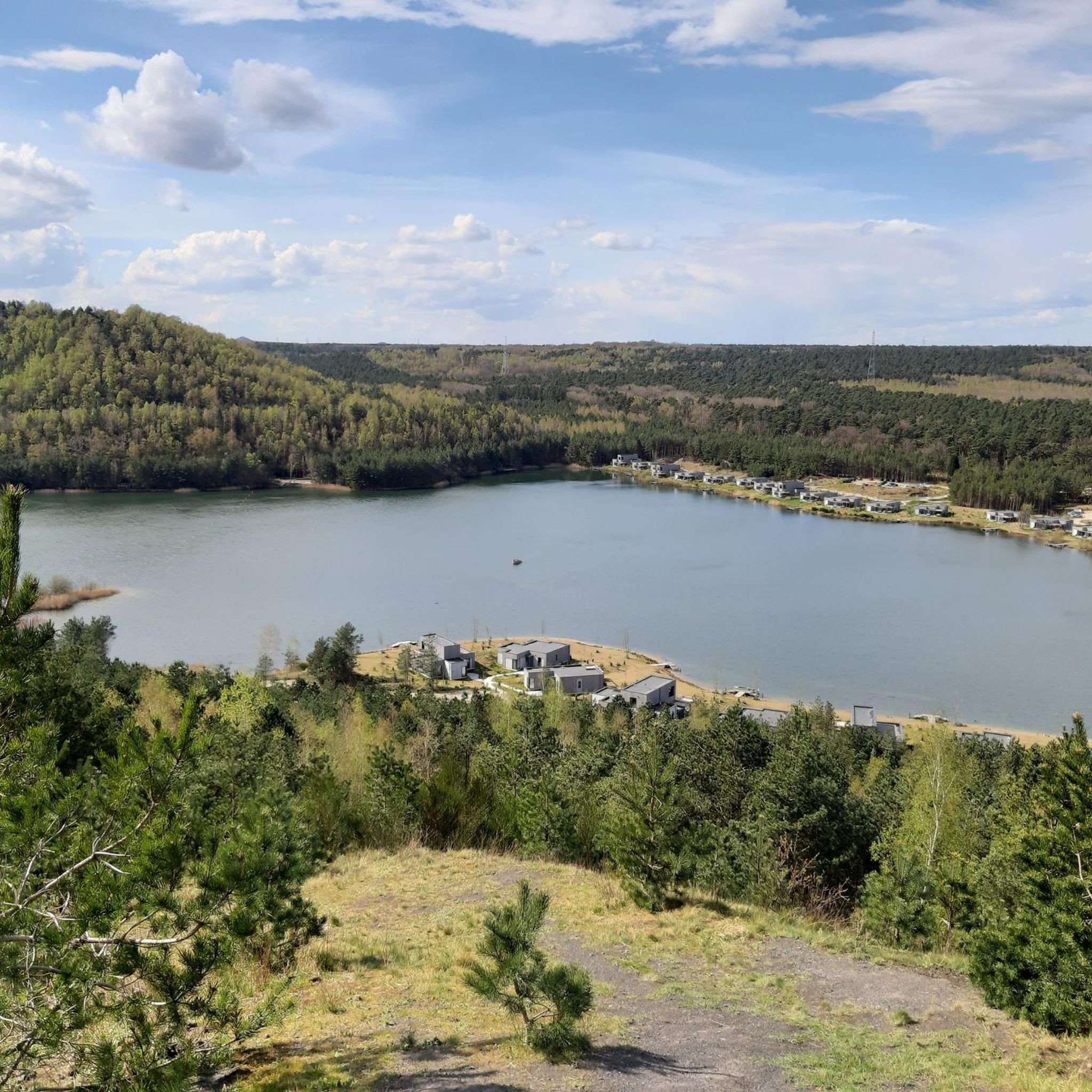
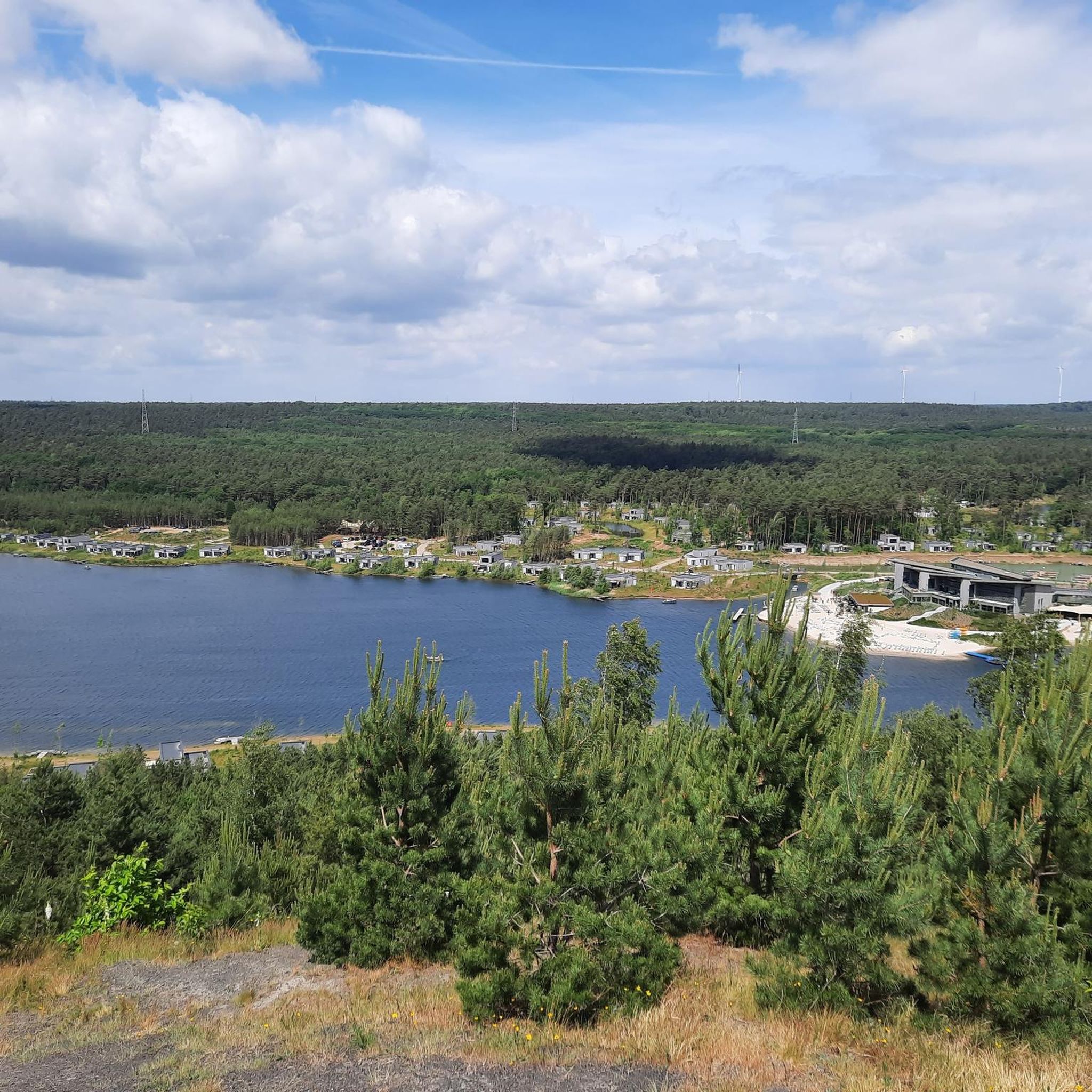
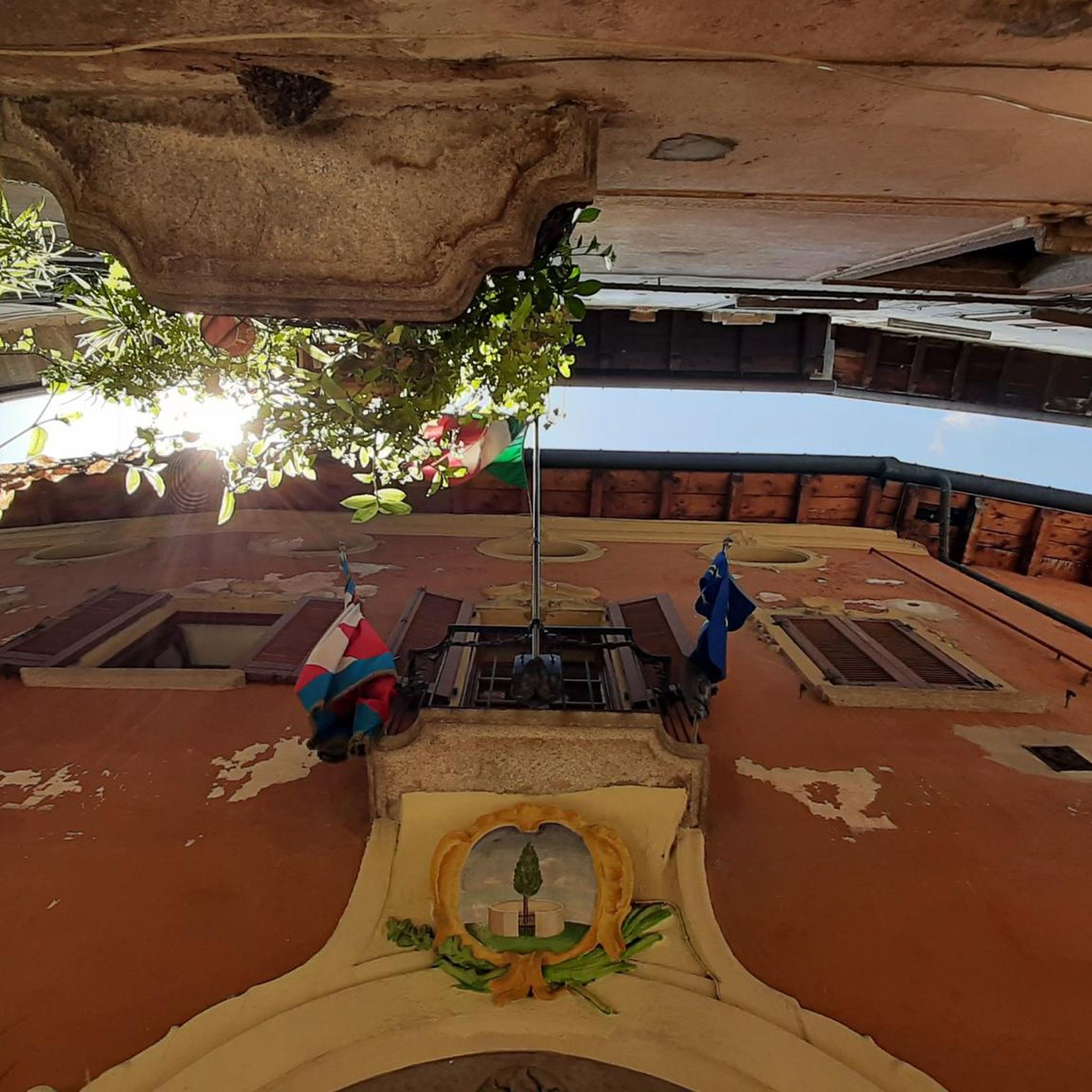


Tips from the Community

The nature reserves in the cross-border River Park Maasvallei are managed by Natuurmonumenten and Staatsbosbeheer on the Dutch side, and by Limburgs Landschap and Natuurpunt on the Flemish side. To keep the rugged river nature in check and simultaneously introduce variation and dynamism to the landscape, they use large grazers. Without management, the areas would quickly become overgrown and dense with forest. Along the Maas, you almost exclusively see Galloway cattle and Konik horses. As permanent maintenance workers, they roam through the nature reserves. They graze, prune, fertilize, break open the soil with their hooves, and spread seeds via their coats and droppings. This keeps open spaces and allows a varied and rich landscape full of life to develop. Both the Galloways and the Koniks roam the areas year-round. They are strong, robust breeds built to live outdoors year-round without assistance. They are hardy, self-sufficient, and flexible. They adapt their coat, behavior, and digestion according to the conditions of the season. They find their own food and brave wind, rain, snow, and sunshine.
3
0

Cycling through the heath takes you right through the Hoge Kempen National Park. In this park, vast pine forests alternate with endless heathlands. Thanks to the new connection between cycle nodes 550 and 551, nature is presented to you on a silver platter. You cycle across the Mechelse Heide, one of the largest heath areas in Flanders with 700 hectares. The highlight of this route is undoubtedly the almost 300-meter-long wooden bridge, a recognizable element in the landscape. From the bridge, you have a panoramic view of the natural surroundings.
0
0
Station As is a former railway station on lines 21A (Hasselt-As) and 21B (As-Eisden). The station building now houses a restaurant and the Kolenspoorvereniging (Coal Railway Association) uses it for the operation of the tourist railway line Waterschei-As-Eisden. Station As is also one of the gateways to Hoge Kempen National Park and has an observation tower.
0
0

Terhills Hotel, located in Maasmechelen, with its 4 stars and 59 luxury rooms, is the sum of class and comfort.
0
0

Near Dilsen-Stokkem (Belgium), in the cross-border nature reserve along the Meuse Valley around the De Wissen Visitor Center and the Negenoord-Kerkeweerd nature reserve, you'll regularly encounter Konik horses in the open floodplains and grasslands, along with other large grazers such as Galloway cattle. These horses are not domesticated pets, but are part of a consciously implemented nature management program aimed at keeping the river landscape as naturally dynamic and biodiverse as possible. The Konik horses here live freely in the floodplains and river landscapes year-round. Their presence is functional: grazing, they cut down the grass and maintain open grasslands. In places where cattle primarily keep shrubs and young trees short, the horses also ensure that herbs, flowers, and short grass are preserved. This combination allows these large grazers to create a diverse patchwork of open areas, coarse grasses, herb-rich thickets, and vegetated edges—exactly what many plant and animal species need to thrive. In the area around Stokkem, you often hear from local guides like the MaasVerkenner that you'll almost always see these horses during a walk, especially on the paths around the old Meuse branches and small lakes of Negenoord. These grazers are an important part of the river landscape experience, and they naturally regulate grazing management, allowing the landscape to develop into a rich ecosystem with countless bird species, insects, and plants that are rare elsewhere in Limburg. Hikers and nature lovers can often observe the Konik horses from the trails around De Wissen and the breeding banks of the Meuse. Because they are wild animals, it is advised to always keep a distance, not feed them, and not disturb their natural behavior. If you're lucky, you might see them grazing peacefully in the morning light or among colorful, herbaceous meadows—an impressive example of how nature management and ecology go hand in hand in this part of the Meuse Valley.
2
0
The Kikbeek Source Valley is a unique nature reserve of approximately 120 hectares in the municipality of Maasmechelen. It is part of the Hoge Kempen National Park and situated in and around the former sand and gravel quarry from which the meandering Kikbeek stream originates. This landscape is characterized by alternating open heathlands, forests and marshlands, small ponds, and the source itself, which together form a rich ecological fabric where walking routes lead visitors past water, heathland, reed beds, and forests in an atmosphere of tranquility and natural diversity. The valley is situated on both sides of paths normally included in the network of walks, such as the green and blue loops of the Mechelse Heide, which start from the parking lot at Camping Kikmolen, for example, and loop through the area with views of ponds, heathland, and woodlands. This valley is ecologically valuable, and the combination of a former quarry, seepage zones, and wetlands creates habitats for numerous insects, birds, and plants typical of wet and semi-open nature. The area provides a window into the ancient geology and landscape history of this region, where nature has gradually recovered since the time of human use. However, the situation around the valley and its hiking trails has been in flux for years and is not always accessible as it once was. Due to a landslide in the Kikbeekbron valley, the area is officially closed to recreation, and the blue and green hiking trails that run through it have remained inaccessible to visitors for some time. Research by the Agency for Nature and Forests, in collaboration with geotechnical experts, has revealed that there are risks of further landslides and slope instability, making the valley unsafe to access for the time being, and recreational use has been temporarily suspended. Clear signs on site inform visitors that access is prohibited and that alternative routes outside the valley must be followed. This situation serves as a precautionary measure as long as the stability of the former quarry and surrounding areas is maintained. At the same time, larger nature restoration and water management projects are planned or underway in this area. The Agency for Nature and Forests is carrying out the Blue Deal project at the Kikbeek spring, one of the largest of its kind in Flanders. The goal is to restore the ecosystem of the original valley, strengthen wetlands, and retain more water in the area. This extensive intervention is linked to sustainable water management, biodiversity, and the long-term health of the area. Parts of the valley are temporarily closed to enable methodical implementation. Due to these circumstances, the hiking trails through the former quarry and along the Kikbeek spring are currently not open as you know them from previous hiking maps, and the green and blue loops, which were equally enjoyable for a walk around the pond and through the heathland, are not accessible to recreational users. Yet, for many nature lovers, including myself, the allure of this area is hard to resist. Despite the official closures and clearly indicated restrictions, I have walked past the signs and barriers precisely because the paths are still partially visible and because the sensory experience of the landscape remains very inviting. The story of my walk through the valley, even though it was technically prohibited by the managers, reveals the appeal of this landscape. The tranquil water features, the transition from open heathland to woodland, and the atmosphere of a hidden stream valley invite exploration even when restricted zones indicate it's not officially permitted. This personal touch contrasts the formal, protective management of vulnerable natural areas with the human tendency to seek out the peace and beauty of such places, even if that means straying slightly off the beaten track.
0
0

It's lovely to cycle here on the dike. There's always something to see on either side, and the people you meet are very friendly and seem happy. It must be the beautiful surroundings.
0
0

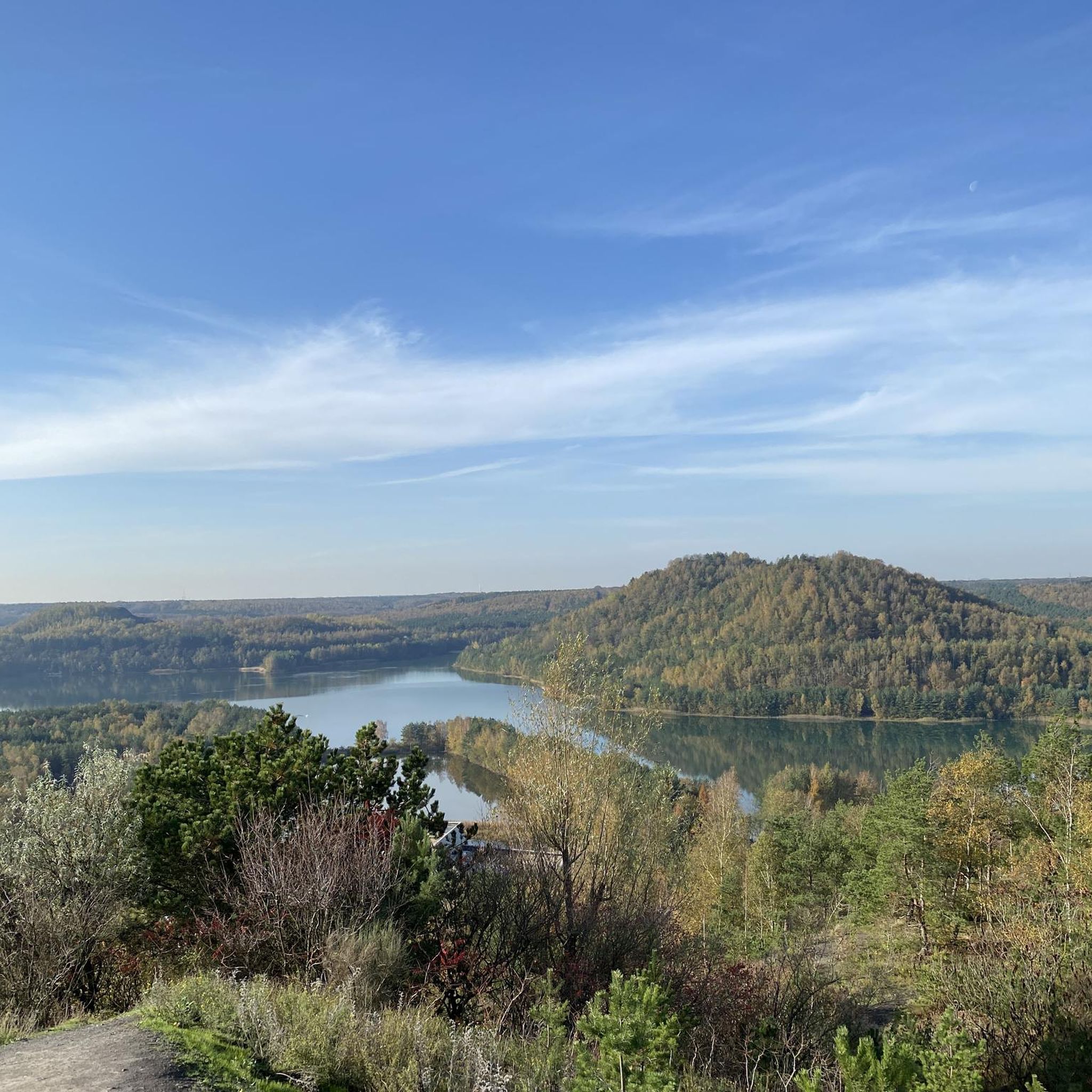
Beautiful view over the surroundings
0
0
Frequently Asked Questions
How many touring cycling routes are available in Dilsen-Stokkem?
There are over 90 touring cycling routes around Dilsen-Stokkem. These routes cater to various skill levels, with approximately 70 routes classified as easy, 13 as moderate, and 9 as difficult, ensuring options for every cyclist.
What are the typical terrain and difficulty levels for cycling routes in Dilsen-Stokkem?
The terrain in Dilsen-Stokkem is diverse, ranging from flat river paths along the Meuse to routes with gentle elevation changes within the Hoge Kempen National Park, which features former mining areas reclaimed by nature. Most routes are easy to moderate, with well-developed cycling infrastructure making them accessible for various fitness levels.
What can I see along the touring cycling routes in Dilsen-Stokkem?
Cycling routes in Dilsen-Stokkem offer a variety of sights. You can explore natural monuments like the Molenplas Tree Monument and the Oudsberg Dune. Many routes also pass by scenic lakes, such as those found at Mechelse Heide — Lakes and Sand Dunes, and offer viewpoints like the View of the Grote Plas from Terhills. You might also encounter unique structures like the Cycling Across the Floating Bridge – Nationaal Park Hoge Kempen.
Are there any circular touring cycling routes in Dilsen-Stokkem?
Yes, many touring cycling routes in Dilsen-Stokkem are designed as loops. For example, the Heiderbos Nature Reserve – Cycling through the Mechelse Heide loop from Grote Plas is a popular moderate loop that takes you through the heathland of Hoge Kempen National Park. Another option is the Cycling through the Mechelse Heide – Mechelse Heide loop from Panorama terril.
What do other touring cyclists enjoy the most about cycling in Dilsen-Stokkem?
The touring cycling routes around Dilsen-Stokkem are highly rated by the komoot community, with an average score of 4.5 stars from over 500 reviews. Cyclists often praise the diverse landscapes, from the meandering Meuse River to the natural beauty of the Hoge Kempen National Park, and the well-maintained cycling infrastructure that makes exploring the region a pleasure.
Are there family-friendly touring cycling routes in Dilsen-Stokkem?
Yes, Dilsen-Stokkem offers many easy routes suitable for families. The region's well-developed cycling network includes numerous flat, paved paths, especially along the Meuse River, which are ideal for a relaxed family outing. These routes often pass through scenic natural areas and charming villages.
Is it possible to cycle with dogs in Dilsen-Stokkem?
While cycling with dogs is generally possible on many routes, it's important to be mindful of specific regulations, especially within protected areas like the Hoge Kempen National Park. Always keep your dog on a leash and ensure they are comfortable with the distance and terrain. Check local signage for any restrictions.
Where can I find parking for cycling routes in Dilsen-Stokkem?
Parking is generally available at various starting points for cycling routes throughout Dilsen-Stokkem. Key locations often include visitor centers, such as De Wissen, and near popular natural attractions or village centers. Look for designated parking areas near trailheads or points of interest.
Can I rent a bike in Dilsen-Stokkem?
Yes, bike rental services are available in Dilsen-Stokkem. These services cater to visitors looking to explore the region's extensive cycling network without bringing their own equipment. You can often find rental options at tourist information points or dedicated bike shops in the area.
What are some notable historical or cultural sites accessible by bike?
Dilsen-Stokkem offers several charming historical sites accessible by bike. You can cycle through villages like Stokkem and Oud-Dilsen, which feature historical centers and monuments, including a characteristic Maria park with a medieval tower in Oud-Dilsen. The region also has museums, such as the Weaving Museum, that can be visited during your cycling tour.
How can I plan my own cycling route in Dilsen-Stokkem?
Dilsen-Stokkem is known for its extensive network of cycling nodes, making it easy to create tailor-made routes. You can use these nodes to connect different sections and design a tour that matches your desired distance and points of interest. Services like komoot also allow you to plan and navigate custom routes through the region.
Are there options for crossing the Meuse River to explore the Dutch side?
Yes, many routes along the Meuse River offer the option to cross via ferries, allowing you to explore the Dutch side of the RivierPark Maasvallei. This provides a unique opportunity to experience the 'boundless biking' aspect of the region and discover new landscapes and villages across the border.
Most popular routes around Dilsen-Stokkem
Most popular attractions around Dilsen-Stokkem

Get inspired with the komoot mobile app


Explore more
Browse the best Cycling routes in other regions.
