The best cycling routes around As
4.7
(161)
2,093
riders
46
rides
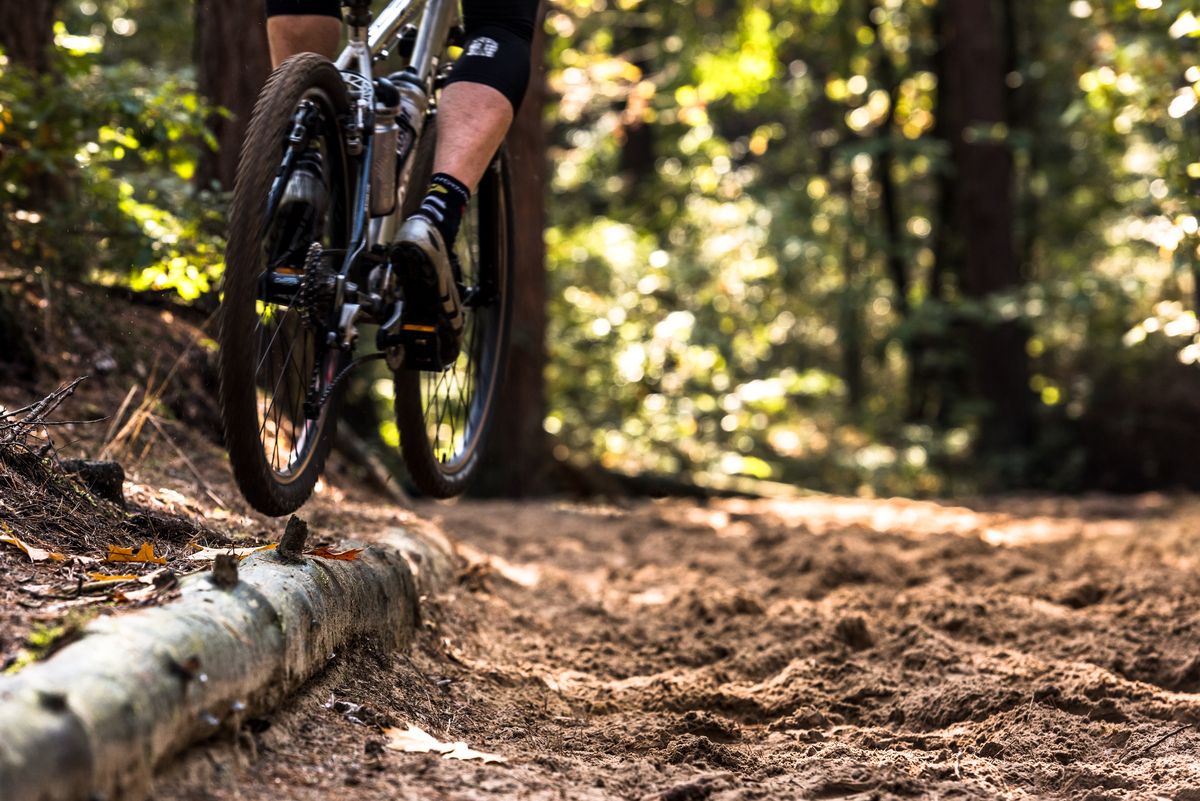
Touring cycling routes around As, Belgium, traverse a landscape characterized by varied natural features, including heathlands, river paths, and nature reserves. The region offers routes that explore areas like the Mechelse Heide and follow the Meuse river. Terrain generally includes gentle undulations with some routes featuring moderate elevation gains. This area provides a mix of natural scenery suitable for touring cyclists.
Best touring cycling routes around As
- The most popular touring cycling route is Cycling through the Mechelse Heide –…
Last updated: July 21, 2026
4.7
(58)
386
riders
42.2km
02:29
100m
100m
Hard bike ride. Good fitness required. You may need to push your bike for some segments of this route.
4.0
(4)
362
riders
50.2km
03:22
180m
180m
Hard bike ride. Good fitness required. You may need to push your bike for some segments of this route.

Sign up for free
4.3
(13)
88
riders
28.0km
01:39
120m
120m
Easy bike ride. Great for any fitness level. Mostly paved surfaces. Suitable for all skill levels.
4.4
(28)
210
riders
60.7km
03:30
130m
130m
Moderate bike ride. Good fitness required. Mostly paved surfaces. Suitable for all skill levels.
4.6
(20)
193
riders
Easy bike ride. Great for any fitness level. Mostly paved surfaces. Suitable for all skill levels.
Get access to more routes and recommendations from other explorers.
Sign up for free
Already have an account?
Our route recommendations are based on thousands of hikes, rides, and runs completed by other people on komoot.
Start today with a free account
Your next adventure awaits.
Login or Signup



Tips from the Community

It is good cycling on the paved towpaths along the Meuse.
0
0

Thor Central is a powerfully impressive industrial building that was protected as heritage after the closure of the mines. The search for a meaningful function for the Waterschei mining site and the option to develop the site into a technology park also included the task of giving this beautiful building a new future. Thor Central has evolved into the beating heart of the Thor Park site. Besides the Food Plaza with restaurant Partaasch and brasserie Lampada, the building mainly has a business function, with meeting rooms, an auditorium, a central reception, and even a daycare center. Events and exhibitions are regularly held there.
4
0
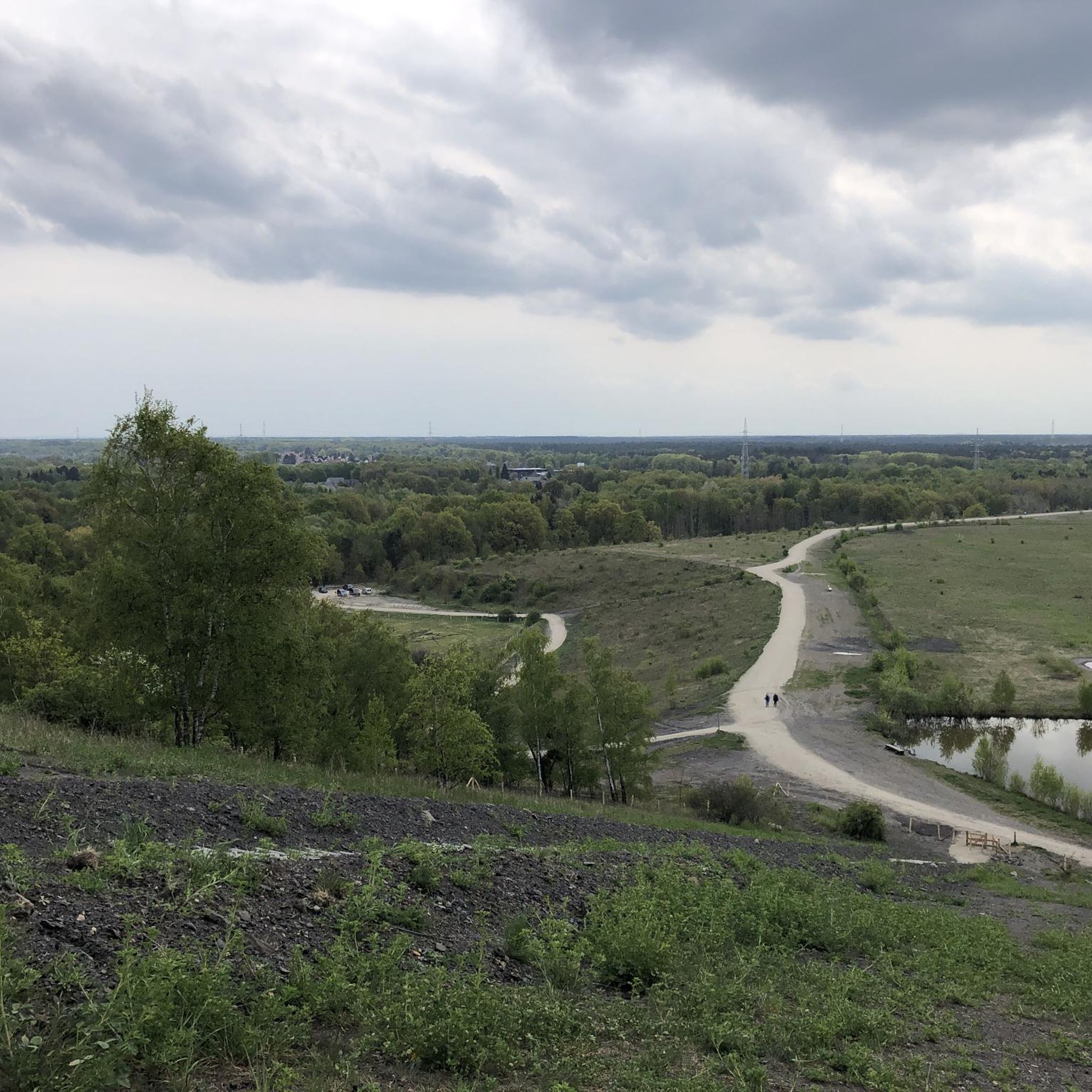
Genk has three former mining sites: in Winterslag, in Zwartberg and in Waterschei. The latter can call itself the very first coal mine in Limburg. Although André Dumont first discovered coal in As in 1901, exploitation for our province started in Waterschei. The main building of the mining site is still a real eye-catcher. Today, technology, energy and innovation gather here under the name Thor Central, the ideal hot spot for a congress, meeting or team event. Moreover, from Thor Park you can explore the wonderful nature of the Hoge Kempen National Park.
5
0
The nature reserves in the cross-border River Park Maasvallei are managed by Natuurmonumenten and Staatsbosbeheer on the Dutch side, and by Limburgs Landschap and Natuurpunt on the Flemish side. To keep the rugged river nature in check and simultaneously introduce variation and dynamism to the landscape, they use large grazers. Without management, the areas would quickly become overgrown and dense with forest. Along the Maas, you almost exclusively see Galloway cattle and Konik horses. As permanent maintenance workers, they roam through the nature reserves. They graze, prune, fertilize, break open the soil with their hooves, and spread seeds via their coats and droppings. This keeps open spaces and allows a varied and rich landscape full of life to develop. Both the Galloways and the Koniks roam the areas year-round. They are strong, robust breeds built to live outdoors year-round without assistance. They are hardy, self-sufficient, and flexible. They adapt their coat, behavior, and digestion according to the conditions of the season. They find their own food and brave wind, rain, snow, and sunshine.
3
0

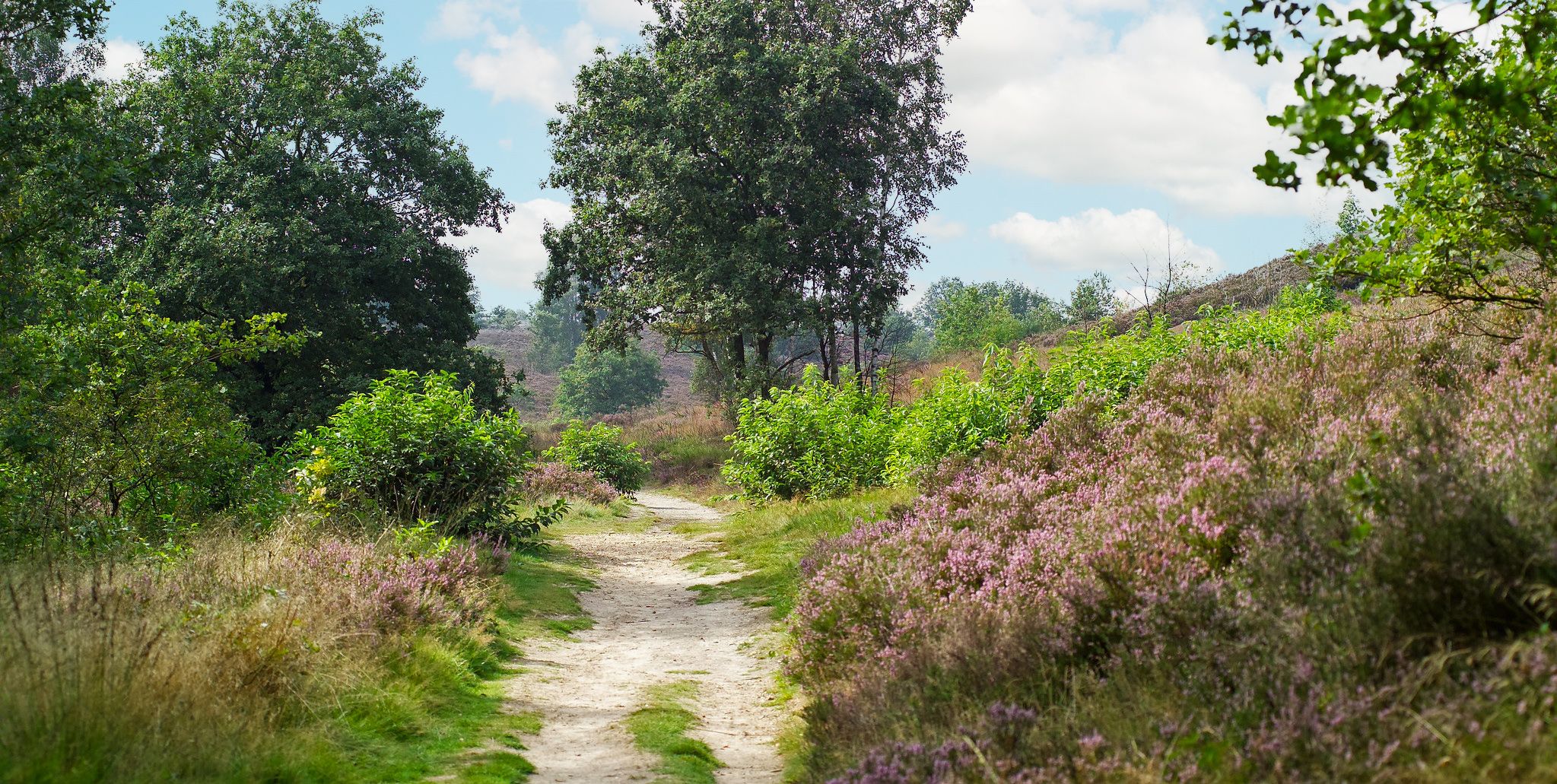
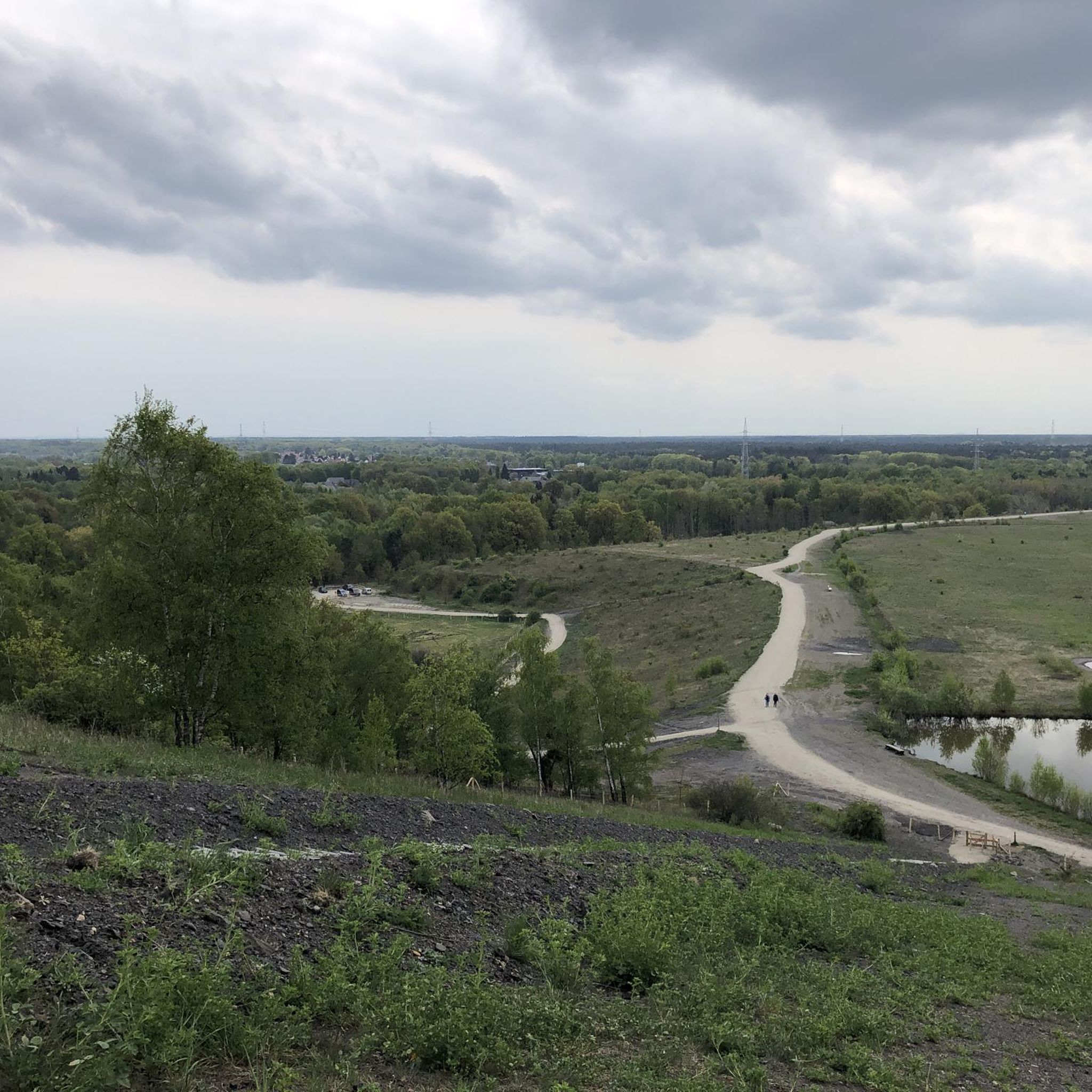
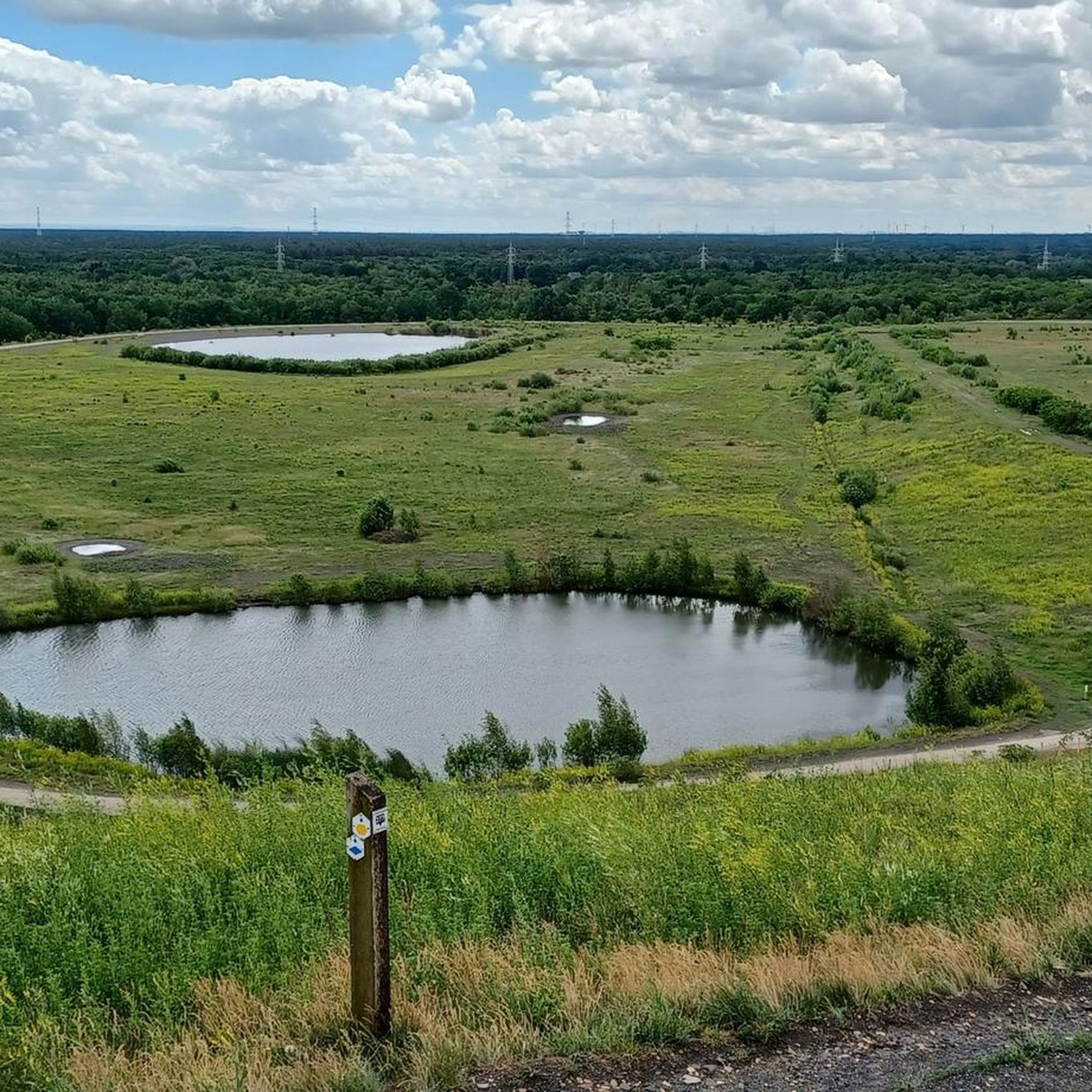
Cycling across the heath takes you right through the Hoge Kempen National Park. In this park, vast pine forests alternate with endless heathlands. Thanks to the new connection between cycle nodes 550 and 551, nature is presented to you on a platter. You cycle across the Mechelse Heide, with 700 hectares, one of the largest heathland areas in Flanders. The highlight of this route is undoubtedly the almost 300-meter-long wooden bridge, a recognizable element in the landscape. From the bridge, you have a panoramic view of the natural surroundings.
0
0
Station As is a former railway station on lines 21A (Hasselt-As) and 21B (As-Eisden). The station building now houses a restaurant and the Kolenspoorvereniging (Coal Railway Association) uses it for the operation of the tourist railway line Waterschei-As-Eisden. Station As is also one of the gateways to Hoge Kempen National Park and has an observation tower.
0
0

A view over Ås and the surroundings from the observation tower at the old train station
0
0
A highlight especially for the little ones, the mini train station with miniature trains and a steam locomotive
0
0
Frequently Asked Questions
How many touring cycling routes are available around As?
There are over 40 touring cycling routes available around As, offering a diverse range of experiences for cyclists of all levels.
What kind of terrain can I expect on touring cycling routes in As?
The touring cycling routes around As traverse a varied landscape, characterized by heathlands like the Mechelse Heide, river paths along the Meuse, and various nature reserves. You can expect generally gentle undulations, though some routes feature moderate elevation gains.
What are the difficulty levels of touring cycling routes in As?
The routes in As cater to various abilities, with approximately 19 easy, 12 moderate, and 12 difficult touring cycling routes available. This ensures options for beginners and experienced cyclists alike.
What natural features can I explore along the touring cycling routes in As?
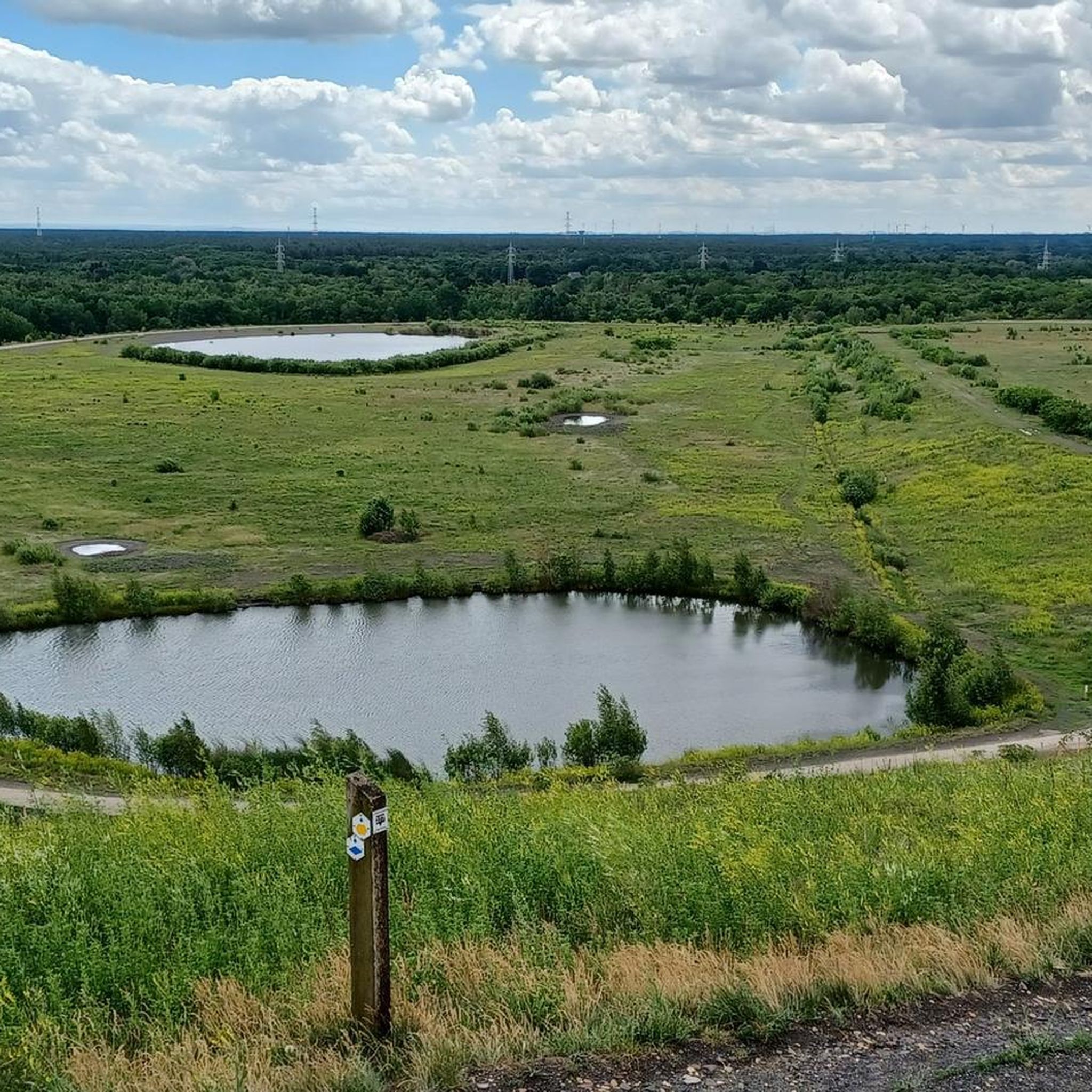
You can explore significant natural features such as the expansive Mechelse Heide, river paths along the Meuse, and nature reserves like Heiderbos. For example, the route Cycling through the Mechelse Heide – Mechelse Heide loop from As takes you directly through the heathland. You might also encounter highlights like Mechelse Heide — Lakes and Sand Dunes.
Are there any interesting landmarks or points of interest near the touring cycling routes in As?
Yes, the region around As offers several interesting points of interest. You can find highlights such as Thor Park, The Pit of Zonhoven, and various bike parks like Genk Bike Park. There are also unique structures like the Bliksemtrap Kattevennen viewpoint.
Are there any circular touring cycling routes around As?
Yes, many touring cycling routes in As are designed as loops, allowing you to start and end at the same point. Examples include Cycling through the Mechelse Heide – Mechelse Heide loop from As and Oudsbergen – Ruiterskuilen Pond loop from Niel-bij-As.
Are the touring cycling routes in As suitable for families?
Many of the easy and moderate routes in As are suitable for families, especially those that follow dedicated cycle paths or traverse flat, well-maintained terrain. The region's natural beauty and varied landscapes provide enjoyable outings for all ages.
What is the best time of year for touring cycling in As?
The spring and autumn months generally offer the most pleasant conditions for touring cycling in As, with milder temperatures and beautiful scenery. Summer can also be enjoyable, though it may be warmer, and winter cycling is possible but requires appropriate gear for colder weather.
Is there parking available near the touring cycling routes in As?
Yes, parking is generally available at common starting points for touring cycling routes in and around As, particularly near nature reserves and trailheads. Specific parking information can often be found on individual route pages.
How can I reach the touring cycling routes in As by public transport?
As is accessible by public transport, and some routes, like Station As – Cycle Path along the Meuse loop from Niel-bij-As, are designed to start near public transport hubs. Checking local bus and train schedules for connections to towns like As and Niel-bij-As will help you plan your journey.
Are there places to stop for refreshments along the touring cycling routes?
Yes, you will find opportunities for refreshments along many routes, especially in or near towns and villages. Some routes may pass by cafes or pubs, and facilities like Camping Zavelbos and Forest Tavern 't Zavelje offer amenities for visitors.
What do other touring cyclists say about the routes in As?
The touring cycling routes in As are highly rated by the komoot community, with an average score of 4.4 stars from over 200 reviews. Cyclists often praise the region's varied natural scenery, well-maintained paths, and the peaceful experience of cycling through heathlands and along riverbanks.
Most popular attractions around As

Get inspired with the komoot mobile app


Explore more
Browse the best Cycling routes in other regions.
