The best walks and hikes around Ville De Bruxelles - Stad Brussel
4.4
(746)
5,870
hikers
168
hikes
Hiking around Ville De Bruxelles - Stad Brussel offers a diverse landscape, blending urban green spaces with extensive ancient forests. The region is characterized by numerous parks, such as Bois de la Cambre, and the vast Sonian Forest, a UNESCO World Heritage site known for its beech and oak trees. Trails traverse varied terrain, from flat city paths to gently rolling forest floors, providing accessible outdoor experiences within and around the capital.
Best hiking trails around Ville De Bruxelles - Stad Brussel
- The most popular hiking route is Galeries Royales Saint-Hubert – Brussels Town Hall loop from De Brouckère, a 9.5 miles (15.3 km) trail that takes 4 hours 4 minutes to complete. This moderate route explores the historic city center, passing prominent landmarks.
- Another top favourite among local hikers is Brussels Town Hall – Galeries Royales Saint-Hubert loop from Anneessens, an easy 4.1 miles (6.7 km) path. This trail offers a pleasant walk through the heart of Brussels, showcasing its architectural heritage.
- Local hikers also love the Manneken-Pis – Galeries Royales Saint-Hubert loop from Lemonnier, a 5.4 miles (8.7 km) trail leading through the vibrant city center, often completed in about 2 hours 17 minutes.
- Hiking around Ville De Bruxelles - Stad Brussel is defined by ancient forests like the Sonian Forest, extensive urban parks, and the varied landscapes of the surrounding Green Belt. The network offers options for different ability levels, from leisurely city strolls to longer forest expeditions.
- The routes in Ville De Bruxelles - Stad Brussel are highly rated by the komoot community with an average score of 4.4 stars from over 600 reviews. More than 5000 hikers have used komoot to explore Ville De Bruxelles - Stad Brussel's varied terrain.
Last updated: July 17, 2026
4.7
(45)
334
hikers
Moderate hike. Good fitness required. Easily-accessible paths. Suitable for all skill levels.
4.4
(14)
88
hikers
6.72km
01:46
60m
60m
Easy hike. Great for any fitness level. Easily-accessible paths. Suitable for all skill levels.

Sign up for free
4.7
(27)
232
hikers
8.97km
02:22
90m
90m
Moderate hike. Good fitness required. Easily-accessible paths. Suitable for all skill levels.
3.9
(10)
51
hikers
Moderate hike. Good fitness required. Easily-accessible paths. Suitable for all skill levels.
4.5
(13)
151
hikers
5.85km
01:31
40m
40m
Easy hike. Great for any fitness level. Easily-accessible paths. Suitable for all skill levels.
Get access to more routes and recommendations from other explorers.
Sign up for free
Already have an account?
Our route recommendations are based on thousands of hikes, rides, and runs completed by other people on komoot.
Start today with a free account
Your next adventure awaits.
Login or Signup
Popular around Ville De Bruxelles - Stad Brussel
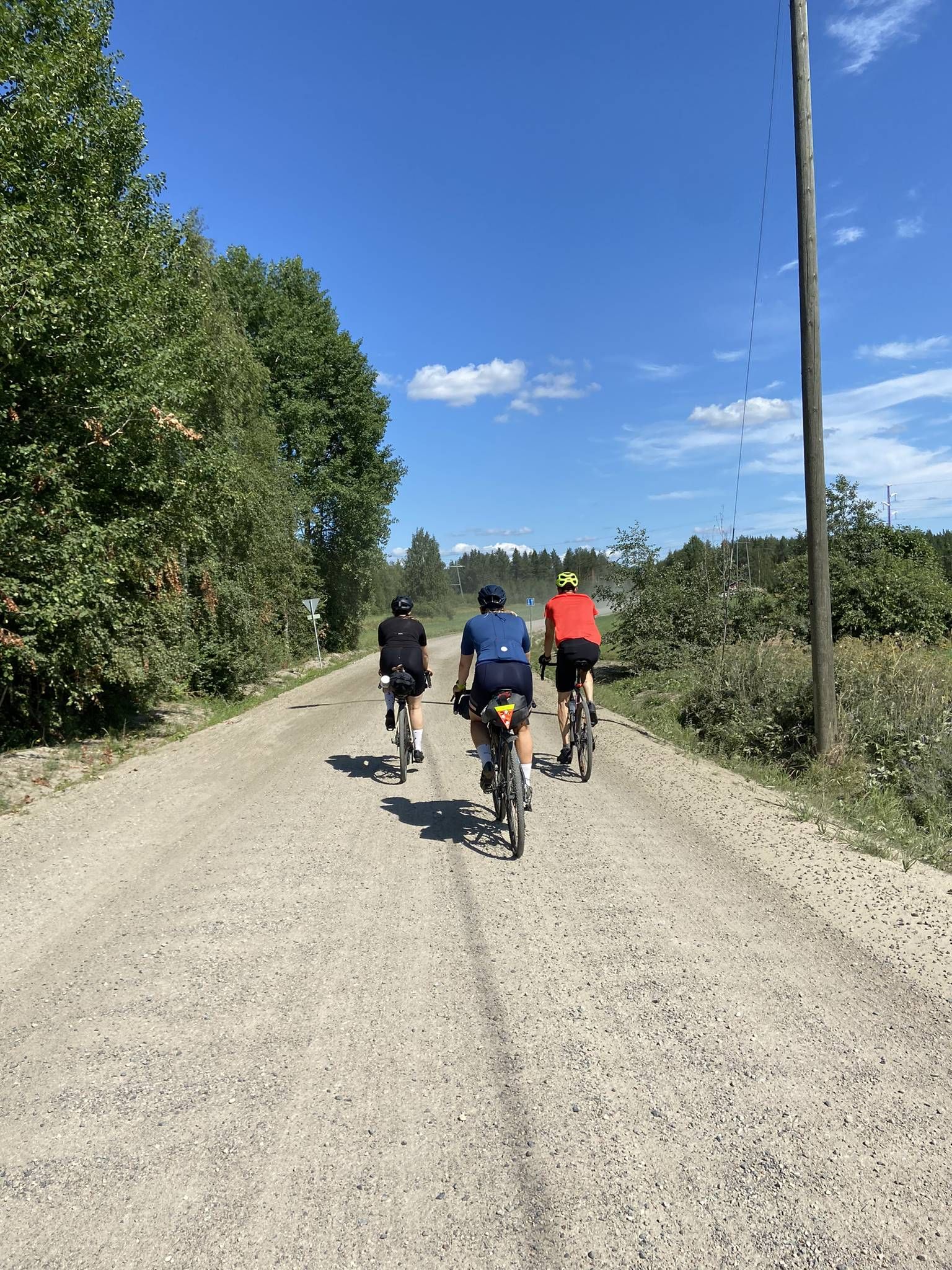
Naples to North Cape — Two friends, one purpose and many scoops of ice-cream
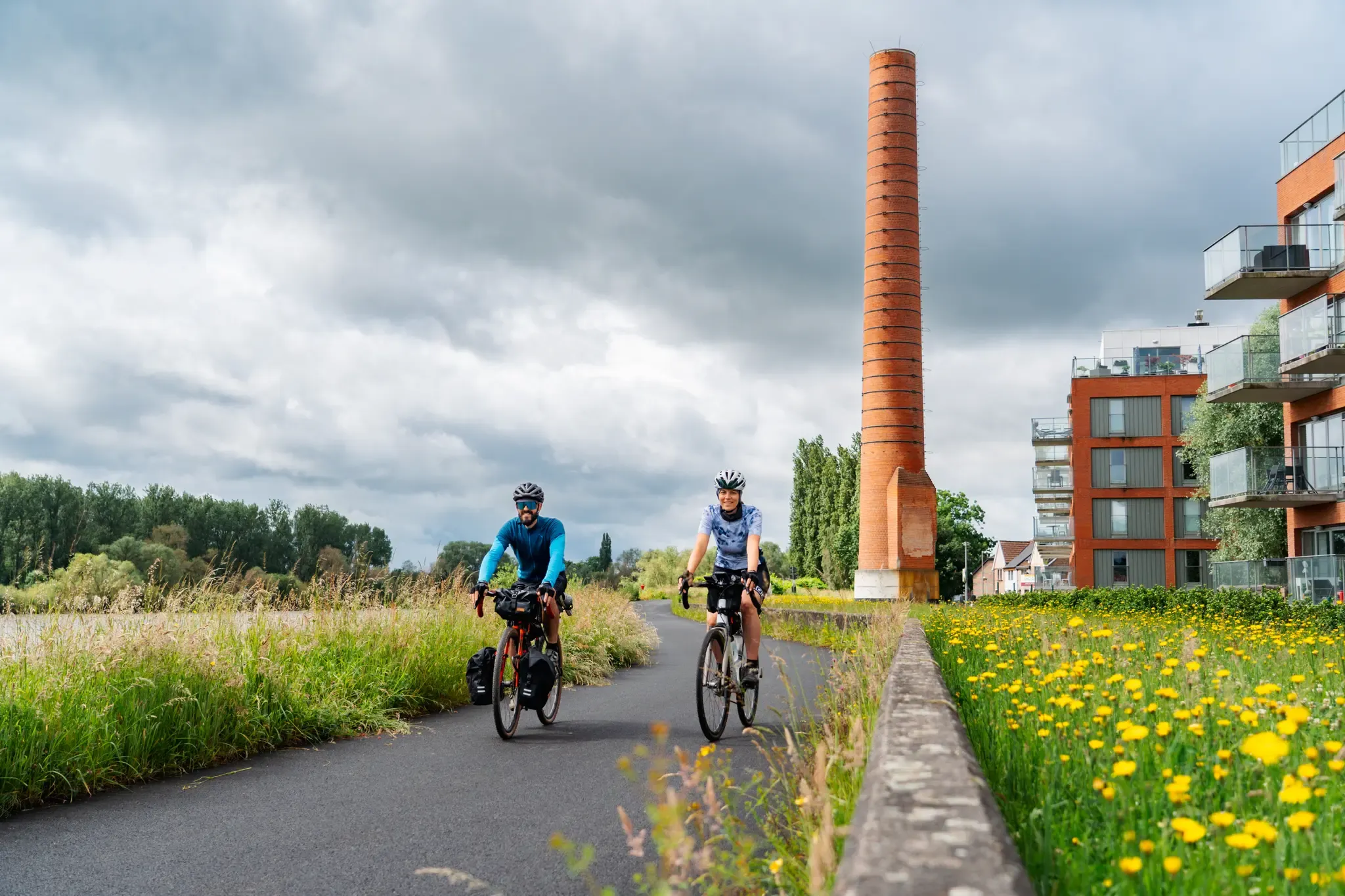
Fries, nature and beer – experience Flanders by bike
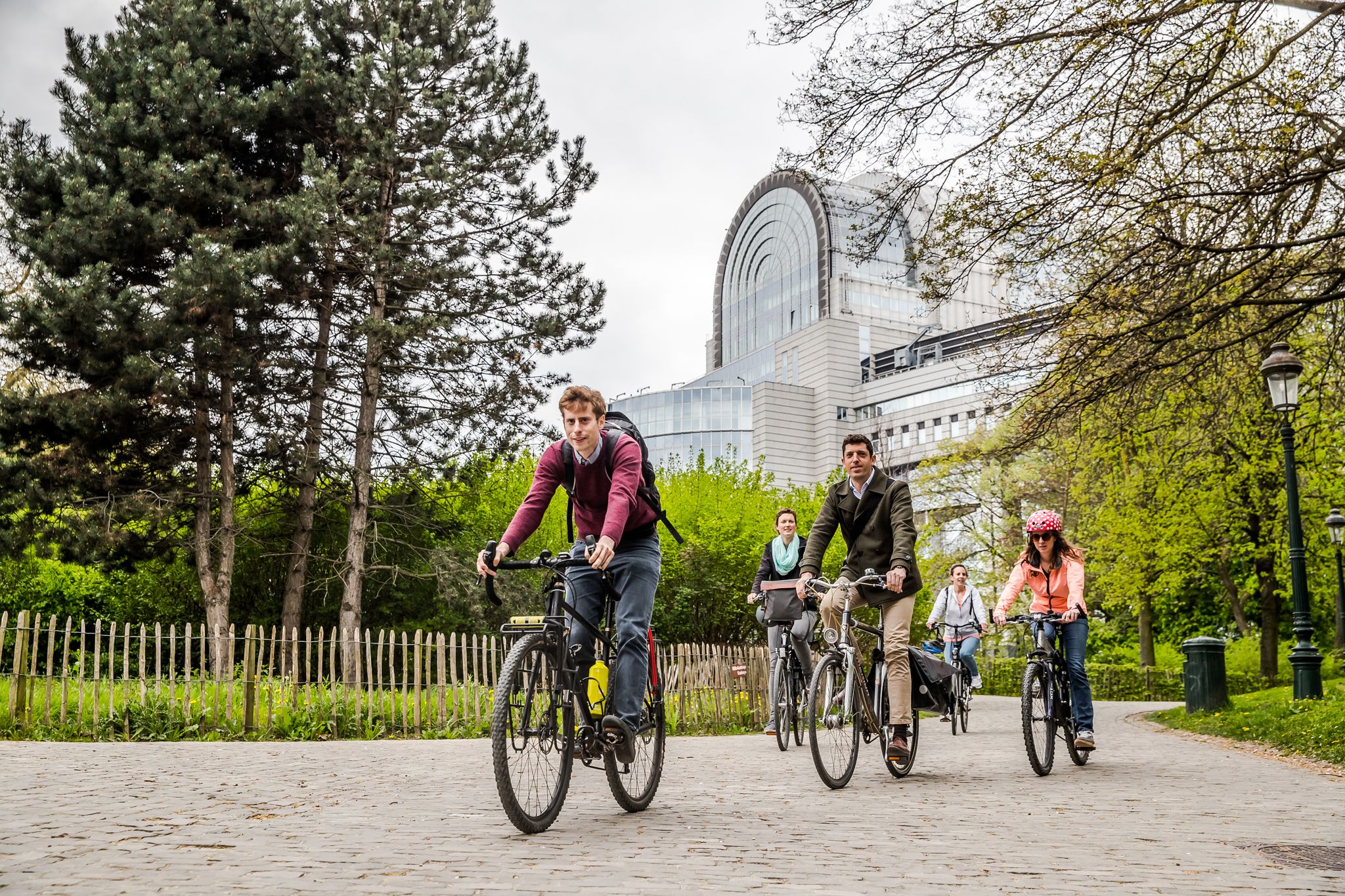
Brussels by bike – 8 themed rides
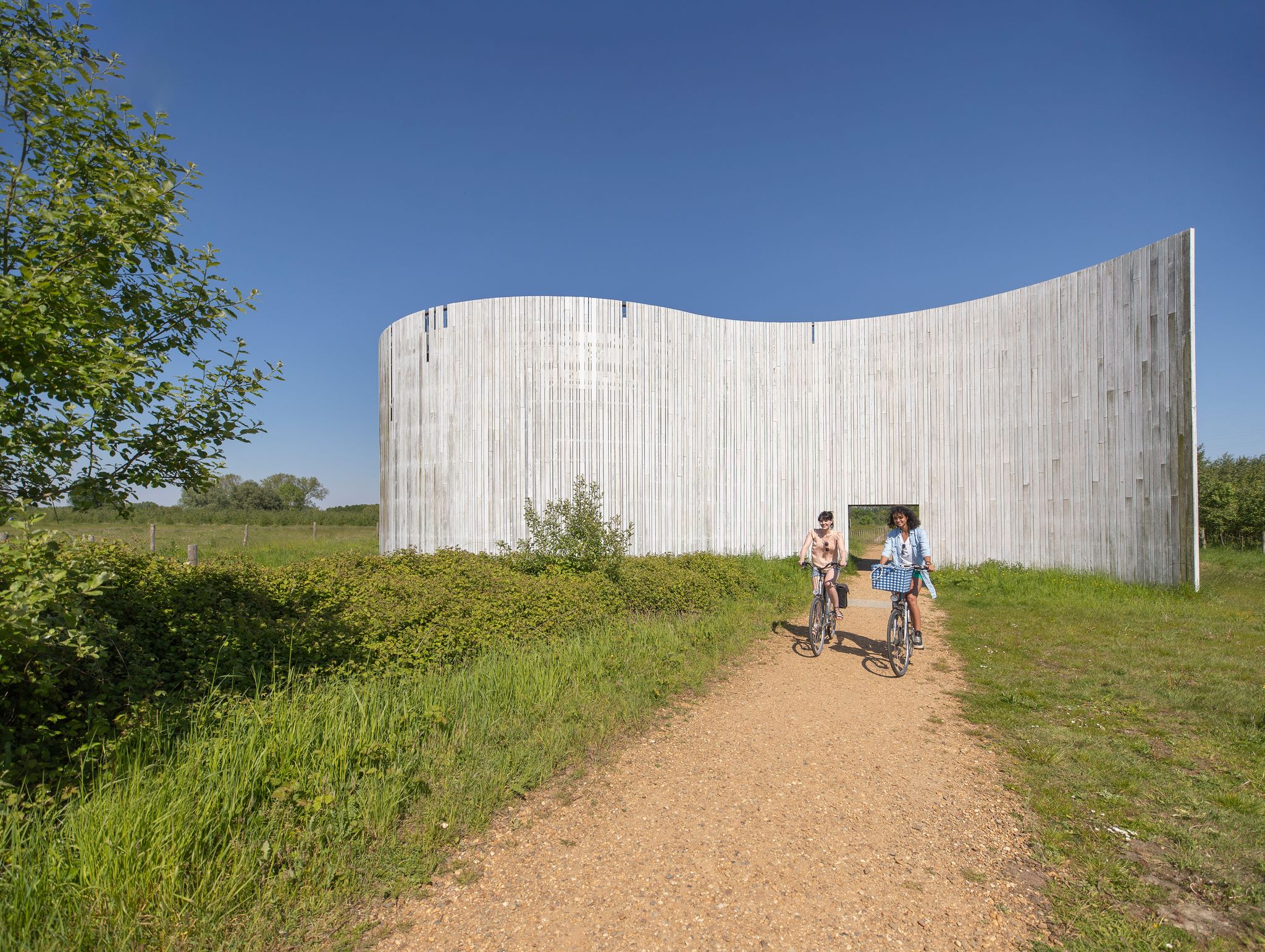
Flanders by bike – the Iconic Cultural Cycle Routes
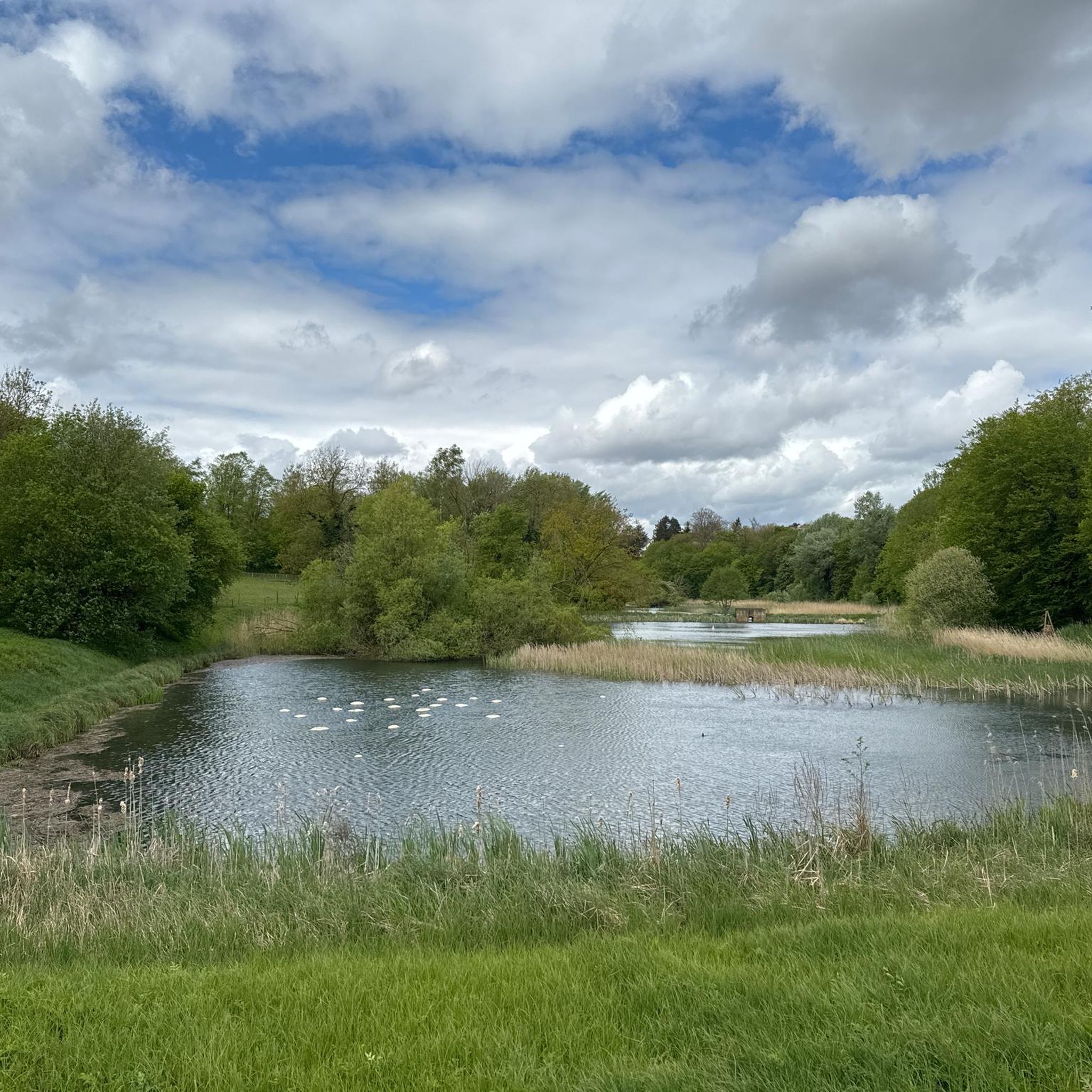
Running Trails around Ville De Bruxelles - Stad Brussel
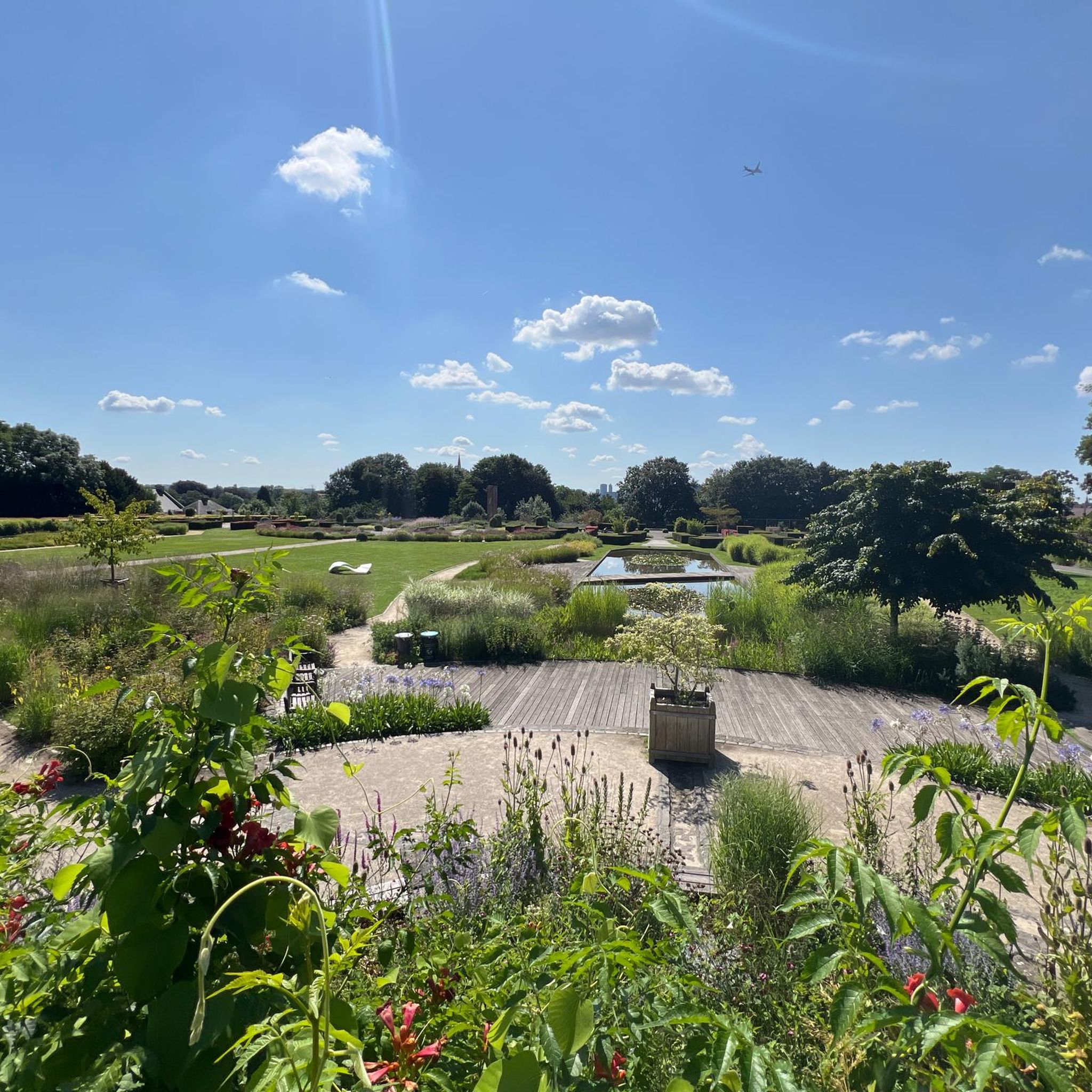
Road Cycling Routes around Ville De Bruxelles - Stad Brussel
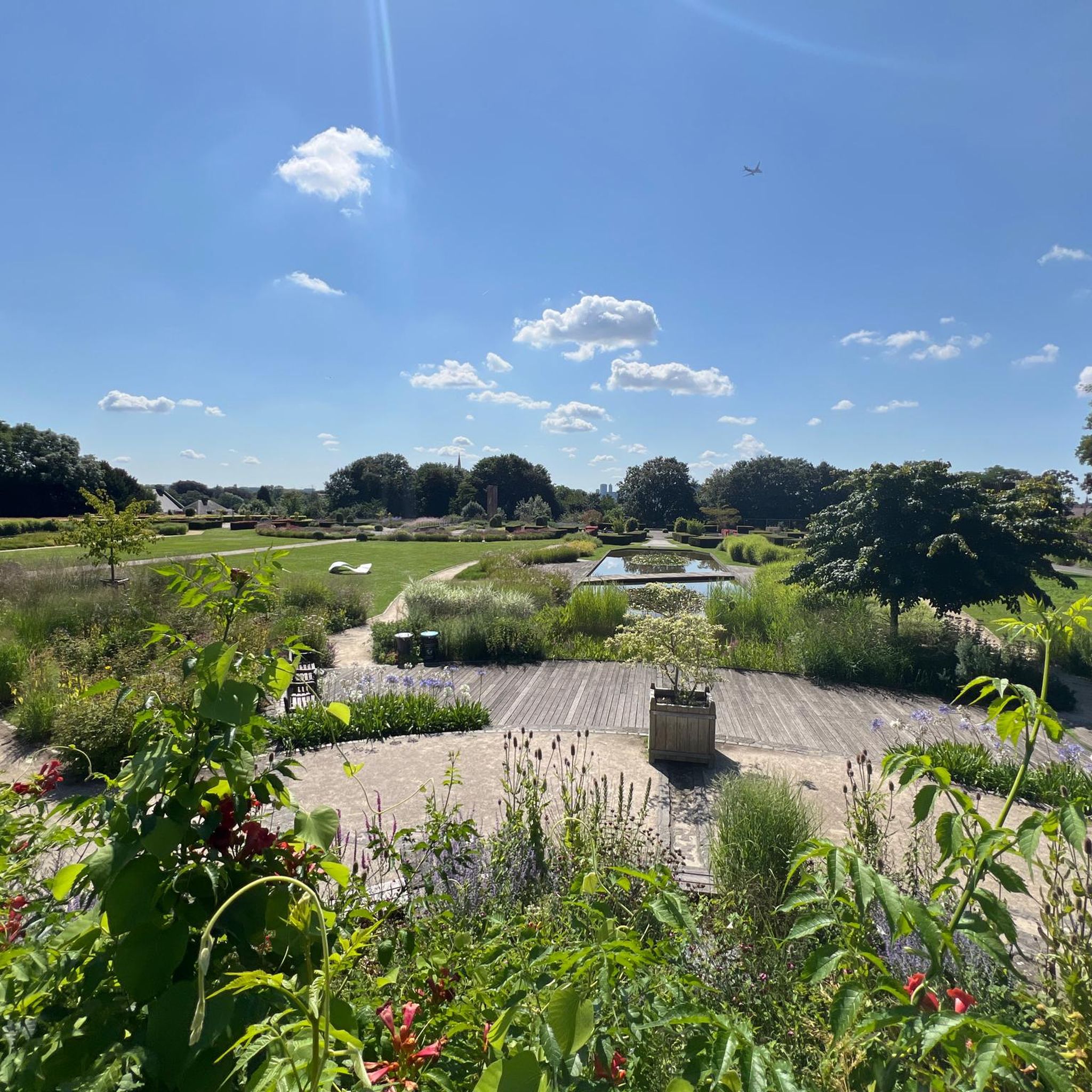
Cycling around Ville De Bruxelles - Stad Brussel
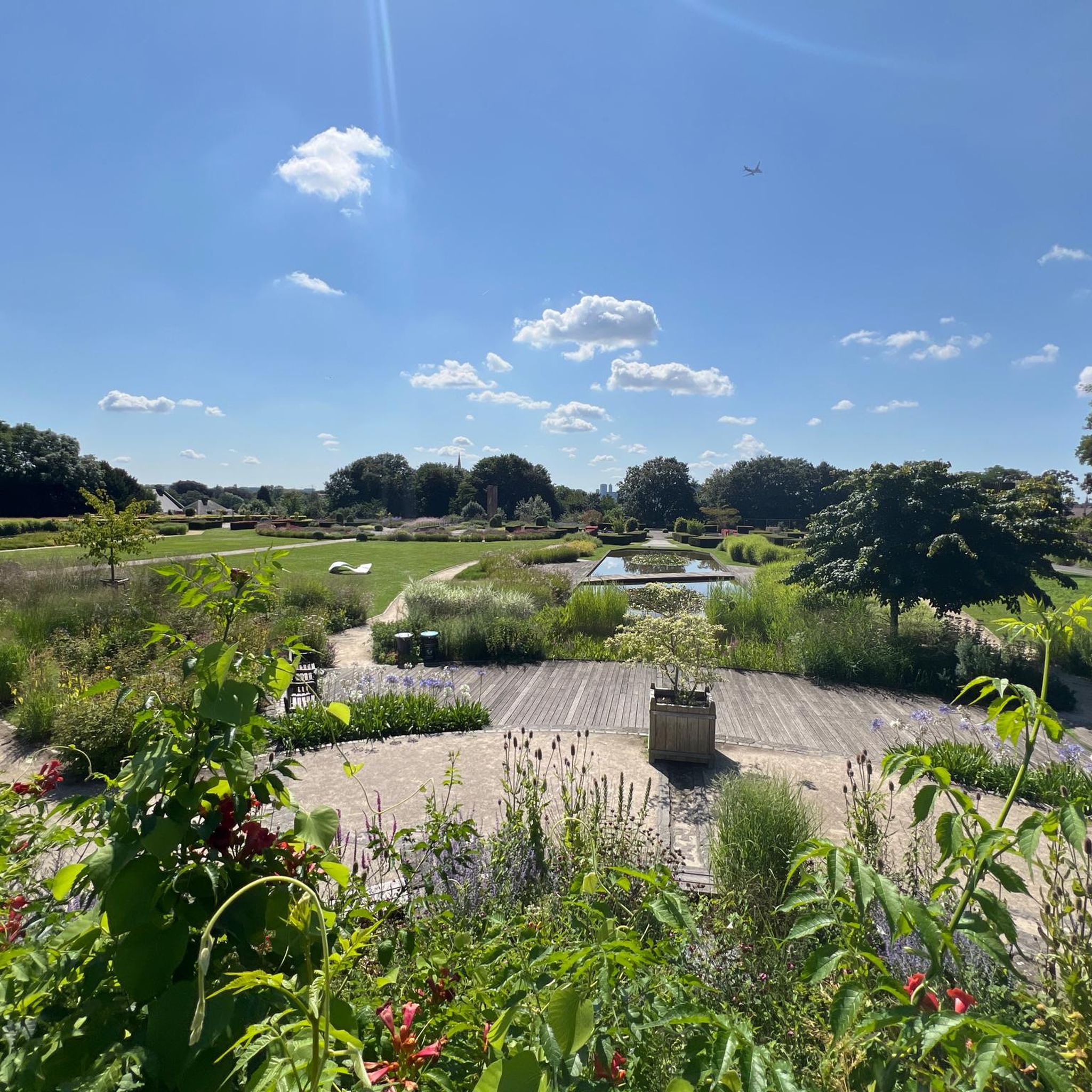
MTB Trails around Ville De Bruxelles - Stad Brussel
Gravel biking around Ville De Bruxelles - Stad Brussel
Other adventures around Ville De Bruxelles - Stad Brussel


Tips from the Community

A very magnificent building in the style of a Roman temple.
0
0
The Maison du Roi houses the City Museum of Brussels with many art objects and information about the city's history.
0
0
The most beautiful spot in Brussels is the magnificent Grand Place with the historic Town Hall and the Brussels City Museum opposite the Town Hall.
0
0

The palace is worth a visit. It is not overcrowded and there is also space for good photos.
1
0

Fun story (can’t vouch for accuracy) - the black brickwork was an intentional contrast to rest of square to scare people into paying their taxes! Love it!
0
0

History The first "Grand théâtre de la Monnaie" was opened in 1700. In 1819, however, it was demolished and rebuilt on the current site by the French architect Louis-Emmanuel Aimé-Damesne. But in a fierce fire on January 21, 1855, the building was completely reduced to ashes; only the four outer walls remained standing. Fortunately, the Royal Opera House was rebuilt very quickly. Joseph Poelaert was responsible for the design of the new building and for the complete interior decoration. In 1856, the new Royal Opera House opened its doors. The most recent major renovation dates from 1985. At that time, the stage tower was completely rebuilt, and the building was extended with an upper volume. Source: https://www.regiedergebouwen.be/nl/projects/koninklijke-muntschouwburg
4
0
The Royal Galleries are a magnificent example of 19th-century elegance. As early as the 1830s, architect Jean-Pierre Cluysenaer was working on this ambitious project, which began in 1846 and was festively opened in 1847. From the outset, the galleries were a vibrant place where shopping, culture, and relaxation came together. With luxury shops, cozy cafes, restaurants, and even apartments above, they formed a beloved promenade. Visitors came not only to shop but also to see and be seen in a stylish and lively environment. Now this gallery is still a nice pleasant shopping street. To see and be seen
6
0
On the cozy Sint-Katelijneplein, you'll discover a place where history and city life effortlessly blend. Where the imposing Sint-Katelijne Church stands today, there was once a 15th-century church. It made way for the current building, but the charming baroque tower from 1629 was preserved and now stands there distinctively beside it. The church itself was built between 1854 and 1874, designed by Joseph Poelaert and his student Wynand Janssens. The result? A surprising mix of styles in a place that was once partly water: this is where the old Sint-Katelijne dock was located, connected to the Willebroek Canal. The surroundings also tell their story. Street names like Baksteenkaai and Brandhoutkaai refer to the district's industrial past. Today, it's a vibrant neighborhood full of atmosphere, cafés, and restaurants—perfect for a wander and soaking up Brussels' rich history.
6
0
Frequently Asked Questions
How many hiking trails are available around Ville De Bruxelles - Stad Brussel?
There are over 160 hiking routes available around Ville De Bruxelles - Stad Brussel, catering to various preferences and skill levels. The komoot community has explored more than 5000 of these routes.
What types of landscapes can I expect to see while hiking near Brussels?
You'll find a diverse range of landscapes, from the ancient, majestic beech and oak trees of the Sonian Forest, a UNESCO World Heritage site, to the extensive urban green spaces like Bois de la Cambre. The region also features varied rural areas, serene ponds, and the unique Molenbeek Valley, offering a blend of natural beauty and historical charm.
What is the best time of year to go hiking in Brussels?
Spring and autumn are particularly beautiful. In spring, the Hallerbos (Bluebell Forest) just outside Brussels is famous for its enchanting carpet of bluebells, typically from mid-April to early May. Autumn offers stunning foliage in the Sonian Forest. However, with many well-maintained paths, hiking is enjoyable year-round, including crisp winter walks.
Are there easy hiking trails suitable for beginners or casual walkers?
Yes, there are over 100 easy hiking routes in the area. Many city parks like Parc Royal, Parc du Cinquantenaire, and the Ixelles lakes offer gentle walks. The Promenade Verte also has sections suitable for leisurely strolls. For example, the Brussels Town Hall – Galeries Royales Saint-Hubert loop from Anneessens is an easy 4.1-mile path through the city center.
Are there any long-distance hiking options near Brussels?
For more experienced hikers, parts of the GR (Grande Randonnée) routes like GR126 and GR121 are accessible from Brussels. Additionally, the Promenade Verte is a magnificent circular trail over 60 km long that encircles the Brussels-Capital Region, offering a journey through varied landscapes.
Are there family-friendly hiking routes in Ville De Bruxelles - Stad Brussel?
Absolutely. Many city parks, such as Bois de la Cambre and Parc de Tervuren, offer safe and enjoyable paths for families. The Rouge-Cloître Abbey, located at the edge of the Sonian Forest, also features playgrounds and scenic loops perfect for a family outing.
Can I bring my dog on hiking trails around Brussels?
Many natural areas and forests around Brussels, including large parts of the Sonian Forest, are dog-friendly. It's always advisable to check local regulations for specific parks or nature reserves, but generally, dogs are welcome on trails, often requiring them to be on a leash.
Where can I find circular hiking routes near Brussels?
Circular routes are abundant. The Promenade Verte is a prime example, offering a 60 km circular path around the city. Within the Sonian Forest, you'll find numerous loops like the Vuilbeek Valley – Ganzepoot Pond loop, providing varied terrain and distances.
Are there any scenic viewpoints or natural attractions to discover on hikes?
Yes, the region is rich in natural beauty. Bois de la Cambre offers tranquil lakes and lush greenery. The Sonian Forest features impressive ancient trees and varied terrain. You can also visit attractions like the Drowned Children Ponds or the Ganzepoot Pond, which are often incorporated into hiking routes.
How can I access hiking trails using public transport in Brussels?
Many trails, especially those within city parks and on the outskirts of the Sonian Forest, are easily accessible by Brussels' extensive public transport network (STIB/MIVB). Tram, bus, and metro lines often have stops conveniently located near trailheads, making it easy to reach green spaces without a car.
Is parking available at trailheads around Brussels?
Yes, for trails located in larger natural areas like the Sonian Forest or near domains such as Solvay, designated parking areas are typically available. For urban park walks, street parking or public car parks in the vicinity can be used, though these might be paid options.
What are some less crowded hiking spots near Brussels?
While popular areas can get busy, exploring deeper into the Sonian Forest, particularly on weekdays or less-known paths, can offer a more secluded experience. The Molenbeek Valley stage of the Promenade Verte also provides a quieter journey through farms and natural areas away from the immediate city bustle.
What do other hikers say about the trails in Ville De Bruxelles - Stad Brussel?
The trails in Ville De Bruxelles - Stad Brussel are highly rated by the komoot community, with an average score of 4.4 stars from over 600 reviews. Hikers often praise the accessibility of nature from the city, the well-maintained paths, and the surprising variety of landscapes, from historic city walks to serene forest expeditions.
Are there any historical or cultural sites I can visit while hiking?
Many routes blend nature with history. You can hike through the city center, passing landmarks like the Galeries Royales Saint-Hubert and Brussels Town Hall. Outside the city, the Rouge-Cloître Abbey and the Solvay Domain with its beautiful Château de La Hulpe offer historical insights amidst natural settings.
Most popular routes around Ville De Bruxelles - Stad Brussel
Most popular attractions around Ville De Bruxelles - Stad Brussel

Get inspired with the komoot mobile app


Explore more
Browse the best Hikes in other regions.
