Top 20 Caves around Voeren
Caves around Voeren are primarily found in the adjacent South Limburg region of the Netherlands, offering a unique geological and historical landscape. This area features various cave-like structures, often former marl and limestone quarries, that provide insights into traditional extraction methods. These sites are popular for outdoor activities, including hiking and cycling, and showcase the region's distinctive natural features. The terrain around Voeren and its neighboring areas is characterized by rolling hills and chalk grasslands.
Best caves around Voeren
- The…
Last updated: June 3, 2026
Château Neercanne
Highlight • Castle
Translated by Google •
Tip by

Strooberg Quarry
Highlight • Cave
The green, sloping Bemelerberg has a marl wall on one side like on a postcard. Here the yellow limestone rises high into the air and …
Translated by Google •
Tip by

Sign up now to discover places like this
Get recommendations on the best single tracks, peaks, & plenty of other exciting outdoor places.
Sign up for free
Geulhemmerberg Climb and Cave Dwellings
Highlight (Segment) • Climb
Translated by Google •
Tip by

Mine entrance and Geul sinkhole — Plombières Nature Reserve
Highlight • Cave
Translated by Google •
Tip by

Trichterberggroeve Limestone Quarry
Highlight • Natural Monument
Sign up for free to discover even more caves around Voeren.
Sign up for free
Already have an account?
Start today with a free account
Your next adventure awaits.
Login or Signup

Tips from the Community

we tried to return to Maastricht using the Arriva bus. However, it was a small bus and only 3 seats were available. My friends walked.
0
0

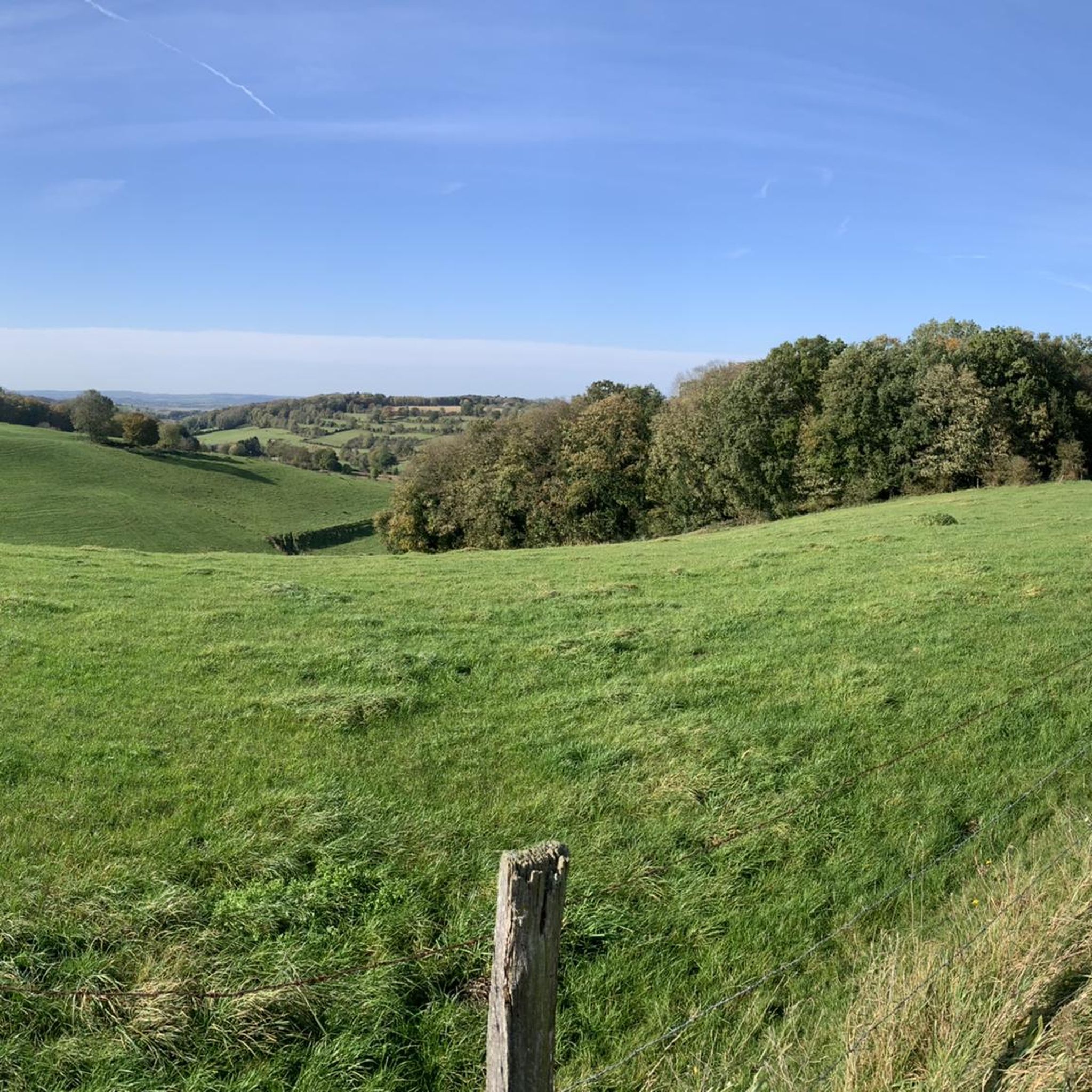
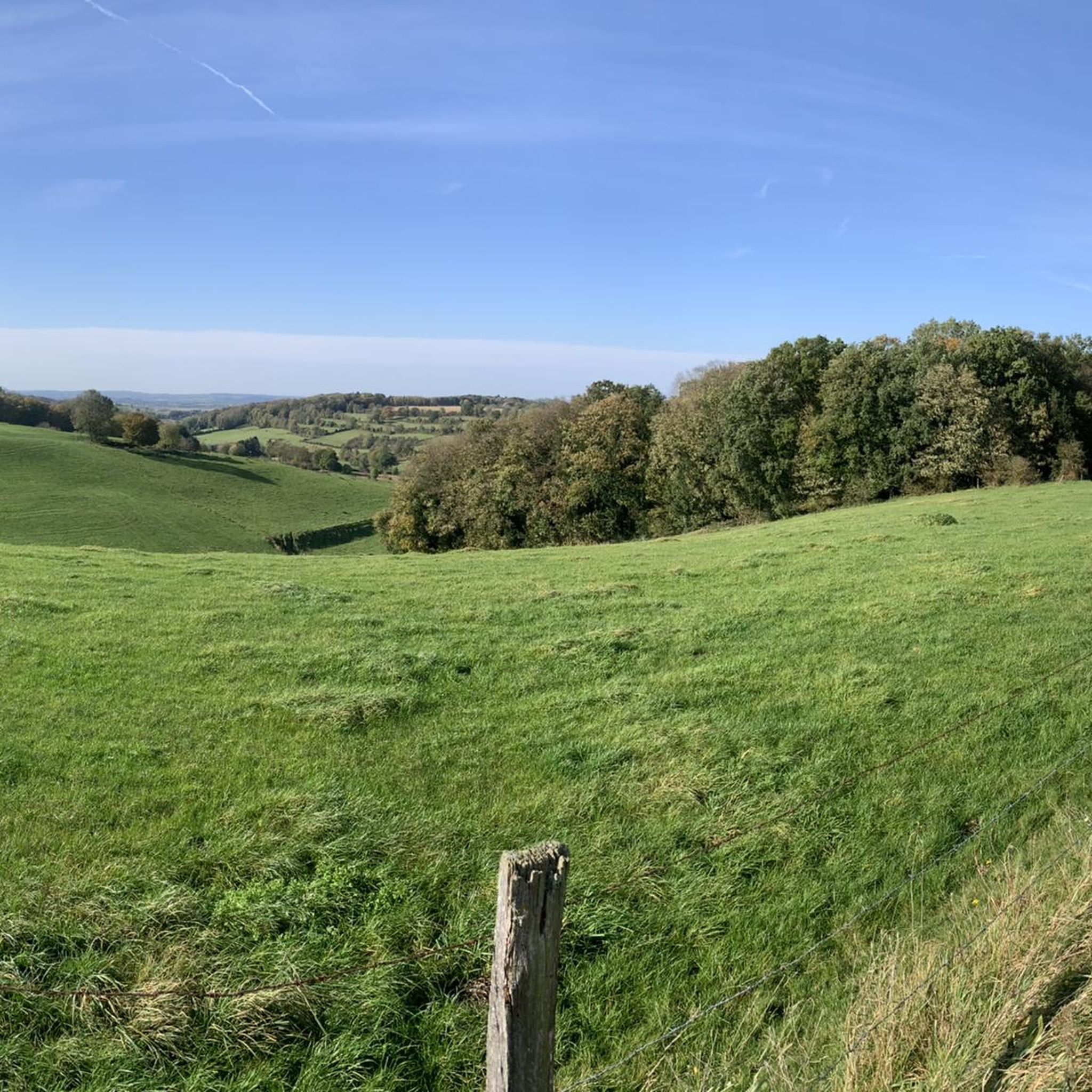
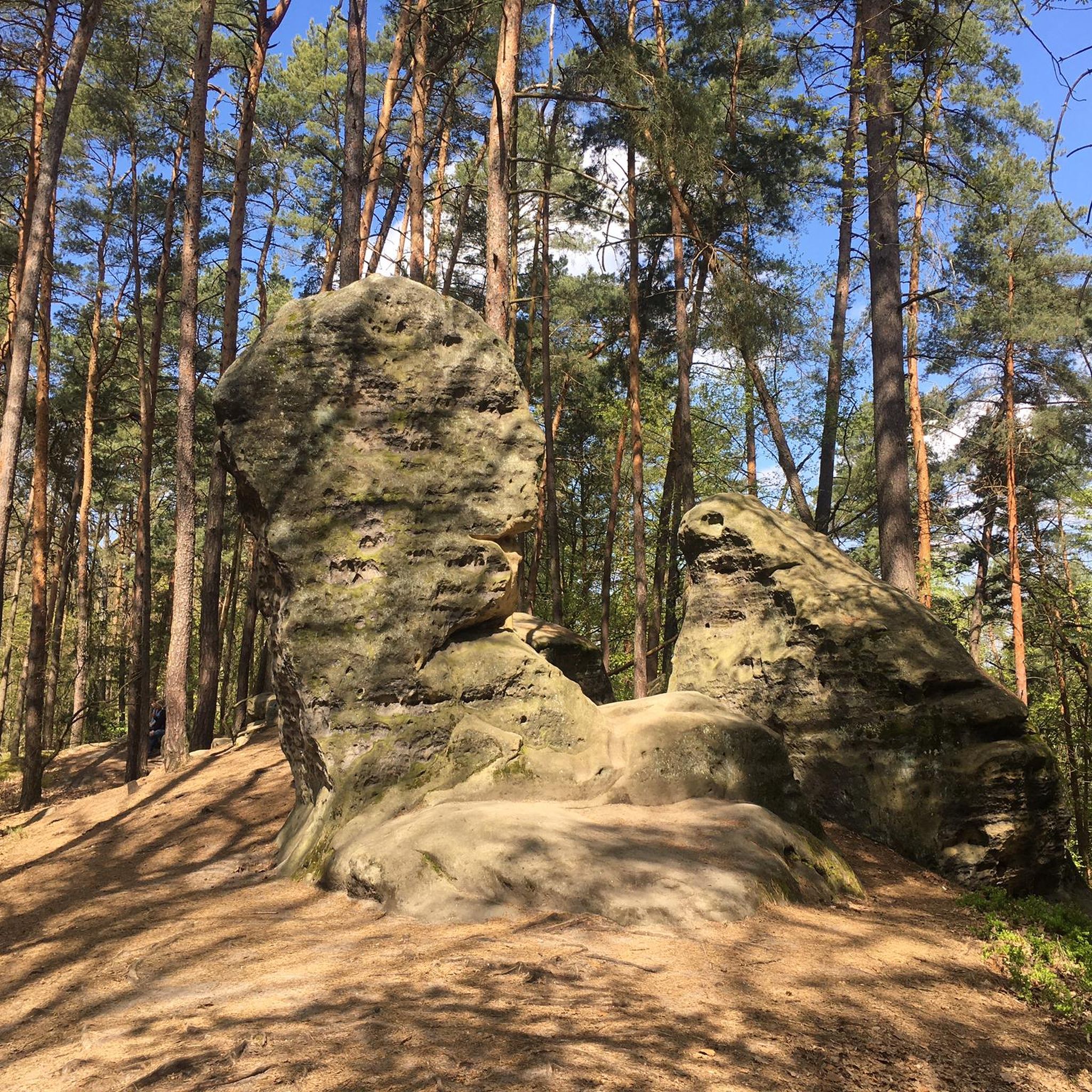
Here you have a view of old marl quarries. You can see a marl wall with meadows, cows, or sheep.
0
0

The Strooberggroeve is a Limburg marl quarry in the Dutch municipality of Eijsden-Margraten. The underground quarry is located north of Bemelen under the Bemelerberg on the north side of the mouth of the dry valley Koelbosgrub in the Meuse valley. The quarry is located on the western edge of the Plateau of Margraten in the transition to the Meuse valley. At this point, the plateau drops steeply for a few meters. https://nl.wikipedia.org/wiki/Strooberggroeve
1
0

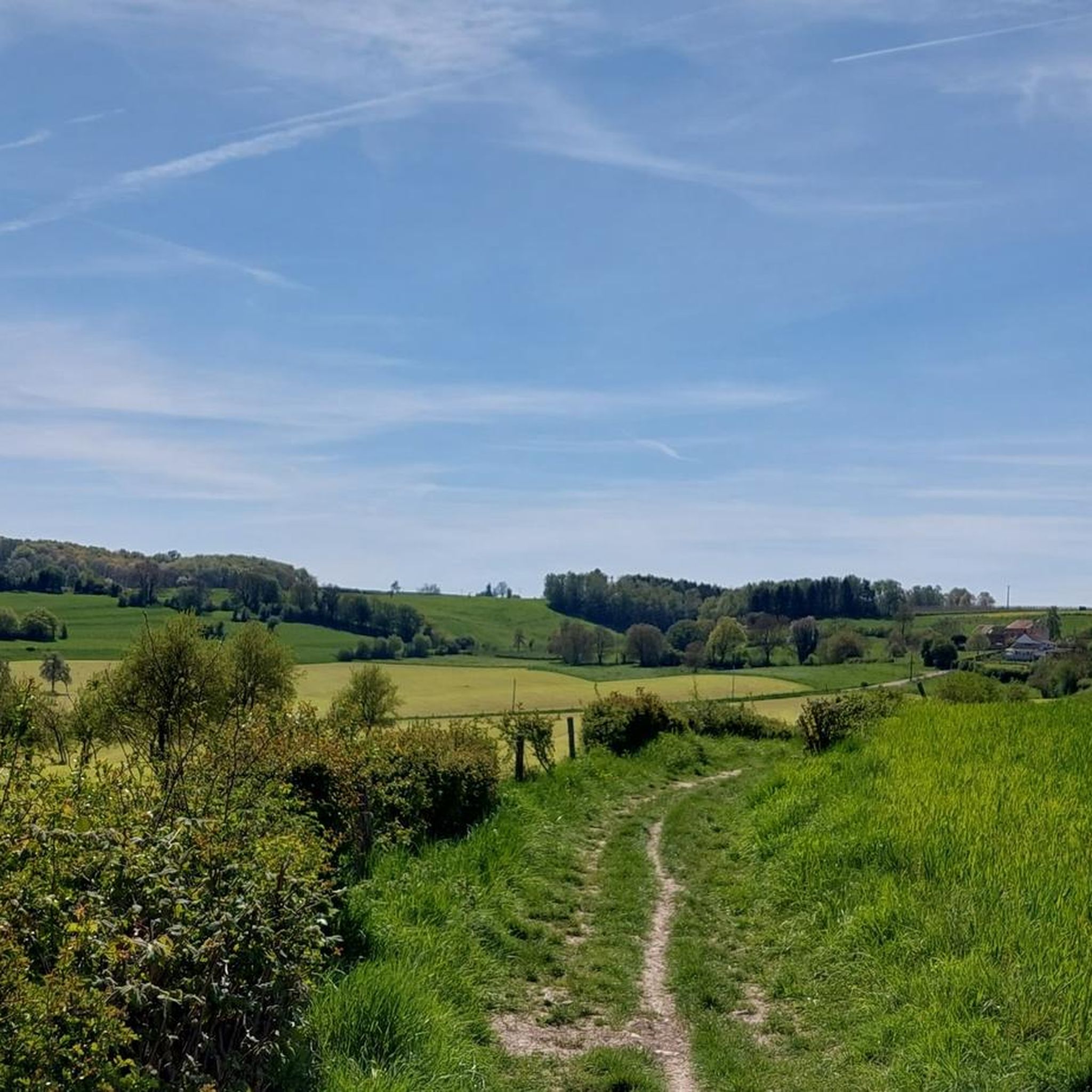
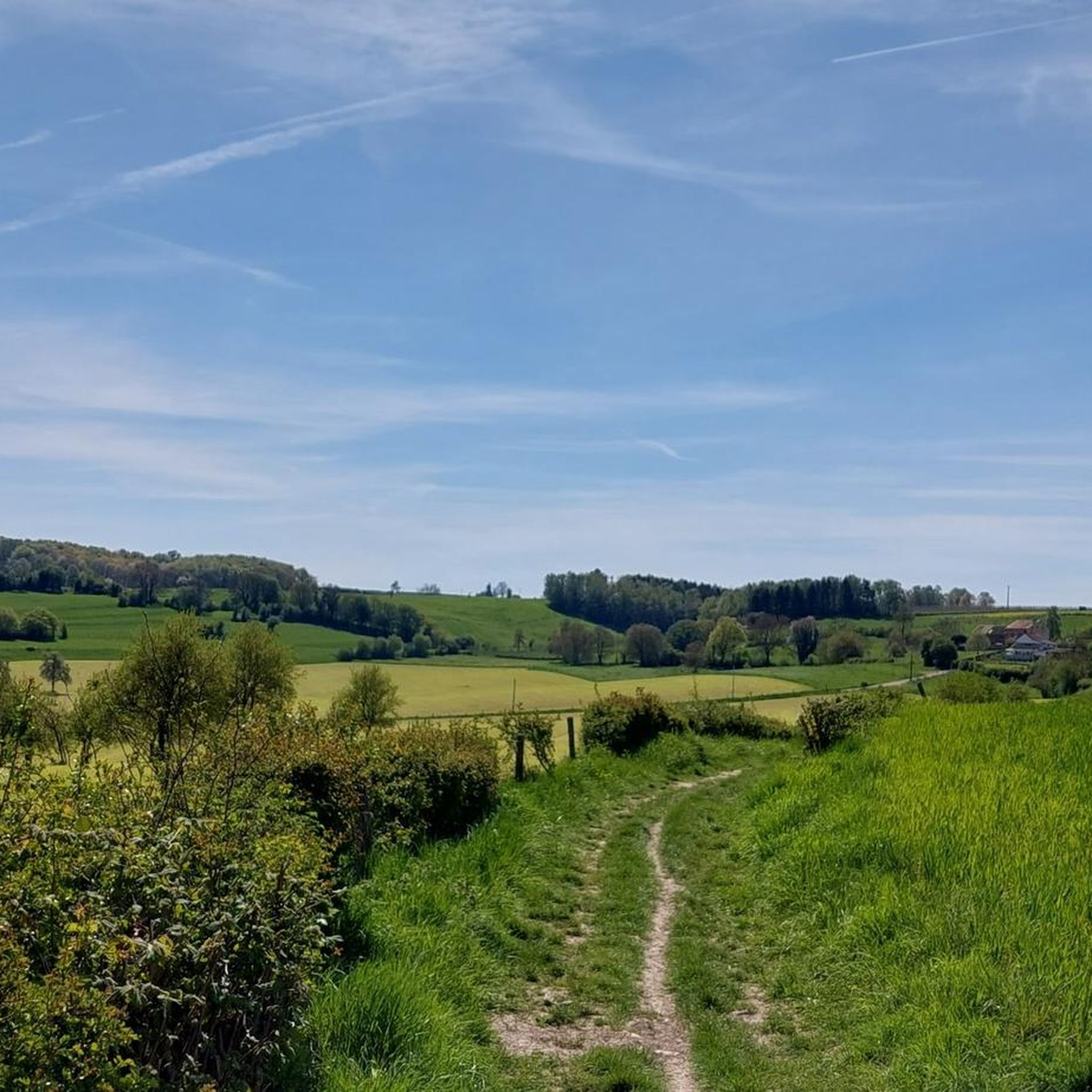
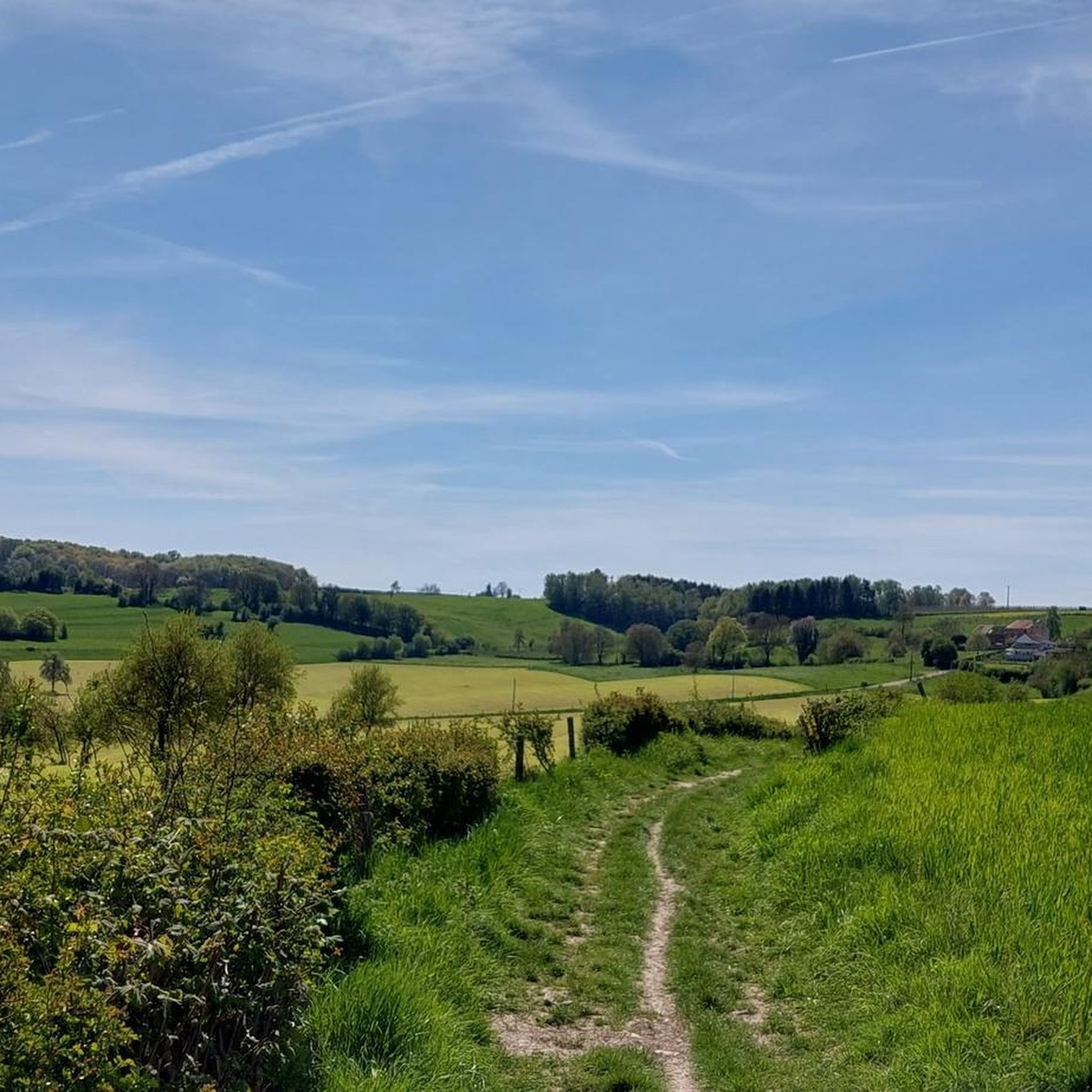
Very nice walking route along the chateau. Beautiful panorama. With a house in the valley below that used to be the border post.
4
0

Neercanne Castle was built on the original site of Roman fortifications, the caves of which still exist and are used as wine cellars. The original staircase with a banister on wide columns is still in the hall. The ceiling features relief depictions of weapon trophies. The castle is currently in use as a hotel and restaurant.
7
0


Text board [see photo] Limestone quarry Trichterberg Geological Monument Limestone quarry Trichterberg In the past, limestone was mined at this location. This limestone was used as building blocks and at a later time for fertilizing (oenergelen) fields and meadows ` In the upper Cretaceous (80 to 65 million years ago) the whole of South Limburg was flooded by a 'Cretaceous sea'. Many plants and animals that are now extinct lived in this tropical sea. The limestone visible here consists of countless skeletons of small plants and animals that formed the plankton. Many large animals also lived in this Cretaceous sea, such as the ten-meter-long 'Mosasaur'. Flint Flint is a hard rock that can form in pure limestone under very special circumstances. Flint consists of pure silica (SiO2). In the Stone Age, this rock was used for making stone tools. Until the last century, flint was used to make fire using the Tinderbox.
2
0

The site of the former Plombières mine is home to species-rich calcareous grassland meadows, now protected as a nature reserve. The exceptional flora and fauna of this area are due to the heavy metal-rich soils, particularly the presence of zinc in the subsurface. Among the natural meadow relics, visible traces of the former metal industry can still be found: – Walls from former foundry floors – Remains of old smelting furnaces – Stones from former industrial buildings A small stream meandering through the area further enriches the ecological diversity of this special place. The "Gueule" viewpoint, which offers a glimpse into a cave opening, is particularly impressive and worth a visit.
53
0
Frequently Asked Questions
What kind of 'caves' can I expect to find near Voeren?
The 'caves' around Voeren are primarily located in the adjacent South Limburg region of the Netherlands. They are often former marl and limestone quarries, or historical rock dwellings carved into these underground structures, rather than natural karst caves. These sites offer insights into traditional marl extraction and the region's unique geology.
Are there any historical sites related to these underground structures?
Yes, several sites offer historical context. The Geulhemmerberg Climb and Cave Dwellings features old rock dwellings once inhabited by 'blokkenbrekers'. Château Neercanne, a terraced castle made of marlstone, utilizes an old limestone quarry as a wine cellar and dining room. Additionally, the Mine entrance and Geul sinkhole in Plombières Nature Reserve is a historical zinc and lead mining site.
What natural features can I observe at these locations?
You can observe unique marl landscapes and impressive marl rocks, particularly at the Strooberg Quarry. This area, along with others, features barren chalk grasslands that support diverse flora and fauna. The Trichterberggroeve Limestone Quarry is designated as a 'Geological Monument' with steep limestone walls and evidence of geological organ pipes.
Are there family-friendly options for visiting these caves?
Yes, several locations are suitable for families. The Château Neercanne area is family-friendly, offering a historical setting. The Mine entrance and Geul sinkhole in Plombières Nature Reserve and the Trichterberggroeve Limestone Quarry are also noted as family-friendly, providing interesting natural and historical exploration opportunities.
What outdoor activities can I do near these caves?
The region around Voeren and its adjacent areas is excellent for outdoor activities. You can find numerous routes for cycling, mountain biking, and hiking. For cycling, explore routes like 'Geul Gate, Valkenburg – Valkenburg on the Geul loop' or 'Saint Servatius Bridge – Maastricht City Hall loop' from the Cycling around Voeren guide. Hiking options include 'Maria Monument, Gulperberg' or 'Fort Sint Pieter – Château Neercanne loop' from the Mountain Hikes around Voeren guide. Mountain biking trails like 'Chemin Creux in Remersdaal' are available in the MTB Trails around Voeren guide.
Are there specific hiking trails that include or pass by these underground sites?
Yes, the area is popular for hiking. While specific trails directly entering all 'caves' might be restricted, many routes pass by or offer views of these unique geological features. For instance, the Geulhemmerberg Climb and Cave Dwellings is part of a well-known cycling and hiking area. You can find various hiking routes in the Mountain Hikes around Voeren guide that explore the region's rolling hills and marl landscapes.
What is the best time of year to visit the caves and surrounding areas?
The region is enjoyable throughout the year, but spring and autumn offer pleasant temperatures for outdoor activities like hiking and cycling. During these seasons, the natural landscapes, including the chalk grasslands and marl formations, are particularly scenic. Winter visits can also be charming, though some paths might be muddy, and access to certain sites could be limited.
Is parking available near these cave locations?
Parking availability varies by location. For popular sites like Château Neercanne, dedicated parking is generally available. For other natural monuments or quarries, you might find parking in nearby villages or designated spots along hiking routes. It's advisable to check specific location details before your visit.
What do visitors enjoy most about the caves and underground attractions near Voeren?
Visitors appreciate the unique blend of natural beauty and historical significance. The geological formations, such as the marl walls at Strooberg Quarry, are often described as stunning. The historical rock dwellings and the transformation of old quarries into functional spaces like wine cellars at Château Neercanne also captivate visitors. The region's scenic routes for hiking and cycling are also a major draw.
Are there any cafes, pubs, or accommodation options nearby?
Yes, the Voeren region and its surrounding areas in South Limburg offer various amenities. You'll find cafes and pubs in the charming villages. For instance, Château Neercanne itself houses a restaurant and an auberge. Accommodation options, from hotels to guesthouses, are available in towns like Maastricht and in the smaller villages throughout the region, catering to visitors exploring the trails and sights.
Are these 'caves' accessible to the public, and are there any access rules or permits required?
Accessibility varies. Many sites, like the rock dwellings at Geulhemmerberg or the visible parts of quarries, are generally accessible for viewing. However, direct entry into some underground sections of quarries or mines might be restricted for safety or conservation reasons, or require guided tours. Permits are typically not needed for general viewing of the external features or accessible areas, but it's always best to respect local signage and regulations.
Can I bring my dog to the trails and areas around these caves?
Many hiking and outdoor areas in the Voeren region and South Limburg are dog-friendly, especially on trails. However, specific rules may apply to nature reserves or inside certain historical sites. It's generally recommended to keep dogs on a leash and to clean up after them. Always check for specific signage at each location regarding pet policies.
Most popular routes around Voeren
Most popular attractions around Voeren

Get inspired with the komoot mobile app


Explore more
Extend your search for the best caves by checking out these guides of the top ones around Voeren:
