Top 20 Castles around Sprimont
Best castles around Sprimont are found in a region rich in history within the Belgian province of Liège. The area features various castles and their remnants, offering insights into medieval architecture and local heritage. This landscape includes rocky outcrops and river valleys, providing diverse settings for historical sites. The region's historical significance is reflected in its numerous fortifications and estates.
Best castles around Sprimont
- The most popular castles is Ruins of Franchimont Castle, a castle that is an old medieval fortress built in the 11th century on a rocky outcrop. Its imposing ruins are a testament to its past as a stronghold of the Principality of Liège.
- Another must-see spot is Colonster castle, a castle first mentioned in the 14th century, later transformed into a pleasure palace. The castle and its park were acquired by the University of Liège in 1963.
- Visitors also love Amblève Castle Ruins, the ruins of a 10th-century medieval fortress. The remnants provide scenic views of the Amblève River below.
- Sprimont is known for its medieval fortresses, castle ruins, and transformed estates. Visitors can explore well-preserved structures, historical ruins, and repurposed historical sites.
- The castles around Sprimont are appreciated by the komoot community, with more than 500 upvotes and over 350 photos shared.
Last updated: May 10, 2026
Ruins of Franchimont Castle
Highlight • Castle
Translated by Google •
Tip by

Colonster castle
Highlight • Castle
Source: campus.uliege.be/cms/c_2223166/en/b25-colonster-castle
Translated by Google •
Tip by

Sign up now to discover places like this
Get recommendations on the best single tracks, peaks, & plenty of other exciting outdoor places.
Sign up for free
Amblève Castle Ruins
Highlight • Castle
Tip by

Dieupart Castle Estate
Highlight • Castle
Framed by an avenue of protected purple beech trees, the Château de Dieupart presents itself in a significantly altered form today. Nevertheless, it retains an impressive late 17th-century façade on its southwest side, constructed of sandstone and limestone rubble. Some original architectural elements are still recognizable, including tall, round-arched windows on the ground floor and characteristic relieving arches.
The history of the site begins in the 15th century, when an ironworks with a blast furnace and forge developed here. In 1889, parts of these old facilities were converted into a power station. Later, the château was repurposed and transformed into a camping and caravanning center.
On the heights above Dieupart, there once stood another château, the "Vieux-Jardin" (Old Garden). This medieval structure no longer exists; it was destroyed in 1286 by John I of Brabant. According to legend, some of the limestone blocks used in the Church of Saints-Anges in Dieupart came from this former fortress. Remnants of the structure can still be found in the woods above the southern slope of Dieupart.
The Château de Dieupart has been a listed historical monument since December 11, 1986.
Translated by Google •
Tip by
Fenderie Castle
Highlight • Castle
The peak of the arms industry took place throughout the valley between 1880 and 1890. There were then 18 drilling factories on the Vesdre, most of them in Nessonvaux.
Translated by Google •
Tip by
Sign up for free to discover even more castles around Sprimont.
Sign up for free
Already have an account?
Start today with a free account
Your next adventure awaits.
Login or Signup
Popular around Sprimont
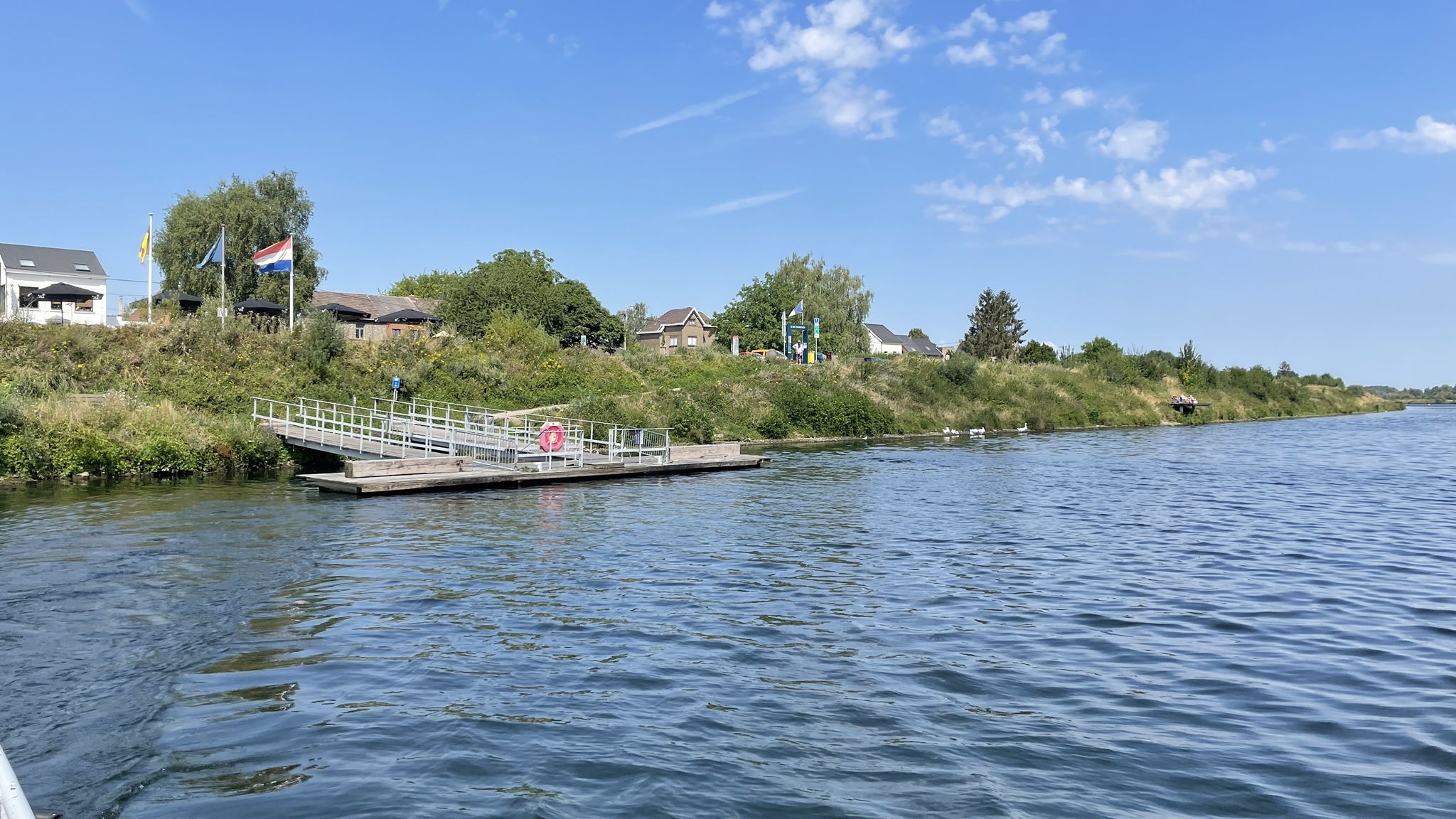
Cycling through green Wallonie — Four days on L'Ardennaise
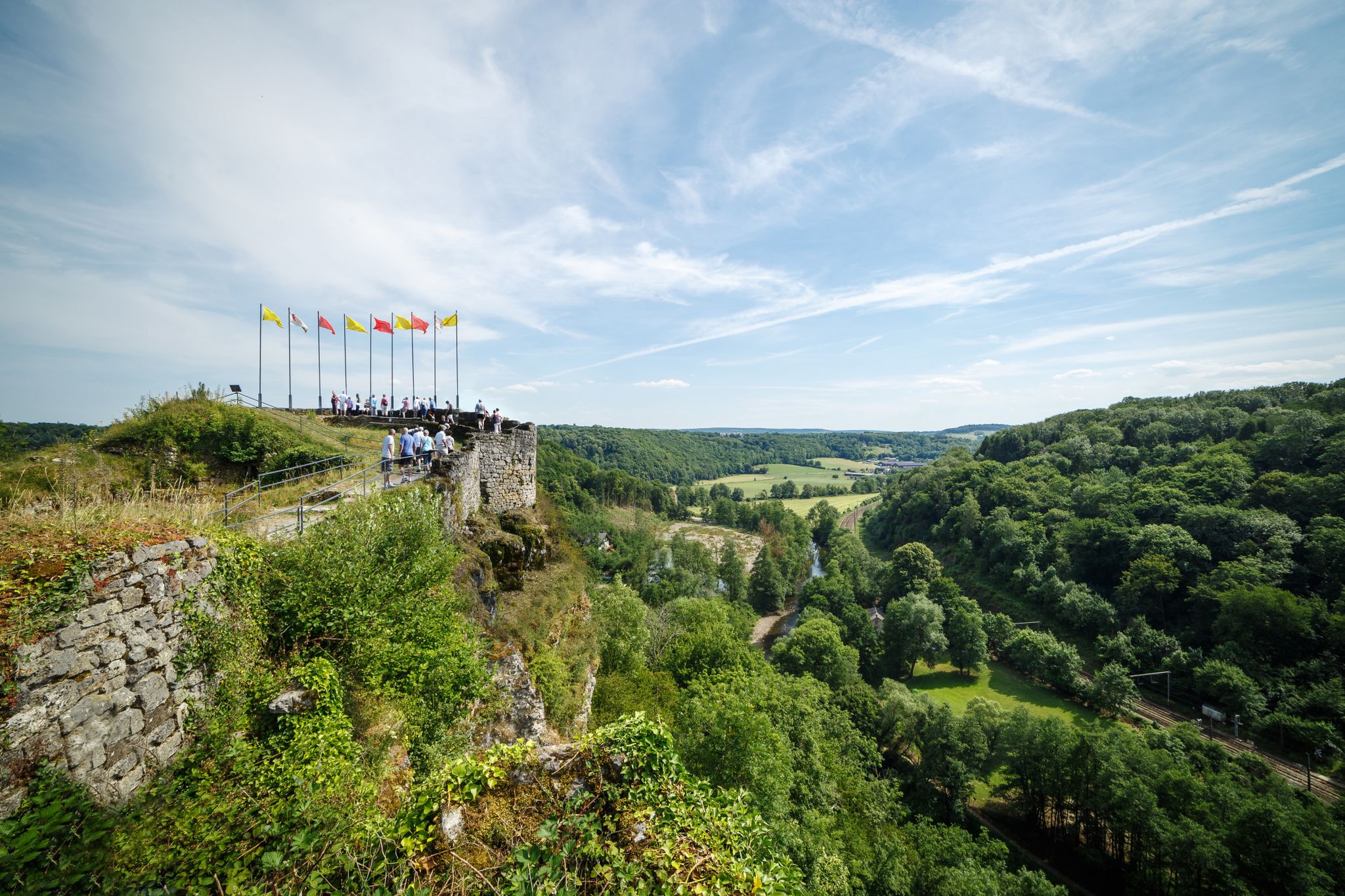
The wild rivers Ourthe, Vesdre and Amblève in the Belgian Ardennes
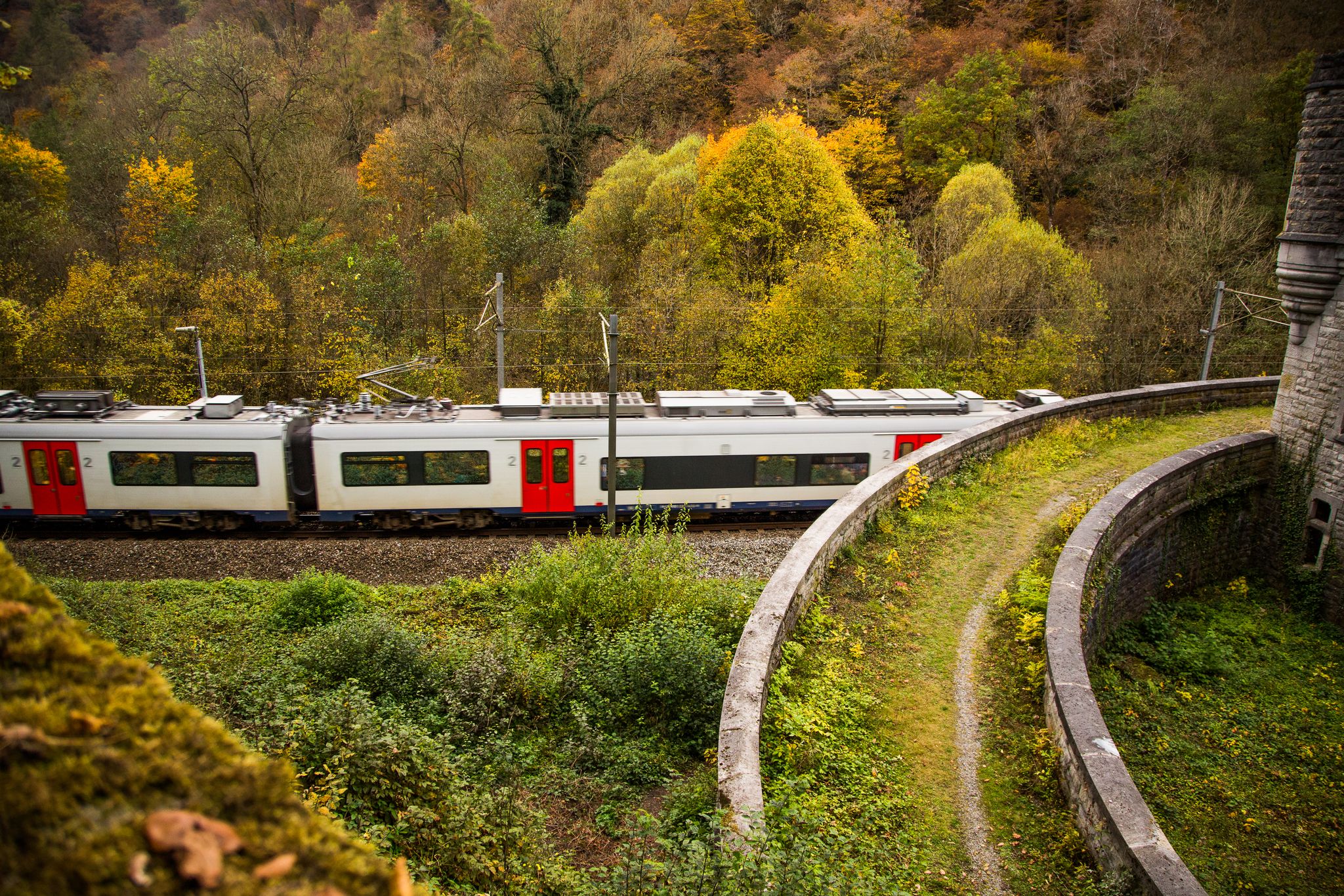
Exploring Belgium’s Wallonia — 8 hikes from station to station
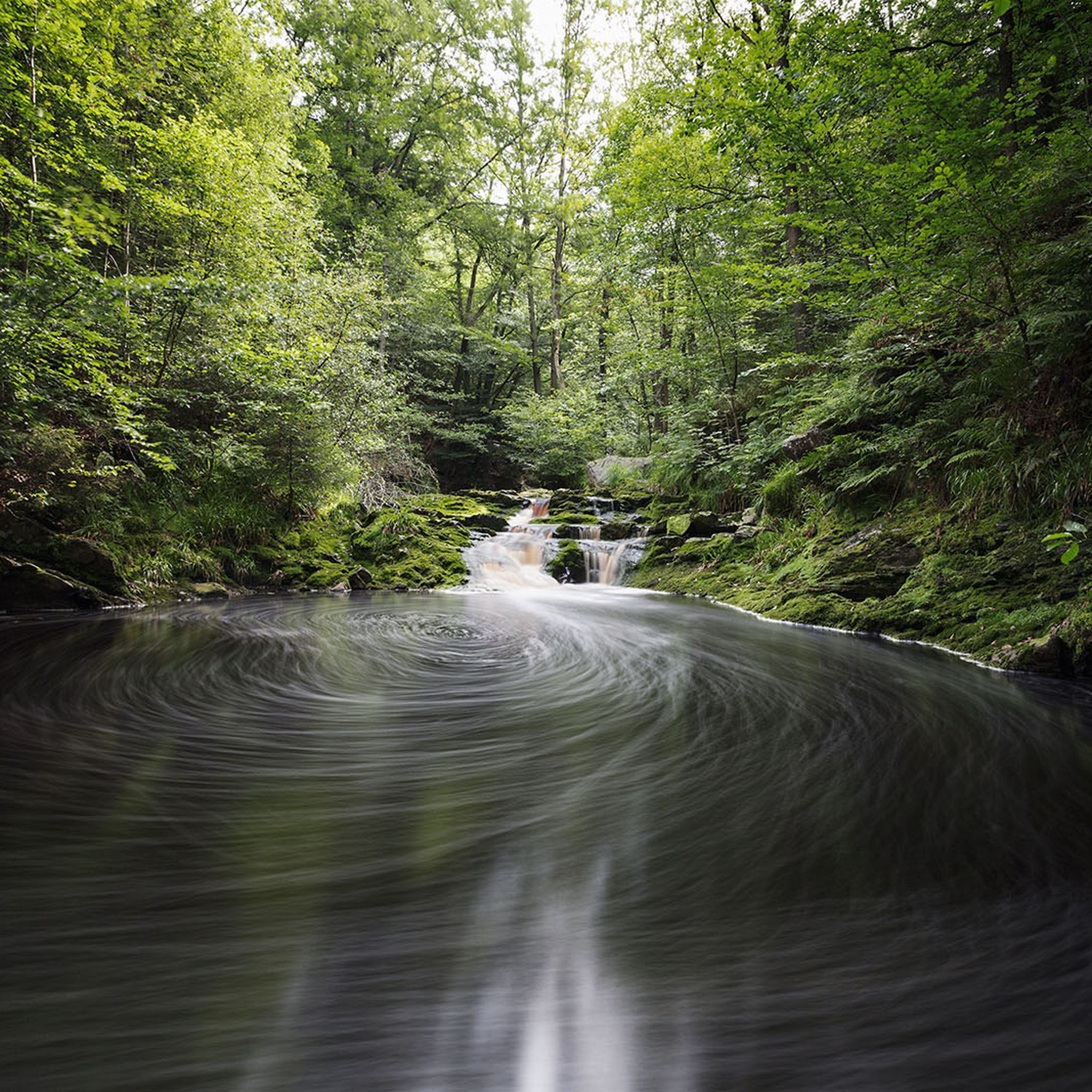
Hiking around Sprimont
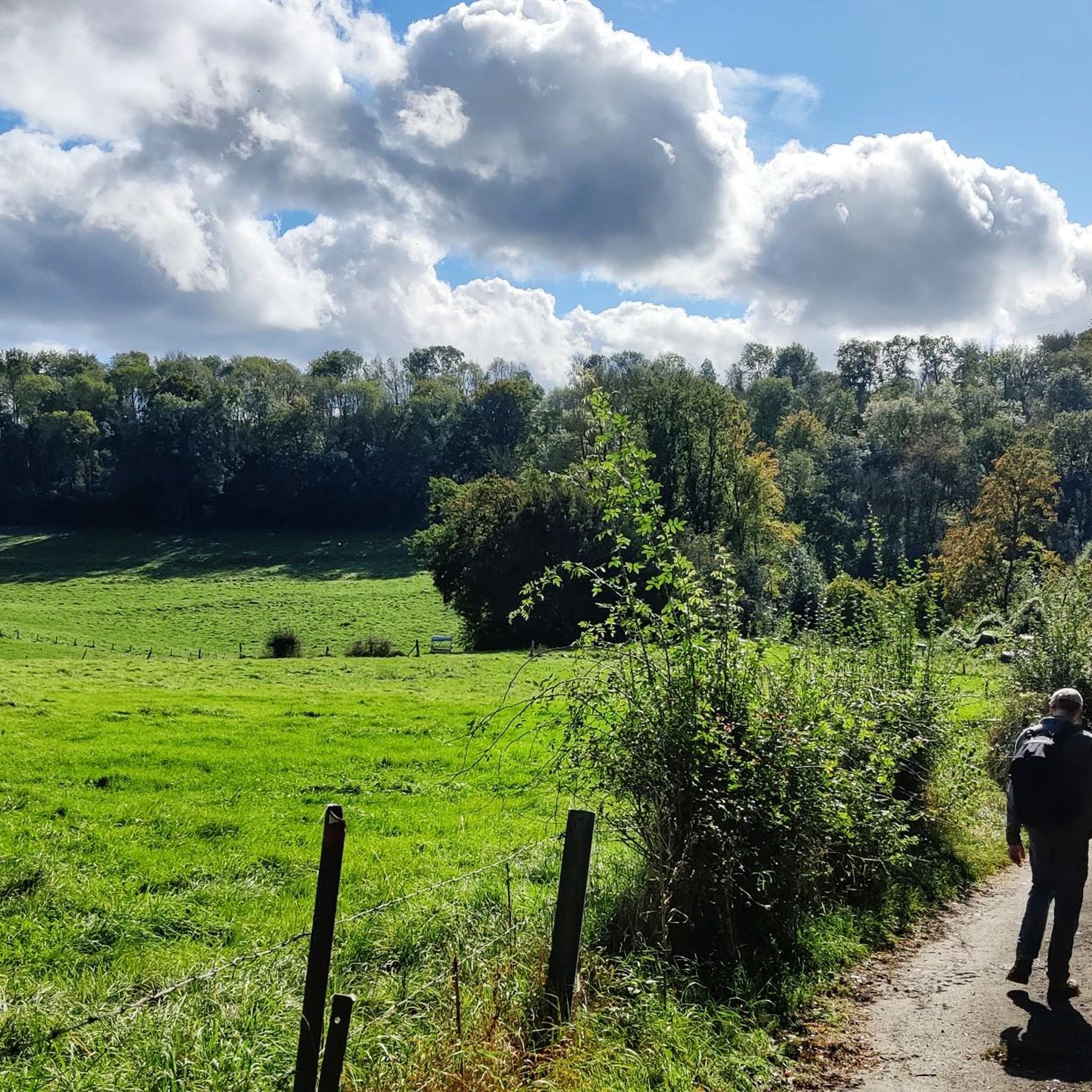
Running Trails around Sprimont
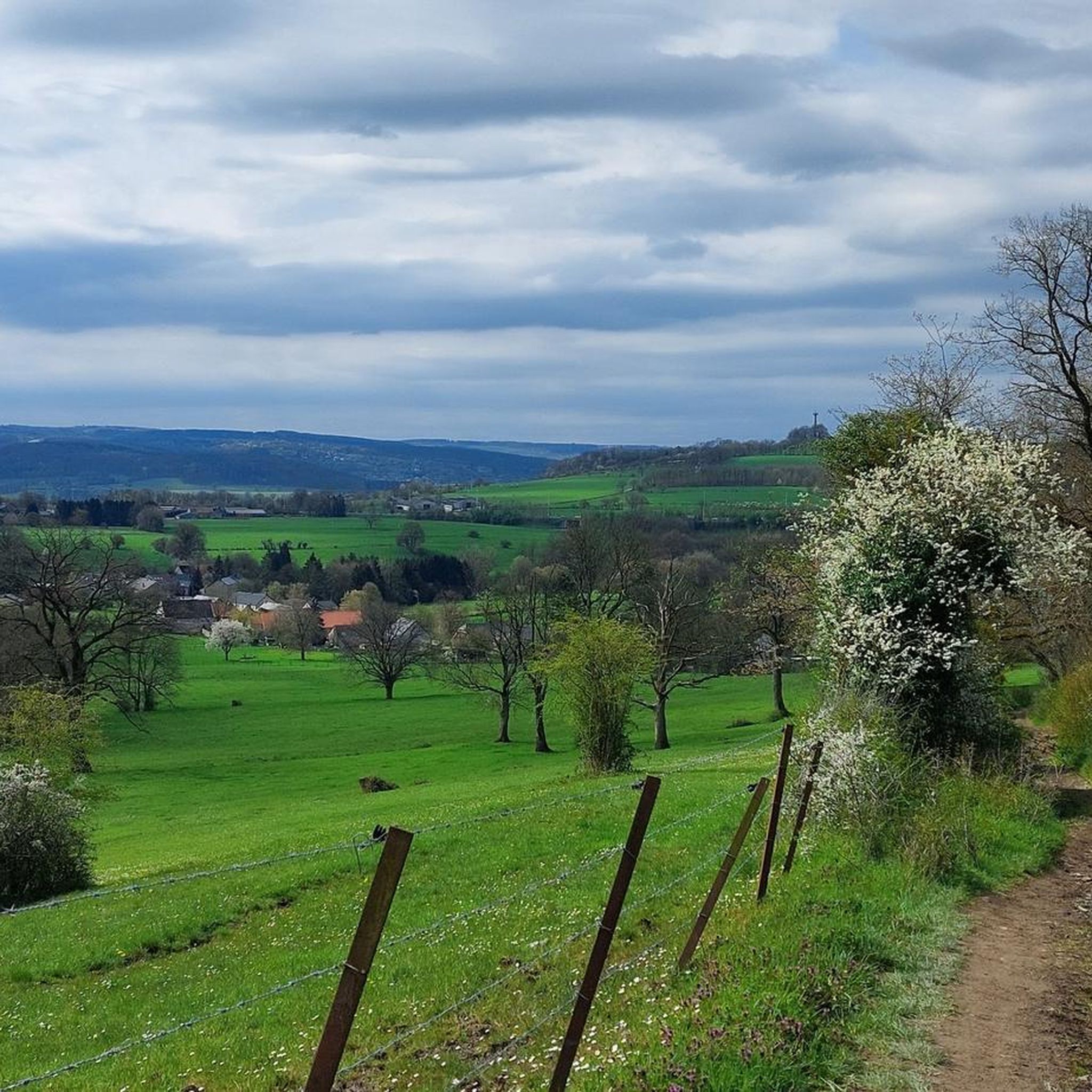
Road Cycling Routes around Sprimont
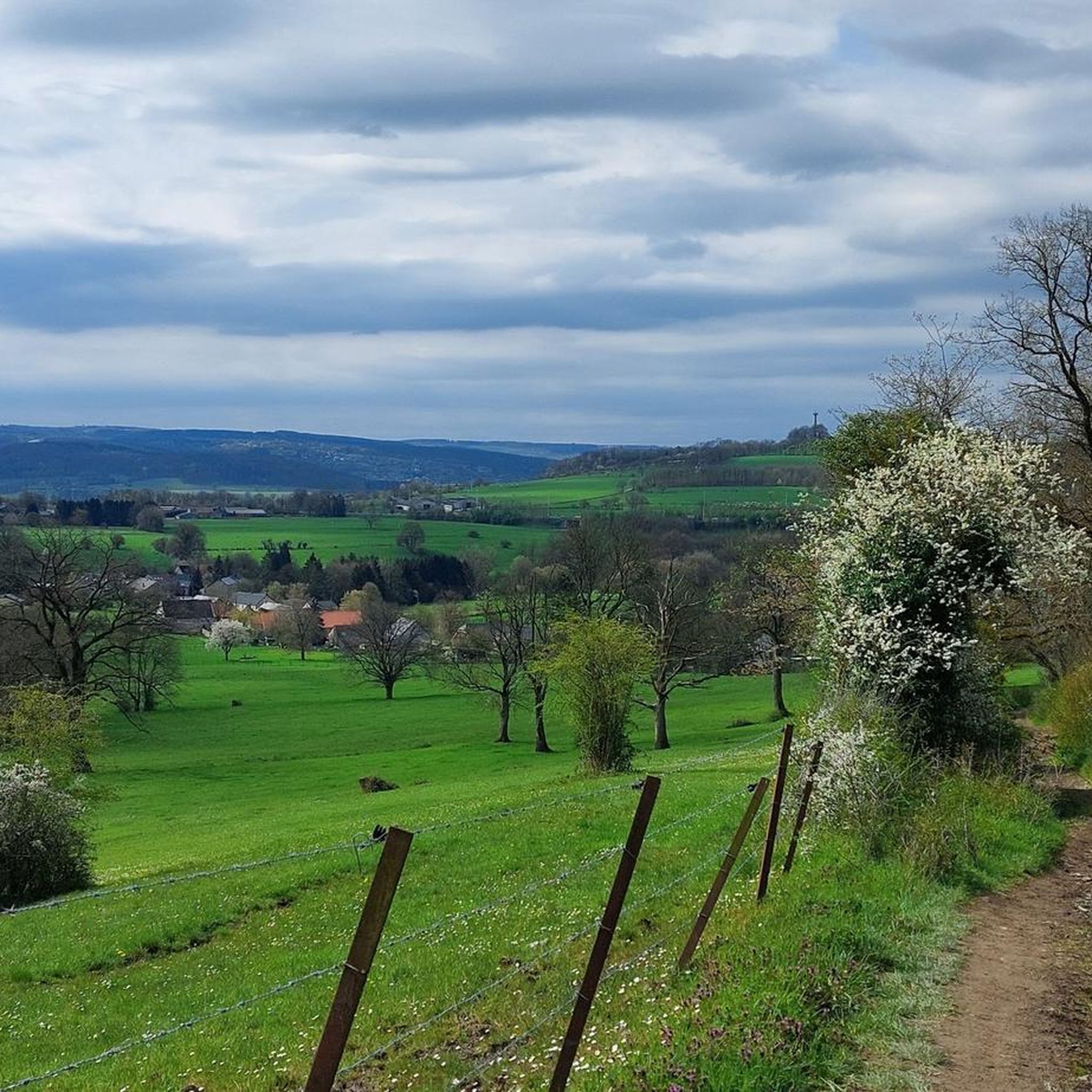
Cycling around Sprimont
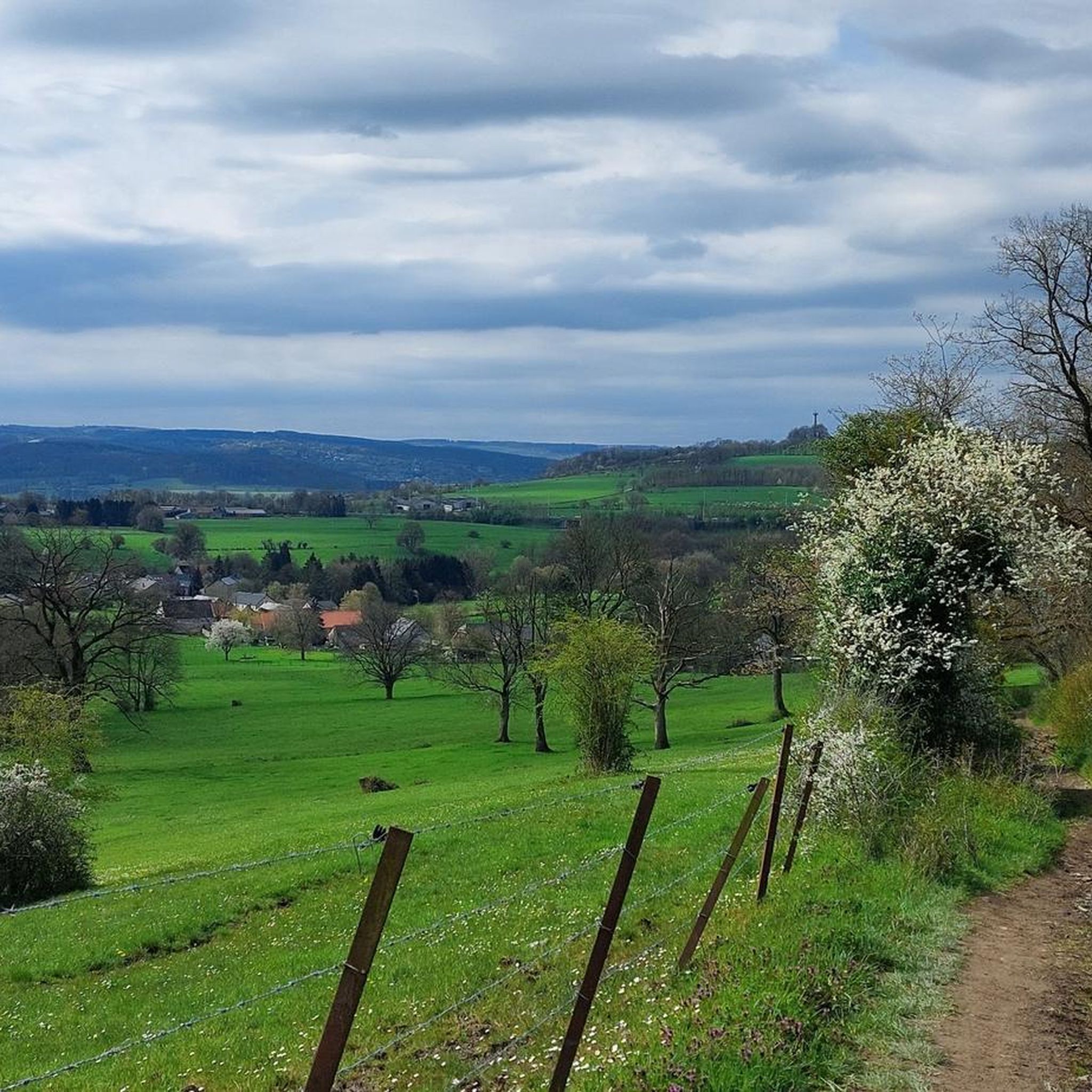
MTB Trails around Sprimont

Gravel biking around Sprimont

Mountain Hikes around Sprimont
Other adventures around Sprimont


Tips from the Community

Best to plan a whole day, the area is fantastically beautiful. Demanding - it's worth it! Every step and especially the section where the mountain goats live freely I find incredibly beautiful.
0
0

The following information is taken from an information panel on site: Framed by an avenue of protected purple beech trees, the Château de Dieupart presents itself in a significantly altered form today. Nevertheless, it retains an impressive late 17th-century façade on its southwest side, constructed of sandstone and limestone rubble. Some original architectural elements are still recognizable, including tall, round-arched windows on the ground floor and characteristic relieving arches. The history of the site begins in the 15th century, when an ironworks with a blast furnace and forge developed here. In 1889, parts of these old facilities were converted into a power station. Later, the château was repurposed and transformed into a camping and caravanning center. On the heights above Dieupart, there once stood another château, the "Vieux-Jardin" (Old Garden). This medieval structure no longer exists; it was destroyed in 1286 by John I of Brabant. According to legend, some of the limestone blocks used in the Church of Saints-Anges in Dieupart came from this former fortress. Remnants of the structure can still be found in the woods above the southern slope of Dieupart. The Château de Dieupart has been a listed historical monument since December 11, 1986.
43
0

Remains of an old medieval castle, estimated to have been built in the 10th century and destroyed in the 16th century. It is also known as the Castle of the Four Sons of Aymon (Chateau des 4 Fils Aymon). Privately owned by the lords who now live below in the new castle. From the ruins on the cliff, you have one of the most beautiful views of the Amblève River below, between Aywaille and Comblain.
0
0

mountain biking to do
0
0

Nice place for a coffee stop! The Château also has a campsite with Dutch owners, hence the fact that you will also find bitterballen on the menu of the chateau.
3
0

A lovely playground with challenging paths. Advice: walk crisscross through the vast ruins for a good fifteen minutes. Enjoy!
0
0
The castle's origins date back to the 11th century. It was first documented in 1155, but the first buildings probably date back to the time of Bishops Henry of Verdun (1075–1091) and Otbert (1091–1119). As one of twelve residences of the Prince-Bishop of Liège, it served to defend the eastern border of the principality.
35
0

Always interesting to read. You will definitely learn something.
5
0
Frequently Asked Questions
What are the most historically significant castles to visit around Sprimont?
The region boasts several castles with rich histories. The Ruins of Franchimont Castle, an 11th-century medieval fortress, is classified as Exceptional Wallonia heritage and offers deep insights into military architecture. The Amblève Castle Ruins, a 10th-century fortress, was once the seat of justice for Sprimont. Colonster castle, first mentioned in the 14th century, transformed from a fortress into an 18th-century pleasure palace.
Are there castles around Sprimont that offer scenic views?
Yes, several castles provide beautiful vistas. The Amblève Castle Ruins are situated on a high rock formation, offering dramatic views of the Amblève River below. Colonster castle, located on a rocky promontory, overlooks the Ourthe valley.
Are there family-friendly castles to visit near Sprimont?
The Colonster castle is listed as family-friendly, offering a park with sculptures. Additionally, the Dieupart Castle Estate, while significantly altered, is also noted as family-friendly and has been repurposed into a camping and caravanning center.
What kind of events or unique experiences can I find at these castles?
The Ruins of Franchimont Castle hosts a medieval fair called La Franchefoire every third weekend of August in odd-numbered years, featuring entertainment, crafts, and folklore. Colonster castle, now owned by the University of Liège, serves as a reception area for the university and hosts symposiums.
What outdoor activities can I do near the castles around Sprimont?
The Sprimont region offers various outdoor activities. You can find numerous cycling routes, including those for touring bicycles, gravel biking, and road cycling. For example, there are routes like the "Roche-aux-Faucons Loop" for cycling and the "Crête du Tige Gravel Path" for gravel biking. You can explore these and more on the Sprimont guide page.
Are there hiking or walking trails around the castles?
While specific hiking trails directly around each castle are not detailed, the region is popular for outdoor activities. Many cycling routes, such as the "Ourthe Riverside Trail," offer scenic paths that can be enjoyed for walking. For more details on routes in the area, refer to the Sprimont guide page.
What is the best time of year to visit the castles around Sprimont?
The region's castles can be enjoyed throughout the year. For events like the medieval fair at Franchimont Castle, visiting in August during odd-numbered years would be ideal. Generally, spring and autumn offer pleasant weather for exploring the ruins and surrounding landscapes, while summer allows for full enjoyment of outdoor activities.
What do visitors particularly enjoy about the castles in the Sprimont region?
Visitors appreciate the historical depth and the atmospheric ruins. For instance, the Amblève Castle Ruins are noted for their dramatic setting and the atmospheric glimpse into medieval history they provide. The Ruins of Franchimont Castle are praised for their imposing nature and the cultural events they host.
Are there any lesser-known or 'hidden gem' castles worth exploring near Sprimont?
While not always open to the public, some castles offer intriguing glimpses into the region's past. Fenderie Castle, built in the 17th century, is linked to the prestigious past of metallurgy in the area. The Dieupart Castle Estate, though altered, retains an impressive late 17th-century façade and a history dating back to a 15th-century ironworks.
Can I find parking facilities near the castles?
Yes, some castles offer parking. For example, Colonster castle has parking available. For other locations, it's advisable to check local signage or information for designated parking areas, especially when visiting ruins or less developed sites.
What kind of architecture can I expect to see among the castles in the Sprimont region?
The castles showcase a range of architectural styles reflecting different eras. You'll find remnants of medieval fortresses like the 11th-century Ruins of Franchimont Castle and the 10th-century Amblève Castle Ruins. Later transformations, such as Colonster castle becoming an 18th-century pleasure palace, also highlight changes in design and purpose over time. The Dieupart Castle Estate features an impressive late 17th-century façade.
Most popular routes around Sprimont
Most popular attractions around Sprimont

Get inspired with the komoot mobile app


Explore more
Looking for the best castles somewhere else? Discover other guides around Sprimont:
