Top 17 Castles around Wasseiges
Best castles around Wasseiges are primarily located in the wider region, as the original Château de Wasseiges no longer exists in its traditional form. The area, while historically significant, now features transformed agricultural and residential sites with historical roots. Exploring the surrounding towns reveals various châteaux and historical sites, offering insights into the region's past. These sites provide opportunities to discover historical architecture and local heritage.
Best castles around Wasseiges
- The most popular castles is Famelette Castle, a castle…
Last updated: October 11, 2026
Château de Fallais
Highlight • Castle
Translated by Google •
Tip by

Château de Fumal
Highlight • Castle
To get there, you have to go up a little (quite steep but short slope), on the cycle path which leads …
Translated by Google •
Tip by

Sign up now to discover places like this
Get recommendations on the best single tracks, peaks, & plenty of other exciting outdoor places.
Fousseroûl Castle-Farm
Highlight • Castle
Translated by Google •
Tip by

View of Famelette Castle
Highlight • Viewpoint
Translated by Google •
Tip by

Château Rose and the Pillory of Orp-le-Petit
Highlight • Castle
Translated by Google •
Tip by
Sign up for free to discover even more castles around Wasseiges.
Already have an account?
Start today with a free account
Your next adventure awaits.
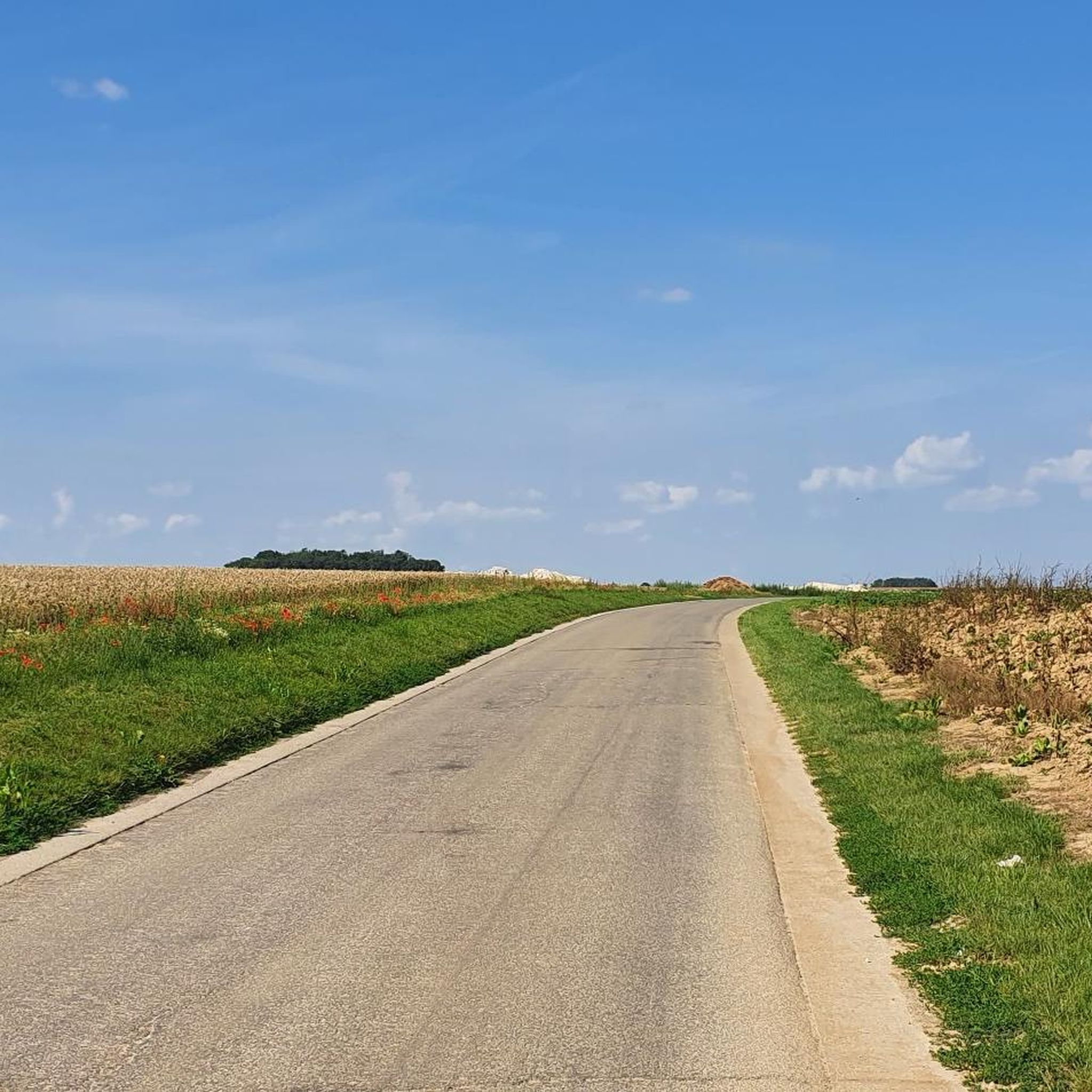
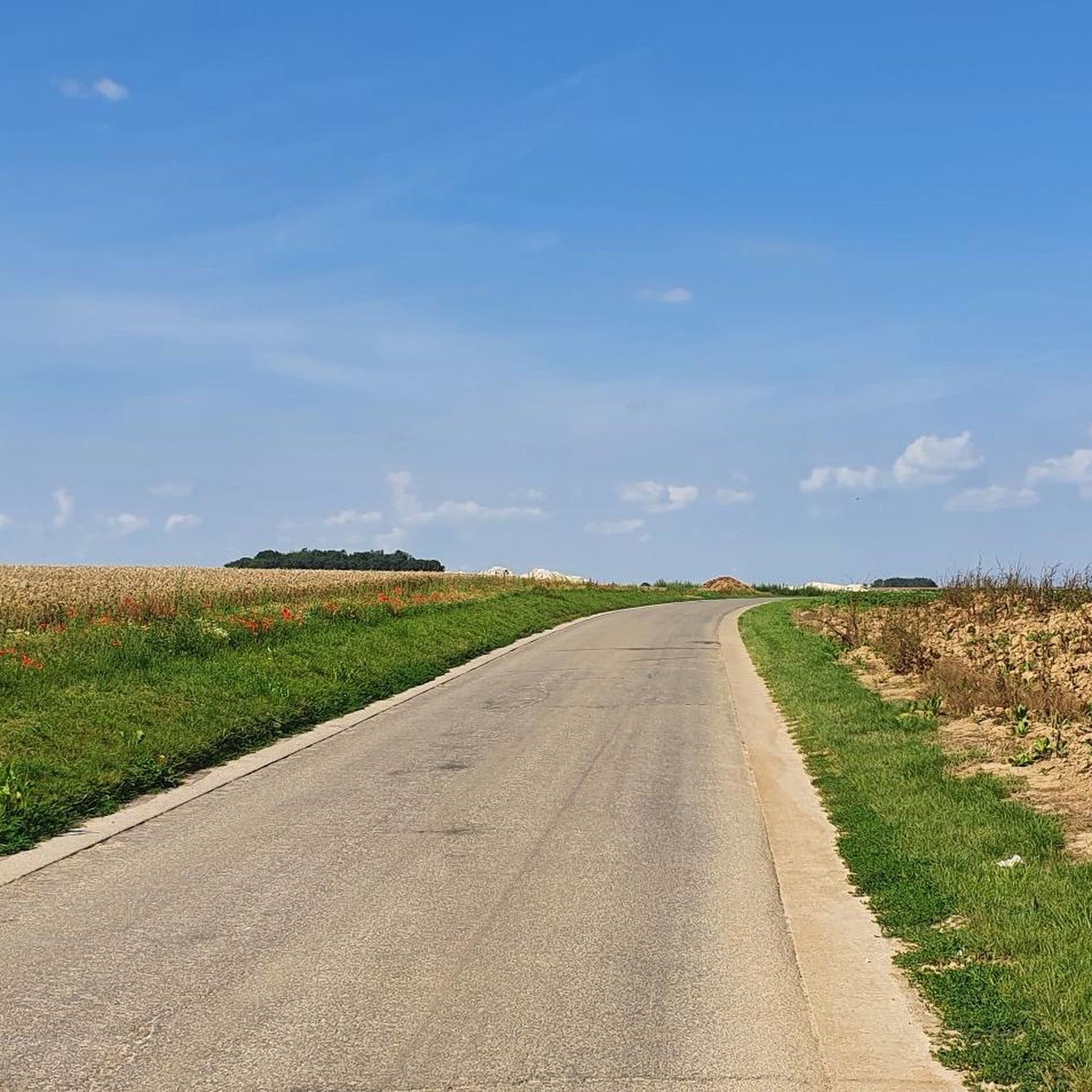
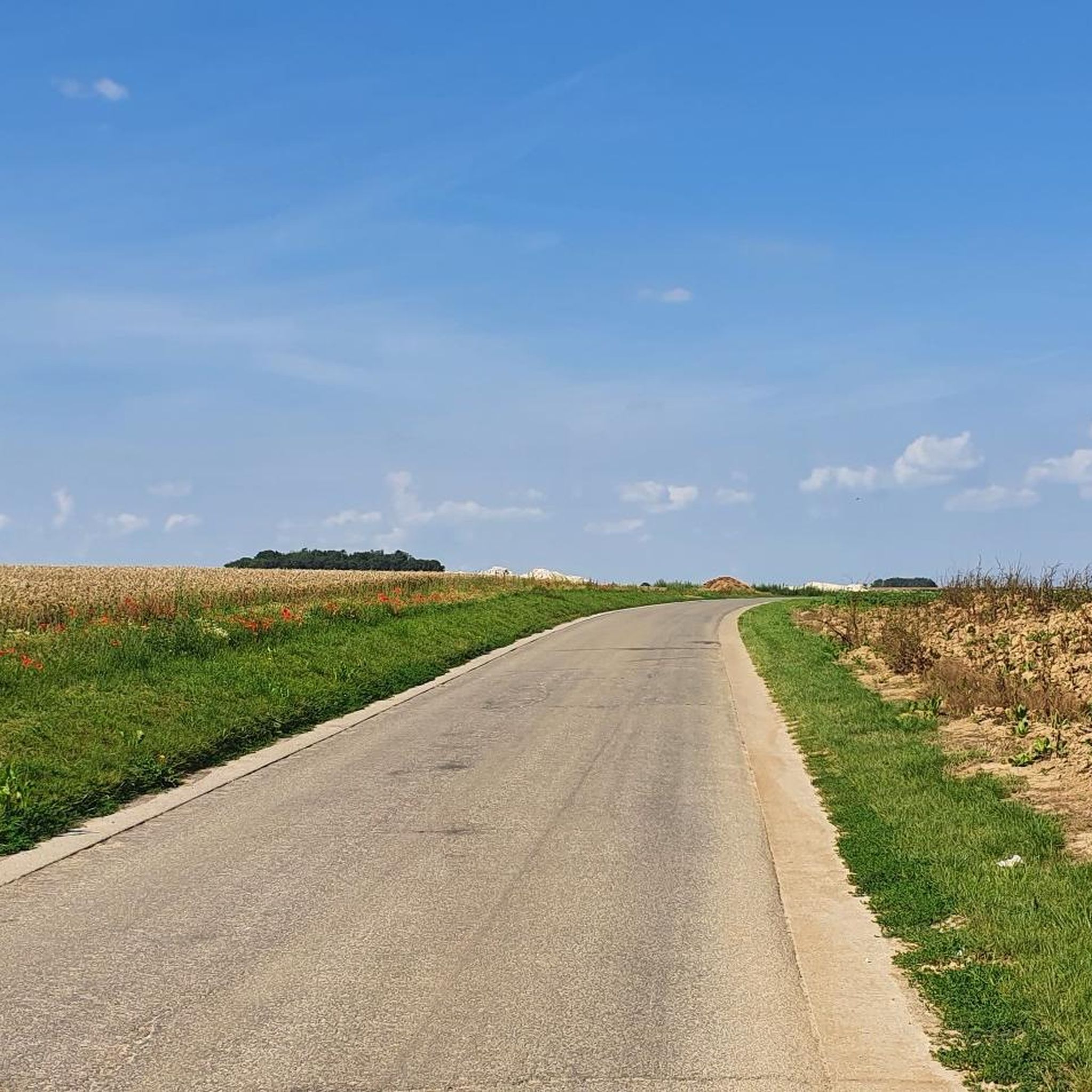
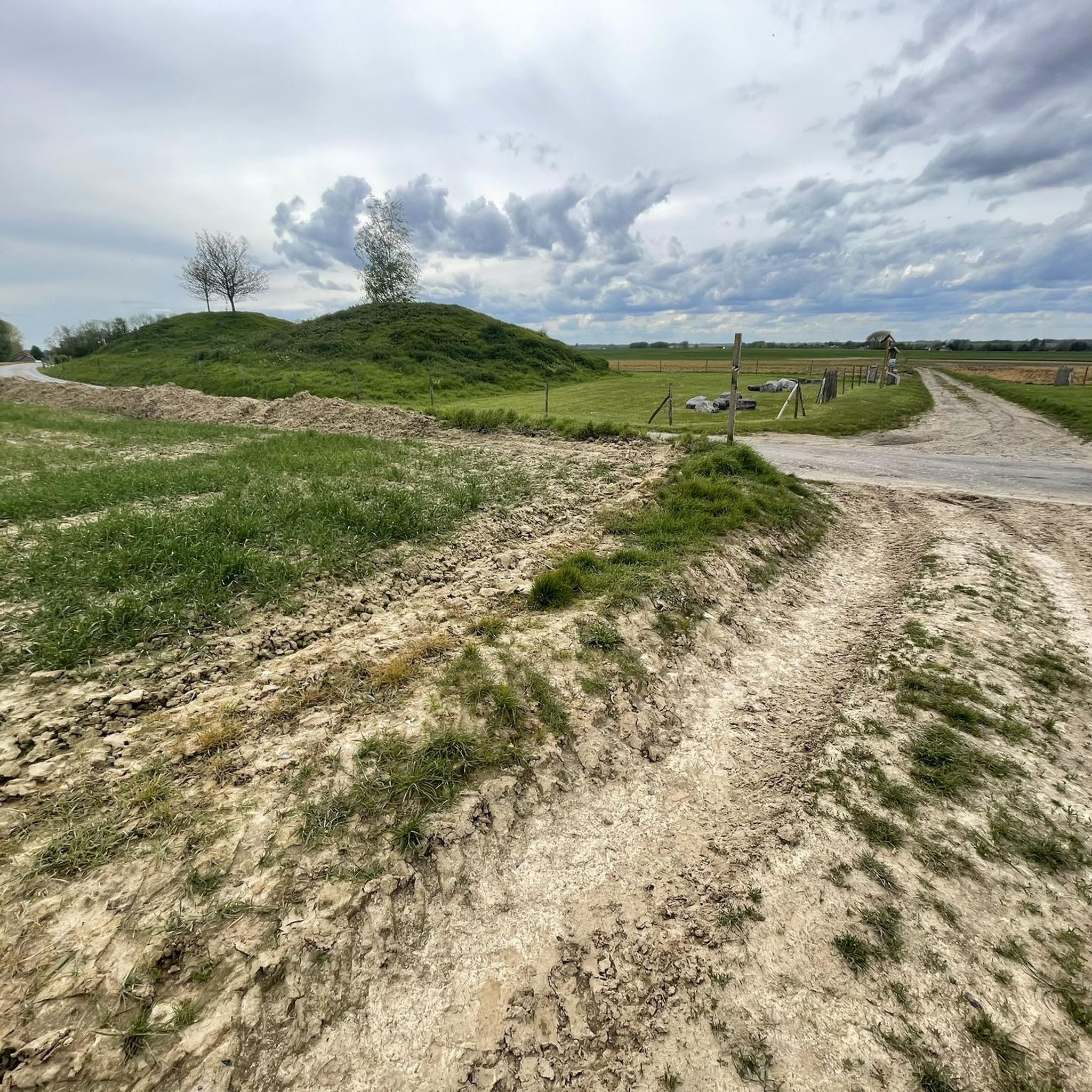

Tips from the Community

The fortified tower, situated on the edge of the Fosseroule stream and defending the valley, is considered a peripheral bastion of Moha Castle, located a mile and a half away. Agricultural and residential buildings form an enclosed complex, built between the 17th and 19th centuries. In the eastern corner stands an imposing tower, built of limestone rubble, with a square plan (16th century) on a wider, sloping base. This tower originates from an earlier structure, the cellars of which have also been preserved. The openings were modified, and in the 17th century, the tower was extended on the south side with a bay of limestone rubble and brick, reaching the limits of the original structure. To the west of the tower stands a two-story house, perpendicular to the tower, built of limestone rubble, probably dating from the 17th century. Source: bibliotheca.wanze.be
3
0

The Château de Fosseroule is actually the Ferme-château de Fosseroule, a historic farmhouse with castle features, located at the confluence of the Mehaigne and Fosseroule rivers, near the famous medieval Château de Moha. It is a former walled farm and residence built in the 17th-19th centuries with an impressive east tower, a beautiful example of local heritage. The Fosseroule, after which the castle is named, flows into the Mehaigne River here. The castle grounds house a rural gîte "La Vieille Brasserie" (separate building) - see https://visitwallonia.be/fr-be/content/gite-rural-huccorgne-la-vieille-brasserie
6
0

A farm castle with an imposing fortified tower from the 16th century that served as an outpost for Moha Castle. From the 17th to the 19th century, additional buildings (residential and agricultural) were built around it to form a closed complex.
1
0
The Château Rose was built by order of Albert-Pierre Stier (1745-1816). In 1776, he bought the seigniory of Orp, as it had been known since the end of the 17th century, when the land of Orp-le-Grand was merged with that of Orp-le-Petit. The pillory of Orp-le-Petit at the front is one of about fifty in Belgium that are listed by the Royal Institute for Cultural Heritage. When our country was invaded by France in 1794, the French revolutionaries rushed to abolish the symbols of the Ancien Régime and the pillory was demolished. A few years later, around 1826, Baron Jean-François de Vinck de deux Orp (1774-1827), nephew of the builder of the castle, had the restored elements of the pillory rebuilt on his estate, more specifically in the central part of the meadow below the castle. Source: https://www.orp-jauche.be/wp-content/uploads/Brochure_PetitPatrimoinePopulaire_ORP.pdf
7
0
Beautiful castle with moat in the limestone of the region from the 13th century. It was long the property of Charles the Bold.
0
0
In the 12th century there was already a castle here. An old keep with walls one meter thick is still a witness, but what it looked like is unknown. Later, various renovations and adjustments to its time took place
1
0

The domain is closed and the castle is partially covered in scaffolding. It is currently only visible from a distance.
4
0
The current Château de Fumal is the result of more than four centuries of adjustments, extensions, repairs, renovations of a 16th century castle at its core. The appearance of the bell tower in “Mosan” style with the spherical shape is quite rare in Haspengouw. A large farm and barn are connected to the castle.
3
0
Frequently Asked Questions
What kind of castles can I expect to find around Wasseiges?
While the original Château de Wasseiges no longer stands in its traditional form, the wider region offers a variety of historical castles, château-fermes (fortified farms), and viewpoints providing castle vistas. These sites showcase different architectural periods and historical significance.
Are there any family-friendly castles to visit near Wasseiges?
Yes, several castles in the area are considered family-friendly. For instance, Famelette Castle is listed as family-friendly, offering a glimpse into history with its 14th-century origins and 16th-century buildings. Château de Franc-Waret is also noted as family-friendly, featuring a vast quadrilateral structure with an 18th-century castle and a fortified farm.
What is the best time of year to visit the castles around Wasseiges?
The region around Wasseiges is generally pleasant during spring and autumn, offering mild weather ideal for exploring historical sites and enjoying outdoor activities. Summer can also be a good time, though it might be busier. Always check local weather forecasts before your visit.
Can I combine a castle visit with outdoor activities like cycling or hiking?
Absolutely! The area around Wasseiges is excellent for combining castle visits with outdoor adventures. You can find various cycling and mountain biking routes. For example, explore routes like the 'Ruins of Moha Castle and Cliffs' for gravel biking or the 'RAVeL L127 Huccorgne – Moha Castle Rock' for cycling. For more options, check out the MTB Trails around Wasseiges, Gravel biking around Wasseiges, and Cycling around Wasseiges guides.
Are there any notable historical sites besides castles in the Wasseiges area?
Yes, beyond the castles themselves, you can find other significant historical sites. For example, the Château Rose and the Pillory of Orp-le-Petit includes a historic pillory, which is one of about fifty in Belgium listed by the Royal Institute for Cultural Heritage. Many château-fermes also have deep historical roots.
What is unique about Famelette Castle?
Famelette Castle is notable for its development around a square keep built in the 14th century, with most of its current buildings dating from the mid-16th century. It showcases a blend of architectural periods and is situated on a spur overlooking the Méhaigne river. The site also features a monumental barn, one of the largest in Wallonia, which has been converted into an exhibition center.
What kind of architecture can I see at Château de Franc-Waret?
Château de Franc-Waret is a vast quadrilateral structure built with blue stones and bricks. It comprises a fortified farm from the late 16th century to the north and an 18th-century castle in a 'U' shape to the south, all surrounded by moats. The castle was remodeled in the 18th century by architect Jean-Baptiste Chermanne, giving it a classic look, and features large French gardens.
Is there a castle known for its distinctive color?
Yes, the Château Rose and the Pillory of Orp-le-Petit is known for its striking appearance. Built between 1776 and 1779, it features painted brick and stone construction, giving it a distinctive pink hue. A polygonal tower was added in the early 20th century.
Are there any castle-farms (château-fermes) to explore?
Yes, the region features several château-fermes. For example, the Château-Ferme near the Saint-Martin church in Ramet is a vast quadrilateral of bricks and stones from the first half of the 18th century. It includes a paved courtyard, a castle, and a main farm building, with a park and pond nearby.
What do visitors particularly appreciate about the castles around Wasseiges?
Visitors appreciate the historical depth and architectural variety of the castles and château-fermes. The komoot community has shared 15 photos and given 65 upvotes, highlighting the visual appeal and historical significance of these sites. Many enjoy the blend of ancient keeps, renovated buildings, and the surrounding natural landscapes.
Are there viewpoints to see castles from a distance?
Yes, the region offers several viewpoints that provide scenic vistas of the castles. For instance, the View of Famelette Castle offers a great perspective of the castle, which is located on a spur overlooking the Méhaigne river.
What are the parking options like at castles near Wasseiges?
Parking availability varies by castle. Many historical sites and château-fermes in rural areas often have designated parking spaces or allow parking in nearby villages. It's advisable to check specific castle websites or local information for detailed parking instructions before your visit.
Are there public transport options to reach castles in the Wasseiges region?
Public transport to individual castles in this rural region can be limited. While Wasseiges itself has some public transport connections, reaching specific castles often requires a combination of bus services and walking, or personal transport. Planning your route in advance using local transport schedules is recommended.
Most popular routes around Wasseiges
Most popular attractions around Wasseiges

Get inspired with the komoot mobile app


Explore more
Looking for the best castles somewhere else? Discover other guides around Wasseiges:
