Attractions and Places To See around Nijlen - Top 20
Best attractions and places to see around Nijlen include a variety of natural landscapes and historical sites. The region, located in the Antwerp province of Belgium, features extensive nature reserves and waterways. It offers opportunities for outdoor activities such as cycling and walking through diverse habitats. Nijlen's surroundings are characterized by a blend of preserved natural beauty and historical fortifications.
Best attractions and places to see around Nijlen
- The most popular attractions is Lovenhoek Nature Reserve, a forest and…
Last updated: August 2, 2026
Netekanaal Cycle Path
Highlight (Segment) • Cycleway
Translated by Google •
Tip by

Netekanaal Towpath
Highlight • Cycleway
The wind is your partner or opponent here. Always nice to be able …
Translated by Google •
Tip by

Sign up now to discover places like this
Get recommendations on the best single tracks, peaks, & plenty of other exciting outdoor places.
Sign up for free
Antitank Canal
Highlight • River
Translated by Google •
Tip by

Lovenhoek Nature Reserve
Highlight • Forest
Translated by Google •
Tip by

Fort Oelegem
Highlight • Historical Site
Translated by Google •
Tip by

Sign up for free to discover even more attractions around Nijlen.
Sign up for free
Already have an account?
Start today with a free account
Your next adventure awaits.
Login or Signup
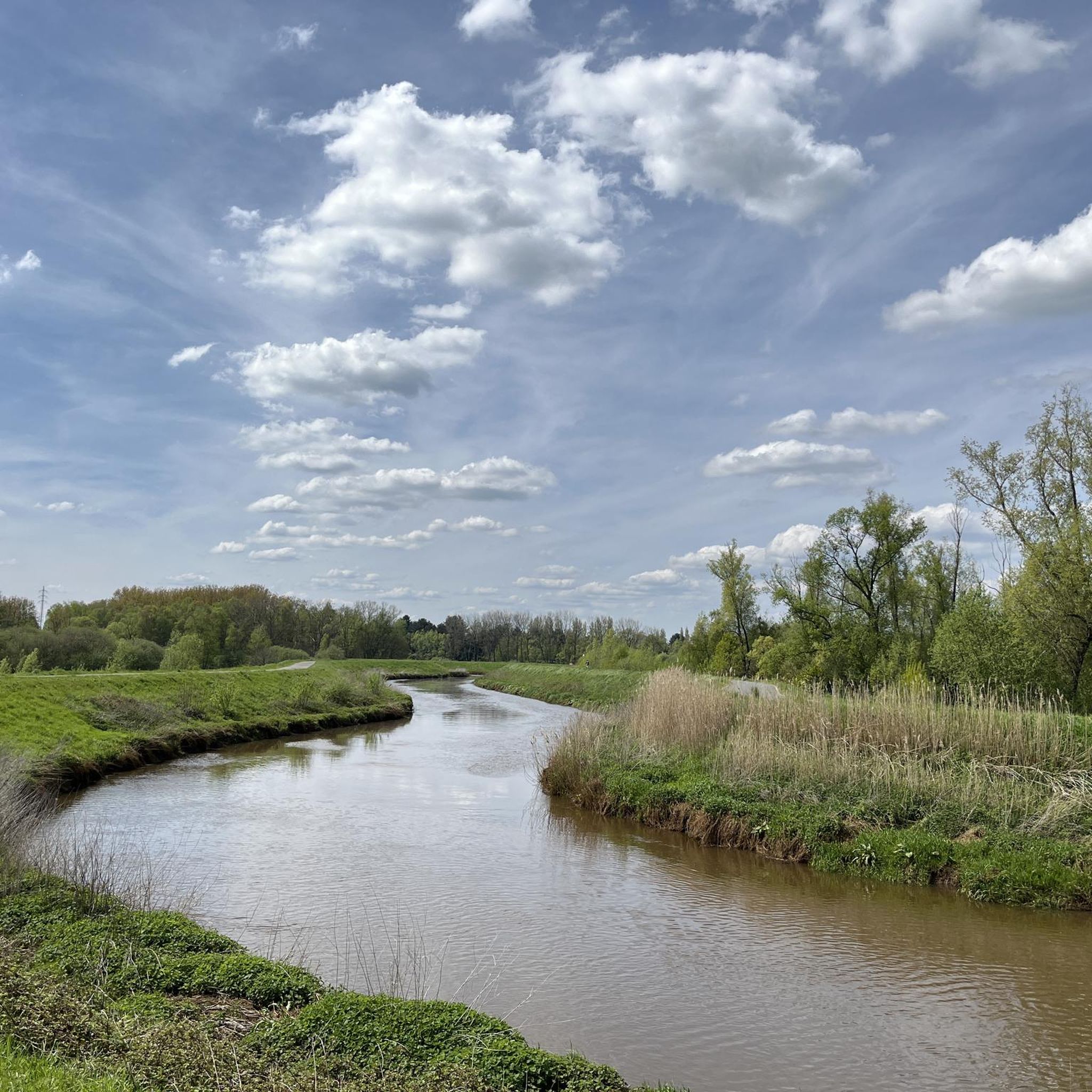
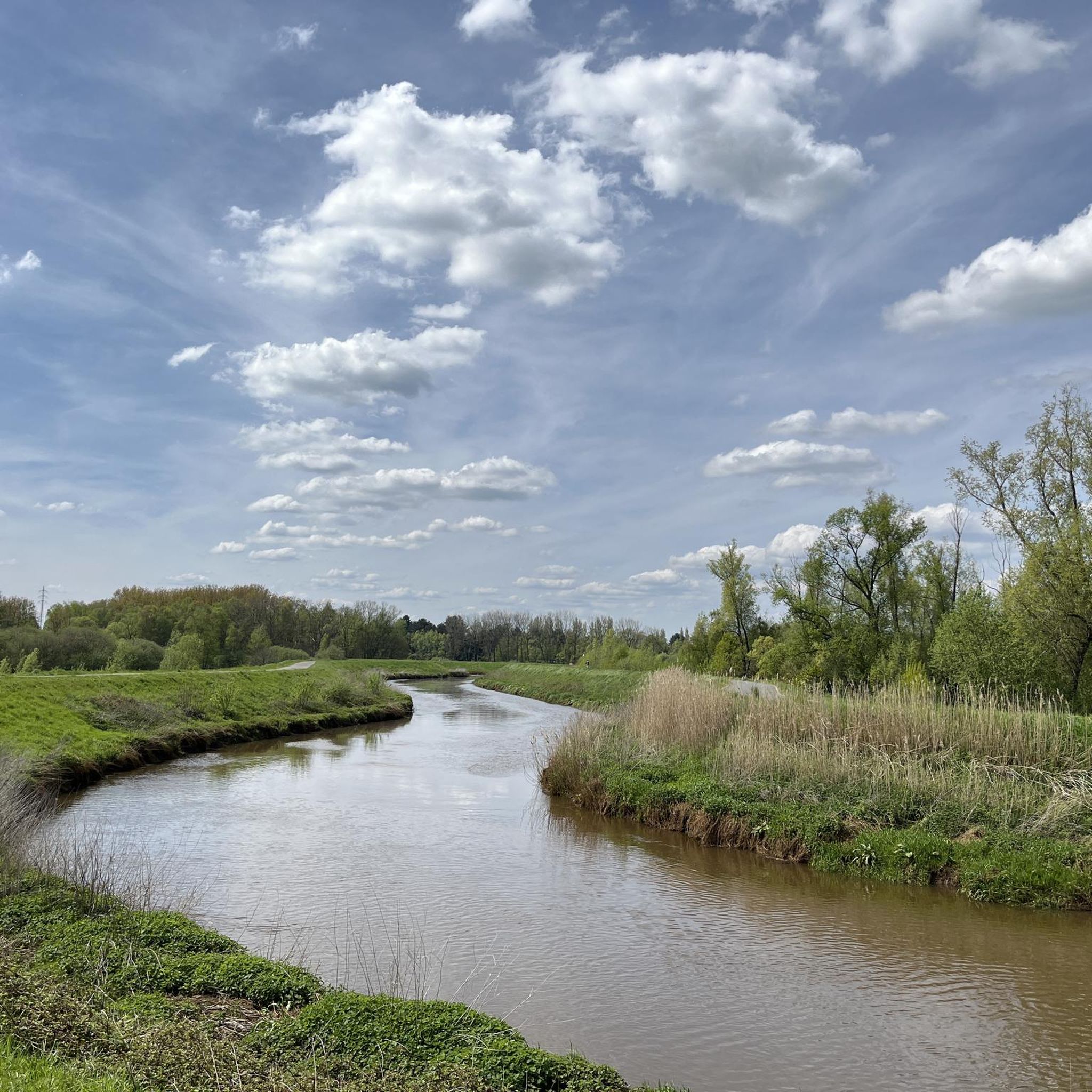
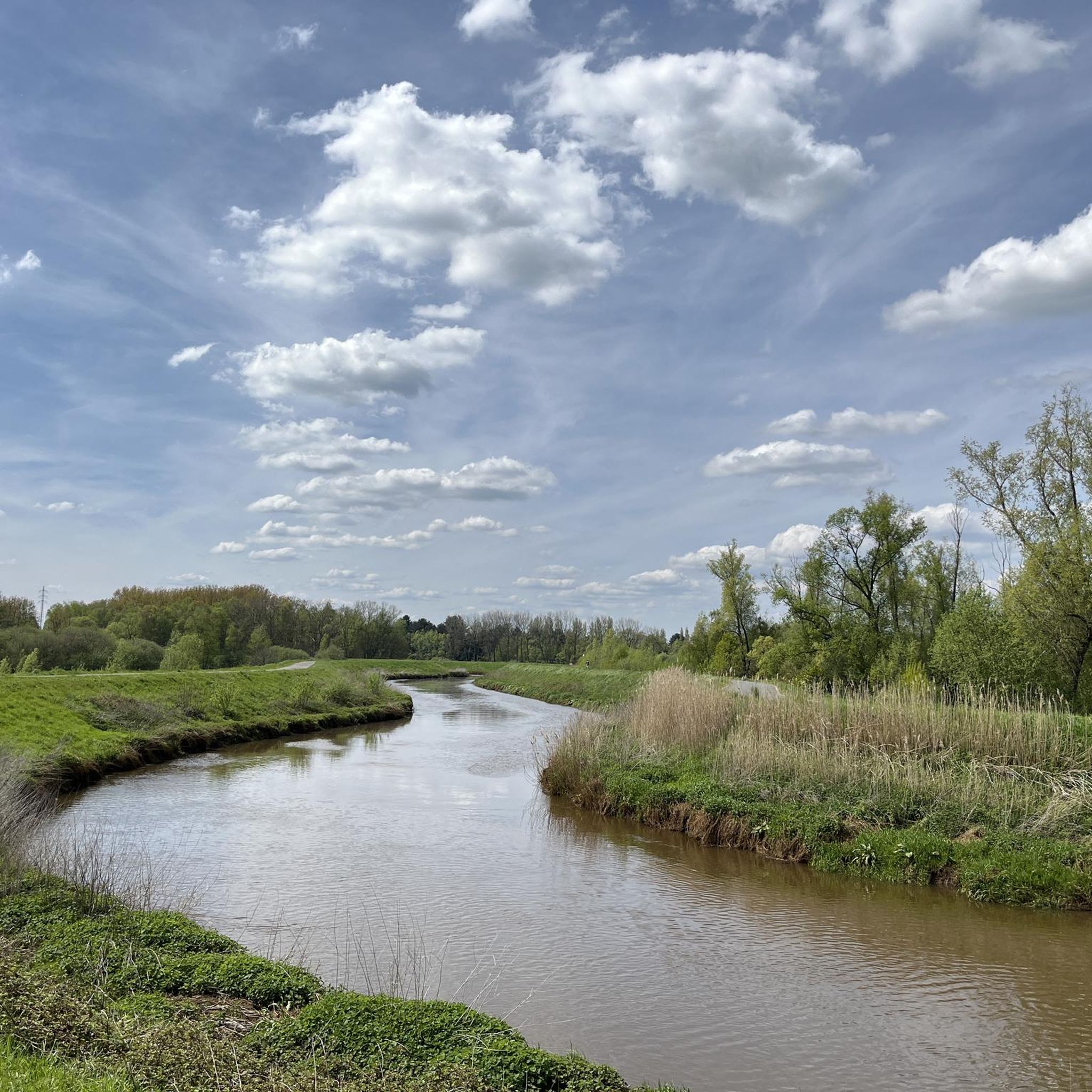
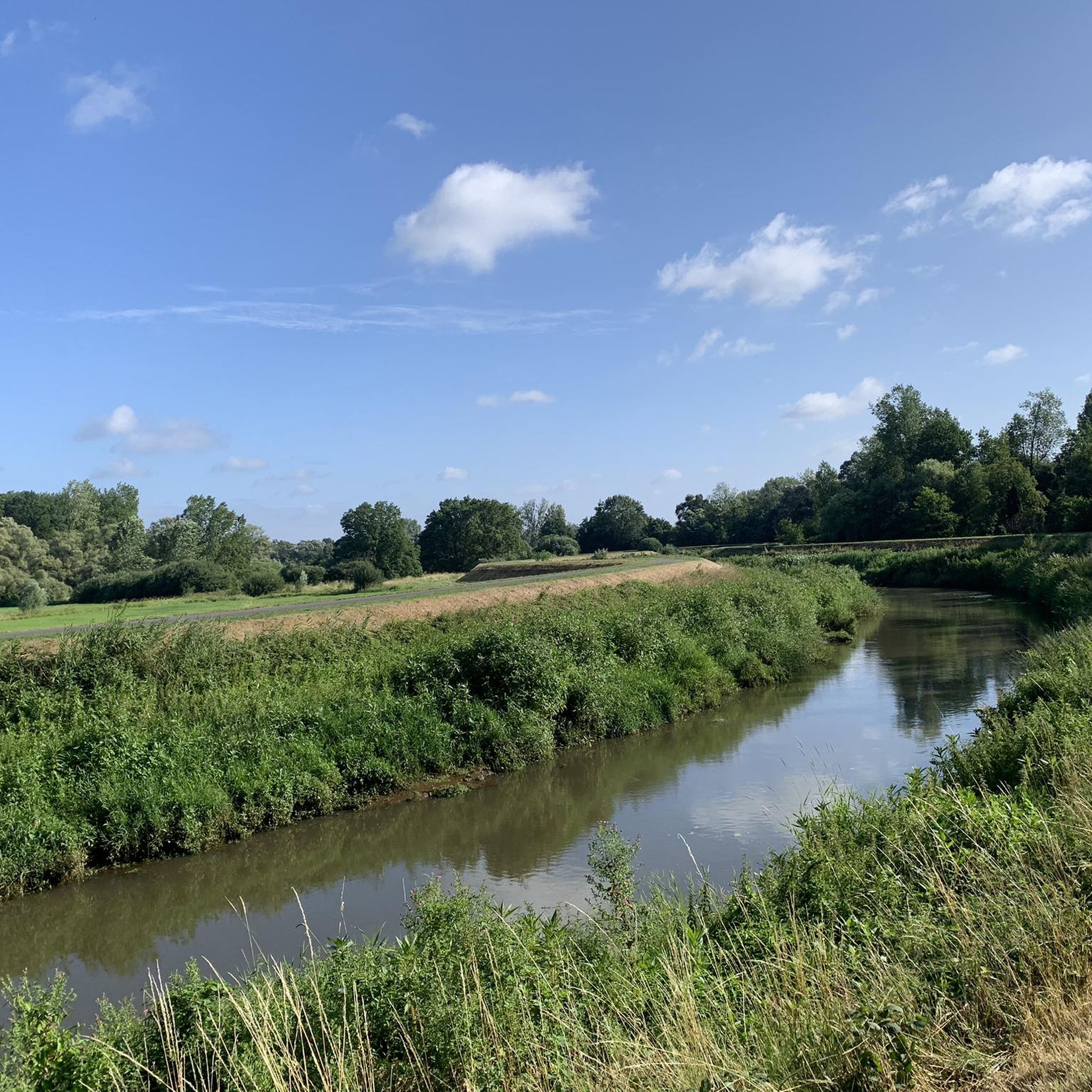
Tips from the Community


Is just a fantastic ride! Small and narrow roads with little traffic (cars). Few cycle paths. Great cycling!
1
0

The Defense Line of Antwerp was decided upon by the choice of Antwerp as the National Reduit in 1859. The idea behind this was that Antwerp was most suitable as a last fortress until help from allies could arrive. The National Reduit would consist of: a siege wall, a fort belt and underwater settlements. The fort belt would consist of eight Brialmont forts (built in 1859) in an 18 km long belt from Wijnegem to Hoboken. After the Franco-Prussian War of 1870, it was initially decided to build three bridgehead forts and then to build an outer line adapted to more modern weapons. The latter plan was ratified by law of March 30, 1906. This main resistance position included 16 forts and 10 redoubts on the right bank and 5 forts and 2 redoubts on the left bank.
7
0

The Antitankgracht was constructed just before the Second World War to stop German tanks. Fortunately, that is no longer necessary today, but it does provide us with a nice location to cycle through.
27
0

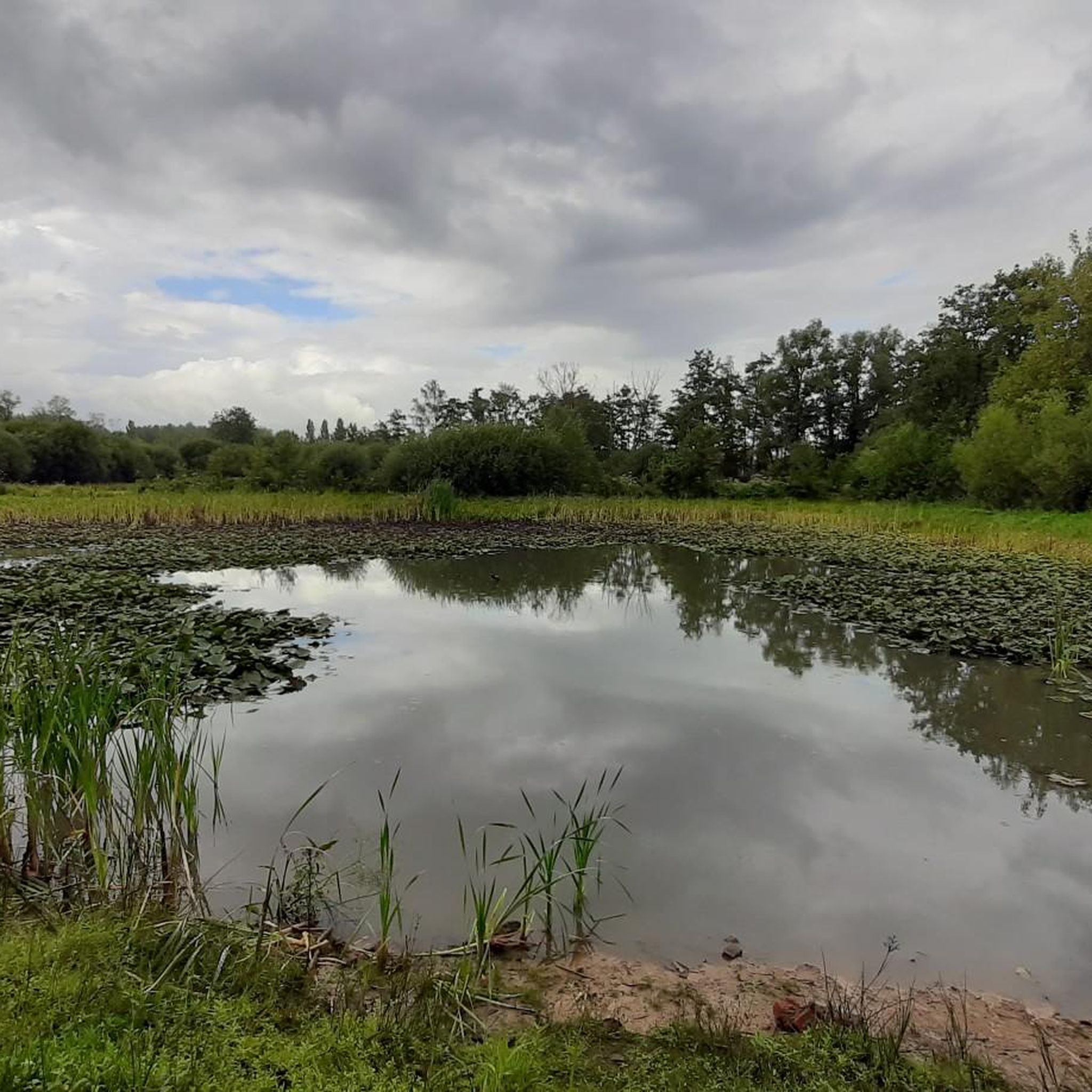
Very nice walk, wooden bridges over marshy to waterland. beautiful area!
8
0

During World War I, Fort Oelegem was part of the outer fortification belt of the Antwerp Defence Line
14
2
The fort has been protected as a monument since 1995. The domain is privately owned and managed by the Fort Oelegem working group. The fort is used entirely as a bat reserve and is only accessible under the guidance of a guide on certain days and by appointment. Fishing is permitted on the fort moat with a permit. This can be obtained from the Fort Oelegem working group of Natuur2000. Cyclists can discover the fort together with the Fort van Kessel and the Fort van 's-Gravenwezel via the route 'Antitankgracht en heide' from the brochure "Herover de Forten". You can create your own route thanks to the cycling junctions. The Fort van Oelegem is located at junction 57.
30
1

Although the Fort of Oelegem was not yet finished at the outbreak of the First World War, this did not prevent the fort from participating in it. Now there is only peace and quiet on the domain, the fort has become a bat sanctuary. About 1,300 bats have found their home in the fort.
8
1
Frequently Asked Questions
What natural attractions can I explore around Nijlen?
Nijlen offers several beautiful natural areas. The most prominent is the Lovenhoek Nature Reserve, a vast 145-hectare area with diverse habitats including woodlands, heathlands, and deciduous forests. You can also discover the unique river landscape of Steenbeemden and the protected natural area of Kruiskensbaan/Kruiskensberg.
What historical sites are there to visit around Nijlen?
The region features significant historical fortifications. You can visit Fort Oelegem, a former part of the Antwerp defense line that now serves as a bat sanctuary, offering guided tours by appointment. Nearby, the Fort of Kessel also played a role in the defense of Antwerp and is home to a large bat colony. The Antitank Canal, an artificial waterway built before WWII, is another historical landmark that offers scenic routes.
Are there good cycling routes in Nijlen?
Yes, Nijlen is excellent for cycling. The Netekanaal Cycle Path is a popular choice, offering a smooth asphalt surface ideal for leisurely rides or faster training. The Netekanaal Towpath also provides a pleasant experience along the canal. For more options, you can explore various road cycling routes around Nijlen, including easy to difficult loops, by checking the Road Cycling Routes around Nijlen guide.
Where can I go hiking near Nijlen?
The Lovenhoek Nature Reserve is a great spot for walking, with trails winding through diverse landscapes and over wooden bridges. You can find a variety of hiking trails around Nijlen, ranging from easy walks to moderate routes, by consulting the Hiking around Nijlen guide. Some popular routes include those around Fort Kessel and Kesselse Heath.
Are there mountain biking trails available in the Nijlen area?
Yes, there are several mountain biking trails around Nijlen. You can find moderate difficulty routes like 'The Black Water – Lichtaart Singletrack 1 loop' or 'Kruiskensberg Chapel – Bridge over the Grote Nete loop'. For a comprehensive list and details, refer to the MTB Trails around Nijlen guide.
What do visitors enjoy most about the cycling paths around Nijlen?
Visitors frequently praise the smooth surface of paths like the Netekanaal Cycle Path, which allows for enjoyable rides. The absence of cars on these paths is also highly appreciated, making them safe and pleasant for cyclists. The scenic views along the water, such as those along the Antitank Canal, also contribute to a great experience.
What makes Lovenhoek Nature Reserve special?
Lovenhoek Nature Reserve is special due to its surprisingly diverse habitats within its 145 hectares. It features dry sandy soils with woodlands and heathlands, as well as valuable deciduous forests in damper areas. This variety supports a wide range of plants and animals, making it a rich environment for nature lovers.
Are there family-friendly activities in Nijlen?
Many of Nijlen's natural attractions are suitable for families. The Netekanaal Towpath is considered family-friendly for cycling, offering a safe and enjoyable ride. Exploring the trails in Lovenhoek Nature Reserve can also be a great family outing, allowing children to connect with nature.
Are there any wheelchair-accessible trails or attractions?
The Netekanaal Cycle Path is noted for its smooth surface, making it potentially suitable for wheelchairs. It's always recommended to check specific trail conditions for accessibility before visiting.
Are attractions around Nijlen dog-friendly?
While specific dog policies vary, many nature reserves and outdoor paths, such as those in Lovenhoek Nature Reserve and along the canals, generally welcome dogs on a leash. It's advisable to check local regulations for each specific location you plan to visit.
What is the best time to visit Nijlen's attractions?
The best time to visit Nijlen's outdoor attractions, such as its nature reserves and cycling paths, is typically during the spring, summer, and early autumn months (April to October) when the weather is mild and conducive to outdoor activities. This allows for comfortable hiking, cycling, and enjoying the natural beauty.
Are permits required for visiting nature reserves in Nijlen?
Generally, access to public nature reserves like Lovenhoek Nature Reserve is free and does not require a permit for walking or cycling on designated paths. However, specific activities like fishing in the moat of Fort Oelegem do require a permit, which can be obtained from the Fort Oelegem working group of Natuur2000.
Most popular attractions around Nijlen

Get inspired with the komoot mobile app


Explore more
Still not found the Highlight you’re looking for? See guides of the top attractions in other regions:
