The best MTB trails around Boom
4.1
(430)
4,959
riders
221
rides
Mountain biking around Boom, Belgium, offers diverse terrain characterized by its location in the Rupel region, where the Nete and Dijle rivers converge to form the Rupel River. The landscape features picturesque open vistas, provincial parks like De Schorre, and areas shaped by former clay pits. These natural and transformed environments provide a varied backdrop for mountain bike trails, ranging from riverside paths to routes through wooded sections. The region's gentle elevation changes create engaging routes suitable for different skill…
Last updated: October 8, 2026
4.5
(12)
57
riders
51.0km
03:09
110m
110m
Hard mountain bike ride. Good fitness required. Advanced riding skills necessary. Some portions of the route may require you to push your bike.
43
riders
61.2km
03:16
140m
140m
Moderate mountain bike ride. Good fitness required. Suitable for all skill levels.

28
riders
42.6km
02:09
80m
80m
Moderate mountain bike ride. Good fitness required. Suitable for all skill levels.
3.0
(1)
30
riders
44.9km
02:25
110m
110m
Moderate mountain bike ride. Good fitness required. Suitable for all skill levels.
3.0
(3)
14
riders
Hard mountain bike ride. Great for any fitness level. Advanced riding skills necessary. Some portions of the route may require you to push your bike.
Get access to more routes and recommendations from other explorers.
Already have an account?
Our route recommendations are based on thousands of hikes, rides, and runs completed by other people on komoot.
Start today with a free account
Your next adventure awaits.
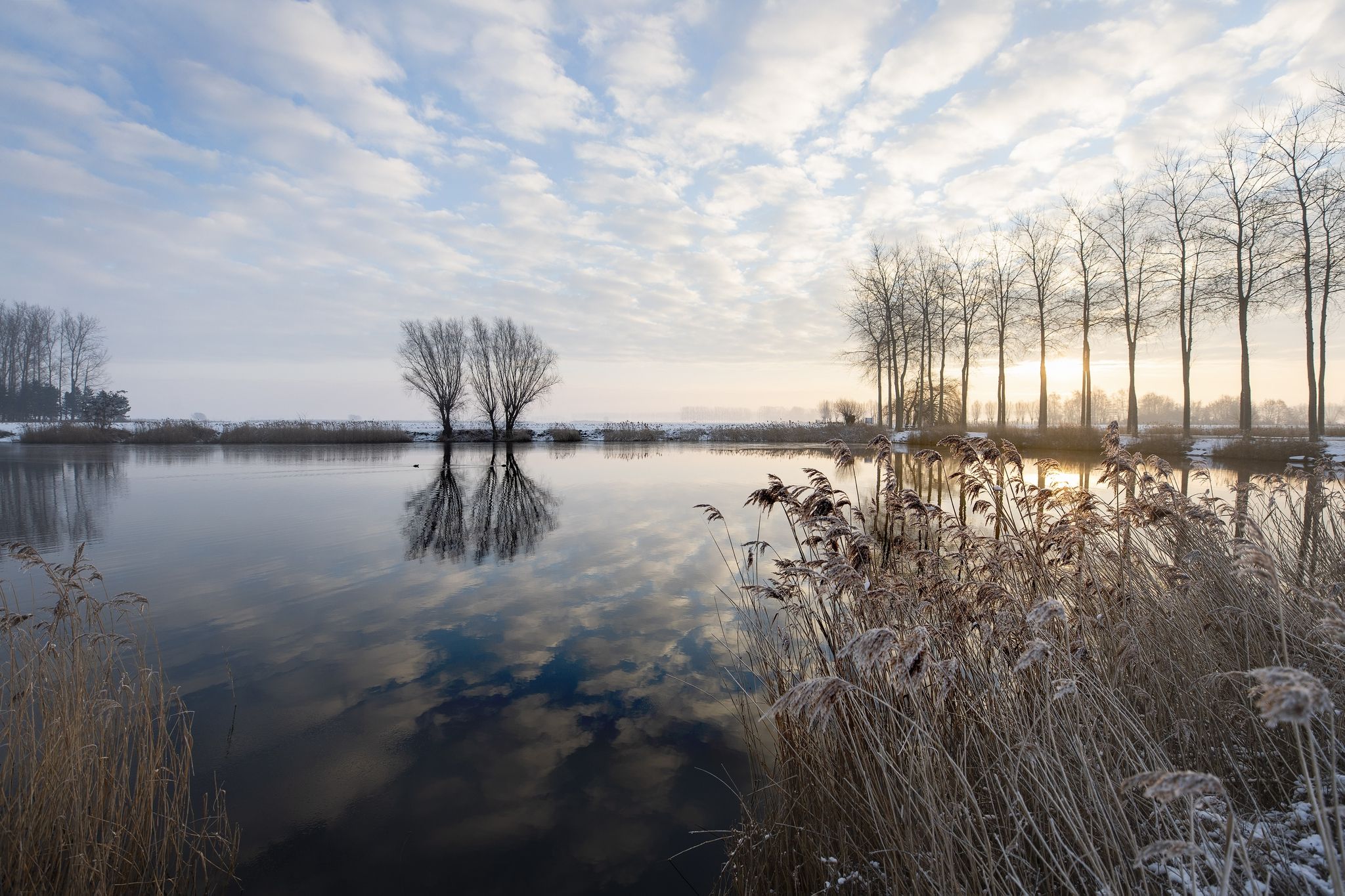
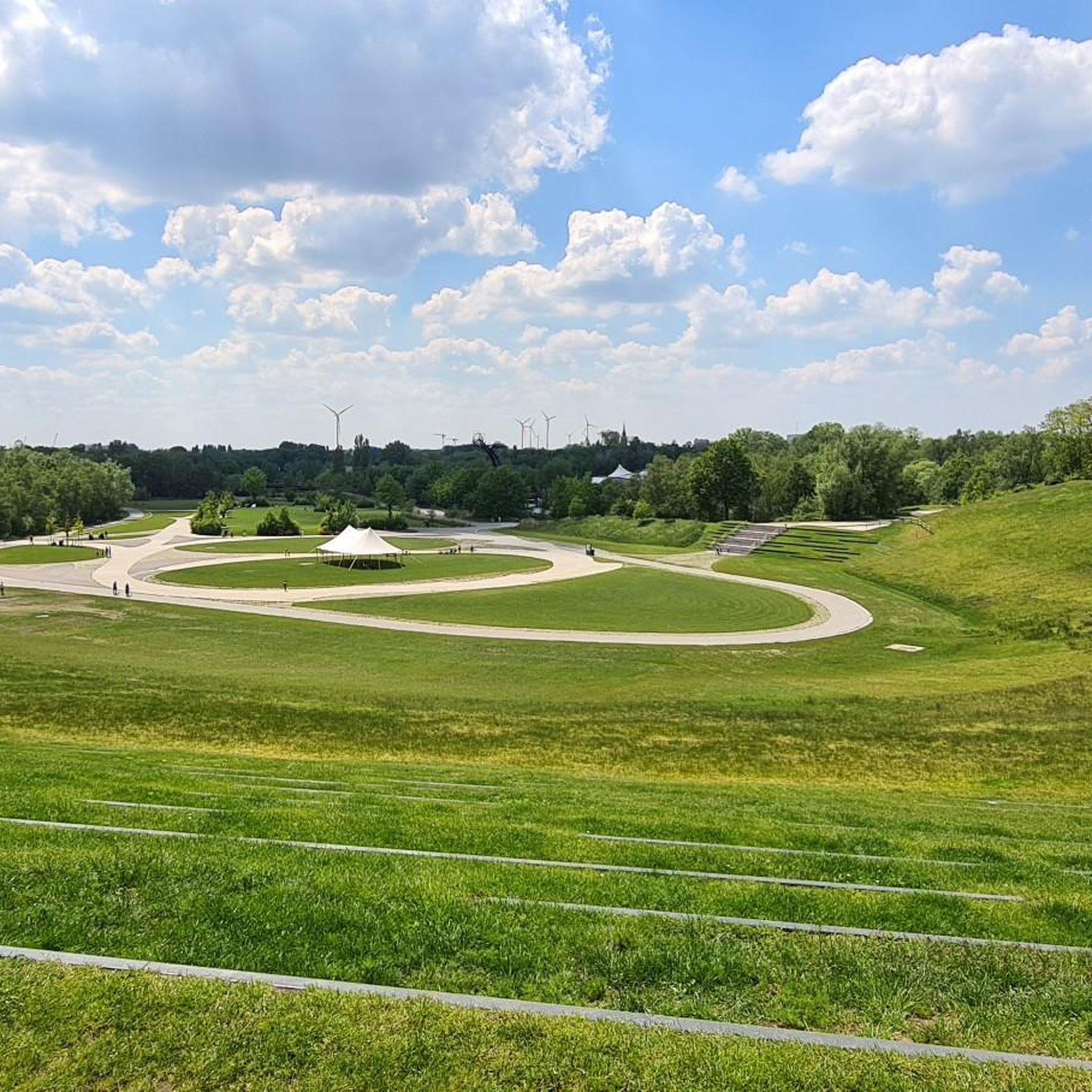
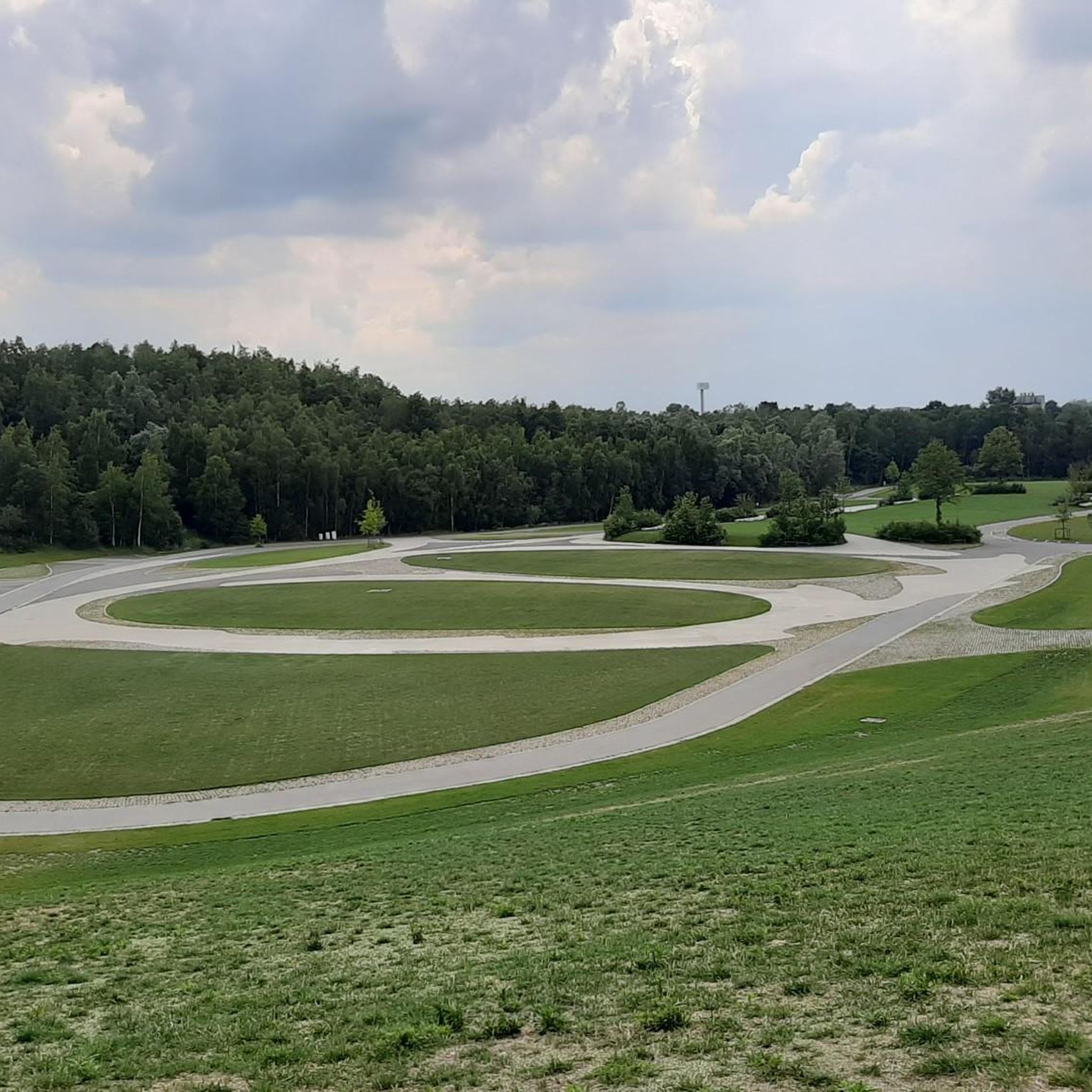
Other adventures around Boom

Tips from the Community

Bridges connect one side to the other side...
3
0

Through the interesting facade painting, even a building without architectural appeal becomes an eye-catcher.
4
0

The name of this highlight is incorrect. These photos refer to the trail in the Schorre Boom Provincial Domain.
6
0
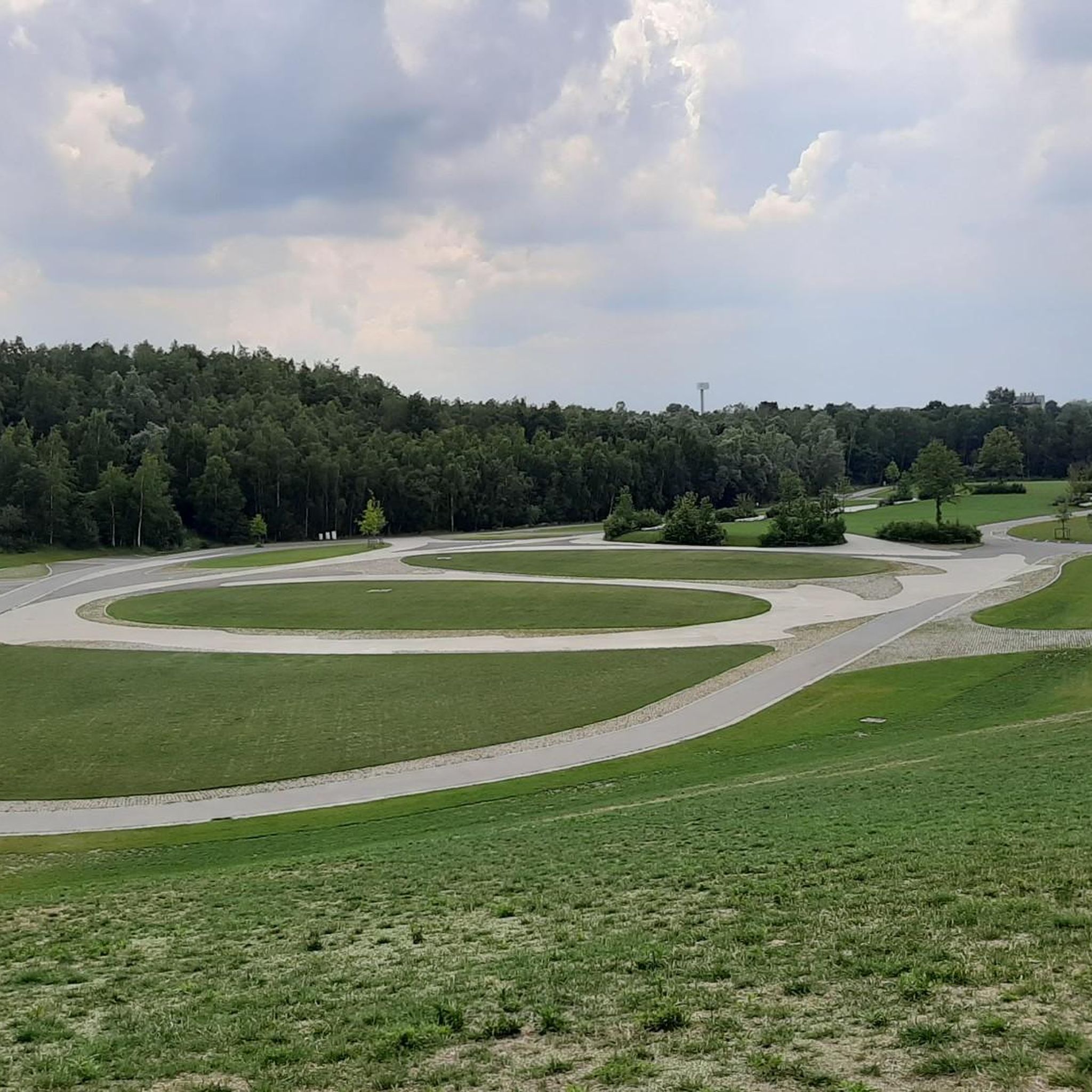
Easy route through De Schorre Boom
5
0

Somewhere in the middle there is a metal gate that leads to nowhere but is fascinating
0
0

Every half-hour and hour you can pass here
1
0
Frequently Asked Questions
How many mountain bike trails are available around Boom?
There are over 200 mountain bike routes around Boom, offering a wide range of options for different skill levels. You'll find everything from easy paths to more challenging trails through varied landscapes.
What kind of terrain can I expect on mountain bike trails in Boom?
Boom's mountain bike trails feature diverse terrain, including paths alongside the Nete and Dijle rivers, through provincial parks like De Schorre, and across areas shaped by former clay pits. The region is known for its picturesque open vistas and gentle elevation changes, providing engaging routes through wooded sections and open landscapes.
Are there any easy mountain bike trails suitable for beginners in Boom?
Yes, Boom offers a good selection of easy mountain bike trails. Out of over 200 routes, approximately 40 are classified as easy, making them perfect for beginners or those looking for a relaxed ride. De Schorre Provincial Park, for example, features an easy MTB trail.
Are there any family-friendly mountain bike routes in Boom?
Absolutely. The region's gentle terrain and provincial parks, such as De Schorre, offer suitable environments for family-friendly rides. Look for routes classified as 'easy' to ensure a comfortable experience for all family members. Many trails follow river paths or go through parks, providing safe and scenic options.
Can I bring my dog on the mountain bike trails in Boom?
While many natural areas in Belgium are dog-friendly, it's always best to check specific trail regulations or park rules regarding dogs, especially when mountain biking. Some trails may require dogs to be on a leash, while others might have restrictions. Always ensure your dog is well-behaved and doesn't interfere with other trail users or wildlife.
What are some interesting landmarks or natural features to see along the trails?
The Boom region is rich in interesting sights. You can explore the Confluence of the Dijle and Nete = Rupel, or visit The Putten van Lacourt. De Schorre Provincial Park is home to unique, large wooden troll sculptures by artist Thomas Dambo, which you can discover on a dedicated trail (learn more here). You might also encounter historical sites like Fort Steendorp or Wissekerke Castle.
Are there any mountain bike routes that are circular?
Yes, many mountain bike routes in Boom are designed as loops, allowing you to start and finish at the same point. For example, the Elegemvijver Hombeek – Putten van Lacourt loop from Willebroek is a popular circular route covering 55.5 km. Another option is the Forest Cycle Path – Bridge Over the Nete loop from Reet, which is 36.6 km.
What do other mountain bikers say about the trails in Boom?
The mountain bike trails in Boom are highly regarded by the komoot community, with an average rating of 4.2 stars from over 400 reviews. More than 5,000 mountain bikers have used komoot to explore the varied terrain, often praising the scenic river paths, the diverse landscapes, and the well-maintained routes.
Are there any challenging or difficult mountain bike trails in Boom?
For experienced mountain bikers seeking a challenge, Boom offers several difficult routes. Approximately 29 of the available trails are classified as difficult. An example is the Fort van Breendonk – Bridge Over the Nete loop from Boom, a 51.6 km trail that includes more demanding sections.
Are there mountain bike trails accessible by public transport or with parking facilities?
Boom is generally well-connected, and many trailheads are accessible. While specific parking details vary by route, provincial parks and popular starting points often have designated parking areas. For public transport, you can check local bus or train schedules to see which routes connect to areas near trail access points. The region's cycling network is designed to guide riders through various points of interest, including those accessible by different means.
What is the best time of year to go mountain biking in Boom?
The spring and autumn months generally offer the most pleasant conditions for mountain biking in Boom, with milder temperatures and beautiful scenery. Summer can also be enjoyable, though it might be warmer. Winter riding is possible, but trails can be muddy or slippery, especially after rain or frost, so be prepared for varying conditions.
Are there any routes that pass by the Putten van Lacourt or Hazewinkel?
Yes, you can find routes that include these areas. The Putten van Lacourt – Hazewinkel Large Pond loop from Ruisbroek-Sauvegarde is a moderate 75 km route that explores these natural features, offering a longer ride through the region's unique landscapes.
Most popular attractions around Boom

Get inspired with the komoot mobile app


Explore more
Browse the best MTB trails in other regions.
