Attractions and Places To See around Herent - Top 20
Best attractions and places to see around Herent, a municipality in the Belgian province of Flemish Brabant, showcase its history, culture, and natural beauty. The area features gentle, rolling landscapes dotted with picturesque villages and agricultural fields. It benefits from its proximity to Leuven, offering access to historical sites and cultural centers. Natural features like De Groene Vallei and the Leuven-Dijle Canal provide opportunities for outdoor exploration.
Best attractions and places to see around Herent
- The most popular attractions is…
Last updated: August 16, 2026
Leuven Town Hall
Highlight • Historical Site
The plans for the …
Translated by Google •
Tip by

Demer Towpath
Highlight • Cycleway
Translated by Google •
Tip by

Sign up now to discover places like this
Get recommendations on the best single tracks, peaks, & plenty of other exciting outdoor places.
Sign up for free
Ponds of Tervuren Park
Highlight • Lake
Translated by Google •
Tip by

Cycling Highway Leuven-Mechelen Along the Leuven-Dijle Canal
Highlight • Cycleway
Translated by Google •
Tip by

Horst Castle
Highlight • Castle
Translated by Google •
Tip by

Sign up for free to discover even more attractions around Herent.
Sign up for free
Already have an account?
Start today with a free account
Your next adventure awaits.
Login or Signup
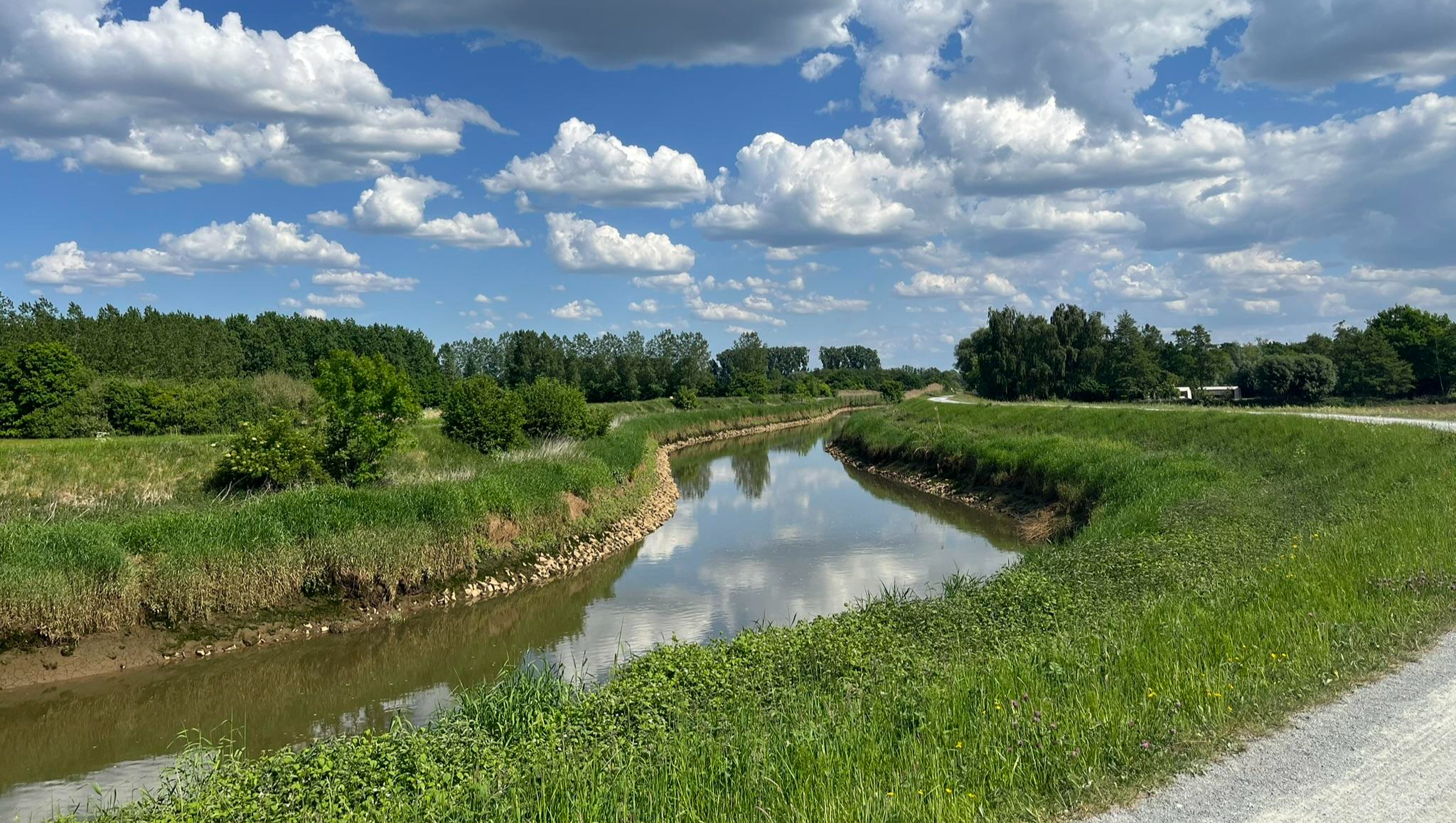

Other adventures around Herent

Tips from the Community

Very nice cycle path along the ponds in the park of Tervuren.
0
0

Contemplation is a strong positive medication!
1
0

Definitely stop by Ernesto koffie (right at the roundabout Walensebaan and Smisstraat), a cozy little food truck right by the ponds. There are also cozy seating areas provided at the food truck itself. Delicious coffee and wonderful pastries. Ideal for a refueling stop. Super friendly service. Open Wednesday to Sunday from 10:30
1
0

In front of the park is a French garden with ponds, flower beds and statues, which extends to a series of ponds that receive their water from the Voer.
1
0

Lots of green, trees and water. Quiet for walking, cycling, picnicking.
3
0

The core of Horst Castle probably dates back to the 13th century and is characterised by a square keep. The keep probably belonged to the oldest core that was further expanded into a fortified castle in the 15th century. During the troubles under Maximilian of Austria in 1489, the castle of Horst was taken by the people of Leuven and set on fire. According to literary sources, only the keep, part of the entrance gate and a defensive wall remained standing. The residential and east wing were renovated and expanded in the 16th century. The round tower also dates from this period. The outer wall was provided with a rectangular bay window. The castle lost its military character and became more of a pleasant residential area with a view of the moat, the ponds and the inner courtyard. Brick construction with sandstone layers characterise these buildings. In 1587, however, the castle was set on fire again during the raids of the Geuzen. It was not until the beginning of the 17th century that restoration work began. It is difficult to deduce from the available sources to what extent this involved restoration or an embellishing conversion of the castle complex. Presumably nothing changed in the internal structure, but only after the structurally necessary repairs were the interiors completely refinished. Maria-Anna Van den Tympel had a new chapel built against the keep in the 17th century. At the beginning of the 19th century, the complex must have been damaged by plundering and neglect, and it is possible that it also suffered from plundering during the Brabant Revolution of 1830. Around 1850, the castle must have been habitable again, but the castle buildings only served as a farm. In the land registry, the site around the castle is called "De Notelaren Boomgaerd". Around that time, the most dilapidated part must have been demolished, namely the southern part and the superstructure of the gate. The rest of the complex was probably restored with reused demolition material and in traditional style. The castle was divided in 1880, with one part being registered as a school house. In 1897, a further division followed, with two plots being designated as houses. Several restoration campaigns followed in the 20th century. Inventory of Immovable Heritage: Horst Castle, https://id.erfgoed.net/erfgoedobjecten/43619
6
0
Since December, there has been a spire on the castle again after the unstable spire was removed more than four years ago and could be viewed on a wooden platform in the pond. Now it is back. And the other works are also progressing quickly. More about the replaced spire on https://www.vrt.be/vrtnws/nl/2024/12/10/torenspits-staat-weer-op-kasteel-van-horst-holsbeek/
6
0

Frequently Asked Questions
What historical landmarks can I visit in and around Herent?
Herent and its surroundings offer several significant historical landmarks. You can explore the robust Romanesque tower of the Onze-Lieve-Vrouwekerk (Our Lady's Church) in the center of Herent, dating back to the 12th century. A prominent highlight is the idyllic moated Horst Castle from the 13th century, visually impressive even from a distance. Additionally, the historic Old Town Hall of Herent is a notable site. Just a short distance away, the Leuven Town Hall stands as one of the most famous Gothic town halls globally, with its richly decorated facade.
What natural areas are there to explore near Herent?
Herent is surrounded by beautiful natural landscapes. You can discover De Groene Vallei, a natural oasis featuring marshes, forests, grasslands, and open vistas, perfect for extensive exploration. The Leuven-Dijle Canal offers a beautifully maintained towpath, providing a car-free connection between Mechelen and Leuven, ideal for walking or cycling. The Molenbeek stream, with the protected Heersemmolen, also adds to the area's natural charm.
Are there good cycling routes around Herent?
Yes, Herent is well-suited for cycling enthusiasts. The Cycling Highway Leuven-Mechelen Along the Leuven-Dijle Canal provides a quiet and scenic route next to the canal, offering a car-free connection. Many other routes are available, including easy options like the 'Cyclist Overpass – Leuven Canal Basin loop' or more challenging ones like the 'Gravel Path – Cyclist Overpass loop'. You can find more details on various cycling routes in the Cycling around Herent guide.
Can I find hiking or walking trails suitable for different skill levels near Herent?
Herent offers a variety of walking and cycling routes to enjoy the surrounding landscapes. The gentle, rolling terrain makes many paths accessible for casual strolls. For more structured outdoor activities, you can explore routes like the 'Bertembos and Eikenbos Loop' for cycling or look into the various options listed in the Cycling around Herent, Road Cycling Routes around Herent, and Gravel biking around Herent guides, which often include paths suitable for walking.
Are there family-friendly attractions in Herent?
Absolutely! Herent and its vicinity offer several family-friendly attractions. Horst Castle, with its impressive moated setting, is a captivating visit for all ages. The Leuven Town Hall, while historical, is visually stunning and can spark children's imagination. Additionally, the car-free paths along the Leuven-Dijle Canal are perfect for family walks or bike rides, offering a safe and scenic environment.
What is the best time of year to visit Herent's attractions?
Herent's attractions can be enjoyed throughout the year. Spring and summer offer pleasant weather for exploring the natural features like De Groene Vallei and cycling along the Leuven-Dijle Canal. The historical sites, such as Horst Castle and Leuven Town Hall, are accessible year-round. Autumn brings beautiful foliage to the natural landscapes, while winter can offer a quieter, more serene experience, especially around the historical buildings.
Are there dog-friendly walking trails near Herent?
Yes, many of the natural areas and paths around Herent are suitable for walks with dogs. The towpath along the Leuven-Dijle Canal is a great option for a leisurely stroll with your canine companion. While dogs are generally allowed on the grounds of Horst Castle, they are typically not permitted inside the castle itself. Always ensure dogs are kept on a leash and that you clean up after them.
Where can I find scenic viewpoints around Herent?
For scenic views, the area around Horst Castle offers picturesque vistas, especially of the moated castle itself and the surrounding Hageland hills. Exploring De Groene Vallei will lead you through diverse landscapes with open views. The paths along the Leuven-Dijle Canal also provide pleasant, tranquil scenery as you follow the waterway.
What do visitors enjoy most about the attractions around Herent?
Visitors particularly appreciate the blend of history and nature. The majestic Horst Castle is often highlighted for its idyllic setting and impressive architecture. The car-free and scenic Leuven-Dijle Canal is a favorite for cycling and walking, praised for its tranquility and well-maintained paths. The historical significance and stunning Gothic architecture of Leuven Town Hall also receive high acclaim.
Are there any cultural centers or local events in Herent?
Herent has a rich cultural past reflected in its numerous historical buildings and heritage sites. For local culture and events, the municipality hosts the 'Mollekesfest' and has facilities like the GC De Wildeman, which serves as a cultural center. These venues often host various community and artistic events throughout the year.
How can I get to the attractions around Herent using public transport?
Herent benefits from its proximity to larger cities like Leuven, which is a major transport hub. From Leuven, you can typically reach Herent and its surrounding areas by local bus services or regional trains. For specific attractions, it's advisable to check local public transport schedules for the most convenient connections.
Are there any hidden gems or less-known outdoor spots in Herent?
Beyond the main highlights, Herent's charm lies in its gentle, rolling landscapes and picturesque villages. Exploring the lesser-known paths within De Groene Vallei can reveal tranquil spots and diverse ecosystems. The Molenbeek stream and the protected Heersemmolen offer a glimpse into local heritage and natural beauty away from the more frequented sites.
Most popular attractions around Herent

Get inspired with the komoot mobile app


Explore more
Still not found the Highlight you’re looking for? See guides of the top attractions in other regions:
