Top 13 Castles around Jurbise
Best castles around Jurbise are found in the Belgian province of Hainaut, offering insights into the region's rich heritage. The area features a variety of historical sites, from medieval fortresses to neoclassical country houses. Visitors can explore these structures, many of which are set within extensive parks and grounds. The landscape around Jurbise provides a backdrop for exploring these historical landmarks.
Best castles around Jurbise
- The most popular castles is Beloeil Castle, a castle that has been the residence…
Last updated: June 4, 2026
Château de Beloeil
Highlight • Castle
/! \ the domain is not cyclable
more details on: chateaudebeloeil.com/chateau-de-beloeil-le-versailles-belge
(source …
Translated by Google •
Tip by

Château of Thoricourt
Highlight • Castle
Sign up now to discover places like this
Get recommendations on the best single tracks, peaks, & plenty of other exciting outdoor places.
Sign up for free
Havré Castle
Highlight • Castle
Translated by Google •
Tip by

Attre Castle
Highlight • Castle
Tip by

Ruins of Château d'Ormeignies
Highlight • Historical Site
Translated by Google •
Tip by

Sign up for free to discover even more castles around Jurbise.
Sign up for free
Already have an account?
Start today with a free account
Your next adventure awaits.
Login or Signup
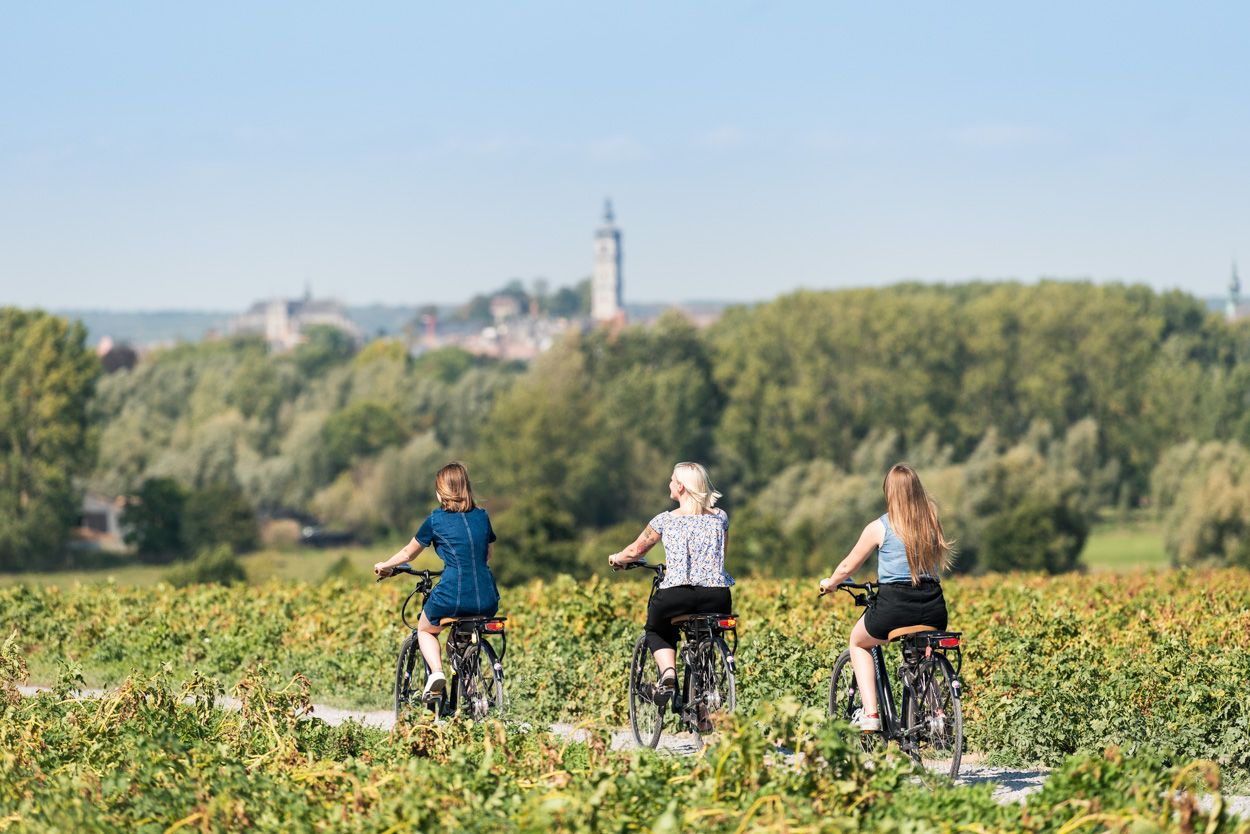
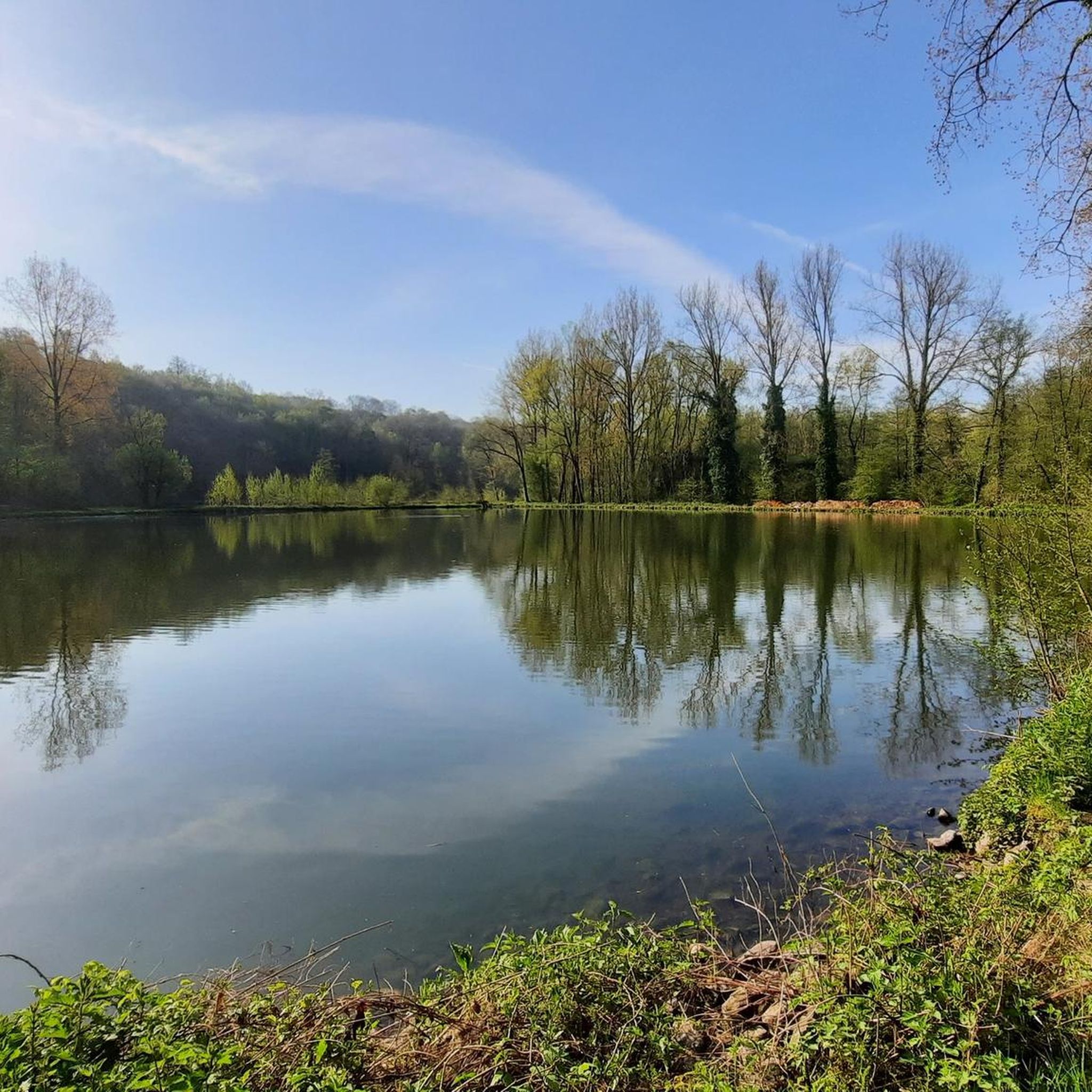
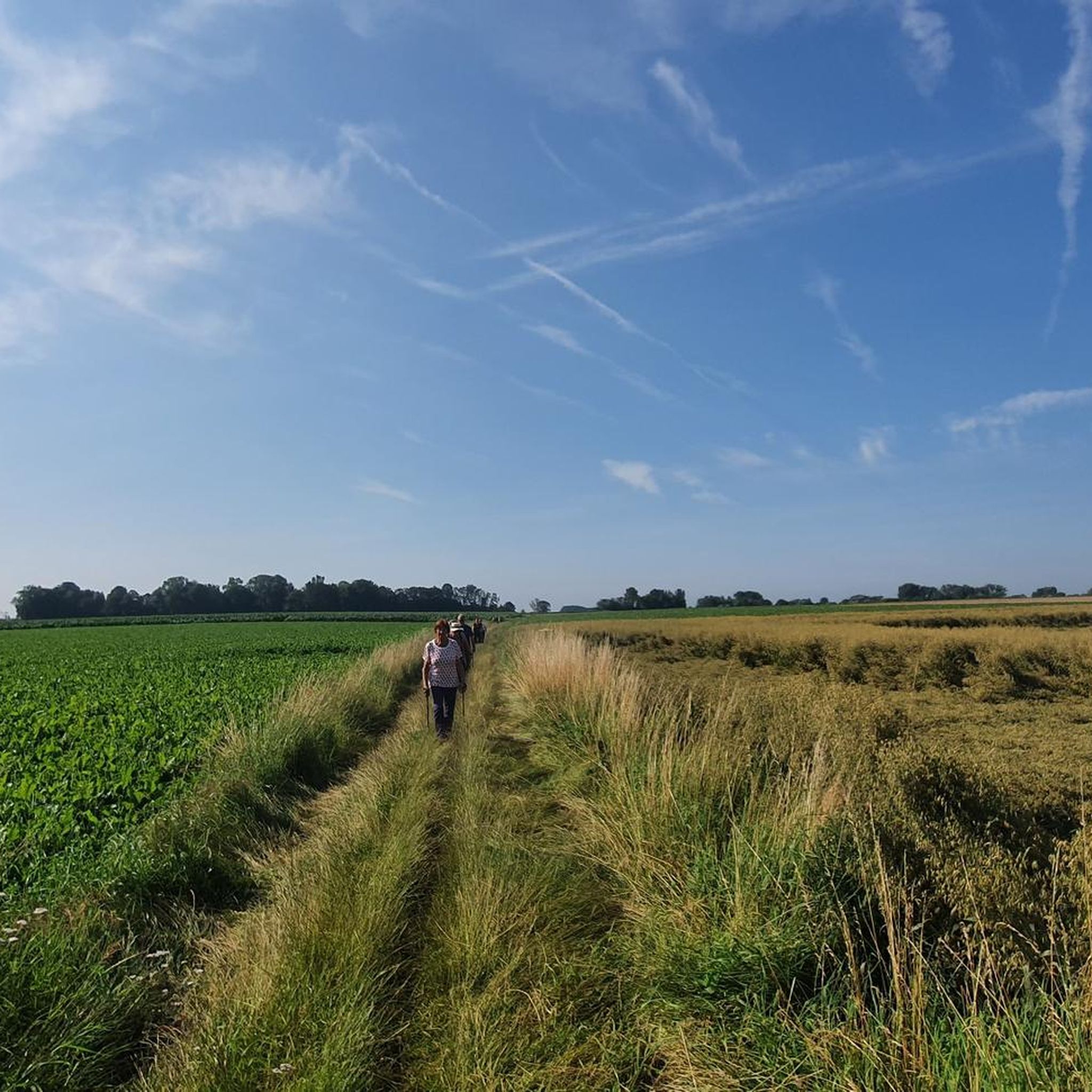

Other adventures around Jurbise

Tips from the Community

A beautiful castle in front of a cobbled street
0
0

Located in the province of Hainaut, the Château de Thoricourt is an elegant example of 18th-century neoclassical architecture, built by Count Henri-Gabriel de la Barre d'Erquelinnes. This imposing castle with its symmetrical facade and rustic yet refined appearance is set amidst extensive gardens, charming ponds and avenues lined with old trees. The interior, normally closed to the public, is renowned for its beautiful rococo details and original decorations, which reflect the grandeur of the past. For lovers of heritage and nature, the castle and the surrounding park offer a special place to go back in time and enjoy serene beauty.
0
0

Ormeignies Castle, located in the village of the same name in Wallonia, is a historic residence built in the mid-19th century by Édouard de Rouillé. Initially an 18th century manor house, it was rebuilt after a fire in 1866 by his son Adhémar, in a neoclassical style by the architect Désiré Limbourg. The castle and its estate were sold in 1934 and dismantled shortly after. Today, only a side wall with a staircase remains, visible from the public road.
2
0

The oldest fountain in Beloeil dates from 1824. Neo-classical style. At the top of the pillar, a cartouche bears the following inscription: "Princeps Henricus Oriens Populo Elargitur Unsam XVIMA octobris". This means that the pump was opened to the public on the occasion of the birth of Prince Henri de Ligne on October 16, 1824.
1
0

Beautiful castle with a ring canal that you can drive all the way around
1
0

The Versailles of the Borinage. Beautiful Castle that could use a scaffolding refresh - or is that part of its charm?
2
0

In 1978, this exceptional heritage was doomed to abandonment and complete destruction. This is without counting on the determination of a few inhabitants of Havré who came together and founded a non-profit organization “Les Amis du Château des Ducs d’Havré”: they will save it from disaster. The castle and its exhibition rooms can be visited from February to the end of November, Monday to Friday from 10:00 a.m. to 4:00 p.m. In addition to the castle, its gardens are remarkable and unique in the region.
3
0

Attested as early as 1266, the site has experienced numerous sieges which have modified the layout of the estate over time. In 1518, following an exchange, the castle passed into the hands of the House of Croÿ and welcomed the surgeon Ambroise Paré who applied, against common practice, a ligation of the arteries, thus saving Charles Philippe de Croÿ (1569 ). At the end of the 16th century, the castle was in poor condition and Charles Alexandre de Croÿ, Marquis of Havré, imagined a majestic ensemble and topped the octagonal keep (14th century) with a pretty slate bulb (1603). The place, transformed into an opulent residence, saw distinguished visitors parade: Van Dyck, Rubens, Marie de Medici, the Infanta Isabella, Marie of Hungary, the Duke of Malborough, etc... After the Revolution, the castle did not was no longer inhabited by the de Croÿ family who abandoned it and definitively abandoned it in 1839. In 1919, Canon Puissant attempted to save the site but the task was beyond his means. From 1930, landslides followed one another and the existence of the estate became threatened. Fortunately, under the leadership of Emile Poumon, a local historian, residents formed a non-profit organization (1978) and began a long period of conservation work. Guided tour of the castle for groups by appointment. https://www.visitmons.be/a-voir-a-faire/sites-et-musees/chateau-d-havre-614408
9
0
Frequently Asked Questions
What are some historical castles located directly in Jurbise?
Within Jurbise, you can explore the Château d'Egmont, an 11th-century site in Herchies known for its historical significance and 3-hectare park. Another notable location is the Château du Moustier, a neoclassical master's house from the 1860s that now serves as a community hub with public grounds. The Château des Viviers is also part of Jurbise's architectural heritage.
Are there family-friendly castles to visit near Jurbise?
Yes, several castles in the area are considered family-friendly. Both Château de Beloeil and Beloeil Castle are listed as family-friendly, offering extensive grounds. Havré Castle and Attre Castle also welcome families.
Can I find hiking or walking trails near the castles around Jurbise?
Yes, the region around Jurbise offers various walking and hiking opportunities. You can find numerous trails, including those that pass through natural areas near the castles. For detailed routes, explore the Running Trails around Jurbise guide, which includes paths like the 'Muddy Forest Singletrack' or loops around Herchies.
What kind of architecture can I expect to see among the castles in the Jurbise area?
The castles around Jurbise showcase a range of architectural styles. You'll find medieval fortresses, such as the origins of the Château de Beloeil, which evolved from a medieval fortress into a pleasure castle. The Château of Thoricourt is an elegant example of 18th-century neoclassical architecture with a distinctive red facade. The Attre Castle also features a Neo-Classical style, while the Château du Moustier in Jurbise is a neoclassical master's house.
Is it possible to visit castles around Jurbise with a dog?
For Beloeil Castle, dogs are generally allowed in the park but not inside the castle itself. It's always best to check the specific castle's official website or contact them directly for their most current pet policy before your visit.
What are the best times of year to visit the castles near Jurbise?
The best seasons to visit are typically spring and summer, when the castle grounds and gardens are in full bloom, and the weather is pleasant for exploring. Autumn also offers beautiful scenery with changing foliage. Some castles, like Beloeil Castle, have specific opening seasons, often from April to September, so it's advisable to check individual castle schedules.
Are there options for cycling near the castles in Jurbise?
Yes, the Jurbise area provides several road cycling routes that can take you near some of the castles. For example, there are routes like the 'RAVeL 4 – Escaut Canal – Château de Beloeil loop' or the 'Attre Castle – RAVeL 4 – Escaut Canal loop'. You can find more details in the Road Cycling Routes around Jurbise guide.
Do I need to make reservations to visit castles around Jurbise?
For some castles, especially those that host events or have specific visiting hours, reservations might be required or highly recommended. For instance, Havré Castle offers guided tours for groups by appointment. It is always best to check the official website of the specific castle you plan to visit for their current reservation policies and opening times.
What makes <a href="https://www.komoot.com/highlight/3693905" target="_blank" rel="noopener">Beloeil Castle</a> a significant attraction?
Beloeil Castle, often referred to as the 'Versailles of Belgium,' has been the residence of the princes of Ligne for centuries. It is renowned for its magnificent gardens, beautiful perspectives on water bodies, and a rich library containing 20,000 books. The castle's grandeur and historical depth make it a must-see.
What is unique about the <a href="https://www.komoot.com/highlight/2835509" target="_blank" rel="noopener">Château of Thoricourt</a>?
The Château of Thoricourt is an elegant 18th-century neoclassical castle distinguished by its striking red facade. It is set within extensive gardens, charming ponds, and avenues lined with old trees, offering a serene and picturesque environment. The interior, though normally closed to the public, is known for its beautiful rococo details.
Are there any castles near Jurbise that are less crowded?
While popular sites like Beloeil Castle attract many visitors, smaller or privately owned castles might offer a quieter experience. The Château d'Egmont in Herchies, for example, primarily functions as an event venue, so public access might be limited to specific events, potentially offering a more exclusive feel. The Château du Moustier, while a community hub, offers extensive public grounds that can be explored at your leisure.
What historical facts are notable about <a href="https://www.komoot.com/highlight/1828375" target="_blank" rel="noopener">Havré Castle</a>?
Havré Castle has a rich history dating back to 1266, having undergone numerous sieges and transformations. It was once an opulent residence that hosted distinguished visitors like Van Dyck, Rubens, and Marie de Medici. After being abandoned, it was saved from destruction in 1978 by a non-profit organization, which undertook extensive conservation work. Its gardens, including a beautiful rose garden, are also remarkable.
Most popular routes around Jurbise
Most popular attractions around Jurbise

Get inspired with the komoot mobile app


Explore more
Looking for the best castles somewhere else? Discover other guides around Jurbise:
