Top 20 Castles around Wanze
Castles around Wanze offer a glimpse into the region's rich history, with structures dating back to the 7th century. Situated at the confluence of the Mehaigne and Fosseroule rivers, the area features strategic rocky outcrops that once housed defensive strongholds. The landscape combines historical sites with protected natural environments, providing opportunities for exploration and understanding Wallonia's past.
Best castles around Wanze
- The most popular castles is Moha Castle, a castle that served as a crucial defensive stronghold and later…
Last updated: May 27, 2026
Moha Castle
Highlight • Castle
Translated by Google •
Tip by

Collegiate Church of Notre-Dame and Huy Citadel
Highlight • Historical Site
Translated by Google •
Tip by

Sign up now to discover places like this
Get recommendations on the best single tracks, peaks, & plenty of other exciting outdoor places.
Sign up for free
Château de Fallais
Highlight • Castle
Translated by Google •
Tip by

Château de Fumal
Highlight • Castle
To get there, you have to go up a little (quite steep but short slope), on the cycle path which leads …
Translated by Google •
Tip by

Haltinne Castle
Highlight • Castle
It was then owned by Gérard de Mérode, Jean-Hubert de Tignée then Jacques-Remy de …
Translated by Google •
Tip by

Sign up for free to discover even more castles around Wanze.
Sign up for free
Already have an account?
Start today with a free account
Your next adventure awaits.
Login or Signup

Tips from the Community

Excavations are conducted year-round at Moha Castle, making it unique in Belgium. When I visited, two archaeologists were uncovering a wall that runs beneath the visible castle and likely dates back to the 12th century.
2
0
The castle is free to visit. At the foot of the rock, there's a visitor center where you can pick up a badge to open the gate. For €4, you can also get a brochure with information about the most important points. The castle is only open to visitors starting in April, but the friendly man at the visitor center let me in on February 27th... as far as you can even call it "inside" at this ruin ;-)
2
0

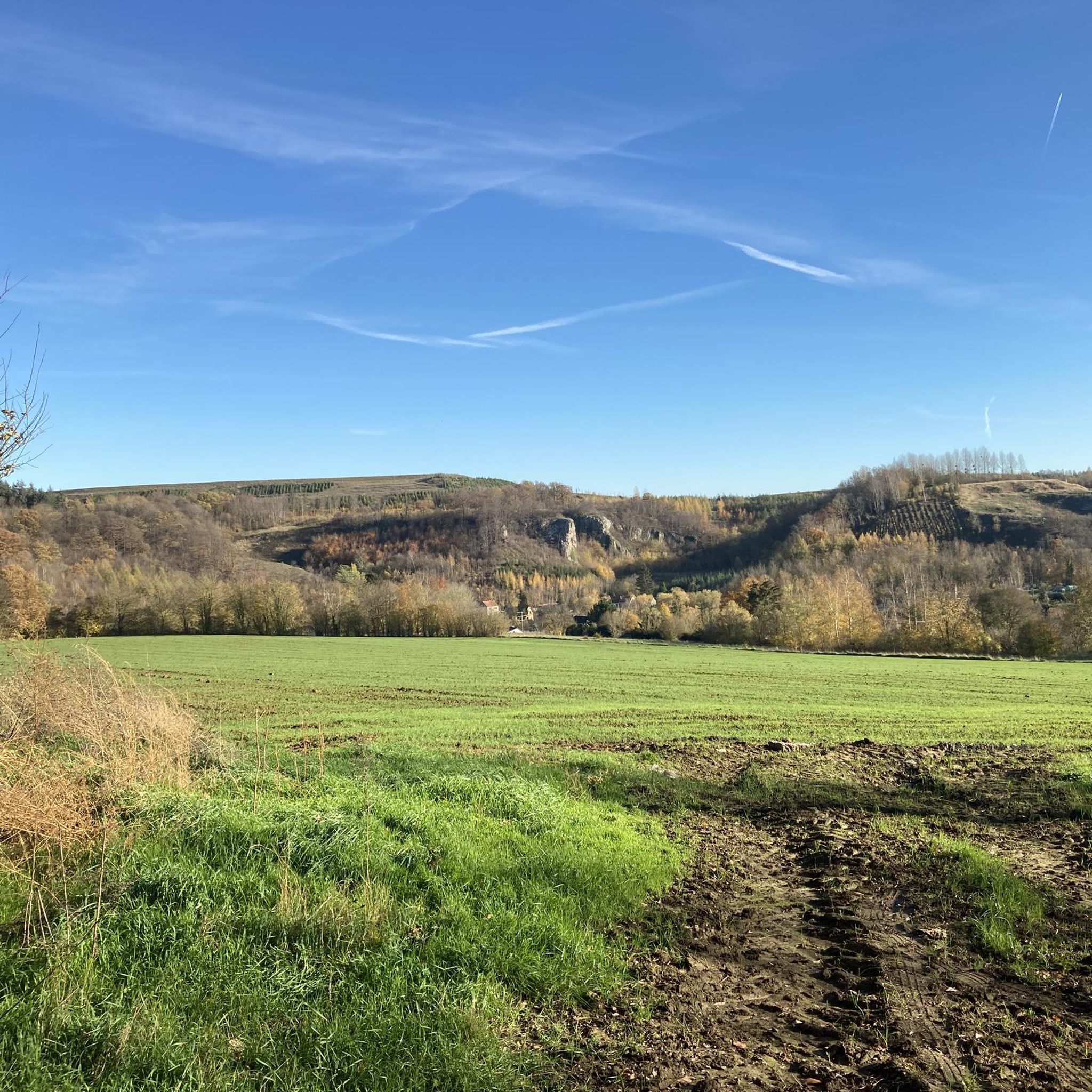
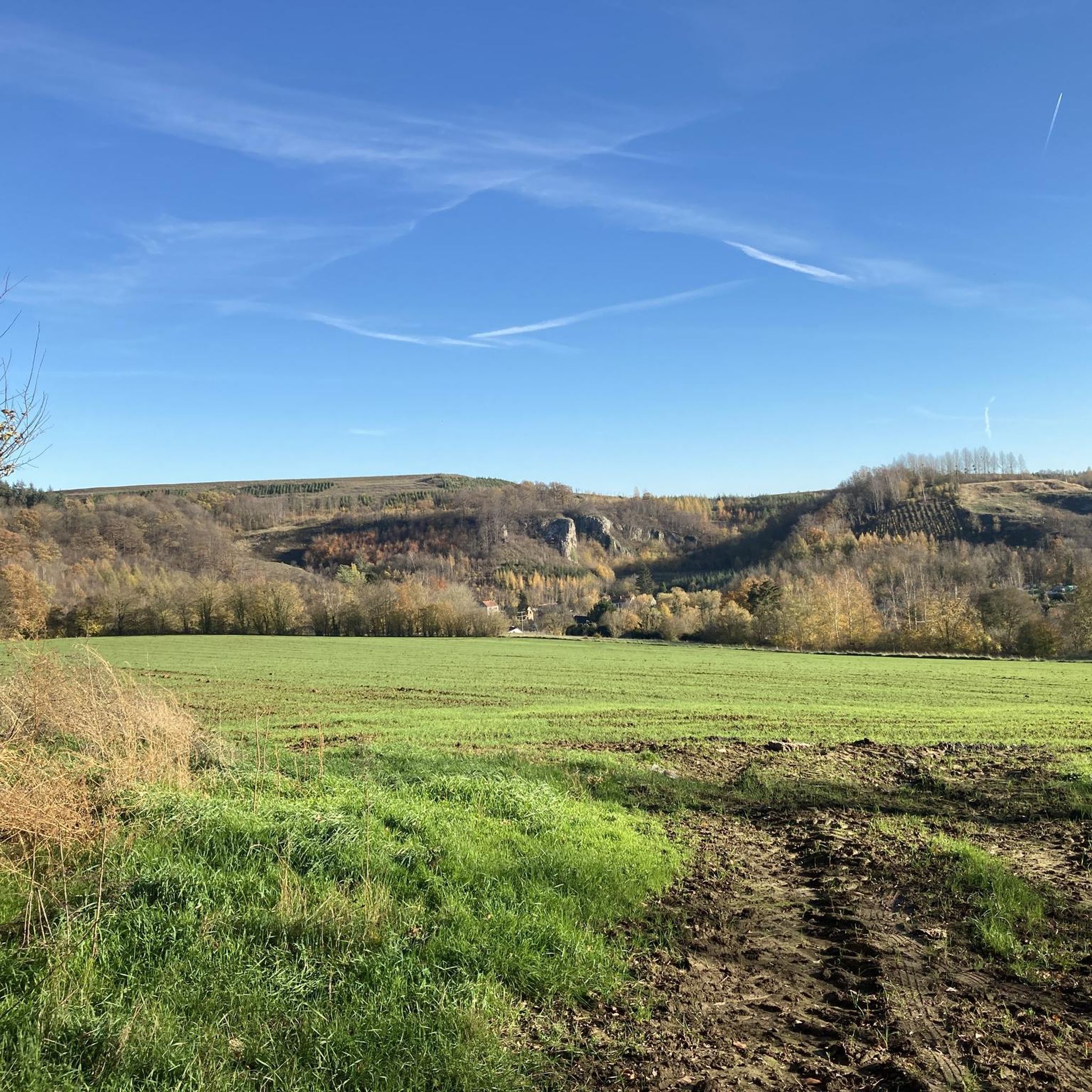
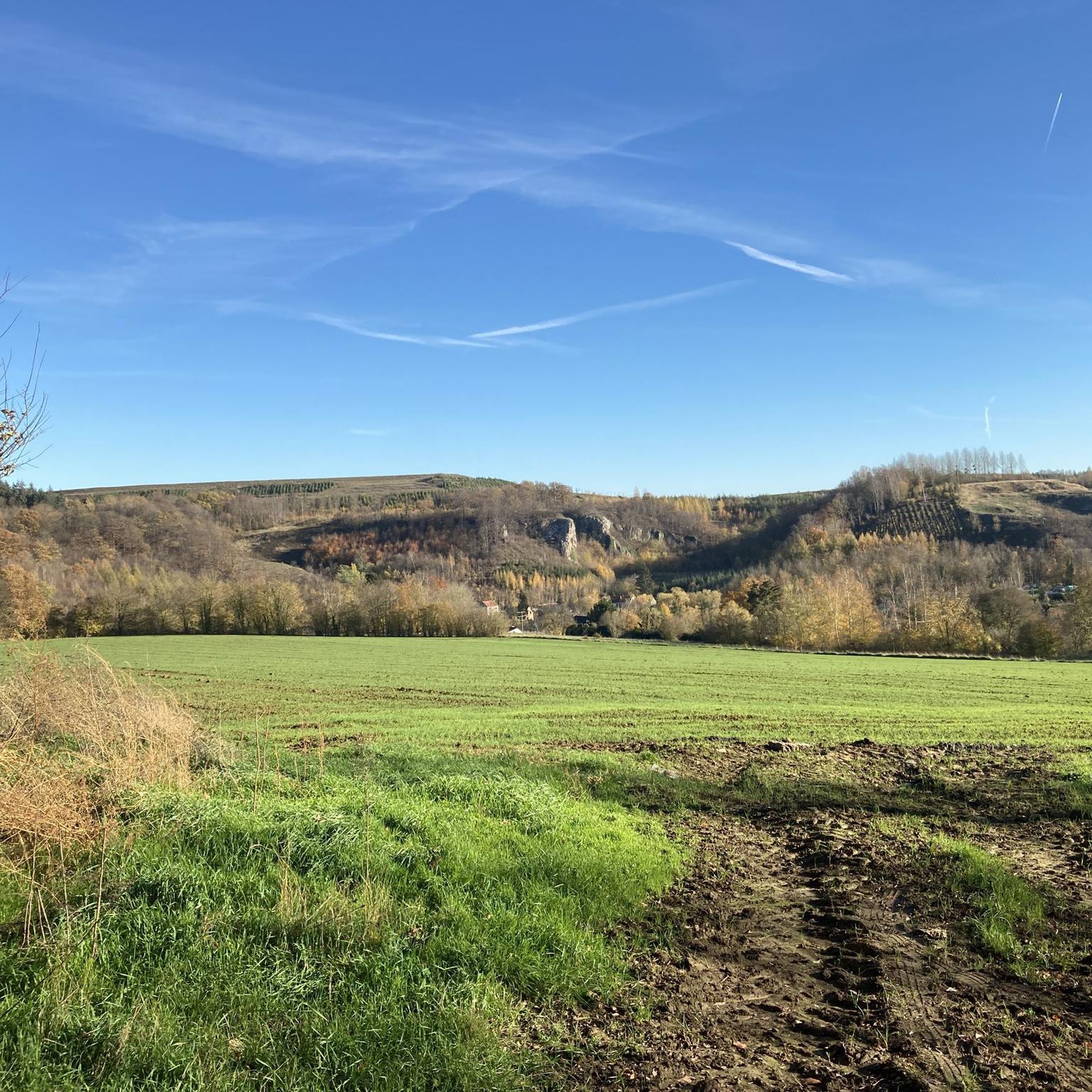
The "Rocher du Château de Moha" is a limestone outcrop rising from the Mehaigne valley. It was a strategically important site in the Middle Ages, when more castles were built on rocks. This made the site difficult to besiege, and it was well-placed as a control point over the valley. The rock is very recognizable in the landscape. The ruins on the rock are still clearly visible, and the medieval structures are still easily recognizable.
7
0
The Château de Moha is a medieval feudal castle in Wanze, built on a rock at the confluence of the Mehaigne and Fosseroule rivers. Dating back to the 7th century, the castle served as a defense for the region. It became the property of the Prince-Bishops of Liège, who used it as a fortress and prison. In 1376, the castle was captured by the inhabitants of Huy through deception, marking the end of its military function. The castle subsequently fell into disrepair, but the ruins have been preserved and are open to the public.
7
0

Beautiful castle with moat in the limestone of the region from the 13th century. It was long the property of Charles the Bold.
0
0
In the 12th century there was already a castle here. An old keep with walls one meter thick is still a witness, but what it looked like is unknown. Later, various renovations and adjustments to its time took place
0
0
The domain is closed and the castle is partially covered in scaffolding. It is currently only visible from a distance.
4
0
The current Château de Fumal is the result of more than four centuries of adjustments, extensions, repairs, renovations of a 16th century castle at its core. The appearance of the bell tower in “Mosan” style with the spherical shape is quite rare in Haspengouw. A large farm and barn are connected to the castle.
2
0
Frequently Asked Questions
What are the main historical castles to visit around Wanze?
The primary historical destination is Moha Castle, a medieval feudal castle dating back to the 7th century, strategically built on a rocky outcrop. You can explore its well-preserved ruins, including foundations, towers, and a 28-meter-deep well. Another significant site is Château de Fallais, a fortified castle from the 13th century with a turbulent past, including occupation by Louis XIV. While not open to the public, Haltinne Castle is a remarkable 17th-century castle-farm with four imposing towers and a moat, worth admiring from the outside.
Are there family-friendly activities at the castles near Wanze?
Yes, Moha Castle offers a wide array of family-friendly activities. Children can participate in medieval weapon firing (catapult, trebuchet, and cannon), and there are specially designed game booklets and kits for exploring archaeology and nature. The castle also hosts various themed events and medieval festivals. Château de Jehay is also listed as family-friendly.
What kind of natural environment surrounds the castles in Wanze?
Many castles, especially Moha Castle, are nestled within protected natural environments. The castle is situated at the confluence of the Mehaigne and Fosseroule rivers, offering picturesque walks in the Mehaigne Valley. The "Rocher du Château de Moha" is a recognizable limestone outcrop, and the area boasts a rich diversity of flora and fauna. Haltinne Castle is set within 245 hectares of cultivated land, woods, and meadows.
Are there opportunities for hiking or other outdoor activities near these castles?
Yes, the region around Wanze offers numerous outdoor activities. Near Moha Castle, you can enjoy rides on draisines (rail bikes) along the old railway line during summer or embark on various guided walks. For more extensive options, you can find many hiking trails around Wanze, including moderate routes like the "Trail along the Mehaigne loop from Longpré" near Fousseroûl Castle-Farm. There are also running trails and MTB trails in the area.
When is the best time of year to visit the castles around Wanze?
The Château Féodal de Moha is generally open from April to October, with extended hours during the peak months of June, July, and August. This period offers the best weather for exploring the ruins and enjoying outdoor activities in the surrounding natural environment.
Are any of the castles around Wanze accessible for visitors with reduced mobility?
While the ruins of Moha Castle themselves may pose accessibility challenges, its visitor center is equipped to accommodate people with reduced mobility, offering adapted sanitary facilities and designated parking. The site also provides resources for deaf and hard-of-hearing visitors.
Can I visit castles around Wanze during winter or in rainy weather?
The Château Féodal de Moha is generally closed from November to March. For other castles, it's best to check their specific opening hours, as many historical sites may have reduced accessibility or closures during the winter months or in adverse weather. However, the visitor center at Moha provides indoor facilities.
Are there any less-known or "hidden gem" castles worth exploring near Wanze?
While not as widely known as Moha, Château de Fumal is a beautiful castle with parts dating back to the 16th century, featuring a unique "Mosan" style bell tower. It's set within a beautiful park and offers a glimpse into centuries of architectural adjustments. Château de Jehay is also an exceptional heritage site in Wallonia, known for its splendor.
What are the opening hours for the main castles?
The Château Féodal de Moha is typically open from April to October, with extended hours in June, July, and August. Individual visits are self-guided, but guided tours can be arranged by reservation. For other castles like Château de Fallais, Haltinne Castle, and Château de Jehay, it's advisable to check their official websites or contact them directly for current visiting hours, as some are privately owned or have limited public access.
Are there castles around Wanze that offer scenic viewpoints?
Yes, Moha Castle, built on a rocky outcrop, offers beautiful views of its ruins and the surrounding Mehaigne Valley. The "Rocher du Château de Moha" itself is a prominent limestone formation in the landscape. Château de Fumal is also noted for its beautiful setting and the views from its location.
What is the historical significance of Château Féodal de Moha?
The Château Féodal de Moha is a historically significant site dating back to the 7th century. It served as a crucial defensive stronghold due to its strategic location at the confluence of the Mehaigne and Fosseroule rivers. It later became a property of the Prince-Bishops of Liège, functioning as both a fortress and a prison. Its military role ended in 1376 when it was destroyed, but its ruins continue to be a site of ongoing archaeological digs, revealing new insights into its thousand-year history.
Is Château Rouge accessible to the public?
No, Château Rouge in Bas-Oha, Wanze, is currently abandoned and not open to the public for traditional visits. While it holds significant historical and architectural value, it primarily attracts interest from those studying its historical context and urban exploration photography, rather than general visitors.
Are there any castles that are privately owned and not open to the public?
Yes, Haltinne Castle is privately owned and not open to the public for interior visits, though its architecture and history can be admired from the outside. Similarly, Château de Fallais is not generally accessible to the public, despite its historical importance.
What amenities are available at the castles, such as cafes or picnic areas?
At Château Féodal de Moha, there is an on-site visitor center that provides information, brochures, and includes a bar, snacks, and a picnic area. For other castles, amenities may vary, and it's recommended to check in advance if you plan to find food or drink facilities directly at the site.
Most popular attractions around Wanze

Get inspired with the komoot mobile app


Explore more
Looking for the best castles somewhere else? Discover other guides around Wanze:
