Top 15 Castles around Rochefort
Best castles around Rochefort are found in a region known for its rich history and diverse landscapes, particularly in the Famenne region of Belgium. This area is characterized by its rocky spurs and river valleys, which historically provided strategic locations for fortifications. The castles here reflect centuries of architectural evolution, from medieval strongholds to later renovations. Visitors can explore a variety of historical sites that showcase the region's past.
Best castles around Rochefort
- The most popular castles is Resteigne Castle…
Last updated: August 4, 2026
Mirwart Castle
Highlight • Castle
Castle is …
Showing Translation
Tip by

Lavaux-Sainte-Anne Castle
Highlight • Castle
Translated by Google •
Tip by

Sign up now to discover places like this
Get recommendations on the best single tracks, peaks, & plenty of other exciting outdoor places.
Sign up for free
Jemeppe Castle
Highlight • Castle
Translated by Google •
Tip by

Resteigne Castle
Highlight • Castle
Translated by Google •
Tip by

Leignon Castle
Highlight • Castle
In 1817, the castle was rebuilt by Dupont de Wéve, mayor of Leignon. Through …
Translated by Google •
Tip by

Sign up for free to discover even more castles around Rochefort.
Sign up for free
Already have an account?
Start today with a free account
Your next adventure awaits.
Login or Signup
Popular around Rochefort
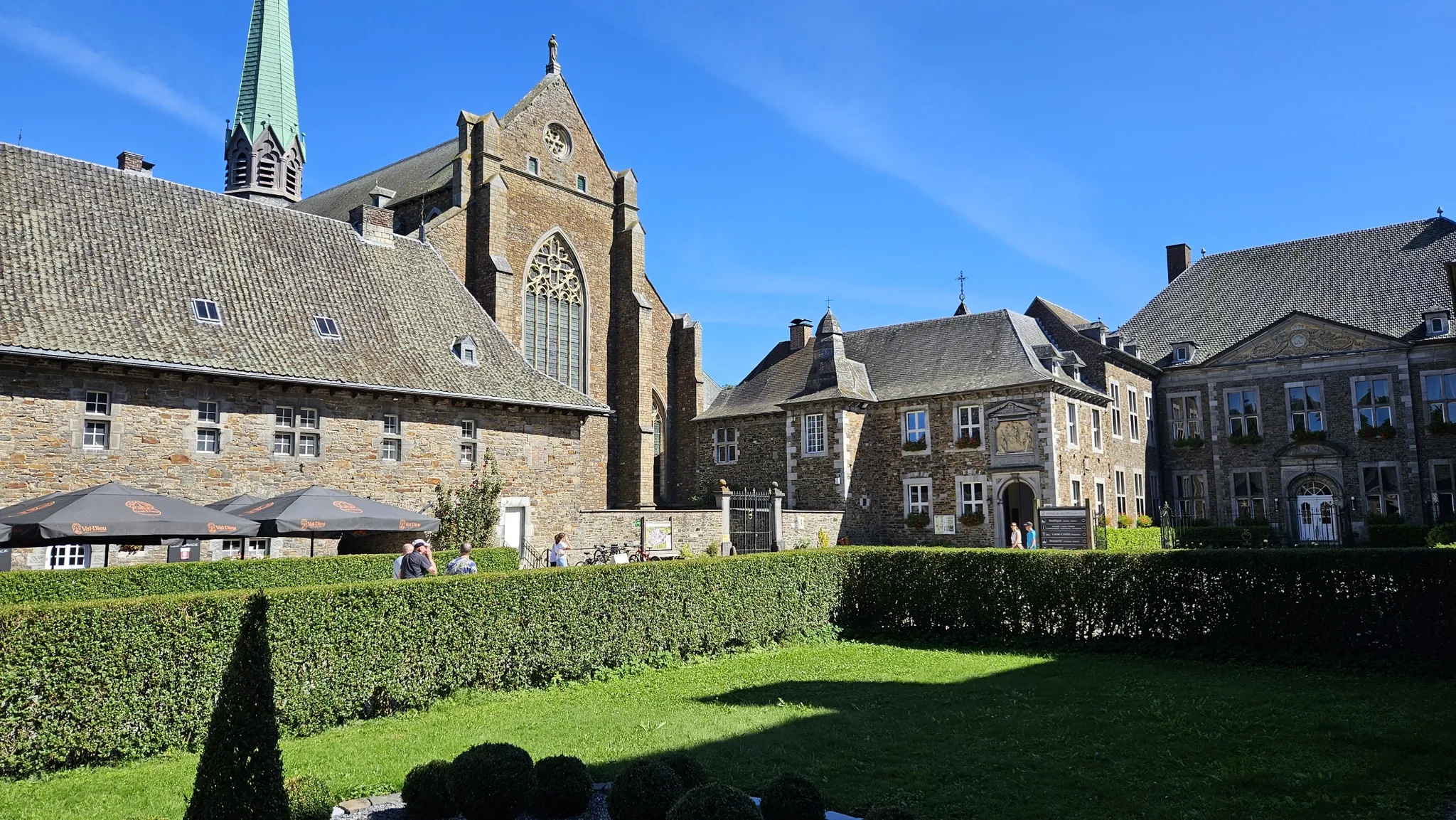
Trappist abbeys cycle route – Between beers and heritage
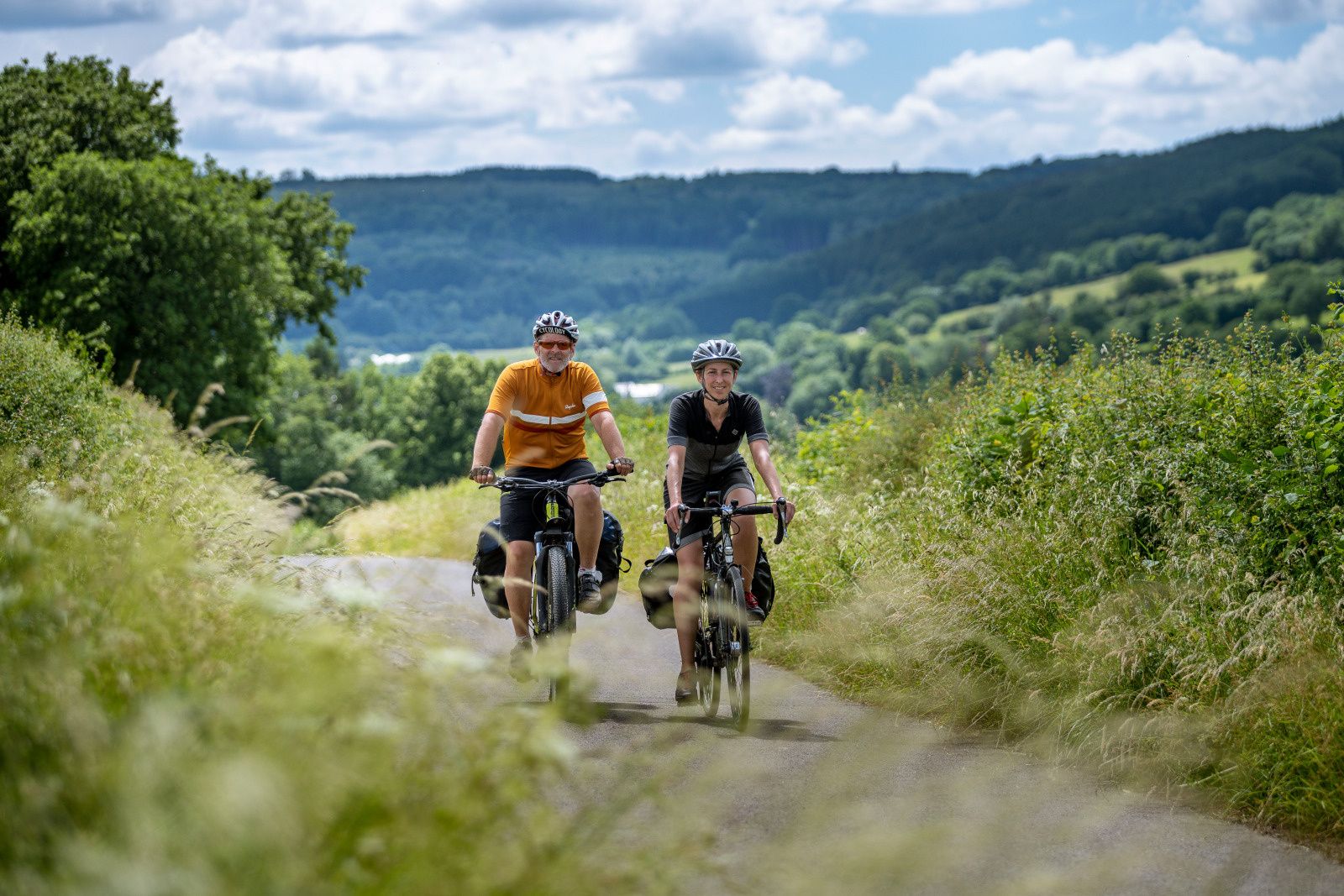
The most beautiful bike rides in Wallonia – pure nature and culture
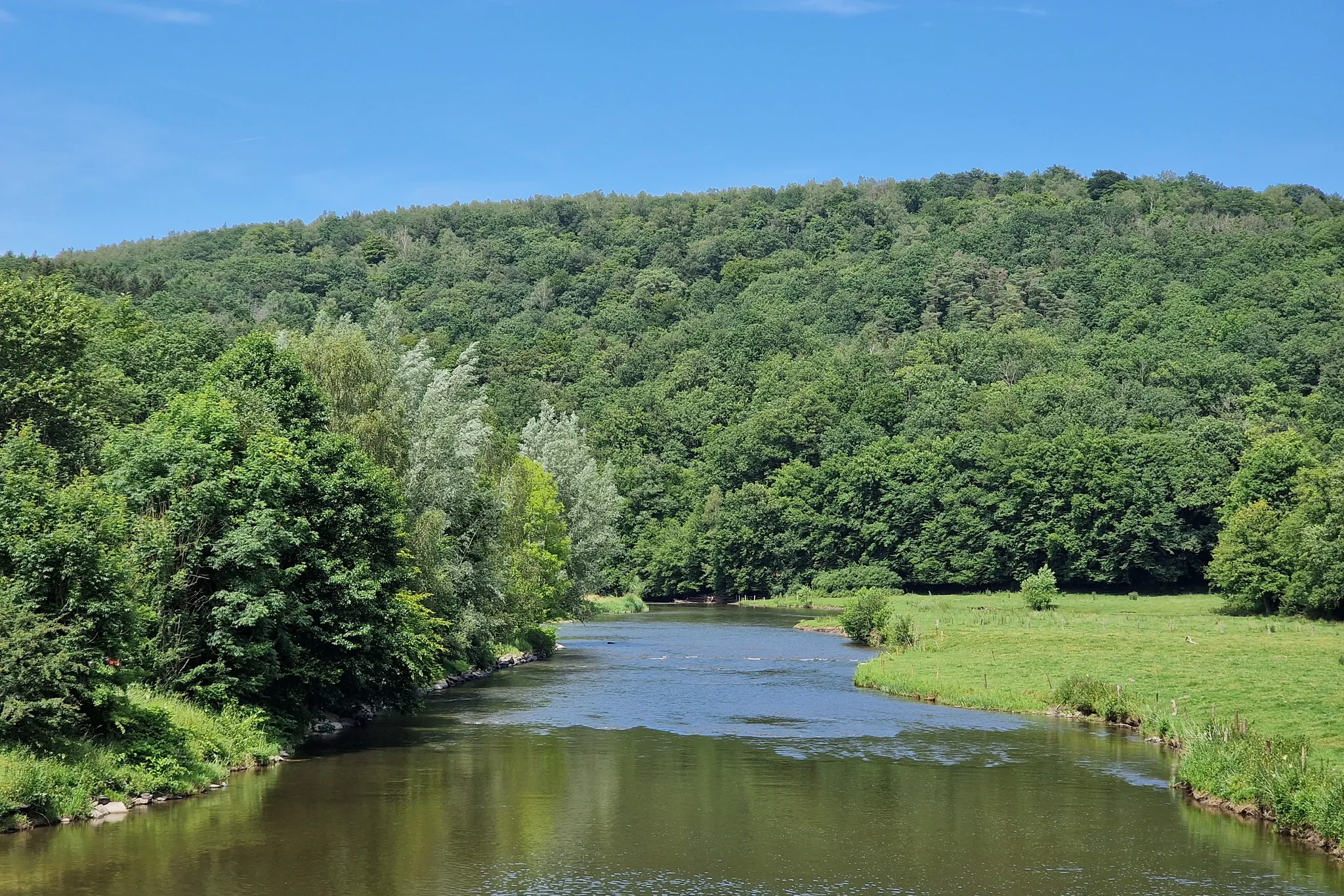
Between nature and gastronomy - Trappist abbeys trail part 2
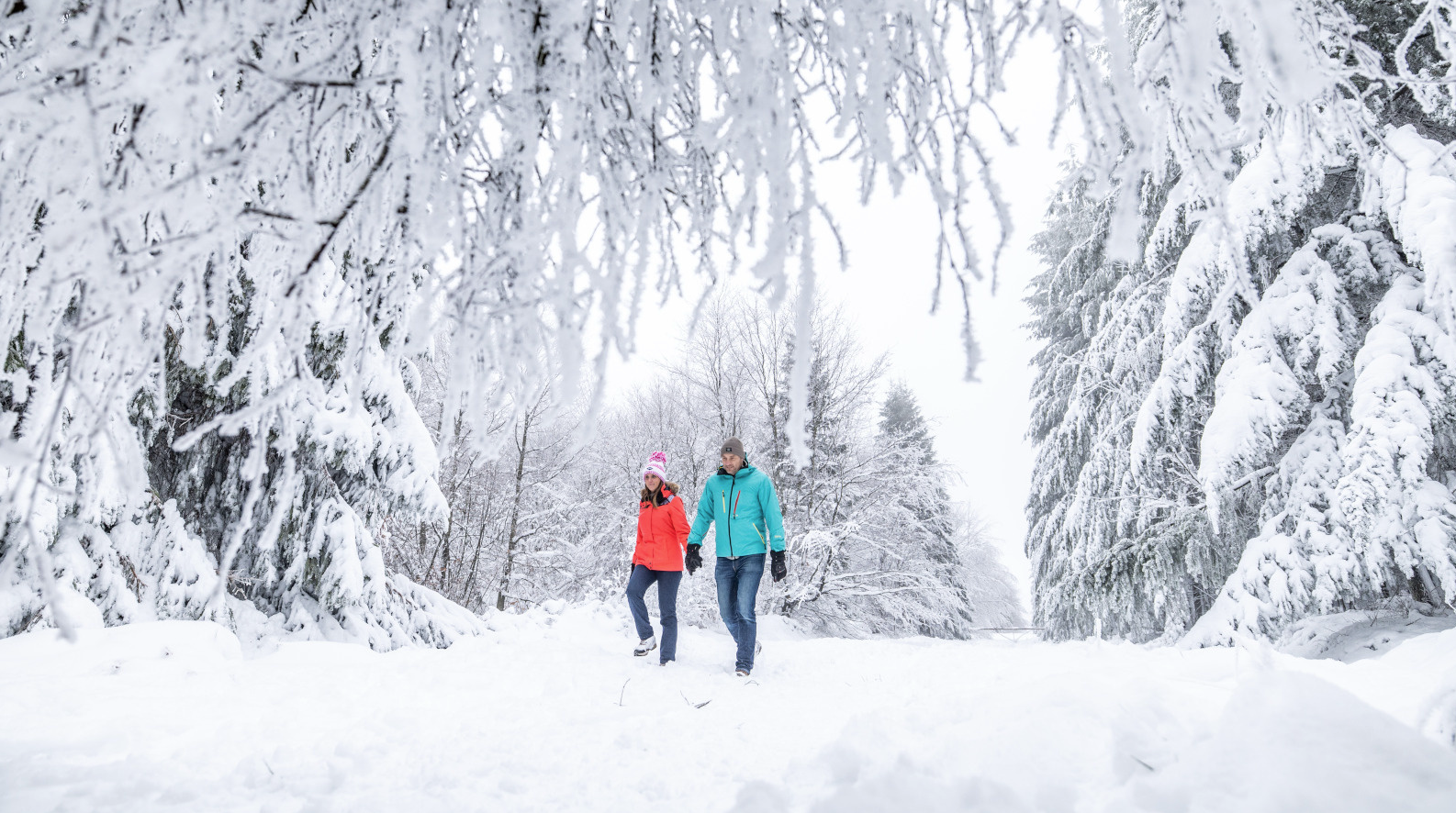
Belgian Ballads – winter hiking in the Belgian Ardennes
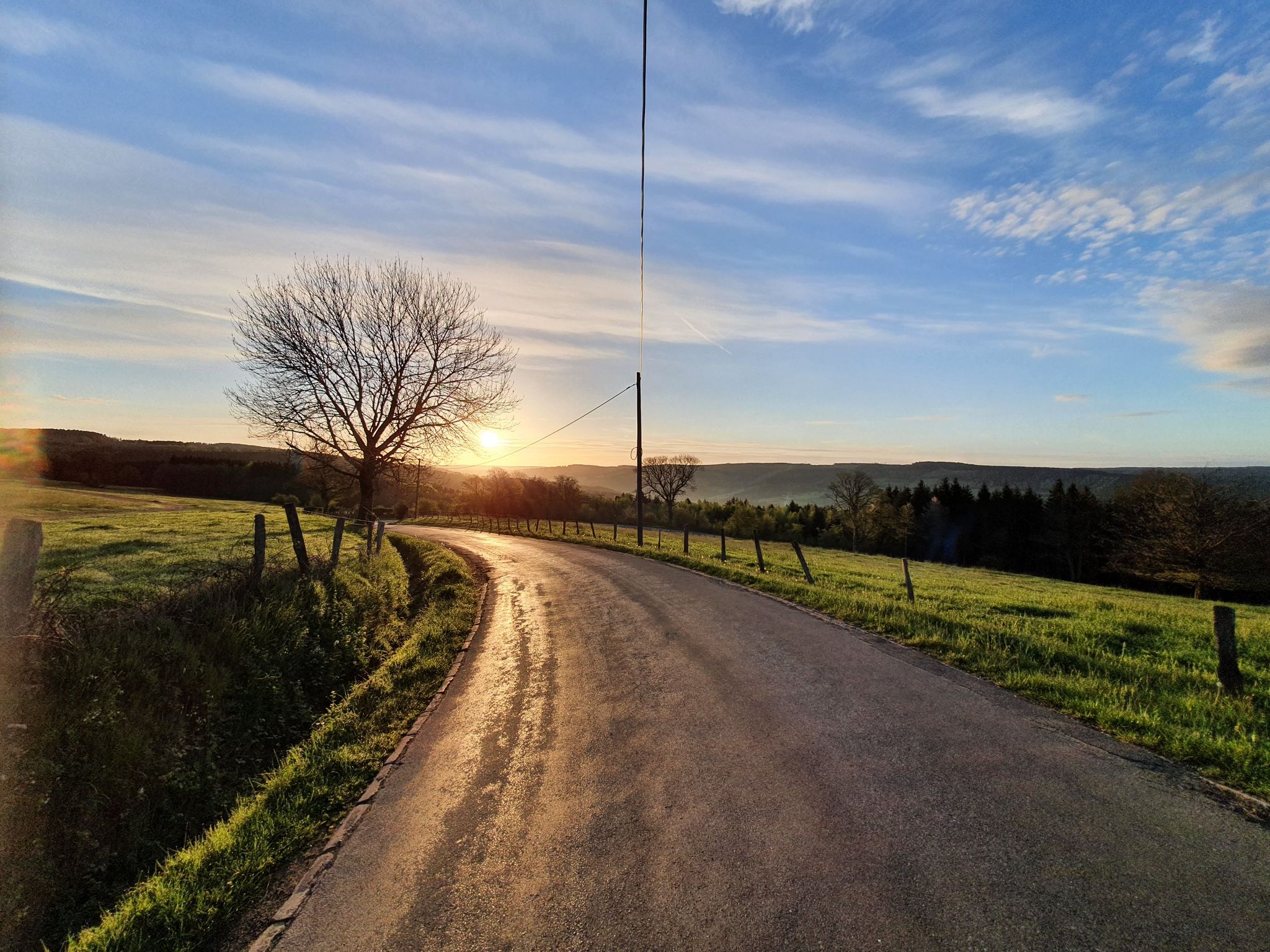
The Conquest of the Ardennes — a bike adventure to remember
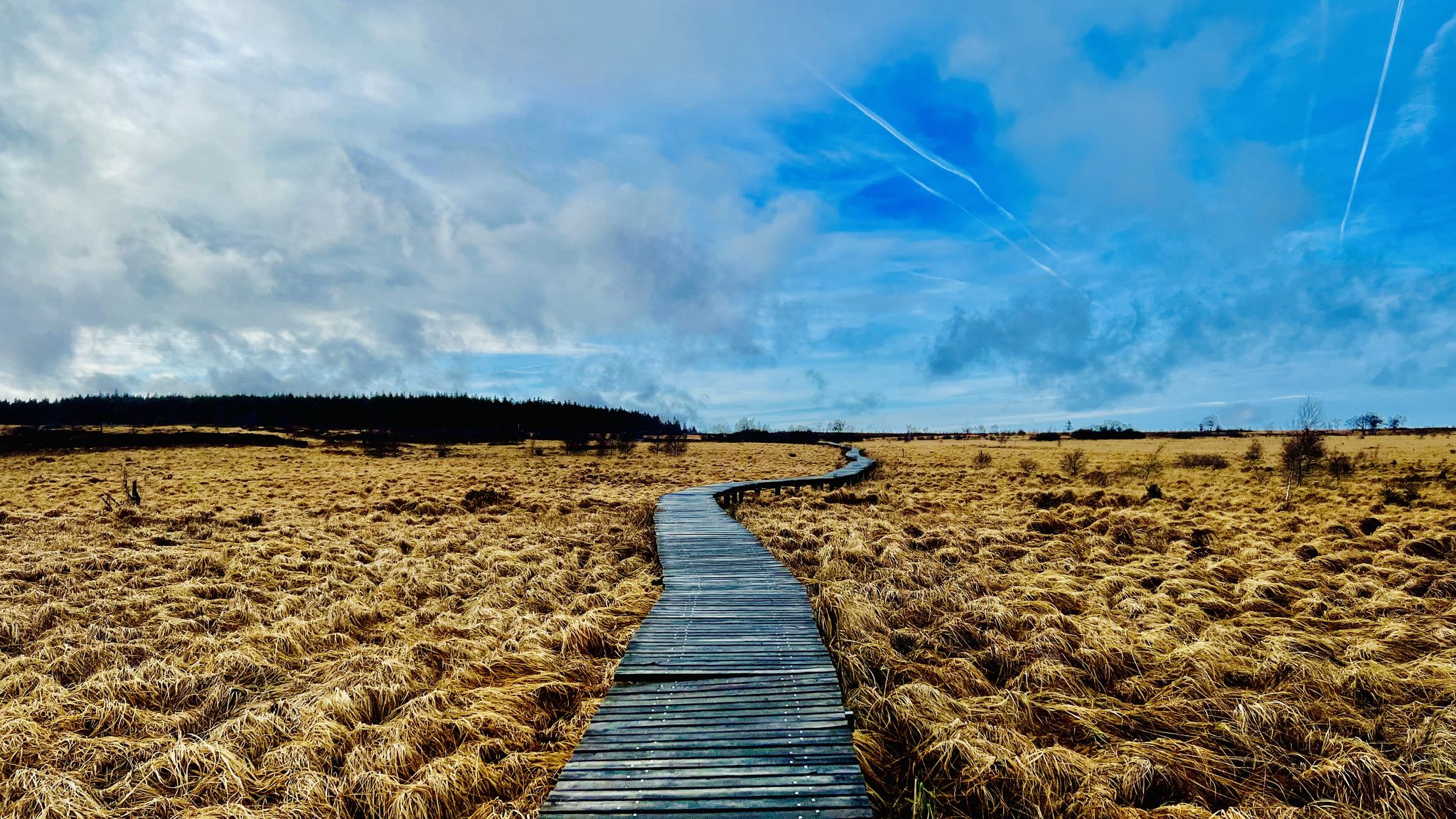
Belgische Balladen - charmante Kurzwanderungen in den belgischen Ardennen
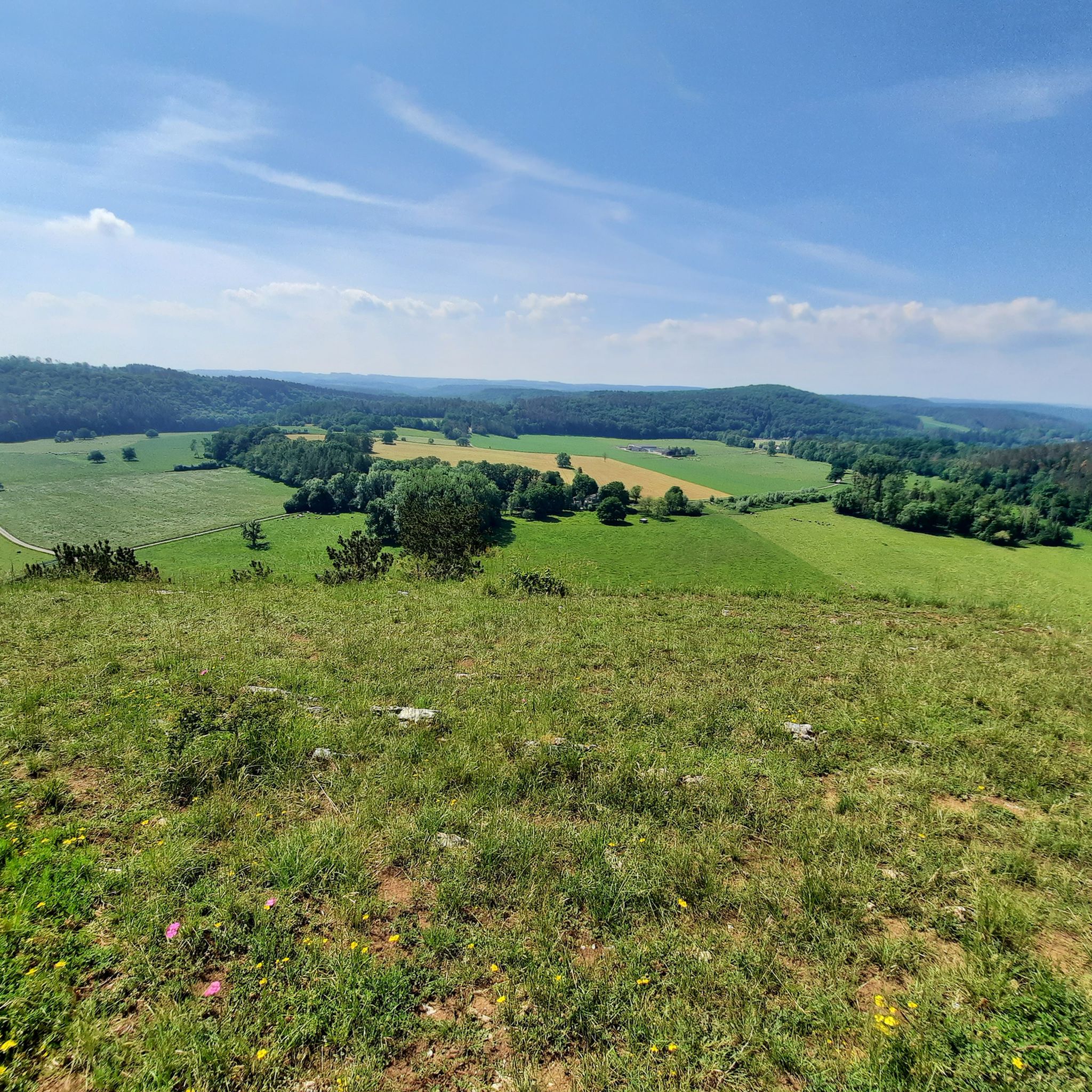
Hiking around Rochefort
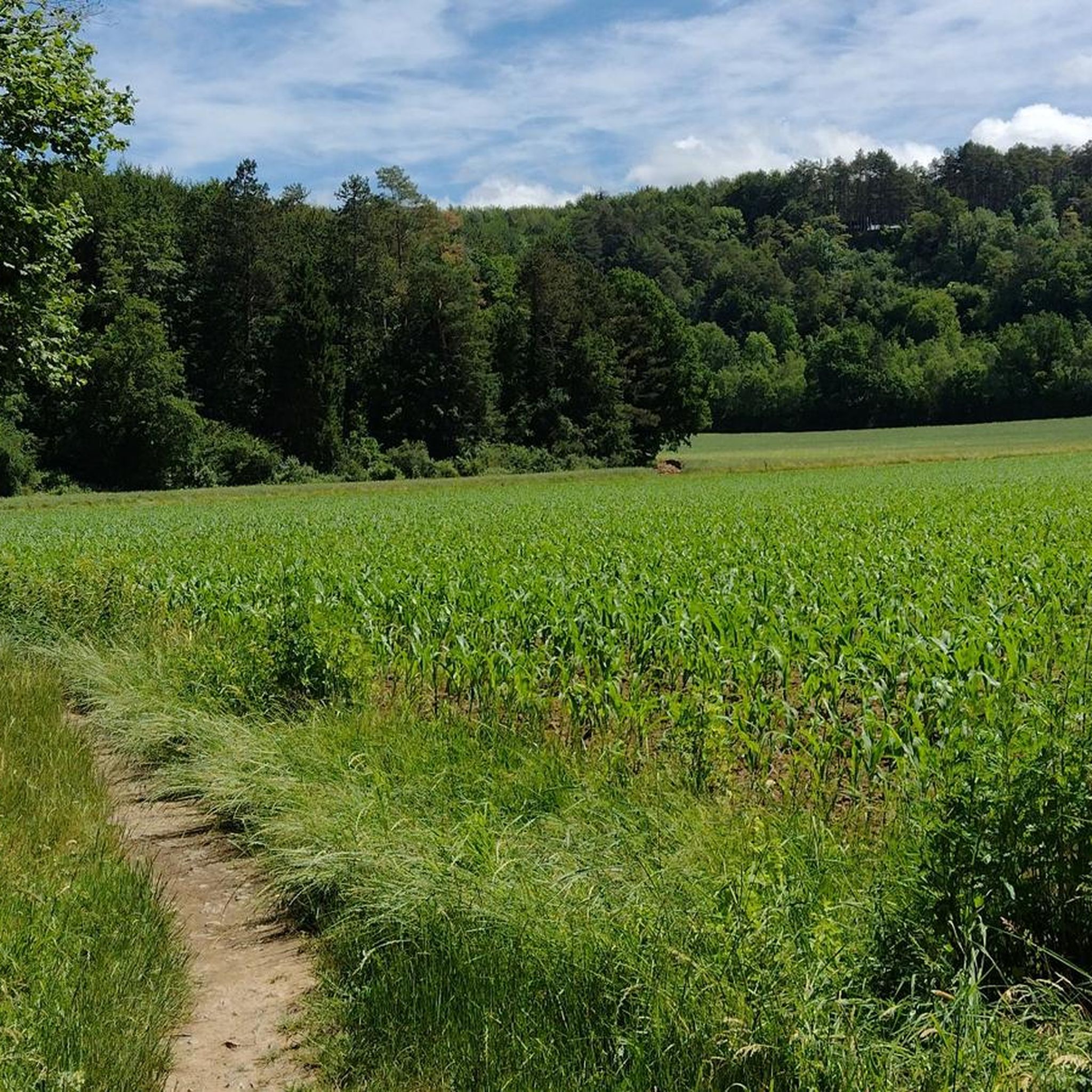
Running Trails around Rochefort
Road Cycling Routes around Rochefort
Cycling around Rochefort
Other adventures around Rochefort


Tips from the Community

A castle steeped in history. Nearby (less than 3km away) are the ruins of Baron Hofschmidt's Hermitage, featuring famous poems by Lamartine, Boileau, and others, engraved directly into the rock with exceptional calligraphy.
0
0

The castle, built on top of a hill, was originally dependent on the Abbey of Stavelot. In 1817, the castle was rebuilt by Dupont de Wéve, mayor of Leignon. Through marriage it came into the possession of Count Adolphe de Gourcy Serainchamps. In 1890 it was purchased as a country residence for the Ghent notary Isidore Eggermont. He had the castle renovated in an exuberant neo-Gothic style according to the plans of the Belgian architect Auguste Van Assche. Brabant neo-Gothic style dominates the facade. Inside the building there are rooms in Napoleon III style, others in neo-Gothic style, some other rooms in art nouveau / art deco. The castle is also known as "le Château des milles fenêtres". During the Second World War the castle was in the hands of the Germans. After the death of Mrs. Eggermont in 1953, the NMBS bought part of the domain and made the castle and outbuildings available to its pensioners. In 1989, the castle came into the hands of a Belgian of Syrian descent, businessman Albert Karaziwan. Recently, the castle of Leignon was bought by an Armenian industrialist. Youth camps are organized in the outbuildings. The part located on Rue du Sacré-Coeur includes a restaurant, a shop and a brewery. A little further on, from the cemetery (next to and behind the church) you also get a (limited) view of the actual castle. Sources: Wikipedia & www.leignon.com
4
0

Resteigne Castle is a sturdy 18th-century castle located near the picturesque bridge over the Lesse River. It has a long and rich history, dating back to the 12th century, when it belonged to the Loraine family. It has changed hands several times over the centuries, passing to the Berlo, Mérode, Rouveroy, and Hoffschmidt families. The castle is now privately owned but can be rented for events and weddings.
4
0

In the 13th century, the estate was a simple fortified house surrounded by swamps. It is undoubtedly the strategic value of the place which also encouraged Lord Jean d'Ochain and his descendants to replace the fortified house with a powerful keep surrounded by a double row of moats fed by the Hedrea. In any case, the defensive system seems to have been effective since the Ochain family remained the owner of the castle until it was sold to Henri de Waha in 1621. During the 17th century, the keep gradually lost its defensive role. The various successive owners added buildings and transformed it into a castle. In the 19th century, during a more radical restoration campaign, the keep was covered with a roof; the castle does not lose too much of its feudal character. It was owned, between 1840 and 1978, by the Knights of Sauvage Vercour family.
0
0

The castle of Lavaux-Sainte-Anne is located in Wallonia in Lavaux-Sainte-Anne (5580) in Belgium near Rochefort, in the province of Namur. In 1450, Jean II de Berlo ordered the construction of this castle. From century to century, the building was reinforced and renovated. Lavaux-Sainte-Anne did not occupy a very strategic position for long. In Roman times, the Famenne was crossed by several secondary roads. One of them, coming from Givet and continuing towards Ave-et-Auffe, passed through Lavaux about a hundred meters north of the castle. It was bordered by villas like those discovered at Genimont or by fortresses like that of Eprave. The creation of the Principality of Liège will make the Lavaux region a border zone with the neighboring Duchy of Luxembourg. This border is protected by fortresses like Agimont, Revogne, Lavaux and Rochefort. The lords of this period came from the “de Wellin” family. The first known mention of Lavaux dates from 1244; Jacques de Wellin is title of Lavaux during his lifetime.
5
0

This magnificent castle is located in a typically Ardennes village. It was completely renovated in 2020 and is now a hotel-restaurant.
2
0

The Castle of Mirwart is located in the province of Luxembourg near the village of Mirwart. The castle is situated on a rocky hill overlooking the river Lomme. Castle is private property, currently under restoration and will subsequently serve as a venue for weddings etc... Beautiful but unfortunately only to be admired from a distance.
3
0

2021 mid year, still the same. Is beautiful from the outside (far) Village is lovely
2
1
Frequently Asked Questions
What types of castles can I expect to see around Rochefort?
The Rochefort region offers a diverse range of castles, from medieval ruins to fortified castles and renovated historical residences. You can explore sites like the ruins of the Rochefort Castle of the Counts, which was once the largest in the Famenne region, or the well-preserved Vêves Castle, which retains its medieval form.
Are there family-friendly castles to visit near Rochefort?
Yes, several castles in the area are suitable for families. Lavaux-Sainte-Anne Castle is a notable example, offering a glimpse into a fortified castle's history. Vêves Castle is also considered family-friendly and often hosts events.
What is the historical significance of the castles in the Rochefort area?
The castles around Rochefort, particularly in the Famenne region of Belgium, are deeply rooted in history. Many, like the Rochefort Castle of the Counts, date back to the 11th or 12th century, built on strategic rocky spurs. They reflect centuries of architectural evolution and played crucial roles in protecting borders and hosting illustrious noble families, enduring periods of destruction and renovation.
Can I visit the Rochefort Castle of the Counts in Belgium?
Yes, the ruins of the Château comtal de Rochefort are accessible to the public. The site offers guided tours, sometimes featuring costumed characters like 'Dame Emelyne,' which adds an engaging element to the visit. It's a significant historical site that was abandoned for over a century after its destruction during the French Revolution but has been made accessible since 1987.
What outdoor activities can I do near these castles?
The region around Rochefort offers numerous outdoor activities. You can find excellent hiking trails, such as 'The Bullfinches Trail' or 'L'ermitage de Resteigne,' which often pass by historical sites or offer scenic views. There are also running and gravel biking routes available, allowing you to explore the diverse landscapes near the castles.
Are there any castles that are currently undergoing restoration or are privately owned?
Yes, some castles are privately owned or undergoing restoration. Resteigne Castle, an 18th-century structure with a history dating back to the 12th century, is privately owned but can be rented for events. Mirwart Castle is currently undergoing major repairs and serves as a hotel-restaurant, so it can only be admired from a distance.
What is special about Vêves Castle?
Vêves Castle is notable for its excellent condition, having been rebuilt after a fire in the 15th century and extensively renovated in the 1970s. It has been owned by the Counts of Liedekerke Beaufort since the 18th century and still preserves its medieval form. You can visit the castle and its individual rooms, which are furnished with original 18th-century furniture.
What is the best time to visit the castles around Rochefort?
Many castles, like Vêves Castle, are typically open from early April until the end of November. During July and August, some castles extend their opening hours. Visiting during these months allows for better weather for exploring the grounds and nearby outdoor activities.
Are there any castles that offer a unique architectural style?
While the guide focuses on the Belgian Rochefort, the broader region of 'Rochefort' (as in Burgundy, France) features the Château de Rochefort, which is a rare example of pre-Renaissance architecture in France, dating back to the 12th century with a 15th-century noble dwelling. It offers a unique architectural experience with its six towers and ongoing restoration efforts.
What do visitors enjoy most about the castles around Rochefort?
Visitors appreciate the rich history and diverse landscapes surrounding the castles. The komoot community has shared over 60 photos and given more than 190 upvotes for the highlights, indicating a strong appreciation for the medieval ruins, fortified castles, and renovated historical residences. The picturesque settings, often near rivers like the Lesse, also contribute to the enjoyment.
Is there a castle that has been converted into a hotel or event venue?
Yes, Jemeppe Castle, with origins dating back to the 13th century, has been transformed into a hotel/restaurant and a venue for events. Similarly, Mirwart Castle, located in a typical Ardennes village, has been renovated and now serves as a hotel-restaurant.
How can I get to the castles around Rochefort using public transport?
While specific public transport routes to every castle can vary, Rochefort itself is a town with some public transport connections. For detailed information on reaching specific attractions like the Rochefort Castle of the Counts, it's best to check local bus schedules or regional transport websites for routes from major towns like Namur or Dinant.
Most popular routes around Rochefort
Most popular attractions around Rochefort

Get inspired with the komoot mobile app


Explore more
Looking for the best castles somewhere else? Discover other guides around Rochefort:
