The best cycling routes around Floreffe
4.2
(91)
1,245
riders
42
rides
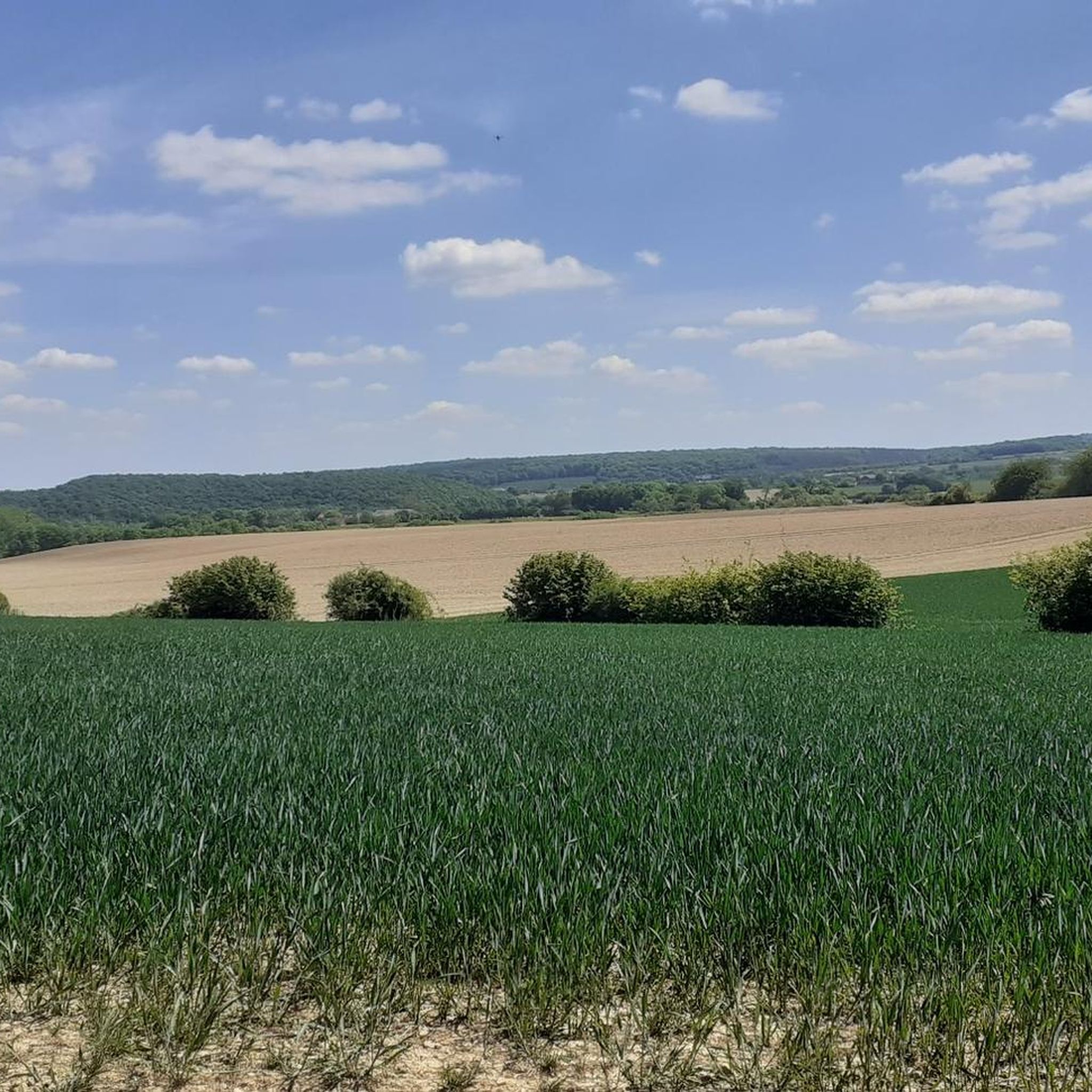
Touring cycling routes around Floreffe navigate a diverse landscape characterized by the Sambre Valley, featuring wooded hills, tranquil rivers, and waterways. The region is situated within the scenic Ardennes of Wallonia, offering access to dense forests and rolling hills. The River Sambre and the Meuse Riverside Path provide additional routes for varied cycling experiences.
Best touring cycling routes around Floreffe
- The most popular touring cycling route is Floreffe Abbey Loop - Le Grand Floreffe, a 19.3 miles (31.0 km)…
Last updated: August 9, 2026
2.7
(6)
19
riders
31.0km
01:53
230m
220m
Moderate bike ride. Good fitness required. Mostly paved surfaces. Suitable for all skill levels.
4.1
(7)
433
riders
38.7km
02:58
560m
560m
Hard bike ride. Very good fitness required. Mostly paved surfaces. Suitable for all skill levels.

Sign up for free
4.4
(39)
299
riders
21.1km
01:12
70m
70m
Easy bike ride. Great for any fitness level. Mostly paved surfaces. Suitable for all skill levels.
4.0
(1)
60
riders
97.0km
06:27
1,420m
1,420m
Hard bike ride. Very good fitness required. Mostly paved surfaces. Suitable for all skill levels.
4.9
(14)
53
riders
43.5km
02:39
370m
370m
Moderate bike ride. Good fitness required. Mostly paved surfaces. Suitable for all skill levels.
Get access to more routes and recommendations from other explorers.
Sign up for free
Already have an account?
Our route recommendations are based on thousands of hikes, rides, and runs completed by other people on komoot.
Start today with a free account
Your next adventure awaits.
Login or Signup

Other adventures around Floreffe

Tips from the Community

The Namur cable car is a modern transport and tourist installation that directly connects the historic city center with the higher-located citadel. This cable car, officially opened in 2021, forms an important link between heritage, mobility, and tourism, and is designed to transport visitors to the citadel in an efficient and visually appealing manner. The installation departs from the center near Place Maurice Servais and ends at the citadel's esplanade. The route is approximately 650 meters long and overcomes an altitude difference of about 103 meters. The ride takes an average of three to four minutes and passes over the river Sambre and the citadel's ramparts. This offers a panoramic view of both the city and the surrounding landscape. The cable car is not only a tourist attraction but also an infrastructure project that addresses accessibility. The citadel is located at an altitude of about 190 meters and was historically difficult to reach, highlighting the importance of a direct connection. The current cable car is not the first connection of its kind in Namur. As early as 1898, a funicular railway was built, the first in Wallonia, connecting the city with the citadel. However, this installation was only in use until 1907 due to high costs. Later, in 1956, a cable car was built that served as an important tourist attraction for about forty years. It was decommissioned in 1997, partly due to safety issues such as the risk of falling rocks. In 2002, the lower station was also destroyed by fire, leading to the permanent disappearance of the installation. The reintroduction of the cable car was part of a broader urban development project. Construction began in 2019 and was carried out by specialized companies such as Poma (cabins) and Labellemontagne (operation). The cable car is operated under a 30-year concession, indicating a long-term vision for tourism and urban development. The modern cable car features cabins that can accommodate multiple passengers (about six per cabin). The capacity is around 300 people per hour, with the possibility of scaling up during peak times. The system is designed to function efficiently and safely, with attention to noise pollution and integration into the urban landscape. Notably, the upper station was partly integrated into a reused pavilion from the Milan World Expo (2015), indicating a combination of reuse and modern architecture.
0
0

Adeps 5km walk on January 25, 2026, great walk! And beautiful view of the seminary!
0
0

The wonderful road to the citadel is a beautifully steady climb, with soft cobblestones and switchbacks. Moderate and wide gradient.
0
0

It all began in 1240, when the monks of the Belgian monastery of Notre-Dame de Leffe began brewing beer. For a long time, they produced their own abbey beer. However, during the French Revolution, the monastery was closed. It wasn't until 1929 that the monastery was revived, and the monks resumed their brewing activities. A good twenty years later, the brothers Nys and Albert Lootvoet began producing beer based on the Leffe Abbey recipe. Their company is now owned by the brewing giant Anheuser-Bush InBev. Source: bierpedia.org/bier/leffe-blonde
4
0
In 1152, Henry the Blind, Count of Namur, donated the church of Leffe to the Premonstratensians of Floreffe. The monastery resulting from this donation became an abbey in 1200. It was rebuilt in the 17th and 18th centuries and plundered by the revolutionaries in 1794. In 1816, the current buildings were sold and converted into workshops. They were repurchased in 1903 by French Premonstratensians who were then in exile and, starting in 1931, restored by their Flemish confreres from Tongerlo, who rebuilt the abbey. The abbey today has a double courtyard. The 17th-century abbey quarter, rebuilt in 1747, borders the guest quarter, dating from 1604. The former library, which was separate from the abbey, is now a primary school. Source: visitwallonia.de/de/content/abtei-notre-dame-de-lesse
4
0
It all began in 1240, when the monks of the Belgian monastery of Notre-Dame de Leffe began brewing beer. For a long time, they produced their own abbey beer. However, during the French Revolution, the monastery was closed. It wasn't until 1929 that the monastery was revived, and the monks resumed their brewing activities. A good twenty years later, the brothers Nys and Albert Lootvoet began producing beer based on the Leffe Abbey recipe. Their company is now owned by the brewing giant Anheuser-Bush InBev. Source: bierpedia.org/bier/leffe-blonde
4
0

The road is a bit rough. From there, either go up to Franière along the Sambre or head towards Namur via Profondeville, which are two very pleasant directions.
0
0

Falaën is a village and submunicipality of the Belgian municipality of Onhaye. Located in the province of Namur, Falaën was an independent municipality until January 1, 1977. The village, with its castle farm as a protected monument, is included in the list of the most beautiful villages in Wallonia (Les Plus Beaux Villages de Wallonie).
5
0
Frequently Asked Questions
How many touring cycling routes are available around Floreffe?
There are over 40 touring cycling routes around Floreffe, catering to various skill levels. These routes explore the diverse landscapes of the Sambre Valley, including wooded hills, tranquil rivers, and access to the scenic Ardennes region.
What kind of terrain can I expect on touring cycling routes in Floreffe?
The terrain around Floreffe is quite varied. You'll find routes along tranquil river paths, through dense forests, and over rolling hills. The region is characterized by the Sambre Valley and is part of the Ardennes, offering a mix of flat sections and more challenging climbs, especially towards areas like the Citadel of Namur.
Are there easy touring cycling routes suitable for beginners or families in Floreffe?
Yes, Floreffe offers several easy touring cycling routes perfect for beginners or families. For instance, the Canal Lock – The Sambre loop from Floreffe is an easy 13.1-mile (21.1 km) trail that follows the tranquil River Sambre valley, offering a relaxed cycling experience.
What historical landmarks or natural features can I see along the routes?
Floreffe is rich in historical and natural attractions. You can visit the historic Floreffe Abbey, a prominent landmark overlooking the Sambre Valley. Other natural features include the Lac de Bambois and the scenic Rive de Meuse. The region also boasts the unique Grottes de Floreffe (Caves of Floreffe), one of Belgium's largest semi-dolomitic caves.
Are there any challenging touring cycling routes for experienced cyclists?
Absolutely. For experienced cyclists seeking a challenge, routes like the Namur Cable Car – Citadel of Namur loop from Floreffe offer significant elevation gain, including challenging climbs towards the Citadel of Namur. Another demanding option is the 96.8 km Floreffe Abbey – Floreffe Abbey loop from Floreffe, which features over 1400 meters of ascent.
What do other touring cyclists enjoy most about cycling in Floreffe?
The touring cycling routes in Floreffe are highly rated by the komoot community, with an average score of 4.6 stars from over 90 reviews. Cyclists often praise the diverse scenery, the mix of historical sites and natural beauty, and the well-developed node-based cycling network that makes planning routes easy.
Is Floreffe well-connected by public transport for cyclists?
Floreffe is an excellent starting point for cycling, and while specific public transport details for carrying bikes vary, the region's extensive 'points-nœuds vélo' (node-based cycling network) makes it accessible. It's advisable to check local train or bus services for their bike carriage policies if you plan to use public transport to reach the starting points.
Are there circular touring cycling routes available in Floreffe?
Yes, many touring cycling routes around Floreffe are designed as loops, allowing you to start and end at the same point. Examples include the popular Floreffe Abbey Loop - Le Grand Floreffe and the Canal Lock – The Sambre loop from Floreffe, providing convenient options for exploring the area.
What is the best time of year to go touring cycling in Floreffe?
The best time to go touring cycling in Floreffe is generally during the spring, summer, and early autumn months (April to October). During these periods, the weather is typically milder and more pleasant, making for enjoyable rides through the Sambre Valley, forests, and rolling hills. Always check the local forecast before heading out.
Can I find places to eat or drink along the touring cycling routes?
Yes, the region around Floreffe, including the village itself and nearby towns, offers various cafes, pubs, and restaurants. The historic Floreffe Abbey, for example, is known for its on-site brewed abbey beer, providing a unique stop during your tour. Many routes pass through or near villages where you can find refreshments.
Are there any specific routes that highlight the Sambre Valley?
Many routes in Floreffe showcase the beautiful Sambre Valley. The Canal Lock – The Sambre loop from Floreffe is an excellent example, leading you directly through the tranquil River Sambre valley, offering picturesque views and a peaceful cycling experience.
Most popular attractions around Floreffe

Get inspired with the komoot mobile app


Explore more
Browse the best Cycling routes in other regions.
