The best cycling routes around Zomergem
3.8
(19)
349
riders
42
rides
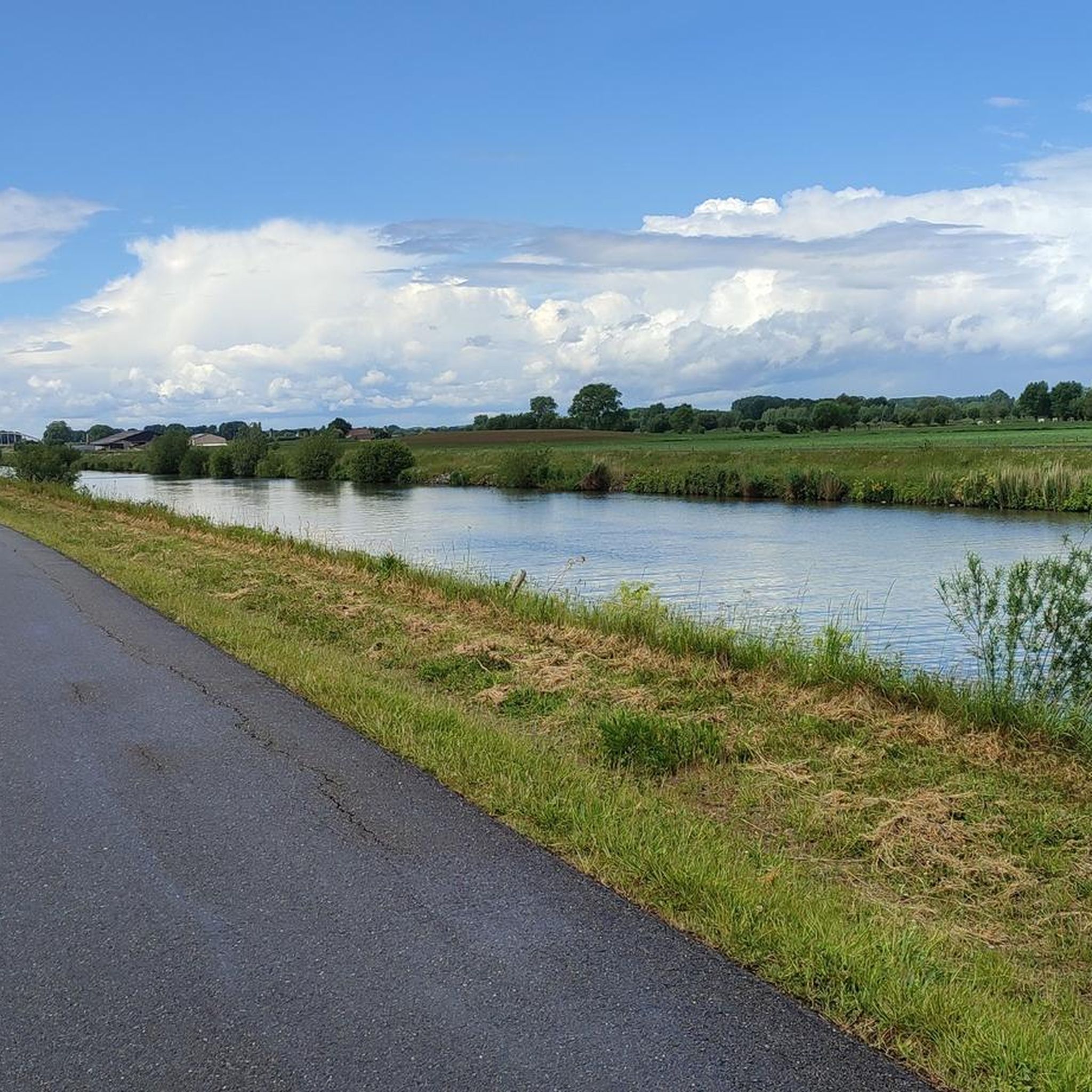
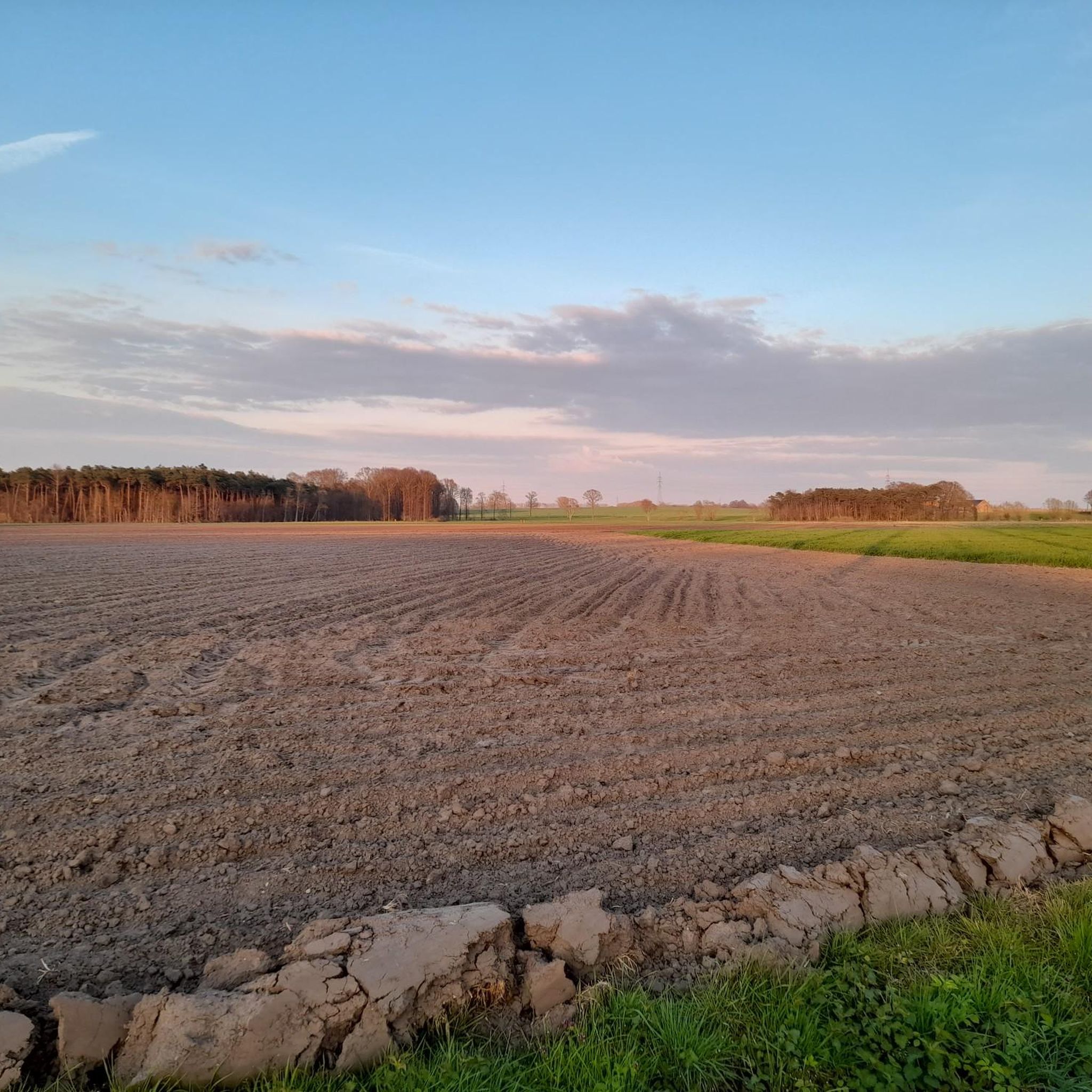
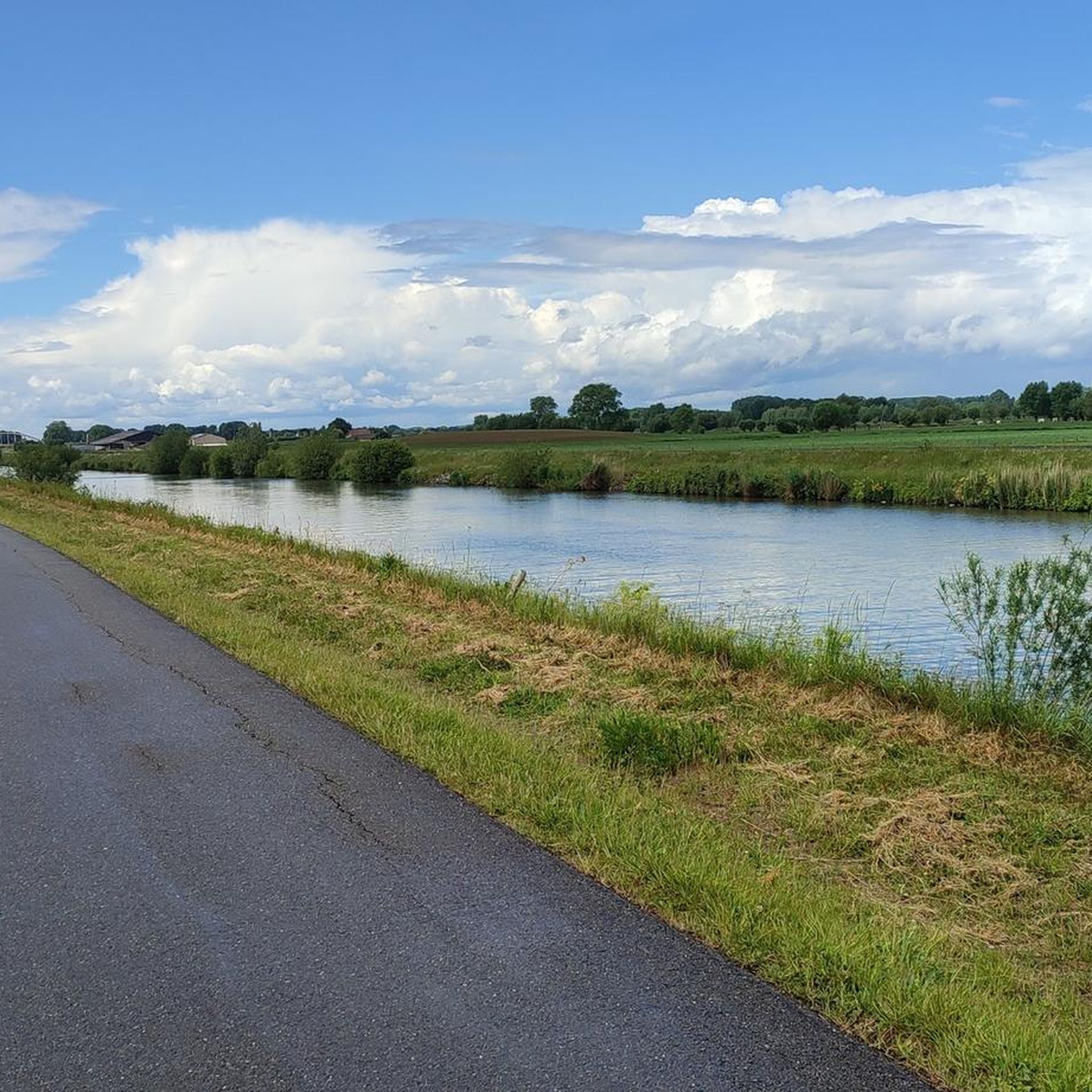
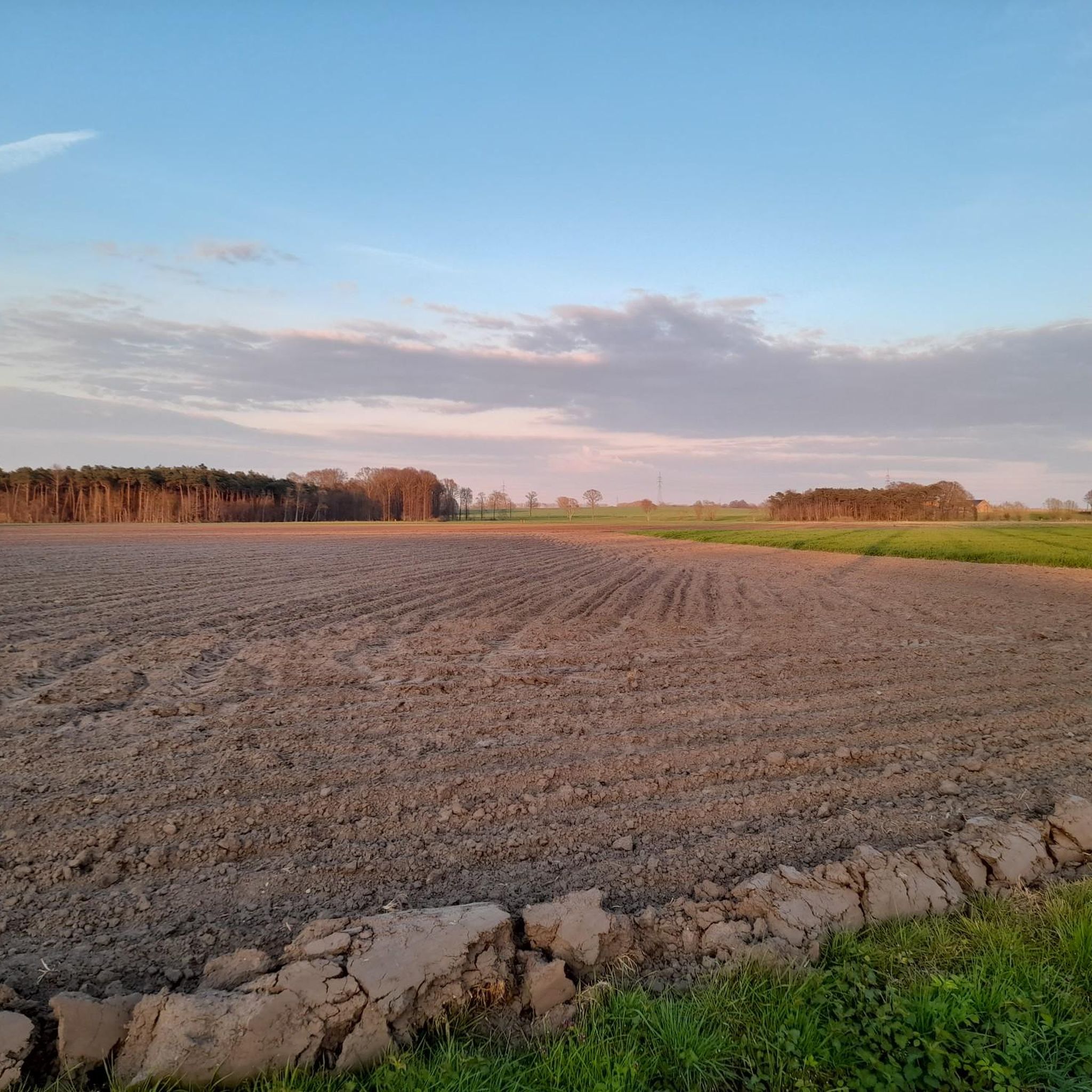
Touring cycling around Zomergem offers routes through the generally flat topography of Flanders, characterized by a green and blue patchwork of polders, meadows, forests, and waterways. The region features numerous canals and quiet roads, providing a conducive environment for cycling. Surfaces typically consist of paved roads and asphalt, suitable for touring bikes. The landscape includes natural reserves like Maldegemveld, which presents heather patches and oak-birch forests.
Best touring cycling routes around Zomergem
- The most popular touring cycling route is Afsneedijkweg…
Last updated: August 1, 2026
4.6
(5)
105
riders
41.3km
02:47
60m
60m
Moderate bike ride. Good fitness required. Mostly paved surfaces. Suitable for all skill levels.
33
riders
10.7km
00:37
30m
30m
Easy bike ride. Great for any fitness level. Mostly paved surfaces. Suitable for all skill levels.

Sign up for free
3.8
(4)
13
riders
21.7km
01:15
30m
30m
Easy bike ride. Great for any fitness level. Mostly paved surfaces. Suitable for all skill levels.
23
riders
Easy bike ride. Great for any fitness level. Mostly paved surfaces. Suitable for all skill levels.
3.0
(3)
14
riders
14.4km
00:49
20m
20m
Easy bike ride. Great for any fitness level. Mostly paved surfaces. Suitable for all skill levels.
Get access to more routes and recommendations from other explorers.
Sign up for free
Already have an account?
Our route recommendations are based on thousands of hikes, rides, and runs completed by other people on komoot.
Start today with a free account
Your next adventure awaits.
Login or Signup

Tips from the Community

The De Assels nature reserve is part of the Levende Leie Nature Park, an extensive valley from Deinze to Ghent where nature is central. The meandering Leie forms the connecting axis between the different parts. The Meersen area is a small island between Drongen and Afsnee. The Old Leie winds through the landscape of the Assels. The grasslands are interwoven with ditches.
2
0
For those wondering why there was never a wider bridge to connect Assel to the civilized world: this 1927 four-part bridge is a protected monument and was restored quite recently. It therefore remains millimeter work for trucks that need to get to the other side. The name Pontbrug points to a further past when there was only a pontoon or ferry service here.
3
0

wide view of meadows from the roof plateau
0
0

The Lieve is a historic inland shipping canal that had its heyday in the 13th and 14th centuries. The oldest canal in Europe was dug between 1251-1269. It is the first artificial waterway that connected Ghent directly with the sea via the Zwin near Damme. Historical context: Start of works: In 1251, Margaret II, Countess of Flanders, granted permission to dig the canal. Original purpose: Initially, the route ran towards Aardenburg, but due to the silting up of that route, a branch to Damme was soon chosen. Completion: After 18 years of digging, the first ships carrying goods sailed from Ghent to the North Sea in 1269. Economic importance: The canal was crucial for Ghent's woolen industry, as it gave the city an independent export route that did not run via the Scheldt (under the control of the then enemy). Today, the Lieve has largely disappeared or been incorporated into other canals such as the Schipdonk Canal, but in the center of Ghent (near the Gravensteen), the original bed is still visible.
2
1
The Lieve is a historic inland waterway canal that was dug between 1251 and 1269 to connect Ghent with Damme (originally Aardenburg). In the 13th and 14th centuries, the canal experienced its golden age. Even when the Zwin began to silt up in the 14th and 15th centuries, and later new waterways were built — such as the Sasse Vaart in the 16th century and the Ghent-Bruges canal in 1613-1614 — the Lieve retained its original function, until the beginning of the 18th century. Today, parts of the Lieve are still visible. In Ghent, Evergem, and Lievegem, the canal still exists in some places as an open watercourse. In the municipality of Damme, the route is mainly recognizable as a wide strip in the landscape.
3
0
De Lieve is a historic inland waterway canal that was dug between 1251 and 1269 from Ghent to Damme, originally Aardenburg. The period of prosperity is situated in the 13th and 14th centuries. Despite the silting up of the Zwin (early 14th and early 15th centuries), the digging of the Sasse Vaart in the mid-16th century, and the digging of the Ghent - Bruges canal in 1613-1614, it retained its original function until the beginning of the 18th century. In Ghent, Evergem, and Lievegem, the Lieve has been preserved as an open watercourse in sections. The route within the municipality of Damme has been preserved as a wide strip in the landscape. Source: https://www.lievegem.be/de-lieve
7
0
The building stands alone and was built as a town hall and justice of the peace. It is located on the narrow west side of the Market Square, on the corner with Kerkstraat, opposite the facade of the lower-lying Sint-Martinuskerk. The current building replaces an older town hall from 1870 that stood on the east side of the Market Square and was destroyed by shelling in 1918. The town hall was built in 1923, based on a 1920 design by architect Valentin Vaerwyck. Its style is neo-traditional and strongly inspired by an earlier town hall that the same architect designed for the “Modern Dorp” at the 1913 World Exhibition in Ghent. This building looks larger and more official, partly due to the high base and the double staircase leading to the central entrance. It is made of brick and natural stone and has a rectangular shape. At the back, in the middle, a rectangular staircase protrudes.
3
0

Beautiful bike ride, well-prepared paths, not busy
1
0
Frequently Asked Questions
How many touring cycling routes are available around Zomergem?
There are over 30 touring cycling routes around Zomergem, catering to various skill levels. The komoot community has explored these routes over 300 times, providing an average rating of 3.4 stars.
What kind of terrain can I expect on touring cycling routes in Zomergem?
Zomergem's touring cycling routes are predominantly flat, characteristic of the Flanders region. You'll cycle through a green and blue landscape of polders, meadows, forests, and waterways. Surfaces are typically well-paved roads and asphalt, ideal for touring bikes. While generally flat, the region does feature the Oedelem-Zomergem Cuesta, an asymmetrical ridge that adds some varied terrain and scenic views.
Are there any family-friendly touring cycling routes in Zomergem?
Yes, Zomergem offers several easy routes suitable for families. A great option is the Saint Martin's Church, Zomergem – Zomergem Town Hall loop from Zomergem, which is an easy 7.3 miles (11.7 km) path offering a pleasant ride through the town's surroundings.
What natural features or scenic highlights can I see along the routes?
The region is rich in natural beauty. You can cycle along tranquil canals like the Lieve Canal or the Ghent–Bruges Canal. The Maldegemveld Nature Reserve near Zomergem features a mosaic of purple heather, oak-birch forests, and coniferous plantations, offering opportunities to spot local wildlife. The Oedelem-Zomergem Cuesta also provides semi-open heathland landscapes and fens.
Are there any notable landmarks or attractions along the touring cycling routes?
Yes, several points of interest enhance the cycling experience. You can encounter historical elements along the Ghent–Bruges Canal, including remnants of 16th-century defensive redoubts. The Afsnee Ferry on the River Leie is a unique highlight on some routes. Other attractions include historical mills like Van Vlaenderen's Mill and various castles in the surrounding area.
Which routes offer a canal-side cycling experience?
Many routes in Zomergem feature canals. The The Lieve Canal – Beirtjes Bridge loop from Zomergem is a popular 13.5 miles (21.7 km) trail that follows flat canal paths. Another excellent option is the Schipdonk Canal Car-Free Path – Schipdonk Canal Cycle Path loop from Zomergem, offering a pleasant ride along the canal.
What is the best time of year to go touring cycling in Zomergem?
The region is generally pleasant for cycling from spring through early autumn. During these seasons, the weather is typically mild, and the natural landscapes are at their most vibrant. While some sections may be exposed to wind, the mostly flat terrain makes it enjoyable for touring cyclists.
Are there circular touring cycling routes available?
Yes, many of the touring cycling routes around Zomergem are designed as loops, allowing you to start and end at the same point. Examples include the Afsneedijkweg along the Leie – Afsnee Ferry on the River Leie loop from Zomergem and the Mevrouwmolen Kanegem – View of Kraenepoel loop from Zomergem.
What do other touring cyclists enjoy most about Zomergem?
The komoot community highly rates touring cycling in Zomergem, with an average score of 3.4 stars. Cyclists often praise the tranquil canals, flat polders, and open meadows, making for a relaxing and scenic ride. The well-paved infrastructure and diverse landscapes, from natural reserves to historic waterways, are frequently highlighted.
Is public transport accessible near the cycling routes in Zomergem?
Zomergem is located in a region with good cycling infrastructure. While specific public transport connections to trailheads aren't detailed, the general accessibility of Flanders by public transport suggests options for reaching the area. It's advisable to check local public transport schedules for connections to Zomergem itself.
Are there places to stop for refreshments along the routes?
While specific cafes or pubs are not listed, the region's popularity for cycling and its proximity to towns like Zomergem and nearby villages mean you'll likely find opportunities for refreshments. Many routes pass through or near populated areas where you can stop for a break.
What is the longest touring cycling route in Zomergem?
One of the longer touring cycling routes is the Mevrouwmolen Kanegem – View of Kraenepoel loop from Zomergem, which covers 53 km (33 miles) and offers varied scenery.
Most popular attractions around Zomergem

Get inspired with the komoot mobile app


Explore more
Browse the best Cycling routes in other regions.
