The best cycling routes around Wuustwezel
4.0
(123)
1,097
riders
91
rides
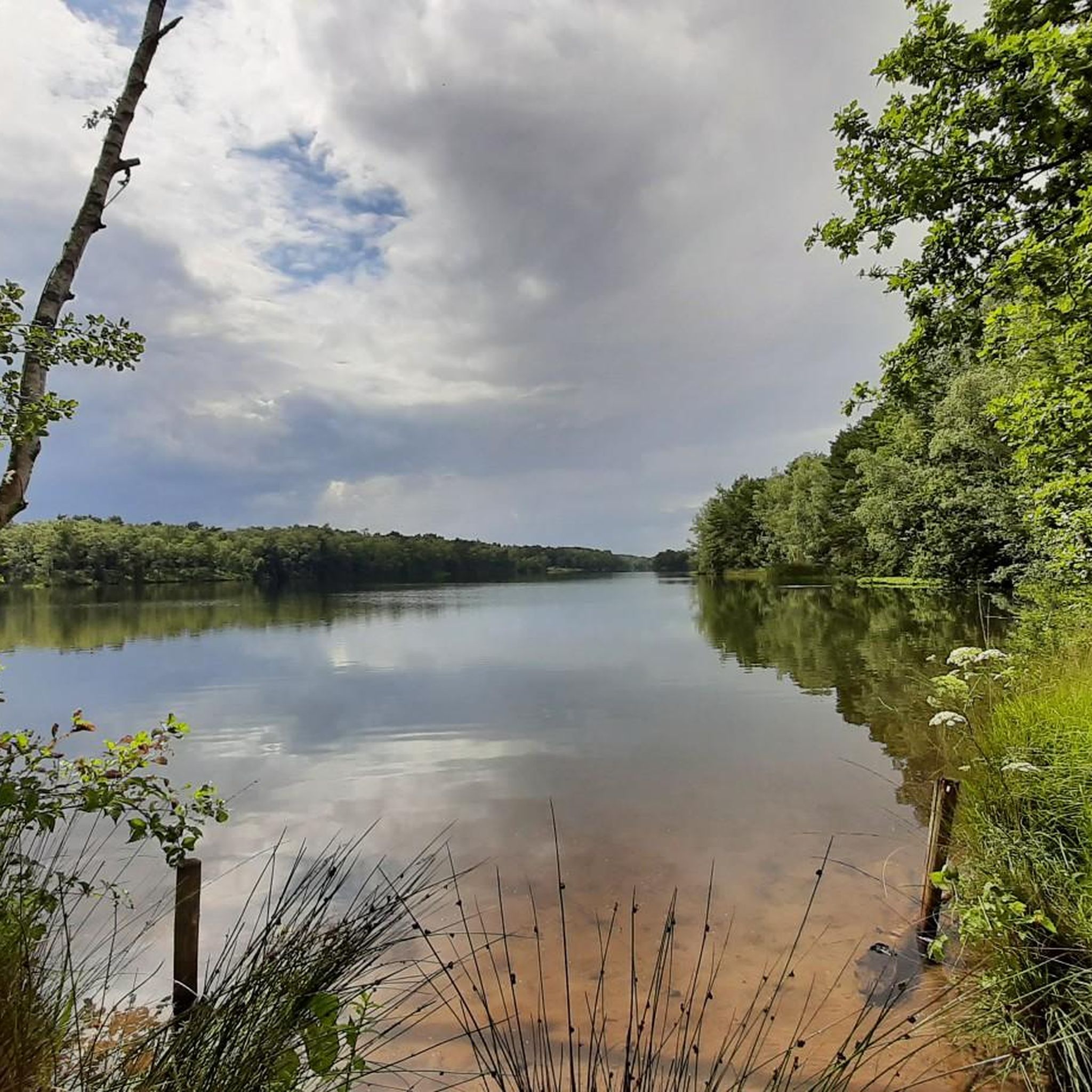
Touring cycling around Wuustwezel offers diverse natural landscapes and extensive cycling infrastructure. The region features expansive forests, heathlands, and agricultural fields, providing a picturesque setting for cyclists. Its generally flat to gently rolling terrain makes it accessible for various cycling abilities. Wuustwezel's natural charm is rooted in its historical prevalence of woodlands and waterways, which remain key components of its environment.
Best touring cycling routes around Wuustwezel
- The most popular touring cycling route is Rest Area at Fietsknooppunt 33 –…
Last updated: November 18, 2026
89
riders
59.7km
04:23
90m
90m
Hard bike ride. Good fitness required. You may need to push your bike for some segments of this route.
5.0
(2)
24
riders
Moderate bike ride. Good fitness required. Mostly paved surfaces.

4.7
(9)
73
riders
Moderate bike ride. Good fitness required. Mostly paved surfaces.
4.0
(2)
48
riders
14.9km
01:02
30m
30m
Easy bike ride. Mostly paved surfaces.
4.3
(7)
36
riders
Moderate bike ride. Good fitness required. Mostly paved surfaces.
Get access to more routes and recommendations from other explorers.
Already have an account?
Our route recommendations are based on thousands of hikes, rides, and runs completed by other people on komoot.
Start today with a free account
Your next adventure awaits.

Other adventures around Wuustwezel

Tips from the Community

In 1926, the building was officially put into use as the new town hall. The stately architecture and representative spaces were well-suited to this function, causing Hens Castle to grow into the administrative and symbolic heart of municipal life. During the Second World War, the building once again took on a military role. The Belgian army used the castle tower as an observation post. From this elevated position, soldiers could monitor the airspace and identify enemy aircraft. In doing so, they used pencil drawings of various aircraft types, which served as an aid for aerial observation on behalf of the Allies. In 1998, the building underwent a thorough renovation. Since then, the former Hens Castle has been shining in its full glory once again. (Along fortresses and castles)
6
0
Over the years, the monument suffered a lot and on the occasion of 100 years of the Great War 2014-2018, the municipality decided not only to renovate the monument and redesign the surroundings, but also to list the names of all victims of both world wars, both civilians and soldiers, on the memorial wall as a tribute. (Information board on site)
6
0
The recent restoration of the neo-Gothic parish church, built in 1889-1891, began in the summer of 2023 and lasted almost two years. The facades were cleaned and restored, the roof was renewed, and the characteristic crossing tower also underwent a thorough restoration. A striking part of the work was the restoration of the 125-year-old stained glass windows. These were manufactured by the same French manufacturer that also supplied the stained glass windows of Notre-Dame in Paris. The churchyard wall, the metal fences, and the entrance gate, which are also protected, were given a thorough refurbishment. The whole forms an ensemble that possesses not only a religious but also a heritage value for the community of Wuustwezel. (Renoscripto)
6
0

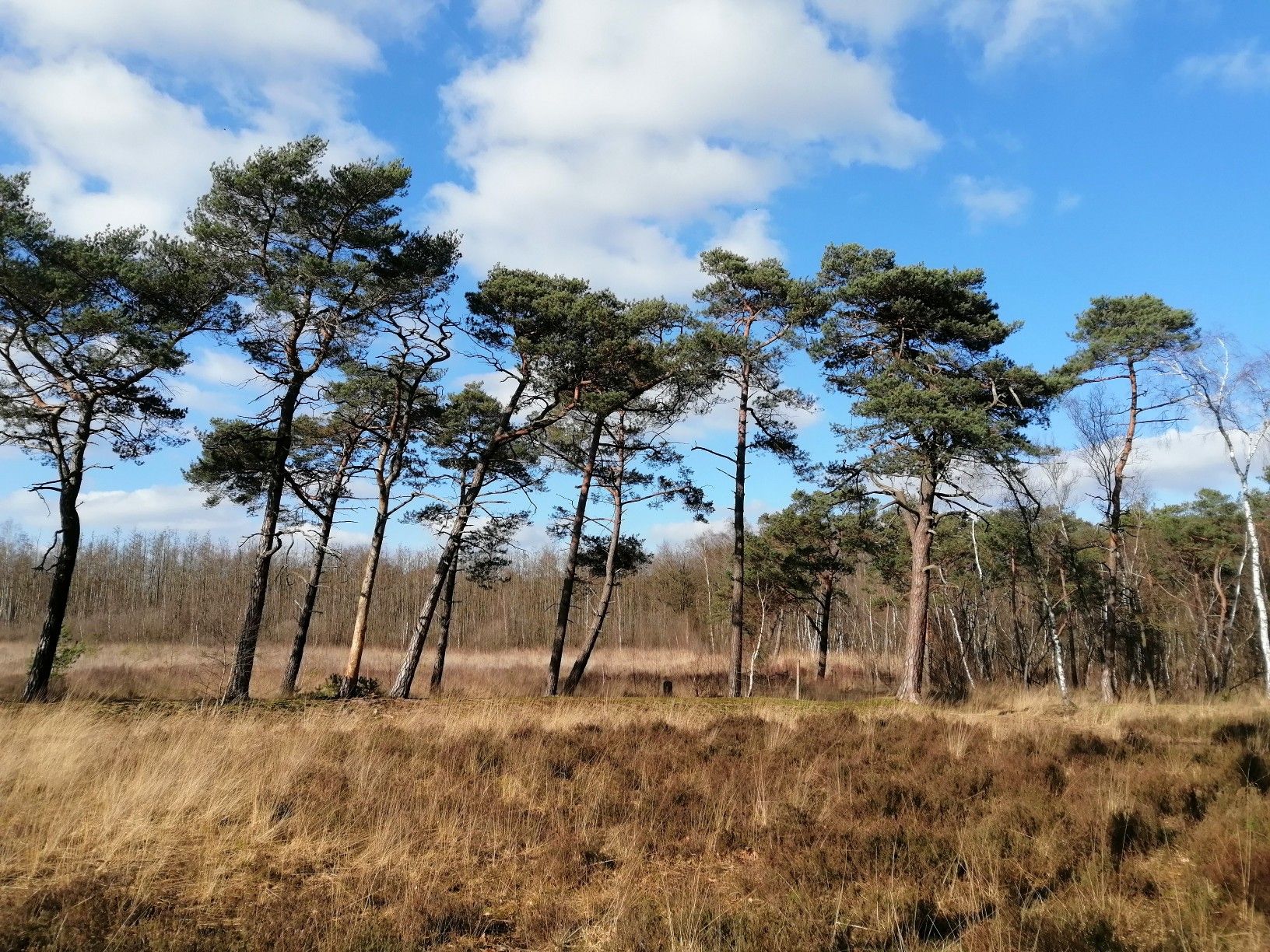
Very beautiful heath landscape
1
0

Nice place for a picnic, there are enough benches.
0
0

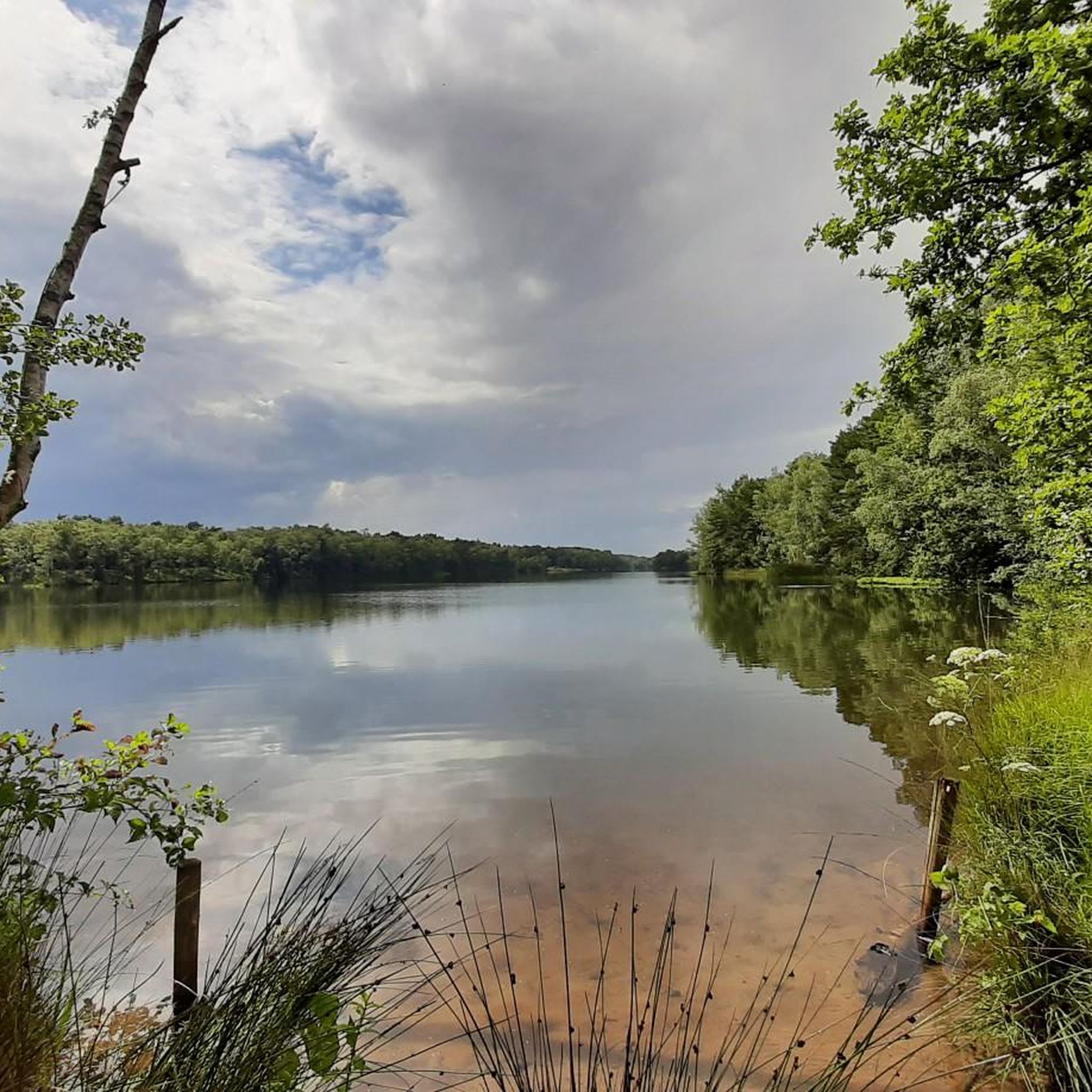
Between 1895 and 2010, more than 2,000 missionary sisters were trained here to be sent out to missions worldwide. It marks the beginning of a beautiful semi-paved path to and through West-Beersgat, once known as the forest of the Antwerp Public Centre for Social Welfare (OCMW). In the second half of the nineteenth century, the heathland on the poor sandy soils had to make way for coniferous forests. After the Second World War, several stands of Scots pine were replaced by Corsican pine, larch, and spruce to create a production forest and hunting area. West-Beersgat is a large forest of over 68 hectares in Wuustwezel, which we traverse entirely via a "Dream Link."
1
0
Between 1895 and 2010, more than 2,000 missionary sisters were trained here to be sent out to missions worldwide. It marks the beginning of a beautiful semi-paved path to and through West-Beersgat, once known as the forest of the Antwerp Public Centre for Social Welfare (OCMW). In the second half of the nineteenth century, the heathland on the poor sandy soils had to make way for coniferous forests. After the Second World War, several stands of Scots pine were replaced by Corsican pine, larch, and spruce to create a production forest and hunting area. West-Beersgat is a large forest of over 68 hectares in Wuustwezel, which we traverse entirely via a "Dream Link."
0
0

Beautiful wide cycle path through the beautiful Kalmthoutse Heide
1
0
Frequently Asked Questions
How many touring cycling routes are available in Wuustwezel?
Wuustwezel offers a wide selection of touring cycling routes, with over 90 options to explore. These routes cater to various skill levels, including more than 60 easy routes and 28 moderate ones, ensuring there's something for every cyclist.
What kind of terrain can I expect when cycling in Wuustwezel?
The terrain in Wuustwezel is generally flat to gently rolling, making it accessible for most cyclists. You'll encounter a mix of paved and unpaved paths, quiet agricultural roads, and dedicated cycle paths winding through extensive forests, heathlands like the Kalmthoutse Heath, and picturesque agricultural fields.
Are there any family-friendly touring cycling routes in Wuustwezel?
Yes, Wuustwezel is well-suited for family cycling due to its predominantly flat terrain and numerous easy routes. A great option for families is the West-Beersgat Gravel Road – West-Beersgat Path loop from Gooreind, an easy 14.6 km trail that offers varied scenery without significant climbs.
What natural attractions can I see along the cycling routes?
Wuustwezel's routes often lead through beautiful natural areas. You can cycle through the vast Kalmthoutse Heath Nature Reserve, one of Flanders' oldest and largest reserves, or discover the scenic Putse Moer marshy area with its ponds. Don't miss the Kalmthoutse Heide Observation Tower for panoramic views over the heathland.
Are there any historical or cultural landmarks to explore by bike?
Absolutely. Many routes incorporate historical and cultural points of interest. For instance, the Rest Area at Fietsknooppunt 33 – Old Town Hall Wuustwezel loop connects local cycling junctions with the historic Old Town Hall. Another route, the Fountains at Park Spoor Noord – Brasschaat Castle loop from Gooreind, passes by the impressive Brasschaat Castle.
What do other touring cyclists enjoy the most about cycling in Wuustwezel?
The area is highly rated by the komoot community, with an average score of 4.1 stars from over 100 reviews. Cyclists often praise the region's diverse landscapes, from quiet woodlands and heathlands to agricultural fields, as well as the extensive network of well-maintained cycle paths and quiet roads that make for a pleasant and safe cycling experience.
Are there any circular touring cycling routes in Wuustwezel?
Yes, many of the touring cycling routes in Wuustwezel are designed as loops, allowing you to start and end at the same point. Examples include the popular Bakkersmolen Wildert – De Maatjes Nature Reserve loop from Wuustwezel, which takes you through natural reserves and past a historic windmill.
Is it possible to access cycling routes using public transport?
While specific public transport connections to every trailhead might vary, Wuustwezel is generally accessible. You can plan your journey to the municipality, and from there, many routes are easily reachable. For detailed public transport information, it's best to check local transport schedules.
Where can I find parking for cycling routes in Wuustwezel?
Parking is generally available in and around Wuustwezel, particularly near popular starting points for cycling routes or at key attractions. For instance, if you plan to explore the Kalmthoutse Heath, designated parking areas are available for visitors to the nature reserve.
What is the best time of year for touring cycling in Wuustwezel?
The spring and autumn months are particularly pleasant for touring cycling in Wuustwezel, offering mild temperatures and beautiful scenery as the heathlands bloom or the leaves change color. Summer is also popular, but it's advisable to start earlier in the day to avoid the midday heat. The generally flat terrain makes it enjoyable across multiple seasons.
Are there any routes that offer a unique cultural or agricultural experience?
Yes, the region offers routes that highlight its agricultural heritage. The 'Loeren bij de Boeren' (Peeking at the Farmers) route, for example, allows cyclists to visit local farms and sample fresh, self-grown produce, providing a unique culinary and agricultural insight into the area.
Are there any routes with historical significance related to World War II?
Yes, the 'Polar Bear Cycling Route' is a notable 32 km route that leads past monuments and remembrance sites related to World War II. It's marked by black and white polar bears on the road surface, symbolizing the British 49th (West Riding) Infantry Division who liberated Wuustwezel.
Most popular routes around Wuustwezel
Most popular attractions around Wuustwezel

Get inspired with the komoot mobile app


Explore more
Browse the best Cycling routes in other regions.
