The best running trails around Waasmunster
4.5
(33)
2,073
runners
123
runs
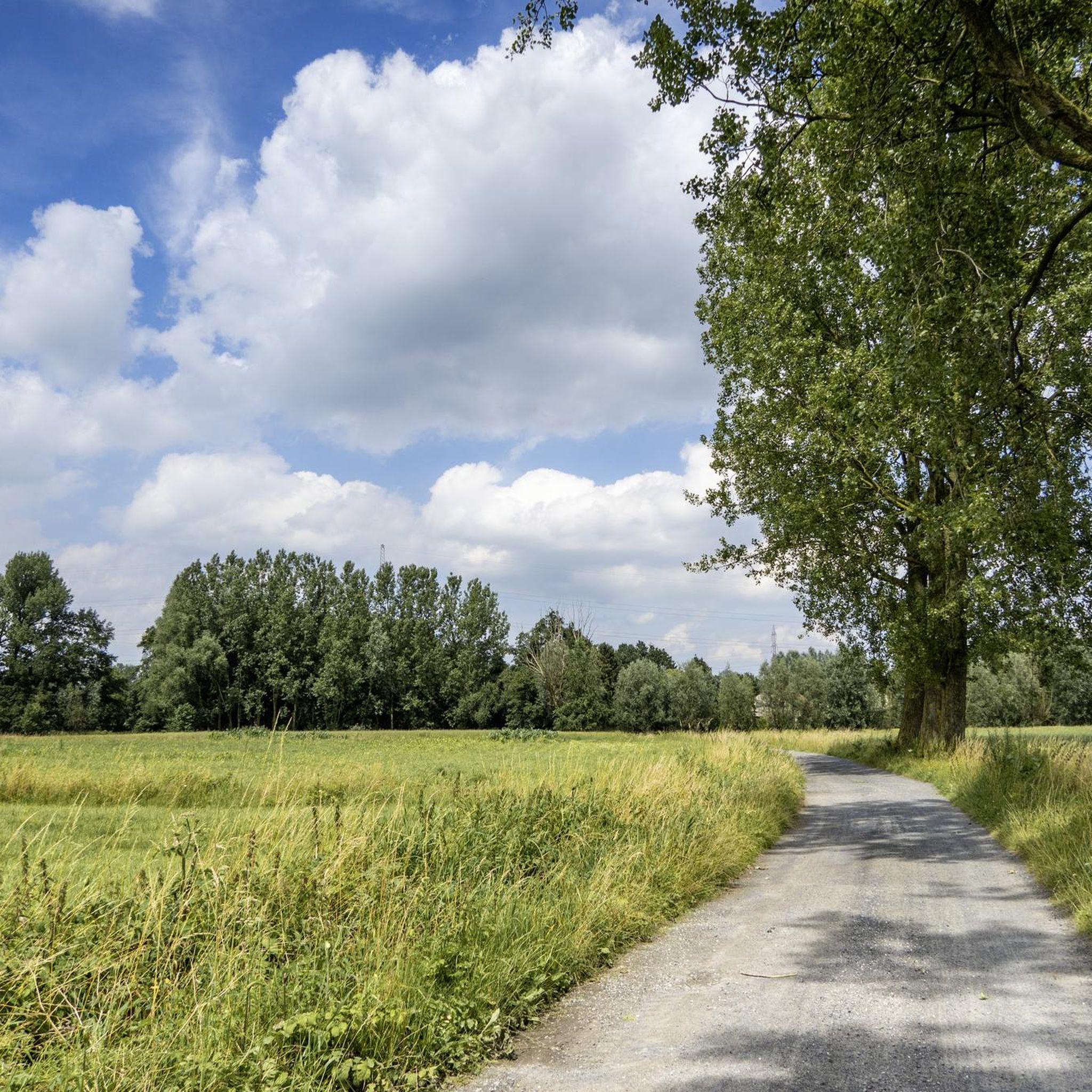
Jogging around Waasmunster offers diverse landscapes, from expansive meadows and forests to agricultural areas and riverside paths. The region features a well-maintained network of trails, including sections through heathlands and along a local cuesta ridge. These varied environments provide a mix of running surfaces and gentle elevation changes, making it suitable for different fitness levels.
Best jogging routes around Waasmunster
- The most popular jogging route is Singletrack Oud Vliegveld – Patotterij–Baudelo Trail loop from Waasmunster, a 9.4 miles (15.1…
Last updated: July 15, 2026
5.0
(4)
284
runners
15.1km
01:37
60m
60m
Hard run. Very good fitness required. Mostly paved surfaces. Suitable for all skill levels.
4.0
(3)
138
runners
14.8km
01:33
20m
20m
Moderate run. Good fitness required. Mostly paved surfaces. Suitable for all skill levels.

Sign up for free
122
runners
12.9km
01:22
20m
20m
Hard run. Good fitness required. Sure-footedness, sturdy shoes and alpine experience required.
4.7
(3)
51
runners
41.0km
04:35
50m
50m
Hard run. Very good fitness required. Mostly paved surfaces. Suitable for all skill levels.
4.0
(2)
61
runners
11.4km
01:15
50m
50m
Moderate run. Good fitness required. Mostly paved surfaces. Suitable for all skill levels.
Get access to more routes and recommendations from other explorers.
Sign up for free
Already have an account?
Our route recommendations are based on thousands of hikes, rides, and runs completed by other people on komoot.
Start today with a free account
Your next adventure awaits.
Login or Signup

Other adventures around Waasmunster

Tips from the Community


De Bezenkoek is nowadays mainly known as a hiking and cycling area. The name refers to a legendary inn that offered every customer a currant cake upon opening. That inn made way for a villa. Thanks to the wind during the last phase of the ice age, you will find a unique landscape here. This area lies on a ridge of windblown sand. This is a remnant from the late ice age (around 12,000 to 14,000 years ago) where sand from the Durme valley was blown up into a large dune. It is no coincidence that this area is forested. It is less fertile ground for agriculture, but suitable for forestry. It is also no coincidence that so many pines grow here. The wood was used for a long time for mining and for the production of matches. People especially wanted straight tree trunks. That is why they usually stand very close together. Nowadays, more native deciduous trees are systematically planted in the area. Parts of the area along the Ransbeek are often marshy. Therefore, 'knuppelpaden' (log paths): a path over logs, appeared in a number of places. source: ontdeksintniklaas.be
2
0
The Weduwe Voswegel, also called the Gouden Leeuwpad, is a surprisingly beautiful slow connecting path. The path is 1650 m long and runs zig-zag from Gouden Leeuwstraat to the church of Puivelde in Kruisstraat. The zig-zag pattern that characterizes the path has to do with the forest plots along it. The path mostly has a side ditch along its length and is bordered by meadows and especially forest. The path is quite well maintained. The path is only quite narrow in the forests (0.5 m to 1.5 m). On the side of Gouden Leeuwstraat you will find an old hedge with no less than 14 different types of hedge plants. (Hornbeam, Hawthorn, Beech, Holly, Elder, Elderberry, Hop, Blackberry, Pedunculate Oak, Privet, Ivy, Bindweed, Cotoneaster, Hazel) The name of the path is said to refer to a lady who tricked rich people to later give their possessions to the poor; a kind of local, female version of Robin Hood :-) source: De Raaklijn
2
0
On an information board on site, the history of the Stekense Vaart can be read. It began as early as 1315. Count Robrecht III of Béthune then gave the order to dig a canal from Ghent to Hulst. In Stekene, this new 'waterway' turned marshes into arable land and increased export opportunities. In 1556, many fields in Stekene were submerged for a long time. King Philip II of Spain therefore granted a charter for a direct connection to the Durme. In 1628, King Philip IV gave permission to extend the Stekense Vaart by 1300 meters to Hulst. This connected the Vaart to the Westerschelde, which was advantageous for trade. Hulst could thus also be supplied with war materials. South of Moerbeke, between 1637 and 1643, a new canal was dug connecting the Stekense Vaart with the Moervaart. Ships sailing between Ghent and Stekene no longer had to make a detour via the Spelonckvaart. After the Eighty Years' War ended in 1648, the connection with the Westerschelde was broken. The economic benefit of the Vaart was lost. The Vaart was dammed at Tromp in 1691. In 1853, the municipality of Stekene became the owner of the Vaart on the condition that it also be responsible for maintenance. In 1950, the Vaart was declared unnavigable. Wastewater from Sint-Niklaas caused pollution and a strong stench, here at the Quay. In 1953, a cross dam was built in the Durme in Lokeren. The tidal effect on the Stekense Vaart was thus a thing of the past. In 1964, a water treatment plant was commissioned in Sint-Niklaas. This significantly improved the water quality in the Stekense Vaart. In 1995, a water treatment plant was also built in Stekene. In 1998, the area around the Vaart was classified as a quiet area.
2
0
Open every day except Monday from 11:00 AM; on Mondays only from 5:00 PM.
4
0


this is the former station, not the Steengelaag
0
1
Frequently Asked Questions
How many running routes are available in Waasmunster?
Waasmunster offers a wide selection of running routes, with over 120 trails mapped on komoot. This includes a variety of options suitable for different fitness levels and preferences.
What kind of terrain can I expect on jogging routes in Waasmunster?
Jogging routes in Waasmunster feature diverse landscapes. You'll find yourself running through expansive meadows, dense forests, quiet agricultural areas, and unique heathlands. The region also boasts picturesque riverside paths along the Schelde and Durme rivers, and even a local cuesta ridge, offering varied surfaces and gentle elevation changes.
Are there running routes suitable for beginners in Waasmunster?
Yes, Waasmunster has several easy running routes perfect for beginners or those looking for a relaxed jog. There are 11 easy routes available, ensuring a comfortable experience for all skill levels.
What do other runners enjoy most about the trails in Waasmunster?
The running trails in Waasmunster are highly rated by the komoot community, with an average score of 4.4 stars from over 30 reviews. Runners often praise the diverse natural settings, including open fields, woodlands, and scenic riverside paths, as well as the well-maintained network of trails that cater to various abilities.
Are there any circular jogging routes in Waasmunster?
Yes, many of the running routes in Waasmunster are circular, allowing you to start and finish at the same point. For example, the Old Durme Gravel Path – View of the Oude Durme River loop from Waasmunster is a popular moderate circular route offering scenic views.
What are some scenic viewpoints or natural features I can see while jogging?
Waasmunster's routes offer several scenic spots. You can enjoy views along the Oude Durme River, as seen on the Old Durme Gravel Path. The region also features natural areas like the Oude Durme Nature Reserve and the Hingenewiel, providing beautiful natural backdrops for your run.
Are there any family-friendly running routes in Waasmunster?
While specific 'family-friendly' designations aren't always explicit, the 11 easy routes available in Waasmunster are generally suitable for families. These paths typically have gentler terrain and shorter distances, making them enjoyable for all ages. Look for routes with minimal elevation gain and through pleasant, open landscapes.
Can I bring my dog on the running trails in Waasmunster?
Many natural areas and trails in Waasmunster are dog-friendly, but it's always best to check local signage for specific regulations, especially in nature reserves. Generally, dogs are welcome on a leash, allowing you and your canine companion to enjoy the diverse landscapes together.
Are there any routes that pass by historical sites or interesting landmarks?
Yes, some routes may take you near interesting sites. For instance, you might encounter the Duck Decoy and Keeper's Cottage Donkmeer or the Haasdonk Fort, which are notable historical sites in the broader Waasmunster area. These can add an extra layer of interest to your run.
What is the best time of year to go jogging in Waasmunster?
Waasmunster offers pleasant jogging conditions throughout much of the year. Spring and autumn provide mild temperatures and beautiful scenery with changing foliage. Summer is also great, especially in the mornings or evenings, while winter runs can be invigorating, though some trails might be muddy after rain or snow. The diverse landscapes ensure a good experience in any season.
Are there any long-distance or challenging running routes?
For experienced runners seeking a challenge, Waasmunster offers several difficult routes. The Singletrack Oud Vliegveld – Patotterij–Baudelo Trail loop from Waasmunster is a difficult 15.1 km trail that traverses varied terrain. Another challenging option is the Stekense Vaart – Singletrack Near Puivelde loop from Sinaai, which is over 41 km long.
Are there any running routes along the rivers?
Absolutely. Waasmunster is part of the 'Oeverlopen' project, which includes marked routes along the Schelde and Durme rivers. These offer picturesque riverside jogging opportunities, such as the Mira Bridge – View of the Durme River loop from Hamme, providing flat and scenic paths.
Most popular routes around Waasmunster
Most popular attractions around Waasmunster

Get inspired with the komoot mobile app


Explore more
Browse the best Running Trails & Routes in other regions.
