The best MTB trails around Duffel
4.0
(9)
142
riders
19
rides
Mountain biking around Duffel offers routes through a predominantly flat landscape, characterized by river floodplains, agricultural fields, and interspersed woodlands. The terrain is generally gentle, with minimal elevation changes, making it suitable for accessible mountain biking. Trails often follow the courses of rivers like the Nete, providing scenic paths through the region's natural and cultivated areas. This environment supports a network of mountain bike trails that cater to various skill levels, focusing on distance and varied surfaces rather than steep…
Last updated: July 18, 2026
4.3
(3)
15
riders
19.9km
01:10
30m
30m
Easy mountain bike ride. Great for any fitness level. Suitable for all skill levels.
5.0
(1)
13
riders
52.0km
03:10
70m
70m
Moderate mountain bike ride. Good fitness required. Advanced riding skills necessary.

Sign up for free
5.0
(1)
11
riders
42.5km
02:10
40m
40m
Moderate mountain bike ride. Good fitness required. Suitable for all skill levels.
10
riders
28.3km
01:29
50m
50m
Easy mountain bike ride. Great for any fitness level. Suitable for all skill levels.
18
riders
72.0km
03:47
100m
100m
Hard mountain bike ride. Good fitness required. Advanced riding skills necessary. Some portions of the route may require you to push your bike.
Get access to more routes and recommendations from other explorers.
Sign up for free
Already have an account?
Our route recommendations are based on thousands of hikes, rides, and runs completed by other people on komoot.
Start today with a free account
Your next adventure awaits.
Login or Signup
Tips from the Community

Changes ownership and now it is forbidden to park anywhere there for anyone wishing to walk locally... Major restoration is also underway now...
3
0

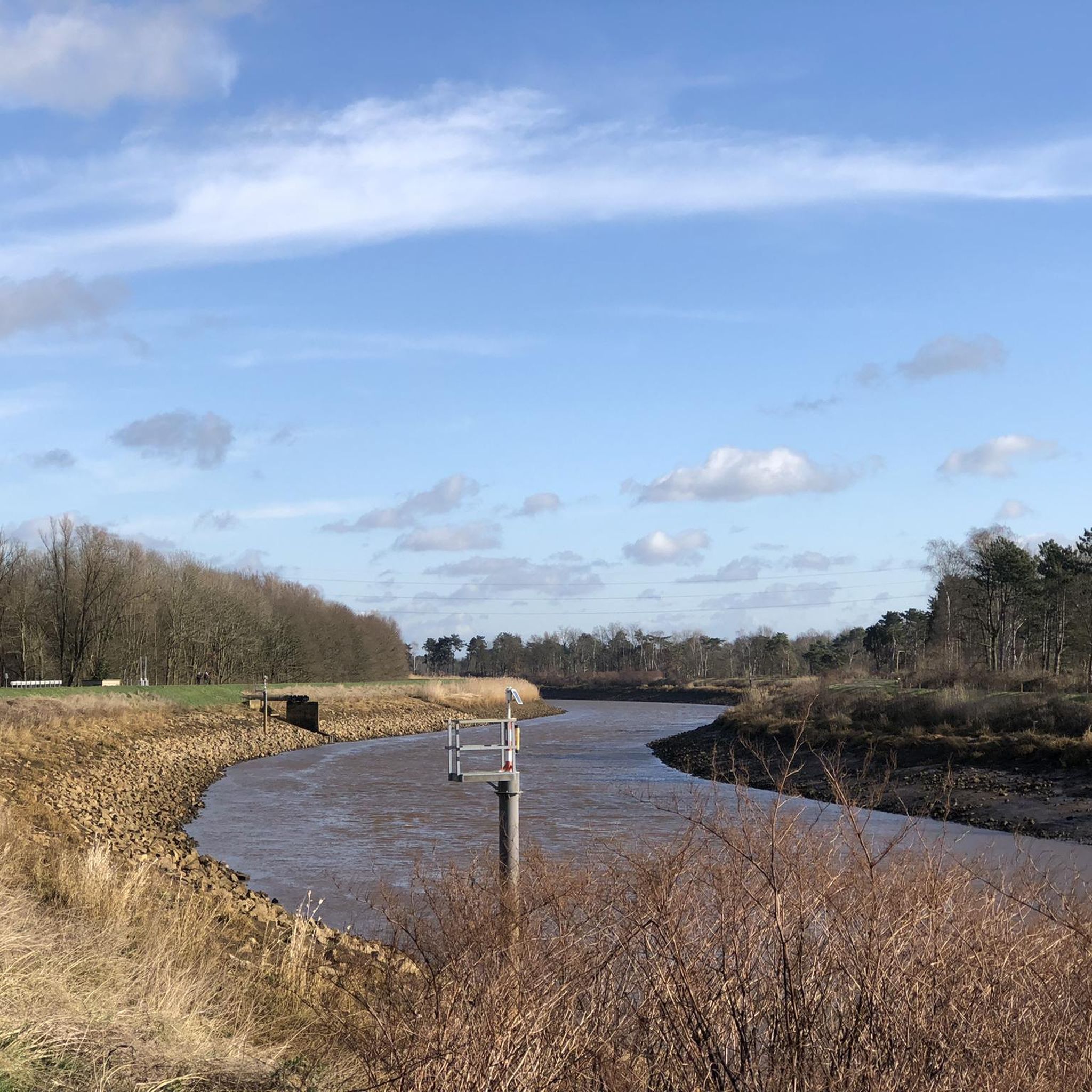
Cross the Grote Nete with dry feet via this bridge. From the bridge, you can quietly admire the Grote Nete.
12
0
A moated castle with an old core dating back to the 13th century. Founded by the powerful medieval Berthout family. Nicolaas Rubens, the second son of Pieter Paul Rubens, purchased the castle in the 17th century. During the Peasants' War of 1798, the French-minded commissioner van 's-Hertogenbosch resided here. He was driven out on October 21, 1798, by the rebels led by J.B. Caeymaex. They seized the parish registers and the lists of names used for the compulsory conscription of "our boys" into the French army. (Information board on site)
11
0

Hof van Ringen built in 1849 is inspired by the pavilion 'Klein Trianon' of the Palace of Versailles. Characteristic are the four columns that frame the three central windows. Did you know: the current resident of the Hof is the fashion designer Dries Van Noten.
6
1


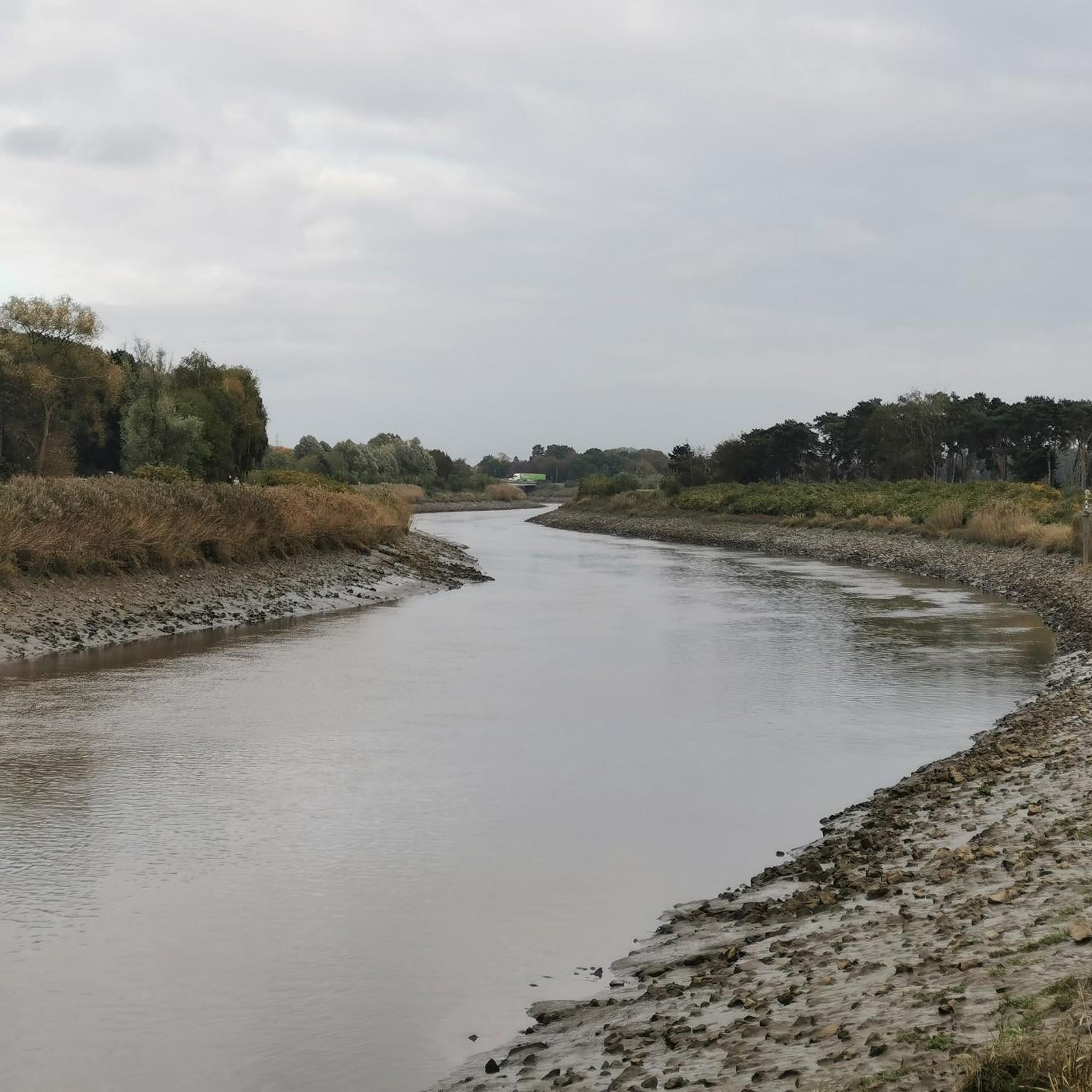
Quiet walk along the canal
1
0

Hof van Rameyen, a moated castle with an old core dating back to the 13th century. “The castle was built by the Berthout family. One of its most famous residents was Nicolaas Rubens, the second son of Peter Paul Rubens, who spent his last years there.
13
2

Nice narrow track through the grass.
0
0
Frequently Asked Questions
What is the general terrain like for mountain biking around Duffel?
Mountain biking around Duffel features a predominantly flat landscape, characterized by river floodplains, agricultural fields, and interspersed woodlands. The terrain is generally gentle, with minimal elevation changes, making it suitable for accessible mountain biking. Trails often follow the courses of rivers like the Nete, providing scenic paths through natural and cultivated areas.
Are there mountain bike trails suitable for beginners in Duffel?
Yes, Duffel offers several trails suitable for beginners. There are 3 easy mountain bike routes available, focusing on distance and varied surfaces rather than steep climbs. An example of an easy route is the Forest Cycle Path – Entrance to MTB Trails loop from Duffel, which covers 17.6 miles (28.3 km).
How many mountain bike trails are available in Duffel?
There are 13 mountain bike trails available around Duffel, catering to various skill levels, from easy to moderate.
What is the typical length and duration of mountain bike trails in Duffel?
The mountain bike trails in Duffel vary in length and duration. For instance, the Bridge Over the Nete – Putten van Lacourt loop from Duffel is 32.5 miles (52.4 km) and takes approximately 3 hours 11 minutes. Another route, the Sven Nys Cycling Route – Heath Windmill Zelem loop from Duffel, is longer at 55.6 miles (89.5 km) and typically takes around 4 hours 52 minutes.
Are there any circular mountain bike routes in Duffel?
Yes, many of the mountain bike routes around Duffel are designed as loops, allowing you to start and end in the same location. Examples include the Bridge over the Grote Nete – Hof van Rameyen loop from Duffel and the Zimmer Tower – Market Square, Lier loop from Duffel.
What can I see along the mountain bike trails in Duffel?
Along the mountain bike trails in Duffel, you can explore various natural and historical attractions. You might encounter natural reserves like Mispeldonk Nature Reserve or Broek De Naeyer Nature Reserve. There are also lakes such as Hoefijzerput and The Putten van Lacourt. Additionally, you can discover historical sites like Fort Kessel or castles like Hof Zevenbergen Castle and Grotto.
Are there family-friendly mountain bike trails in Duffel?
Given the predominantly flat and gentle terrain, many of the easy and moderate routes in Duffel are suitable for families. The trails often follow river paths and open fields, providing a pleasant experience for riders of varying ages and skill levels. Consider routes categorized as 'easy' for a more relaxed family outing.
What do other mountain bikers enjoy most about mountain biking in Duffel?
The mountain bike trails in Duffel are highly rated by the komoot community, with an average score of 4.4 stars from over 5 reviews. Mountain bikers often praise the scenic river paths, the varied open landscapes, and the accessibility of the routes for different ability levels. Over 80 mountain bikers have used komoot to explore Duffel's terrain.
Is parking available near the mountain bike trails in Duffel?
While specific parking locations are not detailed for every trail, Duffel, being a well-established area, generally offers public parking options in and around the town center and near popular recreational areas that serve as trailheads. It is advisable to check local maps or komoot tour details for specific starting points.
Can I reach mountain bike trails in Duffel using public transport?
Duffel is connected by public transport, including train and bus services, which can provide access to the general area. Many trails start near the town center or accessible points, making it possible to reach them without a car. Check local transport schedules for the most convenient options to your chosen trailhead.
Are there cafes or pubs near the mountain bike trails in Duffel?
Duffel and its surrounding towns, such as Lier, offer various cafes and pubs where you can refuel or relax after your ride. Many routes pass through or near these towns, providing opportunities for a break. It's recommended to check the specific route on komoot for points of interest like cafes or pubs along the way.
Most popular attractions around Duffel

Get inspired with the komoot mobile app


Explore more
Browse the best MTB trails in other regions.
