Attractions and Places To See around Grobbendonk - Top 20
Best attractions and places to see around Grobbendonk include a mix of historical landmarks, diverse nature reserves, and cultural sites. This Belgian municipality in the province of Antwerp is characterized by its picturesque canals and lush green landscapes. Visitors can explore ancient priory ruins, historic watermills, and extensive natural areas like heathlands and forests. The region offers opportunities to discover both man-made heritage and varied natural features.
Best attractions and places to see around Grobbendonk
- The most popular attractions is…
Last updated: August 2, 2026
Netekanaal Towpath
Highlight • Cycleway
The wind is your partner or opponent here. Always nice to be able …
Translated by Google •
Tip by

Lovenhoek Nature Reserve
Highlight • Forest
Translated by Google •
Tip by

Sign up now to discover places like this
Get recommendations on the best single tracks, peaks, & plenty of other exciting outdoor places.
Sign up for free
The Zwart Water
Highlight • Lake
Translated by Google •
Tip by

Fort Oelegem
Highlight • Historical Site
Translated by Google •
Tip by

Kesselse Heath
Highlight • Forest
Translated by Google •
Tip by

Sign up for free to discover even more attractions around Grobbendonk.
Sign up for free
Already have an account?
Start today with a free account
Your next adventure awaits.
Login or Signup

Tips from the Community

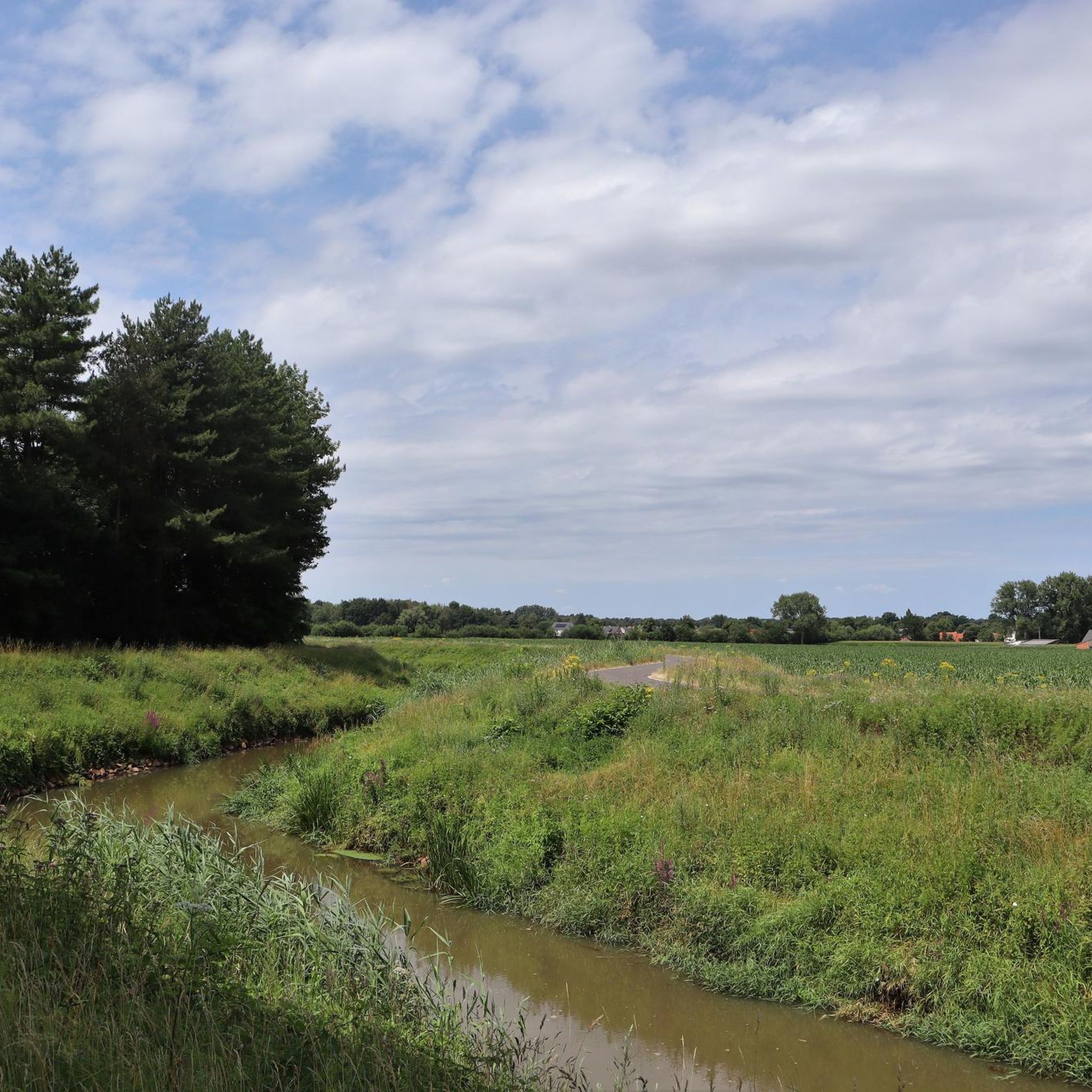
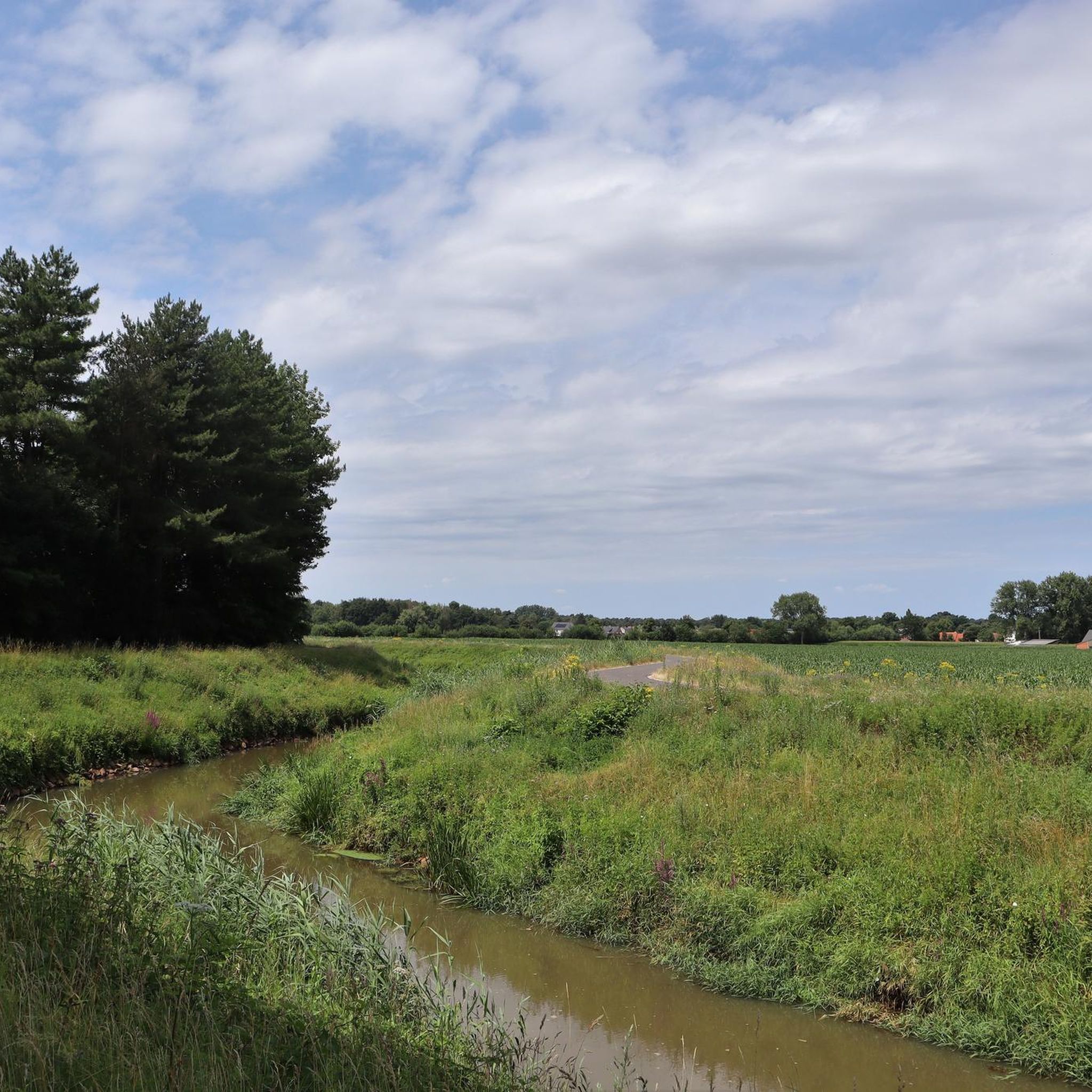
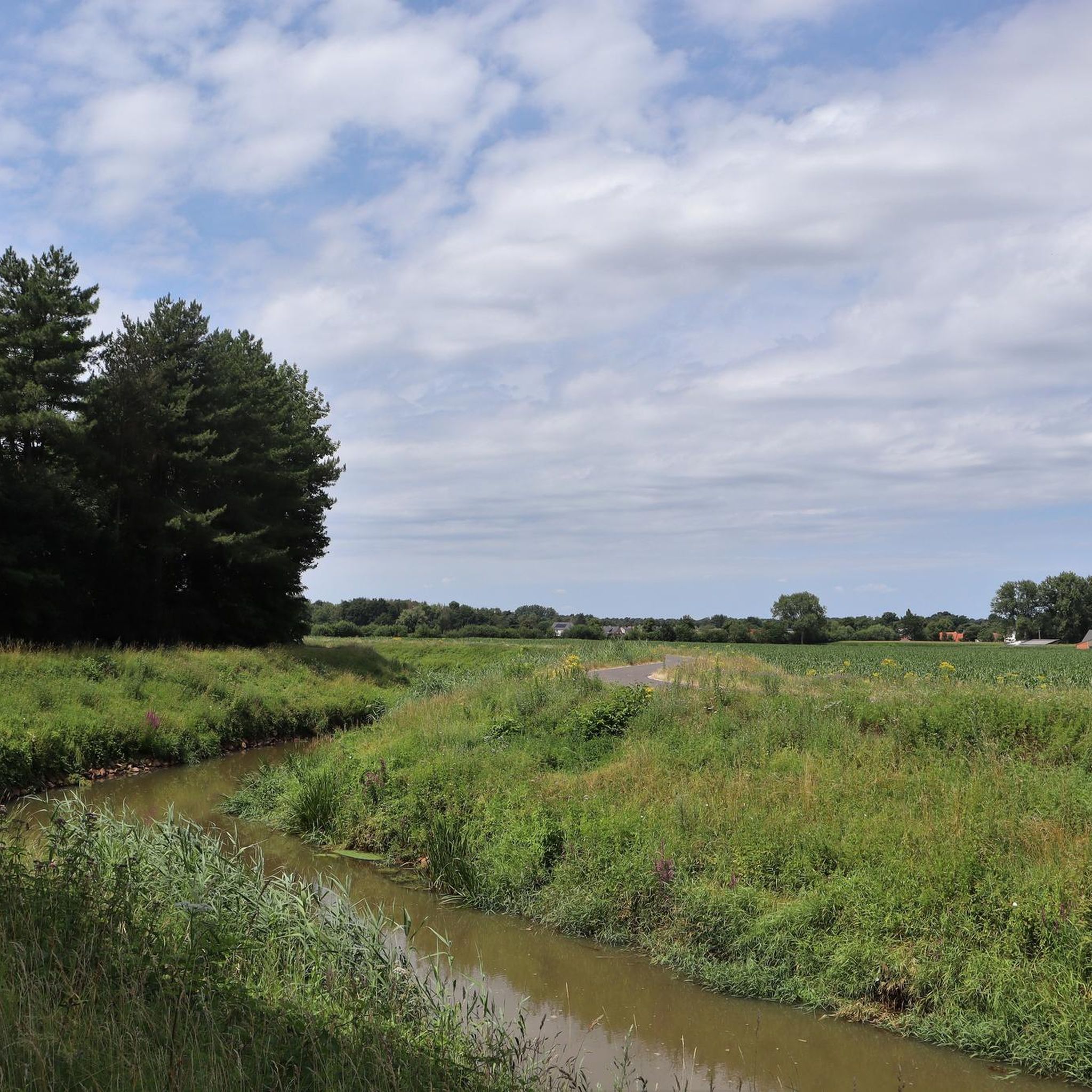
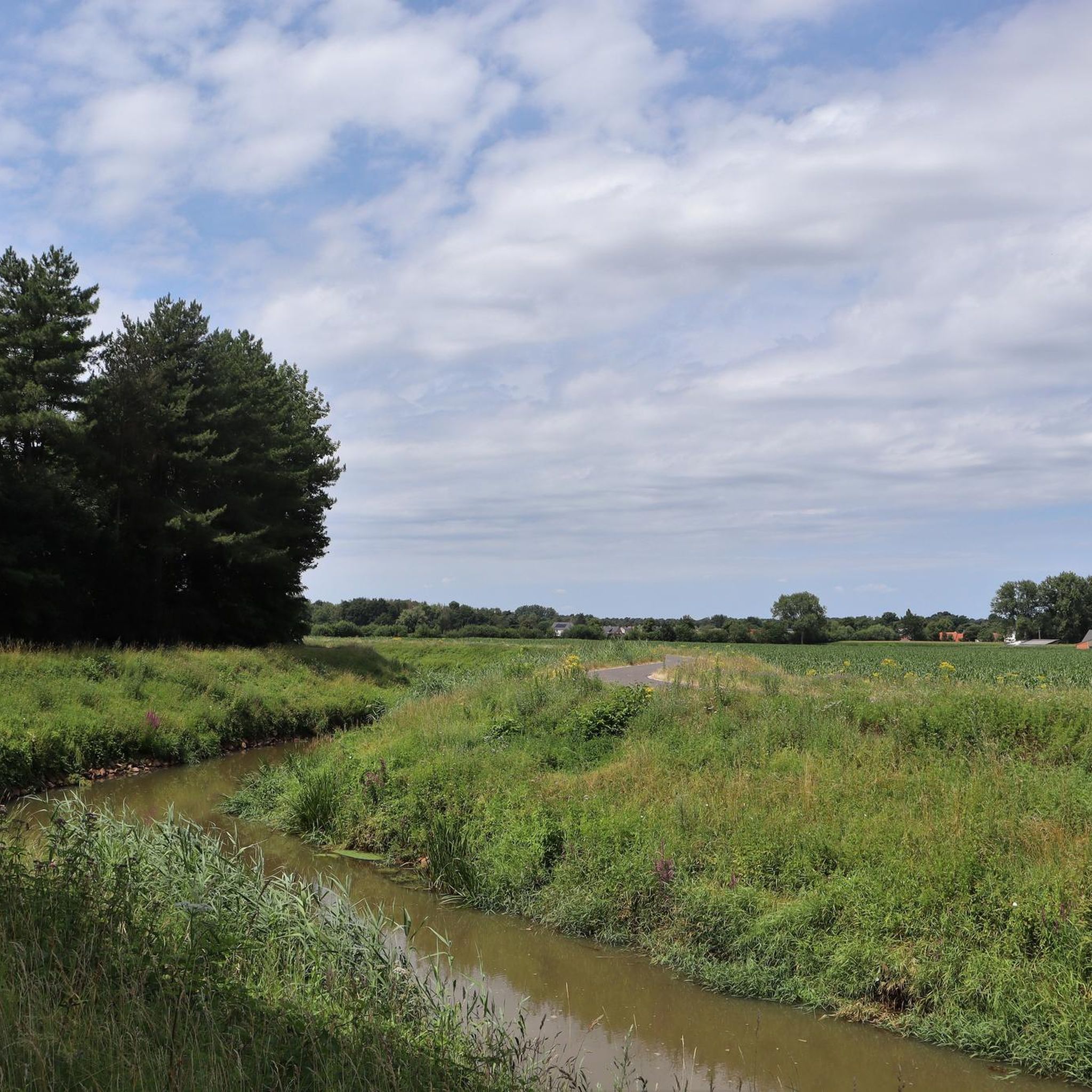
The Kesselse Heide is a provincial green space covering 79 hectares, 61 of which are open to the public. The initial acquisition took place in 1978, and it has been expanded since then. The entrance is located in Nijlen, at Vaerestraat 4. The space is freely accessible daily from sunrise to sunset. There are two ponds in the area. These old wells not only provide a pleasant change of scenery but are also a boon for the many plants and animals. Since 1996, the Kesselse Heide has been a protected landscape. It is one of the few remaining remnants of the once vast Kempen heathlands. The heath is a living community created in our region by humans. Historical agricultural practices created a landscape that has been preserved through human intervention: grazing by sheep, burning the heath, and sod cutting. Sod cutting is the removal of the topsoil and vegetation. A dug-out sod of plants and their roots is a sod. If heathland is left untreated, it will evolve into oak and birch forests, and the typical species associated with a heathland habitat will disappear. In the mid-19th century, the Kesselse Heide—like many other parts of the Kempen region—was afforested with Scots pine, a valuable timber for mining. However, during both World Wars, these sod-covered forests were felled, and from then on, the heathland was able to expand again. Current management consists of removing trees and mechanically cutting sods to give the open heathland every chance to thrive. https://youtu.be/NoPf0HSeFz8
6
0

The Kesselse Heide-Het Goor area consists of a variety of nutrient-poor meadows, pastures, marshes, and ponds, bordered and crisscrossed by enclosed landscape types, and contains numerous landscape elements. The area is characterized by a richly varied and sometimes rare flora. Several historic farm buildings can be found within the area. The Kesselse Heide-Het Goor area, with an area of approximately 2,620 hectares, is located between the villages of Nijlen and Kessel, north of the Lier-Herentals road. The northern border of this area is along Vogelzangstraat, the eastern border along Achterbist, Kannaertsstraat, and Goorstraat. The Grote Steenweg forms the southern border, and the western border is formed by Heidestraat and Vaerestraat. The landscape includes the following topographical areas: "Kannaerdsche Heyde," "Kesselse Heide," "Mol Heide," "Achterbiest," "Het Hoog Bosch," "De Hooge Heide," "Het Armveld," "De Schommers" or "Vissen Eynde," "Het Goor," "Het Goorkasteel," and "Hoge Heyde." Several streams traverse the area, specifically the Goorkantloop, the Elstbeek, the Paddenloop, Blauwe Hoekloop, and the Visbeek. The elevation within the area varies from approximately 5 meters +TAW to approximately 10 meters +TAW. Inventory of Immovable Heritage: Kesselse Heide-Het Goor, https://id.erfgoed.net/erfgoedobjecten/302886
7
0


Very nice walk with a lot of variety in landscapes and terrain.
3
0

Is just a fantastic ride! Small and narrow roads with little traffic (cars). Few cycle paths. Great cycling!
1
0

Het Zwart Water is a nature reserve southwest of the town of Lichtaart, which is part of the Antwerp municipality of Kasterlee, located near Lavendelweg 1-3. The area is managed by the Agency for Nature and Forests. The area is located on the Kempense Heuvelrug and consists of a fen that used to be in a drifting sand and heathland area, but was largely forested with conifers during the 19th century. On the edge of the fen you will find bog myrtle thickets, willow swamp forest and poor grassland. There is a floating dome in the fen that forms a safe resting place for birds. The forest is gradually being transformed into more mixed forest. In addition, there are remnants of heathland.
9
0

The Defense Line of Antwerp was decided upon by the choice of Antwerp as the National Reduit in 1859. The idea behind this was that Antwerp was most suitable as a last fortress until help from allies could arrive. The National Reduit would consist of: a siege wall, a fort belt and underwater settlements. The fort belt would consist of eight Brialmont forts (built in 1859) in an 18 km long belt from Wijnegem to Hoboken. After the Franco-Prussian War of 1870, it was initially decided to build three bridgehead forts and then to build an outer line adapted to more modern weapons. The latter plan was ratified by law of March 30, 1906. This main resistance position included 16 forts and 10 redoubts on the right bank and 5 forts and 2 redoubts on the left bank.
7
0
In the Kempen region, heathland is a cultural landscape that developed long ago through the frequent grazing of sheep on poor sandy soils. Since then, heathland has become valuable and rare. The Kesselse Heide provincial green space is all that remains of a much larger heathland area. Since 2023, the Kesselse Heide can also be explored as a heritage site. Various information boards provide information on folklore, landscape features, the wartime history, and more. You can find some photos of these new boards in the photo section of this highlight.
8
2
Frequently Asked Questions
What natural areas can I explore around Grobbendonk?
Grobbendonk offers a variety of natural landscapes. You can discover the extensive Lovenhoek Nature Reserve, spanning over 145 hectares with diverse habitats. Another significant area is Kesselse Heath, a provincial nature domain featuring heathland, forests, and fens. Don't miss The Zwart Water, a unique fen with a dark bottom color, known for its birdlife. Other notable natural spots include the Bossen van Pidpa, Bouwelven, and the scenic confluence of the Kleine Nete and Aa rivers.
Are there historical sites to visit in Grobbendonk?
Yes, Grobbendonk is rich in history. Explore Fort Oelegem, a protected monument built between 1909 and 1914, now serving as a significant bat reserve. You can also find Kasteel Bouwelhof, a neoclassical castle set in an English landscape garden, the historic Watermolen van Grobbendonk, and the Windmolen Bouwel, a wooden grain windmill from 1789. The ruins of Priorij Onze-Lieve-Vrouw-Ten-Troon and the historical marker De Schandpaal also offer glimpses into the region's past.
What kind of outdoor activities can I do near Grobbendonk?
The area around Grobbendonk is excellent for various outdoor activities. For hiking, consider routes like the 'Lovenhoek Nature Reserve – Wooden footbridge loop' or the 'Konijnenberg/Ter Duinen Bouwel – Pond in the Philipsbos loop'. Cyclists can enjoy the Netekanaal Towpath. For more detailed routes, explore the dedicated guides for Hiking around Grobbendonk, Gravel biking around Grobbendonk, and MTB Trails around Grobbendonk.
Are there family-friendly attractions or activities in the Grobbendonk area?
Many natural areas around Grobbendonk are suitable for families. Kesselse Heath, for instance, is known for its expansive sandy plains, which are like a giant sandbox for children. The The Zwart Water nature reserve is also family-friendly, offering a chance to spot birds from a floating platform. The Netekanaal Towpath provides an easy and flat surface for family bike rides.
Where can I find walking routes near Grobbendonk?
Grobbendonk offers numerous walking routes, especially within its nature reserves. The Lovenhoek Nature Reserve has well-marked trails, including an orange-triangle nature trail. You can also find pleasant walks in the Philipsbos, such as the 'Pond in the Philipsbos loop'. For a comprehensive list of options, refer to the Hiking around Grobbendonk guide.
What are some cultural highlights in Grobbendonk?
Beyond its natural beauty and historical sites, Grobbendonk has cultural points of interest. You can visit the Diamantmuseum (Diamond Museum) or explore the Kempens Wielermuseum (Cycling Museum). The interactive photo exhibition 'Het Bouwel van weleer' offers a look into Bouwel's past. The historic inn Afspanning 'De Leeuw' also reflects traditional Belgian architecture and heritage.
Are there any unique natural features or wildlife to observe?
Yes, the region boasts unique natural features. The confluence of the Kleine Nete and Aa rivers is a picturesque spot. The Zwart Water is a rare fen with a floating platform, providing a safe resting place for birds. Fort Oelegem is a significant bat reserve, home to approximately 1,300 bats of various species, making it a European Special Protection Area.
Can I find cycling routes around Grobbendonk?
Absolutely. The Netekanaal Towpath is a popular choice for cyclists, offering a smooth ride along the canal. For those seeking more adventurous rides, there are numerous gravel biking and mountain biking trails. You can find detailed routes and guides for Gravel biking around Grobbendonk and MTB Trails around Grobbendonk.
What is the best time of year to visit Grobbendonk for outdoor activities?
Grobbendonk's natural areas offer beauty throughout the year. Spring brings blossoms, while autumn showcases vibrant colors in the forests and heathlands. The Kesselse Heide, for example, presents a breathtaking color palette that changes with each season. For hiking and cycling, milder weather in spring and autumn is often preferred, though winter walks can also be charming.
Are there any specific tips for visiting the nature reserves?
When visiting nature reserves like Lovenhoek Nature Reserve or Kesselse Heath, it's advisable to follow marked trails and respect the natural environment. In Kesselse Heath, be mindful of oak processionary caterpillars during certain periods due to the many low-hanging oaks. For Lovenhoek, parking is available at the riding school 'Dennenruiters'. Always check for local regulations or specific access information for protected areas.
What are some lesser-known or 'hidden gems' in the Grobbendonk area?
Beyond the main attractions, explore the Philipsbos, which offers tranquil walking trails like the 'Pond in the Philipsbos loop'. The former British base, now transformed into a nature area, also provides a unique setting for exploration. For a glimpse into local heritage, seek out the various Kapellen (chapels) scattered throughout Grobbendonk, such as Kapel Eisterlee or Kapel Hofeinde.
Most popular routes around Grobbendonk
Most popular attractions around Grobbendonk

Get inspired with the komoot mobile app


Explore more
Still not found the Highlight you’re looking for? See guides of the top attractions in other regions:
