The best road cycling routes around Lovendegem
4.3
(1207)
48,111
riders
1,412
rides
Road cycling around Lovendegem, located in Flanders, Belgium, offers an extensive network of routes through varied landscapes. The region is characterized by flat terrain, picturesque canal towpaths, and serene countryside roads, often providing a smooth cycling experience. Cyclists can explore areas featuring polders, rivers, meadows, and forests, with routes suitable for various fitness levels.
Best road cycling routes around Lovendegem
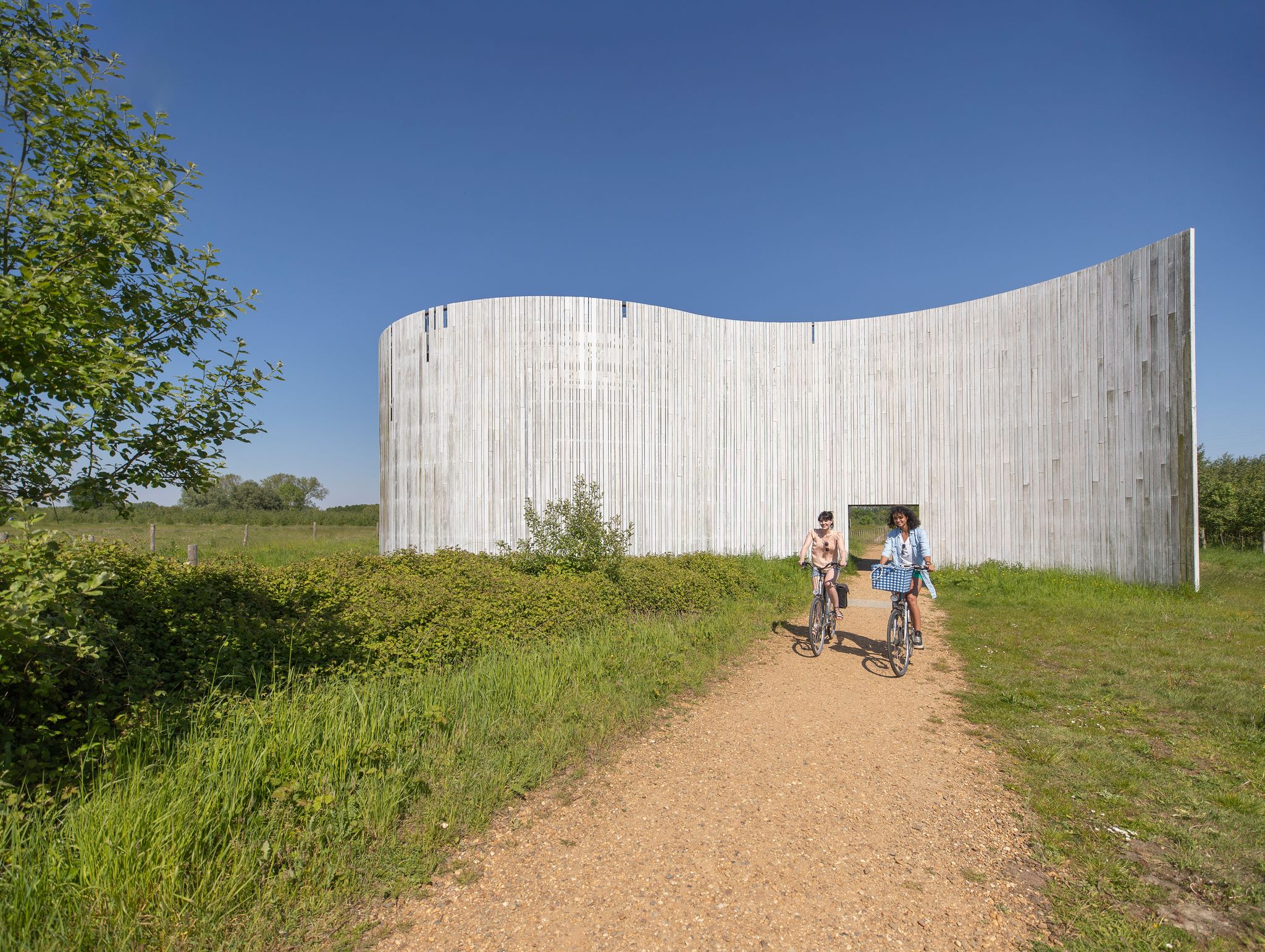
- The most popular road cycling route is Tree-Lined Cycle Path – Crazy Bikes Museum loop from Lovendegem, a 16.7…
Last updated: October 5, 2026
4.3
(12)
371
riders
Easy road ride. Great for any fitness level. Mostly well-paved surfaces and easy to ride.
4.0
(2)
78
riders
31.7km
01:24
80m
80m
Moderate road ride. Great for any fitness level. Some segments of this route may be unpaved and difficult to ride.

78
riders
76.8km
03:17
130m
130m
Moderate road ride. Good fitness required. Mostly well-paved surfaces and easy to ride.
4.0
(2)
70
riders
Moderate road ride. Good fitness required. Some segments of this route may be unpaved and difficult to ride.
68
riders
121km
05:27
120m
120m
Hard road ride. Very good fitness required. Some segments of this route may be unpaved and difficult to ride.
Get access to more routes and recommendations from other explorers.
Already have an account?
Our route recommendations are based on thousands of hikes, rides, and runs completed by other people on komoot.
Start today with a free account
Your next adventure awaits.

Other adventures around Lovendegem

Tips from the Community

The Korenmarkt is a city square in the historic center of Ghent in East Flanders, Belgium. It is located between the Leie and St. Nicholas' Church and is one of the most important and well-known tourist attractions in the city. The square is surrounded by several historic buildings, which today house bars, restaurants, and terraces. It is a central venue for the annual cultural festival 'Gentse Feesten'.
0
0

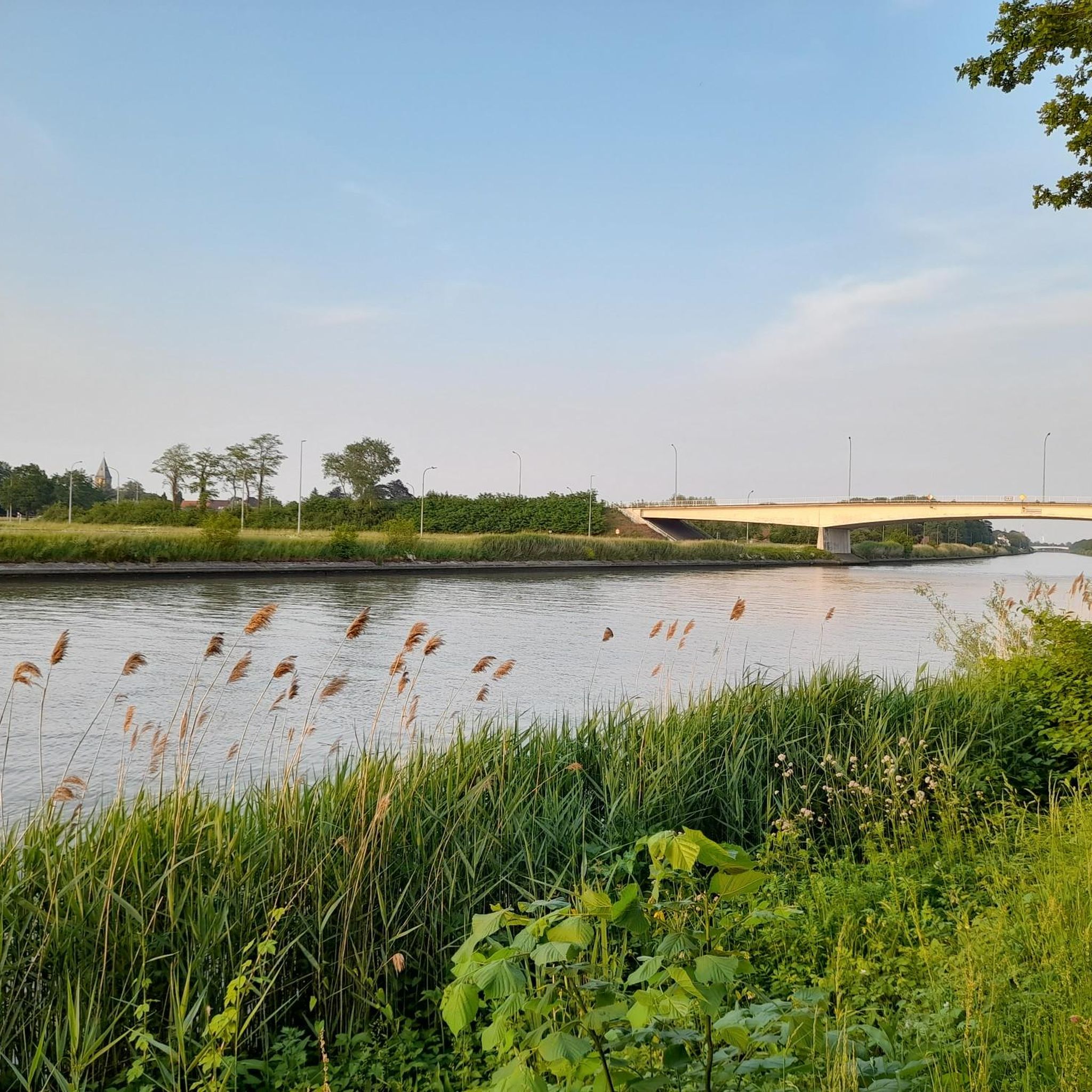
From the bridge, you can enjoy an iconic view of the meandering Leie river, the passing pleasure boats, and the vast, green meadows. This idyllic landscape has been the cradle of the famous artists of the Latem Schools for decades. This exact type of landscape inspired great Flemish expressionists such as Gustave De Smet and Constant Permeke.
3
0
De Lieve is a historic inland waterway that was dug between 1251 and 1269 to connect Ghent with Damme (originally Aardenburg). In the 13th and 14th centuries, the canal experienced its golden age. Even when the Zwin began to silt up in the 14th and 15th centuries, and later new waterways were constructed — such as the Sasse Vaart in the 16th century and the Ghent-Bruges Canal in 1613-1614 — De Lieve retained its original function until the beginning of the 18th century. Today, parts of De Lieve are still visible. In Ghent, Evergem, and Lievegem, the canal still exists in some places as an open watercourse. In the municipality of Damme, the route is mainly recognizable as a wide strip in the landscape.
1
0
The Lieve is a historic inland waterway that was dug between 1251 and 1269 to connect Ghent with Damme (originally Aardenburg). The canal experienced its heyday in the 13th and 14th centuries. Even when the Zwin began to silt up in the 14th and 15th centuries, and later new waterways were built — such as the Sasse Vaart in the 16th century and the Ghent-Bruges Canal in 1613-1614 — the Lieve retained its original function until the beginning of the 18th century. Today, parts of the Lieve are still visible. In Ghent, Evergem, and Lievegem, the canal still exists in some places as an open watercourse. In the municipality of Damme, the route is mainly recognizable as a wide strip in the landscape.
1
0

Since the 14th century, grain has been traded on the Korenmarkt on Fridays. Formerly called "Koornaard". The current streetscape is dominated by the west facade of St. Nicholas' Church, while on the other side is the monumental facade with bell tower of the post office building. In addition, on both sides there are houses of roughly the same size but with different facade types, varying between the 13th and 20th centuries. The Korenmarkt belongs to the second medieval city, the western expansion outside the oldest medieval Portus or trading settlement. This expansion began in the mid-10th century as a result of population growth. In the course of this expansion, the land was parceled out, the parish of Sint-Niklaas was founded, and trading activities were started. The Korenmarkt was first mentioned in 1208 under the name forum segeta (literally grain market). https://www.gent-geprent.com/straten-van-gent/straten-a-m/straten-k-1/korenmarkt/korenmarkt-algemeen
3
0

Beautiful place, where, pedestrians, cyclists, cars and teams share the roads and there is no drama.
0
0

St. Peter's Abbey, under the protection of the Counts of Flanders, would become one of the most important abbeys in the Netherlands, so the church associated with it shared in its splendor. The iconoclasm of 1566 caused serious destruction to the building, and by the early 17th century, it was decided to build a new church, entirely in keeping with the Counter-Reformation spirit of the time. Based on a design by Flemish architect and Jesuit Pieter Huyssens (1577-1636), the foundation stone was laid on April 14, 1629, and the work was completed on June 1, 1722. During the French Revolution, the church lost its original function as an abbey church and was converted into a Departmental Museum of Fine Arts. The abbey was dissolved by the Revolution, much of the interior was lost, and the contents were confiscated. After the nearby Our Lady Parish Church was also demolished in 1799, the former abbey church was restored to its former glory in 1810 and has since served as a parish church. Outside on St. Peter's Square, the foundation outlines of the demolished Our Lady Parish Church have been marked on the pavement out of respect for Ghent's past.
7
0

The Celie Bridge was destroyed twice, and rebuilt twice. This iron drawbridge, typical of the Schipdonk Canal, rarely rises. Shipping is not possible here, unlike in the past, when there was a loading dock on the Lieve River. (Mijnplatteland.com)
7
0
Frequently Asked Questions
What is the typical terrain and difficulty level for road cycling around Lovendegem?
Road cycling around Lovendegem is characterized by generally flat terrain, featuring picturesque canal towpaths and serene countryside roads. While many routes are easy to moderate, offering a smooth cycling experience, the broader Flanders region also provides options for more demanding training with some elevation gain. You can find over 200 easy routes and around 1100 moderate routes in the area.
What natural features and landscapes can I expect to see on road cycling routes near Lovendegem?
The Lovendegem area, situated in Flanders, offers diverse natural beauty. Cyclists can enjoy tree-lined cycle paths, polders, rivers, meadows, and forests. Routes often follow canal towpaths, providing scenic and peaceful rides. The region's landscape is a rich tapestry of natural areas, sometimes surrounding historic castles and gardens.
What historical landmarks or attractions can I visit while road cycling near Lovendegem?
Many road cycling routes around Lovendegem incorporate historical landmarks. For instance, the Gravensteen Castle – View of the River in Ghent loop from Lovendegem offers views of Ghent's iconic Gravensteen Castle and the city center. Other notable attractions in nearby Ghent include St. Michael's Bridge and the historic Graslei and Korenlei.
Are there options for longer distance road cycling routes around Lovendegem?
Yes, Lovendegem offers several longer distance road cycling routes. For example, the Kruishoutem Observation Tower – Lozer Castle loop from Sleidinge is a moderate 49.6-mile (79.9 km) trail. For an even longer challenge, consider the difficult Grote Boomdijk – Sint-Annapark Maldegem loop from Sleidinge, which spans nearly 74 miles (119.2 km).
Can I find circular road cycling routes in Lovendegem?
Yes, many road cycling routes around Lovendegem are designed as loops, allowing you to start and end at the same point. Examples include the Tree-Lined Cycle Path – Crazy Bikes Museum loop from Lovendegem and the The Shaking Hazel – The Lieve Cycle Path loop from Sleidinge, which showcases local natural beauty.
What is the best season for road cycling in Lovendegem?
Flanders, where Lovendegem is located, is generally pleasant for cycling from spring through autumn. The region's natural environment, with its polders, rivers, meadows, and forests, is particularly beautiful during these seasons. While specific winter conditions can vary, the extensive network of paved roads makes cycling accessible for much of the year.
Are there family-friendly road cycling routes in Lovendegem?
Lovendegem offers many easy routes suitable for families. The region's flat terrain and dedicated cycle paths, such as the tree-lined routes, provide a safe and enjoyable experience for all ages. The cycling infrastructure in Belgium is generally very cyclist-friendly, enhancing safety.
What do other road cyclists enjoy about the routes in Lovendegem?
The road cycling routes around Lovendegem are highly rated by the komoot community, with an average score of 4.3 stars from over 900 reviews. Cyclists often praise the varied landscapes, the smooth and level cycling experience on canal towpaths and countryside roads, and the integration of historic landmarks into routes.
Where can I find easy road cycling routes suitable for beginners?
Lovendegem is an excellent area for beginners, with over 200 easy road cycling routes. A great starting point is the Tree-Lined Cycle Path – Crazy Bikes Museum loop from Lovendegem, an easy 16.7-mile (27.0 km) trail offering scenic and peaceful rides along tree-lined paths.
Are there good options for parking or public transport access to road cycling routes in Lovendegem?
Lovendegem and the surrounding Flemish region are generally well-equipped for cyclists. While specific parking details for each route may vary, many starting points are accessible by car. Belgium's public transport network is extensive, and trains often accommodate bicycles, making it possible to reach starting points from larger cities like Ghent.
How many road cycling routes are available around Lovendegem?
There are over 1400 road cycling routes available around Lovendegem, catering to various fitness levels. This includes approximately 200 easy routes, 1100 moderate routes, and over 100 difficult routes, ensuring a wide range of options for every cyclist.
What are the conditions like for road cycling in Lovendegem during winter?
While specific winter conditions can vary, the generally flat terrain and well-paved roads around Lovendegem mean that road cycling is often possible even in winter, provided the weather is not severe. However, cyclists should be prepared for colder temperatures and potentially wet conditions. Always check local weather forecasts before heading out.
Most popular routes around Lovendegem
Most popular attractions around Lovendegem

Get inspired with the komoot mobile app


Explore more
Browse the best Road cycling routes in other regions.
