The best walks and hikes around Blegny
4.4
(977)
4,203
hikers
205
hikes
Hiking around Blegny offers diverse landscapes shaped by late Quaternary glaciation, featuring dry valleys and gravel deposits. The region is characterized by forested hills and wild rivers, providing varied terrain for outdoor activities. Hikers can explore areas with diverse natural monuments and historical sites, including former mining landscapes. The elevation changes are generally moderate, making the area accessible for a range of hiking experiences.
Best hiking trails around Blegny
- The most popular hiking route is Dalhem Tunnel – Dalhem Tunnel…
Last updated: July 17, 2026
4.6
(37)
196
hikers
14.2km
04:02
320m
330m
Moderate hike. Good fitness required. Easily-accessible paths. Suitable for all skill levels.
4.6
(53)
175
hikers
9.46km
02:33
120m
120m
Moderate hike. Good fitness required. Easily-accessible paths. Suitable for all skill levels.

Sign up for free
4.7
(117)
346
hikers
9.37km
02:34
150m
150m
Moderate hike. Good fitness required. Easily-accessible paths. Suitable for all skill levels.
4.4
(29)
96
hikers
14.3km
03:55
220m
220m
Moderate hike. Good fitness required. Easily-accessible paths. Suitable for all skill levels.
4.1
(14)
76
hikers
7.12km
01:55
90m
90m
Easy hike. Great for any fitness level. Easily-accessible paths. Suitable for all skill levels.
Get access to more routes and recommendations from other explorers.
Sign up for free
Already have an account?
Our route recommendations are based on thousands of hikes, rides, and runs completed by other people on komoot.
Start today with a free account
Your next adventure awaits.
Login or Signup
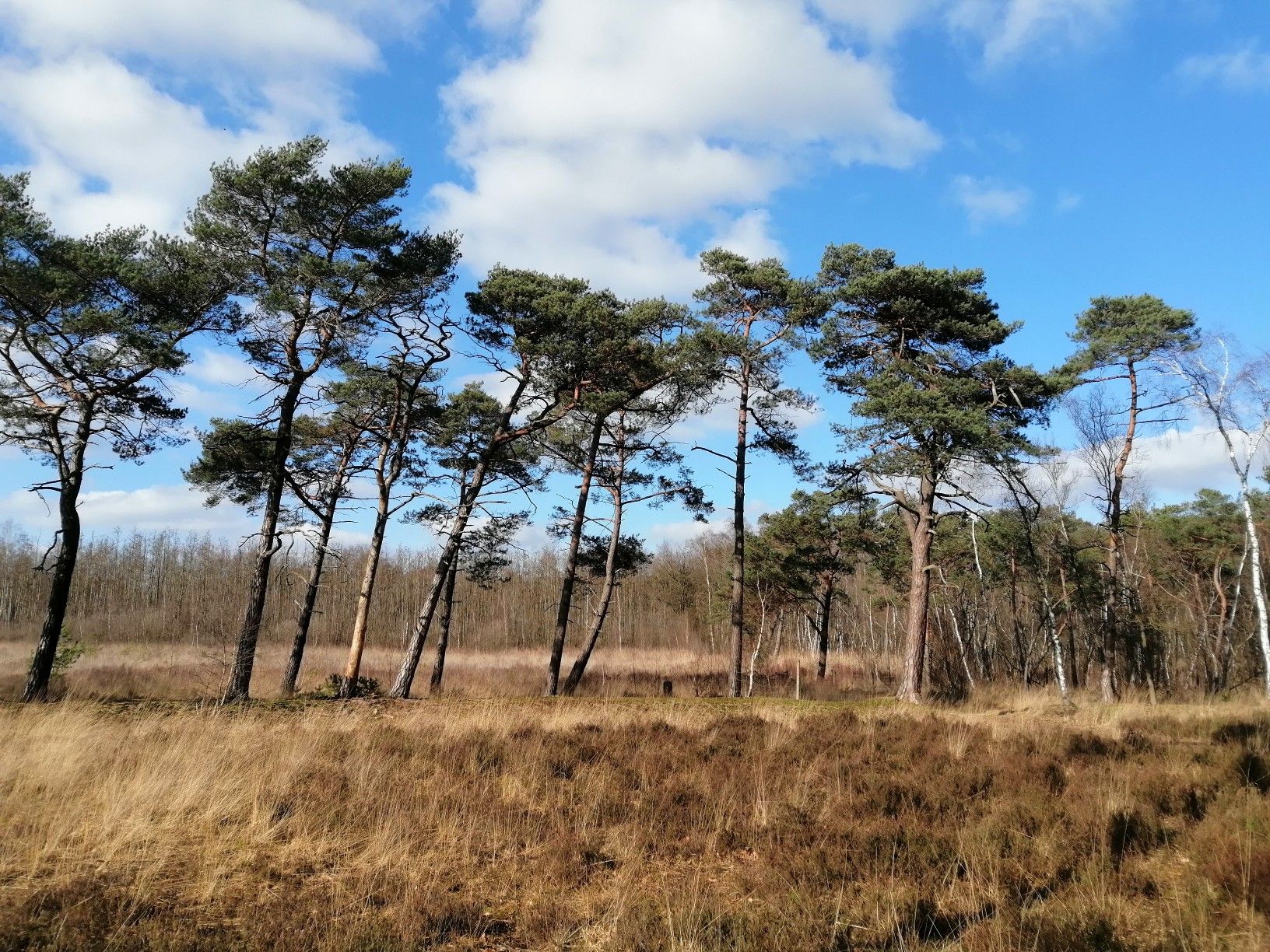
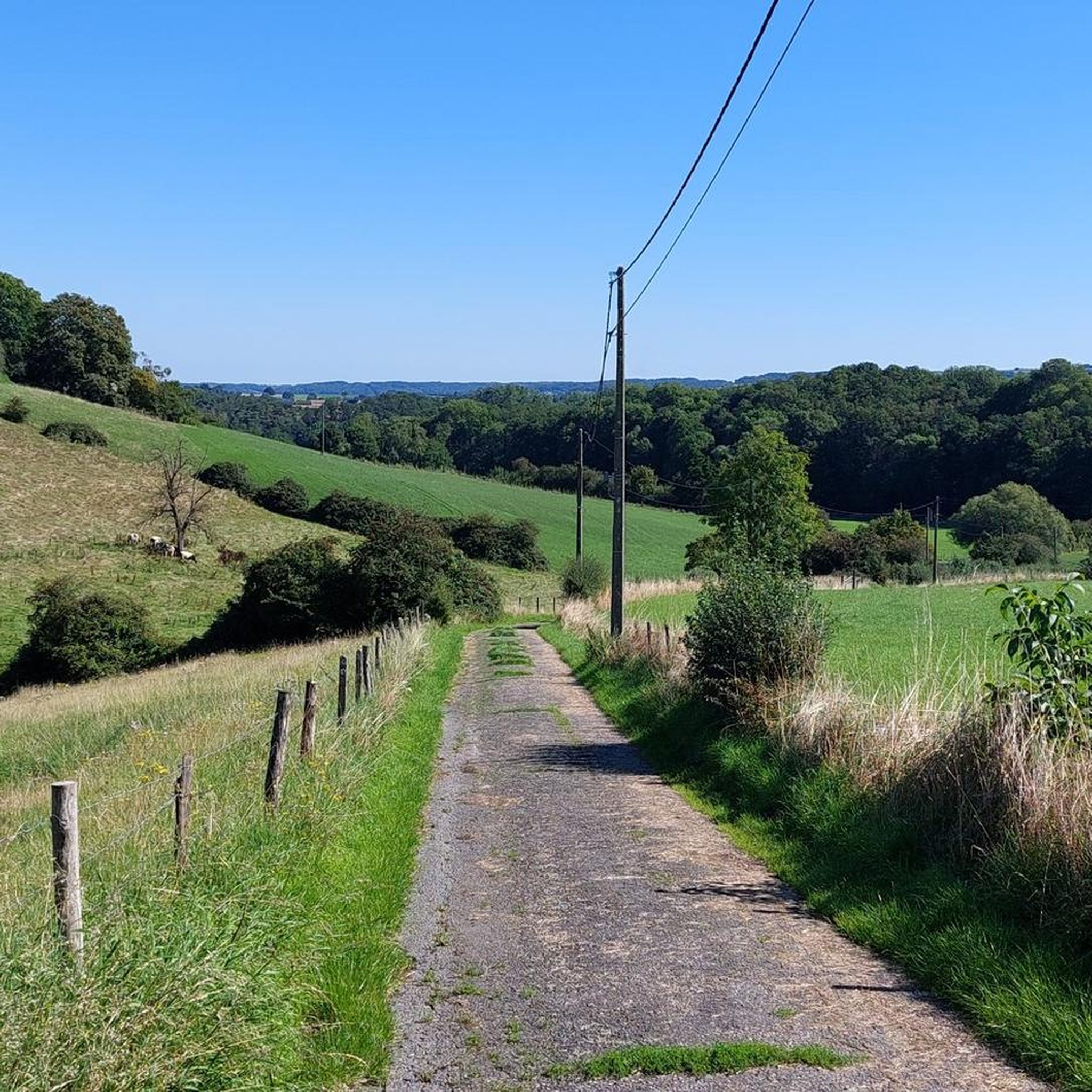
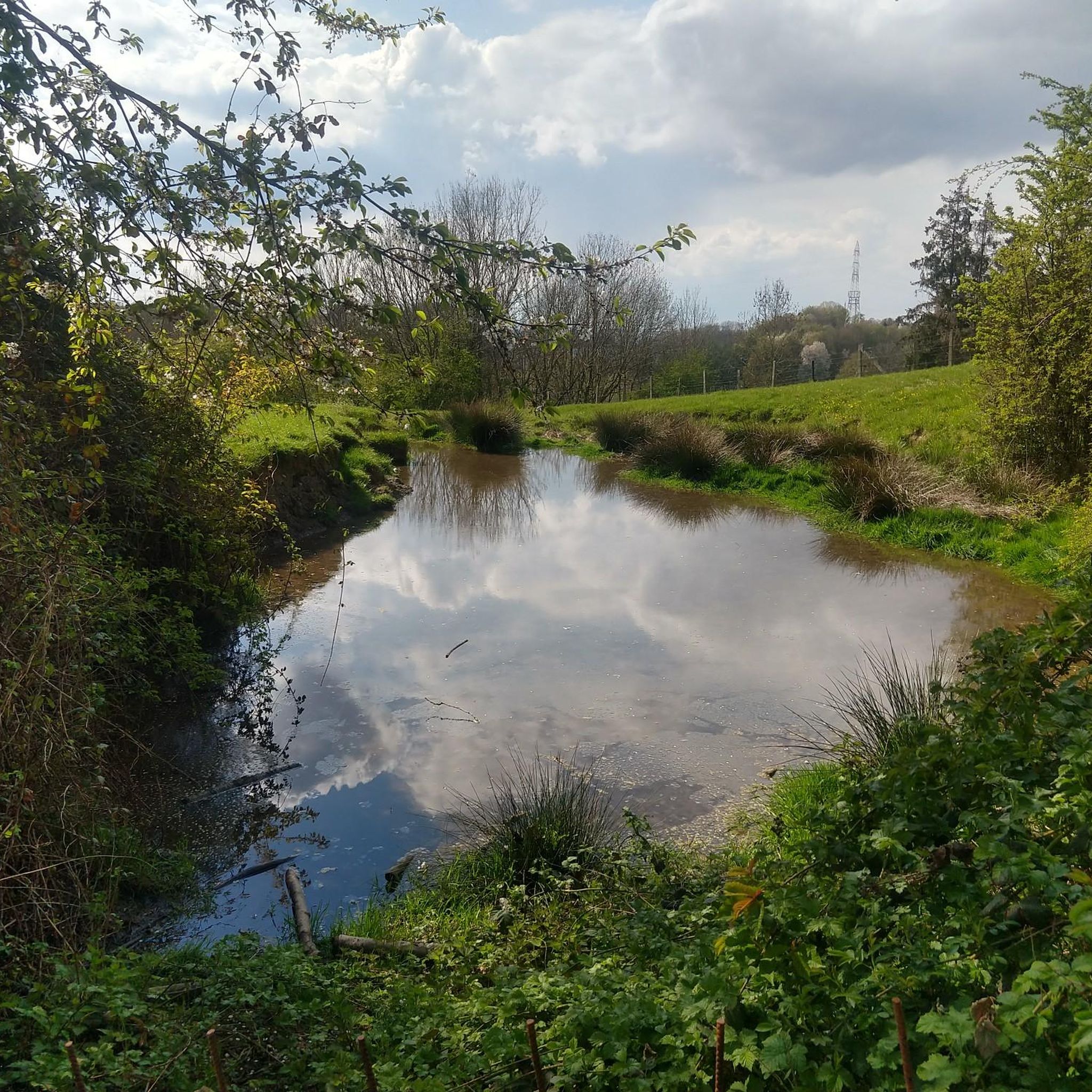

Other adventures around Blegny

Tips from the Community

Cozy corner with beautiful horses next to the path.
2
0
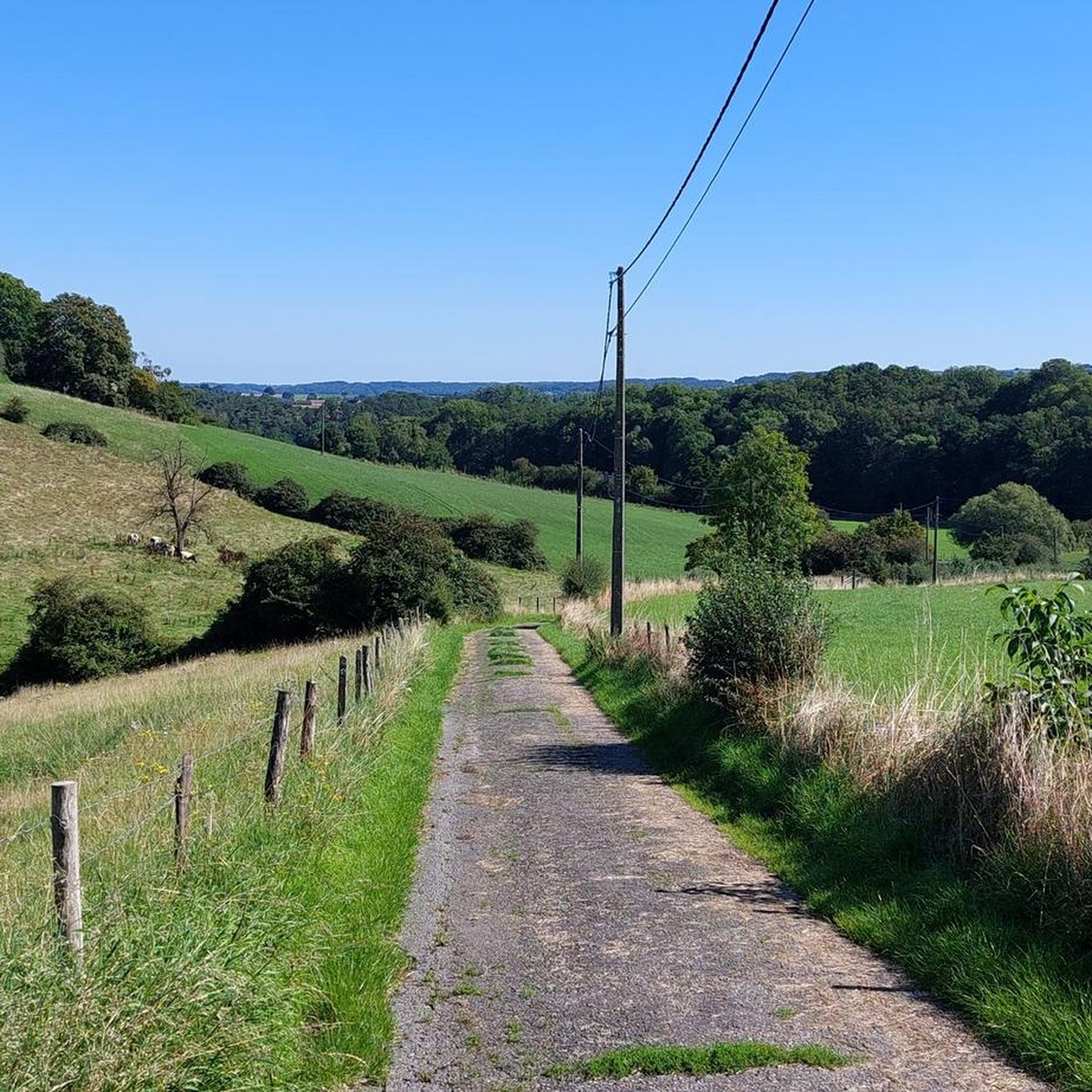
Beautiful natural path through meadows and forests in the Berwijndal. You might encounter cows in some meadows.
3
0
Beautiful valley with corresponding views. Very pleasant to stay in this environment.
3
0
A small bridge connecting landscapes.
2
0
Very pleasant and quiet… with here and there an opportunity to let the dog cool off in the Ri d’Asse.
3
0

Beautiful hiking trail through the valley of the Bacsay, a tributary of the Bolland
0
0
Frequently Asked Questions
What is the general difficulty of hiking trails in Blegny?
Blegny offers a diverse range of hiking trails. Out of over 200 routes, about 84 are considered easy, 96 are moderate, and 24 are difficult. This means there are options suitable for various fitness levels, from leisurely strolls to more challenging excursions.
What kind of terrain can I expect on hikes around Blegny?
The landscape around Blegny is shaped by late Quaternary glaciation, featuring interesting landforms like dry valleys and gravel deposits. You'll encounter forested hills, wild rivers, and areas that were once industrial landscapes now reclaimed by nature. The elevation changes are generally moderate, providing varied and engaging terrain.
Are there family-friendly hiking trails in Blegny?
Yes, Blegny has many trails suitable for families. The region's moderate elevation changes and diverse landscapes offer pleasant experiences for all ages. While specific family-friendly routes aren't detailed here, you can find numerous easy and moderate trails on komoot that are well-suited for outings with children.
Are dogs allowed on hiking trails in Blegny?
Generally, dogs are welcome on hiking trails in Blegny. However, it's always recommended to keep them on a leash, especially in nature reserves or areas with livestock, to ensure the safety and comfort of other hikers and wildlife. Specific local rules might apply in certain areas, so always look for signage.
What natural features or landmarks can I discover while hiking in Blegny?
Blegny's hiking trails offer access to several interesting natural features and historical sites. You can explore areas with dry valleys and forested hills. Nearby attractions include the Julienne Valley and the Horstergrub Dry Valley. The region is also known for its diverse natural monuments, lakes, and caves, such as the Thier des Vignes Flint Caves.
Are there any historical sites or points of interest along the routes?
Absolutely. The region is rich in history. You can hike around the UNESCO World Heritage site, Blegny Mine, which also serves as a starting point for several trails. Another notable site is the tranquil Val-Dieu Abbey, the only Belgian Abbey to survive the French Revolution, offering a peaceful environment for strolls.
What do other hikers enjoy most about hiking in Blegny?
The area is highly rated by the komoot community, with an average score of 4.4 stars from more than 700 reviews. Hikers often praise the diverse landscapes, from dry valleys and forested hills to the unique former industrial areas now reclaimed by nature. The variety of routes, catering to different ability levels, is also frequently highlighted.
Is parking available at trailheads in Blegny?
Yes, parking is generally available at or near many trailheads in Blegny, especially at popular starting points like the Blegny-Mine site. It's advisable to check specific route details on komoot for information on parking facilities for individual trails.
Can I reach hiking trails in Blegny using public transport?
While Blegny is accessible by public transport, direct access to all trailheads might vary. The Blegny-Mine site, a major attraction and starting point for many routes, is typically well-served. For specific routes, it's best to consult local public transport schedules and plan your journey accordingly.
Are there circular hiking routes available in Blegny?
Yes, many of the hiking trails in Blegny are designed as circular routes, offering convenient starting and ending points. Examples include the Dalhem Tunnel – Dalhem Tunnel loop from Dalhem and the Valley of the Asse Stream – Ri d'Asse loop from Julémont, allowing you to return to your starting point without retracing your steps.
What is the best time of year to go hiking in Blegny?
Blegny offers enjoyable hiking experiences throughout the year. Spring brings blooming nature, while summer provides warm weather for longer excursions. Autumn showcases beautiful fall foliage, and even winter can be picturesque, though some trails might be muddy or require appropriate gear. The region's moderate climate makes it accessible for hiking in most seasons.
Are there any caves or gorges to explore near Blegny?
Yes, the region around Blegny features several interesting geological formations. You can find guides to caves and gorges. Notable examples include the Thier des Vignes Flint Caves and the scenic Julienne Valley.
Most popular routes around Blegny
Most popular attractions around Blegny

Get inspired with the komoot mobile app


Explore more
Browse the best Hikes in other regions.
