Top 20 Castles around Flémalle
Best castles around Flémalle are situated in this municipality within the Belgian province of Liège, showcasing diverse historical periods and architectural styles. The region features structures ranging from medieval origins to 18th-century pleasure palaces. Many castles are set amidst natural landscapes, including the Ourthe valley, providing scenic backdrops. These sites offer a blend of historical significance and architectural interest for visitors.
Best castles around Flémalle
- The most popular castles is Colonster castle, a castle that was transformed from a…
Last updated: August 11, 2026
Colonster castle
Highlight • Castle
Translated by Google •
Tip by

Prince-Bishops' Palace, Liège
Highlight • Historical Site
Translated by Google •
Tip by
Sign up now to discover places like this
Get recommendations on the best single tracks, peaks, & plenty of other exciting outdoor places.
Sign up for free
Aigremont Castle
Highlight • Castle
Translated by Google •
Tip by

Lexhy Castle
Highlight • Castle
Translated by Google •
Tip by

Abbey of Brialmont
Highlight • Religious Site
The abbey is housed in a castle perched on a …
Translated by Google •
Tip by
Sign up for free to discover even more castles around Flémalle.
Sign up for free
Already have an account?
Start today with a free account
Your next adventure awaits.
Login or Signup
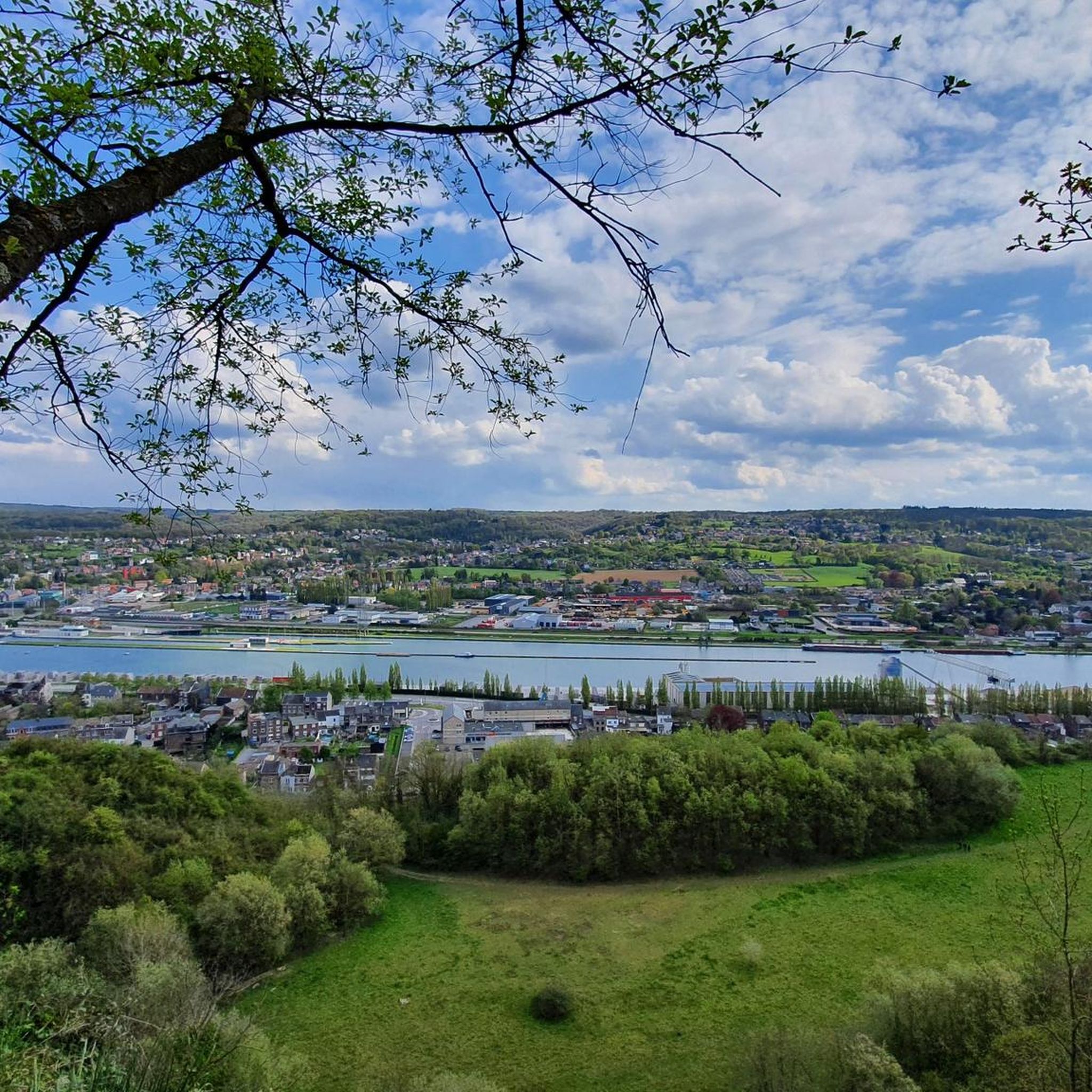
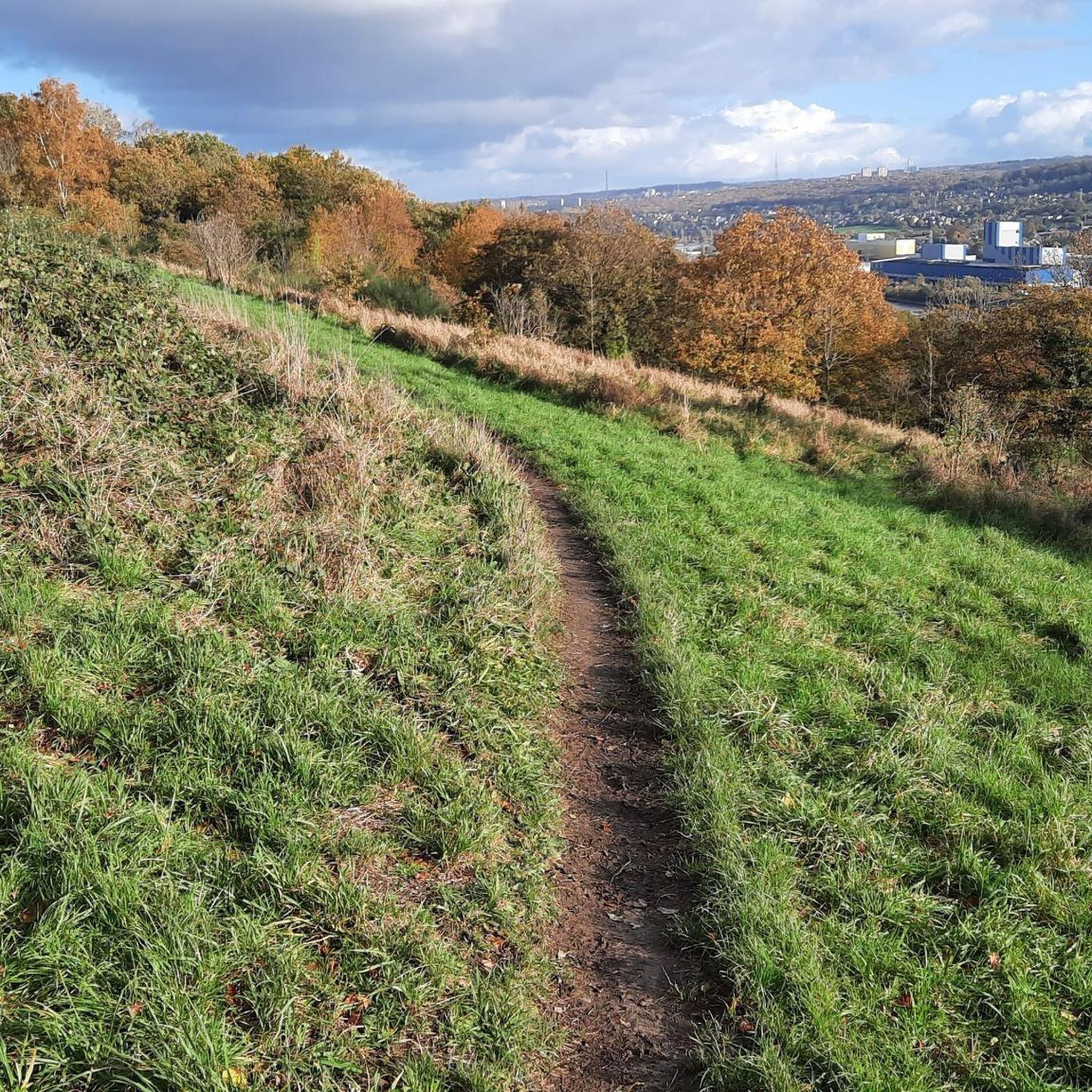
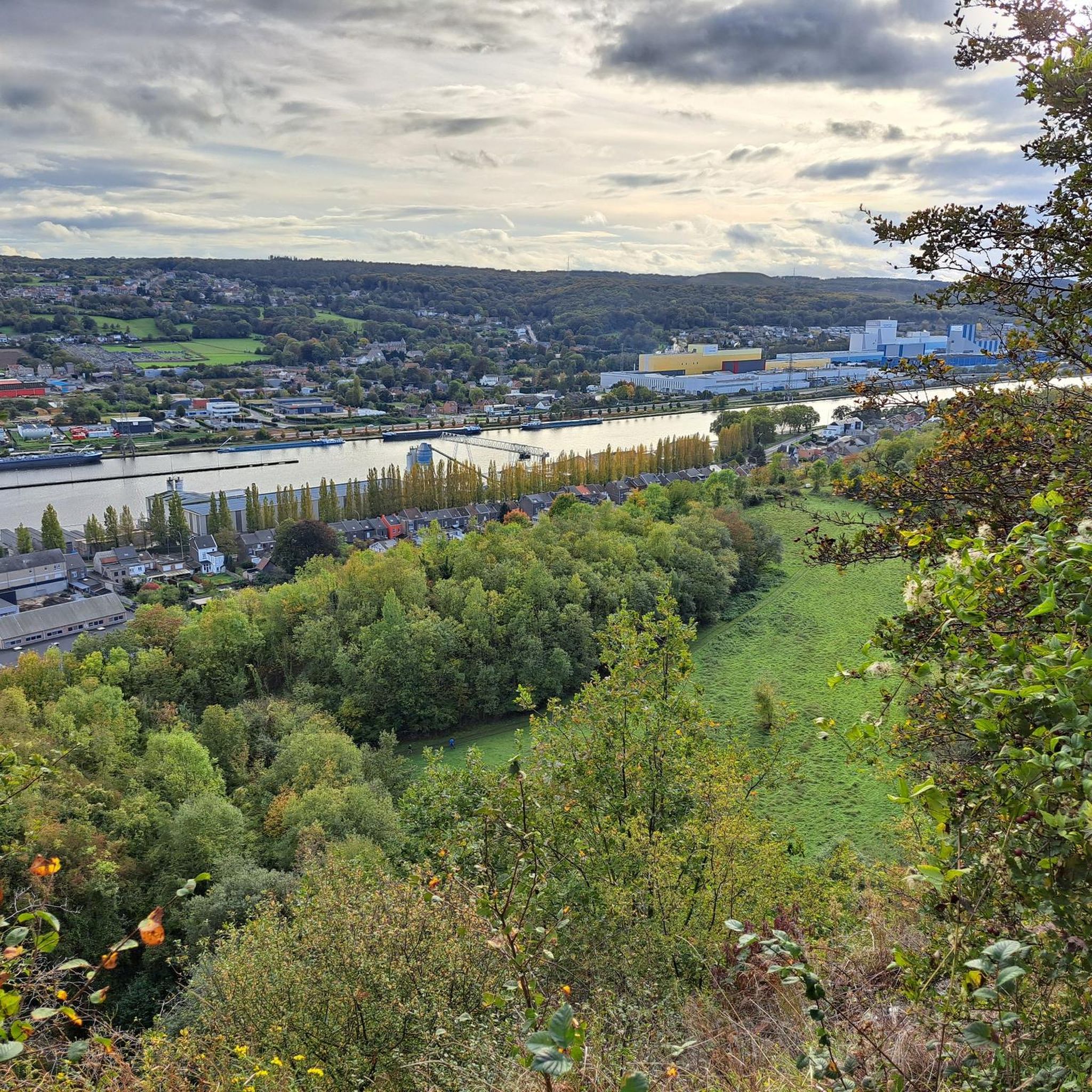
Tips from the Community

This is the former palace of the Prince-Bishops!
0
0

A castle built as a country retreat between 1717 and 1727 in the Louis XIVth style, then popular in the Meuse Valley, belonged to the Church of Liège. A fortress existed on the same site as early as 900. The estate also features a French-style garden with corner towers, and adjacent to the castle is the limestone castle farm. Now privately owned and in need of renovation.
1
0

Always interesting to read. You will definitely learn something.
5
0
The Château de Colonster is located in Sart-Tilman, on a rock overlooking the Ourthe valley, on the edge of the city of Liège. The castle and its park have been the property of the University of Liège since 1963. The first references to the castle date back to the fourteenth century. The castle owes its current appearance to Maximilian-Henry of Horion, Count of Horion. The interior of the castle is the work of artist Paul-Joseph Delcloche. In 1966, a fire destroyed a large part of the castle. The restoration and conversion took place under the direction of the architects Henri Lacoste and Jean Opdenberg.
9
0

The park features works from the Musée en Plein Air, including the two sculptures "Movement through Time and Space" (Stainless steel / Artist: Thierry Bontridder) and "Joie de vivre" (Bronze / Artist: Rik Wouters). Source: https://www.campus.uliege.be/cms/c_2223166/en/b25-colonster-castle
53
0
The complex includes several adjoining courtyards. The first courtyard is surrounded on all four sides by galleries with Gothic cross vaults resting on 60 columns. They are all designed differently and richly decorated with fantastic human figures and grotesque masks. They were probably inspired by the humanist way of thinking, the Renaissance and the discovery of the New World. Inside the building, numerous pieces from the time of the prince-bishops have been preserved, including their former private apartments. Source: https://www.visitezliege.be/de/offre/palais-des-princes-eveques#containerDescription
6
0

Aigremont Castle is a private castle owned by the Dumont Wauthier company. The Flémalle Tourist Office offers guided tours between April and October. Please visit the website www.flemalle.be for upcoming dates.
1
0
The Palace of the Prince-Bishops in the Belgian city of Liège is located on the Place Saint-Lambert in the heart of the city. Until the end of the 18th century, it was opposite the Saint-Lambert Cathedral, which was destroyed by revolutionaries. The current building, with its imposing façade, is the third building to house the Prince-Bishops of Liège. A first palace was integrated into the fortifications by Prince-Bishop Notger, but that building disappeared in a fire in 1185. It was rebuilt by Rudolf of Zähringen. This construction suffered greatly during the plundering of the city by the troops of Charles the Bold and also burned down in 1505. Everhard van der Marck, who became prince-bishop in 1505, began the construction of a new palace, the construction of which he entrusted to Arnold van Mulken in 1526. Construction lasted until the end of the 16th century. The very special courtyard (Cour d'Honneur) is surrounded by a colonnade with sixty Renaissance columns of different types. Some of the capitals are decorated with masks and heads with feather headdresses based on the Aztec model. Apparently the bishop was fascinated by the treasures of the Aztec empire that had been conquered in 1521. The south facade was completely renovated after a fire in 1734, under the direction of the Brussels architect Johannes Andreas Anneessens. In 1849, a new wing was built on the west side to house the provincial government. In 2010, the Justice Department and the provincial government occupied the former palace.
8
0
Frequently Asked Questions
What are the main historical castles to visit in Flémalle and its surroundings?
Flémalle offers a variety of historical sites. You can explore the 18th-century pleasure palace of Colonster Castle, known for its extensive park overlooking the Ourthe valley. Another significant site is Aigremont Castle, a remarkable example of early 18th-century Liège architecture. The Château de la Petite Flémal', also known as the Communal Castle of Flémalle, dates back to the early 17th century and features diverse gardens. Additionally, the Abbey of Brialmont, housed in a castle perched on a majestic rock, offers historical and scenic interest.
What architectural styles can I expect to see among the castles in Flémalle?
The castles in Flémalle showcase a range of architectural styles. For instance, Aigremont Castle is a prime example of early 18th-century Liège architecture, blending Louis XIV style with Mosan tradition. The Château de la Petite Flémal' evolved from an early 17th-century residence with 18th-century expansions. Colonster Castle, originally a fortress, was transformed into an 18th-century pleasure palace. The Prince-Bishops' Palace in Liège is noted for its Gothic style, with later Renaissance and 18th-century renovations.
Are there any castles with notable gardens or parks in the Flémalle area?
Yes, several castles in the area are known for their beautiful grounds. The Château de la Petite Flémal' boasts diverse gardens, including Italian, French, and English designs, perfect for strolling. Aigremont Castle is complemented by elegant French-style gardens. Colonster Castle features a 50-hectare park overlooking the Ourthe valley, which also hosts outdoor sculptures from the Musée en Plein Air.
What is the history behind the Château de la Petite Flémal'?
The Château de la Petite Flémal', also known as the Communal Castle of Flémalle, originated in the early 17th century as a private residence. It underwent significant expansion between 1710 and 1738, adding a second wing. Since 1938, it has served as the communal services building for Flémalle, with a third wing added in 1984. Its evolution reflects the changing administrative landscape of the region.
What makes Aigremont Castle unique?
Aigremont Castle stands out for its blend of Louis XIV style and Mosan tradition, making it an architecturally significant building from the early 18th century. While its exterior is austere, the interior is lavishly decorated with fine woodwork and impressive trompe-l'oeil frescoes on the staircase. Perched on a rocky ridge, it also offers picturesque views of the surrounding landscape.
Are there hiking trails near the castles in Flémalle?
Yes, the Flémalle area offers several hiking opportunities near its castles. For example, you can find routes like the 'Aux Roches Nature Reserve – Aigremont Castle loop' which passes by Aigremont Castle. Many trails offer views of the Ourthe valley. You can find more details on these routes in the Hiking around Flémalle guide.
Can I go cycling near the castles in Flémalle?
Absolutely. The region around Flémalle provides various cycling routes that can take you past some of the castles. Options range from moderate to difficult, such as the 'Meuse Valley and Hesbaye Castles Loop' or routes that offer views of other regional castles. For detailed cycling routes, refer to the Cycling around Flémalle guide or the Road Cycling Routes around Flémalle guide.
Are the castles in Flémalle family-friendly?
Many of the castles and their surrounding areas are suitable for families. For instance, the parks and gardens of the Château de la Petite Flémal' and Colonster Castle offer pleasant spaces for children to explore. The Prince-Bishops' Palace in Liège is also listed as family-friendly. Always check specific opening hours and access policies for interiors if planning a visit with children.
What is the best time of year to visit the castles in Flémalle?
The best time to visit the castles in Flémalle largely depends on your preferences. Spring and summer (April to September) offer pleasant weather for exploring the castle grounds and gardens, which are often in full bloom. Autumn (October) can also be beautiful with changing foliage. Winter visits might be quieter, but some outdoor areas or specific castle interiors might have reduced hours or accessibility.
How can I access the Château de la Petite Flémal'?
The park and gardens of the Château de la Petite Flémal' are freely accessible year-round for leisurely visits. For interior castle visits, it is generally available by request for groups of at least 10 people. You can find more information on visiting hours and group bookings via Visit Wallonia.
Is there public transport or parking available for Aigremont Castle?
While specific public transport routes directly to Aigremont Castle can vary, it is located on a ridge between Liège and Huy, making it accessible by car. Parking options are typically available nearby, though it's always advisable to check local signage upon arrival. The castle's scenic location often means it's best reached by personal vehicle or as part of a planned tour.
Are there any hidden gem castles in the Flémalle region?
Beyond the more prominent sites, Lexhy Castle, a 19th-century structure built on the site of much older fortifications, offers a glimpse into the region's history. It features a large park and has been converted into residential apartments, though its exterior and grounds can still be appreciated. The Abbey of Brialmont, with its castle origins and stunning views over the Ourthe valley, also provides a unique historical and natural experience.
Most popular routes around Flémalle
Most popular attractions around Flémalle

Get inspired with the komoot mobile app


Explore more
Looking for the best castles somewhere else? Discover other guides around Flémalle:
