The best road cycling routes around Fléron
4.3
(427)
19,774
riders
10
rides
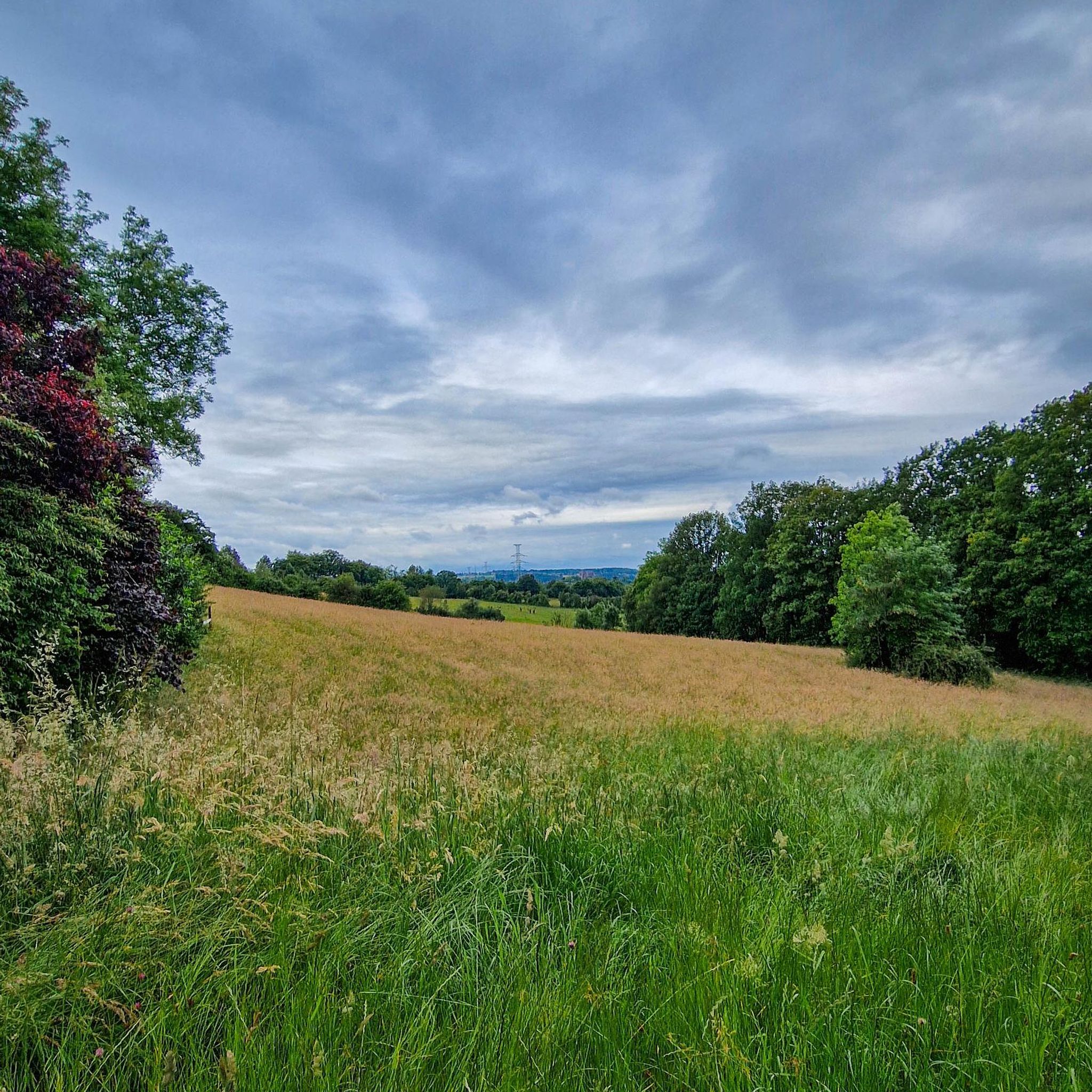
Road cycling routes around Fléron traverse the diverse landscapes of the Pays de Herve, characterized by rolling hills, hedgerows, and wooded terrain. The region benefits from the extensive RAVeL network, offering paved paths along former railway lines. This provides cyclists with varied topography, including both gentle stretches and challenging climbs. Fléron's position at the entrance to the Pays de Herve and its proximity to the Ardennes contribute to a range of road cycling experiences.
Best road cycling routes around Fléron
…Last updated: May 17, 2026
4.5
(6)
183
riders
42.5km
01:44
260m
260m
Easy road ride. Great for any fitness level. Mostly well-paved surfaces and easy to ride.
5.0
(2)
74
riders
44.2km
02:05
400m
400m
Moderate road ride. Good fitness required. Mostly well-paved surfaces and easy to ride.

Sign up for free
4.0
(1)
38
riders
78.7km
03:42
850m
850m
Moderate road ride. Good fitness required. Some segments of this route may be unpaved and difficult to ride.
29
riders
39.8km
01:49
320m
320m
Moderate road ride. Good fitness required. Some segments of this route may be unpaved and difficult to ride.
4.0
(1)
27
riders
34.0km
01:46
500m
500m
Moderate road ride. Good fitness required. Mostly well-paved surfaces and easy to ride.
Get access to more routes and recommendations from other explorers.
Sign up for free
Already have an account?
Our route recommendations are based on thousands of hikes, rides, and runs completed by other people on komoot.
Start today with a free account
Your next adventure awaits.
Login or Signup

Other adventures around Fléron

Tips from the Community

The fort of Chaudfontaine is one of the twelve forts built for the defense of Liège, in Belgium, at the end of the 19th century on the initiative of the Belgian general Henri Alexis Brialmont. Built from 1888 to 1892, as a modern concrete infrastructure, equipped with the most modern weapons of the time, the fort of Chaudfontaine is one of the six small forts of the Liège belt. Dominating the Vesdre valley on the right bank at an altitude of 220 m, it is located, with that of Embourg, south of the fort of Fléron and east of that of Boncelles. During the First World War, after two days of resistance, the fort surrendered on August 13, 1914, following the explosion of a German shell in the vault of the ammunition store. The street leading to the fort was renamed "rue du XIII Août" and a military cemetery was established there, as well as a monument in homage to 50 of the 71 victims buried in the necropolis and who perished in the fire of the fort (explosion). In 1933, the fort was renovated, rearmed, and consolidated. A thick layer of reinforced concrete, intended to withstand the heaviest equipment, reinforced the vaults. During the Second World War, during the Battle of France, the fort resisted for a few days, but, shelled by the Luftwaffe from the morning of May 17, 1940, it was abandoned at the end of the day after the explosion of a German grenade inside, then a shell at the entrance. A shooting club called "La Trairie" has been located there since 1983 in the casemates defending the moats. Since the 1990s, the fort of Chaudfontaine, renamed "Fort Adventure", has been occupied and developed by a company that organizes adventure courses there, for adults as well as for children.
1
0
The military cemetery of Chaudfontaine
1
0
Reminiscent of the golden age of railways
1
0

Looks impressive even from below
5
0

Built in 1738 in a striking, slender, vertical style, adapted to the narrow streets. Here too, a large cellar opening onto the street. Many houses of that period had one. This indicated an additional activity, such as a small forge in the cellars where nails were made, for which the village was also known. The cloth industry also took place in the large natural stone building with a courtyard across the street.
0
0
The castle, already mentioned in the 14th century, was severely damaged by the 1692 earthquake and was rebuilt between 1723 and 1749 in the Louis XV style. The L-shaped outbuildings with their two square towers, built around 1746 on the site of the old castle, are closer to the Louis XIII style. Around 1857, Henri de Woelmont filled in the moat and removed the drawbridge. The castle is still owned by the same family today.
0
0

The center of Aubel, located in the Land of Herve, is a charming village center with historic buildings, a lively market and a rich tradition of regional products such as syrup, cheese and cider.
12
0
Frequently Asked Questions
How many road cycling routes are available around Fléron?
There are over 10 road cycling routes around Fléron, offering a variety of experiences. These routes are highly rated by the komoot community, with an average score of 4.3 stars from nearly 400 reviews.
What kind of terrain can I expect when road cycling in Fléron?
Road cycling around Fléron primarily takes you through the diverse landscapes of the Pays de Herve. You can expect rolling hills, picturesque hedgerows, and wooded terrain. The region also benefits from the extensive RAVeL network, which provides comfortable, paved paths, often along old railway lines, offering a mix of gentle stretches and some challenging climbs.
Are there easy road cycling routes suitable for beginners in Fléron?
Yes, Fléron offers easy road cycling routes perfect for beginners. For example, the Herve Viaduct – Fort Battice loop from Fléron is an easy 26.7-mile (42.9 km) trail that provides a continuous ramp towards the Herve Plateau through a green setting with bocage landscapes.
Are there more challenging road cycling options for experienced riders?
Absolutely. While many routes offer gentle stretches, the varied topography of the Pays de Herve and proximity to the Ardennes provide challenging climbs for experienced riders. Routes like the View of Limbourg – Herve Viaduct loop from Fléron, at 44.2 miles (71.1 km) with over 700 meters of elevation gain, offer a more demanding experience.
What scenic views or landmarks can I see along the road cycling routes?
Many routes offer scenic views of the Pays de Herve's bocage landscapes and wooded foothills. You might encounter historical sites like the Fort Battice Memorial, or pass by the tranquil Val-Dieu Abbey, a historic abbey where you can find local products. The region is known for its picturesque hedgerows and rolling terrain.
Are there any historical sites or cultural points of interest accessible by bike?
Yes, several historical and cultural points are accessible. The Val Dieu Abbey loop from Fléron takes you directly to the historic Val-Dieu Abbey. Other nearby attractions include the Fort Battice Memorial and various castles such as Colonster castle, which can be incorporated into longer rides.
Are there circular road cycling routes around Fléron?
Yes, all the featured road cycling routes around Fléron are designed as loops, allowing you to start and end your ride in the same location. This includes popular options like the Avenue de Soiron – Historic Center of Soiron loop from Fléron.
What is the best time of year for road cycling in Fléron?
The spring, summer, and early autumn months generally offer the most pleasant conditions for road cycling in Fléron, with milder temperatures and lush green landscapes. The Pays de Herve is particularly beautiful when the hedgerows are in full bloom or displaying autumn colors.
Are there family-friendly road cycling routes in Fléron?
The RAVeL network around Fléron provides excellent options for family-friendly cycling. These non-motorized paths, often built along old railway lines, offer comfortable and safe routes with mostly paved surfaces, suitable for various skill levels, including families with children.
Where can I find parking for road cycling routes in Fléron?
While specific parking areas for each route are not detailed, Fléron, being a 'town in the countryside,' generally offers parking options within the town center or at the start points of popular trails. It's advisable to check local parking regulations upon arrival.
Can I access road cycling routes in Fléron using public transport?
Fléron is part of the broader Liège province, which has public transport connections. While specific bike access on public transport varies, the town's integration into the RAVeL network means many routes are accessible from various points, potentially near bus stops or train stations in the wider region.
Are there cafes or pubs near the cycling routes in Fléron?
Yes, as you cycle through the Pays de Herve and near Fléron, you'll find opportunities to stop at local establishments. The Val-Dieu Abbey, for instance, has an old barn transformed into a brewery where you can enjoy local products. Many villages along the routes will offer cafes and pubs for refreshments.
Most popular attractions around Fléron

Get inspired with the komoot mobile app


Explore more
Browse the best Road cycling routes in other regions.
