Top 20 Castles around Soumagne
Best castles around Soumagne are found in the municipality of Soumagne, located in the province of Liège, Belgium. This region is characterized by its historical significance and varied landscape. The area features both fortified defensive structures and stately aristocratic homes. Soumagne offers a blend of cultural heritage and natural environments for exploration.
Best castles around Soumagne
- The most popular castles is Ruins of Franchimont Castle, a castle that is an old medieval fortress built in the 11th century on…
Last updated: May 11, 2026
Ruins of Franchimont Castle
Highlight • Castle
Translated by Google •
Tip by

Clermont-sur-Berwinne Village Center
Highlight • Settlement
The entire town center is worth seeing, but especially the church from 1695 dedicated to Saint James the Elder, the …
Translated by Google •
Tip by

Sign up now to discover places like this
Get recommendations on the best single tracks, peaks, & plenty of other exciting outdoor places.
Sign up for free
Colonster castle
Highlight • Castle
Translated by Google •
Tip by

Fort Battice Memorial
Highlight • Historical Site
Viewing possible, see link, on the photos you can see block 1, which is a reminder and monument of Belgium.
Translated by Google •
Tip by

Prince-Bishops' Palace, Liège
Highlight • Historical Site
Translated by Google •
Tip by
Sign up for free to discover even more castles around Soumagne.
Sign up for free
Already have an account?
Start today with a free account
Your next adventure awaits.
Login or Signup
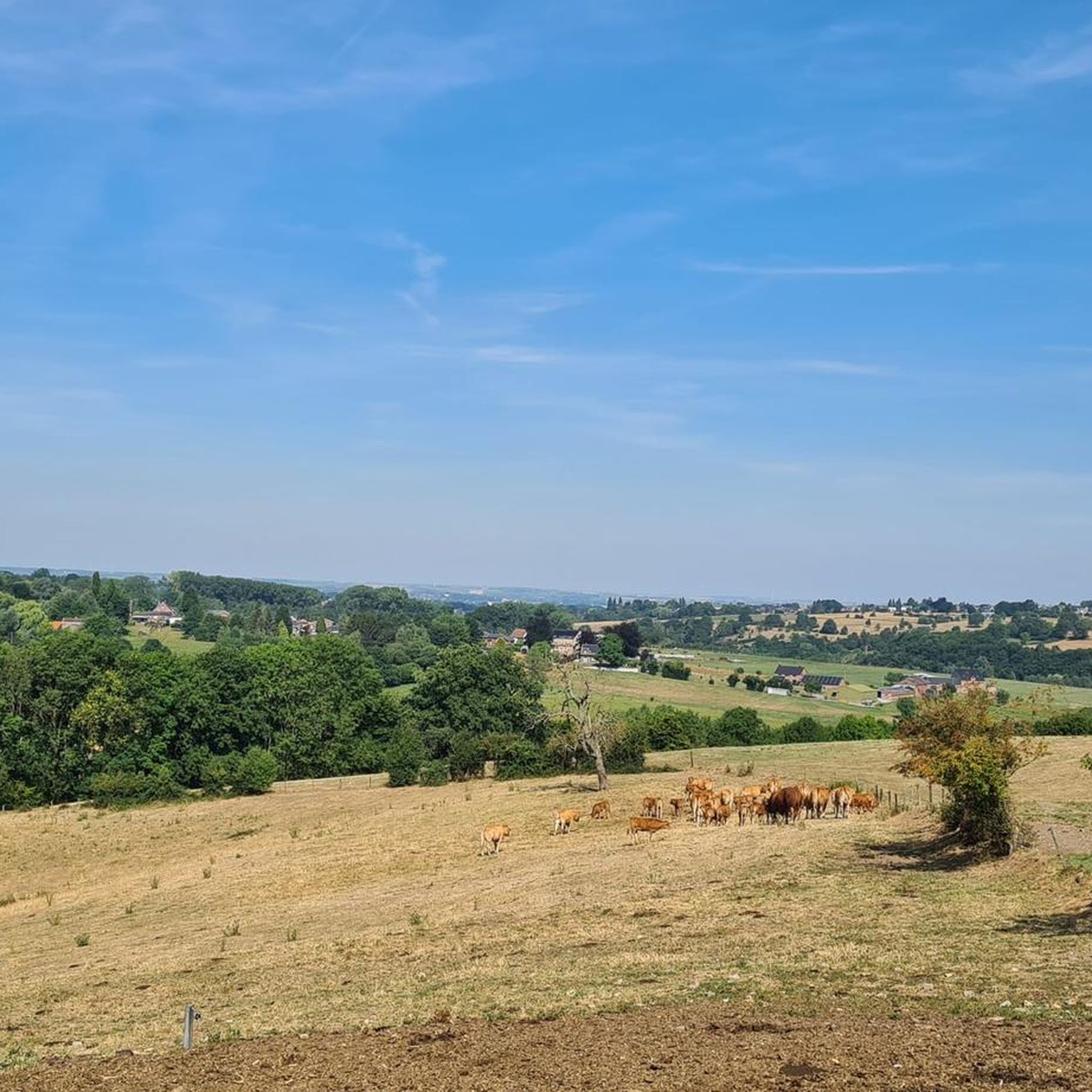
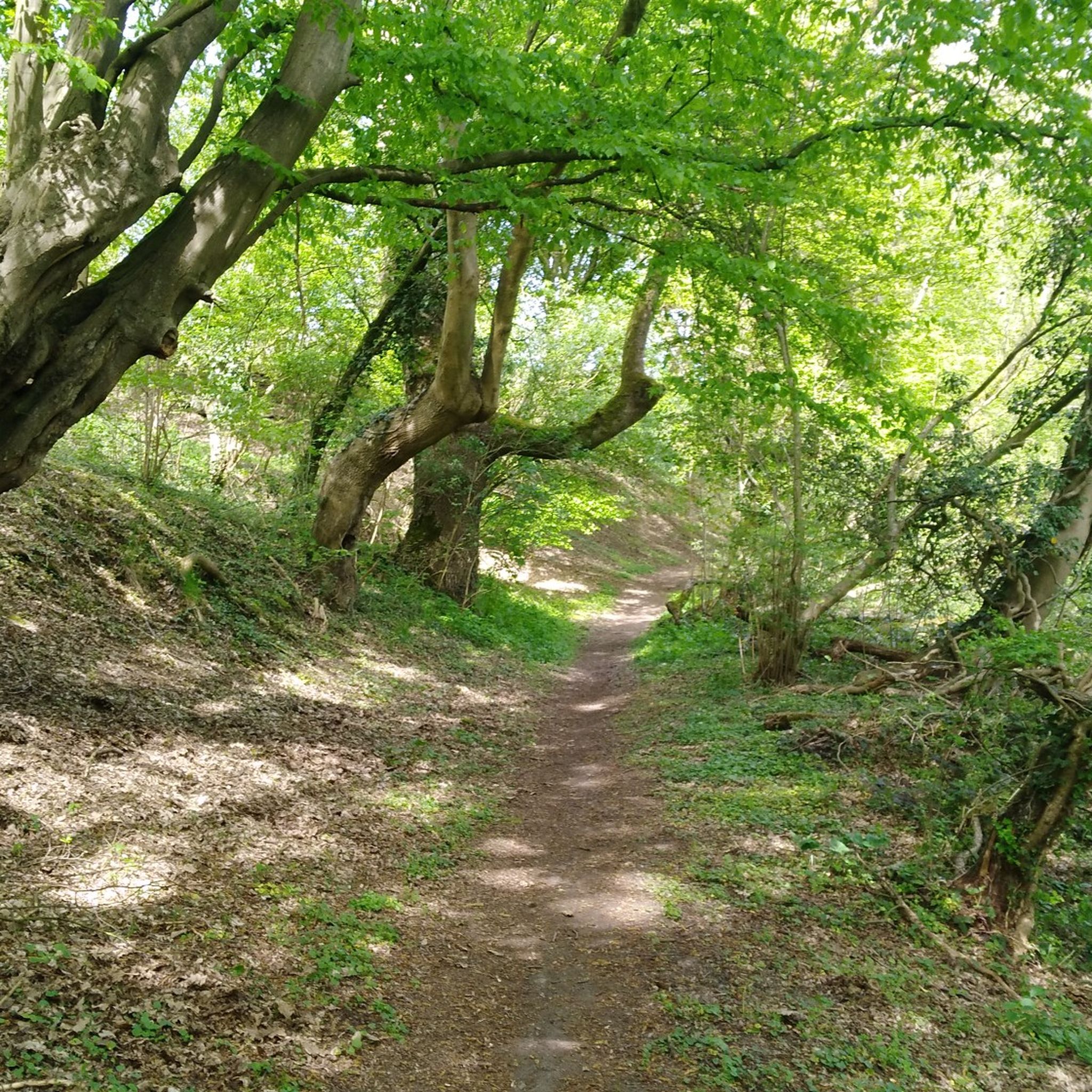
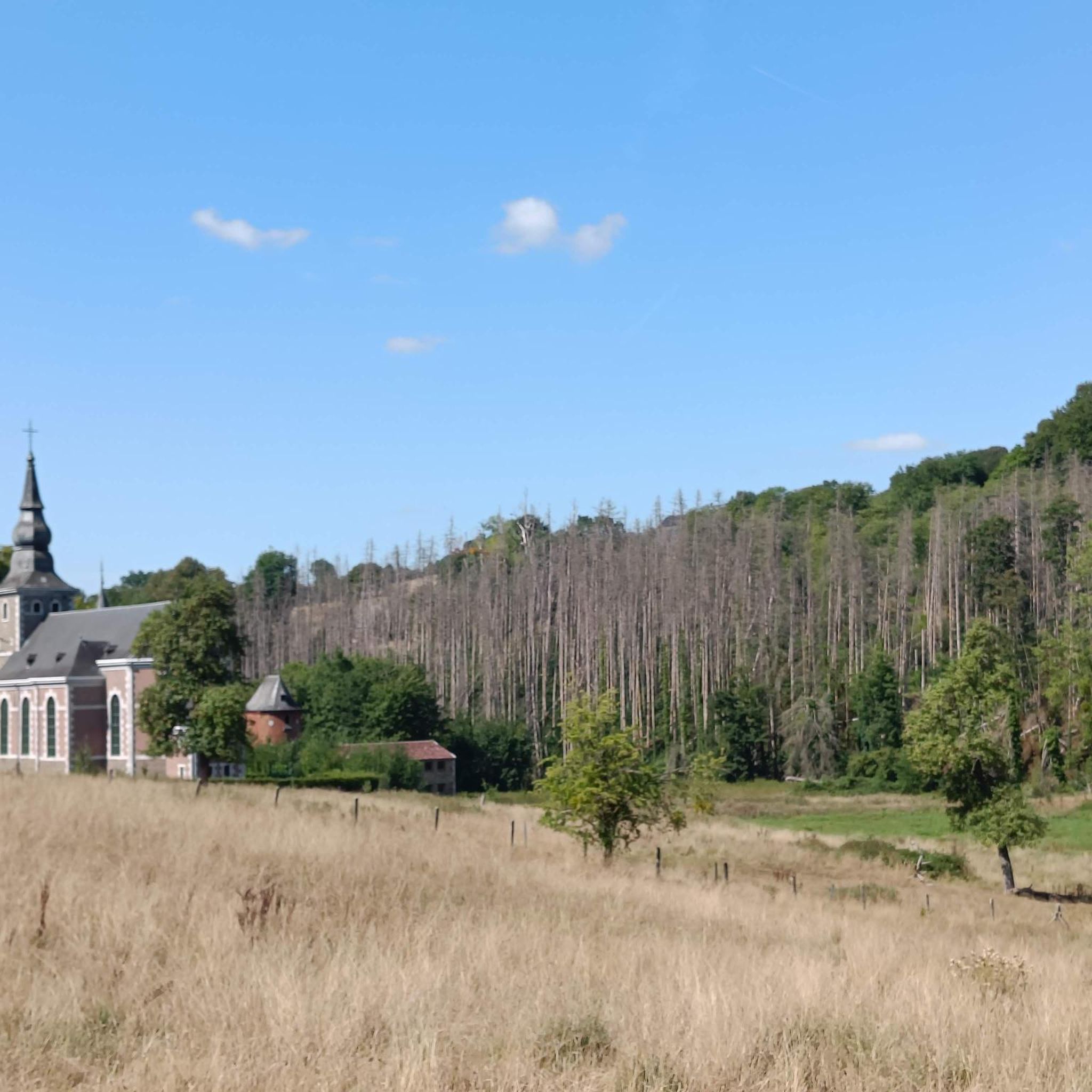
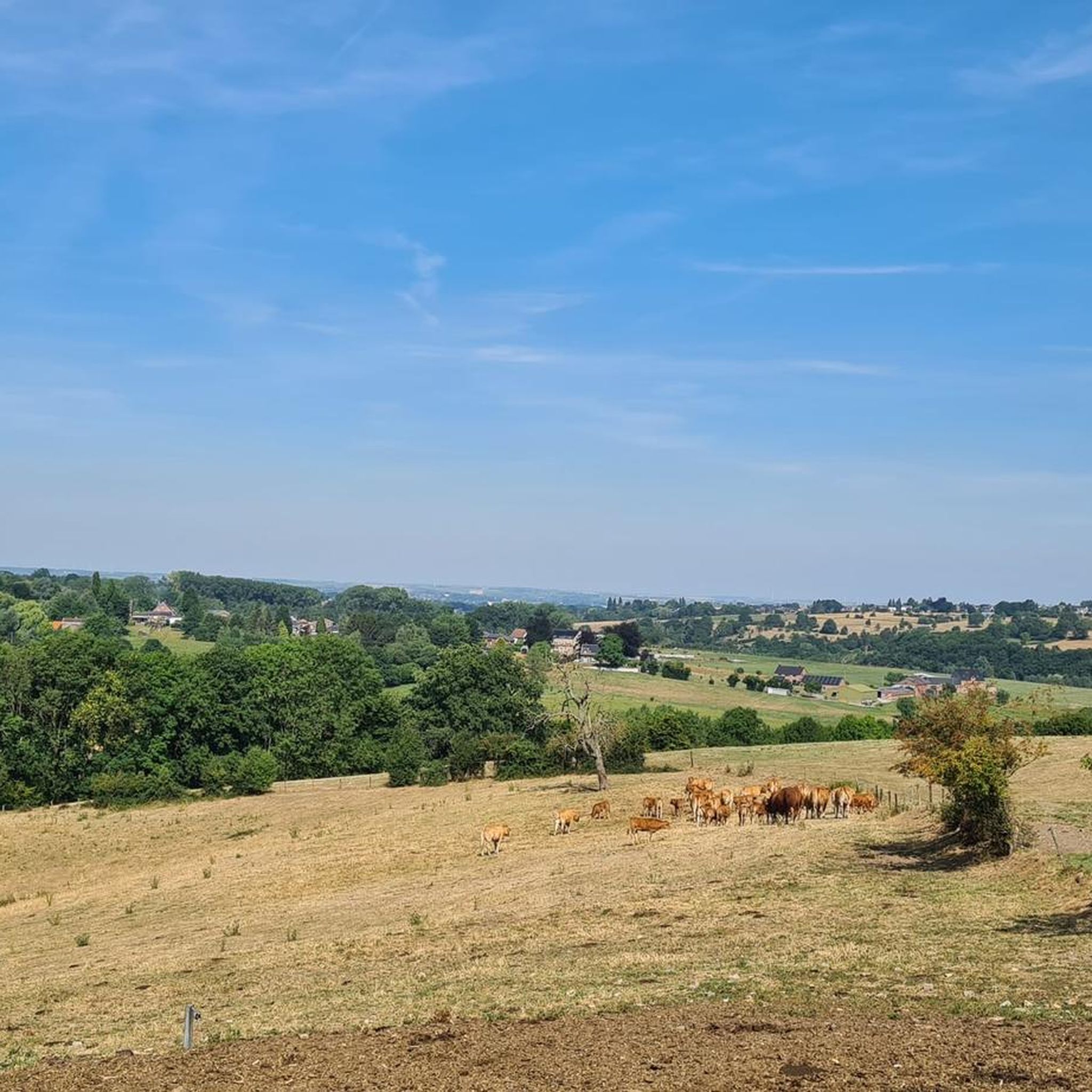
Tips from the Community

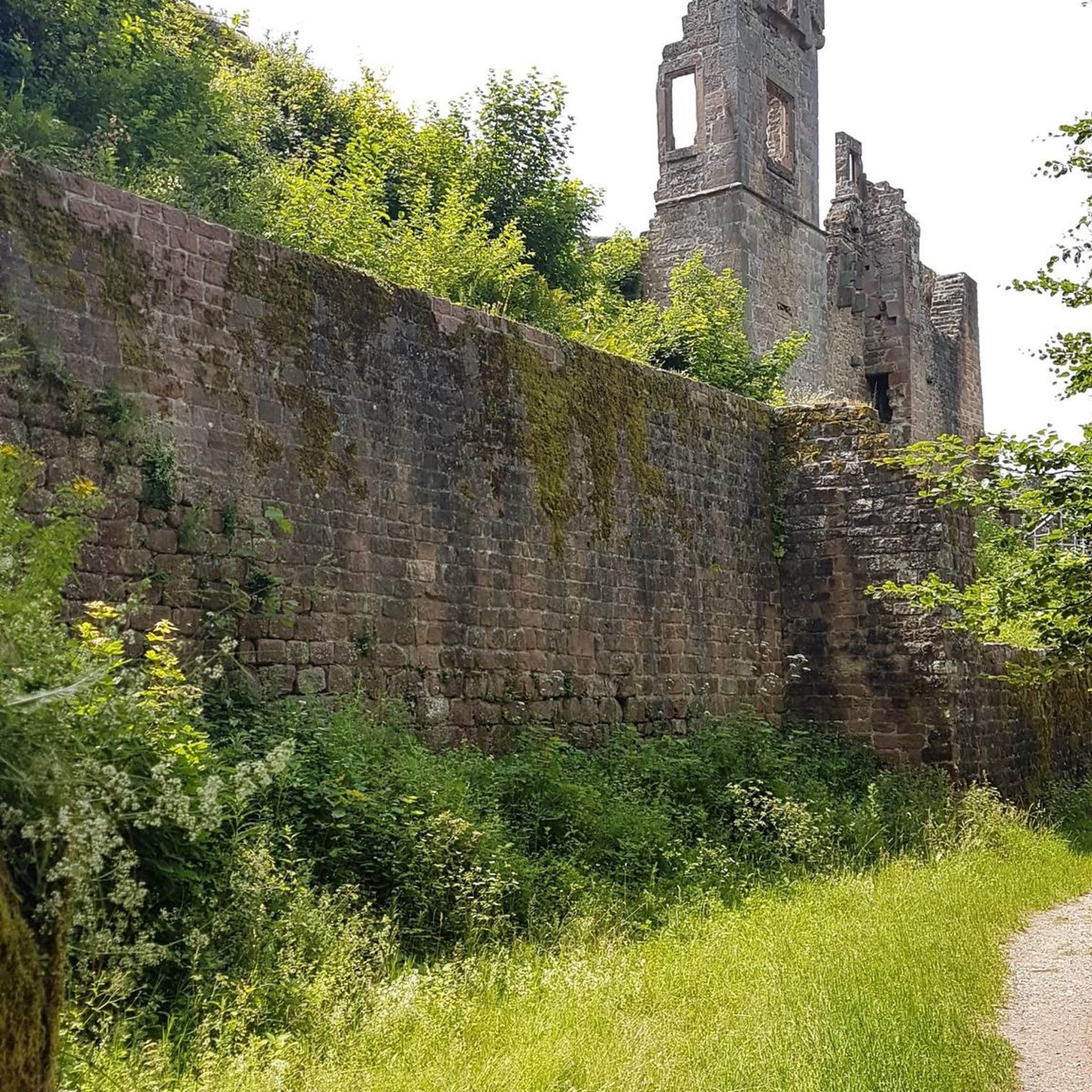
The castle's origins date back to the 11th century. It was first documented in 1155, but the first buildings probably date back to the time of Bishops Henry of Verdun (1075–1091) and Otbert (1091–1119). As one of twelve residences of the Prince-Bishop of Liège, it served to defend the eastern border of the principality.
35
0

Always interesting to read. You will definitely learn something.
5
0
The Château de Colonster is located in Sart-Tilman, on a rock overlooking the Ourthe valley, on the edge of the city of Liège. The castle and its park have been the property of the University of Liège since 1963. The first references to the castle date back to the fourteenth century. The castle owes its current appearance to Maximilian-Henry of Horion, Count of Horion. The interior of the castle is the work of artist Paul-Joseph Delcloche. In 1966, a fire destroyed a large part of the castle. The restoration and conversion took place under the direction of the architects Henri Lacoste and Jean Opdenberg.
9
0
The park features works from the Musée en Plein Air, including the two sculptures "Movement through Time and Space" (Stainless steel / Artist: Thierry Bontridder) and "Joie de vivre" (Bronze / Artist: Rik Wouters). Source: https://www.campus.uliege.be/cms/c_2223166/en/b25-colonster-castle
53
0
The complex includes several adjoining courtyards. The first courtyard is surrounded on all four sides by galleries with Gothic cross vaults resting on 60 columns. They are all designed differently and richly decorated with fantastic human figures and grotesque masks. They were probably inspired by the humanist way of thinking, the Renaissance and the discovery of the New World. Inside the building, numerous pieces from the time of the prince-bishops have been preserved, including their former private apartments. Source: https://www.visitezliege.be/de/offre/palais-des-princes-eveques#containerDescription
6
0
The Palace of the Prince-Bishops in the Belgian city of Liège is located on the Place Saint-Lambert in the heart of the city. Until the end of the 18th century, it was opposite the Saint-Lambert Cathedral, which was destroyed by revolutionaries. The current building, with its imposing façade, is the third building to house the Prince-Bishops of Liège. A first palace was integrated into the fortifications by Prince-Bishop Notger, but that building disappeared in a fire in 1185. It was rebuilt by Rudolf of Zähringen. This construction suffered greatly during the plundering of the city by the troops of Charles the Bold and also burned down in 1505. Everhard van der Marck, who became prince-bishop in 1505, began the construction of a new palace, the construction of which he entrusted to Arnold van Mulken in 1526. Construction lasted until the end of the 16th century. The very special courtyard (Cour d'Honneur) is surrounded by a colonnade with sixty Renaissance columns of different types. Some of the capitals are decorated with masks and heads with feather headdresses based on the Aztec model. Apparently the bishop was fascinated by the treasures of the Aztec empire that had been conquered in 1521. The south facade was completely renovated after a fire in 1734, under the direction of the Brussels architect Johannes Andreas Anneessens. In 1849, a new wing was built on the west side to house the provincial government. In 2010, the Justice Department and the provincial government occupied the former palace.
8
0
The castle was first mentioned in the 14th century, but its current appearance is that of an 18th-century reconstruction by Maximilien-Henri de Horion, who transformed it from a fortress into a pleasure palace, with interiors decorated by Paul-Joseph Delcloche. The castle and its park were acquired by the University of Liège in 1963. Source: https://www.campus.uliege.be/cms/c_2223166/en/b25-colonster-castle
53
0
The Prince-Bishop's Palace, which today houses the Palace of Justice and the seat of the provincial government, is often cited as one of the largest civil buildings in the Gothic style in the world.
56
0
Frequently Asked Questions
What types of historical castles can I explore around Soumagne?
The Soumagne region offers a diverse range of historical castles. You can find ancient medieval fortresses like the Ruins of Franchimont Castle, which dates back to the 11th century. There are also reconstructed pleasure palaces such as Colonster castle, and castles with industrial heritage like Fenderie Castle, linked to the area's metallurgy.
Are there castles with significant architectural styles in the area?
Yes, the region features castles with distinct architectural styles. The Château de Wégimont, for instance, is a prominent example of Mosan Renaissance architecture. Colonster castle, while originally medieval, was reconstructed in the 18th century into a pleasure palace with elegant interiors.
Can I visit medieval ruins around Soumagne?
Absolutely. The Ruins of Franchimont Castle are an excellent example of an old medieval fortress built on a rocky outcrop. The site is known for its imposing ruins and hosts a medieval fair in odd-numbered years.
Are there castles with parks or natural areas for walking?
Yes, several castles offer beautiful natural surroundings. The Château de Wégimont is set within a vast 22-hectare wooded park, which is open to the public for walks and recreation. Colonster castle is located within a 50-hectare park that overlooks the Ourthe valley and is part of a nature reserve.
What outdoor activities can I do near the castles around Soumagne?
The area around Soumagne's castles is great for outdoor activities. You can find numerous hiking and cycling routes. For example, the 'Biscuit Tree – Melen Village Walk' is a moderate hiking loop near Melen. For cycling, routes like 'Wayside Cross on Rue Biomont – Tribomont Castle loop' offer scenic rides. You can explore more options on the hiking and cycling guides for Soumagne.
Are there family-friendly castles to visit around Soumagne?
Yes, there are options suitable for families. The Clermont-sur-Berwinne Village Center, while not a full castle, features remnants of a former castle and is part of a charming village recognized as family-friendly. Colonster castle, with its expansive park and sculptures, also offers a pleasant experience for families.
What is the history of Château de Wégimont?
The Château de Wégimont, located in Ayeneux, has origins dating back to the 15th century, though it was significantly expanded in the 17th and 18th centuries in the Mosan Renaissance style. It includes moats and a stone bridge. Historically, it was partially damaged in 1636 and later served as a 'Lebensborn' maternity home during World War II. Today, it functions as a provincial domain.
What is the history of Château de Melen?
The Château de Melen, situated in Melen, was constructed in 1706 and has undergone multiple expansions and reconstructions. It is notable for two square towers added in 1885 and its distinctive U-shaped layout, which includes two wings with farm buildings. While parts of the residential section have been demolished, a commemorative stone remains.
Are there any castles related to industrial history in the region?
Yes, Fenderie Castle is a 17th-century castle linked to the metallurgy of the surrounding area. It features a hydraulic mechanism along the Vesdre river, reflecting the region's past in ironworking and arms manufacturing.
What is the best time to visit the castles around Soumagne?
The best time to visit the castles around Soumagne is generally during the spring and summer months (April to September) when the weather is mild and the castle parks and surrounding natural areas are at their most beautiful. This period is also ideal for outdoor activities like hiking and cycling.
Are there any historical sites related to more recent history?
Yes, the Fort Battice Memorial is a significant historical site. It is one of the four forts built before World War II, besieged for 12 days in May 1940. It now houses a museum and offers guided tours, providing a testimony to recent history.
Most popular routes around Soumagne
Most popular attractions around Soumagne

Get inspired with the komoot mobile app


Explore more
Looking for the best castles somewhere else? Discover other guides around Soumagne:
