Attractions and Places To See around Lontzen - Top 20
Attractions and places to see around Lontzen include a blend of historical landmarks, unique natural landscapes, and cultural insights. The region features a rich past shaped by mining and traditional architecture, alongside scenic hiking opportunities. Visitors can explore hedgerow landscapes, historical churches, and remnants of zinc ore mining activities.
Best attractions and places to see around Lontzen
- The most popular attractions is Vaalserberg Three-Country Point, a man-made monument where Belgium, Germany, and the Netherlands meet. It is also the…
Last updated: July 20, 2026
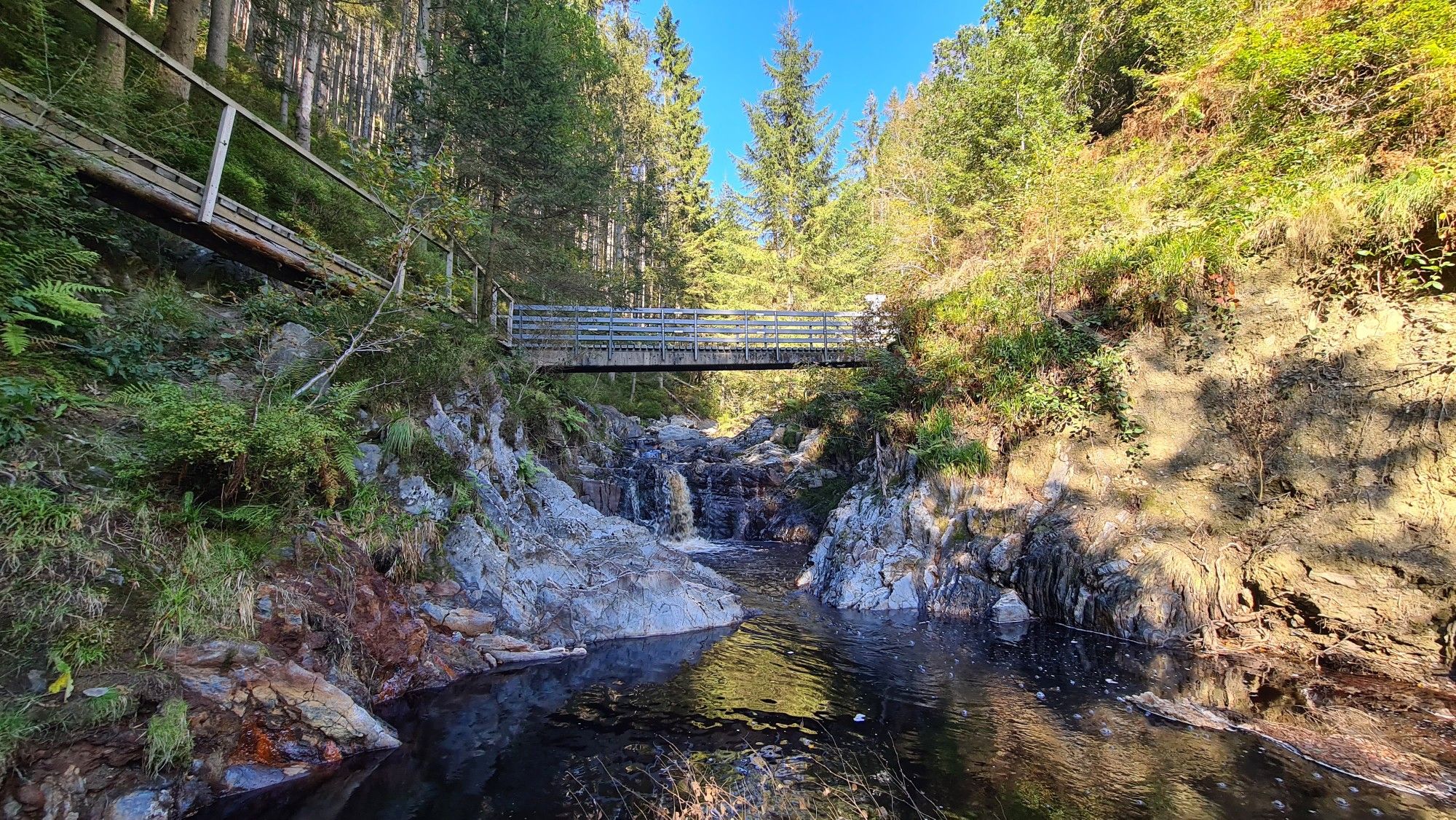
Rollefbach Viaduct
Highlight • Bridge
Translated by Google •
Tip by

Vaalserberg Three-Country Point
Highlight • Monument
Translated by Google •
Tip by

Sign up now to discover places like this
Get recommendations on the best single tracks, peaks, & plenty of other exciting outdoor places.
Sign up for free
Vennbahn Viaduct at Kornelimünster
Highlight • Bridge
Translated by Google •
Tip by

Epen Fulling Mill
Highlight • Monument
Translated by Google •
Tip by

Vennbahn Cycle Path at Raeren Station
Highlight (Segment) • Cycleway
Translated by Google •
Tip by

Sign up for free to discover even more attractions around Lontzen.
Sign up for free
Already have an account?
Start today with a free account
Your next adventure awaits.
Login or Signup
Popular around Lontzen



Tips from the Community

The fulling mill in Epen, located in the province of Limburg, is a historic building that played an important role in the textile industry. This mill, also known as the "Eper Volmolen," was used for the fulling of fabrics, which means that the fabrics were treated to make them denser and stronger. This process was essential for the production of high-quality textiles.
4
0

From the viaduct there is a beautiful view over the valley of the Rollefbach :)
4
0

The scenery is beautiful 😻
5
0

Great cycling route that leads into Aachen.
7
0

The viaduct spans the Rollefbach valley in a picturesque way.
9
0

The Calvary Chapel stands on the northern end of a low ridge on which Kuttingen is located and which forms the division between the Terzieterbeek valley and the Geuldal. About 100 meters to the west the Terzieterbeek flows, about 50 meters to the east the Geul flows and about 200 meters to the north the first stream flows into the other at the Volmolen. The chapel itself is located on the Smidsberg (which continues up the ridge) near the intersection of this road with the Plaatweg.
5
0
The Volmolen was part of the Vaals cloth industry. Due to the location of the mill on the Geul, a lot of water was available for fulling, the felting of wool. There was no such large amount of water in the Vaals area. Fulling improves the quality of woven woolen fabric. The substance is placed in large oak tubs, which are filled with a mixture of full earth (a type of clay), linseed oil, rancid butter, urine and water. Pestlers, powered by the water power of the Geul, flatten the fabric. Fourteen hours later the woolen sheets have become felty, rougher and stronger. The urine and rancid butter required for fulling were discharged into the Geul after use. It is therefore not surprising that the Volmolen was built outside the village center of Epen! Around 1780, the Volmolen was converted into a grain mill. The grain that is milled today by volunteer millers comes from natural fields and goes to an organic livestock farm. The complex is located between the Geul and a dug mill branch. Water is pushed up in the mill branch to increase the gradient of the water at the water wheel. The buildings, a mill house and a farm with attached barns, surround a courtyard.
10
1

The highest point in the Netherlands coincides with the three-country point and is an important tourist attraction.
21
0
Frequently Asked Questions
What historical sites can I explore in Lontzen?
Lontzen offers a rich history. You can see the exterior of the historic Lontzen Castle, visit the 18th-century St. Hubertus' Parish Church, or explore the Gothic St. Anna's Chapel with its original 15th-century fittings. The Village History Collection in Herbesthal provides insights into the region's zinc ore mining past. Additionally, you can admire 18th-century farmsteads built from traditional grey stone throughout the village.
Where can I find scenic viewpoints around Lontzen?
For panoramic views, visit the Lontzen Viewpoint Indicator in the Busch district, offering magnificent vistas over meadows and hedgerows towards Lontzen and Herbesthal. On clear days, you might even see the High Fens. Another popular spot is the Vaalserberg Three-Country Point, which also features an observation tower for expansive views.
Are there unique hiking experiences in the Lontzen area?
Yes, the area is known for its unique hedgerow landscapes, offering many hiking trails, hollow ways, and 'Stiegel' paths. These traditional routes provide interesting exploration opportunities through the hilly terrain, often referred to as the 'butterländchen' due to its dairy farming history. You can also discover the "On the trail of the Stones" Sculpture Route, which combines art with nature.
What kind of natural landscapes can I expect to see?
Lontzen is characterized by distinctive hedgerow landscapes, rolling hills, and lush meadows. The region's natural beauty is enhanced by traditional hollow ways and 'Stiegel' paths. Just a short distance away, the hamlet of Rabotrath features an extraordinary nature landscape with traces of historical calamine ore mining.
What are some family-friendly attractions near Lontzen?
Families can enjoy the Lindenplatz in the village center, which has a large wooden train for children. The Vaalserberg Three-Country Point is also very popular, offering a small 'amusement park' with restaurants, a labyrinth, and a viewing tower. The Epen Fulling Mill, with its renovated waterwheel and accessible courtyard, provides an interesting historical stop.
Are there cycling routes available around Lontzen?
Absolutely! The Vennbahn Cycle Path at Raeren Station is a major highlight, offering a cross-border long-distance route of approximately 130 km along a former railway line. You can find various road cycling routes around Lontzen, including challenging loops like the 'Gileppe Hill – Route de Borgoumont Climb loop' or moderate options such as the 'Vennkreuz Speed Section – Eupen Reservoir loop'. For more details, check out the Road Cycling Routes around Lontzen guide.
What kind of mountain biking trails are there near Lontzen?
Lontzen offers a variety of mountain biking trails. You can explore moderate routes like 'Lontzen en boucle - East Belgium' or 'Boundary Marker 969 Trail – Adlerschlucht Singletrail loop from Walhorn'. There are also easier options such as the 'Eyneburg Castle (Emmaburg) – Casino Pond loop from Herbesthal'. For a comprehensive list, refer to the MTB Trails around Lontzen guide.
Can I find gravel biking routes in the Lontzen region?
Yes, the Lontzen area is suitable for gravel biking. You can find routes like the 'Moresnet Viaduct – RAVeL 39 Moresnet Railway Path loop' or the 'Plembières Railway Path – RAVeL Line 38 loop', both offering moderate difficulty. More challenging options include loops around the Kall Reservoir. Discover more in the Gravel biking around Lontzen guide.
Are there any accessible attractions for visitors with mobility needs?
Yes, some attractions are noted for their accessibility. The Rollefbach Viaduct and the Vennbahn Viaduct at Kornelimünster, both part of the Vennbahn Cycle Path, are wheelchair accessible and offer great views.
What do visitors particularly enjoy about the attractions around Lontzen?
Visitors frequently praise the blend of historical significance and natural beauty. The well-maintained cycle paths, especially the Vennbahn, are highly appreciated for their scenic routes and historical context. Many enjoy the unique experience of visiting the Vaalserberg Three-Country Point and the picturesque views from various viaducts and viewpoints.
What is Lontzen's connection to mining history?
Lontzen has a significant past shaped by mining. Between 1870 and 1940, the region was active in zinc ore mining, with a wagon on Lindenplatz serving as a reminder. The Village History Collection in Herbesthal preserves documents and exhibits from this era. Additionally, the extraordinary nature landscape of Rabotrath holds traces of historical calamine ore mining dating back to the 15th century.
Most popular routes around Lontzen
Most popular attractions around Lontzen

Get inspired with the komoot mobile app


Explore more
Still not found the Highlight you’re looking for? See guides of the top attractions in other regions:
