The best road cycling routes around Awans
4.1
(20)
130
riders
21
rides
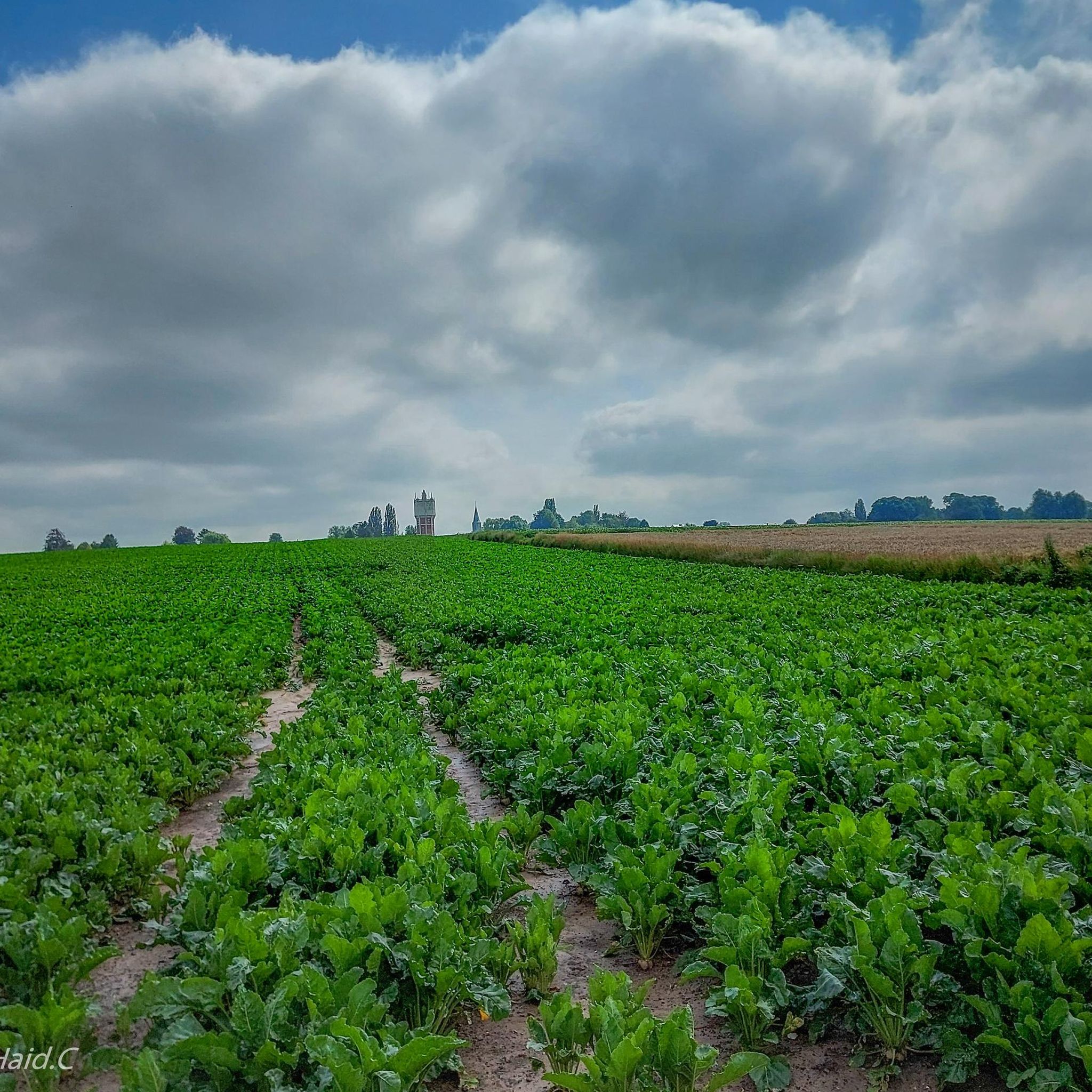
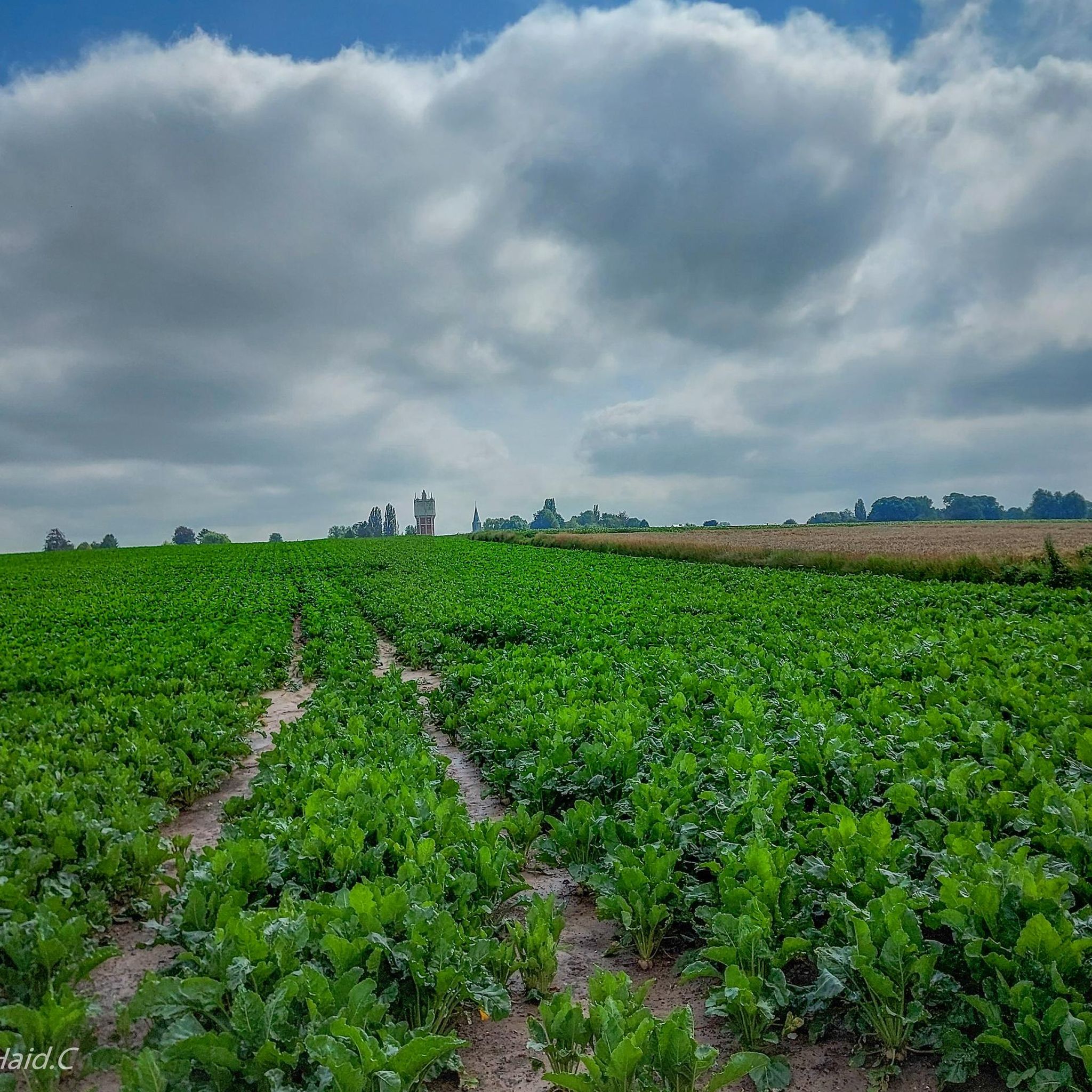
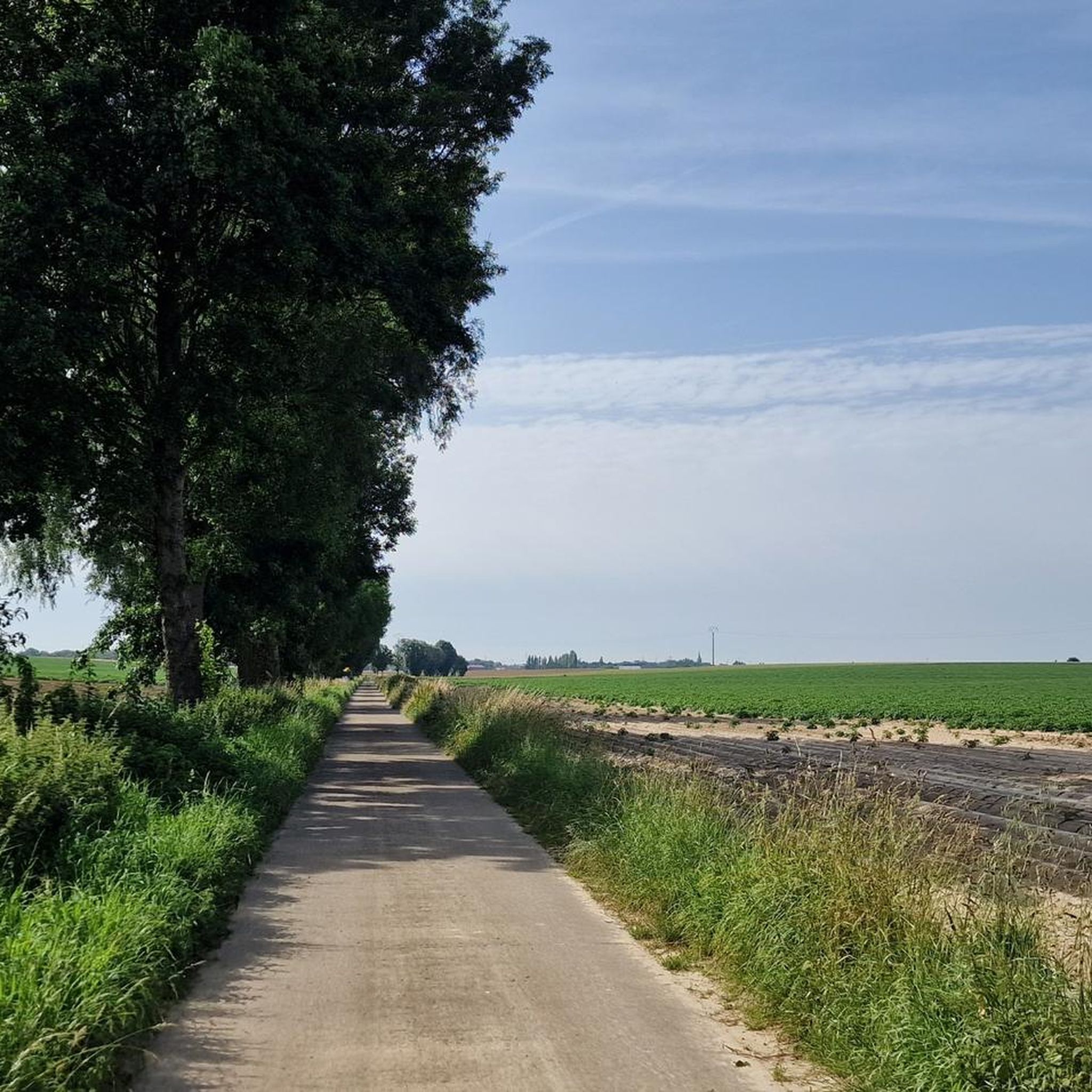
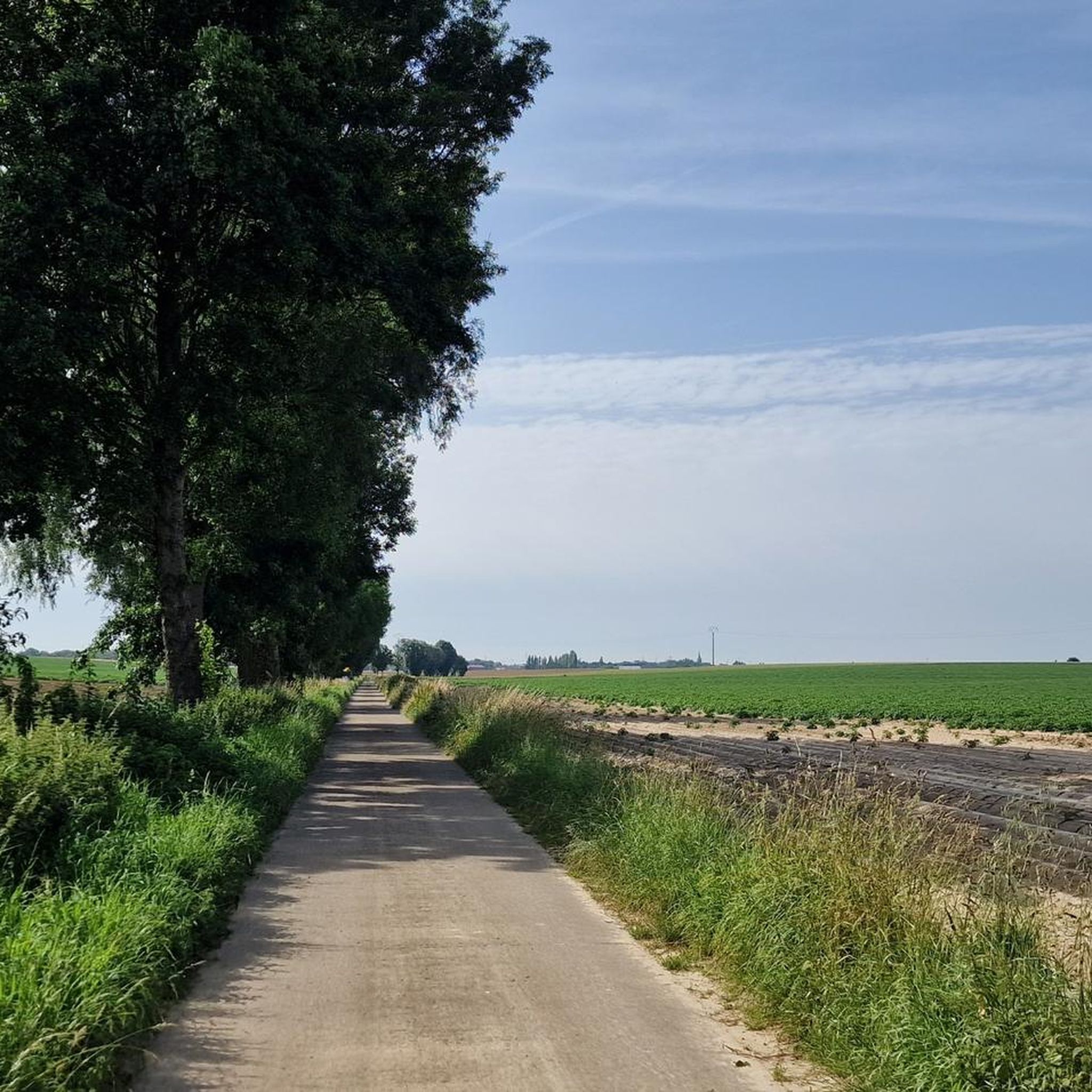
Road cycling routes around Awans, Belgium, traverse a region characterized by gently rolling landscapes and well-maintained roads. The area features a varied topography, offering both leisurely rides through picturesque countryside and access to more demanding routes in the wider Wallonia area. Cyclists can expect to pass through agricultural areas, including orchards, which provide scenic backdrops. The terrain is generally suitable for road bikes, with mostly paved surfaces.
Best road cycling routes around Awans
- The most popular road cycling route is…
Last updated: November 20, 2026
25
riders
5.32km
00:16
40m
40m
Easy road ride. Mostly well-paved surfaces and easy to ride.
4.3
(3)
12
riders
30.4km
01:22
150m
150m
Easy road ride. Mostly well-paved surfaces and easy to ride.

12
riders
42.1km
01:56
230m
230m
Easy road ride. Mostly well-paved surfaces and easy to ride.
4.0
(2)
9
riders
37.1km
01:43
240m
240m
Easy road ride. Mostly well-paved surfaces and easy to ride.
5.0
(1)
6
riders
Easy road ride. Mostly well-paved surfaces and easy to ride.
Get access to more routes and recommendations from other explorers.
Already have an account?
Our route recommendations are based on thousands of hikes, rides, and runs completed by other people on komoot.
Start today with a free account
Your next adventure awaits.

Tips from the Community

This monumental piece of industrial heritage was once a chocolate factory. The architect of the factory was Florent Rosmeulen. He designed the Art Nouveau building with a large, striking rose window. Above the window is a relief with a squirrel. It was one of the first buildings in Belgium to be made of reinforced concrete. Chocolate was produced here until 1934. During the Second World War, the building was reused for military purposes, and in 1948 a loom manufacturer moved in. In the seventies, a metal foundry was established. Today, it is a residential area.
0
0

Viewpoint over Flémalle (Awirs)
0
0

Rosmeulen Castle is a historic country house and estate of great architectural and heritage value, located at Neremstraat 229 in Nerem, a sub-municipality of Tongeren. Dating back to the early 20th century, the building represents a unique combination of Neo-Rococo and Art Nouveau architecture, designed for chocolate and gingerbread manufacturer Florent Rosmeulen. Construction of the manor house, originally named La Brise, began around 1911, opposite the Rosmeulen chocolate factory. However, the founder himself never fully occupied the building, partly due to financial difficulties and the impact of the First World War. The building is situated amidst a romantic castle garden in the English landscape style, featuring ponds, lawns, mature trees, walking paths, and a walled vegetable garden, all contributing to the estate's unique atmosphere. The imposing entrance hall features a majestic staircase and stained-glass windows, while the exterior facades are richly ornamented with features such as bay windows, colonnades, and a round tower under a domed roof. During the First and Second World Wars, the castle was used by German and later American troops, respectively, reflecting its strategic location and the building's role during that time. After the war, the manor changed owners several times. Families such as Duesberg-Bossen Blijweert and Riskin lived there, and the Riskin family, in particular, carried out maintenance and renovation work for many years. In mid-2020, the castle was purchased by Dirk and Bie D'haese, who began a thorough restoration to restore the dilapidated building to its former glory. Their goal is not only to preserve the heritage but also to open the castle and park for use by associations and for events, with spaces such as a large hall of over 300 m² available. The castle is included in the Inventory of Immovable Heritage of Flanders for its architectural value, rich ornamentation, and its location in a historic park with a pond. Rosmeulen Castle, together with the former Rosmeulen chocolate factory and the surrounding landscape, forms a recognizable and valuable ensemble in Nerem with ties to the local industrial culture of the early 20th century, the social history of the region, and today's heritage conservation.
0
0
The former Rosmeulen chocolate factory in Nerem, a sub-municipality of Tongeren (Belgium), is a remarkable industrial heritage building with a rich history and striking architecture. The building was erected around 1908–1909 by Florent Rosmeulen, a chocolatier who produced chocolate, cocoa, and gingerbread there. It is one of the few industrial buildings in Limburg executed in the Art Nouveau style with characteristic details such as an impressive stained-glass window above the entrance and decorative references to cocoa and chocolate. The structure is among the first buildings in Belgium to be constructed with a reinforced concrete skeleton, which was progressive at the time and contributed to its robust industrial appearance. The factory experienced its heyday in the first decades of the 20th century but was severely impacted by the economic crisis of the 1930s. After reorganizations, the company went bankrupt in 1934, and production ceased. In the following decades, the building served various functions, being used by the military during World War II, then by other industrial enterprises such as a textile factory and a tin foundry, and later for cultural activities. After years of vacancy and decay, the former chocolate factory was repurposed from the mid-2010s into a residential and living complex. Under the name De Chocoladefabriek (The Chocolate Factory), the industrial monument is preserved and transformed into a residential project with lofts and apartments combined with communal spaces and gardens. The impressive Art Nouveau block, featuring a glass artwork approximately 6 meters wide, is one of the highlights of the renovation and one of the largest glass artworks in an industrial context in Flanders. The repurposing of the former chocolate factory has become an example of how historical industrial heritage can be integrated into a modern residential function. The project even received recognition with a prestigious real estate award for the way the old building was preserved and given new life. Today, the building not only commemorates the industrial history of the region but also serves as an architectural and social hub where living, heritage, and modern architecture converge, near the green nature reserve De Kevie and the former railway line.
0
0

Chapel is unfortunately closed, but seems to be no longer in use(?).
12
0

's Herenelderen Castle, or Renesse's water castle, with its U-shaped main building is surrounded by a wide moat and an idyllic landscaped park, complete with a pond and mature trees. The mix of late Gothic, Baroque, and neoclassical elements makes the castle an architectural gem, with the eye-catching 16th-century marlstone manor house and the charming castle farm with coats of arms and corner towers. Located near St. Stephen's Church, this estate provides a beautiful historical backdrop for a peaceful stroll.
3
1

The builder of Rosmeulen Castle was Florent Rosmeulen, owner of the former gingerbread and chocolate factory across Neremstraat. He commissioned the castle's construction in 1913. Due to financial difficulties and theft, the interior was never completed. At the time of Florent Rosmeulen's death in 1943, the builder had never lived in his castle. During World War II, American soldiers were stationed in the castle. They used the building for housing and as a laundry. During the war, the castle was subject to vandalism by the soldiers, and afterward, civilians stole all kinds of useful materials. After World War II, the castle came into the hands of Hubert Duesberg-Bosson, who also bought the former chocolate factory across the street. He installed a textile machinery factory there. He used the castle as office space, a telephone room, a dining room, accommodation, and restrooms. Between 1966 and 1972, Luc Blijweert owned the castle, after which it passed into the hands of the Riskin family. Jean Riskin established a tin factory in the former chocolate factory. The castle underwent a thorough renovation, including a complete refurbishment of the ground floor, installation of electricity and central heating, construction of the swimming pool building and tunnel, and restoration of the gardens, ponds, and balustrades. Jean Riskin lived at Rosmeulen Castle for 44 years, from 1972 until his death in 2016. Unfortunately, the building and grounds were barely maintained after his death. In mid-2020, Dirk D'haese, a cardiologist active in the assisted living sector, purchased Rosmeulen Castle. Since then, the castle and grounds have undergone a thorough restoration and renovation.
4
1

It is a building dating from 1719 to the end of the 18th century, with a core dating back to the 16th century. The tower of the old church is integrated into the castle. Nature and
3
0
Frequently Asked Questions
How many road cycling routes are available around Awans?
Awans offers a wide selection of road cycling routes, with over 45 tours available. These routes cater to various skill levels, including easy, moderate, and challenging options.
What kind of terrain can I expect on road cycling routes in Awans?
The road cycling routes around Awans are characterized by gently rolling landscapes and well-maintained, mostly paved roads. You'll often pass through picturesque agricultural areas, including orchards, which provide scenic backdrops. While Awans itself features moderate terrain, its location provides access to more demanding routes in the wider Wallonia area, known for its green valleys and rivers.
Are there easy road cycling routes suitable for beginners in Awans?
Yes, Awans has a good selection of easier routes. There are over 20 easy road cycling tours available, perfect for beginners or those looking for a more relaxed ride. An example is the Roadbike loop from Herstappe, which is an easy 6 km ride.
Are there challenging road cycling routes around Awans?
For those seeking a challenge, Awans offers routes with significant elevation gains. For instance, the Côte de Drolenval Climb – Château de La Fenderie loop from Bierset-Awans is a moderate route covering 74.6 km with over 640 meters of elevation gain, featuring challenging climbs and historical landmarks.
What are some notable landmarks or points of interest along the road cycling routes?
Many routes incorporate historical sites and natural beauty. You can expect to see castles, such as Donceel Castle, and pass through scenic orchards. Some routes also feature climbs like Glainberg. For example, the Glainberg Climb – Castle of 's Herenelderen loop from Bierset-Awans offers scenic views and passes by historical castles.
Are there any circular road cycling routes in Awans?
Yes, many of the road cycling routes around Awans are designed as loops, allowing you to start and end at the same point. Examples include the Lexhy Castle – Strivay Hill loop from Bierset-Awans and the Widooie Castle – Glainberg Climb loop from Bierset-Awans.
What do other road cyclists enjoy most about road cycling in Awans?
The road cycling routes in Awans are highly rated by the komoot community, with an average score of 4.0 stars from over 20 reviews. Cyclists often praise the gently rolling landscapes, the scenic agricultural areas with orchards, and the variety of routes suitable for different ability levels.
Are there any natural features or attractions near the road cycling routes in Awans?
Beyond the scenic orchards and green valleys, the region around Awans offers interesting natural attractions. You can explore various caves, such as the Marl Caves of Vechmael or the Schmerling Caves site. There are also several lakes and wetlands, including the Mombeek Wetlands, which can be found nearby.
Is Awans a good destination for family-friendly road cycling?
Awans offers a selection of easy routes that can be suitable for families, especially those with some cycling experience. The mostly paved surfaces and gently rolling terrain on many routes make for a pleasant ride. It's advisable to check the specific route details for distance and elevation to ensure it matches your family's capabilities.
What is the best time of year for road cycling in Awans?
The region around Awans is generally pleasant for cycling from spring through autumn. During these seasons, you can enjoy the picturesque orchards and green landscapes in full bloom or vibrant autumn colors. Checking local weather forecasts before your ride is always recommended.
Are there options for long-distance road cycling routes around Awans?
Yes, Awans serves as a great starting point for longer rides. Many routes extend beyond 60 km, such as the Côte de Drolenval Climb – Château de La Fenderie loop from Bierset-Awans, which is nearly 75 km. These routes allow for extended exploration of the wider Liège province and its diverse landscapes.
Can I find cafes or pubs near the road cycling routes in Awans?
While specific cafes and pubs are not listed directly on every route, Awans and its surrounding villages are part of a populated region. You will likely find opportunities to stop for refreshments in the towns and villages you pass through. It's a good idea to plan your route with potential stops in mind.
Most popular attractions around Awans

Get inspired with the komoot mobile app


Explore more
Browse the best Road cycling routes in other regions.
