Top 20 Castles around Braives
Castles around Braives, a municipality in the province of Liège, Belgium, offer a blend of historical and architectural insights. The region is characterized by its location along the Mehaigne river and features wooded landscapes. Exploring these sites provides a factual journey through centuries of local heritage. The area presents opportunities to discover various historical structures within a compact geographic setting.
Best castles around Braives
- The most popular castles is Moha Castle, a castle that is a medieval feudal castle…
Last updated: November 21, 2026
Moha Castle
Highlight • Castle
Translated by Google •
Tip by

Collegiate Church of Notre-Dame and Huy Citadel
Highlight • Historical Site
Showing Translation
Tip by

Sign up now to discover places like this
Get recommendations on the best single tracks, peaks, & plenty of other exciting outdoor places.
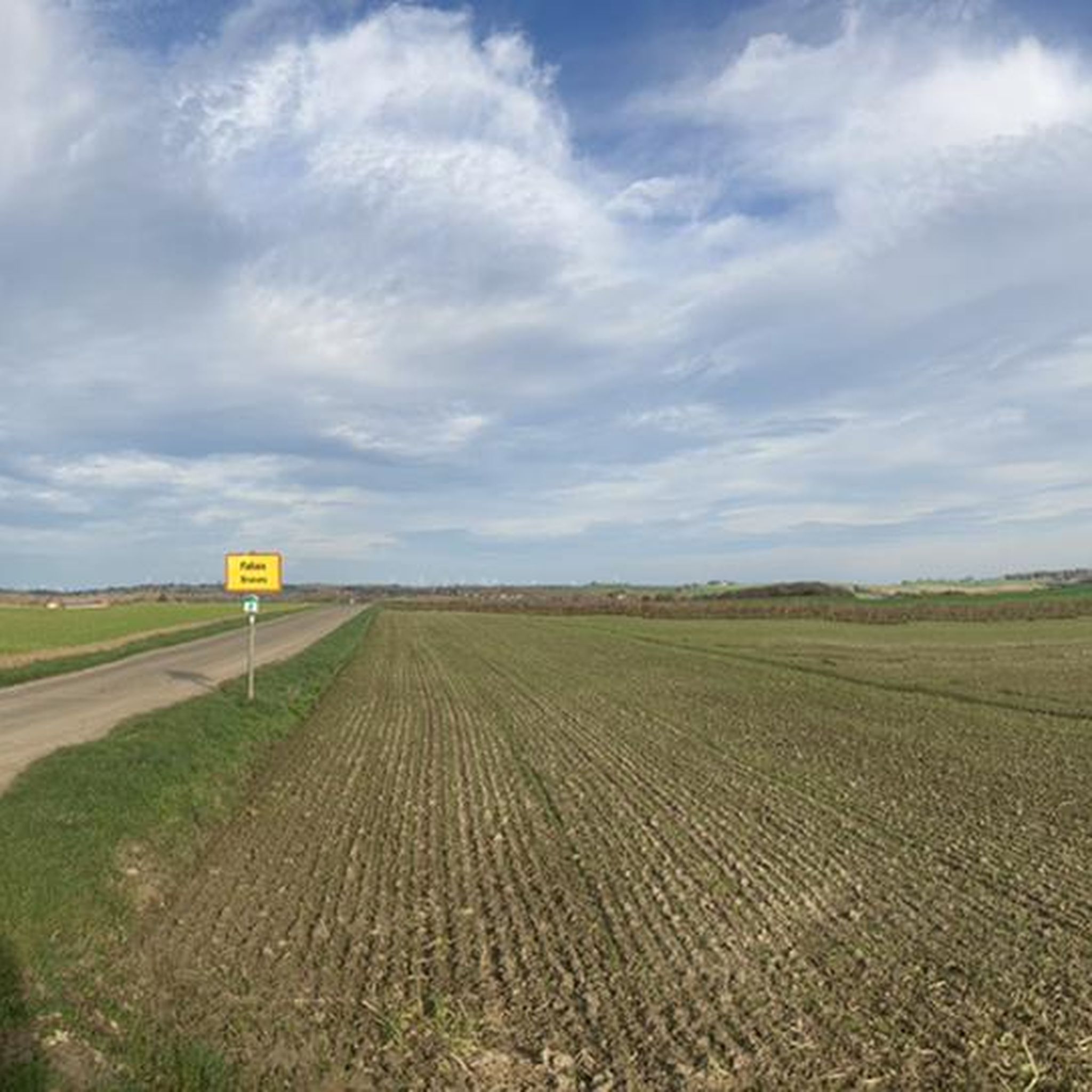
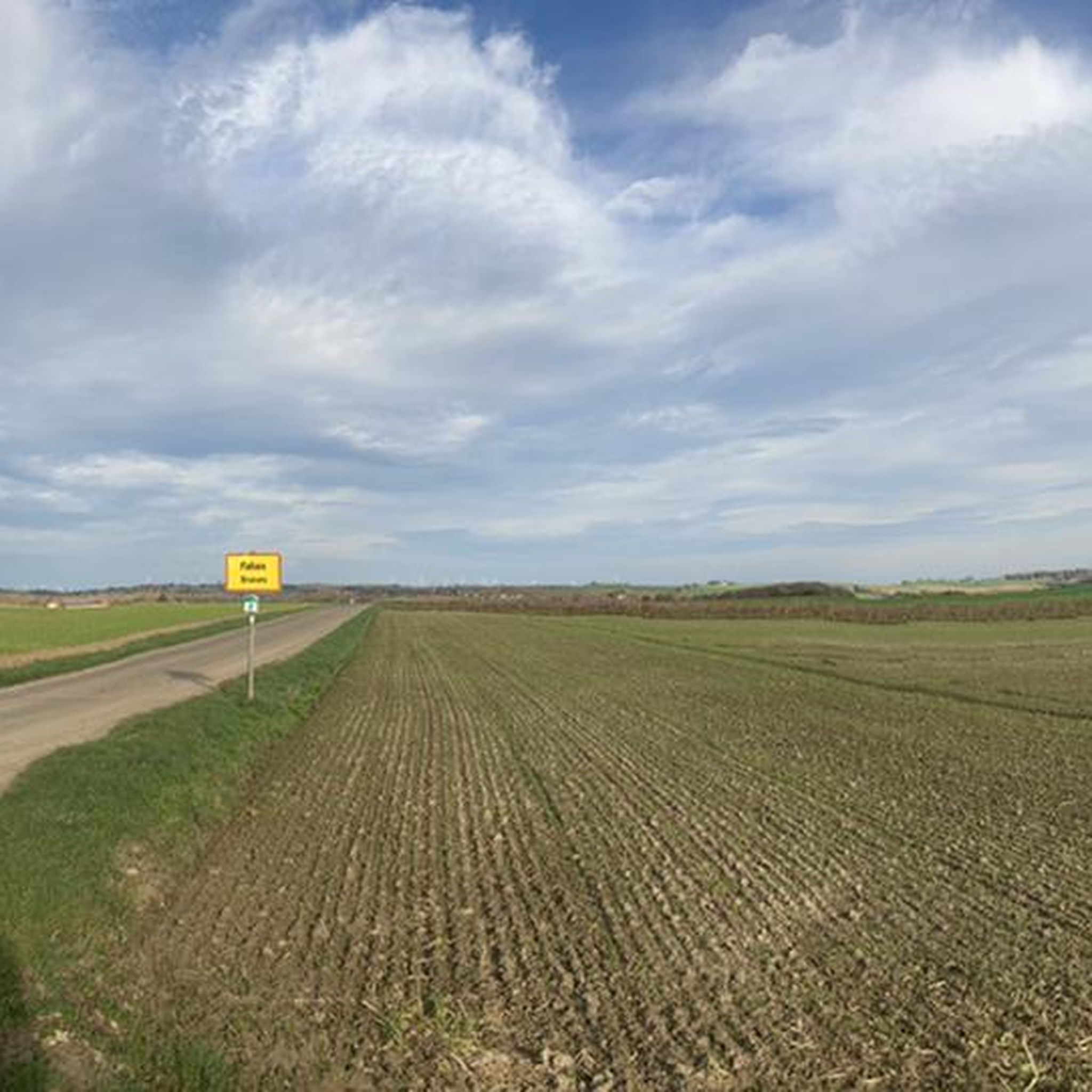
Château de Fallais
Highlight • Castle
Translated by Google •
Tip by

Château de Fumal
Highlight • Castle
To get there, you have to go up a little (quite steep but short slope), on the cycle path which leads …
Translated by Google •
Tip by

Château de Jehay
Highlight • Castle
Translated by Google •
Tip by

Sign up for free to discover even more castles around Braives.
Already have an account?
Start today with a free account
Your next adventure awaits.
Other adventures around Braives

Tips from the Community

Excavations are conducted year-round at Moha Castle, making it unique in Belgium. When I visited, two archaeologists were uncovering a wall that runs beneath the visible castle and likely dates back to the 12th century.
2
0
The castle is free to visit. At the foot of the rock, there's a visitor center where you can pick up a badge to open the gate. For €4, you can also get a brochure with information about the most important points. The castle is only open to visitors starting in April, but the friendly man at the visitor center let me in on February 27th... as far as you can even call it "inside" at this ruin ;-)
2
0

One of Liège's most beautiful castles, originating in the 11th century, completely surrounded by a moat. Striking are the checkerboard facades in limestone and brown sandstone and the pepper-pot-like turrets. Various owners succeeded one another over the centuries. For two centuries (16th-17th century), it was owned by the powerful de Merode family, who gave the castle its current appearance. They sold it to the Van den Steen family in 1720. The last descendant of the family, Count Guy vanden Steen, bequeathed it to the province in 1999. He was a sculptor, among other things, and many of his bronze statues still adorn the gardens. He did, however, incorporate a distinctive symbolism, depicting nude female figures mating with beetles. The 22-hectare estate also features an Italian ornamental garden with water features and bronze statues, a 19th-century vegetable garden with orangeries, a 19th-century icehouse, and many listed trees. The castle also has its own church within the moat on a peninsula. Over the centuries, the owners have amassed numerous curiosities that can be seen in the castle, which is now a provincial property and open to visitors.
0
0

The exact origins of the medieval County of Moha remain unknown. It is likely that the county was formed during the fragmentation of the Carolingian Empire and the Hesbaye region at the end of the 9th century. The first known count, Albert of Moha, is mentioned in a document dated 1026 or 1028. The first defensive stone walls also date from the first half of the 11th century. Having no male heir, Albert of Moha married his daughter to Henry I of Dasbourg around 1050, thus linking the county's destiny to that of this powerful family of Alsatian origin. Initially, it is highly unlikely that the Counts of Dasbourg regularly resided in Moha, entrusting the county's administration to trusted men and a small garrison. However, the situation changed with Hugh II (1130-1180) and his son Albert II (d. 1212), who decided to become more involved in the region's politics. Albert II, in particular, chose to align his interests with those of his nephew, Duke Henry I of Brabant, whose policies he would follow until the end of the 12th century. In 1204, Count Albert III, having lost hope of having a son, chose the Prince-Bishop of Liège as his heir. But the late birth of his daughter Gertrude would jeopardize these agreements. Quickly betrothed to Thibaut of Lorraine, who died in 1219, she then married Thibaut of Champagne, who repudiated her, and subsequently Simon of Linange. At 19, she died childless. On March 19, 1225, the Prince-Bishop of Liège, Hugues de Pierrepont, took possession of Moha. Under the Prince-Bishops, Moha became a prison for political prisoners and a fortification tasked with controlling the city of Huy and blockading merchants. This policy was deeply unpopular and led to reprisals: the people of Huy besieged Moha in 1255. The fortress of Moha was considered impregnable. It was therefore through trickery that the people of Huy, taking advantage of a request for a truce, seized the castle on May 6, 1376. After the attack on the castle, the site's history is largely unknown. Mass is still celebrated twice a year in the castle chapel. During the 18th century, the ruins served as a refuge for a hermit. The castle's stones were gradually plundered, notably to build the surrounding houses. In 1889, the ruins of the castle were purchased by the Belgian state. Source: https://chateaumoha.be/histoire
6
0

The "Rocher du Château de Moha" is a limestone outcrop rising from the Mehaigne valley. It was a strategically important site in the Middle Ages, when more castles were built on rocks. This made the site difficult to besiege, and it was well-placed as a control point over the valley. The rock is very recognizable in the landscape. The ruins on the rock are still clearly visible, and the medieval structures are still easily recognizable.
7
0
The Château de Moha is a medieval feudal castle in Wanze, built on a rock at the confluence of the Mehaigne and Fosseroule rivers. Dating back to the 7th century, the castle served as a defense for the region. It became the property of the Prince-Bishops of Liège, who used it as a fortress and prison. In 1376, the castle was captured by the inhabitants of Huy through deception, marking the end of its military function. The castle subsequently fell into disrepair, but the ruins have been preserved and are open to the public.
7
0
Beautiful castle with moat in the limestone of the region from the 13th century. It was long the property of Charles the Bold.
0
0
In the 12th century there was already a castle here. An old keep with walls one meter thick is still a witness, but what it looked like is unknown. Later, various renovations and adjustments to its time took place
1
0
Frequently Asked Questions
What is the historical significance of castles in the Braives region?
The castles around Braives offer a rich tapestry of history, with structures dating back to the 7th century. They served various purposes, from medieval feudal defenses like Moha Castle, which was a strategic control point, to fortified residences like Château de Fallais, which hosted historical figures such as Louis XIV. Many have undergone centuries of adjustments, reflecting different architectural styles and historical periods.
Which castles in Braives are particularly known for their medieval architecture?
For medieval architecture, Château de Fallais is a prime example, featuring a classic quadrilateral layout with four circular corner towers and a moat, with parts dating back to the 12th century. Moha Castle, though largely in ruins, also showcases its medieval feudal origins, built on a strategic rock.
Are there any castles in the Braives area that are family-friendly?
Yes, both Château de Fallais and Château de Jehay are noted as family-friendly. The grounds of Château de Fallais are typically open to the public, offering space for exploration, though children should be supervised due to the moat. Château de Jehay is also an emblematic site with a rich history that can engage visitors of all ages.
What are the typical visiting hours and entry fees for castles in Braives?
For Château de Fallais, the castle grounds are generally open to the public from 10 AM to 5 PM, with an entry fee of 2 euros per person for ages 6 and over. For other castles, visiting hours and access policies can vary, so it's advisable to check their specific websites or local information for the most current details.
Can I find castles with unique architectural features in the region?
Absolutely. Château de Fallais boasts an entrance châtelet with pepper-pot turrets and a Burgundy tower. Château de Fumal features an older tower from the 16th century with a distinctive bulbous roof and a beautiful park. Château de Jehay, largely shaped in the 18th century, presents a unique splendor that makes it an exceptional heritage site.
Are there castles near Braives that have been repurposed or have a modern cultural use?
Yes, the Château de Braives, an 18th-century structure built on the remains of a 14th-century fortified castle, is currently undergoing a transformation into a contemporary center dedicated to ceramics. This unique repurposing blends historical architecture with modern artistic endeavor, offering a different kind of cultural experience.
What kind of outdoor activities can I do near the castles around Braives?
The area around Braives offers various outdoor activities. You can explore road cycling routes like the "Château de Fallais – Braives Railway Path loop" or "Braives Railway Path – Oteppe Hill loop." For mountain biking, there are trails such as the "Haut-Geer Nature Reserve loop." Running enthusiasts can enjoy routes like the "Bridge Over the Méhaigne loop" or the "Château de Fumal – Fumal Castle and Church loop." You can find more details on these and other routes in the Road Cycling Routes around Braives, MTB Trails around Braives, and Running Trails around Braives guides.
Are there good viewpoints of castles in the Braives region?
Yes, the region offers several excellent viewpoints. Moha Castle, situated on a rock at the confluence of rivers, provides beautiful views of its ruins and the surrounding valley. Additionally, the View of Famelette Castle is specifically highlighted as a great spot to admire the castle from a distance, located on a spur overlooking the Méhaigne.
What natural features can be found near the castles in Braives?
The castles in Braives are often nestled within picturesque natural settings. Moha Castle is built on a prominent limestone outcrop, the "Rocher du Château de Moha," at the confluence of the Mehaigne and Fosseroule rivers. The Château de Braives is set within a wooded park traversed by the Mehaigne river, offering a tranquil environment. Many castles are located along the Mehaigne river, which characterizes the region's landscape.
Are there any hidden gem castles to explore in the Braives region?
While not explicitly 'hidden,' Château de Fumal could be considered a lesser-known gem. It's the result of over four centuries of adjustments and features a unique 'Mosan' style bell tower. It's accessible via a cycle path and offers a beautiful park, making it a rewarding discovery for those looking beyond the most prominent sites.
What do visitors enjoy most about the castles around Braives?
Visitors appreciate the blend of historical depth and natural beauty. The komoot community has shared over 170 photos and given more than 270 upvotes to the castles, highlighting the beautiful views of ruins at Moha Castle and the rich history of sites like Château de Fallais. The opportunity to explore structures built on strategic rocks or nestled in wooded parks is also highly valued.
Are there options for walking or hiking around the castles?
Yes, the region offers opportunities for walks and hikes. For instance, you can find running trails that pass by castles, such as the "Château de Fumal – Fumal Castle and Church loop" which starts near Château de Fallais. Many castles are situated in scenic areas, making them ideal starting or ending points for a leisurely stroll or a more challenging hike. Check the Running Trails around Braives guide for specific routes.
Most popular routes around Braives
Most popular attractions around Braives

Get inspired with the komoot mobile app


Explore more
Looking for the best castles somewhere else? Discover other guides around Braives:
