Attractions and Places To See around Braives - Top 20
Best attractions and places to see around Braives are found within the Parc Naturel des Vallées de la Burdinale et de la Mehaigne, offering a diverse landscape. This Belgian commune in Liège features historical landmarks and natural areas. The region is characterized by agricultural plateaus, river valleys, and greenways like the RAVeL L127. Visitors can explore a blend of historical sites and natural environments.
Best attractions and places to see around Braives
- The most popular attractions is Wall of Huy, a climb known for its challenging 26% inclination in a bend. This hill is famous as the finish line for the Flèche wallonne cycling race.
- Another must-see spot is Haut-Geer Nature Reserve, a natural monument formed from old settling basins. It is considered one of the most beautiful observation sites in the Walloon Region for birds.
- Visitors also love Moha Castle, a medieval feudal castle built on a rock overlooking the Mehaigne and Fosseroule rivers. The preserved ruins are open to the public and offer views of the valley.
- Braives is known for its historical sites, natural reserves, and cycling routes. The area offers a variety of attractions for those interested in history, nature, and outdoor activities.
- The attractions around Braives are appreciated by the komoot community, with 37 highlights, over 120 photos, and more than 320 upvotes.
Last updated: May 26, 2026
Wall of Huy
Highlight (Segment) • Climb
Translated by Google •
Tip by

Moha Castle
Highlight • Castle
Translated by Google •
Tip by

Sign up now to discover places like this
Get recommendations on the best single tracks, peaks, & plenty of other exciting outdoor places.
Sign up for free
Former Braives railway station (RAVeL L127)
Highlight • Structure
Translated by Google •
Tip by

Collegiate Church of Notre-Dame and Huy Citadel
Highlight • Historical Site
Among the must-sees, in addition to the Grand Place and surrounding streets, I appreciate the view from the fort, the rise of the Mur and the warm welcome at the Mur Coffee & Cycling.
Translated by Google •
Tip by

Haut-Geer Nature Reserve
Highlight • Lake
PS: The râperie is a factory in which beets are grated to extract the juice, then intended for the manufacture of sugar (according to Wikipedia)
Translated by Google •
Tip by

Sign up for free to discover even more attractions around Braives.
Sign up for free
Already have an account?
Start today with a free account
Your next adventure awaits.
Login or Signup
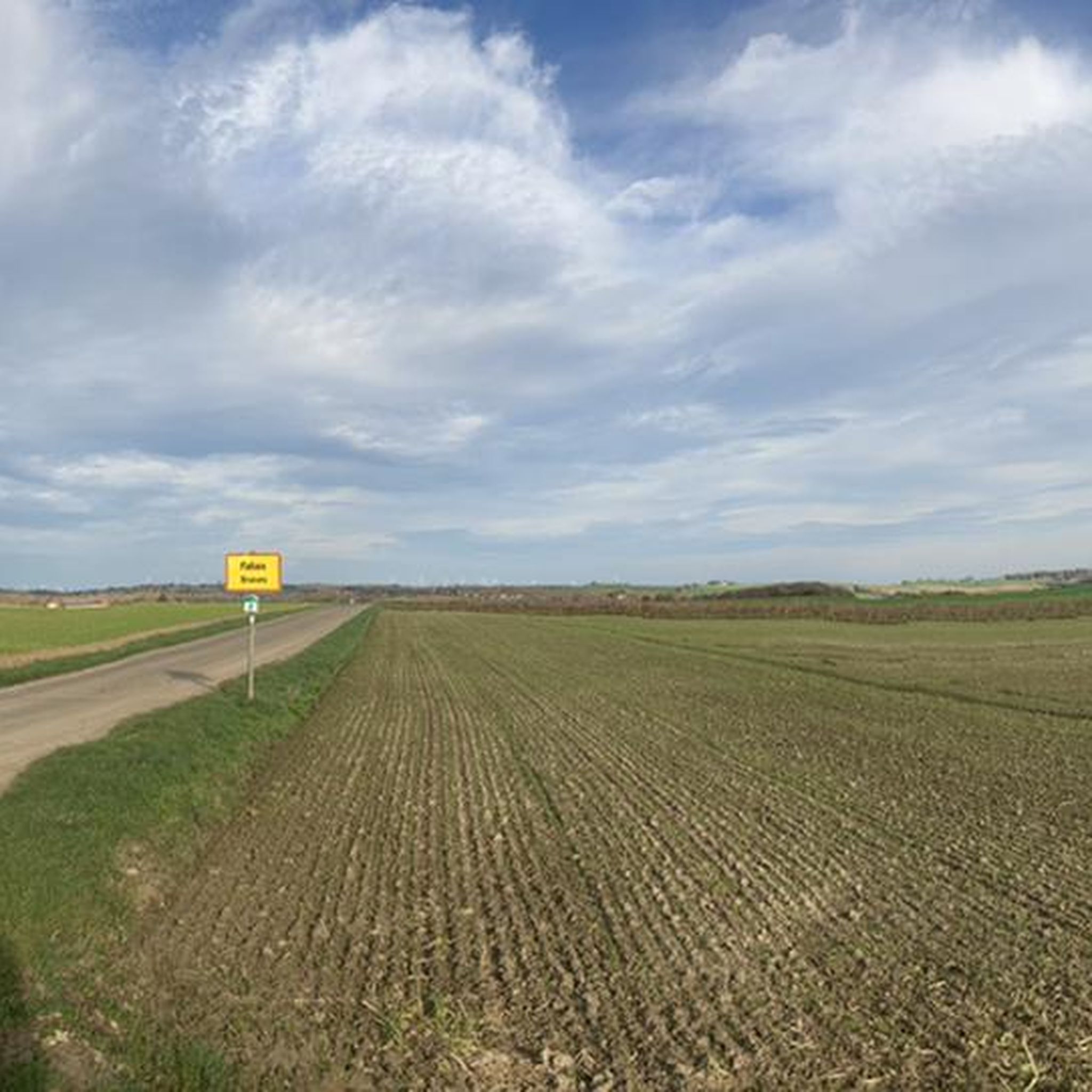
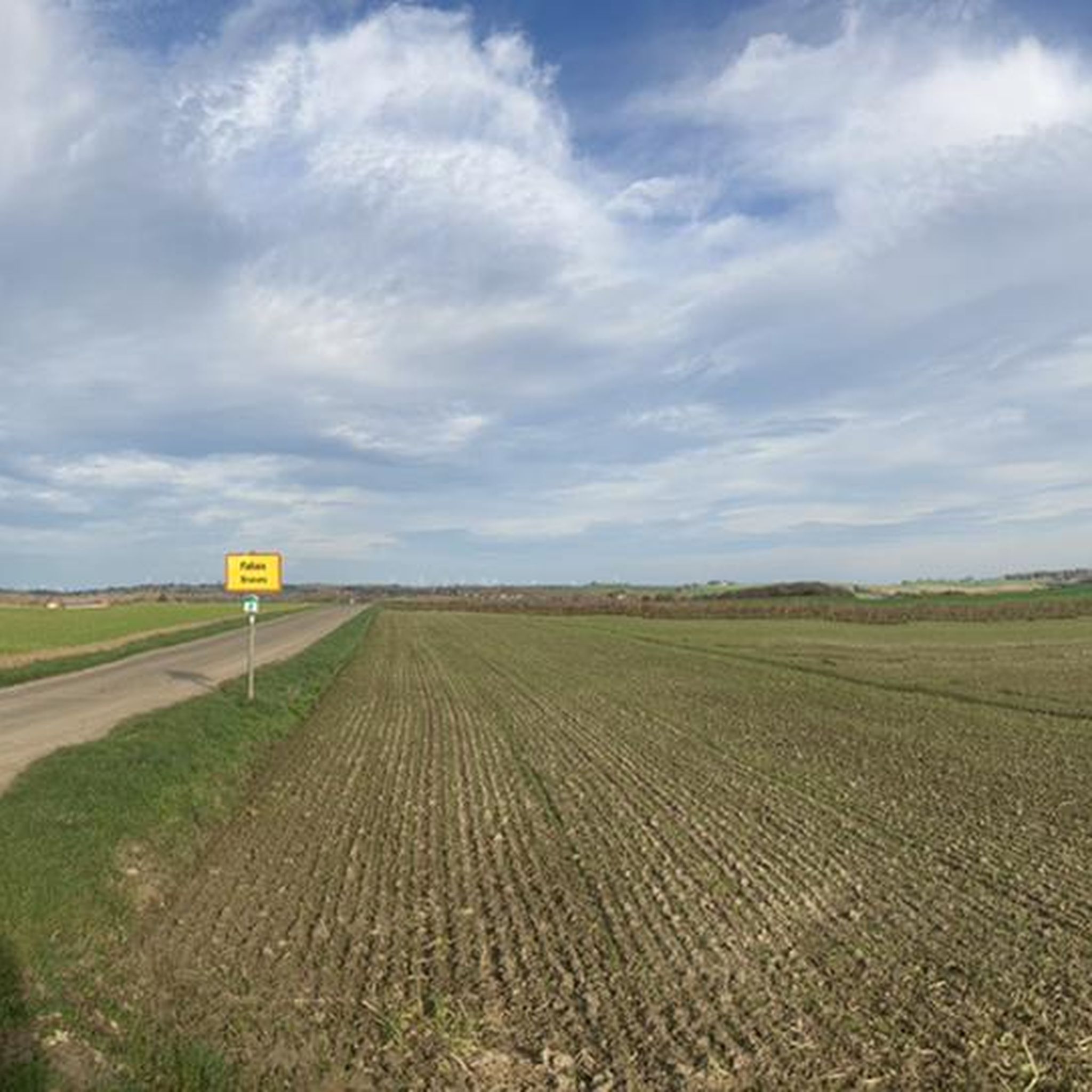

Other adventures around Braives

Tips from the Community

A really nice place to have a drink after your walk (open Wednesday and Sunday)
0
0

Excavations are conducted year-round at Moha Castle, making it unique in Belgium. When I visited, two archaeologists were uncovering a wall that runs beneath the visible castle and likely dates back to the 12th century.
2
0
The castle is free to visit. At the foot of the rock, there's a visitor center where you can pick up a badge to open the gate. For €4, you can also get a brochure with information about the most important points. The castle is only open to visitors starting in April, but the friendly man at the visitor center let me in on February 27th... as far as you can even call it "inside" at this ruin ;-)
2
0
A beautiful area of (only) 34.5 hectares, characterized by reed beds, cattail ponds, and pools fringed by shrubs or with open banks... These diverse habitats offer countless bird species places to forage, nest, hibernate, or rest during their migration. No fewer than 212 species have already been observed! (Source: www.natagora.be)
3
0

The "Rocher du Château de Moha" is a limestone outcrop rising from the Mehaigne valley. It was a strategically important site in the Middle Ages, when more castles were built on rocks. This made the site difficult to besiege, and it was well-placed as a control point over the valley. The rock is very recognizable in the landscape. The ruins on the rock are still clearly visible, and the medieval structures are still easily recognizable.
7
0
The Château de Moha is a medieval feudal castle in Wanze, built on a rock at the confluence of the Mehaigne and Fosseroule rivers. Dating back to the 7th century, the castle served as a defense for the region. It became the property of the Prince-Bishops of Liège, who used it as a fortress and prison. In 1376, the castle was captured by the inhabitants of Huy through deception, marking the end of its military function. The castle subsequently fell into disrepair, but the ruins have been preserved and are open to the public.
7
0

The old Braives station is a historic site transformed into a friendly and dynamic place. Today home to “La Guinguette de la Gare”, this site hosts a lively local market every Wednesday afternoon. The station, located along the RAVeL, is an ideal starting point for walks or bike rides in the surrounding countryside.
3
0

Halfway between Namur and Liège and crossed by the Meuse lies Huy, a Belgian town in the heart of Wallonia. This Meuse town has a remarkable architectural heritage and hiking trails that invite you to unwind. The town of Huy is known for “four wonders”, which characterize the historical heritage of the town and which still fills it with pride today. Two remain today: Li Bassinia, a 15th-century fountain, and Li Rondia, a 9-meter-diameter rose window in the Notre-Dame collegiate church. Li Tchestia, a fortified castle from the 18th century, and Li Pontia, a former bridge, have unfortunately disappeared over time. Source: https://www.visitardenne.com/de/das-beste-der-ardennen/must-see-reiseziel/staedte-und-doerfer/huy
1
0
Frequently Asked Questions
What historical sites can I explore around Braives?
The region is rich in history. You can visit the ruins of Moha Castle, a medieval feudal castle offering views of the Mehaigne valley. Another significant historical landmark is the Collegiate Church of Our Lady and Saint Domitian in Huy, known for its prestigious treasure and medieval sculptures. The Former Braives railway station, now a lively hub, also holds historical significance along the RAVeL L127.
Are there natural areas or reserves to visit for wildlife spotting?
Yes, Braives is part of the Parc Naturel des Vallées de la Burdinale et de la Mehaigne, offering diverse flora and fauna. The Haut-Geer Nature Reserve is a particular highlight, considered one of the most beautiful observation sites in the Walloon Region for birds, formed from old settling basins.
What outdoor activities are available near Braives?
The area is excellent for outdoor activities. You can enjoy hiking on trails like the 'Kingfisher Trail' or 'The Marsh Tree Frog' in the Burdinale-Mehaigne Nature Park. Cycling is also popular, especially along the RAVeL L127, which connects various sites. For more options, explore the hiking routes around Braives or the cycling routes around Braives.
Are there family-friendly attractions or activities in the Braives region?
Many attractions cater to families. The Former Braives railway station, now 'La Guinguette de la Gare,' is a dynamic space with a local market and serves as a starting point for family-friendly walks or bike rides along the RAVeL. The Haut-Geer Nature Reserve is also suitable for families interested in nature observation.
What is the RAVeL L127 and what can I do there?
The RAVeL L127 is a greenway built on a former railway line that runs through the Braives region. It's an ideal path for walking and cycling, connecting various historical sites and offering scenic routes through the countryside. The Former Braives railway station is a key access point to this network.
Is Moha Castle accessible, and is there parking available?
Moha Castle consists of preserved ruins on a rocky outcrop. While the ruins are open to the public, visitors should be prepared for uneven terrain. Parking is generally available nearby, but it's advisable to check local signage upon arrival.
What is the best time of year to visit Braives for outdoor activities?
The spring and summer months (April to September) are generally ideal for outdoor activities like hiking and cycling in Braives, offering pleasant weather and lush landscapes. Autumn also provides beautiful scenery with changing foliage. Winters can be cold, but some trails remain accessible for those prepared for cooler conditions.
Are there any challenging cycling routes in the area?
Yes, for experienced cyclists, the region offers challenging routes. The Wall of Huy, though not directly in Braives, is a famous climb known for its challenging 26% inclination in a bend, often featured in the Flèche Wallonne cycling race. Several difficult cycling routes are also available, such as the 'Château de Fallais – Ruins of Moha Castle and Cliffs loop from Braives'.
Where can I find easy hiking trails suitable for beginners near Braives?
For beginners or those seeking easier walks, the Parc Naturel des Vallées de la Burdinale et de la Mehaigne offers gentle trails. Examples include 'The Marsh Tree Frog' route, which is approximately 4.7 km and rated easy. The RAVeL L127 also provides flat, accessible paths. You can find more options on the hiking guide for Braives.
What is the significance of the Tumulus d'Avennes?
The Tumulus d'Avennes is an ancient burial mound dating back to approximately 80 AD, making it one of Belgium's oldest. It is recognized as exceptional heritage of Wallonia, with excavations revealing rich funerary offerings that are now displayed at the Curtius Museum in Liège.
Are there any dog-friendly trails or attractions around Braives?
Many of the natural trails and greenways, such as sections of the RAVeL L127 and paths within the Parc Naturel des Vallées de la Burdinale et de la Mehaigne, are suitable for walks with dogs, provided they are kept on a leash. Always check specific site regulations before visiting.
What do visitors enjoy most about the attractions around Braives?
Visitors particularly appreciate the blend of historical sites and natural beauty. The preserved ruins of Moha Castle offer beautiful views, while the Haut-Geer Nature Reserve is loved for its birdwatching opportunities. The RAVeL L127 is also highly rated for its accessibility and scenic cycling and walking paths.
Most popular routes around Braives
Most popular attractions around Braives

Get inspired with the komoot mobile app


Explore more
Still not found the Highlight you’re looking for? See guides of the top attractions in other regions:
