The best walks and hikes around Cerfontaine
4.3
(702)
3,478
hikers
122
hikes
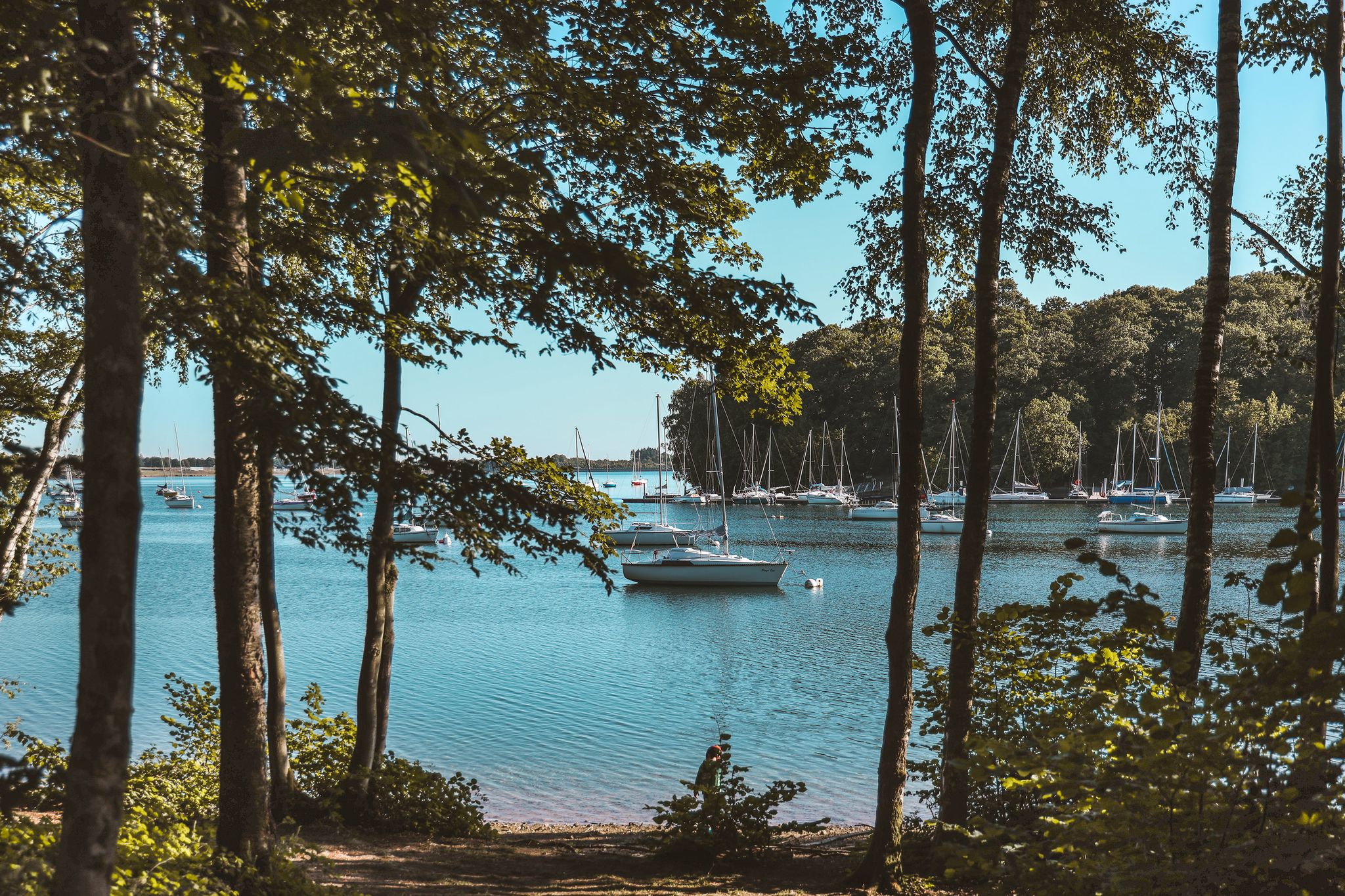
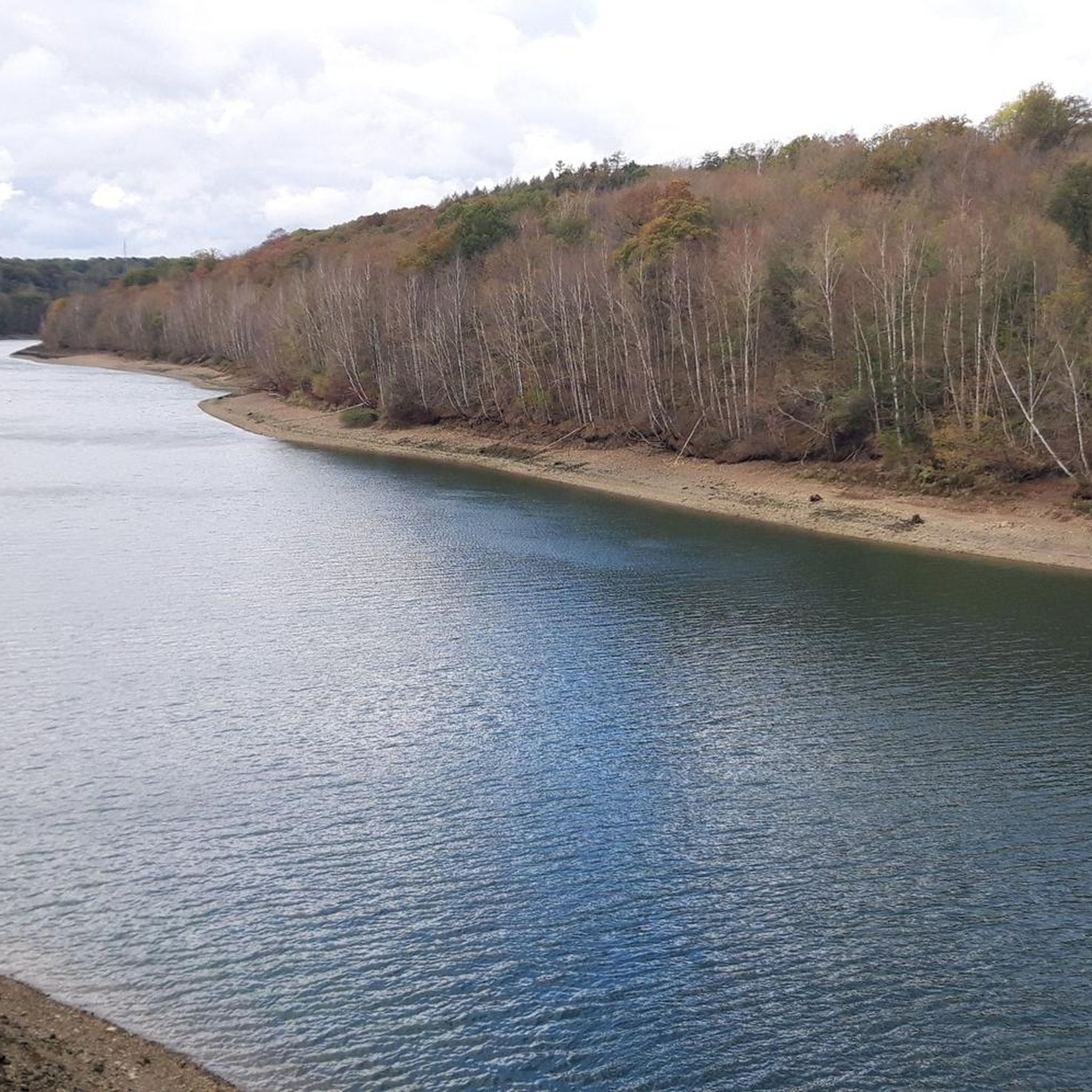
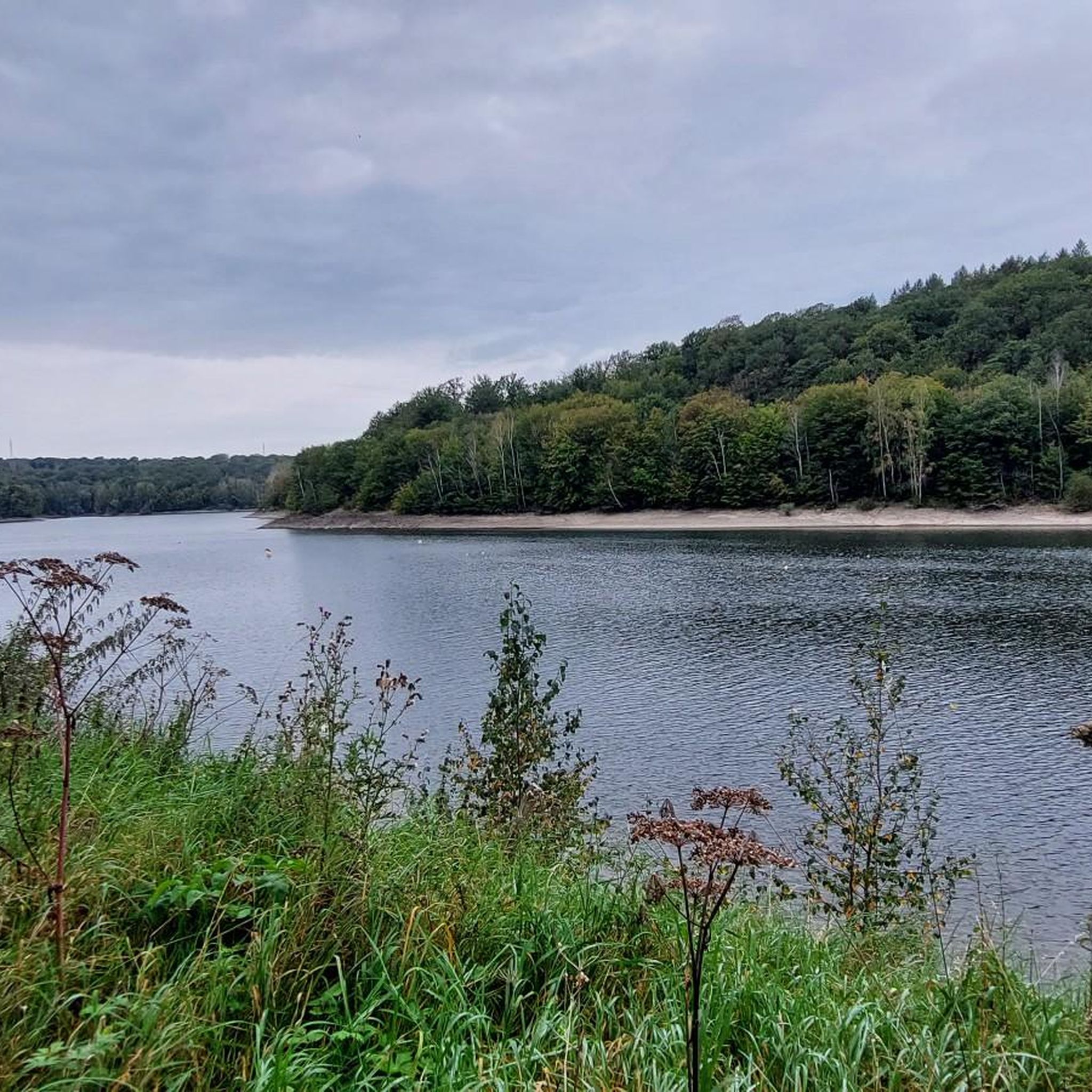
Hiking around Cerfontaine offers diverse natural landscapes, centered around the expansive Lacs de l'Eau d'Heure, one of Western Europe's largest artificial lakes. The region features nearly 600 hectares of water, forests, and meadows, providing varied terrain for exploration. Hikers can find lush forests, tranquil waterfronts, and unique geological formations like the Fondry des Chiens, a narrow gorge formed by rainwater erosion. This area is characterized by well-preserved nature and diverse ecosystems.
Best hiking trails around Cerfontaine
- The most popular hiking…
Last updated: August 9, 2026
3.7
(9)
29
hikers
11.5km
03:06
150m
150m
Moderate hike. Good fitness required. Easily-accessible paths. Suitable for all skill levels.
4.6
(203)
1,133
hikers
18.6km
04:52
140m
140m
Moderate hike. Good fitness required. Easily-accessible paths. Suitable for all skill levels.

Sign up for free
4.5
(54)
303
hikers
4.29km
01:09
50m
50m
Easy hike. Great for any fitness level. Easily-accessible paths. Suitable for all skill levels.
4.5
(56)
302
hikers
4.78km
01:18
70m
70m
Easy hike. Great for any fitness level. Easily-accessible paths. Suitable for all skill levels.
5.0
(5)
145
hikers
Moderate hike. Good fitness required. Easily-accessible paths. Suitable for all skill levels.
Get access to more routes and recommendations from other explorers.
Sign up for free
Already have an account?
Our route recommendations are based on thousands of hikes, rides, and runs completed by other people on komoot.
Start today with a free account
Your next adventure awaits.
Login or Signup

Other adventures around Cerfontaine

Tips from the Community

The development of the dams and associated lakes began in the second half of the 20th century with the aim of providing a structural solution to several problems in the region. On the one hand, it involved regulating water flows and limiting flood risks in downstream areas. On the other hand, the project was set up to create a strategic water supply for industrial and domestic use and to generate energy through hydropower plants. The dam itself is part of a network of several dams that together delineate several artificial lakes. This infrastructure is technically designed to store water and release it in a controlled manner depending on rainfall, demand, and ecological requirements. The constructions consist of massive concrete works with adjustable outlets and safety mechanisms to accurately manage the water level. Hydrologically, the system has a major impact on regional water management. The lakes act as a buffer that absorbs peak flows during heavy rainfall, thereby reducing the risk of flooding in downstream rivers such as the Sambre and Meuse. In addition, controlled water management ensures a more stable water supply during dry periods. Ecologically, the construction of the dams has led to the creation of new ecosystems around the artificial lakes. The bodies of water attract various bird species and support diverse flora and fauna. At the same time, management requires attention to the balance between recreational use, water quality, and natural habitats. Today, the area around the L’Eau d’Heure dam has grown into an important recreational center. The lakes are used for water sports, tourism, and relaxation, giving the area an economic function in addition to its original water management task. This makes it a multifunctional landscape where engineering, nature, and recreation come together.
0
0
The origin of Marian devotion in this region lies in the centuries-old Catholic tradition of Wallonia, where Mary was venerated as a patron saint and symbol of purity, comfort, and protection. Devotional images were often placed at crossroads, near chapels along walking paths, or in the vicinity of villages. They served as quiet places of prayer where residents could pray, light a candle, or take a moment for reflection during daily life.
0
0
The Plate-Taille Dam is located in southern Belgium in Wallonia, on the border of the provinces of Namur and Hainaut. The dam is situated near the villages of Froidchapelle and Cerfontaine and forms the central element of the Lacs de l’Eau d’Heure lake district, the largest artificial lake complex in the country. This area covers approximately 1800 hectares and consists of several interconnected lakes that together form a unique landscape of open water, wooded hills, and extensive recreational zones. Due to its location between the Ardennes and the Fagne, the area has a varied and gently rolling terrain. The origin of the dam dates back to the 1970s when Belgium faced water management problems. The Sambre River, an important waterway for industry and shipping, experienced highly fluctuating water levels. During dry periods, the water level dropped too low, which had economic consequences. To solve this problem, an ambitious project was launched, including the construction of a series of dams on the Eau d’Heure River and its tributaries. The construction of the Plate-Taille dam began around 1974 and was completed in 1981. As a result of its construction, five lakes were created: * Plate Taille (the largest and deepest) * Eau d’Heure * Falemprise * Ry Jaune * Féronval The construction brought about a major change for the region. Certain areas were submerged, and residents had to relocate. At the same time, this project laid the foundation for a new economic model based on tourism and recreation. The Plate-Taille dam is the largest dam in Belgium and an impressive example of modern hydraulic engineering. The Plate Taille lake itself has a surface area of approximately 350 hectares and is the largest and deepest lake in Belgium. The dam holds back an enormous mass of water and literally forms the heart of the entire lake district. One of the dam's main functions is energy generation through a pumped-storage power plant. * Capacity: ± 140 megawatts * Number of turbines: 4 (reversible) * Type: pumped-storage power plant System Operation The system operates on a clever principle: * During low energy demand, water is pumped to a higher reservoir. * During high energy demand, the water flows back down through turbines, generating electricity. This makes the plant particularly valuable for stabilizing the electricity grid, especially in combination with renewable energy sources such as wind and solar power. Around the dam lies a surprisingly rich nature reserve. The combination of water, forests, and open plains ensures great biodiversity. The landscape is characterized by: * Dense deciduous and coniferous forests * Open grasslands * Reed beds along the banks * Quiet bays and small islands Animals found here include: * Roe deer * Foxes * Waterfowl such as grebes and cormorants * Birds of prey The creation of the lakes has led to new ecosystems where flora and fauna have adapted to the water-rich environment. For someone who enjoys long and challenging hikes, like myself, this area is ideal, and you can easily create routes of several hours here without much crowds. 🚴♂️ Cycling and Recreation Besides hiking, the area is also popular with: * Road cyclists (hilly terrain) * Mountain bikers * Families (flat cycling paths around the lakes) There are well-maintained cycling routes that connect the entire lake district. 🚤 Water Sports and Activities The Lacs de l’Eau d’Heure are the center for water sports in Belgium. Possibilities: * Sailing * Kayaking * Windsurfing * Diving (in certain zones) * Swimming Motorized water sports are permitted to a limited extent, which contributes to a relatively calm and natural atmosphere. 🧭 Tourist Facilities The area is highly developed for visitors without losing its natural charm. Key attractions: * Skywalk Plate-Taille – a panoramic tower with views over the entire area * Natura Parc L’Eau d’Heure – adventure park with climbing routes and zipline * Marinas and beach areas * Holiday parks and campsites This makes the area suitable for both day trips and longer stays.
0
0

The term Marian devotion refers to the active devotion that the majority of Christians (Catholics, Anglicans, Copts, and Orthodox) have for Mary, mother of Jesus Christ. This devotion is expressed in prayers and hymns during church services and by the presence of statues, paintings, and icons in churches and in one's own home. Marian devotion, like saint veneration, should not be confused with worship. A common designation for this devotion is "praying to" Mary or another saint. However, according to the doctrine of the aforementioned churches, this does not mean that Mary is worshipped; after all, only God can be worshipped. It means praying to God through Mary (or the relevant saint). Mary is 'merely' the mediator/intercessor between God and man.
0
0

beautiful walk to do with the family
1
0

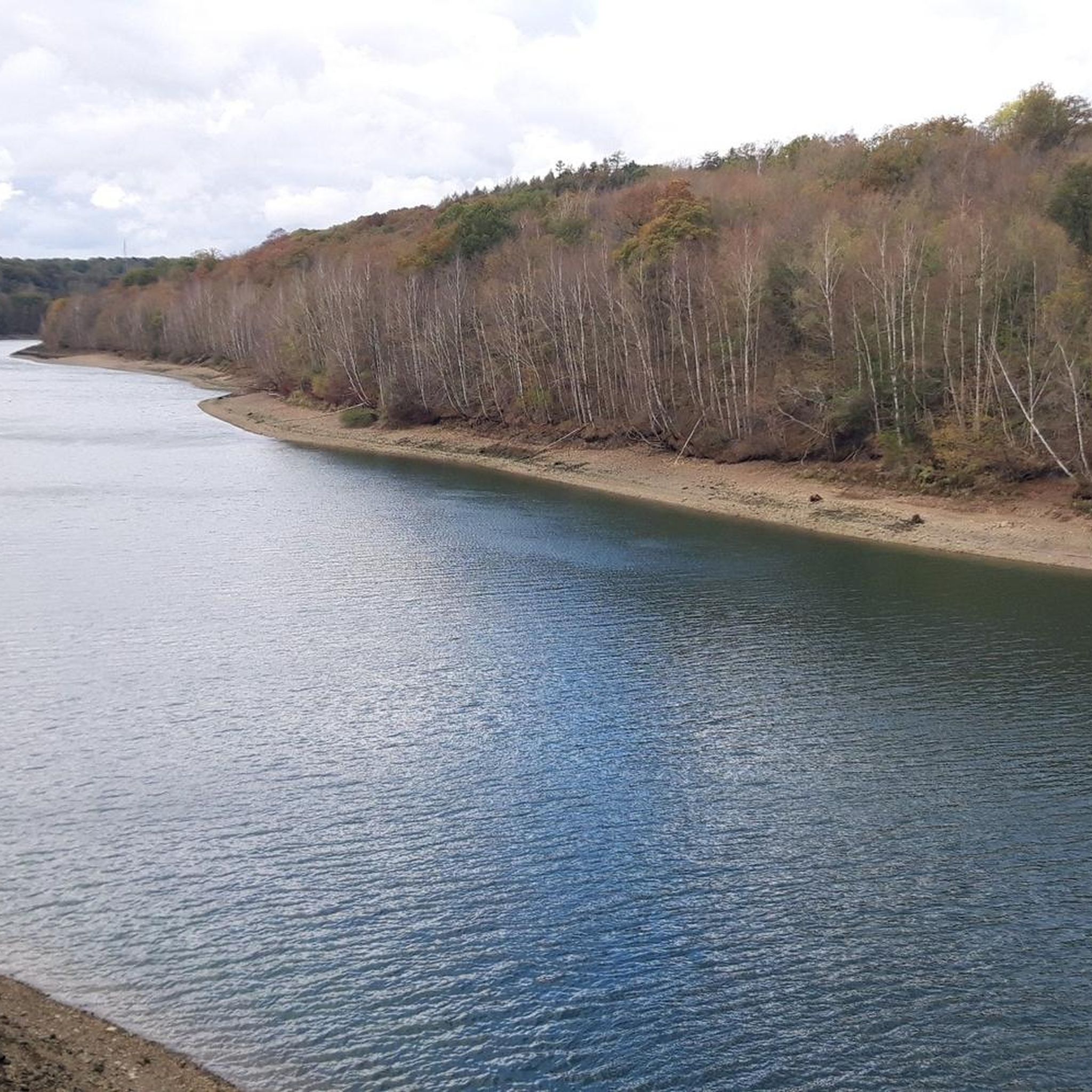
Strolling along the water and a view over the lake
1
0

Around the lakes are the most beautiful places to take breaks and enjoy the spectacle.
2
0
This reservoir is fed by Eau d'Heure and is the oldest artificial water reservoir in the region. Opposite the dam is a small hydroelectric power station. It is also appreciated by all water sports enthusiasts.
1
0
Frequently Asked Questions
How many hiking trails are available around Cerfontaine?
Cerfontaine offers a wide selection of hiking opportunities, with over 120 routes recorded on komoot. These range from easy strolls to more challenging treks, ensuring there's something for every hiker.
What kind of natural landscapes can I expect to see while hiking in Cerfontaine?
The region is characterized by its diverse natural landscapes, primarily centered around the expansive Lacs de l'Eau d'Heure. You'll find lush forests, tranquil waterfronts, and open meadows. A unique geological feature is the Fondry des Chiens Gorge, often called the 'Belgian Grand Canyon,' which is a protected natural monument formed by rainwater erosion.
Are there any easy hiking trails suitable for beginners or families?
Yes, Cerfontaine has many easy trails. For a pleasant and accessible walk, consider the View of the Dam – Eau d'Heure Lake loop from Eau d'heure, which is about 4.3 km long and takes just over an hour to complete. Another easy option is the Eau d'Heure Lake – View of the Dam loop from L'Eau d'Heure, offering similar distances and gentle terrain.
What are some notable landmarks or attractions to look out for on the trails?
Beyond the natural beauty, you can encounter several interesting landmarks. The Plate-Taille Dam and the Eau d'Heure Dam are prominent features around the lakes. The Fondry des Chiens Gorge is a must-see geological wonder. For a cultural detour, there's also a Museum of Local Life housed in a disused railway station on a bridge.
Are there any circular hiking routes around Cerfontaine?
Many of the trails in Cerfontaine are circular, allowing you to start and end at the same point. An excellent moderate circular route is the Lac de la Plate Taille — loop from Cerfontaine, which covers 11.5 km and offers continuous water views and forest sections.
What do other hikers say about the trails in Cerfontaine?
The hiking routes in Cerfontaine are highly regarded by the komoot community, holding an average rating of 4.4 stars from over 600 reviews. Hikers often praise the well-preserved nature, the extraordinary landscapes around the lakes, and the variety of trails available for different skill levels.
Are there any longer or more challenging hikes in the area?
For those seeking a longer challenge, the Eau d'Heure Lakes – View of Lake Plate Taille loop from Cerfontaine is a moderate 18.6 km path that provides expansive views across the Lacs de l'Eau d'Heure and through surrounding natural areas. There are 10 difficult routes in the region for experienced trekkers.
Can I bring my dog on the hiking trails in Cerfontaine?
Generally, dogs are welcome on many trails in the Cerfontaine region, especially within the natural park areas. However, it's always advisable to keep them on a leash, particularly in protected zones like the Fondry des Chiens, to protect local wildlife and rare flora. Check specific trail regulations if you plan to visit a nature reserve.
Are there opportunities for adventure activities alongside hiking?
Yes, the Lacs de l'Eau d'Heure area is also home to Natura Parc, an adventure park located on the banks of the Lac de la Plate Taille. It offers treetop courses, zip lines (some over the lake), and other thrills, providing a great complement to a hiking trip.
Is there public transport access to the hiking areas around Cerfontaine?
While Cerfontaine is best explored by car for maximum flexibility, some public transport options exist to reach the general area. For detailed information on bus routes and schedules, it's recommended to check local transport websites or consult the Cerfontaine tourist office. You can find more information at visitwallonia.com.
What is the best time of year to go hiking in Cerfontaine?
Cerfontaine offers enjoyable hiking experiences throughout the year. Spring brings blooming wildflowers and fresh greenery, while autumn showcases vibrant fall foliage around the lakes and forests. Summer is ideal for combining hiking with water activities, and even winter can be beautiful with crisp air and serene, frosted landscapes, though some services might be limited.
Are there any trails that offer panoramic views?
Absolutely. Many trails around the Lacs de l'Eau d'Heure provide stunning panoramic views over the expansive water bodies and the surrounding forests and meadows. The Eau d'Heure Lakes – View of Lake Plate Taille loop from Cerfontaine is specifically noted for its expansive vistas across the lake complex.
Most popular routes around Cerfontaine
Most popular attractions around Cerfontaine

Get inspired with the komoot mobile app


Explore more
Browse the best Hikes in other regions.
