The best walks and hikes around Izegem
4.4
(292)
2,147
hikers
119
hikes
Hiking around Izegem offers a variety of routes through diverse landscapes in the Belgian province of West Flanders. The city is characterized by the Mandel river and the Roeselare–Leie Canal, which provide scenic paths. Natural features include the Rhodesgoed and Mandelhoek Nature Reserves, along with provincial domains like Wallemote-Wolvenhof. These areas feature accessible paths suitable for various fitness levels, integrating green spaces with views of waterways.
Best hiking trails around Izegem
- The most popular hiking route is Rhodesgoed – Small…
Last updated: July 29, 2026
3.9
(31)
163
hikers
8.17km
02:05
20m
20m
Moderate hike. Good fitness required. Easily-accessible paths. Suitable for all skill levels.
4.0
(21)
129
hikers
8.21km
02:05
20m
20m
Moderate hike. Good fitness required. Easily-accessible paths. Suitable for all skill levels.

Sign up for free
4.8
(5)
81
hikers
3.58km
00:55
10m
10m
Easy hike. Great for any fitness level. Easily-accessible paths. Suitable for all skill levels.
4.5
(13)
64
hikers
5.27km
01:22
10m
10m
Easy hike. Great for any fitness level. Easily-accessible paths. Suitable for all skill levels.
4.6
(15)
65
hikers
Moderate hike. Good fitness required. Easily-accessible paths. Suitable for all skill levels.
Get access to more routes and recommendations from other explorers.
Sign up for free
Already have an account?
Our route recommendations are based on thousands of hikes, rides, and runs completed by other people on komoot.
Start today with a free account
Your next adventure awaits.
Login or Signup

Tips from the Community

Very nice unpaved path, in the middle of the fields
2
1
It's lovely to walk here - the path is easy to walk on.
2
0
Nature reserve and water: a successful mix
1
1

The bridge's somewhat rebellious name was chosen by the people of Ingelmunster. It refers to the historical nickname "brigand" (meaning highwayman) that a group of Ingelmunster residents in the 18th century were given after they resisted the French occupiers. Source: https://www.seineschelde.be/vernieuwen-brigandsbrug-ingelmunster-wat And... no, the rapper Brihang is not from Ingelmunster, but from Knokke-Heist, where the dialect "brigand" (in West Flemish, "brihang") is, of course, also part of the local dialect.
7
1
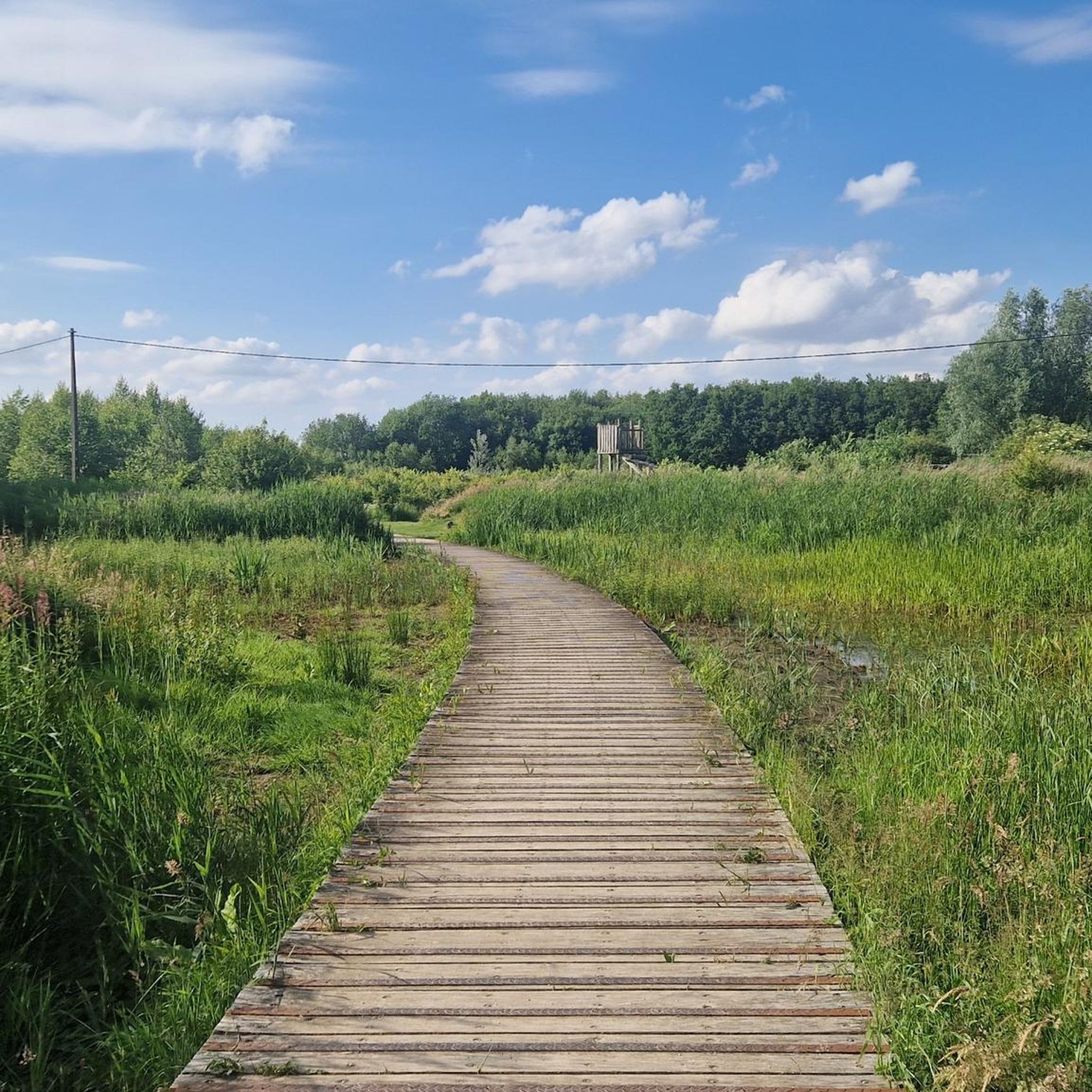
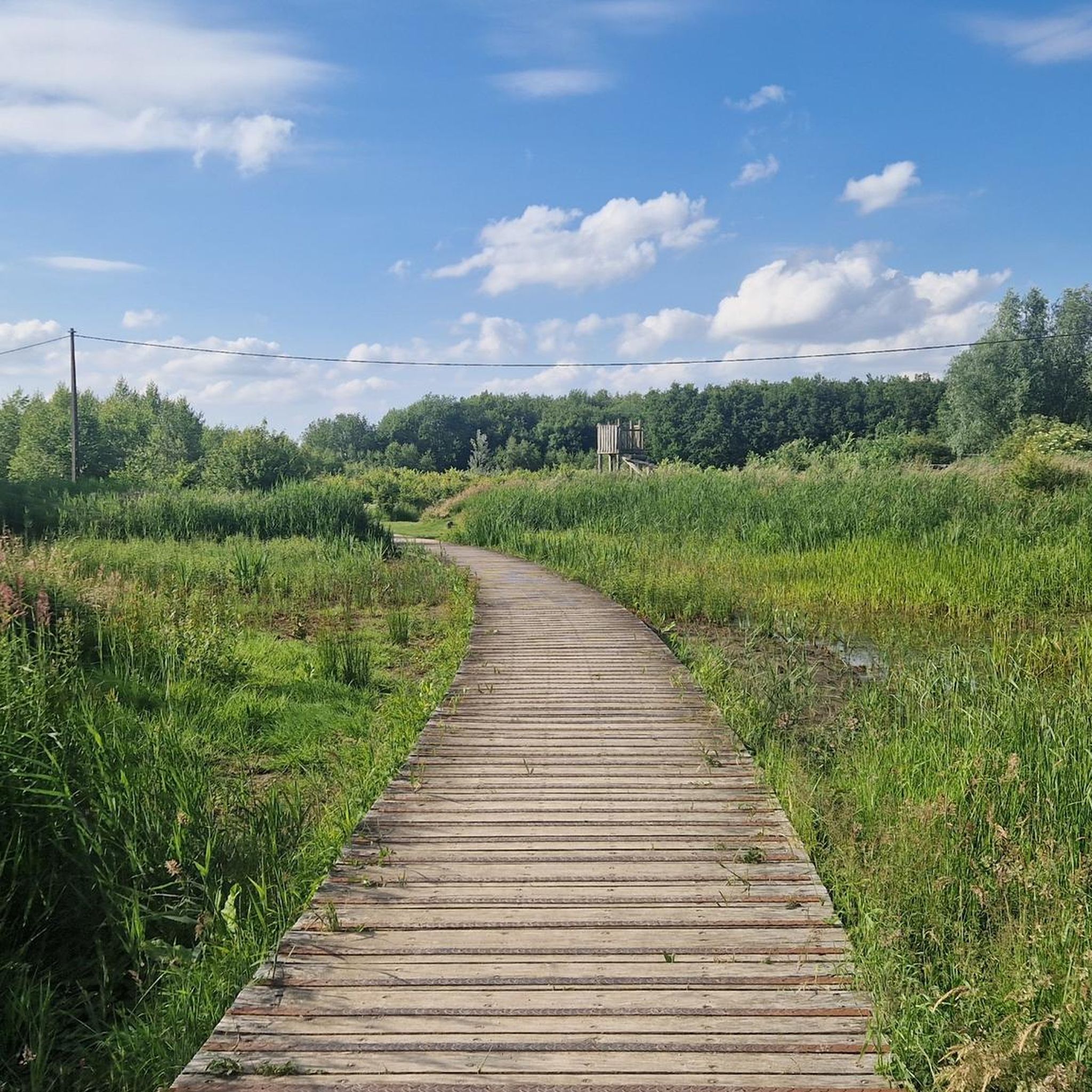
Young forest, which has undergone major development since the purchase of the land (now expanded to 45 ha) by the Flemish government in 1995, not least because fast-growing trees such as willows and poplars were initially planted. The Rhodebeek meanders through the area. The name Rhodesgoed comes from Rudolf van Rode, lord of Schelderode and Melle (which is still called "Land van Rhode"). He was the owner of the lordship of Rode in the 13th century. Each lordship had many farms and houses of farmers and citizens. However, the most important farm of a lordship remained the property of the lord. For Rode, that was the Rhodesgoed. Today, the restored farm buildings of the brasserie are a reminder of that agricultural past. More information about the brasserie and walking environment: https://www.rhodesgoed.be/home/ Source: https://www.natuurenbos.be/natuurgebieden/rhodesgoed
1
0
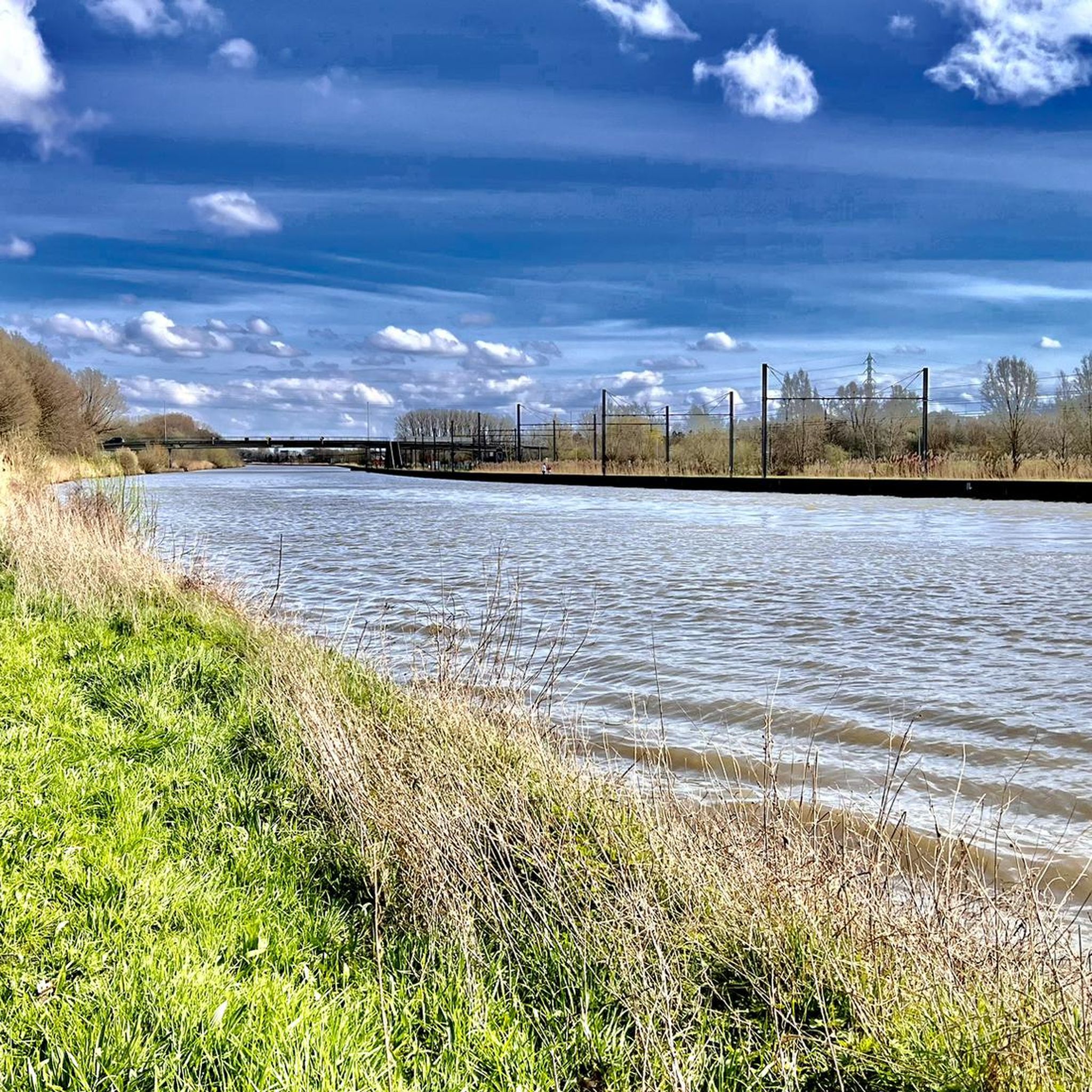
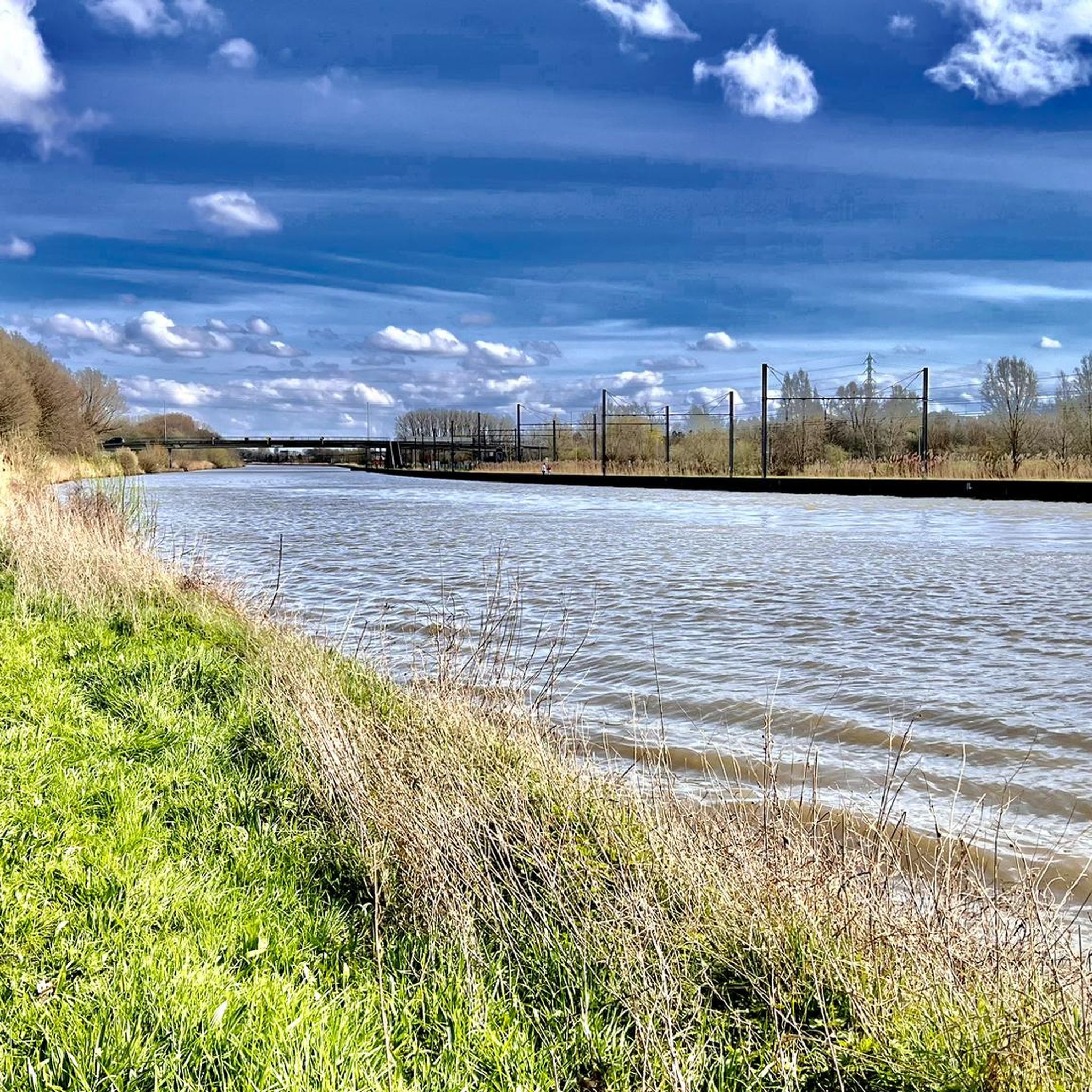
The Roeselare-Leie canal runs right through Ingelmunster, almost parallel to the (although not so straight, but winding) old Mandel. Along those two waterways this small but beautiful nature reserve was formed.
5
1
A unique, recent bridge, inaugurated in 2020. What makes the Brigands Bridge a real eye-catcher is the opening between the two lanes that allows light to pass through. This allows the open space under the bridge—which would normally be shrouded in shadow—to be fully utilized, even allowing a green axis of flora and fauna to develop beneath the bridge. The bridge is almost 300m long. Source: https://www.infosteel.be/staal-bouw-project/6073-brigandsbrug-ingelmunster
8
1
This parsonage and garden were built in 1875 to replace a parsonage located further back on a now-defunct walled site. Source: https://inventaris.onroerenderfgoed.be/erfgoedobjecten/51793
3
0
Frequently Asked Questions
What types of landscapes can I expect to see while hiking around Izegem?
Izegem's hiking trails offer a diverse mix of natural and urban scenery. You'll find paths winding through nature reserves like Rhodesgoed and Mandelhoek, along the scenic Mandel river and the Roeselare–Leie Canal, and through provincial domains such as Wallemote-Wolvenhof. Many routes also integrate green spaces with views of waterways and historical sites within the city.
Are there many easy hiking trails suitable for beginners or families in Izegem?
Yes, Izegem offers a good selection of easy trails. Out of the 92 available routes, 56 are classified as easy, making them suitable for various fitness levels, including beginners and families. An example is the Wolvenhof Castle – Wallemote Castle loop from Izegem, which is 3.6 km long and takes less than an hour to complete.
What do other hikers say about the trails in Izegem?
The hiking trails around Izegem are highly regarded by the komoot community, with an average rating of 4.3 stars from over 250 reviews. Hikers often praise the well-maintained and easily accessible paths, the variety of landscapes, and the integration of nature with cultural points of interest.
Are there any circular hiking routes in Izegem?
Many of Izegem's popular hiking routes are designed as loops, offering convenient circular walks. For instance, the Rhodesgoed – Small Stream loop from Izegem and the Rhodesgoed Nature Reserve – Rhodesgoed loop from Kachtem are both moderate circular trails exploring the Rhodesgoed Nature Reserve.
Can I find hiking trails that pass by historical sites or castles?
Absolutely. Izegem's routes often combine natural beauty with cultural heritage. For example, the Wolvenhof Castle – Wallemote Castle loop from Izegem takes you through the Provincial Domain Wallemote-Wolvenhof, featuring Wolvenhof Castle. Additionally, you can explore other historical castles in the wider region, such as Rumbeke Castle, which is part of the 'Castles around Izegem' guide.
Are there any specific nature reserves I should explore?
Yes, Izegem is home to several notable nature reserves. The Rhodesgoed Nature Reserve is a key highlight, offering loops like the Rhodesgoed – Small Stream loop from Izegem. Another significant area is the Mandelhoek Nature Reserve, which can be explored via routes such as the St. Peter's Church – Mandelhoek Nature Reserve loop from Izegem.
What are the options for parking near hiking trailheads in Izegem?
Parking is generally available near popular trailheads and attractions in Izegem. For instance, areas around Rhodesgoed Nature Reserve and Provincial Domain Wallemote-Wolvenhof typically offer parking facilities. For specific locations, it's advisable to check local signage or online maps for designated parking areas near your chosen starting point.
Are there any trails along the canal or river?
Yes, the Roeselare–Leie Canal and the Mandel river provide excellent opportunities for scenic walks. The Roeselare–Leie Canal – St. Peter's Church loop from Izegem is a 5.3 km route that allows you to enjoy the peaceful canal banks, known as the 'Leieborden'.
Can I reach hiking trails in Izegem using public transport?
Izegem is well-connected by public transport, making it possible to reach various starting points for hikes. The city's center is a hub for buses, and the train station provides connections to other Belgian cities. Many trails, including the Izegem City Walk, are accessible directly from the city center, which is well-served by public transport.
Are there any specific landmarks or points of interest along the Izegem City Walk?
The signposted Izegem City Walk (6.6 km) guides you through the city center, showcasing historical sites like the Art Deco Eperon d'Or building (a former shoe factory and now a museum) and the historic town hall Pax Intrantibus. It also incorporates green areas like Demesne Blauwhuis and views of the Roeselare-Leie Canal. For more details on the city walk, you can visit Visit West Flanders.
What is the best time of year to go hiking in Izegem?
Izegem offers pleasant hiking experiences throughout much of the year. Spring and autumn provide mild temperatures and beautiful scenery with blooming flowers or colorful foliage. Summer is also popular, though it can be warmer. Winter hiking is possible, but paths might be muddy, so appropriate footwear is recommended.
Most popular attractions around Izegem

Get inspired with the komoot mobile app


Explore more
Browse the best Hikes in other regions.
