The best running trails around Wervik
4.7
(63)
1,770
runners
123
runs
Jogging around Wervik offers routes through the flat, agricultural landscape of West Flanders, often following the Lys river and its canals. The region is characterized by open fields, small wooded areas, and riverside paths, providing a generally level terrain suitable for various running paces. Elevation changes are minimal, making most routes accessible for steady running. These routes provide opportunities to explore the local countryside and cross into neighboring areas.
Best jogging routes around Wervik
- The most popular jogging route is…
Last updated: November 15, 2026
4.9
(11)
165
runners
Moderate run. Good fitness required. Mostly paved surfaces.
108
runners
7.52km
00:47
30m
30m
Moderate run. Good fitness required. Mostly paved surfaces.

4.0
(4)
114
runners
5.65km
00:35
10m
10m
Moderate run. Good fitness required. Mostly paved surfaces.
5.0
(2)
61
runners
8.63km
00:53
20m
20m
Moderate run. Good fitness required. Mostly paved surfaces.
42
runners
Moderate run. Good fitness required. Mostly paved surfaces.
Get access to more routes and recommendations from other explorers.
Already have an account?
Our route recommendations are based on thousands of hikes, rides, and runs completed by other people on komoot.
Start today with a free account
Your next adventure awaits.
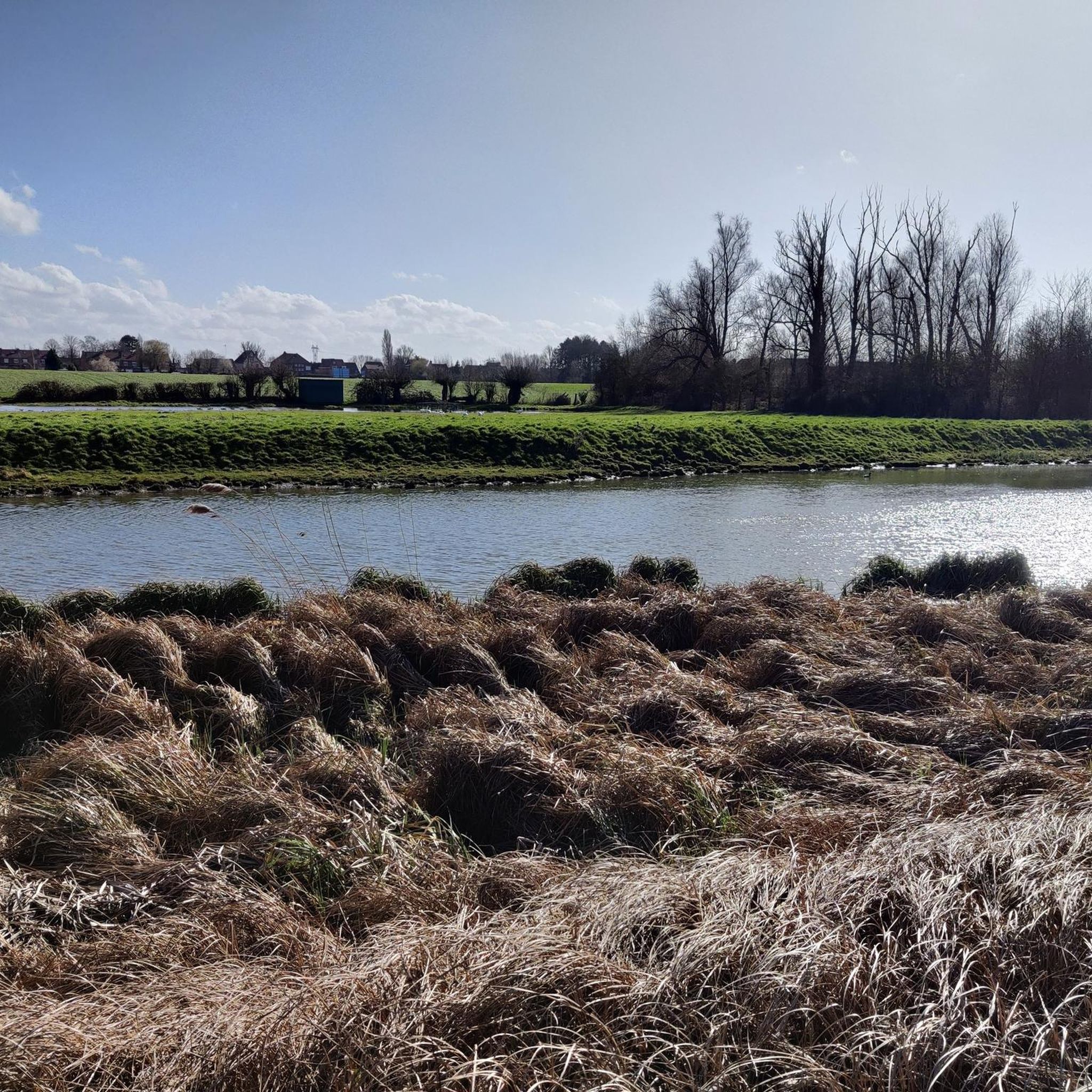
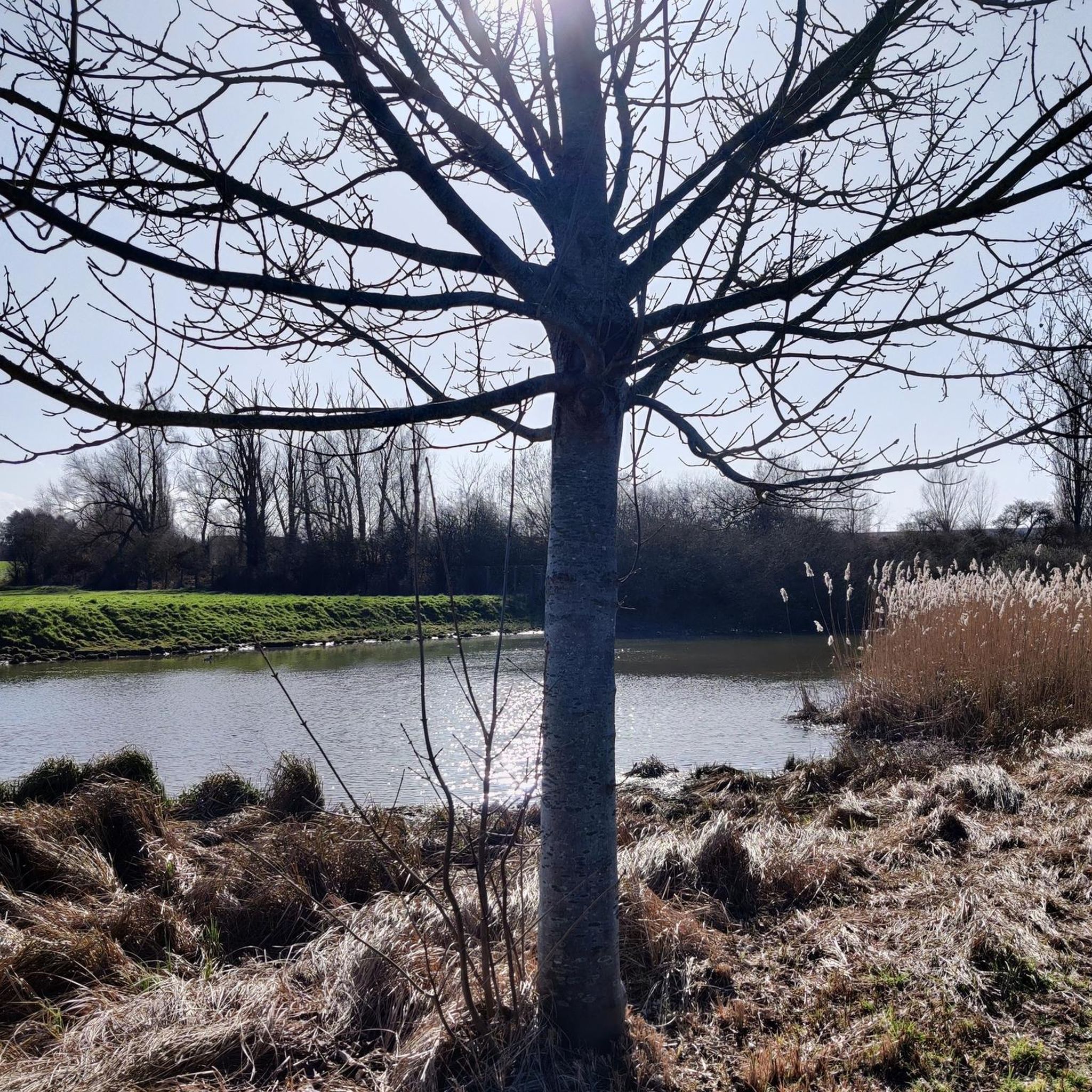
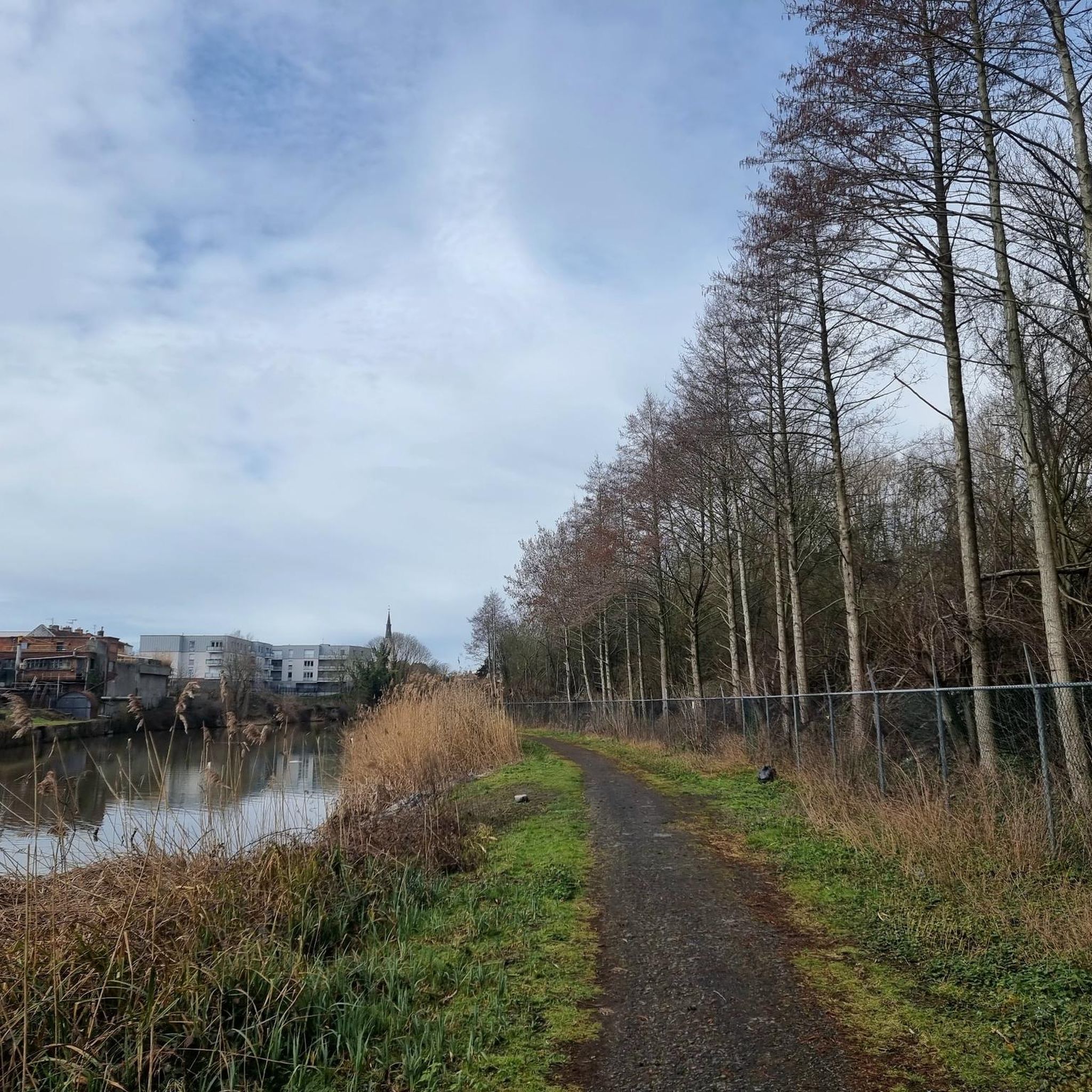

Tips from the Community

asphalt cycle path.
0
0

This Marian chapel is striking not only for its location on a wedge formed by Kerkstraat and Ieperstraat, but especially for its unique shape: eight-sided, under what is called a "bell-shaped tower helmet" (with slates). To the right of the entrance, the architect's name is clearly indicated: "Aime Latte - Kortrijk." The chapel dates from the 1950s. It replaced an earlier chapel that was demolished during the widening of Ieperstraat.
1
0
Although this church, as @JP writes, originally dates back to the 16th century, there was already a church dedicated to Saint Dionysius in Geluwe before that time; first mentioned in the 12th century. In 1148, Bishop Anselm of Tournai donated the altar of Geluwe to the chapter of Saint Peter's in Lille. Over the centuries, the church of Geluwe changed deanery and diocese several times: from the diocese of Tournai, to that of Ypres, then Ghent, and finally Bruges. The church's rich collection includes several 18th-century paintings, such as the Descent from the Cross (c. 1705), the Adoration of the Shepherds, the Martyrdom of Saint Sebastian, and Jesus with the Supper at Emmaus. There are also two 18th-century statues: Saint Roch and Saint Dionysius. The church also has a collection of religious textiles, including a number of (almost) complete vestments that are well-preserved. A vestment is a collection of liturgical vestments made from the same fabric or print. Such a vestment consists of, for example, a cope, a chasuble, (often two) dalmatics, accompanying stoles and maniples, a bursa, a chalice veil, and so on. Source: zuidwest.be
3
0

Easy to go and visit the park across the river. Note than you cannot cycle in the parc, please respect this.
1
0

Path between the Leie and the Oude Leie. Although you are walking on the southern bank of the Leie, you are still in Belgium. After all, it is the Oude Leie that determines the border here.
2
0

Originally a Romanesque cruciform church with a three-aisled basilica nave and crossing tower. 1555: construction of the Onze-Lieve-Vrouwekoor to the north of the main choir. 1565 and 1568: damage as a result of the iconoclasm, mainly concerning the church furniture and the tower (fire). Restoration and expansion works, including the extension of the main choir and construction of a southern side choir in 1717; possibly also in the course of the 18th century, widening of the side aisles if the date stones found here are read as 1740 (south) and 1754 (north). 1911-1912: demolition of the crossing tower, extension of the transept with a projecting north and south bay, the latter crowned with a tower, and construction of a new southeastern sacristy, designed by architect J. Carette (Kortrijk). After the severe damage during the First World War, architect A. Latte (Kortrijk) restored the pre-war appearance, but omitted the spire. Hall church with southern transept tower. Exterior architecturally leaning towards neo-Romanesque with regional influences; the hall choirs largely retain their original (late) Gothic appearance. The floor plan unfolds: a three-aisled nave of three bays, a projecting transept with arms of two bays - including a southern transept tower with semi-circular corner tower -, a main choir of two bays + a half bay and two side choirs of a straight bay, to the north with an additional semi-circular staircase tower and all with three-sided closure; a south-eastern sacristy and a baptismal chapel to the north. Church building constructed from iron sandstone - partly reused Romanesque building material - on a plinth of Atrecht sandstone; choir section with rising brickwork of dark bricks alternating with yellow, among other things, for window frames and corner bands. Use of natural stone with a more homogeneous appearance for frames of wall openings, windows, traceries, cover plates. Slate roofing. Inventory of Immovable Heritage: Parish Church of Saint Dionysius, https://id.erfgoed.net/erfgoedobjecten/32991
8
0

A beautiful cycle path leads to the centre of Wervik.
4
0
Frequently Asked Questions
How many running routes are available around Wervik?
There are over 100 running routes available around Wervik on komoot, catering to various skill levels. The majority are moderate, with a few easier and more challenging options.
Are there any easy or beginner-friendly jogging routes in Wervik?
Yes, Wervik's generally flat and level terrain makes many routes suitable for beginners. While most are moderate, there are easy options available. The region's riverside paths and open fields provide a gentle introduction to running.
Can I find circular running routes in the Wervik area?
Absolutely. Many of the running routes around Wervik are designed as loops, allowing you to start and finish at the same point. For example, the Comines–Wervicq Border loop from Wervik is a popular circular option.
What kind of scenery can I expect on jogging trails around Wervik?
Jogging routes in Wervik offer a mix of scenery, primarily characterized by the flat, agricultural landscape of West Flanders. You'll encounter open fields, small wooded areas, and paths alongside the Lys river and its canals, providing a peaceful, rural experience.
Are there any running routes around 10k in Wervik?
Yes, there are several excellent running routes around the 10k mark. The Brewery Belle Vue loop from Geluwe is approximately 9.4 km, and the Brewery Belle Vue – Geluwe War Memorial loop from Geluwe is about 9 km, both offering a good distance for a solid run.
What do other runners say about the trails in Wervik?
The running routes in Wervik are highly rated by the komoot community, with an average score of 4.7 stars from over 50 reviews. Runners often praise the quiet countryside, well-maintained paths, and the opportunity to explore both Belgian and French border areas.
Are there any interesting landmarks or attractions to see along the running routes?
While the routes focus on natural and rural landscapes, you can find historical sites nearby. For instance, the region has several World War I memorials and preserved battlefields like The Bluff Memorial and Crater or Hill 60 preserved Battlefield, which offer a glimpse into the area's past. You might also encounter natural features like Zillebeke Pond.
What is the best time of year to go jogging in Wervik?
Wervik's generally mild climate makes it suitable for jogging year-round. Spring and autumn offer pleasant temperatures and beautiful scenery with changing foliage. Summer is also popular, especially along the riverside paths, while winter runs can be refreshing, though some paths might be muddy after rain.
Are there any running routes that cross into neighboring areas or countries?
Yes, Wervik is located near the French border, and some routes allow you to experience both countries. The Comines–Wervicq Border loop from Wervik is a prime example, offering views of the surrounding rural landscape as you follow the border.
Are there any routes that go through wooded areas?
Yes, some routes incorporate small wooded sections. The Congobos loop from Geluwe is a great option, leading through the Congobos and providing a mix of open and forested scenery.
What are the typical terrain conditions for jogging in Wervik?
The terrain in Wervik is predominantly flat and generally level, consisting of well-maintained paths, riverside trails, and agricultural tracks. Elevation changes are minimal, making it ideal for steady running and accessible for most fitness levels.
Most popular attractions around Wervik

Get inspired with the komoot mobile app


Explore more
Browse the best Running Trails & Routes in other regions.
