The best running trails around Genk
4.2
(78)
7,315
runners
262
runs
Jogging routes around Genk traverse a varied landscape, offering a mix of heathlands, pine forests, and unique marsh and pond areas. The region features expansive natural parks like Hoge Kempen, alongside transformed former mining sites such as Thor Park. Dedicated urban running facilities and scenic trails through the "land of 1001 ponds" provide diverse options for runners. This environment supports a range of jogging experiences, from gentle loops to more challenging routes.
Best jogging routes around Genk
- The most popular…
Last updated: May 26, 2026
6
runners
22.9km
02:28
60m
90m
This difficult 14.2-mile jogging route between Genk and Hasselt offers a challenging run through the scenic De Wijers region.
3.5
(2)
744
runners
11.8km
01:22
130m
130m
Moderate run. Good fitness required. Mostly paved surfaces. Suitable for all skill levels.

Sign up for free
4.5
(2)
427
runners
11.5km
01:14
30m
30m
Moderate run. Good fitness required. Mostly paved surfaces. Suitable for all skill levels.
311
runners
17.6km
01:53
80m
80m
Hard run. Very good fitness required. Mostly paved surfaces. Suitable for all skill levels.
5.0
(1)
221
runners
Moderate run. Good fitness required. Mostly paved surfaces. Suitable for all skill levels.
Get access to more routes and recommendations from other explorers.
Sign up for free
Already have an account?
Our route recommendations are based on thousands of hikes, rides, and runs completed by other people on komoot.
Start today with a free account
Your next adventure awaits.
Login or Signup
Popular around Genk
From Flanders to the Ardennes — GR 5 in Belgium
Flanders Divide - Across Flanders
Flanders' Finest Cycle Routes: routes to discover Flemish nature and heritage
Three-day National Park Trail (from Genk Station)
Hiking in Flanders – National Park Trail through Hoge Kempen
Camping Trail: 111 km National Park Trail, from Campsite to Campsite
National Park Trail - 110 kilometers through Hoge Kempen National Park
Cycling on Belgium’s most beautiful bike paths — 10 boucles à vélo
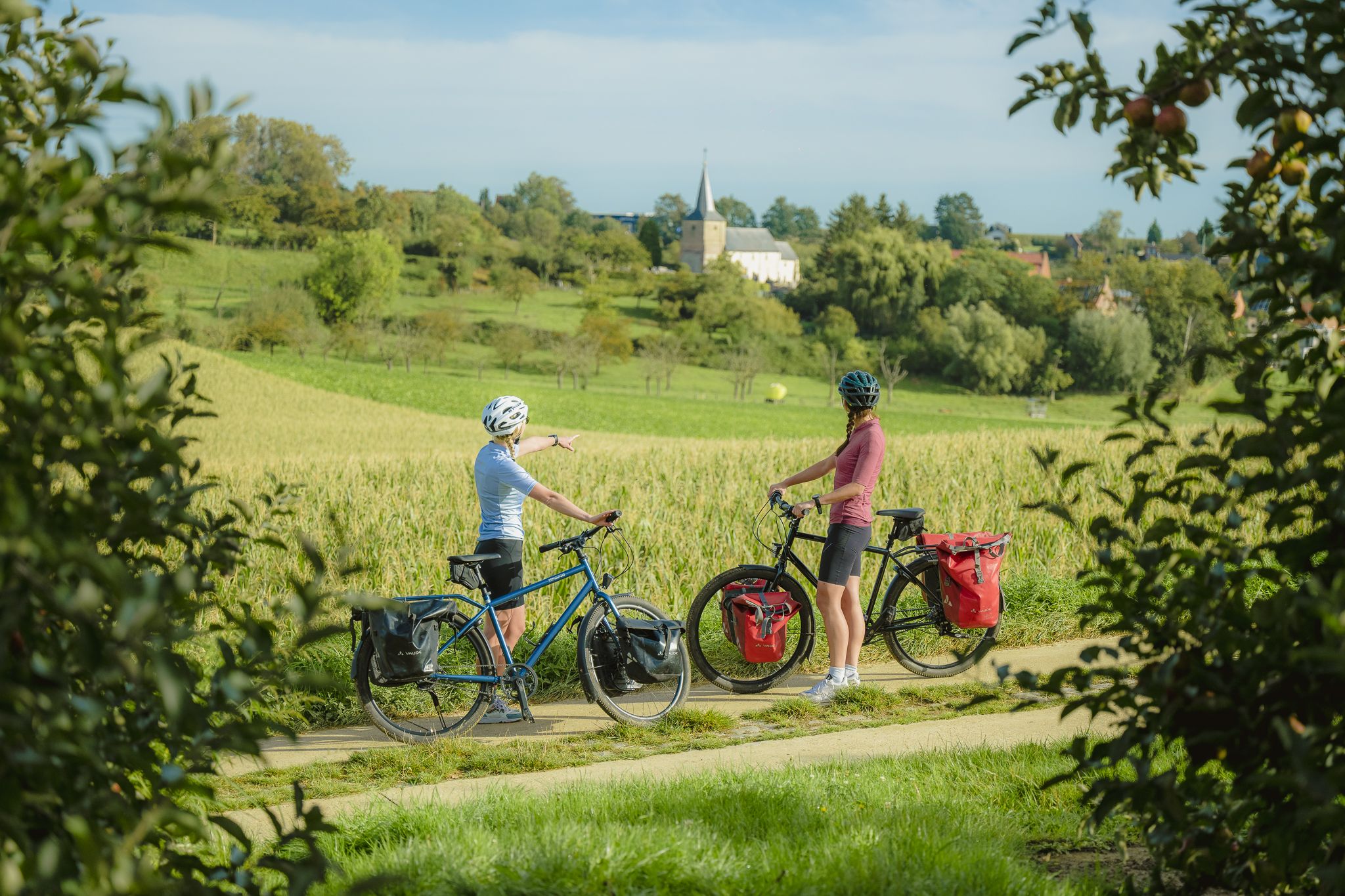
The best of Flanders — the Flanders Route
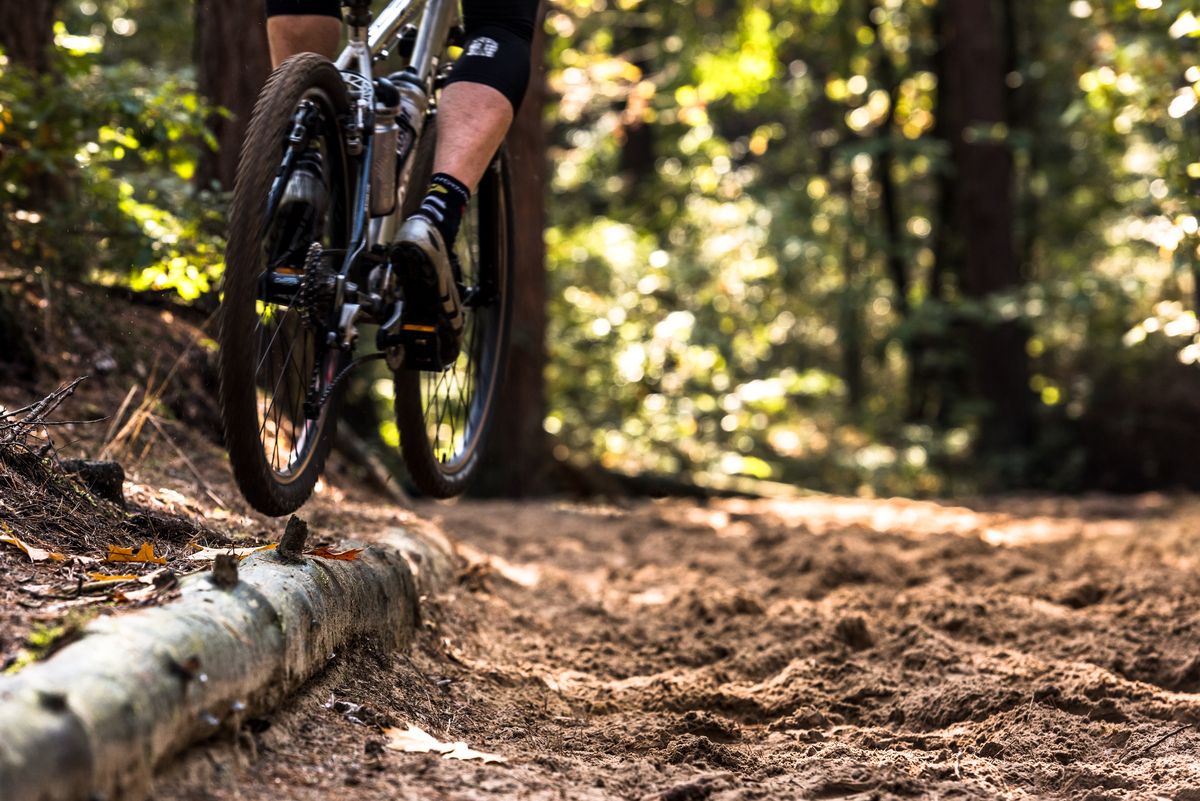
One with nature - Mountain biking network Hoge Kempen
Other adventures around Genk


Tips from the Community

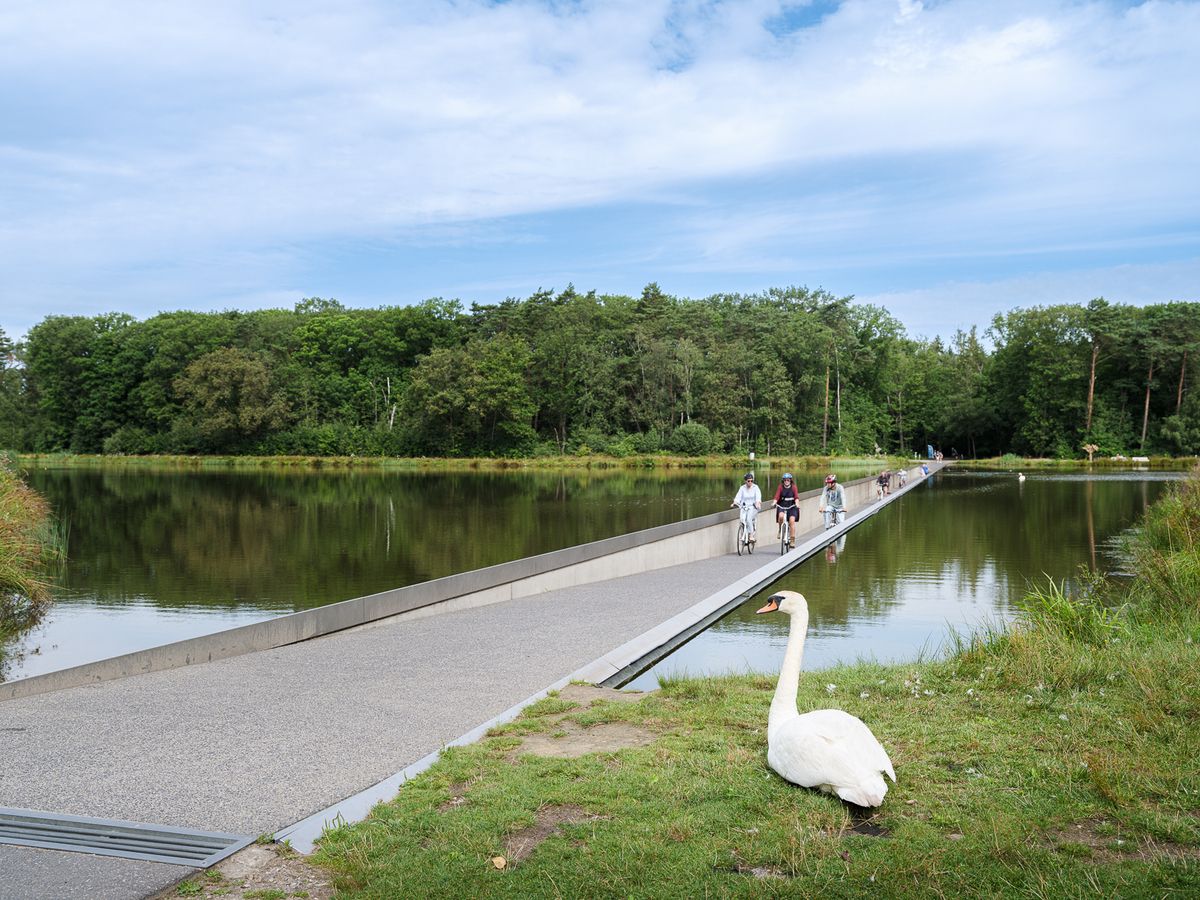
The cycle path through the water leads cyclists over a 212-meter-long and three-meter-wide concrete path, with water at eye level on both sides. Swans and other waterfowl swim along the banks, curiously watching the cyclists. Since its opening, interest in this unique cycle path has been enormous. On average, 800 visitors per day explore this unforgettable part of the Limburg cycle network, with peaks on Saturdays and Sundays, and on some days even up to 5,000 cyclists.
0
0
Curious about the origin of our current customs and traditions? At the Bokrijk Open Air Museum, you'll discover how the past inspires our future! Dive into the history of crafts and gain practical experience during engaging workshops. Immerse yourself in the art of bread baking, textiles, and woodworking. Discover heritage breeds at the beautifully restored museum farm or learn all about historical brewing at the Het Paenhuys museum brewery.
0
0

Cycle bridge next to the road bridge. A beautiful structure for a safe crossing.
0
0

Homeleswijer is one of the characteristic ponds (wijers/ponds) you'll encounter during walks through the De Maten nature reserve in the Belgian province of Limburg. It lies within the watery landscape of the reserve, which is part of the larger De Wijers pond area, a network of natural and man-made ponds that originated from centuries-old fish farming traditions in the region. In De Maten, the Stiemerbeek stream and its tributaries formed the basis for pond complexes containing water features like the Homeleswijer. Dams and overflows made fish farming possible, creating a unique marsh and pond landscape full of reed beds, open water, and wet grasslands. Walking trails through De Maten—ranging from short loops to longer hikes—run along and around these ponds. They are true natural treasures: herons, waterfowl, and typical marsh plants can be found here, and information boards often line the path explaining the ecology and water management. Many walks along the Homeleswijer are signposted and start, for example, at the Slagmolen in Genk or at other access points in De Maten.
0
0
Along hiking trails in wooded and damp areas, they are sometimes immediately noticeable. Giant tree roots, rising straight up into the air, are exposed when a large tree has fallen. Where a massive trunk once stood, you now see an impressive wall of earth, roots, and stones. These natural sculptures tell a story of time, weather, and soil. The fall of such large trees often occurs in areas with wet or river-like soil, such as stream valleys and alluvial plains. The roots grow broadly but relatively shallow there because oxygen is scarce deeper in the soil. During heavy rainfall, high groundwater levels, or storms, the tree loses its grip and topples, pulling its entire root system out of the ground. The exposed root ball clearly demonstrates the complexity and branching of a mature tree's root system. Thick taproots extend into a network of fine root hairs, between which layers of soil, clay, and stones, have been pulled. Such a fallen giant reveals what normally remains hidden and offers a rare glimpse into the subterranean world of the forest. Ecologically, these fallen trees and their root balls are of great value. The root wall provides shelter for insects, spiders, and small mammals. Seeds can germinate in the loosened soil, while rotting wood returns nutrients to the soil. Over the years, moss grows over the roots, creating small micro-landscapes where new life can establish itself. For hikers, fallen giant tree roots are striking landmarks. They underscore the dynamic character of nature, and forests are not static backdrops but constantly in flux. What is a fallen tree today can be a breeding ground for young trees and plants tomorrow. In this way, loss becomes part of renewal. The sight of these giant roots is a reminder that even the largest trees are not invulnerable and that natural processes—wind, water, and time—continue to shape the landscape. In their silence, fallen tree roots tell a powerful story of transience and restoration.
0
0
The Bokrijk Open Air Museum is a large and characterful museum park in Genk (province of Limburg, Belgium) that offers a unique insight into rural life, crafts, and the culture of the past. The museum is part of the extensive Provincial Domain Bokrijk, a park of approximately 550 hectares where nature heritage and recreation come together. The open-air museum opened its gates to the public in 1958 when the province of Limburg realized the project in response to the rapidly changing living and landscape situation after the Second World War. The goal was to preserve historical buildings, traditional crafts, and agricultural elements before they were lost due to modernization and urban expansion. In Bokrijk, you will find more than 140 authentic historical buildings such as farmhouses, mills, workers' houses, sheds, and even an old church. Many of these buildings have been dismantled from their original location and rebuilt stone by stone in the museum park so that they are preserved for future generations. The museum is divided into several thematic areas, each showcasing a different aspect of rural life. Kempen – with a focus on crafts such as bread and textile production and workshops where artisans demonstrate their techniques. Haspengouw – where costume and living history actors bring life around 1900 to life and you can see historical farmhouses and animals. East and West Flanders – tranquil cultural landscapes with craft demonstrations by, for example, a herbalist, tanner, and miller. The Sixties – a separate exhibition visualizing daily life in the 1960s with realistic sets such as a café, gas station, and living rooms. Bokrijk is not just about buildings, but also about experience and participation. Visitors can view historical crafts up close or actively participate in workshops such as baking bread or making pottery. There are also educational routes with various signposted walks through the museum section itself. In addition to the open-air museum itself, the domain offers much more. De Wijers — a large pond area that you can explore, among other things, via the "Cycling Through Water" attraction, where you literally cycle through the water. Arboretum Bokrijk — a remarkable botanical garden with a collection of trees and shrubs that can be admired throughout the year. Open-air playground — the largest free playground in Flanders, popular with families with children. The park itself is accessible year-round, but the open-air museum has a seasonal opening: it is open from April 5 to November 2 between 10 a.m. and 6 p.m., with the exception of Mondays outside of school holidays. The Bokrijk Open Air Museum offers an extensive journey through time of Flemish rural life, from centuries-old farmhouses and traditional crafts to the daily life of the sixties, doing so in a way that is educational, interactive, and appealing to all ages.
0
0
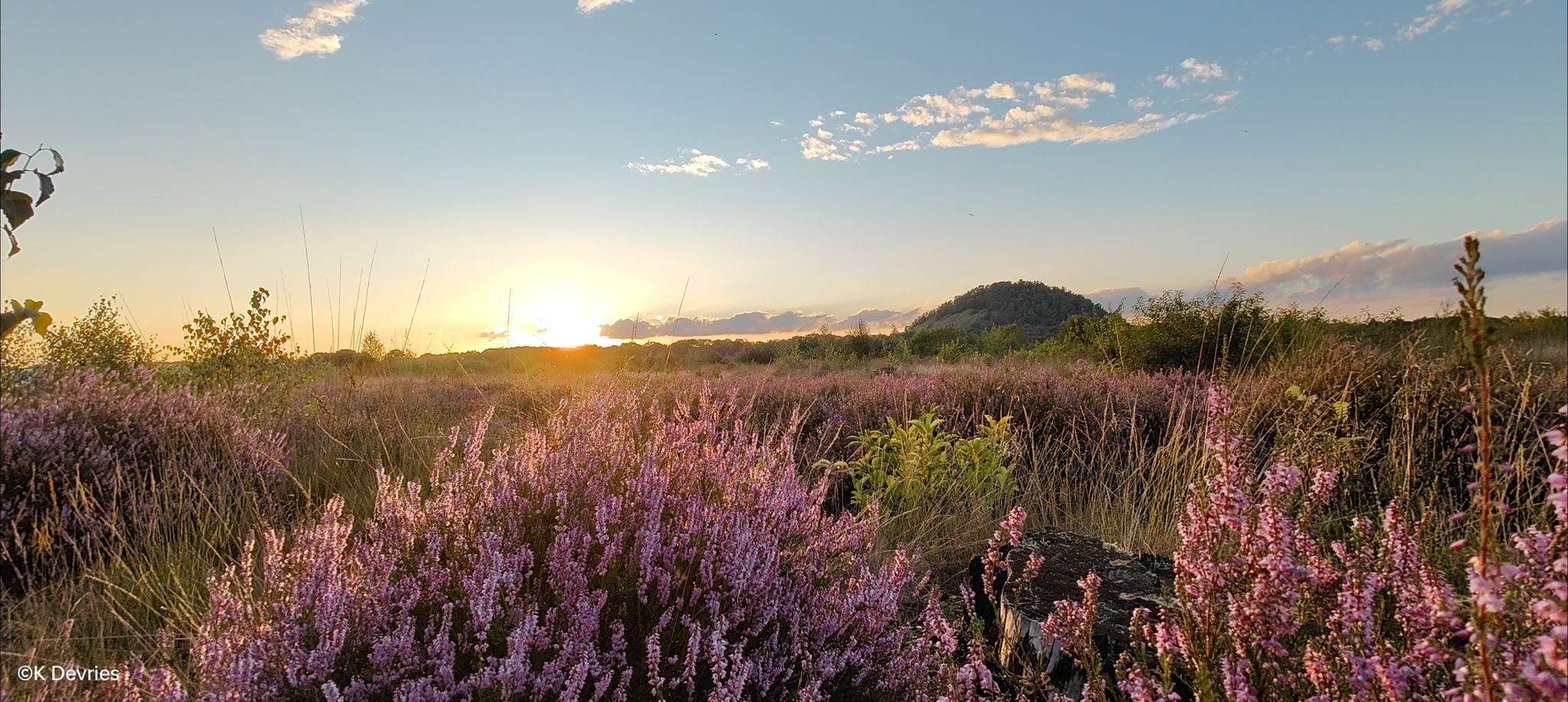
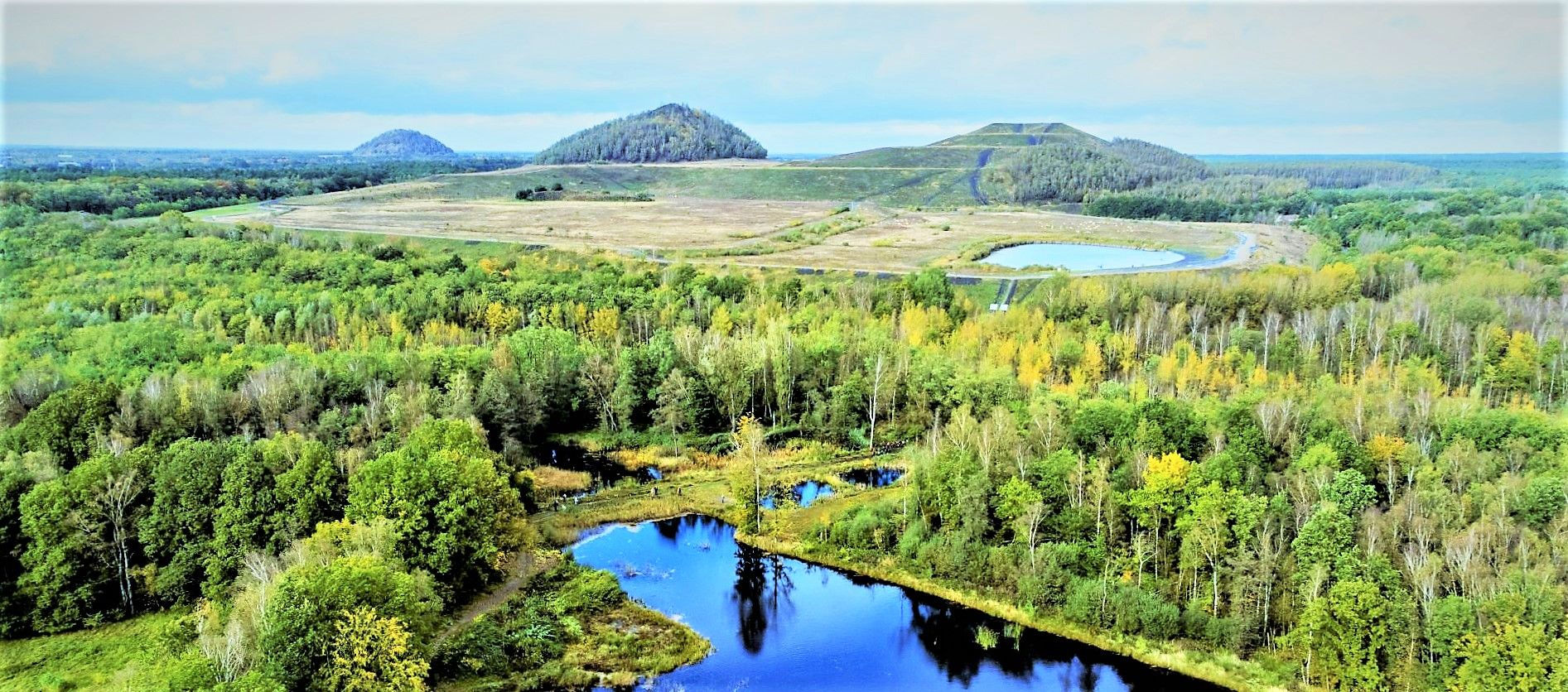
The view of the lakes and slag heaps in the Klaverberg nature reserve is one of the most impressive panoramas in the Genk region and the Hoge Kempen National Park. Here, a landscape unfolds where rugged industrial history and young, resilient nature seamlessly blend. From elevated points, you can look out over glistening waterways, undulating heathland, and the striking silhouettes of the slag heaps, silent witnesses to the mining past. The slag heaps, formed from the waste from the coal mining of the former Waterschei mine, today form green hills reclaimed by nature. What was once a symbol of heavy industry is now a haven for hikers, cyclists, and nature lovers. The slopes bear a mosaic of grasses, lichens, pines, and birches, while in some places, rare plants have managed to survive thanks to the specific soil structure. At the foot of these slag heaps lie lakes and ponds created by subsidence and water extraction after the mine closures. These pools reflect the sky, the ridges, and the surrounding vegetation, creating an almost picturesque backdrop. In clear weather, you can see the water glistening serenely among the greenery, dragonflies skimming the surface, and waterfowl finding their way along the banks. The view changes with the seasons. In spring and summer, the heathland turns a fresh green, interspersed with purple accents from flowering heather. In autumn, warm shades of rust brown and golden yellow take over the landscape, while in winter, the bare slag heaps create an austere, almost mysterious atmosphere. Each season tells its own story here.
1
0
Deep in the woods around Thor Park and the Klaverberg, the old train tracks still lie, silent witnesses to Genk's industrial past. These tracks were once the lifeblood of the Waterschei coal mine: wagons full of coal, and sometimes even workers, would rush along the rails, connecting them to the rest of Limburg and Belgium. Today, the tracks are abandoned and partly overgrown with moss, ferns, and young trees. The contrast between the rusty steel and the green vegetation makes it a particularly photogenic landscape. During walks, you can follow the tracks along winding forest paths, sometimes almost completely hidden by fallen leaves and undergrowth. The old train tracks are more than just decorative: they tell a story of labor, industry, and the transformation of the landscape. Hikers experience both the tranquility of the forest and the historical power of the industrial past, making every step along the tracks feel like a connection between then and now.
0
0
Frequently Asked Questions
How many running routes are available in Genk?
Genk offers a wide variety of running experiences, with over 230 routes available on komoot. These range from easy loops to more challenging trails, ensuring options for every fitness level.
What types of landscapes can I expect on jogging routes around Genk?
Jogging routes in Genk traverse diverse landscapes, including the heathlands and pine forests of the Hoge Kempen National Park, the unique marsh and pond areas of the De Wijers region (often called the 'land of 1001 ponds'), and transformed former mining sites like Thor Park. You'll find a mix of natural and sometimes paved surfaces.
Are there any dedicated running facilities in Genk?
Yes, Genk provides several dedicated facilities for runners. These include the marked 6 km Loopbaan between the city hall and ZOL hospital, three Finnish Tracks (Finse pistes) with shock-absorbing surfaces in SportinGenk park, Zonnebos, and Bospark, and public access to the Koninklijke Atletiekclub Genk's athletics track outside of training hours.
Which running routes are suitable for beginners or those looking for an easy jog?
While many routes offer a challenge, Genk has 27 easy-rated routes perfect for beginners or a relaxed jog. Look for shorter loops within parks like Molenvijverpark or explore sections of the dedicated Loopbaan, which also has 1 km and 3 km options.
Can I find family-friendly running trails in Genk?
Yes, many of Genk's parks and nature reserves offer paths suitable for families. Areas like Molenvijverpark and sections of Kattevennen Nature Reserve provide relatively flat and accessible terrain. The dedicated Finnish Tracks are also a great option for a safe and comfortable family run.
Are there any dog-friendly running routes in Genk?
Many natural areas and trails in Genk are dog-friendly, though it's always best to keep your dog on a leash, especially in nature reserves to protect wildlife. Routes through the Hoge Kempen National Park or around Thor Park are popular choices for running with your canine companion.
What are some interesting sights or landmarks I might see while running in Genk?
Genk's routes offer various points of interest. You might encounter unique landscapes like the 'land of 1001 ponds' in De Wijers, or the industrial heritage transformed into nature at Thor Park. Specific highlights include the View of the Terrils from the Lake, the View from Tweelingterril, or the unique Cycling Through the Water — Fietsen Door Het Water (Bokrijk) experience near Bokrijk Castle.
What do other runners enjoy most about jogging in Genk?
The running routes in Genk are highly rated by the komoot community, with an average score of 4.3 stars from over 40 reviews. Runners often praise the varied terrain, from peaceful forests to scenic pond landscapes, and the well-maintained paths that offer a refreshing outdoor experience.
Are there any long-distance or challenging running routes in Genk?
Absolutely. For those seeking a challenge, routes like the Genk to Hasselt Train-hopper Trail (14.2 miles / 22.9 km) or the Thor Park Pond – Thor Park loop from Cegeka Arena (13.1 miles / 21.1 km) offer significant distances and varying elevations, guiding you through some of the region's most beautiful and demanding terrain.
Where can I find parking for running routes in Genk?
Many popular starting points for running routes in Genk, especially those near nature reserves or parks like Molenvijverpark, Kattevennen, Bokrijk, and Thor Park, offer designated parking facilities. It's advisable to check specific route details for the most convenient parking options.
Are there any circular running routes available in Genk?
Yes, Genk features many excellent circular running routes. A popular option is the Molenvijverpark – Sundial Park – Kattevennen Nature Reserve loop from Genk, which offers a diverse 10.7-mile (17.2 km) path connecting several key green spaces. Another great loop is the Bokrijk Castle – View of the Weyers loop from Bokrijk.
What is the best time of year to go jogging in Genk?
Genk is suitable for jogging year-round, but spring and autumn offer particularly pleasant conditions with mild temperatures and beautiful scenery, such as the heathlands in bloom or vibrant fall foliage. Summer mornings and evenings are also ideal to avoid the midday heat. Winter running is possible, especially on illuminated tracks like the Finse pistes.
Most popular attractions around Genk

Get inspired with the komoot mobile app


Explore more
Browse the best Running Trails & Routes in other regions.
