Attractions and Places To See around Torre Annunziata - Top 20
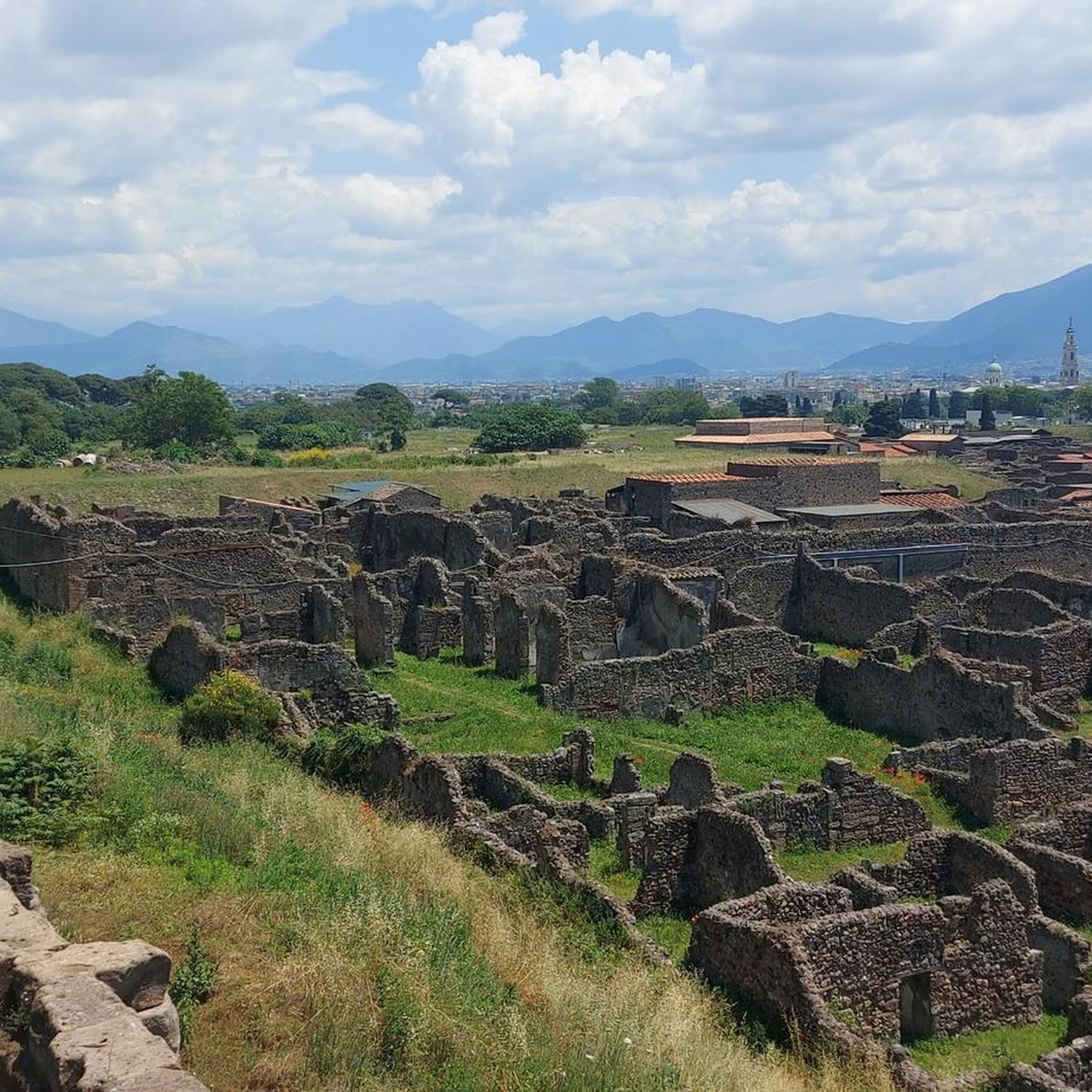
Best attractions and places to see around Torre Annunziata include a captivating blend of historical, cultural, and natural sites. This coastal town, situated along the Bay of Naples, offers archaeological sites dramatically shaped by Mount Vesuvius. Visitors can explore ancient Roman ruins and enjoy picturesque sea views. The region provides a comprehensive picture of Roman life from the 1st century BC to the 1st century AD.
Best attractions and places to see around Torre Annunziata
- The most popular attractions is Crater of Mount Vesuvius, a volcano that is still active. This impressive mountain allows visitors to drive far up, with the final ascent to the crater edge requiring a climb.
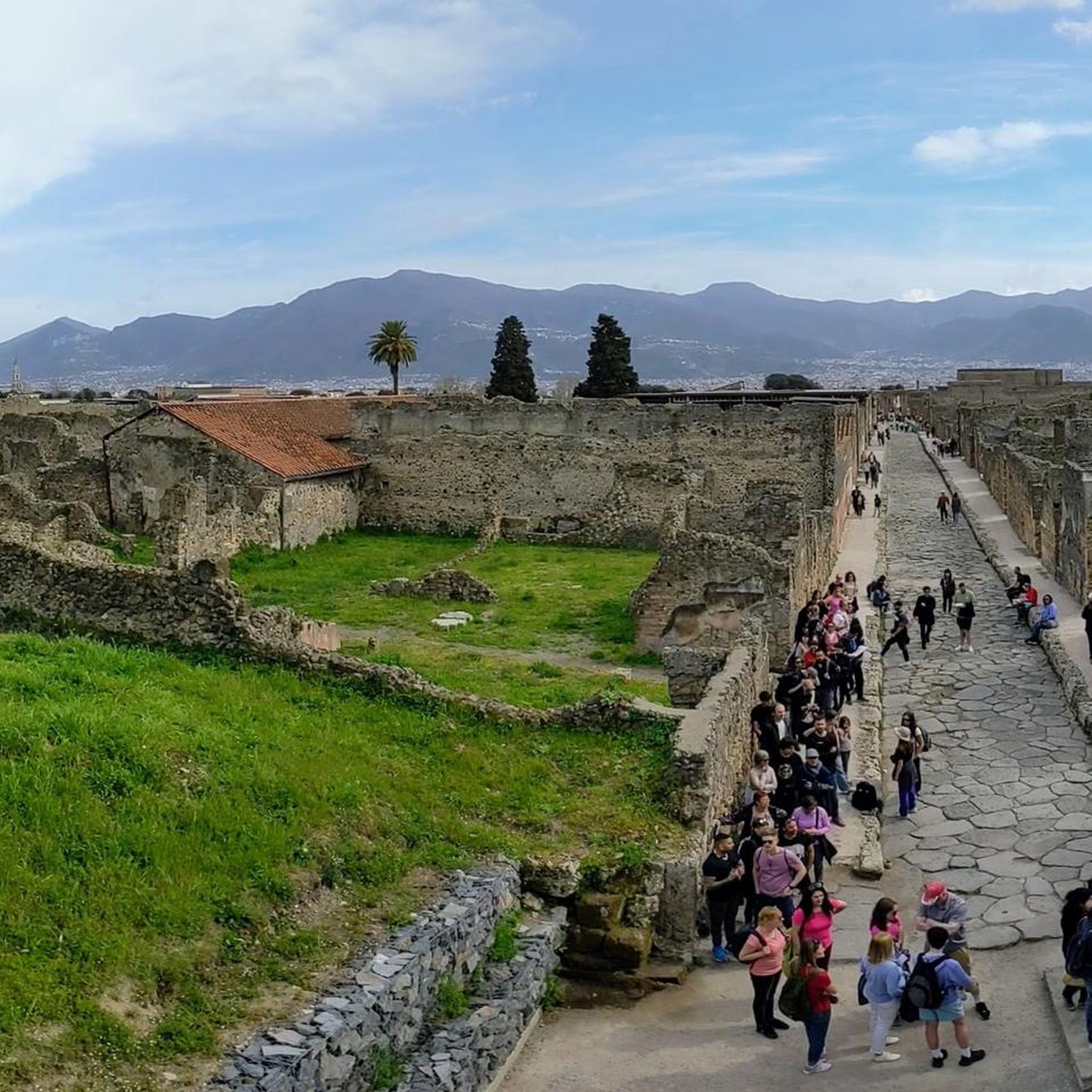
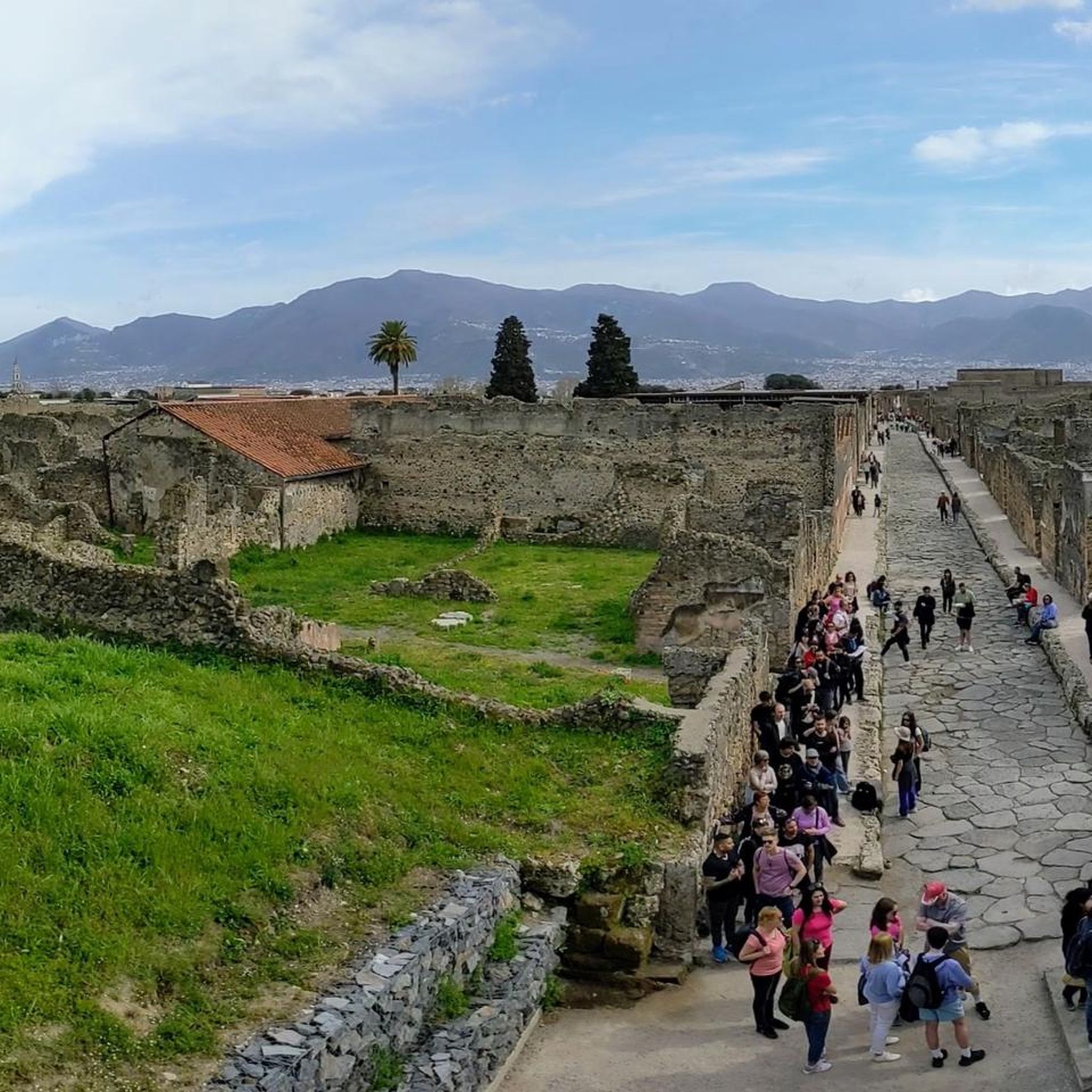
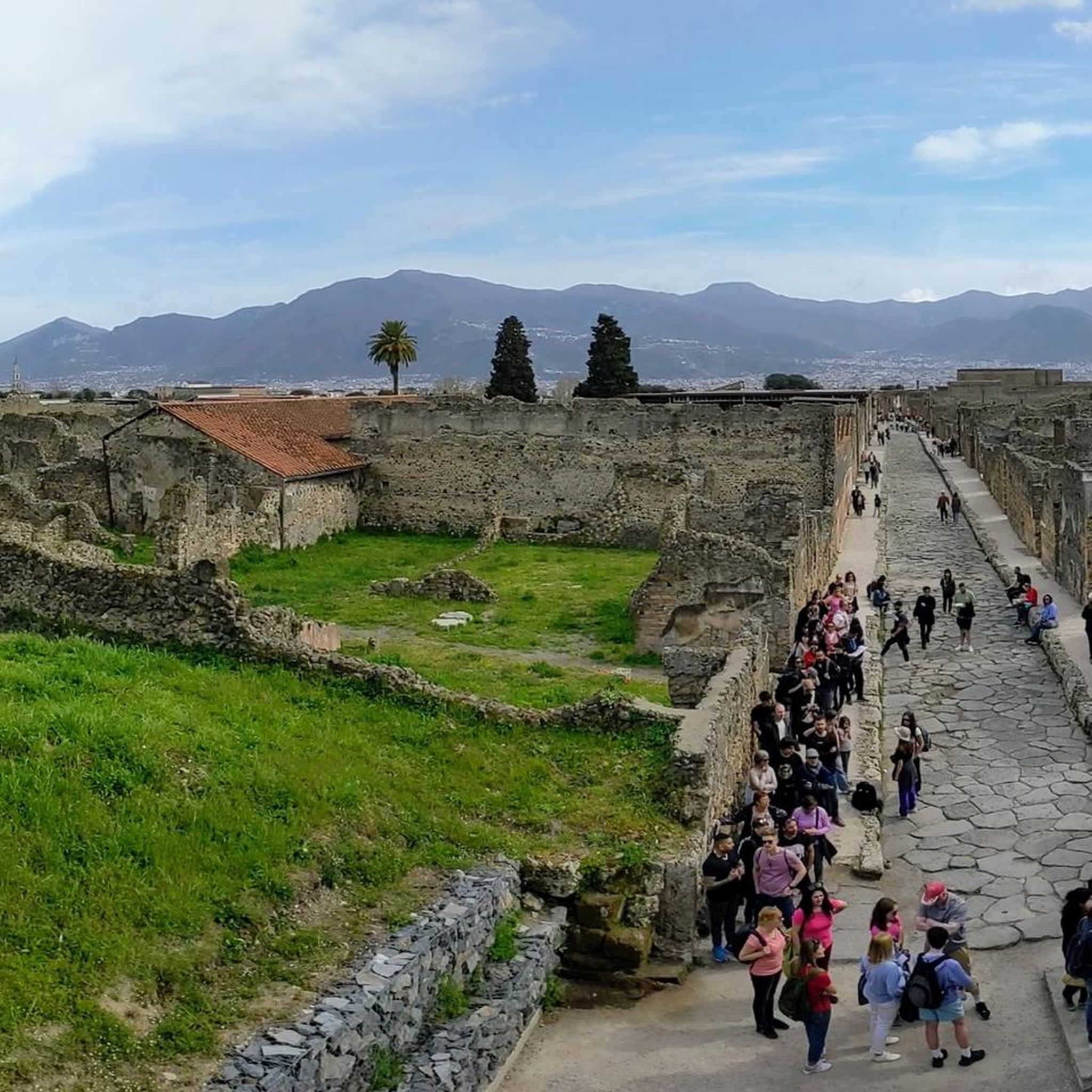
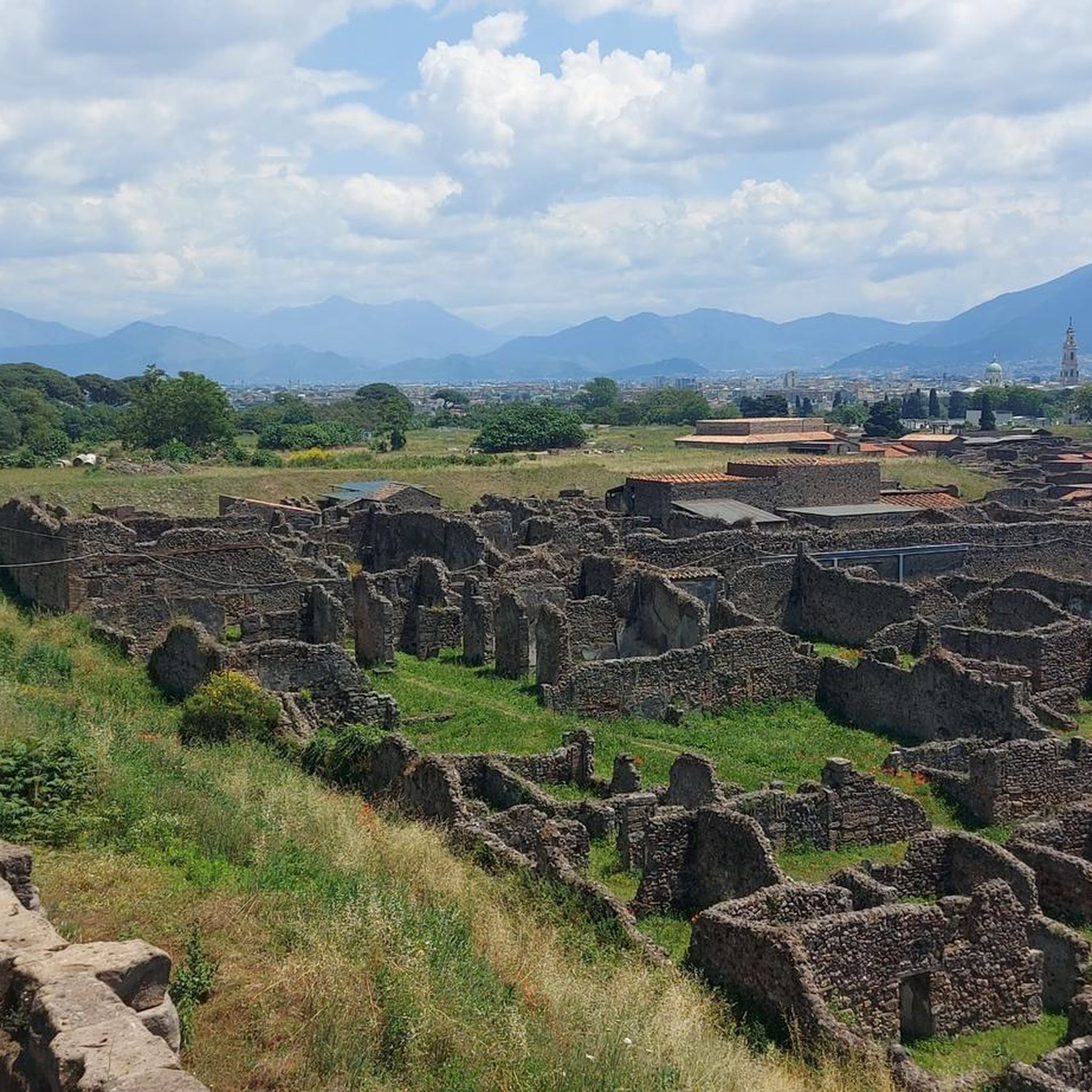
- Another must-see spot is Pompeii Forum, a historical site. This was the most important square in the city, around which all the main public buildings were located before the eruption of Mount Vesuvius in 79 AD.
- Visitors also love Temple of Jupiter, Pompeii, a religious building. This temple is dedicated to the Capitoline Triassic and stood in the most central and important square of the city, the Forum.
- Torre Annunziata is known for its archaeological sites, natural monuments, and historical landmarks. The area offers a variety of attractions to see and explore, from ancient Roman towns to volcanic landscapes.
- The attractions around Torre Annunziata are appreciated by the komoot community, with more than 410 upvotes and over 540 photos shared.
Last updated: August 2, 2026
Pompeii Forum
Highlight • Historical Site
Researchers believe that the town was founded in the seventh or sixth century BC by the Osci or Oscans. It came under the domination of Rome in the 4th century BC, and was conquered and became a Roman colony in 80 BC after it joined an unsuccessful rebellion against the Roman Republic. By the time of its destruction, 160 years later, its population was estimated at 11,000 people, and the city had a complex water system, an amphitheater, gymnasium, and a port.
The eruption destroyed the city, killing its inhabitants and burying it under tons of ash. Evidence for the destruction originally came from a surviving letter by Pliny the Younger, who saw the eruption from a distance and described the death of his uncle Pliny the Elder, an admiral of the Roman fleet, who tried to rescue citizens. The site was lost for about 1,500 years until its initial rediscovery in 1599 and broader rediscovery almost 150 years late. en.wikipedia.org/wiki/Pompeii
Tip by

Pompeii Excavations
Highlight • Historical Site
Translated by Google •
Tip by

Sign up now to discover places like this
Get recommendations on the best single tracks, peaks, & plenty of other exciting outdoor places.
Sign up for free
Crater of Mount Vesuvius
Highlight • Volcano
Translated by Google •
Tip by

Temple of Apollo
Highlight • Religious Site
Translated by Google •
Tip by
Large Theatre of Pompeii
Highlight • Historical Site
Translated by Google •
Tip by

Sign up for free to discover even more attractions around Torre Annunziata.
Sign up for free
Already have an account?
Start today with a free account
Your next adventure awaits.
Login or Signup

Tips from the Community

The Teatro Grande was built in the 2nd century BC. To create the horseshoe-shaped tiers (the cavea), the natural cavity of the slope was used. The cavea was divided into 3 zones: closer to the orchestra, four continuous marble-clad steps can be seen, reserved for musicians and the most important figures of the city. Behind them were 20 tiers of stone seats. Unfortunately, only a few fragments remain of these massive structures. One still bears the seat number: each person was therefore allocated only 40 cm. The upper tier, divided into seven sectors and supported by a ring corridor, was added, along with the boxes above the side entrances, during the reign of Emperor Augustus, allowing the theatre to accommodate approximately 5,000 spectators. The entire tier was protected by a wall that supported the velarium, a huge movable awning used to shield the audience from the sun and bad weather. The stage and the scene decorated with marbles and statues date back to the restoration of 62 AD, after the earthquake that had struck Pompeii.
1
0

Still in use today, well preserved and renovated building.
2
0

A tourist magnet but also really worth it. The museum and the tour are very exciting and I would definitely recommend it. It feels like a journey back in time to the lives of people in the past.
1
0
The museum and the tour are very exciting and I would definitely recommend it. It feels like a journey back in time to the lives of people from the past.
1
1

The Large Theatre was among the first public buildings unearthed during the excavations of the 18th century. Its construction probably dates back to the mid 2nd century BC, and was built by utilising the natural slope of a hillside, thereby avoiding the need for artificial stone substructures. The staircase was divided into three segments by means of circular corridors, in turn subdivided into five zones, and rested upon a passage with a barrel vault. As evidenced by an inscription, during the age of Augustus (31 BC - AD 14) the theatre underwent extensive restoration works, financed by two distinguished members of the gens Holconia, one of the most influential Pompeian families of the era. A further inscription, visible at the entrance to the east access corridor, records the name of the architectus who directed the works during the Augustan age, the freedman Marcus Artorius Primus. The building, which retains an essentially Greek appearance, was used for the performance of shows in the Greco-Roman tradition.
1
0

A magnificent archaeological site
1
0

The theatre was where performances of comedies and tragedies were held. It included a semi-circular cavea from which led the series of steps divided into sections on which the spectators sat.
1
0

Frequently Asked Questions
What historical and archaeological sites are prominent in Torre Annunziata?
Torre Annunziata is renowned for its rich archaeological heritage. The most significant site is the Archaeological Site of Oplontis (Villa Poppaea), a UNESCO World Heritage site believed to be Emperor Nero's wife's villa, showcasing elaborate frescoes and mosaics. Additionally, the town is a gateway to the broader archaeological area including the Pompeii Forum and the Temple of Jupiter, Pompeii, which offer a comprehensive view of Roman life before the 79 AD eruption of Vesuvius.
What natural attractions can I visit near Torre Annunziata?
The area offers stunning natural beauty. You can explore the iconic Crater of Mount Vesuvius, an active volcano providing breathtaking views of the Bay of Naples. The town itself is situated on the beautiful Bay of Naples, and a stroll along the Lungomare di Torre Annunziata offers picturesque sea views with Vesuvius in the background.
Are there any family-friendly attractions in the area?
Yes, several attractions are suitable for families. The Pompeii Forum and Herculaneum Excavations are considered family-friendly, offering an engaging historical experience for all ages. Exploring the ancient Roman cities provides an educational and fascinating outing.
What outdoor activities can I do around Torre Annunziata?
Torre Annunziata is an excellent base for outdoor enthusiasts. You can embark on various activities, including hiking up Mount Vesuvius. For more structured routes, consider exploring the hiking trails around Torre Annunziata, which include routes like the 'Pompeii Highlights Trail' or loops around the ancient city. There are also options for road cycling and gravel biking in the surrounding region.
Where can I learn more about the daily life of ancient Romans in this region?
To delve deeper into the daily lives of ancient Romans, visit the Antiquarium of Boscoreale. This museum houses artifacts from Pompeii, Herculaneum, and Oplontis, providing insights into the culture and customs of the people who lived in these cities before the eruption of Mount Vesuvius.
Are there any beaches or seaside spots in Torre Annunziata?
Yes, Torre Annunziata boasts the Lido di Torre Annunziata, a popular and well-equipped beach club known for its excellent swimming conditions. The Lungomare di Torre Annunziata also offers a pleasant promenade along the Tyrrhenian Sea, perfect for leisurely strolls and enjoying the coastal views.
What is the significance of the Villa Poppaea at Oplontis?
The Villa Poppaea at Oplontis is a UNESCO World Heritage Site and a prime example of Roman luxury. Believed to have belonged to Emperor Nero's wife, Poppaea Sabina, it features remarkably preserved frescoes, expansive gardens, and intricate mosaics, offering a vivid glimpse into the opulent lifestyle of wealthy Roman citizens.
What do visitors enjoy most about the attractions around Torre Annunziata?
Visitors frequently praise the immersive historical experience, particularly at sites like the Pompeii Forum, which is described as stepping into a 2000-year-old disaster zone. The dramatic views from the Crater of Mount Vesuvius are also highly appreciated, offering a mystical and impressive natural encounter.
Can I visit other ancient Roman cities like Herculaneum from Torre Annunziata?
Absolutely. Torre Annunziata is ideally located for visiting other significant Roman sites. The Herculaneum Excavations are easily accessible, offering a different perspective on the impact of Vesuvius, with exceptionally preserved wooden and organic materials due to the pyroclastic flows.
Are there any notable religious or architectural landmarks in Torre Annunziata?
The Church of the Holy Trinity (Chiesa della Santissima Trinità) is a significant spiritual and architectural landmark in the town. Built in the Baroque style, it features an impressive façade with intricate stucco work and an elaborate interior with beautiful altars and frescoes.
What are some unique historical features near the coast?
The Rocks of Rovigliano, a tiny islet off the coast, has a fascinating and varied history. Over time, it has housed an ancient temple, two monasteries, a church, a fortress, and even a restaurant, making it a unique point of interest with a rich past.
Most popular routes around Torre Annunziata
Most popular attractions around Torre Annunziata

Get inspired with the komoot mobile app


Explore more
Still not found the Highlight you’re looking for? See guides of the top attractions in other regions:
