Attractions and Places To See around Guidonia Montecelio - Top 20
Best attractions and places to see around Guidonia Montecelio include a diverse range of historical, cultural, and natural sites within the Metropolitan City of Rome. The area features ancient Roman ruins, medieval structures, and protected natural parks, offering varied exploration opportunities. Visitors can discover archaeological complexes, serene religious sites, and expansive natural reserves.
Best attractions and places to see around Guidonia Montecelio
- The most popular attractions is Nomentano Bridge, a bridge that was built by the Romans between the…
Last updated: August 2, 2026
Nomentano Bridge
Highlight • Bridge
Translated by Google •
Tip by

Aniene Valley Park
Highlight (Segment) • Forest
Translated by Google •
Tip by

Sign up now to discover places like this
Get recommendations on the best single tracks, peaks, & plenty of other exciting outdoor places.
Sign up for free
Marcigliana Nature Reserve
Highlight • Natural Monument
Tip by

Ponte Gregoriano
Highlight • Bridge
Translated by Google •
Tip by

Mural of the Marcellina Gold Mine
Highlight • Monument
Translated by Google •
Tip by

Sign up for free to discover even more attractions around Guidonia Montecelio.
Sign up for free
Already have an account?
Start today with a free account
Your next adventure awaits.
Login or Signup
Popular around Guidonia Montecelio
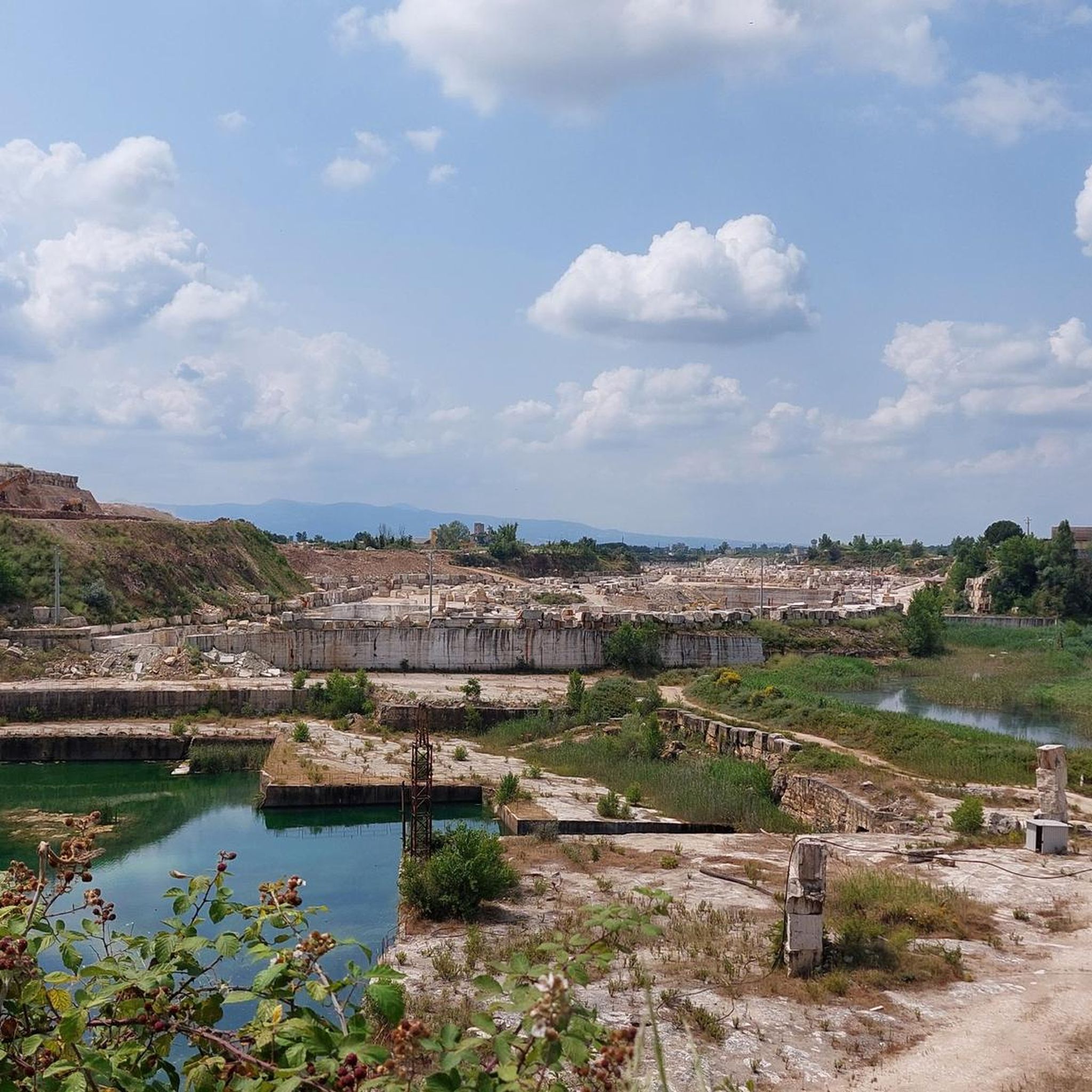

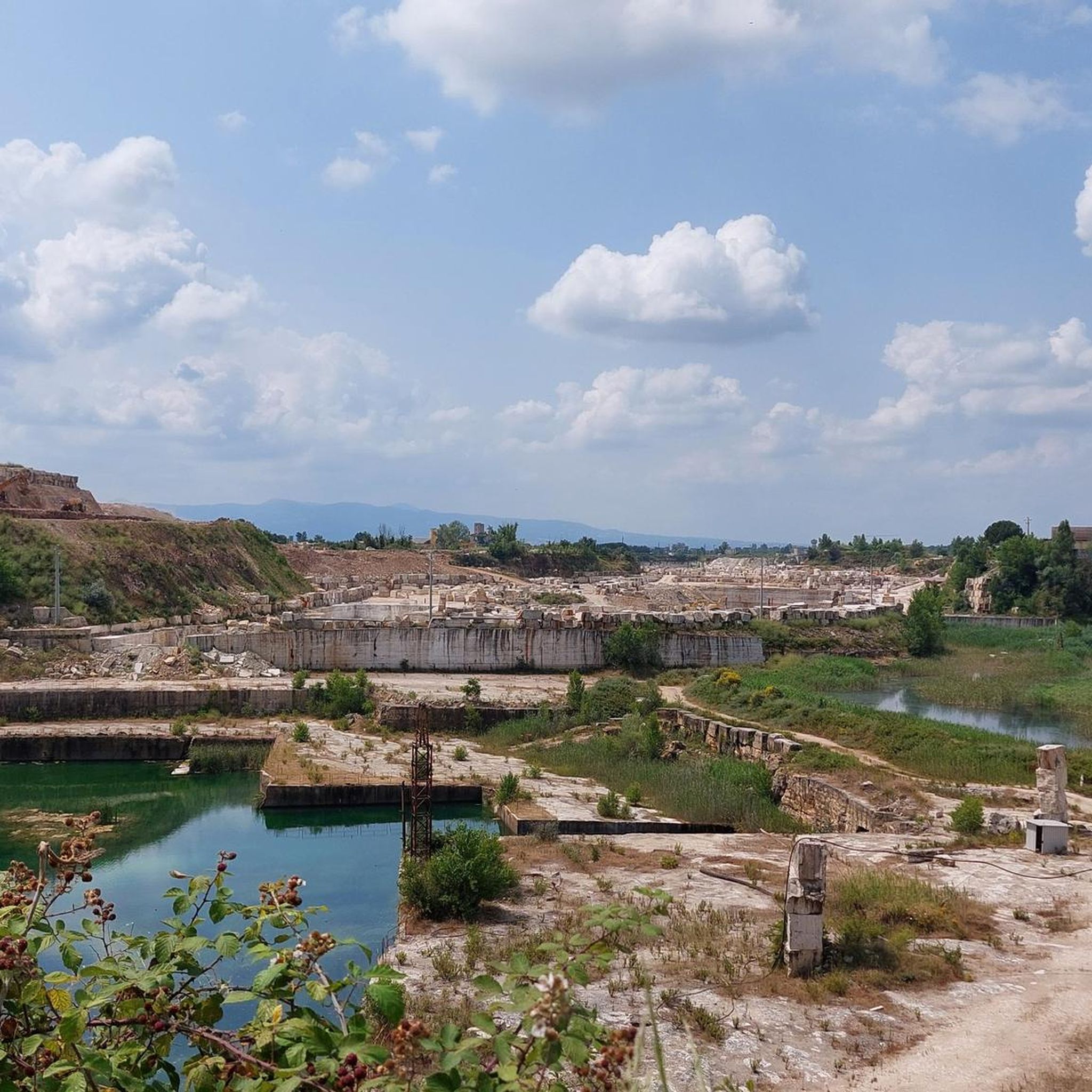
Other adventures around Guidonia Montecelio

Tips from the Community

The route is quiet and the road has just been redone. Lots of bikes and few cars
0
0

From here the climb to Monte Morra begins.
1
0

Strada Bianca connecting via della Cesarina and via di Casal Boccone. The first stretch is a dirt road up to the bridge that crosses the ring road; then continues on a beaten path between cultivated fields. It ends with an easy singletrack up to Via Casal Boccone skirting the Almaviva building.
0
0

"The Marcellina Gold Mine was strongly desired by the architect and photographer Romolo Belvedere and created by the Venezuelan artist Luis Gomez de Teran, known for his socially conscious works and who worked on the Marcellina Gold Mine using as the basis for the photographic reportage "The Faces of Stone", created by Belvedere himself in the mid-80s of the last century. The work is a permanent installation and has a dual value: it enhances a decidedly ugly and impactful industrial archeology site (occupies a large part of the mountain ridge) and becomes witness to a collective effort made of work and sacrifices, in which men and women, farmers, miners and shepherds were silent witnesses of an era now over, in which women like Teodora Fornari they were miners, mothers, wives and spent their whole lives in difficult working conditions (https://bussoladiario.com/2021/02/la-miniera-doro-di-marcellina.html)
1
0

cycle path from the Nomentano bridge to the Mammolo bridge
0
0

You can still follow the path by bike, but you pass in front of inhabited houses
0
0

very suggestive bridge that crosses the aniene river
2
0
very nice ride to go from Nomentana to Ponte Mammolo
1
0
Frequently Asked Questions
What historical sites can I explore around Guidonia Montecelio?
The region is rich in history. You can visit the UNESCO World Heritage Site of Villa Adriana (Hadrian's Villa), an extensive archaeological complex that was Emperor Hadrian's residence. Other notable historical sites include the Medieval Fortress of Montecelio, built upon ancient ruins, and the Nomentano Bridge, a Roman-built bridge open only to pedestrian traffic. The Archaeological Museum Rodolfo Lanciani also showcases local artifacts.
Are there natural parks or reserves to visit in the area?
Yes, Guidonia Montecelio is surrounded by beautiful natural areas. The Inviolata Park (Regional Natural Park Archaeological dell'Inviolata) offers typical Roman countryside, streams, and archaeological remains. You can also explore the vast Riserva Naturale Monte Catillo for hiking, or the Park Riserva Naturale di Nomentum for cycling and walks. The Marcigliana Nature Reserve is known for its quiet roads through farmland and forests.
What outdoor activities are available near Guidonia Montecelio?
The area is excellent for outdoor enthusiasts. You can enjoy hiking, biking, and picnicking in the countryside. The Aniene Valley Park features dirt roads suitable for gravel and mountain biking along the river. For more structured activities, explore the various cycling and running routes available, such as those found in the Cycling around Guidonia Montecelio or Running Trails around Guidonia Montecelio guides.
Are there family-friendly attractions around Guidonia Montecelio?
Many attractions in the area are suitable for families. Natural parks like the Inviolata Park and Riserva Naturale Monte Catillo offer space for children to explore. The Nomentano Bridge is a pedestrian-only historical site that can be a pleasant walk. Additionally, the Parco di Villa Gregoriana near Tivoli, with its stunning waterfalls and ancient ruins, is a picturesque spot for family strolls.
What are some unique or lesser-known attractions in Guidonia Montecelio?
Beyond the major sites, consider visiting the Santuario Madonna del Buon Consiglio for panoramic views, or the Littoria Tower, a massive six-story structure with medieval architectural influences. The Centro Storico of Montecelio offers charming winding alleys and historic buildings like Palazzo Cesi. You might also find the Mural of the Marcellina Gold Mine to be a unique artistic and historical point of interest.
How can I reach Hadrian's Villa or Villa Gregoriana from Guidonia Montecelio using public transport?
While specific direct public transport routes can vary, both Hadrian's Villa and Villa Gregoriana are located near Tivoli, which is easily accessible from Guidonia Montecelio by local bus services or a short taxi ride. It's advisable to check local bus schedules for the most current routes and timings to Tivoli, and then connect to these specific sites.
What is the best time of year to visit Guidonia Montecelio's attractions?
The best time to visit Guidonia Montecelio is generally during the spring (April to June) and autumn (September to October) months. During these periods, the weather is pleasant for exploring outdoor attractions and historical sites, avoiding the intense heat of summer and the cooler, potentially wetter days of winter. This also allows for comfortable hiking and cycling.
Are there any dog-friendly trails or parks in the region?
Many natural parks and reserves in the Guidonia Montecelio area are generally dog-friendly, provided dogs are kept on a leash and owners clean up after them. Areas like the Riserva Naturale Monte Catillo, Park Riserva Naturale di Nomentum, and the Inviolata Park offer trails suitable for walks with dogs. Always check specific park regulations before your visit.
Where can I find scenic viewpoints around Guidonia Montecelio?
For breathtaking views, the Santuario Madonna del Buon Consiglio, located on a hill, offers stunning panoramic vistas of the surrounding countryside. The Medieval Fortress of Montecelio also provides elevated perspectives. Near Tivoli, the Ponte Gregoriano offers magnificent views of the Acropolis with the Tempio di Vesta and the Tempio della Sibilla, especially with the waterfalls in the background.
What kind of local cuisine or cultural events can I experience?
Visitors can indulge in traditional Italian dishes like pasta, pizza, and gelato at local trattorias throughout Guidonia Montecelio. The town also hosts various cultural and traditional celebrations throughout the year, including the Festival of Pinciarelle, which celebrates a local hand-made pasta. Exploring the historic centers of Guidonia and Montecelio will often lead to authentic culinary experiences.
Are there options for cycling enthusiasts near Guidonia Montecelio?
Absolutely! The region is well-suited for cycling. The Aniene Valley Park offers dirt roads perfect for gravel and mountain biking. You can find numerous routes for both touring and road cycling, with options ranging from moderate to difficult. Explore guides like Cycling around Guidonia Montecelio and Road Cycling Routes around Guidonia Montecelio for detailed itineraries.
What are some easy walking options for beginners around Guidonia Montecelio?
For easy walks, consider the pedestrian-only Nomentano Bridge and its surroundings, offering a pleasant historical stroll. The Parco di Villa Gregoriana in Tivoli also has well-maintained paths suitable for leisurely walks amidst beautiful scenery. Many sections of the natural parks, such as the Inviolata Park, offer relatively flat and accessible trails for beginners.
Can I find ancient Roman engineering marvels in the area?
Yes, the area is home to significant Roman engineering. The most prominent example is Villa Adriana (Hadrian's Villa), a vast complex showcasing advanced Roman architecture and hydraulic systems. Additionally, the Park of the Aqueducts, though a bit further afield, features impressive ancient Roman aqueducts dating back to the 2nd century AD, demonstrating remarkable engineering skills.
Most popular routes around Guidonia Montecelio
Most popular attractions around Guidonia Montecelio

Get inspired with the komoot mobile app


Explore more
Still not found the Highlight you’re looking for? See guides of the top attractions in other regions:
