Attractions and Places To See around Mentana - Top 20
Best attractions and places to see around Mentana, a medieval village near Rome, include historical sites and natural reserves. The area is characterized by its rich history, including events like the Battle of Mentana, and its varied natural landscape. Mentana offers a blend of cultural institutions and protected natural areas, providing diverse exploration opportunities. It is known for its historical landmarks and significant natural features like the Marcigliana Nature Reserve.
Best attractions and places to see around Mentana
- The most…
Last updated: August 2, 2026
Marcigliana Nature Reserve
Highlight • Natural Monument
Tip by

Mural of the Marcellina Gold Mine
Highlight • Monument
Translated by Google •
Tip by

Sign up now to discover places like this
Get recommendations on the best single tracks, peaks, & plenty of other exciting outdoor places.
Sign up for free
Marcigliana Nature Reserve
Highlight (Segment) • Natural
Translated by Google •
Tip by

Mentana Gate
Highlight • Historical Site
Translated by Google •
Tip by

Gattaceca and Barco Nature Reserve
Highlight • Forest
Translated by Google •
Tip by
Sign up for free to discover even more attractions around Mentana.
Sign up for free
Already have an account?
Start today with a free account
Your next adventure awaits.
Login or Signup

Tips from the Community

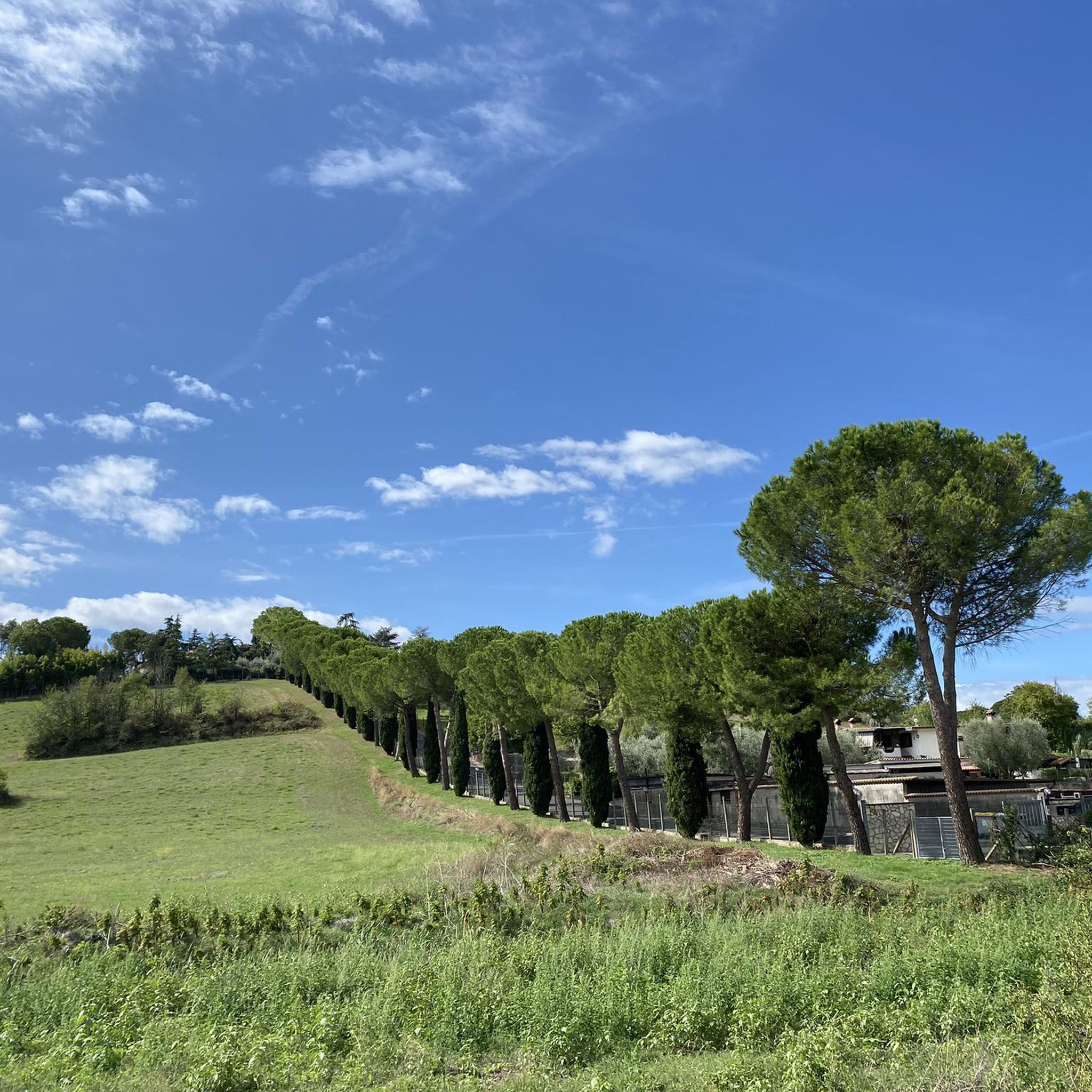
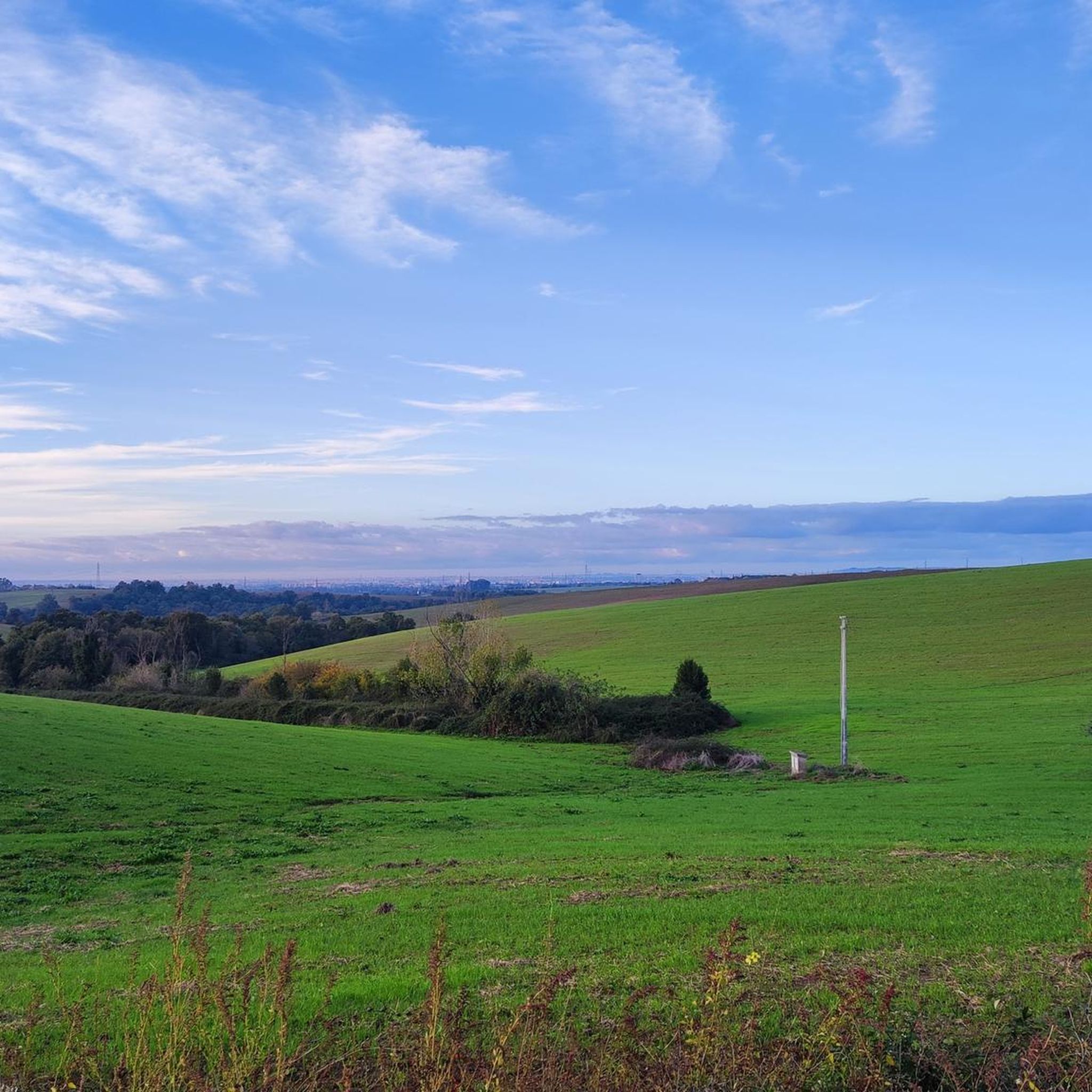
The Riserva della Marcigliana is a magical place just outside the Grande Raccordo Anulare. A cool place where you can breathe some fresh air.
0
0

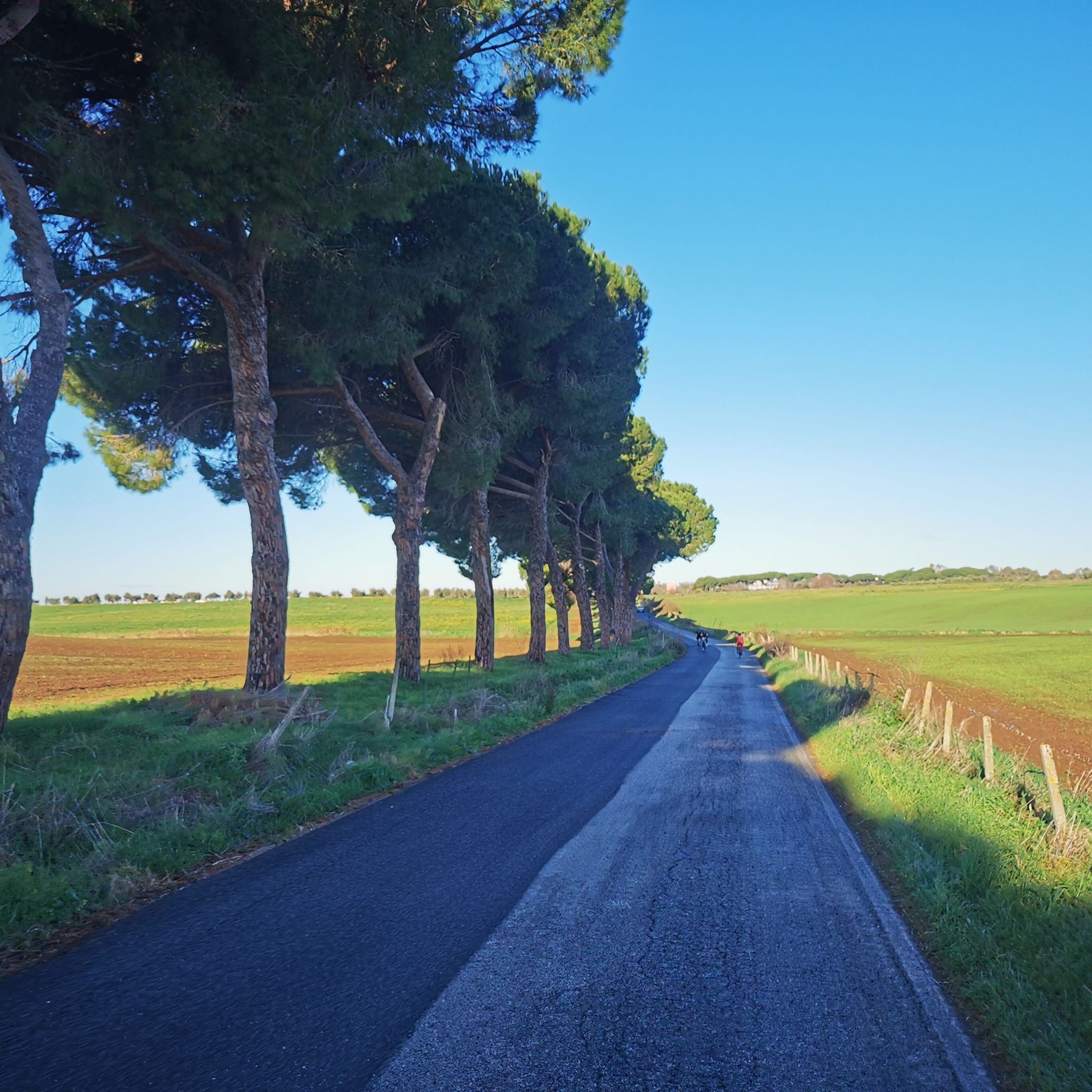
The route is quiet and the road has just been redone. Lots of bikes and few cars
0
0

It's a beautiful and varied trail... but watch out for wild boars! And then... why doesn't Roma Natura clean up the illegal landfills? It's true that people are uncivilized, but the institutions must clean up, otherwise the degradation will worsen.
1
0


Mentana, 20 km from Rome, is a village in the Roman Sabina area known for its Sabina DOP extra virgin olive oil and the Macchia di Gattaceca Nature Reserve. The meeting between Charlemagne and Pope Leo III and the Battle of Mentana in 1867, led by Garibaldi, took place here. The village preserves historical monuments such as the Baronial Palace and the Capuchin Convent. The MuGa – Garibaldino Museum commemorates the heroes of the Risorgimento. Mentana is also famous for festivals dedicated to culinary specialties such as ciammella a cancellu and maccheroni a centonara, and for traditional celebrations such as that of Sant'Antonio Abate.
1
0
The nature reserve extends over about a thousand hectares between the Tiber Valley and the Cornicolani Mountains, in the Roman Sabina. The landscape is hilly, with pasture areas, crops and fragments of woods, remnants of the original forests. The area is known for its botanical value and for karst phenomena such as caves and sinkholes, including the Pozzo del Merro, one of the deepest in the world. The reserve also preserves historical evidence, from prehistory to the Middle Ages.
1
0

From here the climb to Monte Morra begins.
1
0

Strada Bianca connecting via della Cesarina and via di Casal Boccone. The first stretch is a dirt road up to the bridge that crosses the ring road; then continues on a beaten path between cultivated fields. It ends with an easy singletrack up to Via Casal Boccone skirting the Almaviva building.
0
0
Frequently Asked Questions
What natural attractions can I explore around Mentana?
Mentana is surrounded by several natural areas. You can visit the Marcigliana Nature Reserve, known for its scenic ups and downs and views of the Sabina mountains, offering opportunities for dirt and secondary road exploration. Additionally, the Macchia di Gattaceca and Macchia del Barco Regional Nature Reserve is valued for its botanical significance and karst topography, including a section of an ancient Roman road. The Nomentum Nature Reserve also serves as an important 'green lung' east of Rome.
Are there historical sites to visit in Mentana?
Yes, Mentana is rich in history. The Mentana Gate is a significant historical site associated with events like the Battle of Mentana in 1867. You can also explore the medieval old town, admire the Renaissance loggia of Palazzo Borghese, or visit Palazzo Crescenzio, which dates back to the year 1000. The Ara-Ossario (Memorial Park) commemorates those who fell during the Battle of Mentana.
What cultural institutions are available in Mentana?
Mentana boasts the Polo Culturale Mentana, which includes three key institutions. The MuGa (Museo Garibaldino) preserves artifacts from the Risorgimento and the Battle of Mentana. The MuCaM (Museo Civico Archeologico di Mentana e dell'Agro Nomentano), housed in the historic 'Galleria Borghese,' displays Roman-era sculptures, mosaics, and marble fragments. The Biblioteca Comunale “Carlo Magno” in Palazzo Crescenzio offers a vast collection of books and hosts cultural events.
What outdoor activities can I do near Mentana's attractions?
The area around Mentana is excellent for outdoor activities. You can find numerous routes for cycling, mountain biking, and gravel biking. For example, there are challenging cycling routes like the 'Marcigliana Nature Reserve – Marcigliana Nature Reserve loop' or moderate MTB trails such as 'Trail 1 and 2 – Remains of a Roman cistern loop'. You can explore more options on the Cycling around Mentana, MTB Trails around Mentana, and Gravel biking around Mentana guide pages.
Are there any family-friendly attractions around Mentana?
Yes, several attractions are suitable for families. The Marcigliana Nature Reserve offers family-friendly trails and natural exploration. The Mentana Gate and the historic center provide an engaging backdrop for learning about local history. The Biblioteca Comunale “Carlo Magno” also has a dedicated children's section, making it a quiet retreat for families.
Where can I find panoramic views near Mentana?
For expansive views, head to the Monte Gennaro Tower. Although built in 1970, it offers a fantastic panorama over the entire landscape and is considered a symbol of the mountain. The Marcigliana Nature Reserve also provides scenic ups and downs with distant views of the Sabina mountains.
What is the best time to visit Mentana for outdoor activities?
The best time for outdoor activities largely depends on your preference. While the natural reserves offer beauty year-round, be aware that in autumn and winter, some trails, particularly in areas like the Macchia di Gattaceca, can be slippery due to mud and fallen leaves. Spring and early autumn generally offer pleasant weather for hiking and cycling.
Are there any unique local traditions or festivals in Mentana?
Mentana is known for its vibrant local festivals. These often celebrate culinary specialties such as 'ciammella a cancellu,' a savory anise-flavored ring-shaped bread, and 'maccheroni a centonara.' Traditional celebrations like the Feast of Sant'Antonio Abate are also part of the local calendar, offering a glimpse into the village's cultural heritage.
Where can I experience local cuisine in Mentana?
Mentana's historic center is home to local trattorias where you can savor authentic Lazio cuisine. These establishments offer regional dishes like 'pasta alla gricia' and other culinary specialties, providing a less touristy and more genuine dining experience.
What is the 'Mural of the Marcellina Gold Mine' and where is it located?
The Mural of the Marcellina Gold Mine is a beautiful mural located on a turret at the entrance to the road to Monte Morra. Created by artist Luis Gomez de Teran, it's a permanent installation that enhances an industrial archeology site and commemorates the collective effort and sacrifices of men and women, including miners, from a bygone era.
Can I find ancient Roman history in Mentana?
Yes, Mentana has deep Roman roots. The MuCaM (Museo Civico Archeologico di Mentana e dell'Agro Nomentano) displays artifacts like sculptures, mosaics, and marble fragments from over two thousand years ago. You can also spot ancient marble pieces embedded in the town's walls and streets, and a section of an ancient Roman road (Via Nomentum – Eretum) can be found within the Macchia di Gattaceca and Macchia del Barco Regional Nature Reserve.
Most popular attractions around Mentana

Get inspired with the komoot mobile app


Explore more
Still not found the Highlight you’re looking for? See guides of the top attractions in other regions:
