Attractions and Places To See around Giulianova - Top 20
Best attractions and places to see around Giulianova, a coastal town in Abruzzo, Italy, offers a blend of historical sites, cultural attractions, and natural beauty. The area is characterized by its historic hilltop center, Giulianova Alta, and the modern beach area of Giulianova Lido. Visitors can explore ancient structures, enjoy sandy beaches, and discover scenic cycling routes. The region provides diverse opportunities for outdoor activities and cultural exploration.
Best attractions and places to see around Giulianova
- The most popular attractions…
Last updated: August 4, 2026
Ciclovia Adriatica – Tortoreto Promenade
Highlight • Cycleway
Translated by Google •
Tip by

Tortoreto Alta Historic Center
Highlight • Historical Site
Translated by Google •
Tip by

Sign up now to discover places like this
Get recommendations on the best single tracks, peaks, & plenty of other exciting outdoor places.
Sign up for free
Fonte dell'Accolle
Highlight • Monument
Translated by Google •
Tip by

Casa Mataloni (Borsacchio Nature Reserve)
Highlight • Historical Site
Translated by Google •
Tip by

Borsacchio Guided Nature Reserve
Highlight • Natural
Translated by Google •
Tip by

Sign up for free to discover even more attractions around Giulianova.
Sign up for free
Already have an account?
Start today with a free account
Your next adventure awaits.
Login or Signup
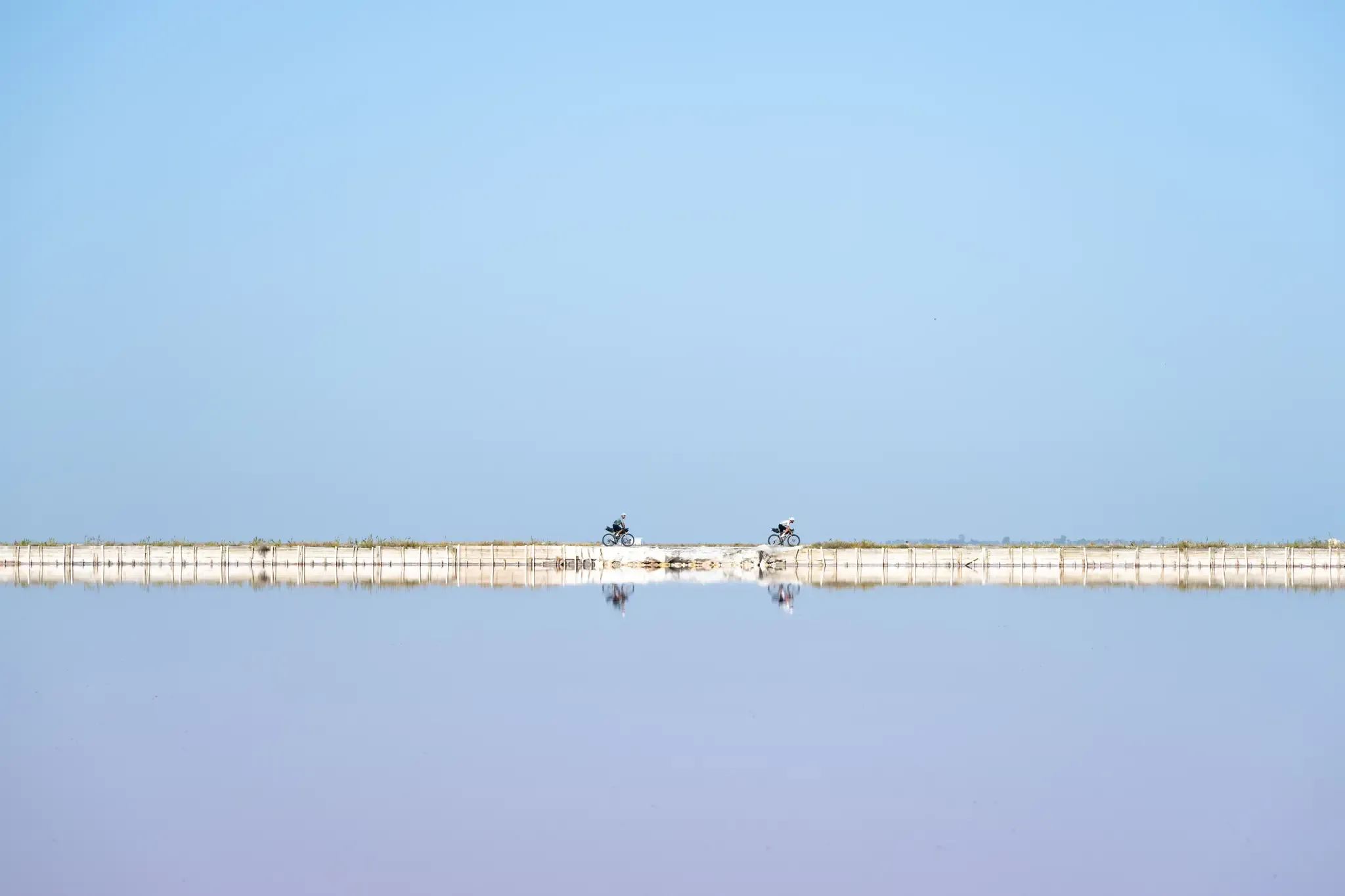
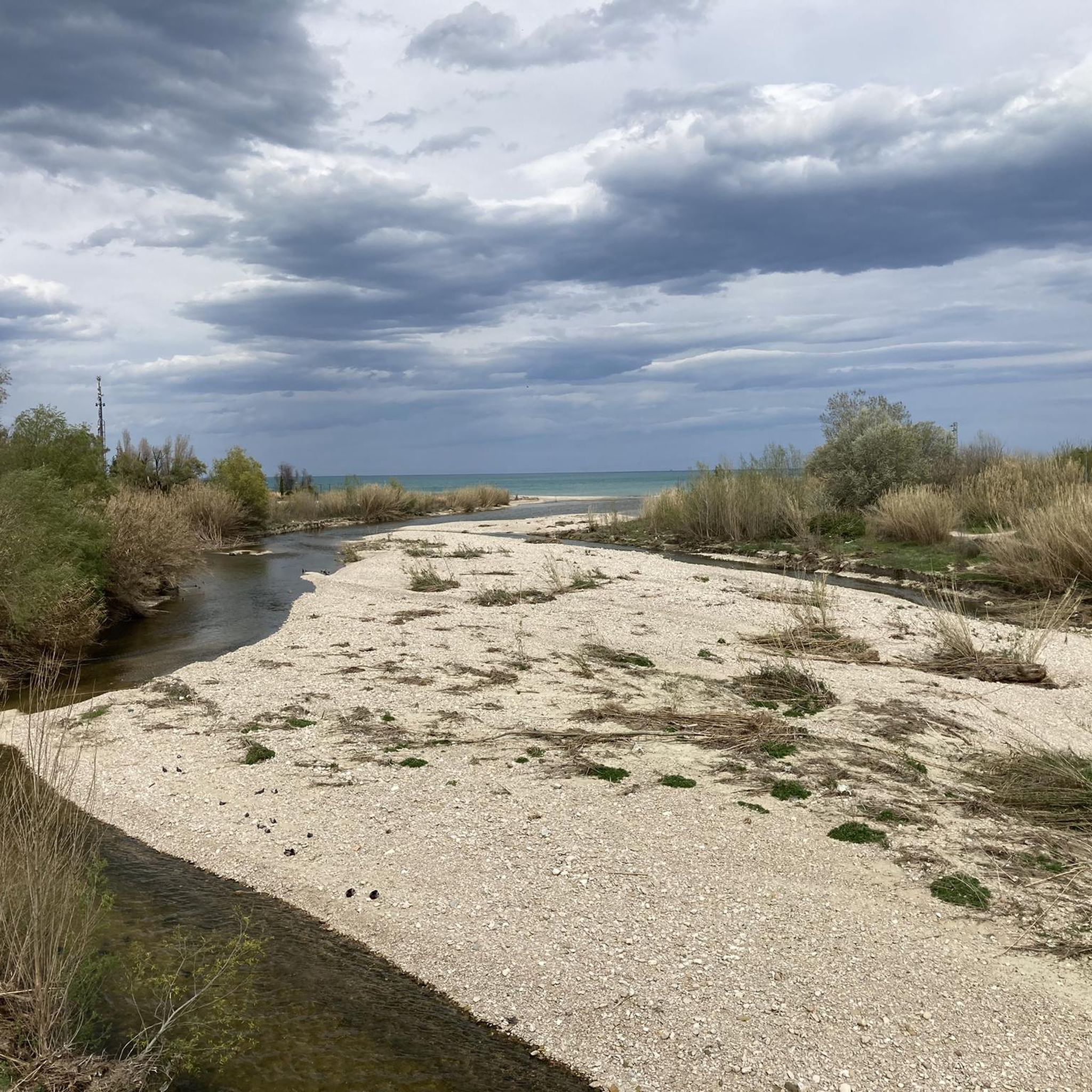
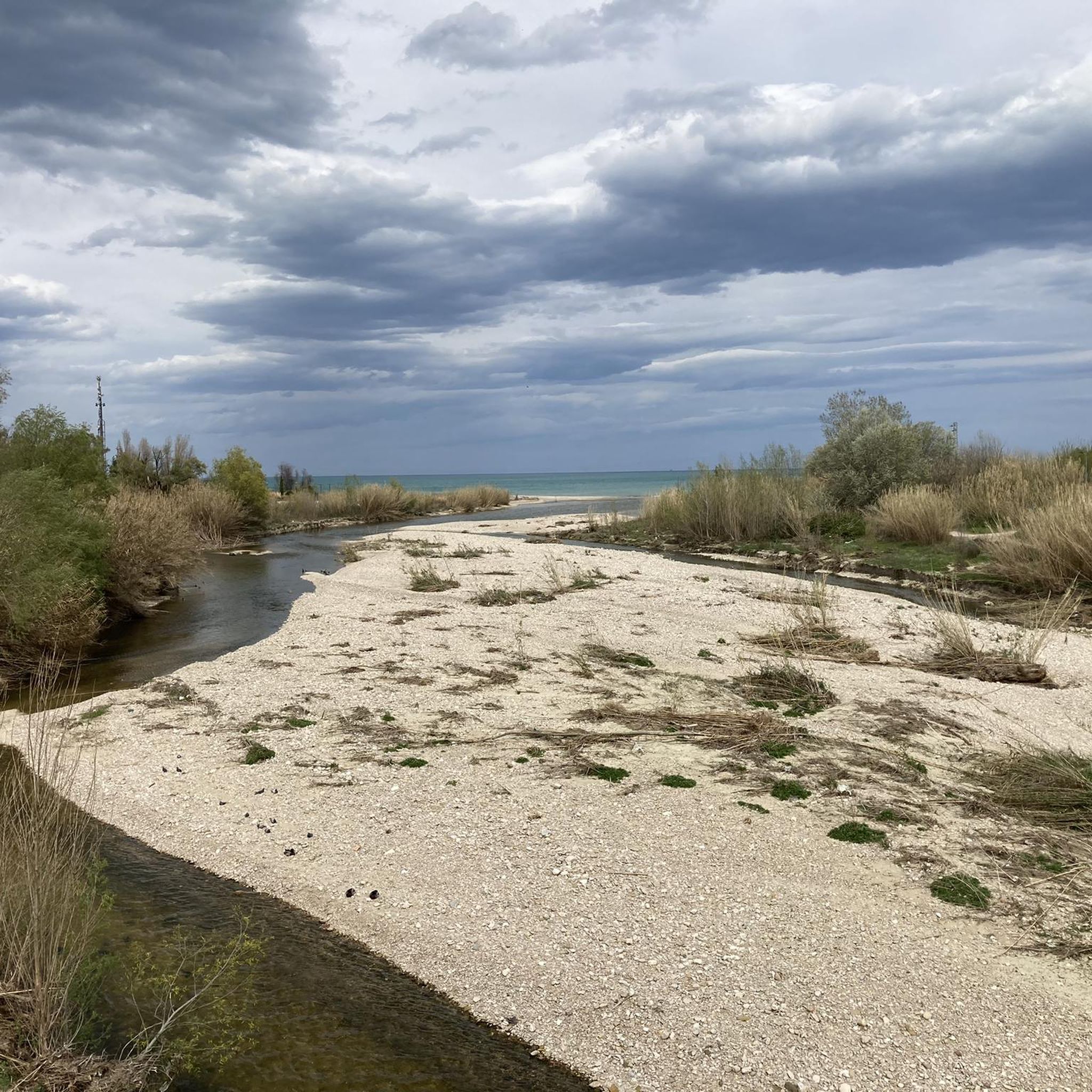
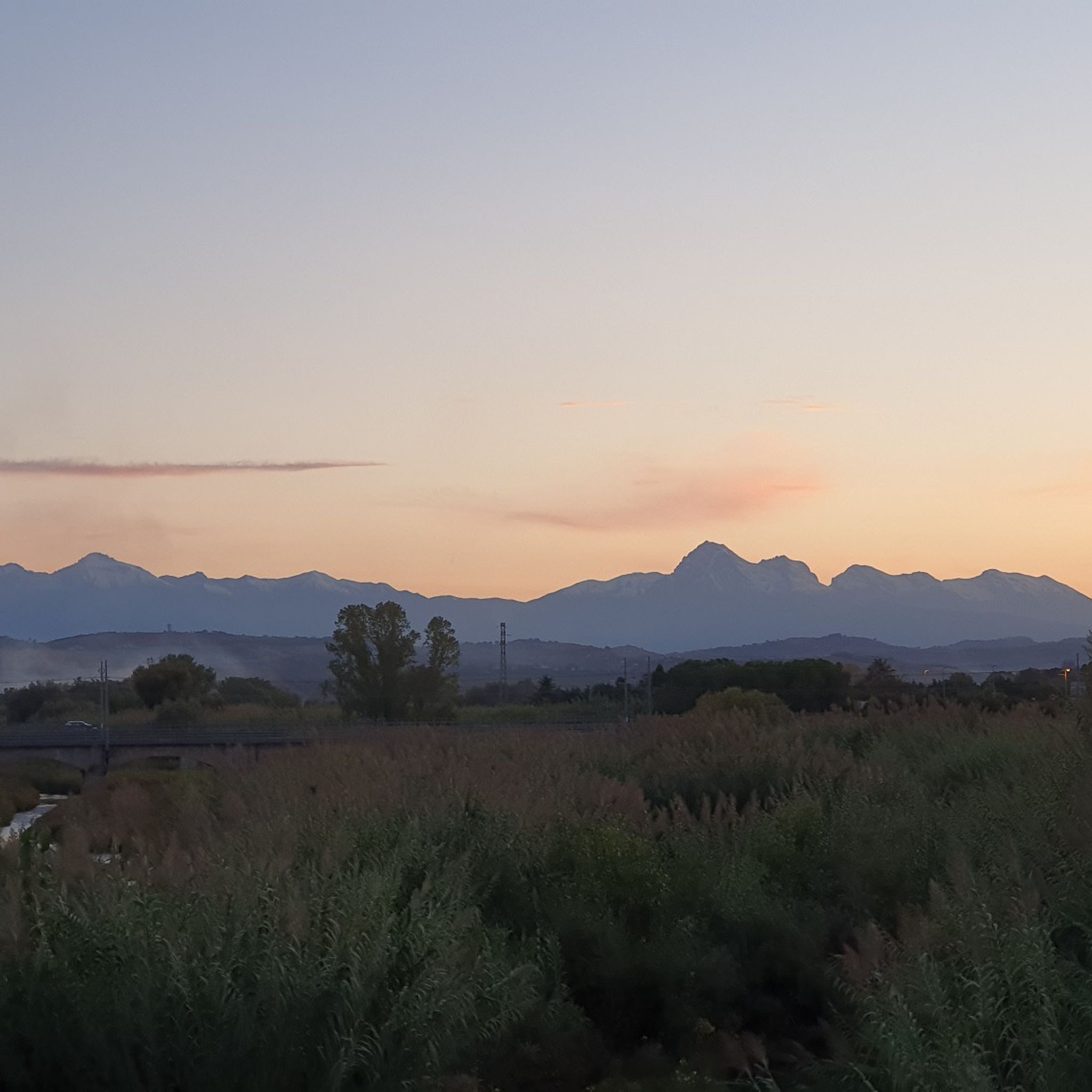
Other adventures around Giulianova

Tips from the Community

Sandy beach great nature definitely take sunscreen with you
0
0

This path leads from the natural beach, very beautiful and quiet
0
0
Just, very nice cycle path. Cycling is very pleasant there.
0
0
Natural beach with great sea
0
0

A unique location; the reserve is crossed by a very dusty cycle path (perfect for gravel), surrounded by vegetation, and with little to no view of the sea except at this point, where the semi-ruined house contributes to the picturesque panorama. Beware of illegal e-bikes, which use this road as an alternative to the roads open to traffic at breakneck speeds.
1
0

Fonte D’Accolle is located on the hill at the foot of Montepagano. It can be reached by car from Roseto Sud via Via Accolle or from Montepagano, or on foot from Montepagano itself and Colle Patito. Spring water flows from Fonte d’Accolle. The date of construction of the work is not certain, there are documents dating back to around 1820 that refer to renovation and maintenance work. There is a concrete probability that the source was already used around the 11th century during the phase of the castle that led to the birth of Montepagano. Villages were built where there were water sources. Fonte d’Accolle is a perfect example of a smart city as it is composed of three main parts, each intended for a specific use: the first fountain from the left for drinking water, then a drinking trough for livestock placed in a niche and the washhouse composed of a covered stone basin where women did their laundry. The one that goes from Roseto to Montepagano passing through the Fonte d’Accolle is just one of the ancient routes of the Roseto territory. Many initiatives take place in this place, which is so suitable for hosting artistic, historical and environmental events, thanks to the large square in front of the fountain. Like every fascinating place, its history is accompanied by a nice legend. It is said that women who were unable to have children, after going to the source, miraculously, thanks to the intercession of a Saint, became pregnant. For this reason it is also called Fontana del Santo. Andreina Moretti, a well-known writer from Roseto, wrote the short story “La Fontana del Santo” whose story takes place at the Accolle fountain. A dialect musical was also based on the short story. (c) https://www.guidedellariservaborsacchio.it/fonte-dellaccolle/?doing_wp_cron=1743862249.0334219932556152343750
0
0

I did both the cycle path from Pescara to Roseto and the subsequent one from Roseto to San Benedetto del Tronto, I would say that they are not completely cycleable, you go from the cycle path to the dirt road to the sections on the state roads! We still need to work a lot to make it completely cycleable, sometimes non-existent signs.
1
1

The Borsacchio Reserve is located in the municipality of Roseto degli Abruzzi and was established in 2005. It includes a stretch of beach between the hamlet of Cologna and Roseto Nord and the hills above. The area is approximately 1100 hectares. There are numerous species of plants and animals present. The Reserve is managed by the Borsacchio Reserve Guides association. An environmental heritage to be protected.
0
0
Frequently Asked Questions
What are some unique historical sites to explore in Giulianova?
Giulianova offers a rich history, particularly in its hilltop center, Giulianova Alta. You can visit the 15th-century octagonal Duomo di San Flaviano, the significant religious site of the Santuario della Madonna dello Splendore, or the ancient Church of Santa Maria a Mare, dating back to the 12th century. Don't miss the Torrione Il Bianco, the largest remaining section of the city walls, or the Civic Museum Complex for Roman artifacts and local art.
Are there any natural attractions or reserves near Giulianova?
Yes, Giulianova is close to several natural attractions. The Borsacchio Nature Reserve, located less than 10 km away, offers unspoiled beauty with dunes and Mediterranean scrub, providing a habitat for rare bird species. Further afield, the Gran Sasso and Monti della Laga National Park provides opportunities for hiking and exploring Apennine peaks. You can also find the picturesque Wooden Bridge over the Tordino River, known for birdwatching, especially for kingfishers.
What kind of cycling opportunities are available around Giulianova?
Giulianova is excellent for cycling. The Ciclovia Adriatica – Tortoreto Promenade offers connected cycle paths along the Adriatic coast, providing a scenic experience close to the sea. Extensive cycling paths also connect Giulianova to neighboring resorts and run along the scenic promenade. For more detailed routes, you can explore guides like Cycling around Giulianova, Road Cycling Routes around Giulianova, or MTB Trails around Giulianova.
Are there family-friendly activities or attractions in Giulianova?
Giulianova is very family-friendly, especially with its long, sandy Blue Flag beach and palm-lined promenade in Giulianova Lido, perfect for relaxation and water sports. The cycling paths, including sections of the Adriatic Green Corridor, are also suitable for families. Exploring the historic centers of Giulianova Alta or nearby Tortoreto Alta Historic Center can also be an engaging experience for older children.
Where can I find panoramic views of the coast and surrounding area?
For exceptional panoramic views, head to the Belvedere in Giulianova Alta. From this historic hilltop center, you can enjoy sweeping vistas of the Adriatic coastline and the lower town. The Tortoreto Alta Historic Center also offers great viewpoints from its medieval village setting.
What is the best time of year to visit Giulianova for outdoor activities?
The best time to visit Giulianova for outdoor activities is typically during the spring (April-May) and early autumn (September-October) when the weather is pleasant for cycling, walking, and exploring historical sites without the peak summer heat and crowds. The beach and water sports are most popular during the summer months (June-August).
Are there any hidden gems or lesser-known spots worth visiting?
Beyond the main attractions, consider visiting the Salinello Gorge for trekking routes through woods and waterfalls, leading to sites like Grotta Sant'Angelo. Another unique spot is the Fonte dell'Accolle, an ancient spring and wash house near Montepagano with a local legend of fertility, offering a glimpse into historical community life.
What kind of walking or hiking trails are available near Giulianova?
While Giulianova itself is known for its promenade walks and cycling paths, nearby areas offer more extensive hiking. The Borsacchio Nature Reserve provides trails through its unique coastal ecosystem. For more challenging hikes, the Gran Sasso and Monti della Laga National Park is within reach, offering diverse routes through forests and up Apennine peaks. The Salinello Gorge also features trekking routes.
What is there to see at Giulianova's harbor?
The Giulianova Harbor (Porto di Giulianova) is a modern facility that supports both fishing and leisure boating. Visitors can observe traditional wooden fishing structures known as 'caliscendi,' which are unique to the Adriatic coast. It's a great spot to experience the local maritime culture.
Can I find any ancient watchtowers or defensive structures in the area?
Yes, Giulianova has remnants of its defensive past. Besides the Torrione Il Bianco, which is part of the ancient city walls, you can also find the Torre del Salinello, a 16th-century watchtower that once guarded the coast. These structures offer a glimpse into the region's history and strategic importance.
What do visitors enjoy most about the attractions around Giulianova?
Visitors frequently appreciate the blend of historical charm and natural beauty. Many enjoy the scenic coastal cycle paths like the Ciclovia Adriatica – Tortoreto Promenade, and the rich fauna found near the Wooden Bridge over the Tordino River. The medieval atmosphere and panoramic views from places like Tortoreto Alta Historic Center are also highly praised.
Most popular routes around Giulianova
Most popular attractions around Giulianova

Get inspired with the komoot mobile app


Explore more
Still not found the Highlight you’re looking for? See guides of the top attractions in other regions:
