Attractions and Places To See around Marano Di Napoli - Top 20
Attractions and places to see around Marano Di Napoli include a blend of historical, cultural, and natural sites in the Campania region of Italy. This town, situated near Naples, offers a serene environment with remnants of ancient civilizations. The area features significant Roman funerary edifices and impressive aqueducts, alongside natural volcanic landscapes. Visitors can explore a variety of historical landmarks and natural features that define the region.
Best attractions and places to see around Marano Di Napoli
- The most popular…
Last updated: May 9, 2026
Galleria Umberto I, Naples
Highlight • Monument
Translated by Google •
Tip by

Sant'Elmo Castle
Highlight • Castle
Translated by Google •
Tip by

Sign up now to discover places like this
Get recommendations on the best single tracks, peaks, & plenty of other exciting outdoor places.
Sign up for free
Dante Square
Highlight • Monument
Translated by Google •
Tip by

Royal Palace of Naples
Highlight • Historical Site
Translated by Google •
Tip by

Fountain of Neptune, Piazza Municipio
Highlight • Monument
Translated by Google •
Tip by

Sign up for free to discover even more attractions around Marano Di Napoli.
Sign up for free
Already have an account?
Start today with a free account
Your next adventure awaits.
Login or Signup
Tips from the Community

The Royal Palace of Naples overlooks Piazza del Plebiscito and was founded in 1600 as the residence of the Spanish viceroys, later becoming the seat of the Bourbons and the Savoys. The building houses the Historic Apartment, with rooms decorated in Baroque and Neoclassical style, and the National Library. The main facade is famous for the eight statues in the external niches depicting the sovereigns of the ruling dynasties of Naples. It is located a short walk from Galleria Umberto I and the Teatro San Carlo, representing the heart of the city's monumental center. Another unmissable stop!
3
0

Piazza Municipio is one of the largest squares in Europe and represents a focal point of the city of Naples. Its strategic position, close to tourist destinations such as Maschio Angioino and Via Toledo, and the presence of the port, make it one of the most important squares in the city.
2
0

King Charles VII of Naples had to reside here after his accession to the throne in 1735. It is a magnificent palace in the middle of the city. But it was not representative enough for King Charles. In 1752 he had a palace built in Caserta. He wanted to move the court there after it was finished. But this did not happen because before it was finished he became King of Spain as Charles III.
5
0
The Royal Palace of Naples was founded as the palace of the King of Spain Philip III of Habsburg in the year 1600, on the initiative of the viceroy Fernando Ruiz de Castro Count of Lemos and the vicereine Catarina Zuñiga y Sandoval. Its urban location next to the Palazzo Vicereale Vecchio, later demolished, and the gardens of Castel Nuovo continues the traditional position of the royal residence in Naples on the southern edge of the old city, with the façade facing west, where the large open space of the Largo di Palazzo opens up.
4
0

Occasionally the square is used for open-air concerts. Artists who have performed here include well-known Italian and Neapolitan artists such as Franco Battiato and Pino Daniele, as well as international stars such as Elton John, Maroon 5 and Muse. In May 2013, Bruce Springsteen & The E-Street Band gave a concert there.
5
0
Its history goes back to the first half of the 16th century, when the Spanish viceroy Pedro Álvarez de Toledo had a castle built at the port of Naples. The architect Domenico Fontana was commissioned to build a new building around 1600, which was largely completed by 1620. In 1735 it became the royal residence when the Kingdom of Naples gained its independence under Charles VII. Various extensions and reconstruction work took place in the following decades. Admission currently 15€
7
0


As part of the ARD series “Classics of World Literature” by and with Tilman Spengler, a short film (in German) presents the life and, as an outstanding work, the “Divina Commedia” by => DANTE ALIGHIERI (1265 to 1321) – the great poet in the Italian language and creator of the above-mentioned “Divine Comedy”. The Florentine native died and was buried in Ravenna. Let us hope that he has actually reached heaven – like his literary alter ego – and that he has found his dearly beloved Beatrice there. Anyone who would like to find out more in the ARD media library (the German-language film only lasts a quarter of an hour) just needs to follow the link: https://www.ardmediathek.de/video/klassiker-der-weltliteratur/dante-alighieri/ard-alpha/Y3JpZDovL2JyLmRlL3ZpZGVvL2E0YmE3OWQzLTk2NjAtNGUyYS04OTBlLTY2N2E5YmJjNGZlNw
2
0
Frequently Asked Questions
What historical sites can I explore in Marano di Napoli?
Marano di Napoli is rich in history. You can visit the Historic Center (Centro Storico) with its ancient architecture and narrow streets. Don't miss the Mausoleo del Ciaurro, a significant Roman funerary edifice from the 1st-2nd century AD, and the impressive Sant'Anastasia Aqueduct, a Roman structure built to supply water to ancient Neapolis.
Are there any natural attractions or parks to visit near Marano di Napoli?
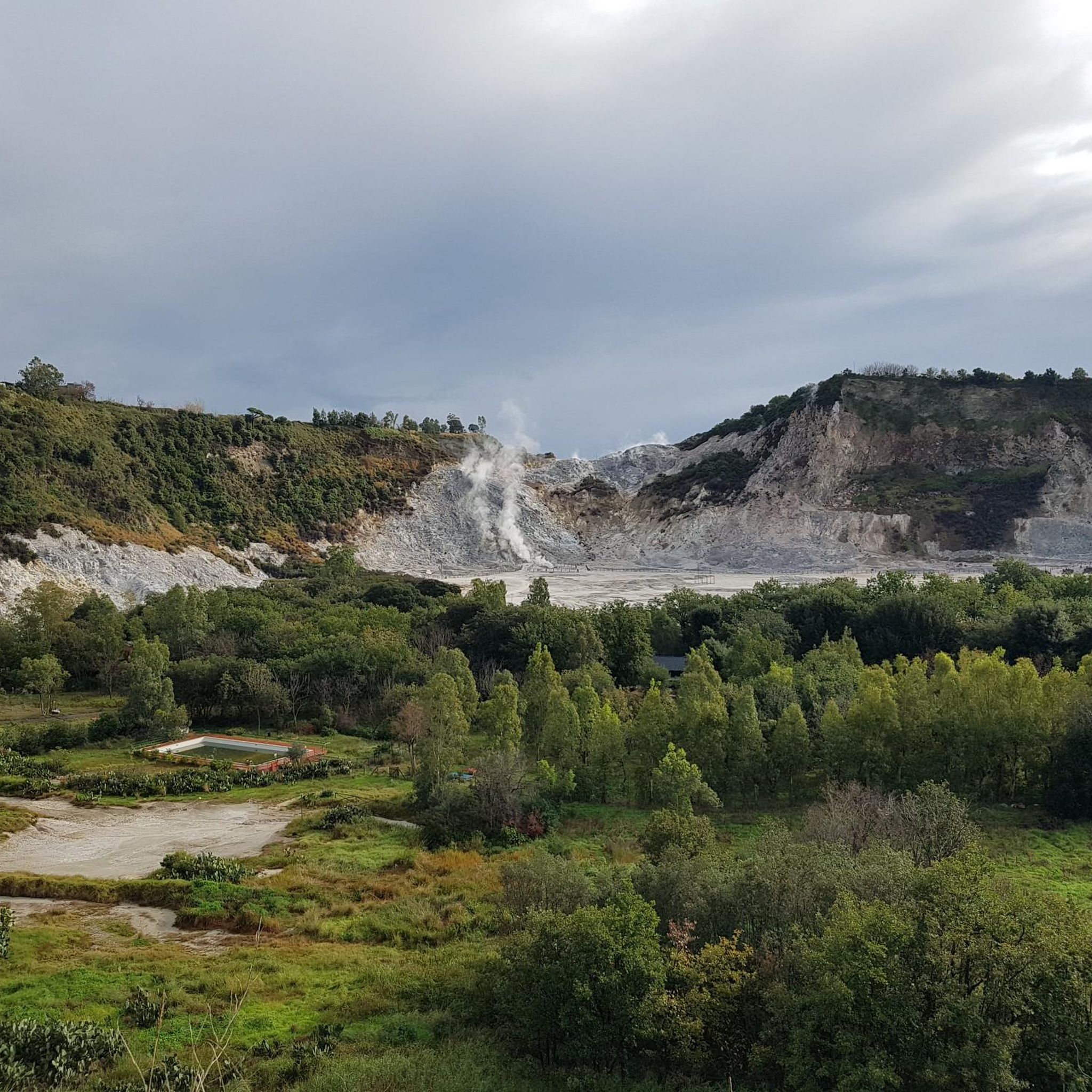
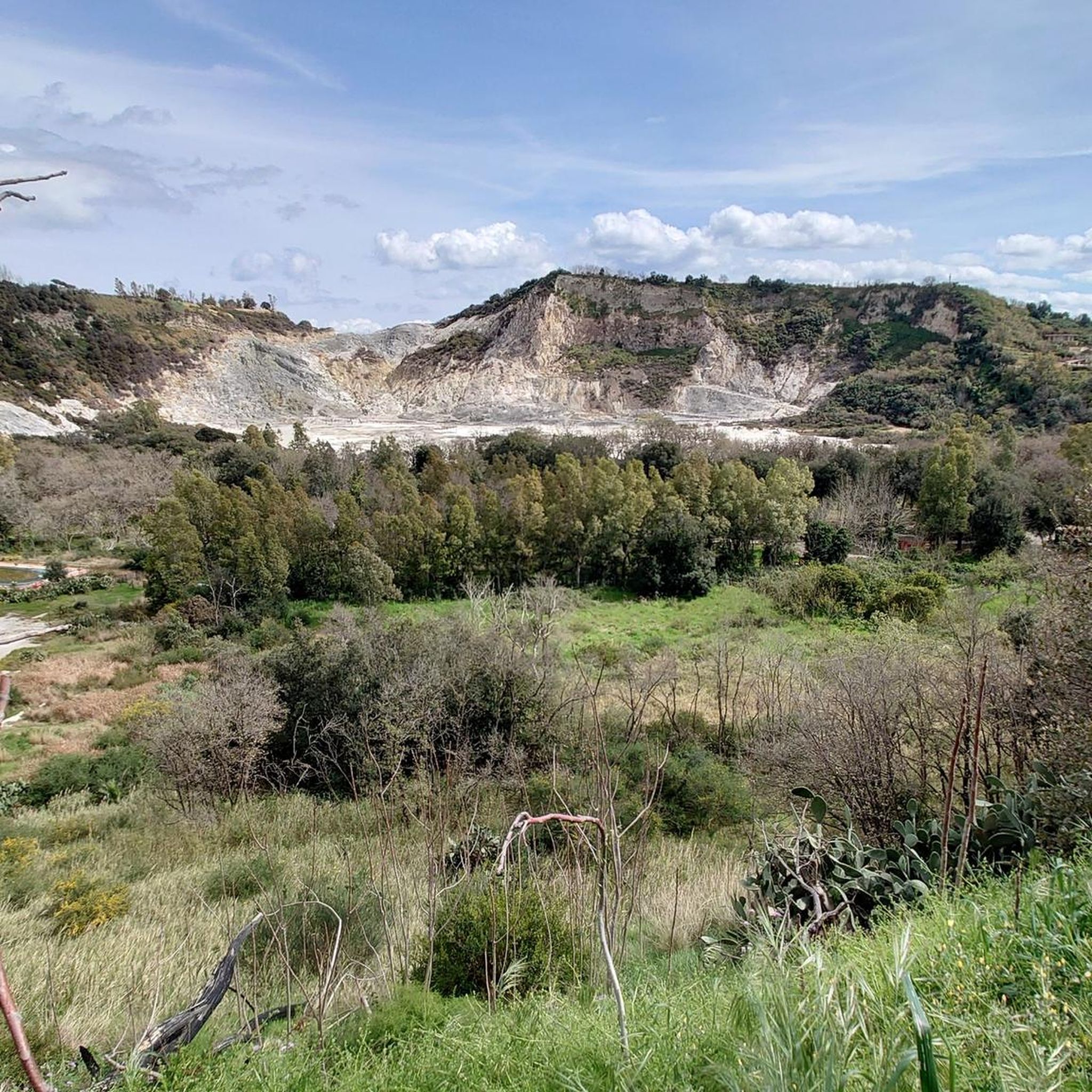
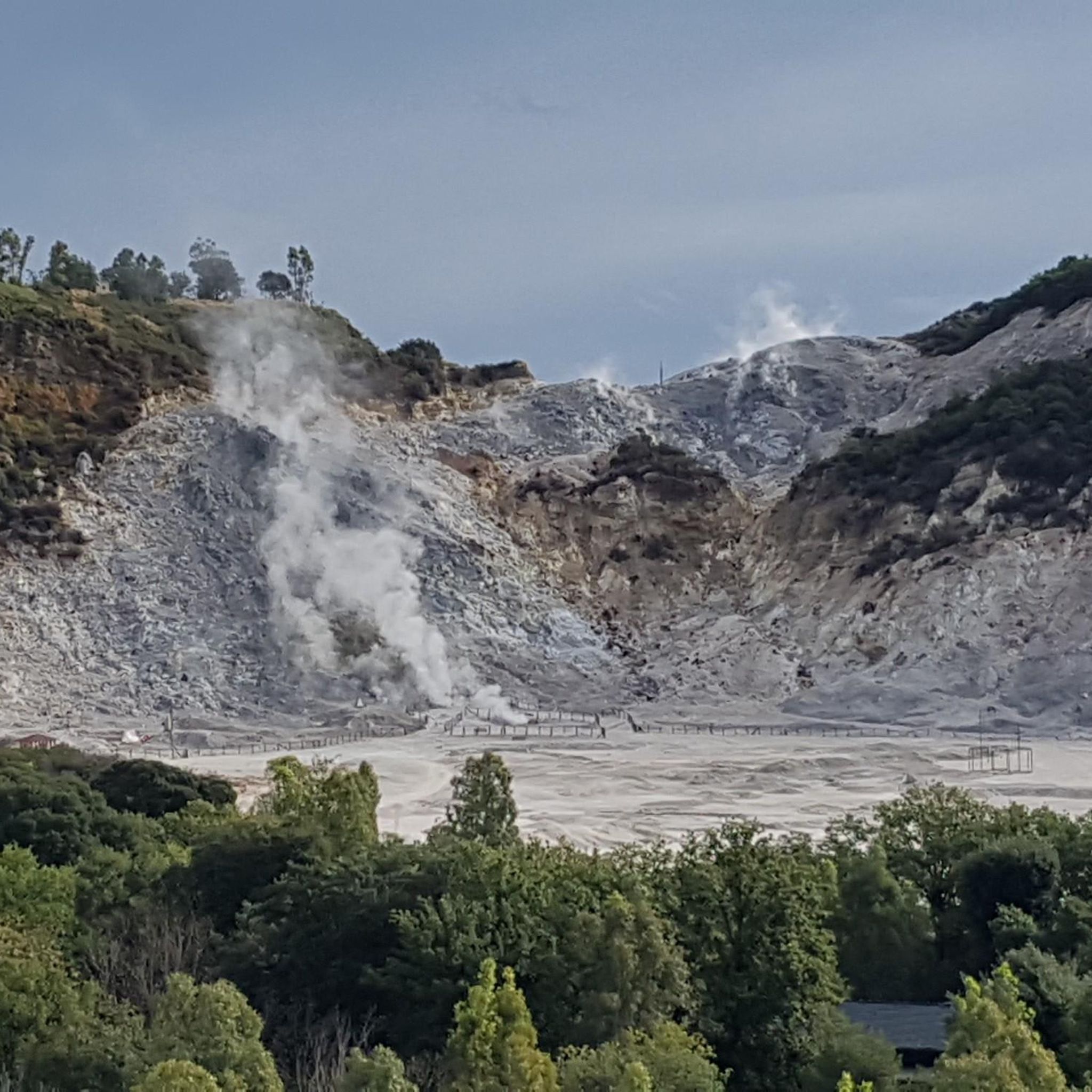
Yes, the area offers several natural wonders. The nearby Phlegraean Fields (Campi Flegrei) are a significant natural and archaeological area, including sites like the Solfatara, a dormant volcano. You can also explore the picturesque Marano Lakes, such as Lake Patria, or the Astroni Crater Nature Reserve, a protected area within a lush volcanic crater.
What kind of outdoor activities can I do around Marano di Napoli?
The region around Marano di Napoli is great for outdoor enthusiasts. You can find various trails for hiking, mountain biking, and cycling. For specific routes, check out the Hiking around Marano Di Napoli guide, the MTB Trails around Marano Di Napoli guide, or the Cycling around Marano Di Napoli guide for detailed route information.
Are there family-friendly attractions in the area?
Many attractions around Marano di Napoli are suitable for families. For instance, Dante Square in Naples is a significant urban space in the historic city center, often enjoyed by families. The Royal Palace of Naples is another historical site that welcomes families, offering a glimpse into royal history. The Galleria Umberto I, with its impressive architecture, is also considered family-friendly for a stroll.
Where can I find the best views around Marano di Napoli?
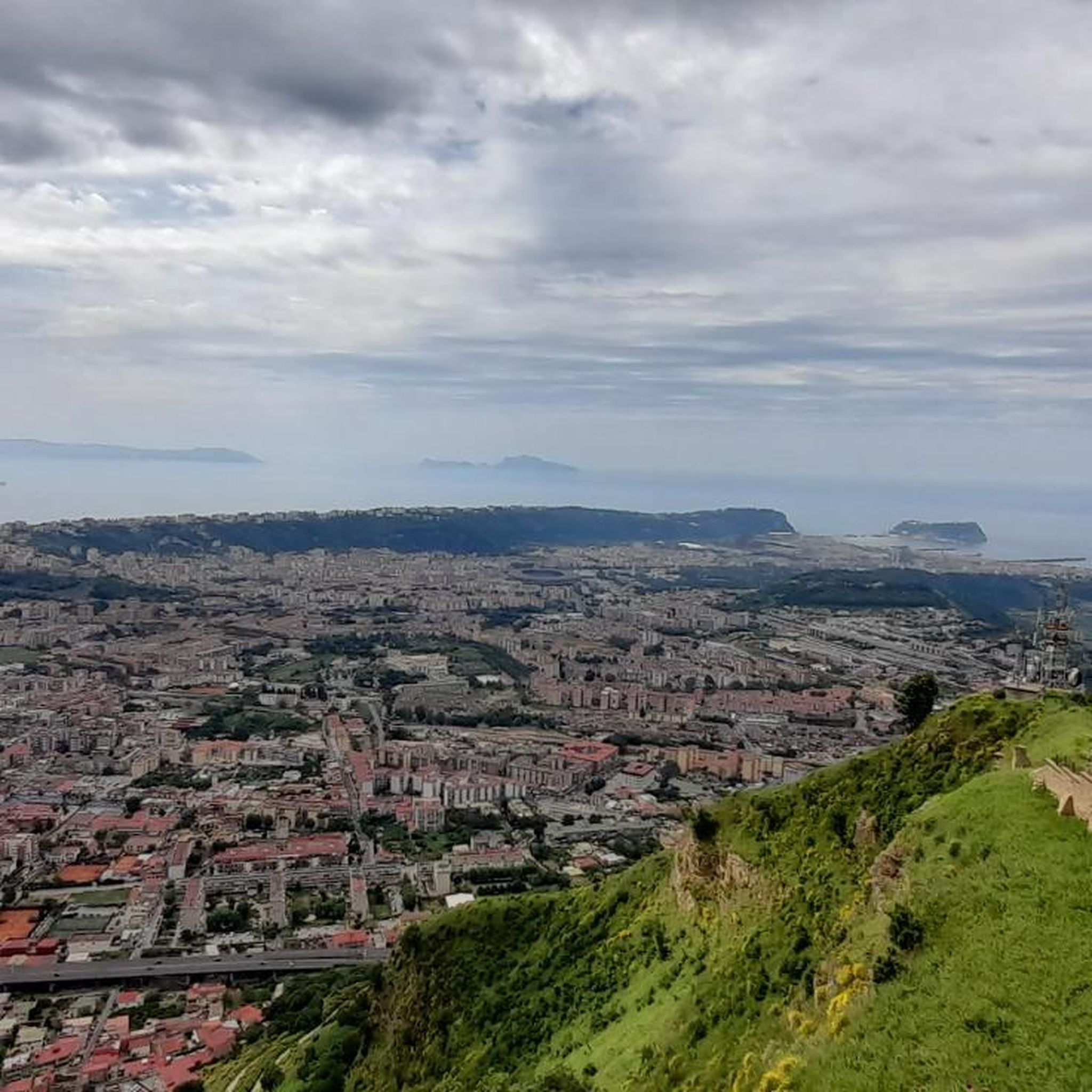
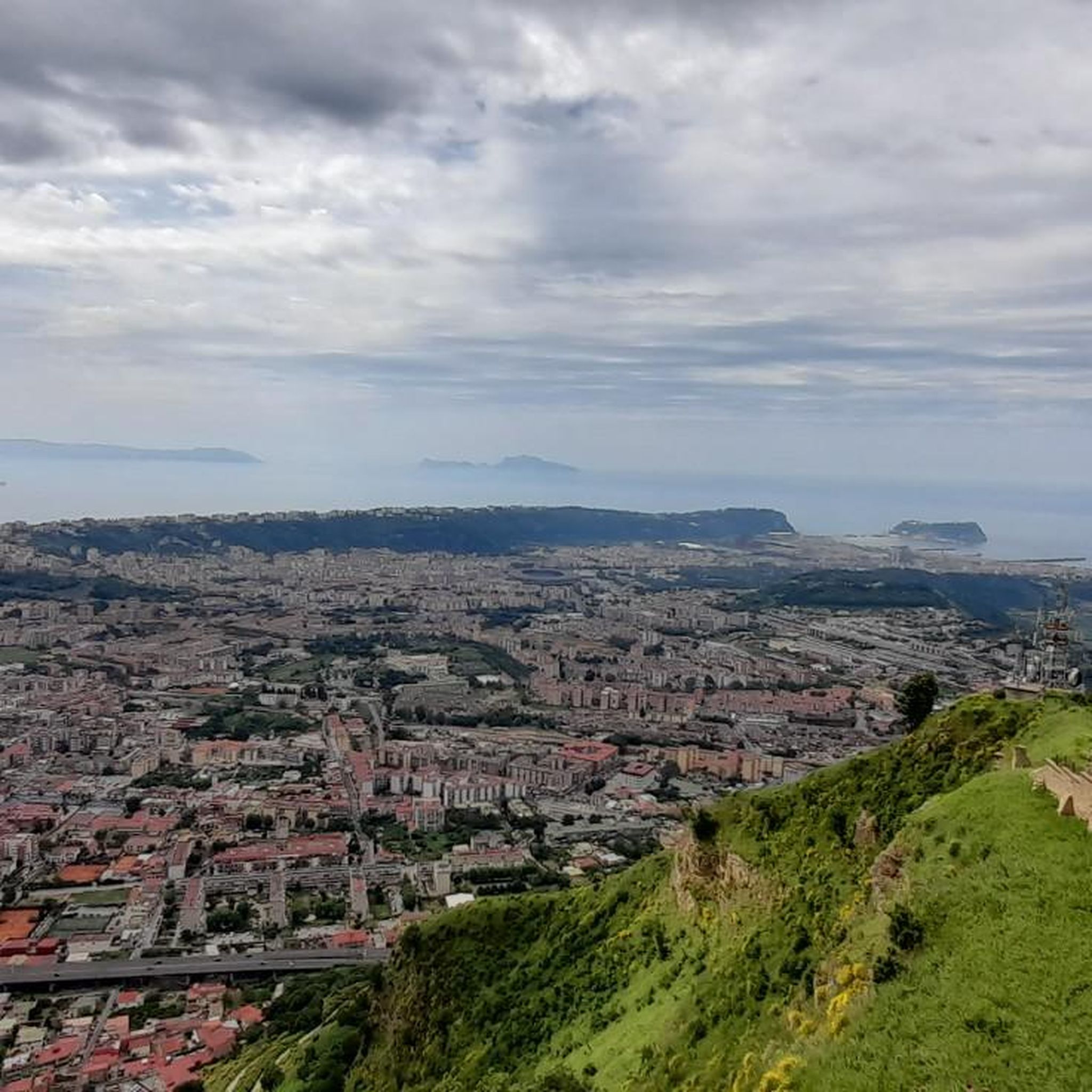
For breathtaking panoramic views, consider visiting Sant'Elmo Castle, which offers expansive vistas over Naples, including Mount Vesuvius. Another excellent spot is Torre Caracciolo, an Aragonese tower that provides views of the Gulf of Naples and the Phlegraean Fields, though it is privately owned. The Palazzo Belvedere, situated on a hilltop, also boasts panoramic views.
What are some unique historical landmarks besides castles in the region?
Beyond castles, you can explore the Mausoleo del Ciaurro, a well-preserved Roman funerary monument. The Sant'Anastasia Aqueduct is another impressive Roman engineering feat. In Naples, the Galleria Umberto I is a stunning 19th-century shopping arcade with a magnificent glass roof, and Dante Square is a historically significant public space.
Can I find easy hiking trails near Marano di Napoli?
Yes, there are easy hiking options available. For example, the Astroni Trail in the Astroni Crater Nature Reserve is an easy route. Another easy option is the 'Forest Path with Stone Wall – Astroni Crater loop' which also starts from the Riserva Naturale Cratere degli Astroni. You can find more details in the Hiking around Marano Di Napoli guide.
What religious sites are notable in Marano di Napoli?
Marano di Napoli features several significant religious sites. The Church of San Castrese is a must-see attraction. Other notable churches include Saint Eustace Church, Church of San Martino, and Chiesa Madre di San Rocco, all showcasing local architectural and historical significance.
What do visitors particularly enjoy about the attractions around Marano di Napoli?
Visitors frequently praise the breathtaking views from sites like Sant'Elmo Castle. The architectural grandeur of places like Galleria Umberto I is also highly appreciated. Many enjoy the historical depth and the sense of stepping back in time when exploring the ancient structures and city squares.
When is the best time to visit Marano di Napoli for sightseeing?
The Campania region, where Marano di Napoli is located, generally enjoys pleasant weather in spring (April-May) and autumn (September-October), making these ideal times for sightseeing. The temperatures are mild, and the crowds are typically smaller than in the peak summer months. Summer can be hot, but still enjoyable for those who prefer warmer weather.
Are there options for cycling or mountain biking around Marano di Napoli?
Absolutely! The area provides diverse routes for both cycling and mountain biking. You can find moderate to difficult mountain bike trails like the 'Bosco Contessa Entrance – Jump Ramp loop' or longer cycling routes such as the 'Via Napoli Promenade – Castel dell'Ovo loop'. For detailed maps and difficulty levels, refer to the Cycling around Marano Di Napoli and MTB Trails around Marano Di Napoli guides.
What is the oldest castle in the vicinity?
The oldest castle in the vicinity is Castel dell'Ovo (Egg Castle), located on the islet Megaride in Naples. It was built in the twelfth century and is steeped in local legends.
Can I visit a royal residence in the area?
Yes, the Royal Palace of Naples is a magnificent historical site that served as a royal residence. It offers a rich history dating back to the 16th century and features impressive architecture and collections.
Most popular routes around Marano Di Napoli
Most popular attractions around Marano Di Napoli

Get inspired with the komoot mobile app


Explore more
Still not found the Highlight you’re looking for? See guides of the top attractions in other regions:
