The best walks and hikes around Augusta
4.0
(33)
255
hikers
25
hikes
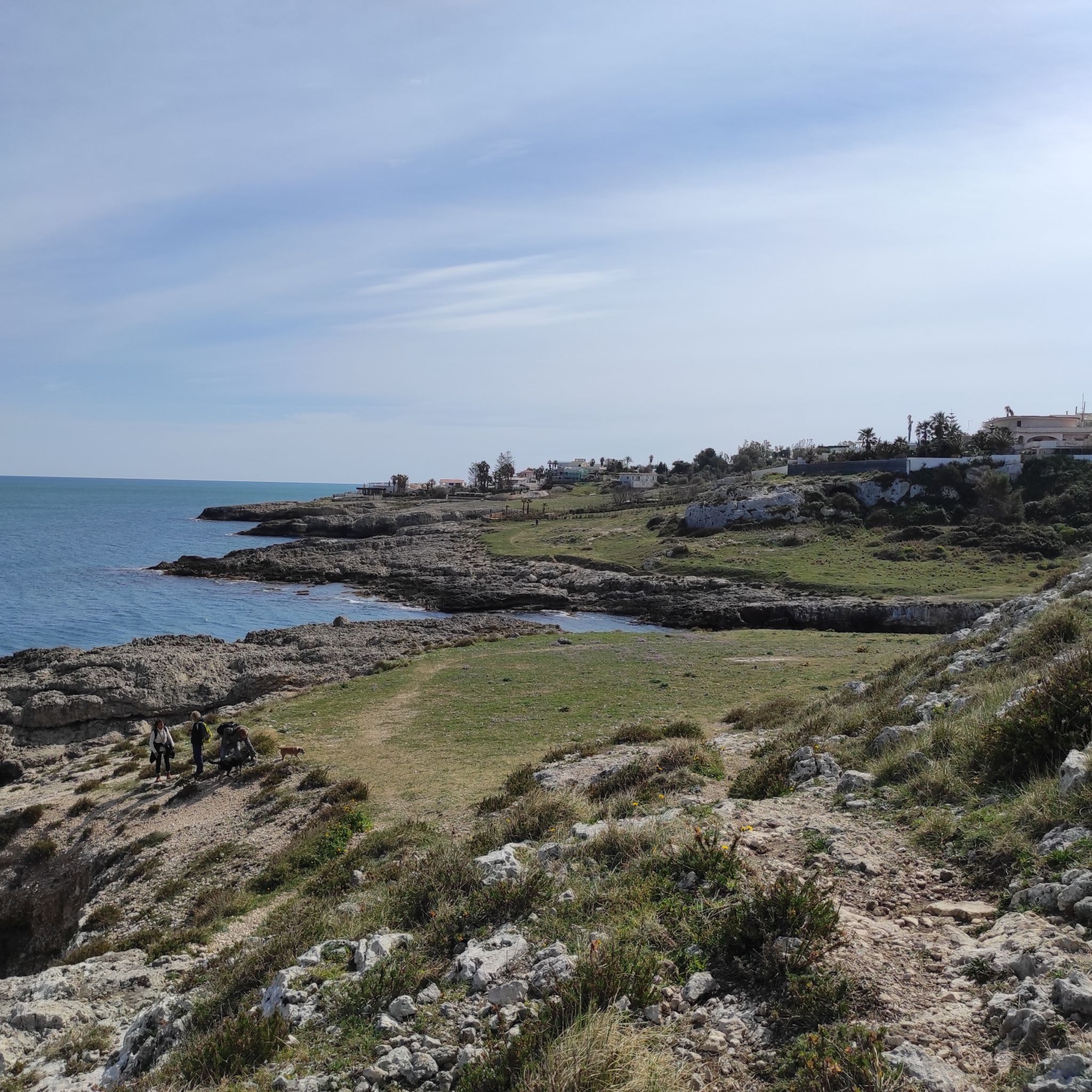
Hiking around Augusta offers a diverse landscape for outdoor enthusiasts. The region features coastal paths, ancient canyons, and historical sites, providing varied terrain for exploration. Trails often lead through areas with moderate elevation changes, offering views of the Mediterranean Sea and surrounding natural features. The area is characterized by its blend of natural beauty and historical significance.
Best hiking trails around Augusta
- The most popular hiking route is Brucoli Canyon – Brucoli Canyon loop from Brucoli, a 4.1 miles (6.6 km) trail that takes 1 hour 44 minutes to complete. This easy loop explores the natural canyon landscape.
- Another top favourite among local hikers is Brucoli Canyon – Porcaria Stream loop from Brucoli, an easy 4.2 miles (6.8 km) path. This trail follows the Porcaria Stream through the Brucoli Canyon.
- Local hikers also love the Brucoli Marina – Brucoli Canyon loop from Brucoli, a 5.4 miles (8.6 km) trail leading through coastal areas and the Brucoli Canyon, often completed in about 2 hours 18 minutes.
- Hiking around Augusta is defined by coastal paths, ancient canyons, and historical sites. The network offers options for different ability levels, from easy strolls to moderate excursions.
- The routes in Augusta are highly rated by the komoot community with an average score of 4.0 stars from over 360 reviews. More than 1500 hikers have used komoot to explore Augusta's varied terrain.
Last updated: August 19, 2026
4.5
(2)
9
hikers
6.61km
01:44
60m
60m
Easy hike. Great for any fitness level. Easily-accessible paths. Suitable for all skill levels.
5.0
(1)
4
hikers
6.78km
01:51
100m
100m
Easy hike. Great for any fitness level. Easily-accessible paths. Suitable for all skill levels.

Sign up for free
2.0
(1)
7
hikers
8.64km
02:18
90m
90m
Moderate hike. Good fitness required. Easily-accessible paths. Suitable for all skill levels.
14
hikers
Easy hike. Great for any fitness level. Easily-accessible paths. Suitable for all skill levels.
6
hikers
10.9km
02:50
60m
60m
Moderate hike. Good fitness required. Easily-accessible paths. Suitable for all skill levels.
Get access to more routes and recommendations from other explorers.
Sign up for free
Already have an account?
Our route recommendations are based on thousands of hikes, rides, and runs completed by other people on komoot.
Start today with a free account
Your next adventure awaits.
Login or Signup
Tips from the Community

Lively café with very delicious baked goods and a small balcony with a sea view.
2
0
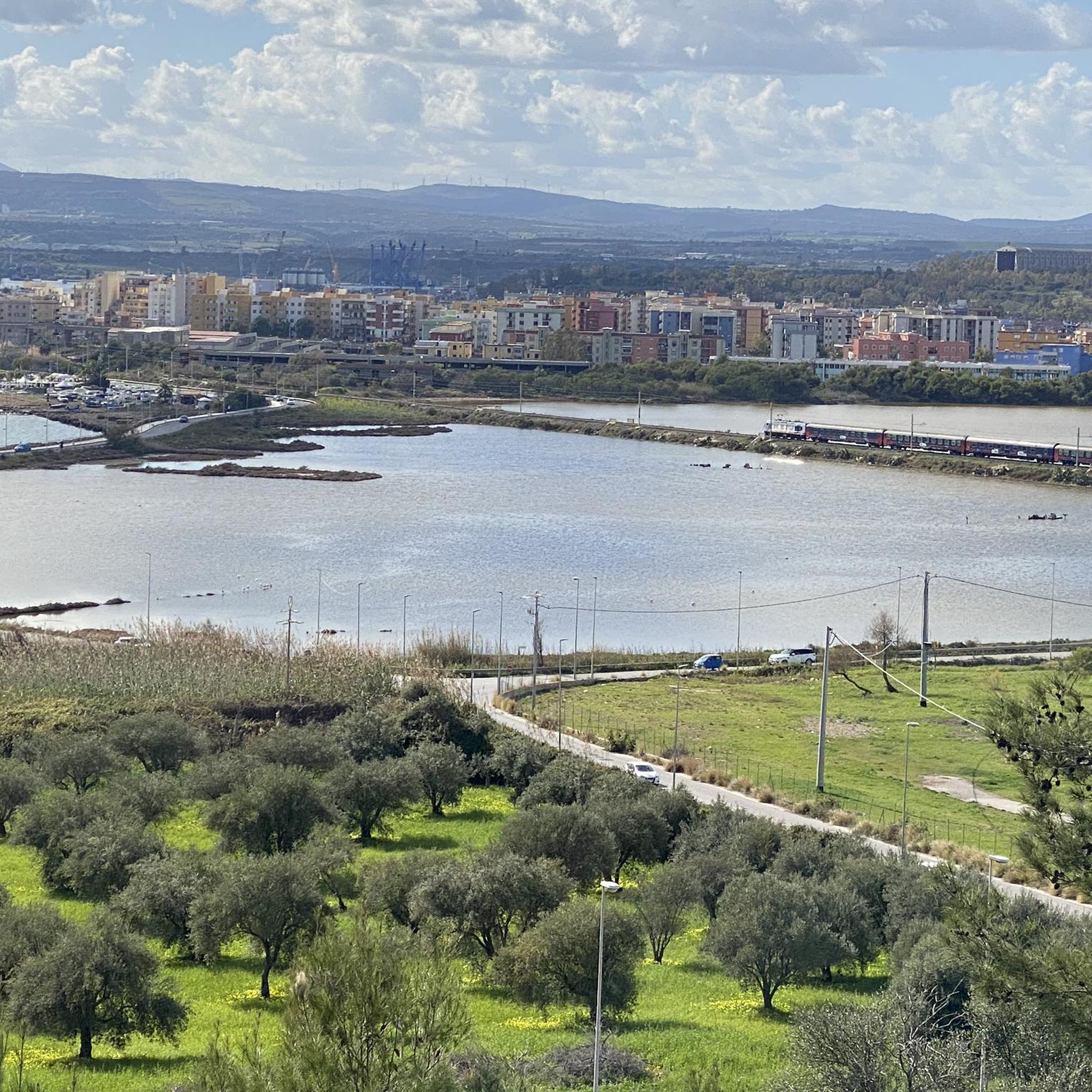
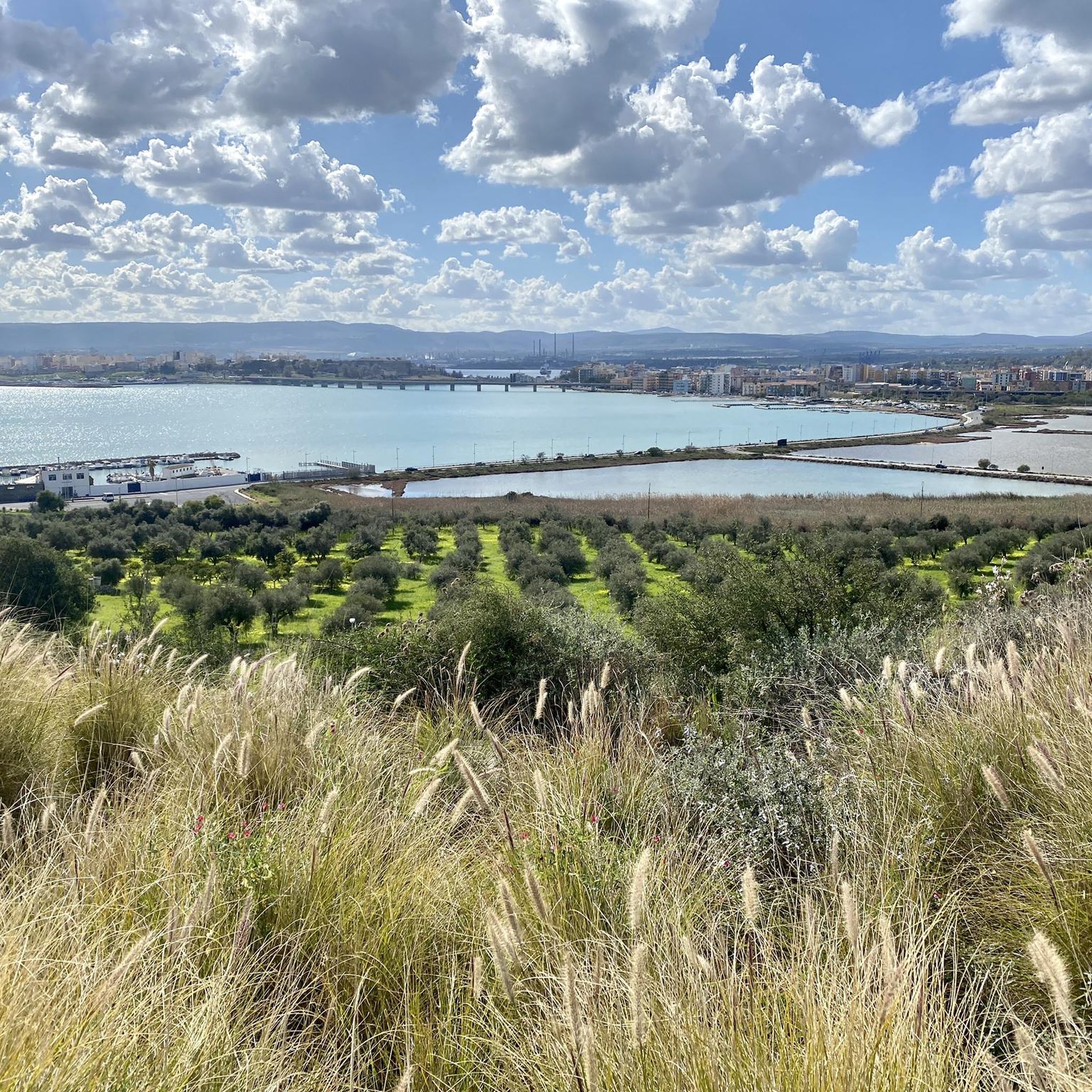
Picturesque gorges along a sea arm reaching far inland. There is also a small harbor here.
5
0
At the beginning of the canyon, there is a small harbor with many berths. Idyllic.
5
0
Pretty little church in the town center.
5
0
The Aragonese had the fortress built in the 15th century to protect the granary and harbor from pirates. Recently and elaborately restored. A real gem at the entrance to the canyon. It's a shame it cannot be visited inside.
4
0

Beautiful little church
1
0

The first sacred building in Augusta dedicated to San Domenico dates back to the first half of the 12th century and almost if not simultaneously with the foundation of the city by Frederick II. Some writings declare it the first seat of the Dominicans in Sicily and the first church in the world dedicated to the Saint of Guzman. We know nothing about the appearance of this first church nor of the first nucleus of the convent. In 1551 the first of a series of Turkish invasions was razed to the ground and rebuilt together with the convent in 30 years. From the description of this second church one can think that the small church holding the statue of the Saint preserved in Augusta is the reproduction of this temple built after 1551. Razed to the ground by the earthquake and subsequent tsunami of January 1693, it was subsequently rebuilt in two years. However, it was seriously damaged again by the earthquake of 1848. By decision of the mayor, construction work on a new church began in 1876, entrusted to the engineer Luciano Ferraguto. The neoclassical style façade has pillars adorned with pilasters on the sides, flanked by two semi-columns surmounted by Corinthian capitals. Next to it there is a structure which until the last century hosted a convent of Dominican fathers. The bell tower, on the right side, has a quadrangular plan. Divided over three floors there are openings with balustrades. At the top of the tower there are four spires with a spherical cap in the center supported by an entablature. The interior has a single nave with a vestibule divided on each side by five arches with Corinthian columns. A marble balustrade separates the main altar from the nave with two steps. The apse is divided by five other columns of the same style. Following the earthquake of 13 December 1990, the church was seriously damaged, with loss of decorations and has only recently been renovated. Source: https://www.siciliainfesta.com/
1
0
Frequently Asked Questions
What types of landscapes can I expect to see while hiking around Augusta, Sicily?
Hiking around Augusta, Sicily, offers a diverse experience, characterized by coastal paths, ancient canyons, and historical sites. You'll encounter the unique geology of the Brucoli Canyon, enjoy views of the Mediterranean Sea, and explore areas with significant historical relevance like the Castello Svevo Augusta. The region also features natural attractions such as the Anapo Valley and the Augusta Salt Pans.
How many hiking trails are available in the Augusta area?
There are over 20 hiking routes available around Augusta, Sicily, catering to various preferences and skill levels. These trails have been explored by more than 1500 hikers using komoot.
What are the difficulty levels of the hiking trails in Augusta?
The trails around Augusta offer a good mix of difficulty. You'll find plenty of options for casual strolls, with 16 easy routes. For those looking for a bit more challenge, there are 5 moderate trails, and even one difficult route for experienced hikers seeking a more strenuous adventure.
Are there any loop trails in Augusta, Sicily?
Yes, many of the popular hiking routes in Augusta are loops, making them convenient for exploration. Examples include the Brucoli Canyon – Brucoli Canyon loop from Brucoli and the Brucoli Canyon – Porcaria Stream loop from Brucoli. For a longer moderate loop, consider the Brucoli Marina – Brucoli Canyon loop from Brucoli.
What do other hikers say about the trails in Augusta?
The hiking trails in Augusta are highly regarded by the komoot community, holding an average rating of 4.0 stars from over 360 reviews. Hikers often praise the blend of natural beauty, coastal views, and the historical elements found along the routes.
Are there any historical sites or landmarks to explore on the trails?
Absolutely. Augusta is rich in history. You can explore routes that pass by significant landmarks such as the Castello Svevo Augusta and the Spanish Gate of Augusta. Additionally, the Square and Mother Church of Sortino is another notable historical highlight in the wider region.
Can I find trails with viewpoints or scenic overlooks?
Yes, the region offers several opportunities for scenic views. Given its coastal location and varied terrain, many trails provide picturesque vistas of the Mediterranean Sea. For a dedicated viewpoint, consider visiting the View of Mount Etna, which offers stunning panoramic sights.
Are there any natural attractions or monuments near the hiking routes?
Beyond the trails themselves, the Augusta area boasts several natural attractions. You can visit the impressive Anapo Valley, explore the Anapo River and Orange Grove, or discover the unique ecosystem of the Simeto River Mouth Nature Reserve. The Marina di Priolo Beach and Nature Reserve also offers beautiful coastal scenery.
What is the best time of year to go hiking in Augusta, Sicily?
Augusta, Sicily, generally enjoys a Mediterranean climate. Spring (April-May) and Autumn (September-October) are often considered ideal for hiking, offering pleasant temperatures and less intense sun compared to the summer months. These seasons also showcase the region's natural beauty with blooming flora or vibrant autumn colors.
Are there any longer distance hikes available for experienced hikers?
While many trails are moderate, there are options for longer excursions. For example, the Spanish Gate of Augusta – Castello Svevo Augusta loop from Augusta covers approximately 10.9 kilometers (6.8 miles), providing a more extended hiking experience for those looking for a longer day out.
Most popular attractions around Augusta

Get inspired with the komoot mobile app


Explore more
Browse the best Hikes in other regions.
