Attractions and Places To See around Badolato - Top 20
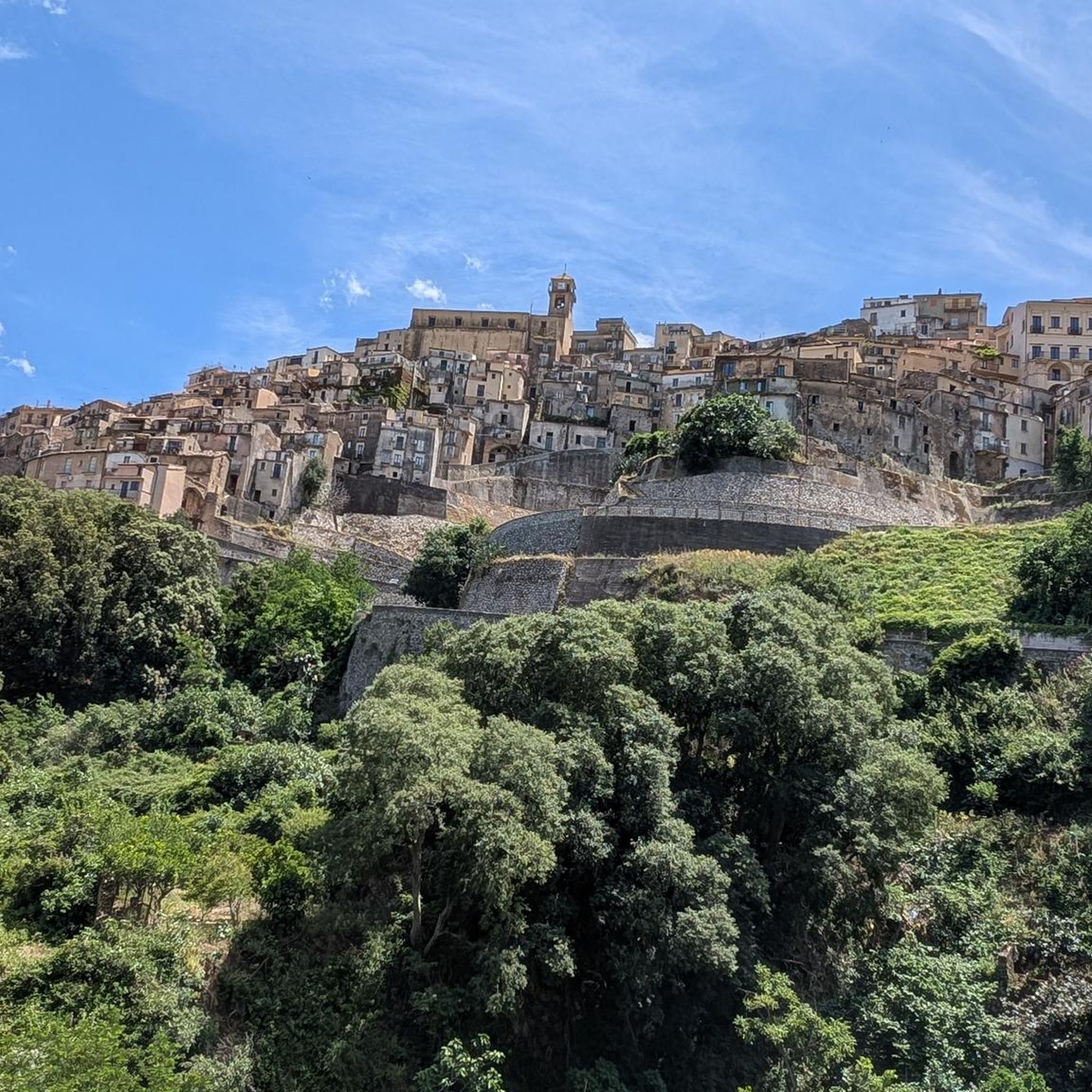
Best attractions and places to see around Badolato include a rich tapestry of historical, cultural, and natural sites. The town is divided into the hilltop old town, Badolato Superiore, and the coastal Badolato Marina. Badolato Superiore features ancient churches, medieval alleyways, and panoramic viewpoints, recognized as one of "The most beautiful villages of Italy." Badolato Marina offers beaches with clear waters and an intact ecosystem along the Ionian Sea. The surrounding region provides diverse landscapes, from river valleys to historical…
Last updated: October 5, 2026
Chapel of the Charterhouse of Serra San Bruno
Highlight • Religious Site
The Charterhouse of Santo Stefano
The first monastery was in the Dauphiné, a region on the western slope of the Alps, southwest of Savoy, …
Translated by Google •
Tip by

Marmarico Waterfall
Highlight • Waterfall
Translated by Google •
Tip by

Sign up now to discover places like this
Get recommendations on the best single tracks, peaks, & plenty of other exciting outdoor places.
Church of Our Lady of Sorrows Maria SS. of the Seven Sorrows, Serra San Bruno
Highlight • Religious Site
Church of Our Lady of Sorrows
The Church of Our Lady of Sorrows was built in 1721 according to a …
Translated by Google •
Tip by
Norman Castle
Highlight • Castle
Translated by Google •
Tip by

Baroness Scoppa Castle
Highlight • Castle
Translated by Google •
Tip by

Sign up for free to discover even more attractions around Badolato.
Already have an account?
Start today with a free account
Your next adventure awaits.


Tips from the Community

A spectacular jump, the beginning of which is not visible on site but can be admired from afar in its full height. Everything flows into a large, deep pool of crystal-clear water where you can swim. BUT ONE WARNING: Do not jump in immediately after arriving, tired, sweaty, hot. Cool down gradually, entering the water little by little. The water is quite cold and could be dangerous. Not to scare you, but perhaps due to the heat, fatigue, and temperature shock, I am aware of a victim, unfortunately, in the summer of 2026. So, watch out!
0
0
Magnificent and evocative ruins of an ancient 16th-century castle, complete with ruined towers, once belonging to Baroness Scoppa of Badolato. The literature consulted states that on the lower floor there were the soldiers' lodgings and stables, while on the upper floor were the Baroness's rooms. Now, seeing the Castle in reality and on site, despite what has been said, I cannot imagine, considering its size, how "soldiers" and "stables" could have found space there; because I assure you it appears truly small compared to what is said of its use. Precisely for this reason, however, it is very nice to see and to imagine in its era. Around it and around the Baroness, various legends naturally exist: That she, a devout believer, did not disdain entertaining herself with young men (perhaps in those upper rooms?) whom she then made disappear into the marshes, and furthermore that her ghost would still seem to wander at night around the Castle and thereabouts in the entire Bosco della Lacina. Seeing is believing.
0
0

Waterfalls where you can swim in the warmer months, reachable from Ferdinandea via a panoramic trek or from a rest point in 30 minutes
0
0

Trekking & Yoga Day: A special day dedicated to relaxation.
0
0

Beautiful church, right in the middle of town. Like most churches in Italy, it's always open.
7
0
Magnificent Charterhouse. A must-visit. Info: https://www.certosini.info/
6
0

Very nice view, worth it! Unfortunately, the hiking trail has been completely neglected. Fences and even lighting were once put up - but everything is broken and demolished, the path is often overgrown and not marked. The ruins at the top are now in a much better condition than the hiking trail there. It's a shame, a lot of potential is being wasted here.
2
0

Waterfalls of impressive height, especially when observed from the highest pool. It is possible to bathe in both pools in summer.
1
0
Frequently Asked Questions
What historical and cultural sites can I explore in Badolato Superiore?
Badolato Superiore, the charming hilltop old town, is often called the "City of Churches." You can discover numerous religious buildings, many arranged in the shape of a Latin cross, such as the panoramic Church of the Immaculate Conception, the Baroque Church of San Domenico, and the Mother Church of Santissimo Salvatore. Explore medieval alleyways, visit the site of the former Ravaschieri Castle at Piazza Castello, and see the ancient Bell Tower. Don't miss the 'Catoja' (ancient cellars) and the 'Talking Stones' by artist Gianni Verdiglione.
What natural attractions and beaches are there in Badolato?
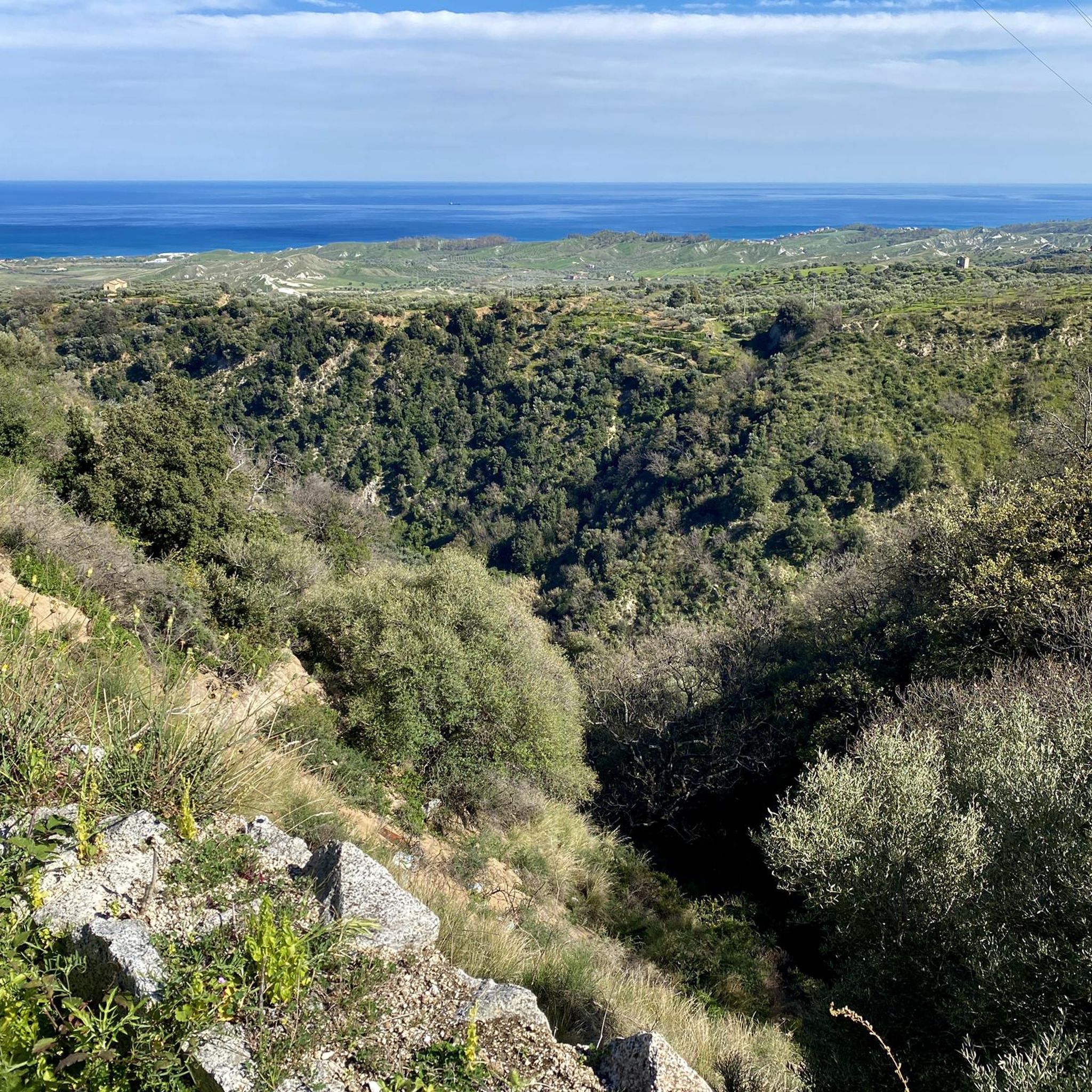
Badolato offers diverse natural beauty. The coastal area, Badolato Marina, features beautiful beaches with clear waters, ideal for swimming and relaxation. It boasts an intact ecosystem with Mediterranean maquis and typical dune vegetation. The coastline is also a nesting site for Mediterranean Caretta Caretta turtles. Inland, you can admire the rugged beauty of the Valley of the River Gallipari from various viewpoints.
Are there family-friendly attractions in the Badolato area?
Yes, several attractions are suitable for families. The Chapel of the Charterhouse of Serra San Bruno is listed as family-friendly, offering a glimpse into monastic life in a quiet setting. Exploring the medieval alleyways and historical churches of Badolato Superiore can also be an engaging experience for older children. The beaches at Badolato Marina provide a great environment for family relaxation and water activities.
What are some notable day trips or nearby attractions from Badolato?
A significant nearby attraction is the Chapel of the Charterhouse of Serra San Bruno, a 12th-century Carthusian monastery offering a deep immersion into monastic life. Another must-see natural wonder is the Marmarico Waterfall, the highest waterfall in the southern Apennines, located in the upper course of the Stilaro river.
What kind of hiking opportunities are available around Badolato?
The region around Badolato offers various hiking opportunities, from easy walks to more challenging routes. You can explore trails that lead to historical sites like the Norman Castle, which offers panoramic views after an uphill ascent. For more detailed options, you can find numerous running and walking paths in the area, including those listed in the Running Trails around Badolato guide.
Are there cycling routes near Badolato for mountain biking or road cycling?
Yes, Badolato is a great base for cycling enthusiasts. You can find a variety of routes for both mountain biking and road cycling. For mountain biking, explore trails like the 'Sentiero Italia CAI Cycle Route - Stage U09' or 'Rings on the Alaco Trail' mentioned in the MTB Trails around Badolato guide. Road cyclists can enjoy scenic rides such as the 'Soverato Promenade – Soverato seafront loop' found in the Road Cycling Routes around Badolato guide.
What is the best time to visit Badolato's coastal areas?
The best time to visit Badolato's coastal areas, particularly Badolato Marina, is typically during the warmer months, from late spring to early autumn (May to September). During this period, the weather is ideal for swimming, sunbathing, and enjoying water sports. The clear waters and pleasant seafront promenade are at their best, and local events often take place.
What are the 'Talking Stones' in Badolato Superiore?
The 'Talking Stones' are unique artistic installations by Gianni Verdiglione, embedded into the facades of buildings in Badolato Borgo. These stones are designed to evoke local history and ancient legends, adding a distinctive cultural layer to the experience of wandering through the town's medieval streets.
Can I visit any castles or historical ruins in the area?
Absolutely. While little remains of the 17th-century Ravaschieri Castle in Badolato Superiore, Piazza Castello marks its former location and offers panoramic views. Further afield, you can visit the Norman Castle, which provides historical insights and stunning vistas towards Stilo and Bivongi. Another intriguing ruin is the Baroness Scoppa Castle, known for its mysterious history and natural surroundings.
Where can I find the best panoramic views in Badolato?
Badolato offers several stunning panoramic viewpoints. In Badolato Superiore, you can enjoy expansive vistas from Belvedere Carmelina Amato (in Piazza Castello) and Belvedere di Piazza Bastione, which overlooks the Church of the Immaculate Conception. The Church of the Immaculate Conception itself, due to its strategic location, also provides sweeping views of the valley, the Ionian coast, and mountains.
What is the significance of the 'Catoja' in Badolato Borgo?
The 'Catoja' are ancient cellars characteristic of Badolato Borgo. These historical spaces are often open to the public during summer and Easter events, offering a unique glimpse into the traditional architecture and lifestyle of the old town. They are an integral part of Badolato's cultural heritage.
Are there any religious sites besides the main churches that are worth visiting?
Beyond the prominent churches, Badolato is home to several other significant religious sites. These include the Shrine of Blessed Mary of Health and the Church of Addolorata, which also boasts a panoramic position at the foot of the village. The Church of Sant'Isidoro is notable for bearing traces of Byzantine frescoes, offering a deeper historical and artistic perspective.
Most popular attractions around Badolato

Get inspired with the komoot mobile app


Explore more
Still not found the Highlight you’re looking for? See guides of the top attractions in other regions:
