The best mountain hikes around Valdagno
4.9
(14)
157
hikers
6
hikes
Mountaineering routes around Valdagno are primarily defined by the rugged terrain of the Piccole Dolomiti (Little Dolomites), offering challenging ascents and diverse vertical experiences. The region features limestone cliffs, significant elevation gains, and a variety of natural features that appeal to experienced mountaineers. These routes often involve high-altitude sections, rock climbing, and via ferrata, demanding good fitness and alpine experience.
Best mountaineering routes around Valdagno
- The most popular mountaineering route is Rifugio Cesare Battisti – Monte Zevola loop from Riserva…
Last updated: October 8, 2026
4.5
(4)
52
hikers
Hard mountaineering route. Good fitness required. Sure-footedness, sturdy shoes and alpine experience required.
4.8
(4)
26
hikers
5.84km
03:10
530m
530m
Hard mountaineering route. Good fitness required. Sure-footedness, sturdy shoes and alpine experience required.

5.0
(1)
10
hikers
15.7km
07:36
1,200m
1,200m
Hard mountaineering route. Very good fitness required. Sure-footedness, sturdy shoes and alpine experience required.
7
hikers
14.1km
05:11
770m
770m
Hard mountaineering route. Very good fitness required. Mostly accessible paths. Sure-footedness required.
5.0
(1)
6
hikers
Hard mountaineering route. Good fitness required. Sure-footedness, sturdy shoes and alpine experience required.
Our route recommendations are based on thousands of hikes, rides, and runs completed by other people on komoot.
Start today with a free account
Your next adventure awaits.
Tips from the Community

Also reachable by bike! Offers a nice view of Busa Novegno.
1
0

be careful, there is a ban on bicycles
0
0

Beautiful stretch of trail 221, exposed and appropriately equipped with a metal rope on the wall.
0
0

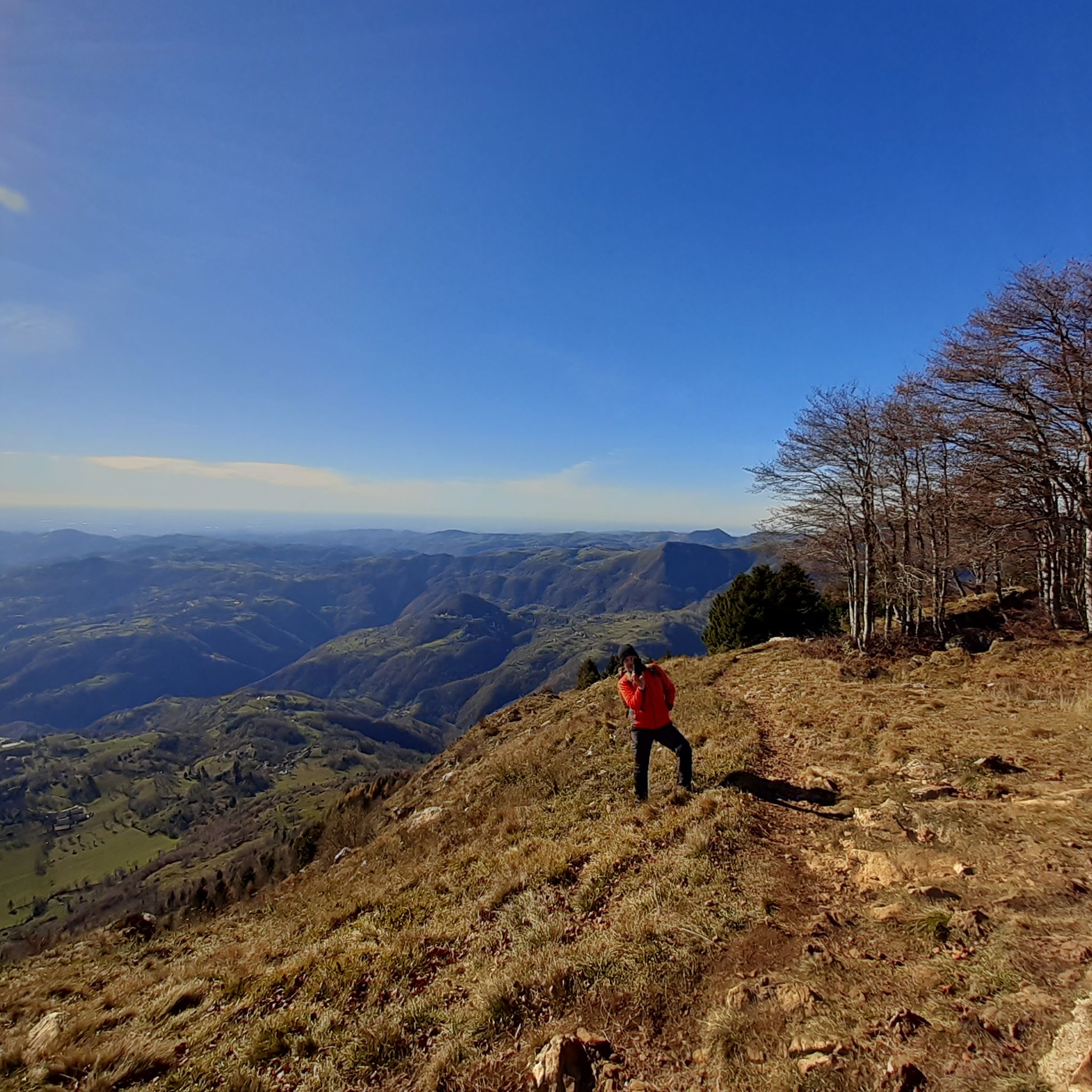
Mount Zèvola (1,976 m) is the highest peak in the Tre Cime mountain chain, one of the mountain groups of the Little Dolomites (the Tre Croci chain, the Carega Group, the Sengio Alto chain, and the Pasubio Massif). The summit is actually divided in two by the deep Vajo dell'Acqua: Zevola Alta (1,976 m) and Zevola Bassa or Antecima (1,961 m), with the cross. From up here, you can enjoy a stunning 360° panorama: on one side, there's an excellent view of Carega and Pasubio, and on the other, the entire Lessinia plateau. The climb from Passo Zevola is short but steep.
0
0
From Monte Gramolòn (1,814 m), you have a breathtaking 360° view of the Piccole Dolomiti, the Sentiero dei Grandi Alberi trail below, and, on the opposite side, the Lessinia mountains! The climb from Passo Ristele (to the north) is short but steep, and breathtaking! From Passo della Scagina (to the south), it's even steeper and more technical, EE, with frequent switchbacks that ascend a deep gully: very evocative. On this side, there are also the Angelo Viali and Ferrari via ferratas. The summit, with its cross, touches a spectacular but exposed ridgeline over the precipice, so be careful and avoid leaning out. The toponym derives from the dialect verb 'sgramolare', meaning to break into lumps: therefore, 'Gramolon' means the mountain that crumbles, due to subsidence and scree!
0
0

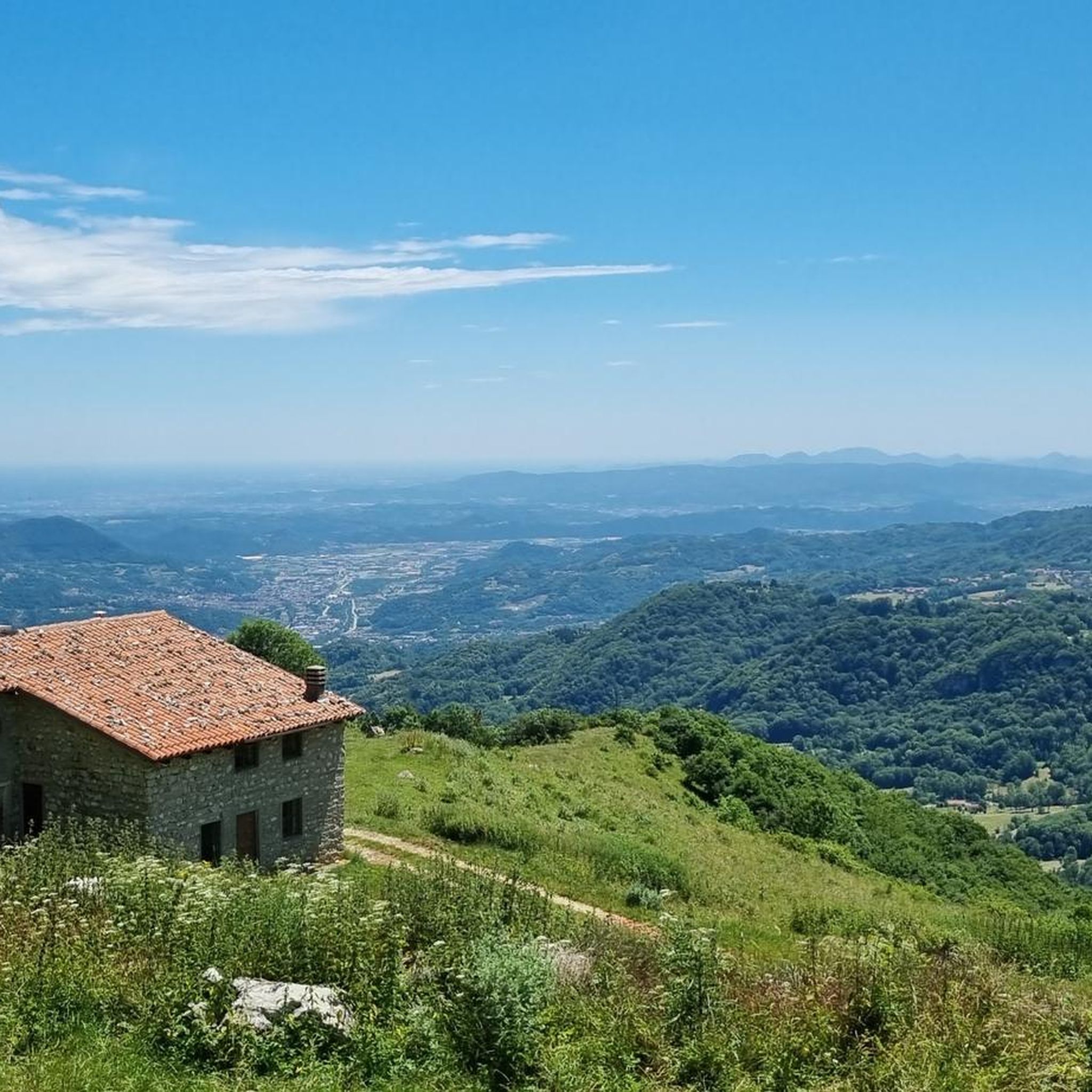
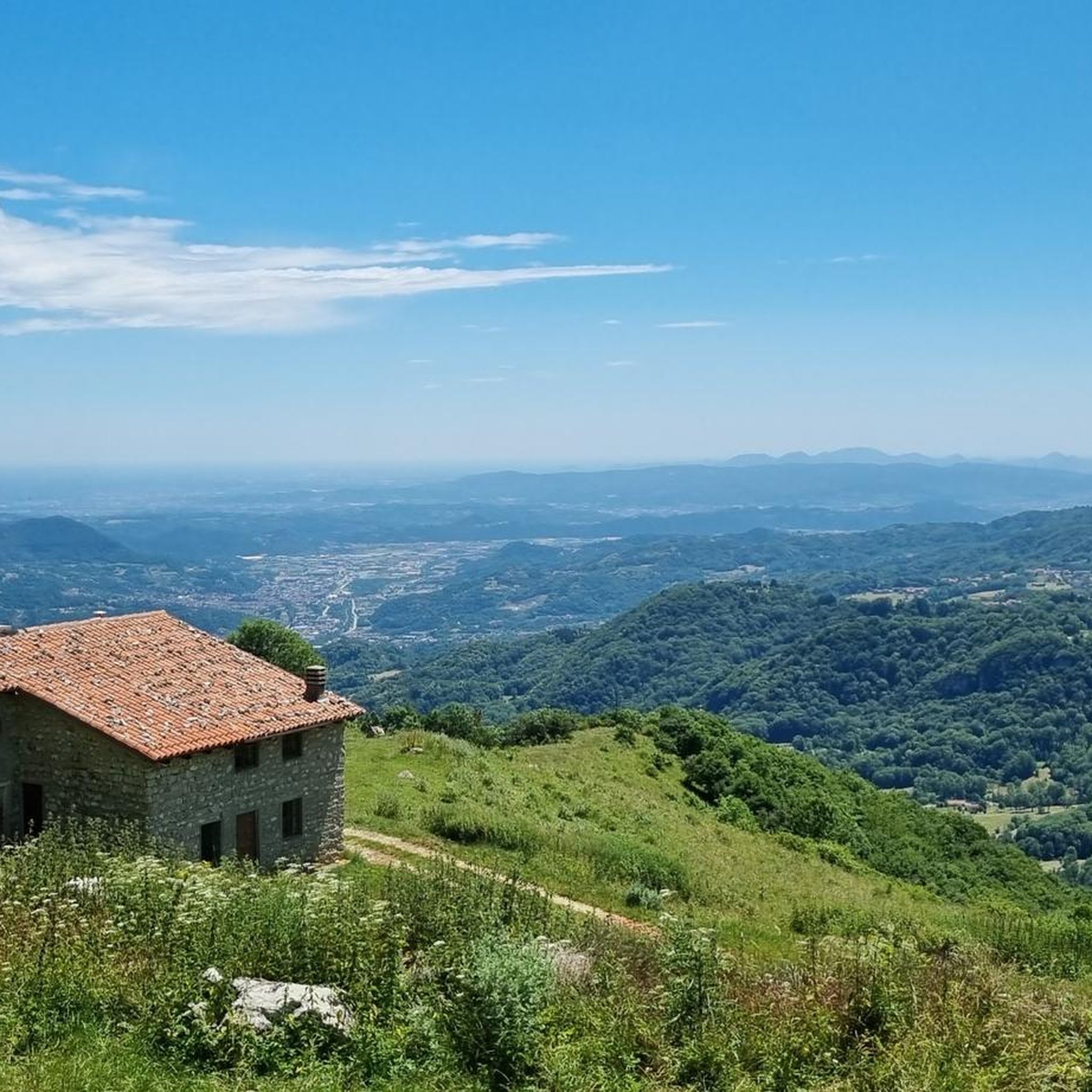
Rifugio Battisti is a starting point for beautiful walks and a stopover for bike rides with spectacular landscapes.
0
0

Panorama of the Po Valley, the Pale di San Martino, the Vette Feltrine, Mount Grappa to the east and the Carega group, Piccole Dolomiti and Pasubio group to the west
0
0

Rifugio Pompeo Scalorbi is located at 1,767 meters above sea level, in the heart of the Piccole Dolomiti. It can be reached by several hiking trails, and is a reference point for excursions and climbs in the Carega group. It offers typical local cuisine and the possibility of overnight stays. It opens in the summer season, but for more information, you can visit the website: www.rifugioscalorbi.com.
1
1
Frequently Asked Questions
How challenging are the mountaineering routes in the Valdagno area?
The mountaineering routes around Valdagno, primarily in the Piccole Dolomiti, are generally difficult and cater to experienced mountaineers. They feature significant elevation gains, rugged terrain, and often involve high-altitude sections, rock climbing, and via ferrata. Good fitness, sure-footedness, and alpine experience are essential.
Are there any circular mountaineering routes available?
Yes, several routes are designed as loops. For example, the Rifugio Cesare Battisti – Monte Zevola loop from Riserva naturale guidata di Campobrun is a challenging 9.4 km circular route. Another option is the Rifugio Cesare Battisti – Monte Obante loop from Rifugio Cesare Battisti, covering about 10.9 km.
What kind of experience is required for mountaineering in Valdagno?
Mountaineering in Valdagno demands a high level of fitness, sure-footedness, and prior alpine experience. Many routes involve technical sections, via ferrata, and exposure, requiring sturdy shoes and potentially specialized equipment like ice axes and crampons depending on conditions and specific routes.
Are there mountain huts (rifugi) along the mountaineering routes?
Yes, the region is well-served by mountain huts. Key rifugi include Rifugio Cesare Battisti, which serves as a starting point for many excursions, and Rifugio Pompeo Scalorbi, located in the heart of the Piccole Dolomiti, offering local cuisine and overnight stays during summer. Rifugio Lausen also provides panoramic views and a place to relax.
What natural landmarks or points of interest can I see along the mountaineering routes?
The area offers diverse natural features. You might encounter the magnificent Papalini Waterfall, explore the Buso delle Anguane Cave, or traverse the historic Sentinello Trail (WWI). The Buso del Bao Bridge is another notable feature.
What is the best season for mountaineering in Valdagno?
The best season for mountaineering in Valdagno is typically from late spring to early autumn (May to October) when the weather is more stable and snow conditions are generally favorable. However, some high-altitude routes may require alpine equipment like ice axes and crampons even in early summer. Always check local conditions before heading out.
Are there any routes that include via ferrata sections?
Yes, the region is known for its via ferrata opportunities. A notable route is the Via Ferrata Angelo Viali – Gramolon Peak loop from Località La Piatta, which is a difficult 5.8 km path specifically designed for this type of climbing.
Can I bring my dog on the mountaineering routes around Valdagno?
While some hiking trails may be dog-friendly, the mountaineering routes around Valdagno are generally difficult and often involve challenging terrain, rock climbing, and via ferrata sections. These conditions are typically not suitable or safe for dogs. It's best to consider less strenuous routes if you plan to bring your canine companion.
Are the mountaineering routes around Valdagno family-friendly?
The mountaineering routes in the Valdagno area are predominantly difficult and require significant alpine experience and fitness. They are generally not considered family-friendly for young children or those without extensive mountaineering experience due to the challenging terrain and technical sections.
What do other mountaineers enjoy most about mountaineering in Valdagno?
The area is highly rated by the komoot community, with an average score of 4.8 stars from over 27 reviews. Reviewers often praise the challenging terrain of the Piccole Dolomiti, the impressive views from the peaks, and the diverse vertical experiences, including rock climbing and via ferrata sections.
Is it possible to reach the trailheads by public transport?
While Valdagno itself is accessible by public transport, reaching specific mountaineering trailheads in the Piccole Dolomiti can be challenging without a car. Some rifugi, like Rifugio Cesare Battisti, are accessible by car, which can serve as a starting point for routes. It's advisable to check local bus schedules or consider carpooling for direct access to more remote trailheads.
Where can I park when accessing the mountaineering routes?
Parking is typically available at key access points such as near the rifugi or designated trailheads. For instance, routes often start from areas like Riserva naturale guidata di Campobrun or Località La Piatta, where parking facilities are usually present. Always check for specific parking information for your chosen route.
Most popular routes around Valdagno
Most popular attractions around Valdagno

Get inspired with the komoot mobile app


Explore more
Browse the best Mountain Hikes & Routes in other regions.
