Attractions and Places To See around Favignana - Top 20
Best attractions and places to see around Favignana include a diverse range of natural features, historical sites, and cultural landmarks. Favignana, the largest of the Egadi Islands, is known for its distinctive "butterfly" shape and clear turquoise waters. The island offers a blend of ancient history, industrial heritage, and unique geological formations like tuff quarries. Visitors can explore a variety of landscapes, from sandy beaches to rugged cliffs and historical fortresses.
Best attractions and places to see around Favignana
- The…
Last updated: May 9, 2026
Trapani Cathedral,
Highlight • Religious Site
Translated by Google •
Tip by

Roman Houses and Chapel of Marettimo
Highlight • Historical Site
Translated by Google •
Tip by

Sign up now to discover places like this
Get recommendations on the best single tracks, peaks, & plenty of other exciting outdoor places.
Sign up for free
Castello di Santa Caterina, Favignana
Highlight • Castle
Translated by Google •
Tip by

Levanzo Village
Highlight • Settlement
Translated by Google •
Tip by

Trapani and Paceco Salt Pans
Highlight • Natural Monument
Translated by Google •
Tip by

Sign up for free to discover even more attractions around Favignana.
Sign up for free
Already have an account?
Start today with a free account
Your next adventure awaits.
Login or Signup
Popular around Favignana
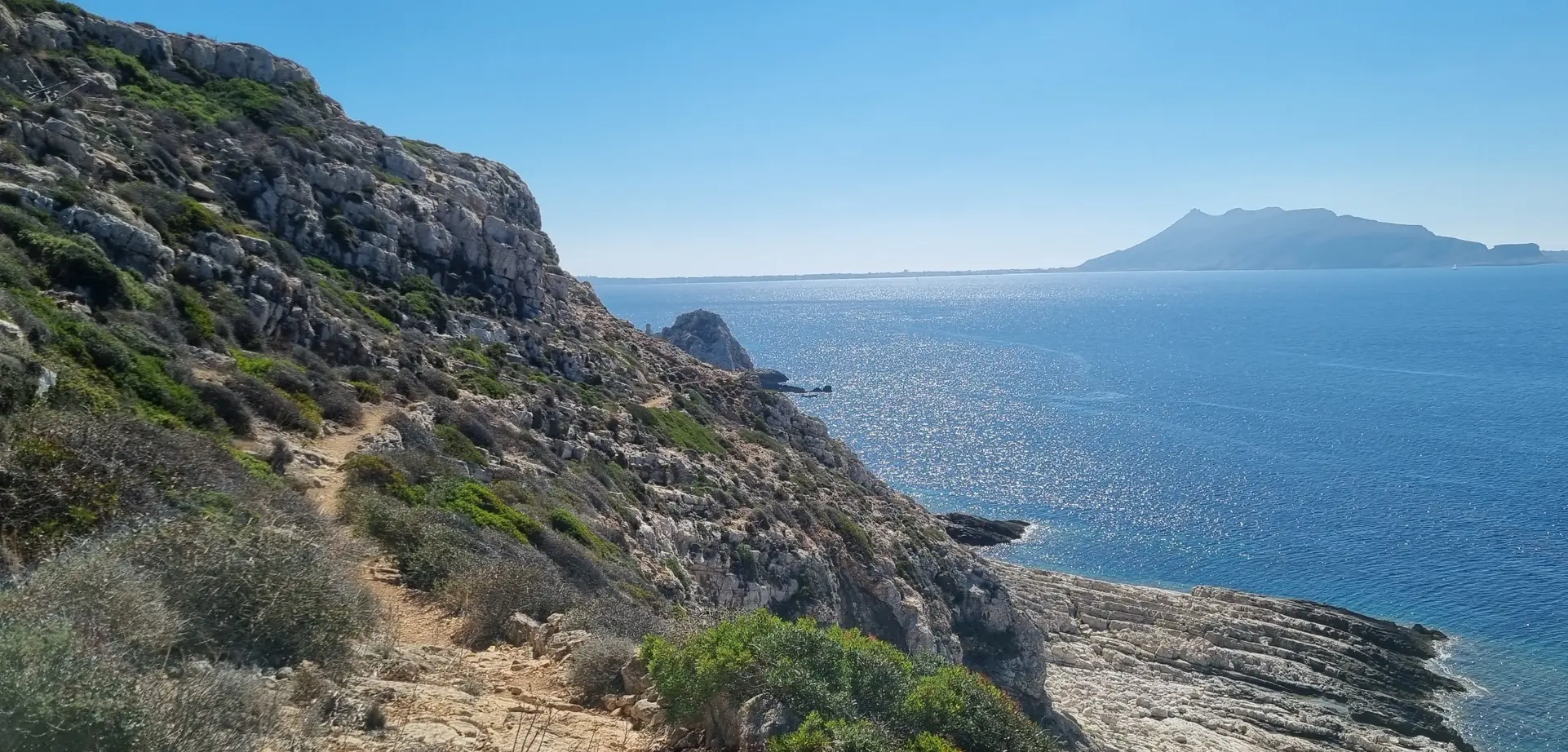
Sicilian horizons – day hiking among the jewels of the Egadi Islands
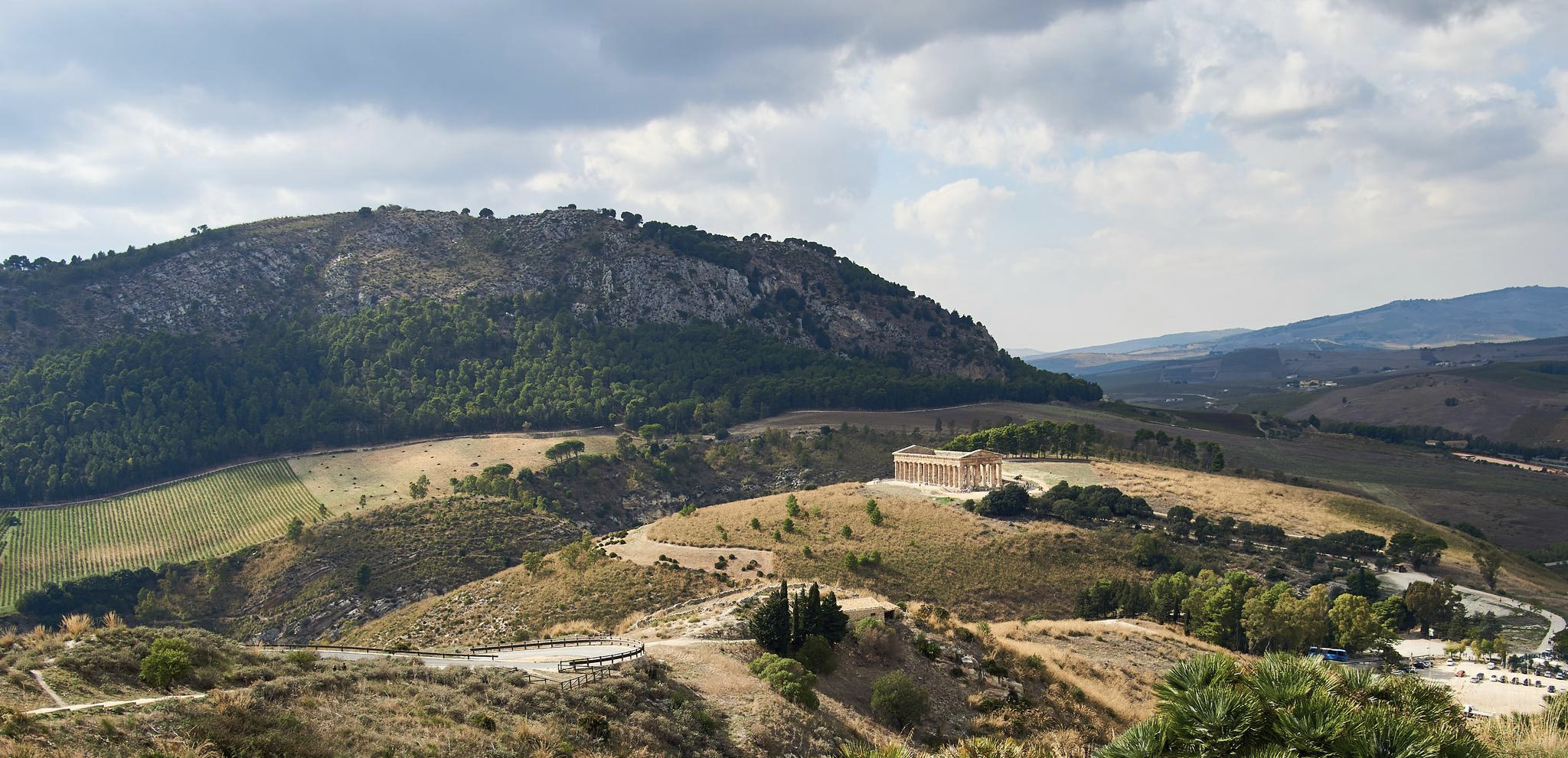
Western Sicily by bike – between flavours and traditions
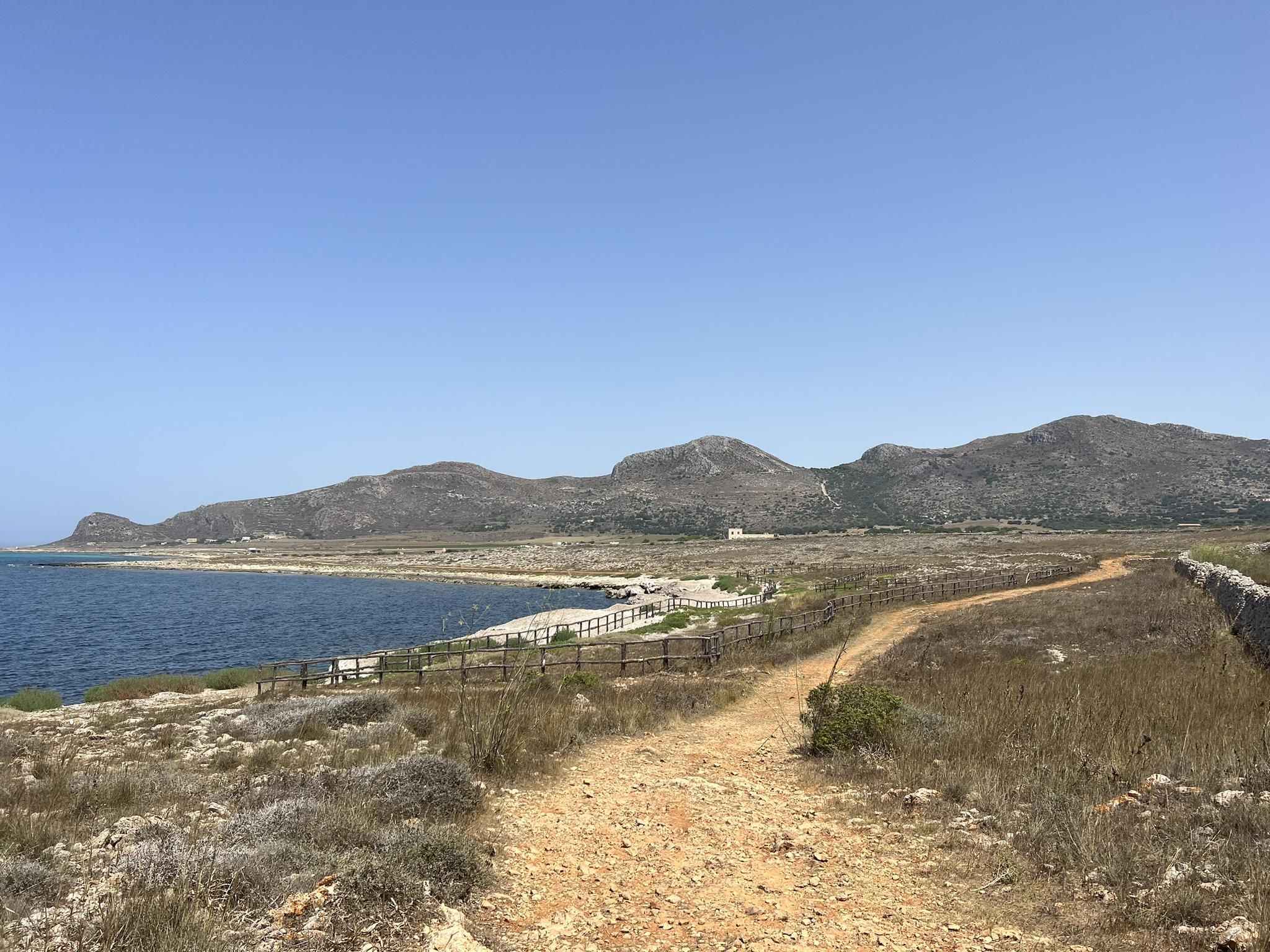
An unmissable island – Favignana by MTB
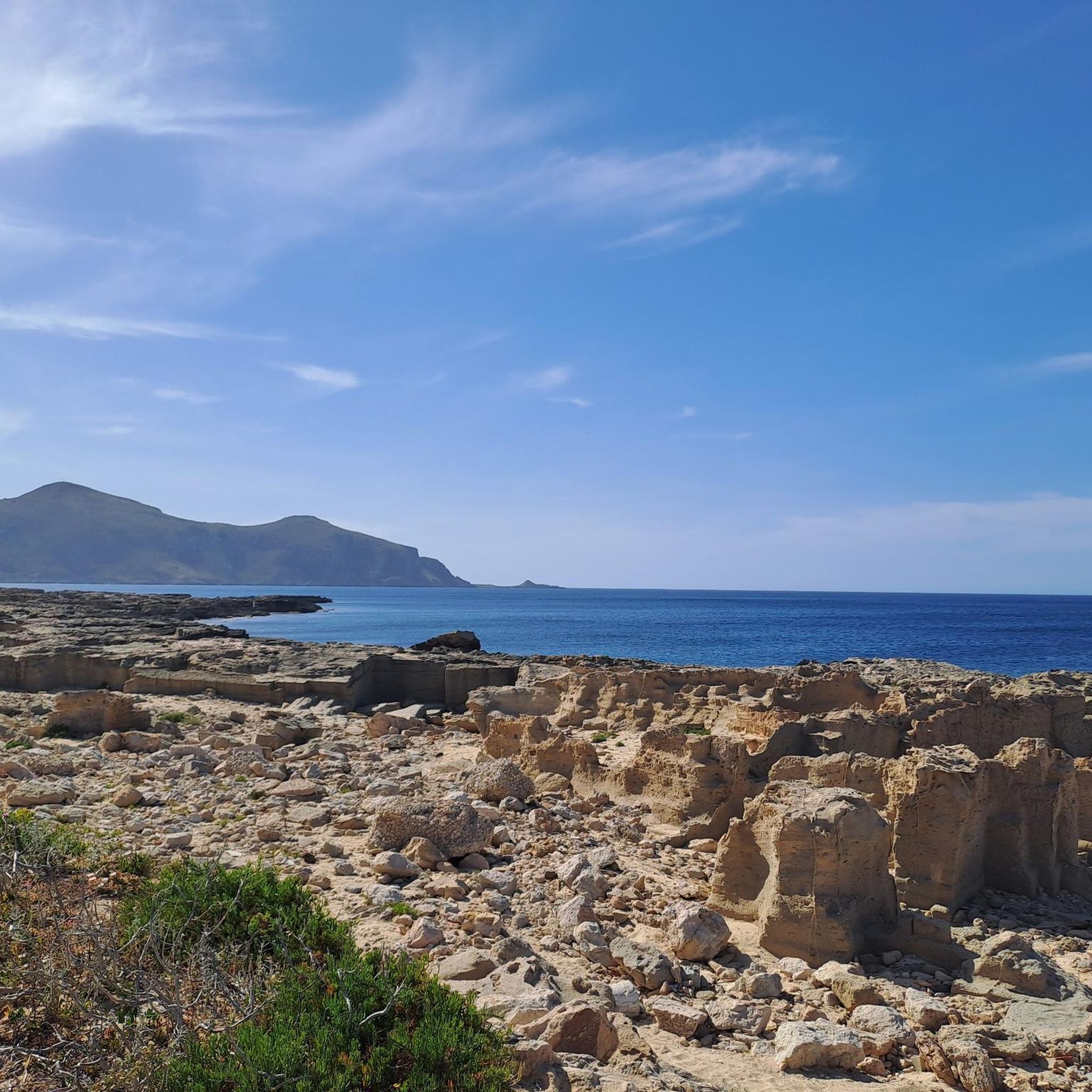
Hiking around Favignana
Cycling around Favignana
Road Cycling Routes around Favignana
Running Trails around Favignana
MTB Trails around Favignana


Tips from the Community

The cathedral will be a construction site for the entire year of 2026 and probably 2027. No visits possible.
0
0

The cathedral is difficult to photograph from the outside, as it is impossible to get a distance.
1
0

An important natural product is extracted from the sea's saltwater here. Only through the power of the elements, sun and wind, which evaporate the water in the saltworks' shallow basins, does pure salt remain. Even today, you won't find a kitchen without salt to season dishes. But in earlier times, it had an additional significance: It was important for preserving food—making it so precious that salt was called "white gold."
0
0

Unfortunately, the infrastructures set up for the filming of the movie Odyssey prevent people from reaching the “castle”, I hope they remove them soon.
1
0

Climbing Mount Santa Caterina and its castle is an experience that offers spectacular views. The path winds through a wild and rocky landscape, culminating in a breathtaking view of the coast and the sea. At sunset, the golden light envelops the island and the castle, creating an atmosphere of pure magic. The castle, an ancient fortification, still retains its charm despite the time and abandonment that threaten its structure.
3
0

A beautiful building. The interior of the cathedral is particularly impressive.
4
0

The houses of Levanzo, grouped in a small space near the small port, stand out for their white colour and the windows painted blue, all the same.
0
0

The hike to the Case Romane and the small church on Marettimo is a fascinating journey into the past – and all this amidst the island's impressive landscape. The climb is short, but the path leads you through the Mediterranean scrub, full of wonderful scents and wild shrubs such as heather and somary. Once at the top, you'll discover a monumental complex from Roman times, nestled against a backdrop that offers sweeping views over Favignana, Levanzo, and the coast all the way to Trapani and Erice. On particularly clear days, you can even make out San Vito lo Capo on the horizon. The church is small and unassuming, but with its tranquil atmosphere and simple walls, it feels almost sublime. Masses are sometimes still held here, giving the place a special significance. If you want to pause to enjoy the view or the silence, this is the perfect place to do so.
0
1
Frequently Asked Questions
What historical landmarks can I explore in Favignana?
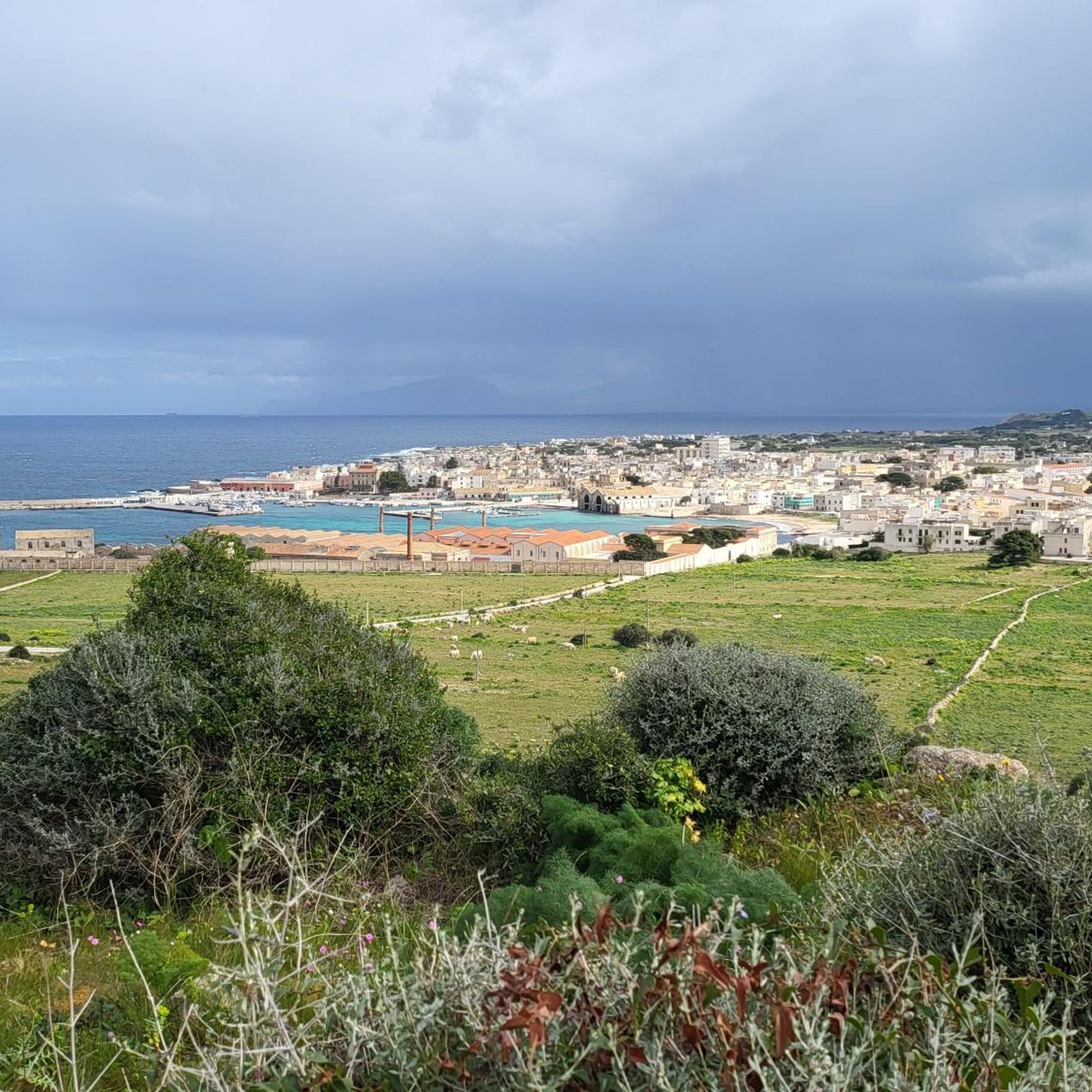
Favignana boasts several significant historical sites. Perched atop Mount Santa Caterina, the ancient Castello di Santa Caterina, Favignana offers breathtaking panoramic views and a glimpse into the island's past as a Saracen watchtower. Another notable site is the Former Florio Tuna Factory, a remarkable example of industrial archaeology that now serves as a museum detailing the island's tuna fishing heritage. You can also visit Palazzo Florio, an elegant 19th-century palace with Neo-Gothic and Liberty architectural styles.
Where can I find the most beautiful natural features and beaches in Favignana?
Favignana is renowned for its stunning natural beauty. Cala Rossa is often cited as one of Italy's most beautiful beaches, famous for its deep blue waters, rugged limestone cliffs, and ancient tuff quarries. For families, Cala Azzurra offers crystal-clear, shallow waters and a sandy seabed. The spectacular Bue Marino cove features impressive tuff cliffs and incredibly clear water, a result of extensive historical mining. You can also find white sandy beaches at Lido Burrone, ideal for children, and enjoy rare sunset views from the pebble beaches of Punta Sottile.
Are there any family-friendly attractions or activities in Favignana?
Yes, Favignana offers several family-friendly options. Cala Azzurra and Lido Burrone are excellent choices for families due to their shallow, clear waters and sandy beaches, perfect for swimming and playing. Exploring the flat eastern half of the island by bicycle is also a popular and easy activity for all ages. Additionally, a visit to Levanzo Village, a short boat trip away, offers a relaxed atmosphere with white houses and calm waters.
What outdoor activities are popular around Favignana?
Favignana is a fantastic destination for outdoor enthusiasts. Cycling is very popular due to the island's flat terrain, making it easy to explore beaches and points of interest. Boat trips are highly recommended to discover hidden coves, sea caves like Grotta dei Sospiri, and the rugged coastline. The clear waters also make the island an excellent spot for snorkeling and diving. For those who enjoy land-based activities, you can find various routes for hiking, mountain biking, and running. Explore options like the 'Levanzo loop' for hiking or the 'Favignana Island Circumnavigation Trail' for mountain biking. You can find more details on these activities in the Hiking around Favignana, MTB Trails around Favignana, and Running Trails around Favignana guides.
What is the best time of year to visit Favignana for sightseeing and outdoor activities?
The best time to visit Favignana for sightseeing and outdoor activities is generally during the spring (April-May) and early autumn (September-October). During these months, the weather is pleasantly warm, ideal for cycling, hiking, and exploring the island's attractions without the intense heat and larger crowds of the peak summer season. The sea is also warm enough for swimming and boat trips. Summer (June-August) is popular for beach activities, but can be very hot and crowded.
Are there any unique cultural sites or experiences in Favignana?
Beyond its natural beauty, Favignana offers unique cultural insights. The Former Florio Tuna Factory is a must-visit, transformed into a museum that vividly portrays the island's deep connection to tuna fishing and the traditional 'Mattanza' catch. You can also explore the fascinating Hypogean Gardens, ancient underground gardens carved into tuff quarries, showcasing historical agricultural practices. The Favignana Town Center itself, with its pedestrianized streets and two main piazzas, provides a relaxing atmosphere to experience local life and Sicilian cuisine.
Can I visit other islands from Favignana?
Yes, Favignana serves as an excellent base for exploring the other Egadi Islands. Day trips to the neighboring islands of Levanzo and Marettimo are very popular. You can visit Levanzo Village, known for its charming white houses and quiet island life. Marettimo offers more rugged landscapes and historical sites like the Roman Houses and Chapel of Marettimo, providing stunning views of the archipelago.
What are the most scenic viewpoints in Favignana?
For unparalleled views, climb to the Castello di Santa Caterina, Favignana, which offers breathtaking panoramic vistas of the island and the surrounding Egadi Islands. Another beautiful spot is the Punta Libeccio Lighthouse on the southern coast, providing a serene setting and expansive sea views, especially at sunset. The rugged coastline, particularly around Cala Rossa and Bue Marino, also offers dramatic and picturesque scenery.
What are the tuff quarries and caves in Favignana, and can I visit them?
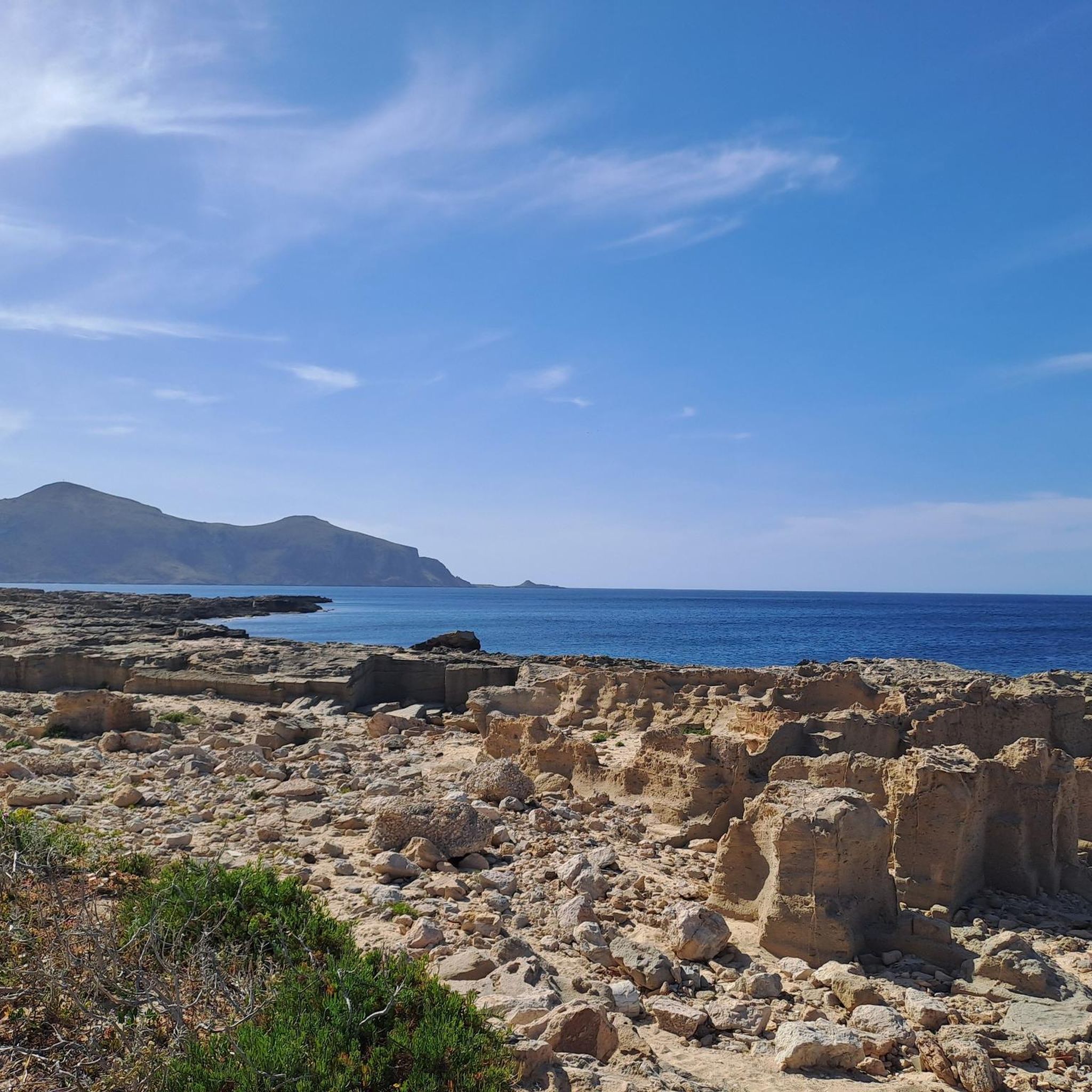
Favignana is famous for its extensive tuff quarries, which were historically a significant industry. Many of these ancient extraction sites have been transformed into unique landscapes. You can explore fascinating caves like Grotta Perciata and Grotta del Bue Marino, which showcase unique geological formations. Some quarries have even been converted into 'hypogean gardens,' offering a glimpse into ancient agricultural practices within a unique microclimate. These sites provide a blend of natural wonder and historical significance.
How can I get around to see the attractions in Favignana?
Favignana is very bike-friendly, especially its eastern half, which has flat terrain. Renting a bicycle is a popular and convenient way to reach many beaches and points of interest. For longer distances or to explore the more rugged western part of the island, scooters or small cars can also be rented. Boat tours are an excellent option for exploring the coastline, hidden coves, and sea caves that are inaccessible by land.
Are there any archaeological sites to visit in Favignana?
Yes, Favignana has archaeological significance. The San Nicola Archaeological Area is an important site with evidence of Punic and Roman settlements. Here, you can find remains of a nymphaeum and structures related to fish and garum production, offering a direct link to the island's ancient past. Additionally, the Former Florio Tuna Factory museum also houses various archaeological finds, providing further context to the region's history.
Most popular attractions around Favignana

Get inspired with the komoot mobile app


Explore more
Still not found the Highlight you’re looking for? See guides of the top attractions in other regions:
