The best road cycling routes around Conegliano
4.4
(589)
16,694
riders
90
rides
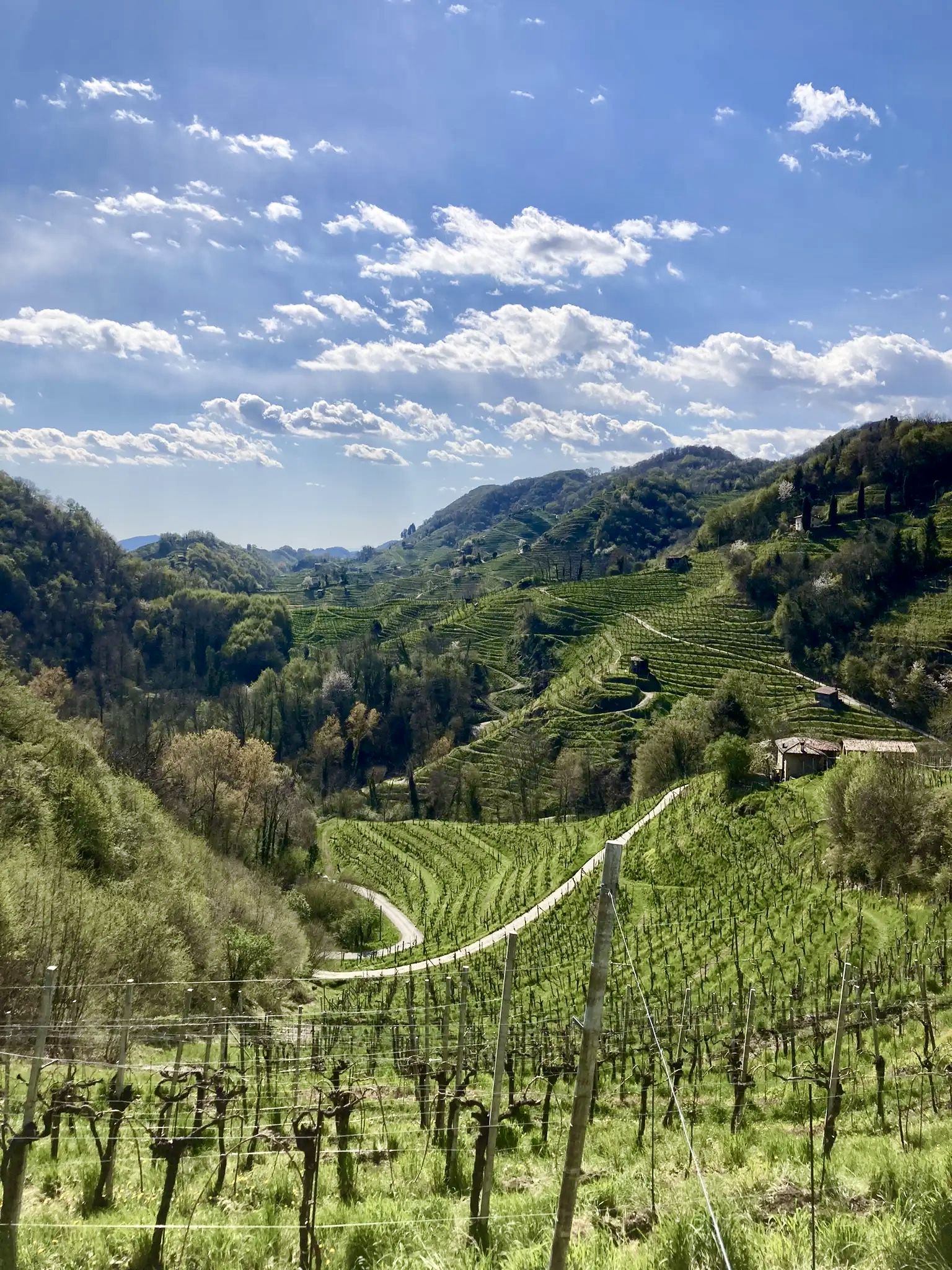
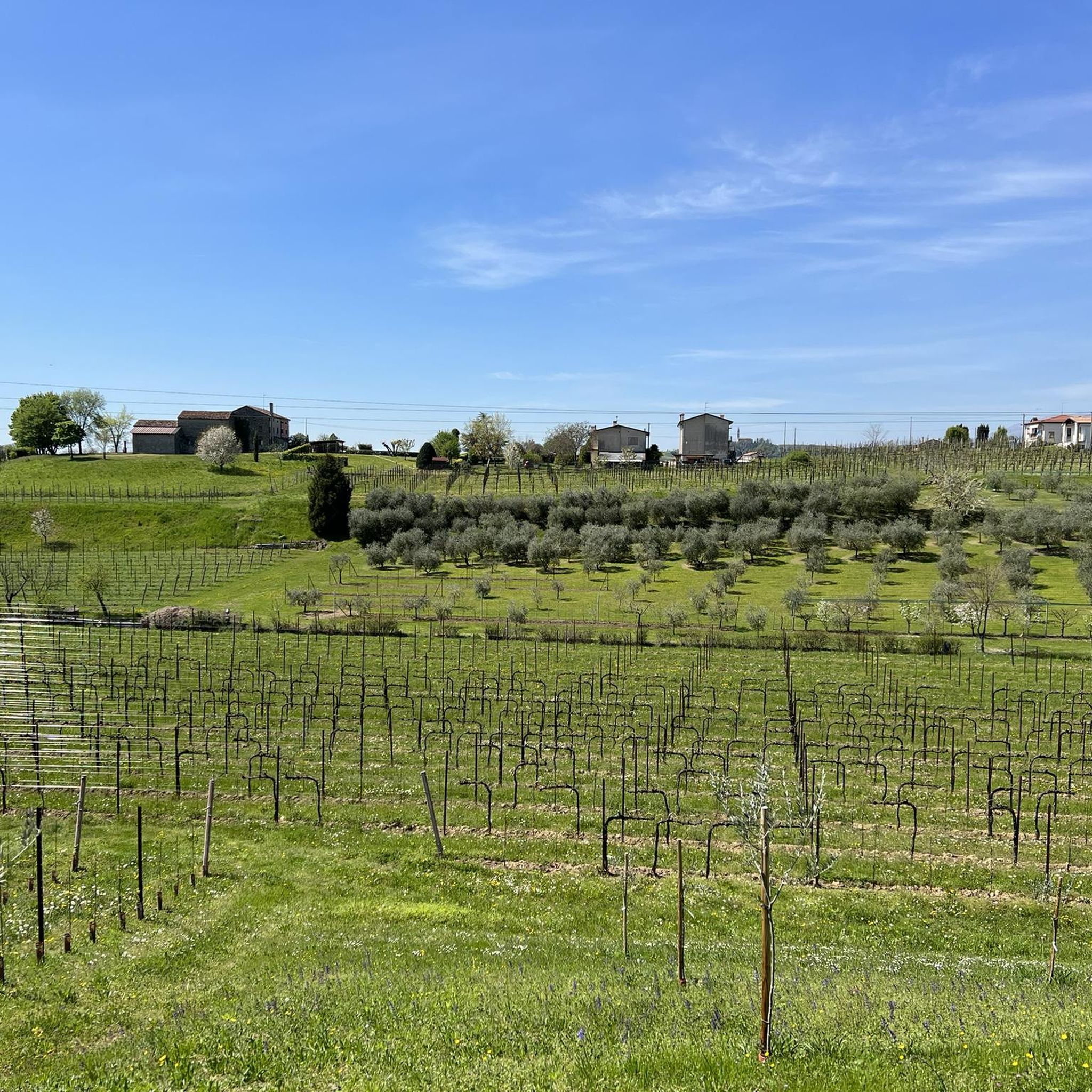
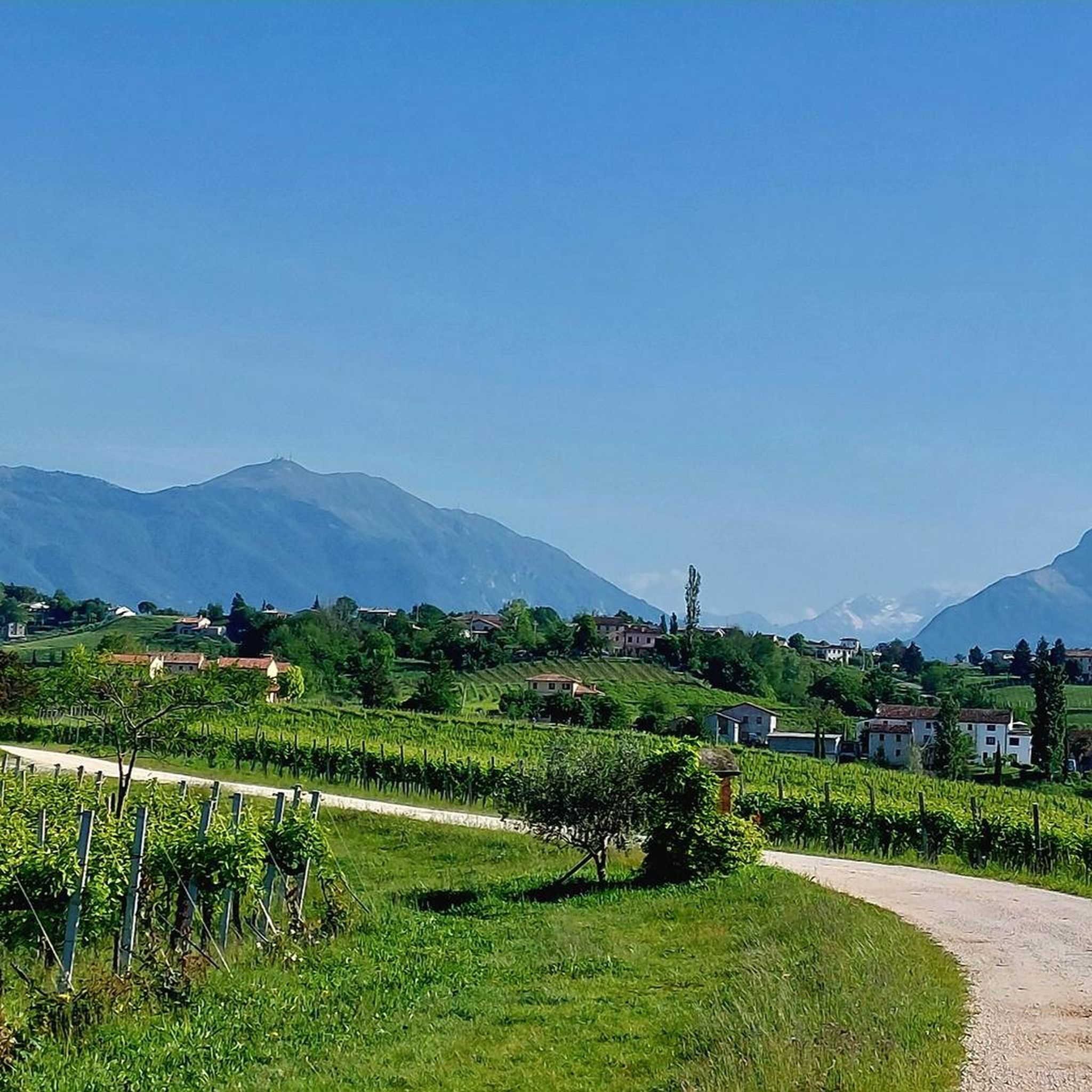
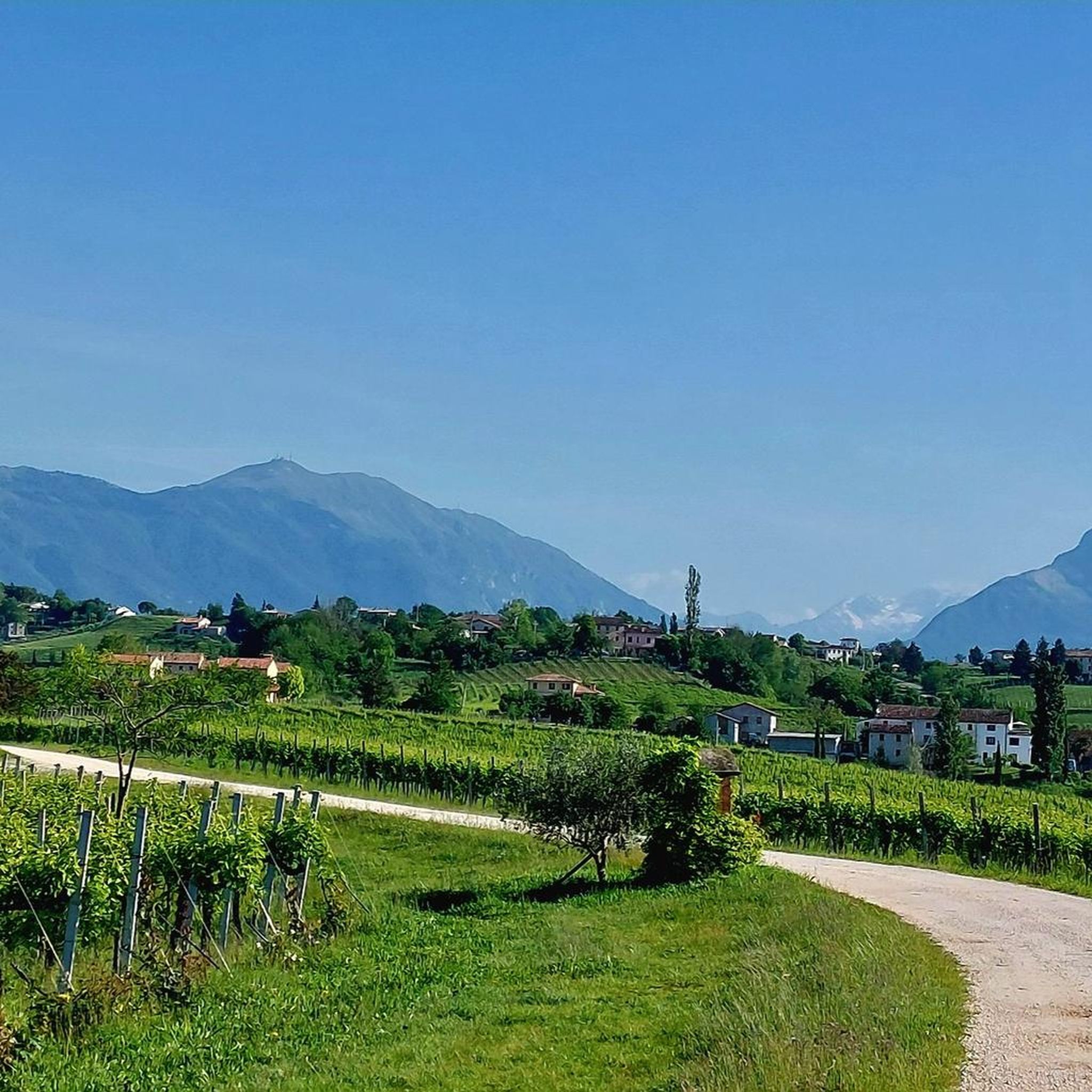
Road cycling around Conegliano offers diverse terrain within Italy's Veneto region, characterized by the UNESCO World Heritage Prosecco Hills. These "hogback" hills feature narrow ridges, steep slopes, and small valleys, creating a mosaic landscape of vineyard plots and woodlands. Cyclists encounter terraced vineyards, known as "ciglioni," alongside natural features like the Monticano river and Lake Santa Maria. The area provides varied elevation gains, including notable ascents like the Muro di Cà del Poggio.
Best road cycling routes around Conegliano
- The…
Last updated: July 22, 2026
4.9
(9)
1,655
riders
94.5km
04:27
1,140m
1,140m
Hard road ride. Very good fitness required. Mostly well-paved surfaces and easy to ride.
4.4
(14)
560
riders
93.4km
04:55
1,640m
1,640m
Hard road ride. Very good fitness required. Mostly well-paved surfaces and easy to ride.

Sign up for free
5.0
(2)
140
riders
62.1km
03:17
1,130m
1,130m
Hard road ride. Very good fitness required. Mostly well-paved surfaces and easy to ride.
5.0
(1)
120
riders
50.4km
02:19
480m
480m
Moderate road ride. Good fitness required. Mostly well-paved surfaces and easy to ride.
88
riders
39.9km
01:52
500m
500m
Moderate road ride. Good fitness required. Mostly well-paved surfaces and easy to ride.
Get access to more routes and recommendations from other explorers.
Sign up for free
Already have an account?
Our route recommendations are based on thousands of hikes, rides, and runs completed by other people on komoot.
Start today with a free account
Your next adventure awaits.
Login or Signup




Tips from the Community

The summit of Passo San Boldo between the provinces of Treviso and Belluno.
12
0
Tovena is a small and charming hamlet of the municipality of Cison di Valmarino in the province of Treviso. https://it.wikipedia.org/wiki/Tovena
11
0

There is no second time. Built in 100 days.
3
0

The Castle of Collalto is an ancient medieval manor founded in the 12th century by the noble family of the Counts of Collalto. Strategically positioned on a hill overlooking the Piave plain, the castle soon became the hub of a vast and powerful feud. Over the centuries, the structure transformed from a military fortress into a splendid noble residence, enriched with works of art including frescoes by Pordenone. Unfortunately, its crucial position on the front line during World War I led to its almost total destruction under bombardment. Today, of the glorious original complex, the evocative ruins remain, dominated by the imposing 12th-century master tower, the defensive walls, and the nearby church of San Giorgio, which bear witness to the millennial charm of one of the most important historical sites in the Marca Trevigiana.
1
0
Lago Morto is a striking body of water located in Val Lapisina, in the municipality of Vittorio Veneto, right at the foot of the Treviso side of the Sella di Fadalto pass. Its peculiar name derives from a unique geographical characteristic: it is a lake devoid of visible surface outlets and inlets, as it is fed and emptied exclusively through underground karst pathways. The basin, surrounded by steep wooded slopes and imposing rocky walls, is characterized by deep and cool waters. Today, the lake plays a fundamental role in hydroelectric power production, being connected to the valley's power plant system that utilizes the waters coming from the overlying Lago di Santa Croce. Despite the industrial footprint, the area is a popular destination for relaxing walks, picnics, and sport fishing.
0
0
The Mire road winds through the territory of Corbanese, a hamlet of Tarzo, representing one of the most spectacular stretches of the Prosecco hills. This ridge itinerary ideally connects the area of Tarzo with that of Vittorio Veneto, offering a privileged perspective on the famous "feuds" of the area. The route is characterized by a succession of ups and downs that cut through high-altitude vineyards, where the slopes become extreme and cultivation becomes art. Along the Mire, the horizon opens to the south onto the Trevigiano plain and to the north onto the Belluno Prealps, creating a unique visual contrast between the geometric rigor of the rows and the wild nature of the peaks. It is an iconic place for those seeking silence and the raw beauty of the territory, far from the more trafficked valley routes.
0
0
Located at the foot of the Treviso Prealps, the Abbey of Santa Maria di Follina is one of the greatest masterpieces of late Romanesque and Cistercian Gothic style in Italy. Originally founded by Benedictine monks and brought to its greatest splendor by the Cistercians in the 13th century, the abbey amazes with the harmony of its proportions and the spirituality it emanates. The true jewel of the complex is the cloister, completed in 1268: an architectural masterpiece where paired, single, or spiral-decorated columns support elegant arches, creating a unique play of light and shadow. Inside the church, the majestic altarpiece and the statue of the Madonna of the Sacred Chalice make the site a vibrant pilgrimage destination even today. A place where the art, silence, and history of the wool-making monks are inextricably intertwined.
0
0
In the heart of the Prosecco Superiore DOCG hills, declared a UNESCO World Heritage site, Santo Stefano di Valdobbiadene represents the purest essence of heroic viticulture. This village is surrounded by a natural amphitheatre of very steep vineyards, where human labour has blended for centuries with a landscape shaped by the characteristic "ciglioni", the grassy terraces that follow the curves of the land. The hamlet is famous for being an integral part of the prestigious Cartizze area, a small patch of land of only 107 hectares where the sun exposure and soil composition gift the most prized bubbles of the denomination. Strolling among historic cellars and belvedere points, you breathe in an authentic hospitality linked to the wine culture. Among the most curious and beloved places stands out the Osteria senz’Oste, a rustic farmhouse where visitors can refresh themselves in complete autonomy, celebrating an indissoluble bond between territory, trust, and peasant conviviality.
0
0
Frequently Asked Questions
What kind of terrain can I expect on road cycling routes around Conegliano?
Road cycling around Conegliano is characterized by the picturesque UNESCO World Heritage Prosecco Hills. These are "hogback" hills with narrow ridges, steep slopes, and small valleys, creating a mosaic landscape of vineyard plots and woodlands. You'll encounter terraced vineyards, known as "ciglioni," alongside natural features like the Monticano river and Lake Santa Maria. The routes offer varied elevation gains, including challenging ascents.
How many road cycling routes are available in the Conegliano area?
There are nearly 100 road cycling routes around Conegliano documented on komoot. These routes cater to various fitness levels, ranging from easy to difficult, ensuring there's an option for every cyclist.
What are the difficulty levels of road cycling routes in Conegliano?
The routes around Conegliano offer a range of difficulty levels. You can find approximately 27 easy routes, 45 moderate routes, and 18 difficult routes. This variety ensures that both casual riders and experienced cyclists can find suitable challenges.
Are there any notable climbs or challenging sections for road cyclists?
Yes, the region is known for its challenging climbs. A prominent example is the Muro di Cà del Poggio, a 1150m long climb with a 140m elevation gain that has been featured in the Giro d'Italia. Other significant ascents include the San Boldo Pass and Passo di Praderadego, contributing to routes with substantial altitude differences.
What historical or natural attractions can I see along the road cycling routes?
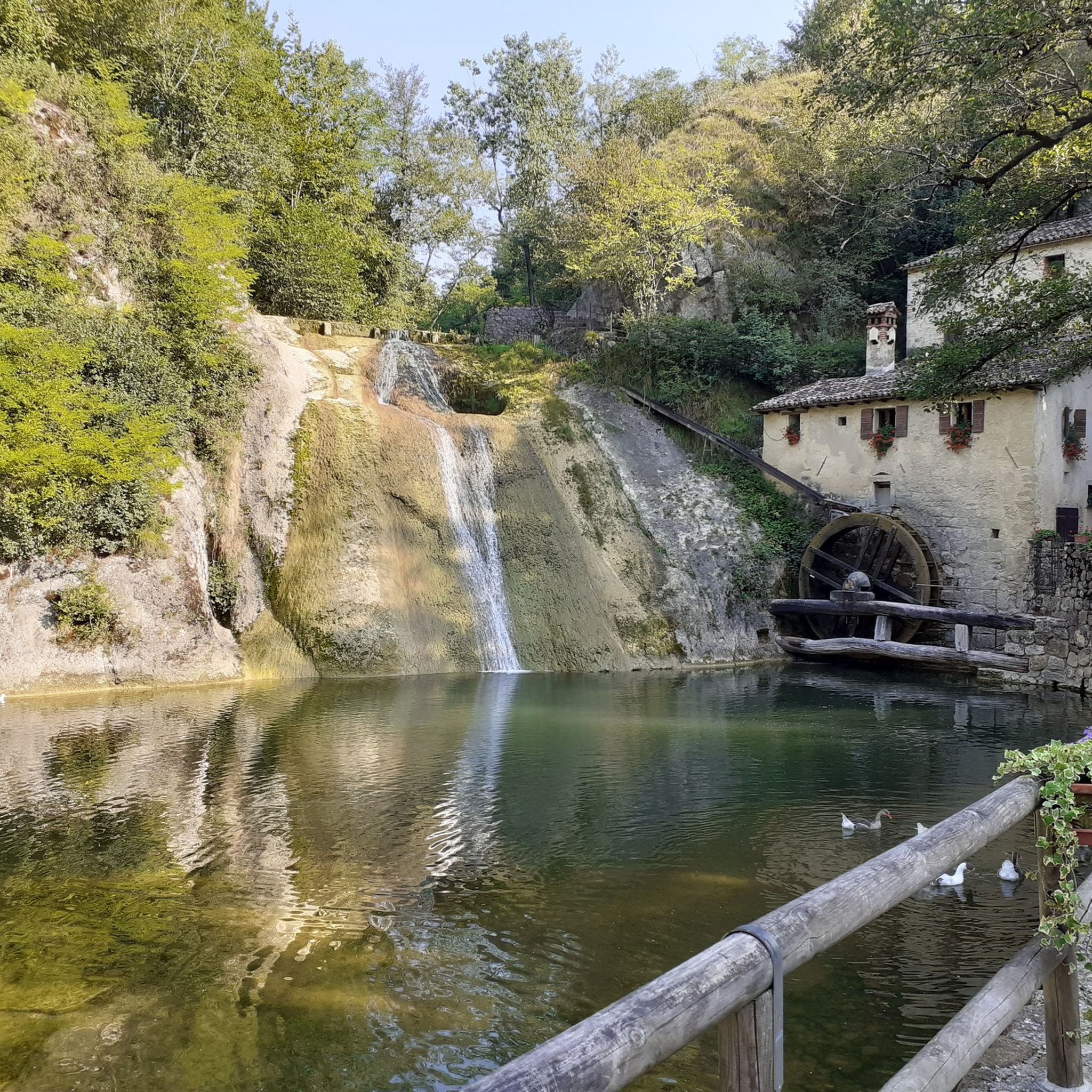
Cycling through Conegliano offers many points of interest. You might pass by the characteristic 17th-century rural mill, Molinetto della Croda, or explore the stunning Caglieron Caves. Routes also lead through charming medieval villages like Rolle and past impressive castles such as Castelbrando in Cison di Valmarino, or the Castle of San Salvatore in Susegana.
Are there any circular road cycling routes around Conegliano?
Yes, many road cycling routes in the Conegliano area are designed as loops, allowing you to start and finish in the same location. For example, the Rolle – Molinetto della Croda loop from Conegliano is a popular option, as is the Collalto Castle – Rotonda di Mire loop from Conegliano.
What do other cyclists say about road cycling in Conegliano?
The road cycling routes in Conegliano are highly rated by the komoot community, with an average score of 4.7 stars from over 60 reviews. Cyclists often praise the scenic beauty of the Prosecco Hills, the well-maintained paved roads, and the charming villages encountered along the way.
What is the best time of year for road cycling in Conegliano?
The spring and autumn months generally offer the most pleasant conditions for road cycling in Conegliano, with milder temperatures and beautiful vineyard scenery. Summer can be warm, but early mornings or late afternoons are still enjoyable. Always check the local weather forecast before heading out.
Are there routes that offer views of lakes or rivers?
Absolutely. Beyond the vineyards, some routes allow you to explore natural areas such as the course of the Monticano river and the small, picturesque Lake Pradella (Lago del Majo). The Pian di Cansiglio – Santa Croce Lake loop from Conegliano offers significant elevation gain and views of Lake Santa Croce.
Can I find routes that pass through historic villages or offer cultural experiences?
Many routes are designed to showcase the region's rich history and culture. You can cycle through enchanting medieval villages like Rolle, Follina (with its Abbey), and Cison di Valmarino. Conegliano's historic center, particularly Contrada Grande, also offers a glimpse into its Renaissance heritage with stately buildings and frescoes.
Are there options for shorter or easier road cycling routes?
Yes, while the region is known for its challenging climbs, there are also easier and shorter options. For instance, the View of Col Visentin – Meschio River loop from Conegliano is a moderate 42.1 km route, and there are approximately 27 easy routes available for those seeking a less strenuous ride.
Where can I find more information about the UNESCO Prosecco Hills?
The Conegliano and Valdobbiadene Prosecco Hills are a UNESCO World Heritage site. You can learn more about this unique landscape and its cultural significance by visiting official tourism sites like Italia.it or Visit Conegliano.
Most popular routes around Conegliano
Most popular attractions around Conegliano

Get inspired with the komoot mobile app


Explore more
Browse the best Road cycling routes in other regions.
