The best cycling routes around Vajont
4.3
(242)
2,495
riders
142
rides
Touring cycling routes around Vajont are set within the dramatic landscapes of the Friulian Dolomites in northeastern Italy. The region features rugged, mountainous terrain shaped by glaciers and river erosion, with routes winding through deep gorges, valleys, and alongside limestone cliffs. Cyclists can expect varied elevations and challenging sections, with the Vajont River carving through a deep canyon. The area offers a unique blend of natural beauty and historical significance, providing diverse experiences for touring cyclists.
Best touring cycling routes…
Last updated: November 19, 2026
4.1
(7)
55
riders
58.0km
03:58
950m
950m
Hard bike ride. Very good fitness required. Mostly paved surfaces.
4.5
(2)
61
riders
19.9km
02:06
850m
850m
Hard bike ride. Very good fitness required. You may need to push your bike for some segments of this route.

21
riders
69.4km
05:01
1,440m
1,440m
Hard bike ride. Very good fitness required. Mostly paved surfaces.
5.0
(1)
16
riders
51.0km
03:11
360m
360m
Moderate bike ride. Good fitness required. Mostly paved surfaces.
5.0
(2)
18
riders
24.1km
01:29
140m
140m
Easy bike ride. Mostly paved surfaces.
Get access to more routes and recommendations from other explorers.
Already have an account?
Our route recommendations are based on thousands of hikes, rides, and runs completed by other people on komoot.
Start today with a free account
Your next adventure awaits.
Tips from the Community

Villa Cattaneo, located in the heart of San Quirino, is one of the most elegant stately homes in the Pordenone area, a perfect expression of the tradition of Venetian villas in Friuli. Built and expanded during the 18th century by the noble merchant family Cattaneo, the structure is distinguished by its quadrangular layout, characterized by a raised central body with a tympanum and a scenic staircase leading to the piano nobile. The complex is enriched by the historic barchesse used for rural purposes and the famous "brolo," a vast park that represents a true green lung within the village. Now owned by the municipality, the villa and its outbuildings house the municipal offices and cultural events, harmoniously combining the historical memory of noble architecture with contemporary community life.
0
0
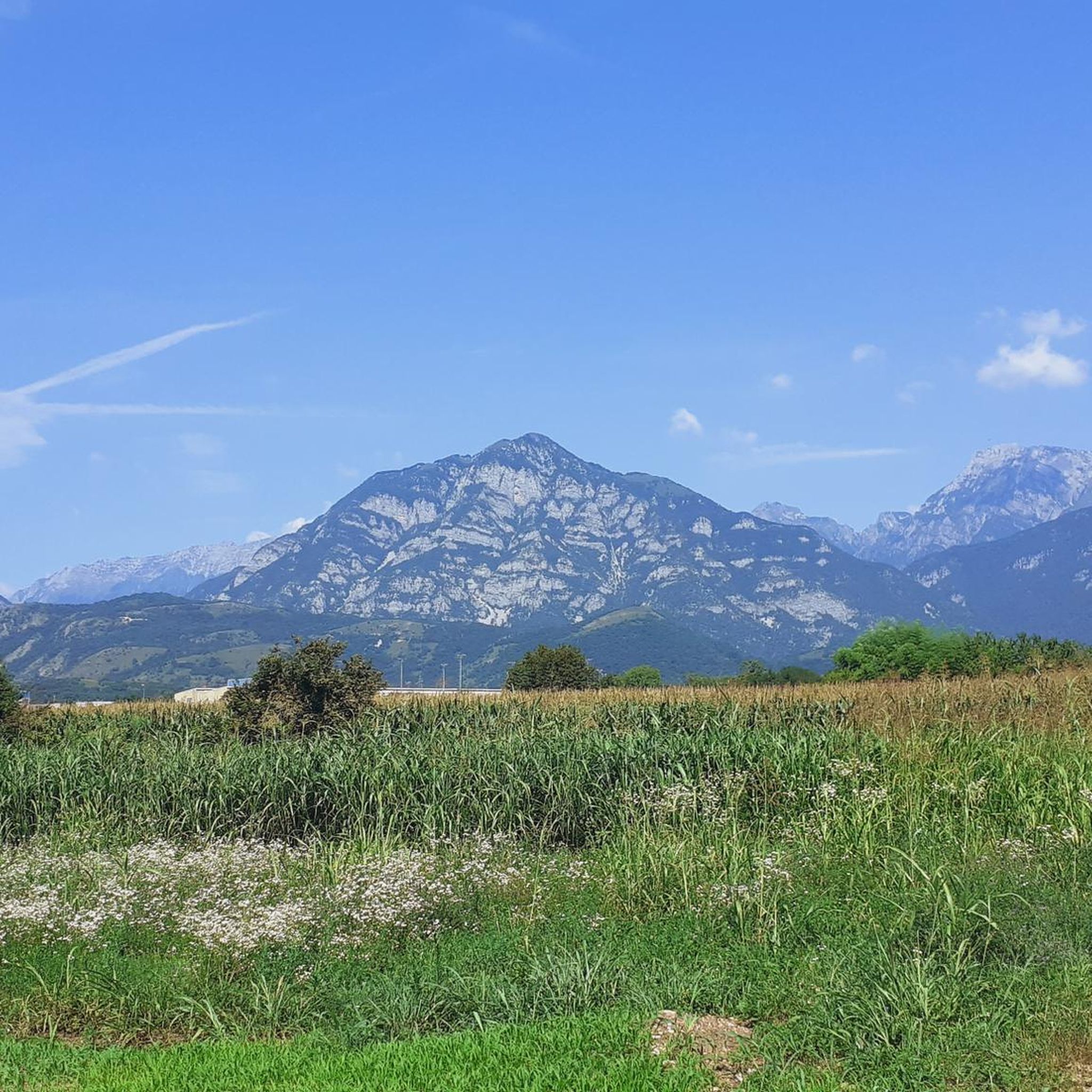
Maniago, located at the foot of the Carnic Prealps in the Pordenone foothills, is a Friulian town famous throughout the world for its centuries-old tradition in cutlery and ironworking. The beating heart of the historic center is Piazza Italia, one of the largest in the region, dominated by the 15th-century cathedral in Gothic-Renaissance style and surrounded by elegant buildings and historic fountains. Strolling through its streets, you can breathe in a hardworking and welcoming atmosphere, enriched by the presence of the Museum of Blacksmithing and Cutlery, which tells the story of the evolution of local artisanal ingenuity. Surrounded by unspoiled nature, Maniago also represents a gateway to the evocative surrounding valleys, offering a perfect blend of culture, industrial history, and alpine landscapes. A fascinating destination where artisanal knowledge meets the beauty of the territory.
0
0

On the wall of the Town Hall, on the road, an old-fashioned road sign for Maniago
0
0

The main square of the town, beautiful, new, scenic.... practically a show
0
0
Nestled at the foot of the Cavallo ridge, in the municipality of Budoia, Dardago is a village where time seems to flow with the same constancy as the waters of the Artugna stream. Characterized by spontaneous architecture in local stone, the historic center winds through narrow alleys and courtyards that bear witness to an authentic rural past. The church of Santa Maria Maggiore dominates the settlement, but it is the surrounding nature that defines the identity of the place: the trails that climb towards the mountain pastures offer panoramas ranging from the Friulian plain to the sea. The agricultural tradition lives on today in the valorization of typical products and in an atmosphere of rare tranquility, making this village a fundamental stop for those seeking genuine and silent contact with the roots of the Pedemontana.
0
0

Beautiful castle and beautiful church. Please be respectful, people live in the houses inside.
0
0

Of Aviano Castle, only a portion of the walls and the entrance gate remain (see highlight with explanatory sign).
0
0

It is open to the public a few times a year.
0
0
Frequently Asked Questions
How many touring cycling routes are available around Vajont?
There are over 130 touring cycling routes available around Vajont, offering a wide range of experiences. These include 30 easy routes, 59 moderate routes, and 49 difficult routes, catering to various skill levels.
What kind of terrain and difficulty can I expect on touring cycling routes in Vajont?
The terrain around Vajont is rugged and mountainous, shaped by glaciers and river erosion. You can expect routes winding through deep gorges, valleys, and alongside limestone cliffs. Many routes feature varied elevations and challenging sections. For example, the difficult route Compass rose – Cellina riverbed loop from Maniagolibero involves over 800 meters of elevation gain.
Are there any family-friendly touring cycling routes in the Vajont area?
While many routes in Vajont feature challenging terrain, there are 30 easy routes available that could be suitable for families. These routes generally have less elevation gain and cover shorter distances, offering a more relaxed cycling experience amidst the scenic landscapes.
Can I bring my dog on touring cycling routes around Vajont?
Many touring cycling routes in the Vajont area are suitable for dogs, especially those on wider paths or quiet roads. However, it's always advisable to check specific route details on komoot for any restrictions or challenging sections that might not be suitable for your pet. Remember to keep your dog on a leash and carry water for them.
What natural features and landmarks can I see while cycling in Vajont?
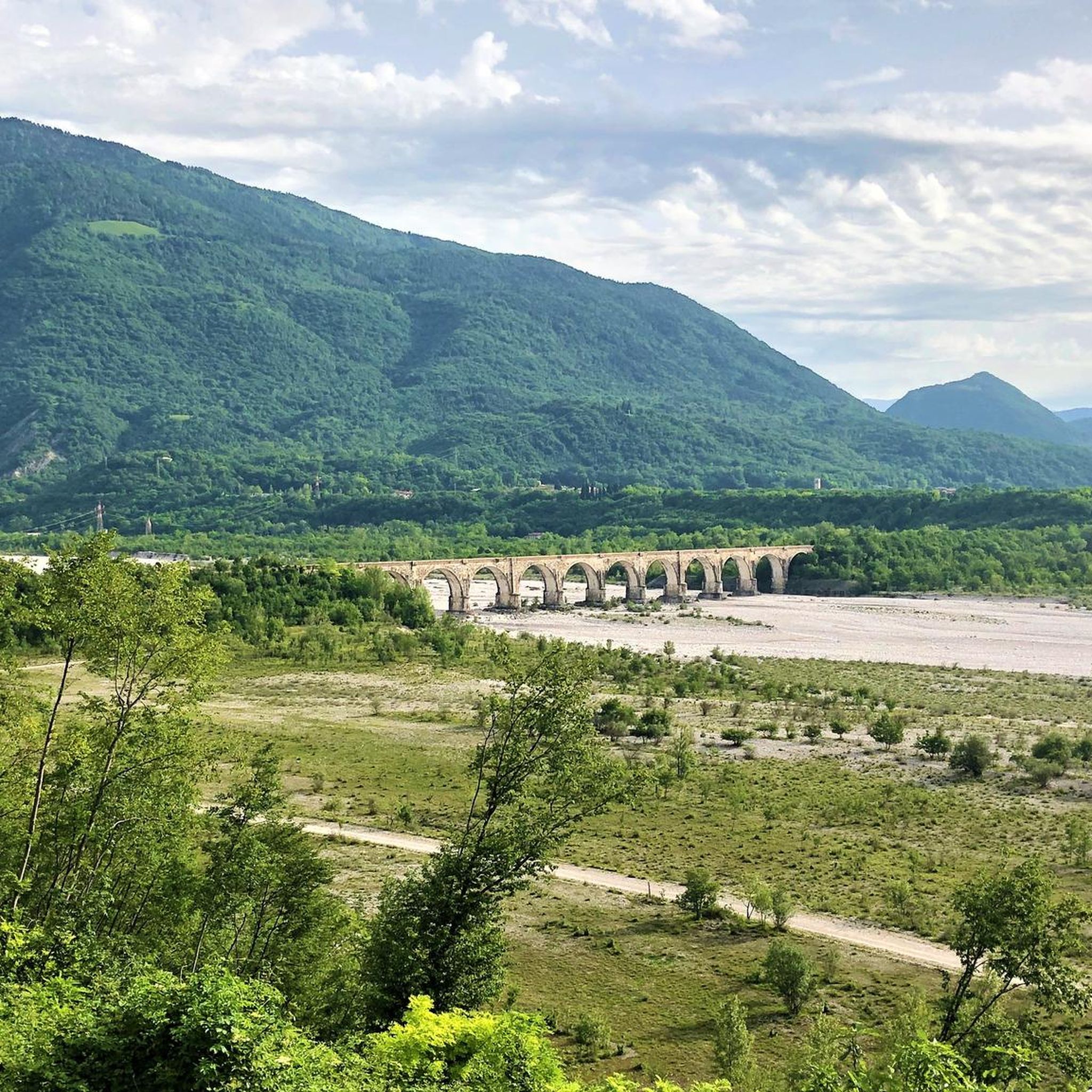
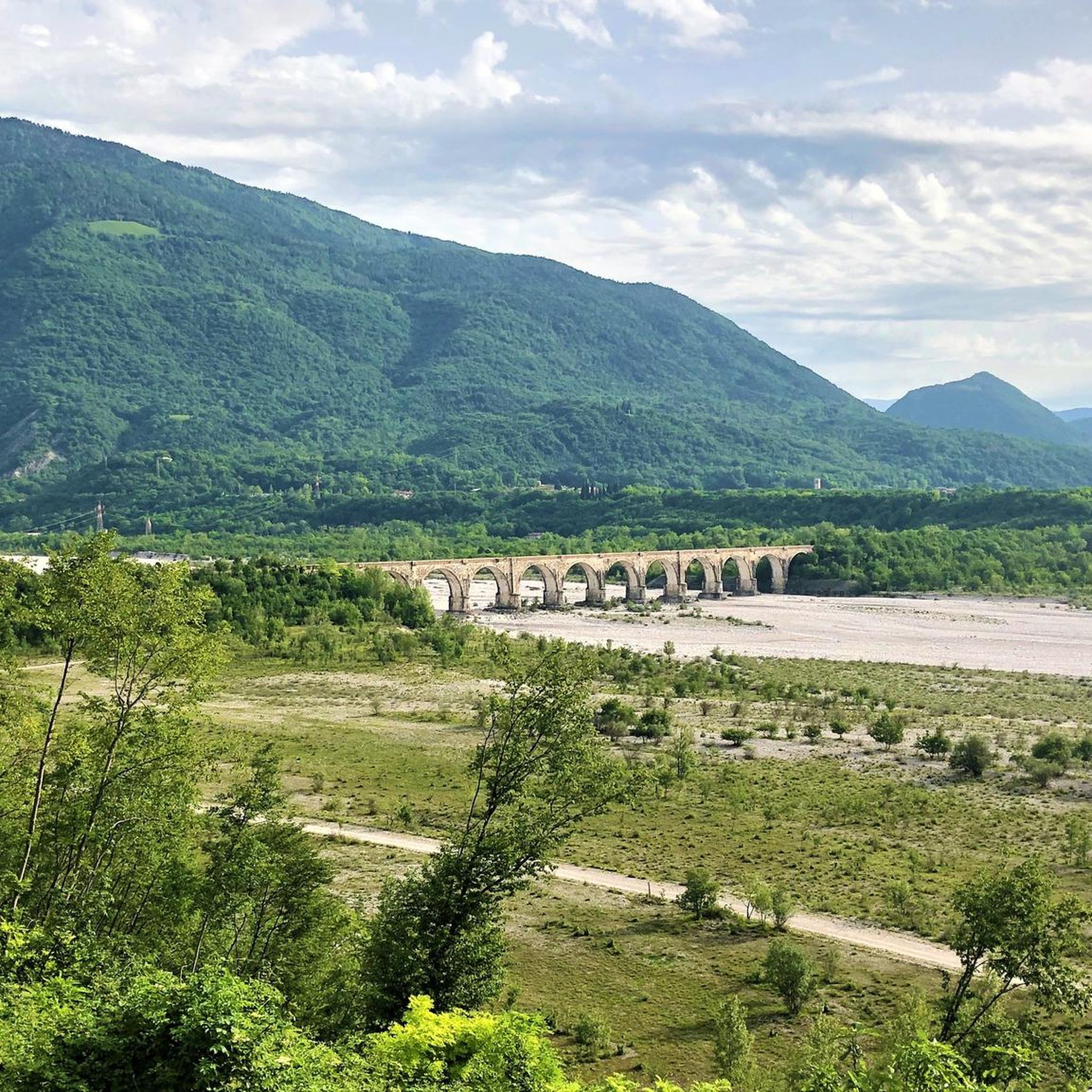
While cycling in Vajont, you'll encounter the majestic Dolomite Alps, deep gorges, and river valleys. Notable landmarks include the Ravedis Bridge and the charming Poffabro Village. The region is also characterized by the dramatic Vajont River and its deep canyon, and the Friulian Dolomites Natural Park offers extensive natural beauty. The Vajont Dam itself is a significant historical landmark.
Are there any circular touring cycling routes in Vajont?
Yes, many touring cycling routes in Vajont are designed as loops, allowing you to start and end at the same point. Examples include Ravedis Bridge – Cellina Gorge and Dam loop from Montereale Valcellina and Borgo Gobbo – Ravedis Bridge loop from Montereale Valcellina, which offer varied distances and scenic views.
What is the best time of year to go touring cycling in Vajont?
The best time for touring cycling in Vajont is typically during the spring and autumn months when the weather is milder and the landscapes are vibrant. Summer can also be pleasant, especially at higher elevations, but be prepared for warmer temperatures in the valleys. Winter often brings snow, making many routes challenging or inaccessible.
Where can I find parking for touring cycling routes near Vajont?
Parking is generally available in the towns and villages near the starting points of many routes, such as Montereale Valcellina or Maniagolibero. Specific parking information can often be found in the route descriptions on komoot or by checking local municipal websites. Always look for designated parking areas.
Is public transport available to access touring cycling routes in Vajont?
Public transport options to access touring cycling routes in the mountainous Vajont region can be limited. While some larger towns might have bus connections, reaching specific trailheads often requires a car. It's recommended to check local bus schedules in advance if you plan to rely on public transport.
Are there cafes or places to stop for refreshments along the touring cycling routes?
Yes, the villages and towns along or near the touring cycling routes, such as Erto and Casso, offer cafes, restaurants, and accommodation where you can stop for refreshments. It's always a good idea to plan your route and check for amenities beforehand, especially on longer or more remote sections.
What do other cyclists say about touring cycling in Vajont?
The touring cycling routes in Vajont are highly rated by the komoot community, with an average score of 4.6 stars from over 200 reviews. Cyclists often praise the dramatic Dolomite landscapes, the unique blend of natural beauty and historical significance, and the variety of routes available for different skill levels.
Are there any routes that offer views of the Vajont Dam?
Yes, several routes in the region incorporate views of the Vajont Dam, which is a significant landmark. The broader 'Vajont Dam Tour' (a 335 km route not listed in this guide) is a well-known option, but local routes will also provide glimpses of this impressive structure and the surrounding landscape, including the area of the 1963 landslide. For more information on the dam itself, you can visit italia.it or dark-tourism.com.
Most popular attractions around Vajont

Get inspired with the komoot mobile app


Explore more
Browse the best Cycling routes in other regions.
