Top 14 Castles around Freienfeld - Campo Di Trens
Best castles around Freienfeld - Campo Di Trens offers a journey through medieval history in South Tyrol. This region is home to several historic castles and fortresses, providing insights into past eras. Situated in the Wipptal, Freienfeld - Campo Di Trens features a landscape dotted with ancient structures. These sites showcase architectural evolution and historical significance.
Best castles around Freienfeld - Campo Di Trens
- The most popular castles is Mühlbacher Klause Castle, a castle ruin. This facility can be…
Last updated: May 25, 2026
Mühlbacher Klause Castle
Highlight • Castle
Translated by Google •
Tip by

Fortezza Fortress (Franzensfeste)
Highlight • Historical Site
Translated by Google •
Tip by

Sign up now to discover places like this
Get recommendations on the best single tracks, peaks, & plenty of other exciting outdoor places.
Sign up for free
View of Forte di Fortezza
Highlight • Viewpoint
Translated by Google •
Tip by

Reifenegg Castle Ruins
Highlight • Castle
Translated by Google •
Tip by

Fortezza Fortress (Franzensfeste)
Highlight • Historical Site
Translated by Google •
Tip by

Sign up for free to discover even more castles around Freienfeld - Campo Di Trens.
Sign up for free
Already have an account?
Start today with a free account
Your next adventure awaits.
Login or Signup
Popular around Freienfeld - Campo Di Trens
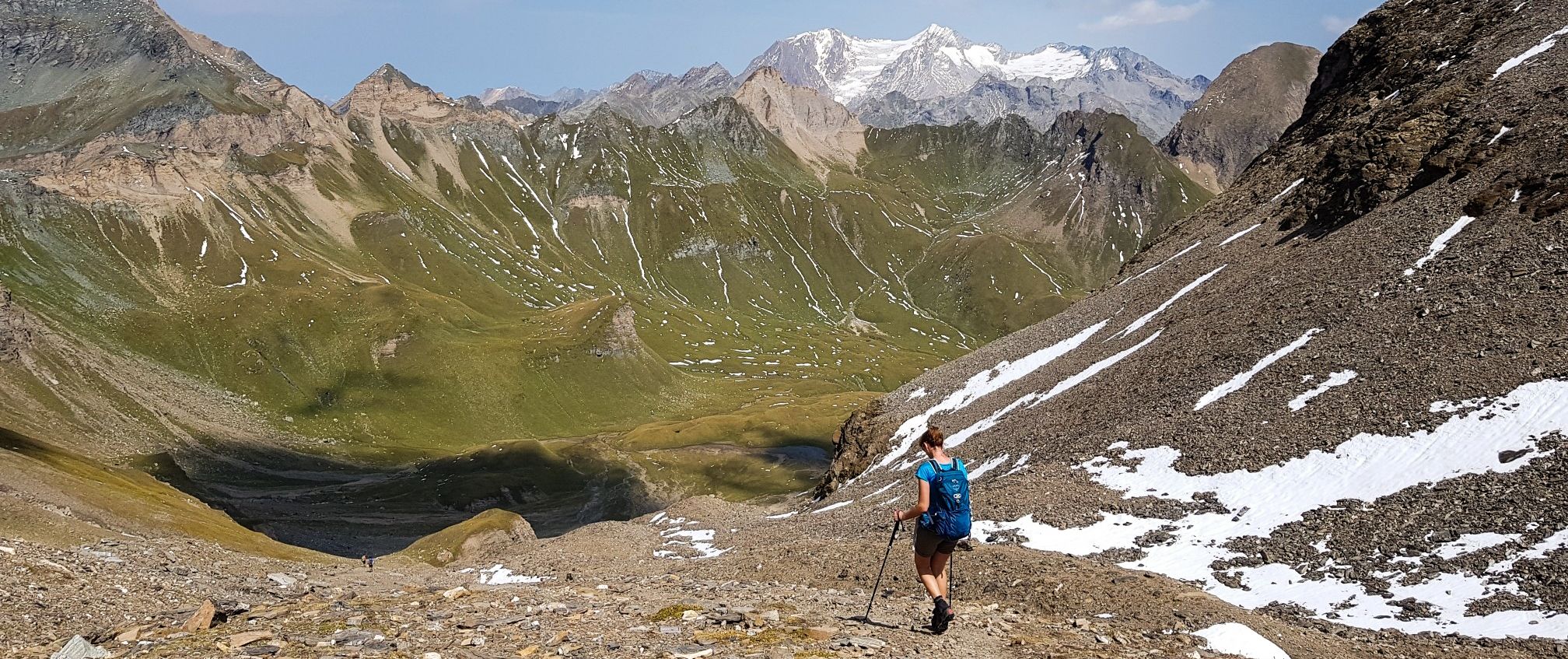
The Pfunderer High Route – Alpine. Solitary. Breathtaking.
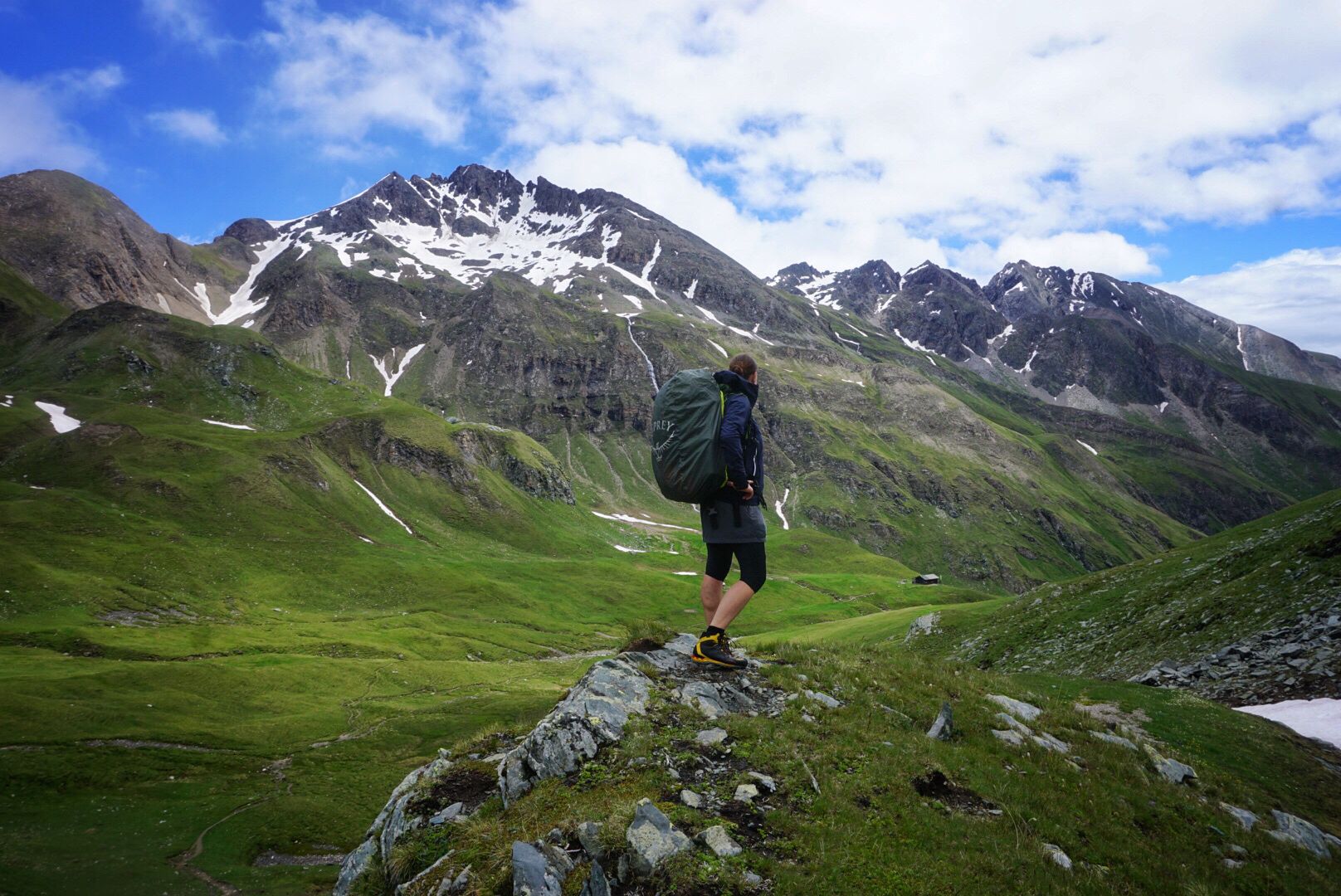
Pfunderer Mountain Trail in South Tyrol – high alpine hiking
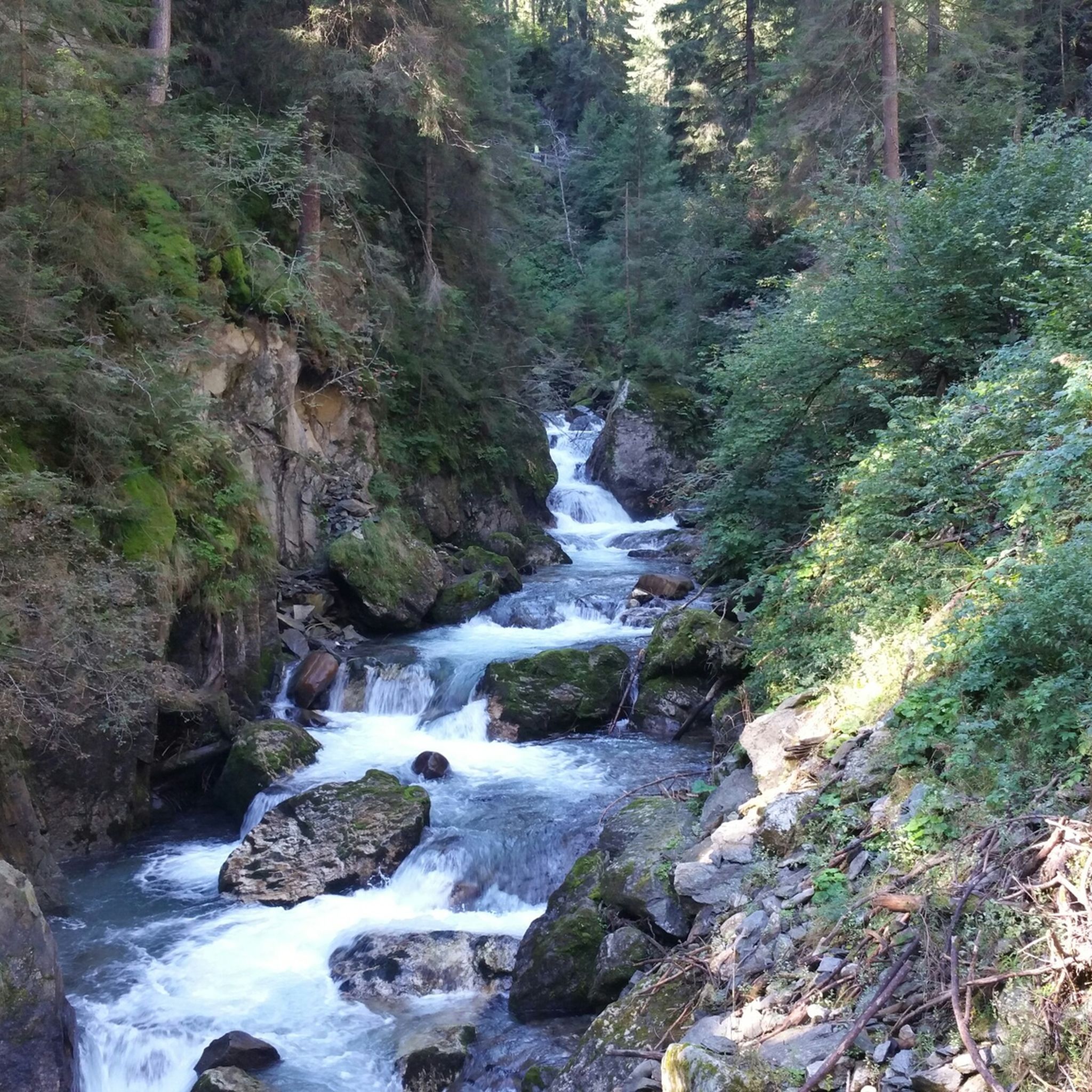
Hiking around Freienfeld - Campo Di Trens
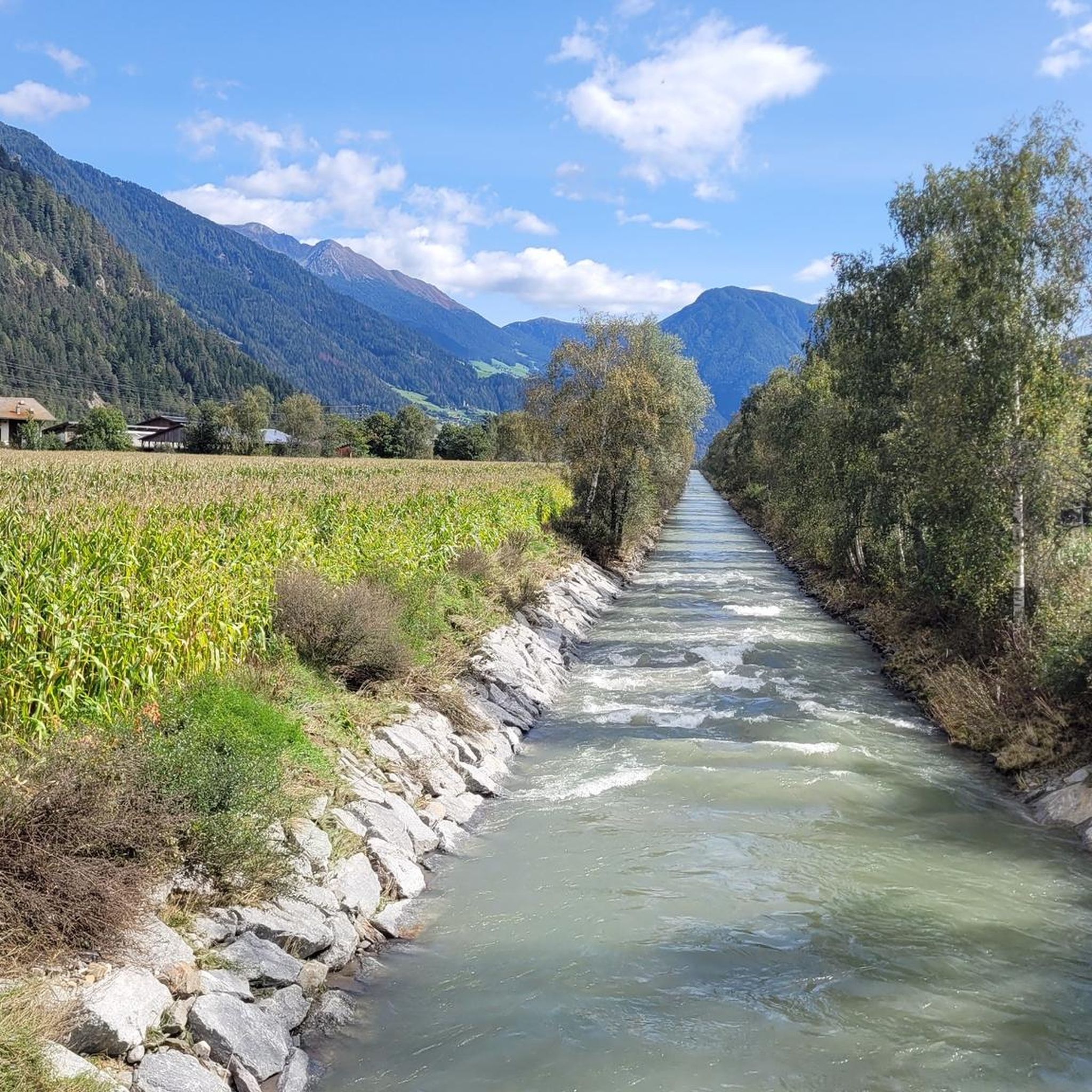
Road Cycling Routes around Freienfeld - Campo Di Trens
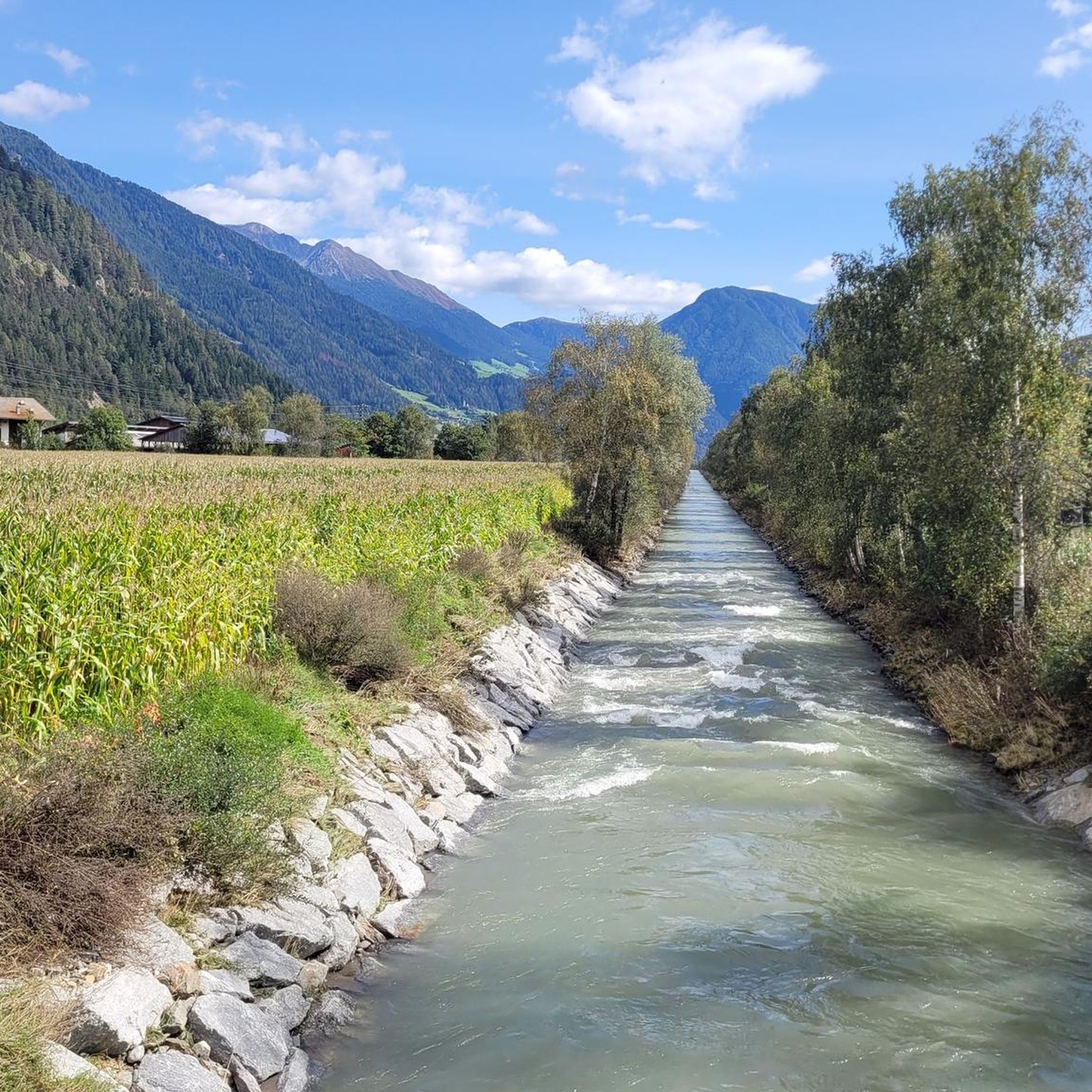
MTB Trails around Freienfeld - Campo Di Trens
Cycling around Freienfeld - Campo Di Trens
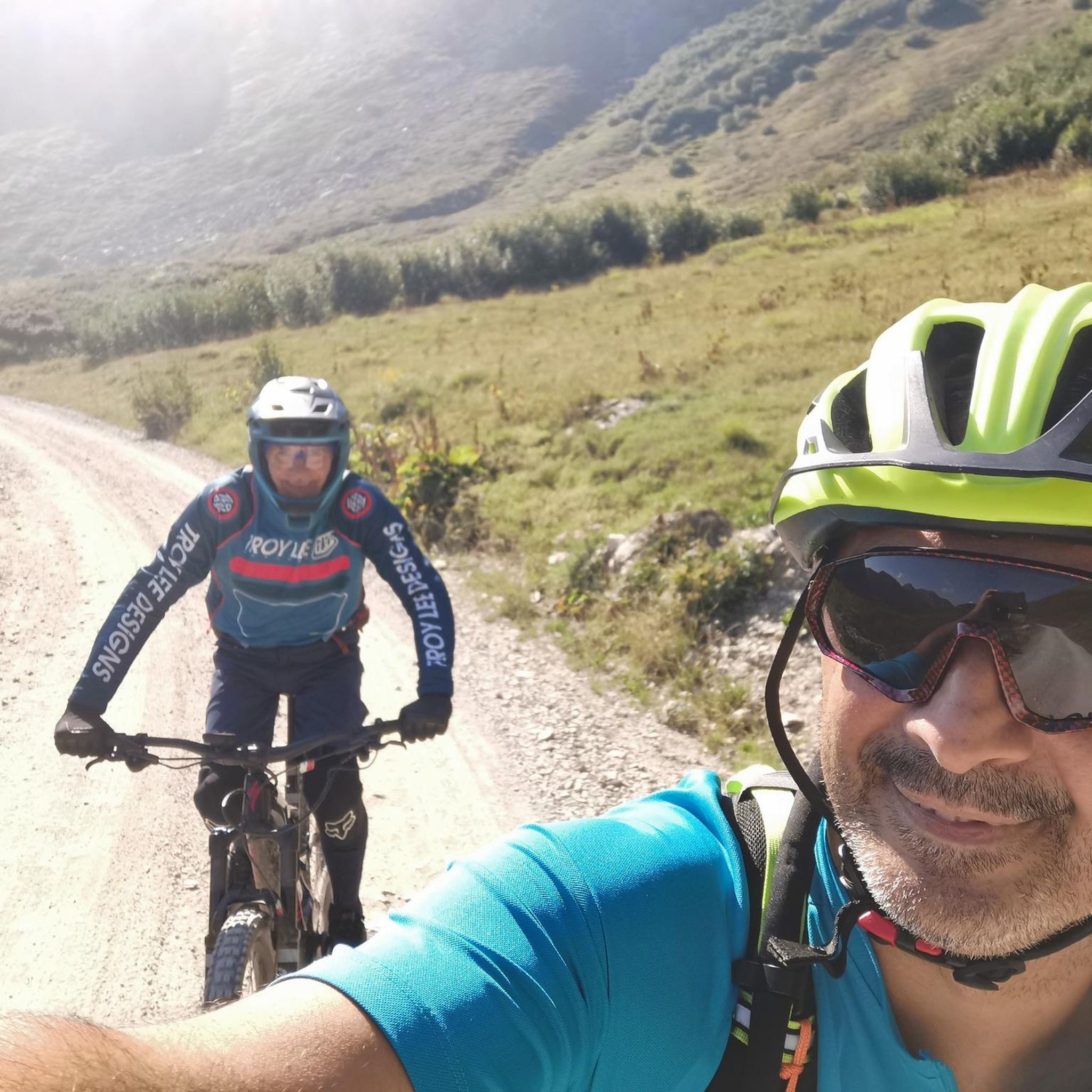
Mountain Hikes around Freienfeld - Campo Di Trens
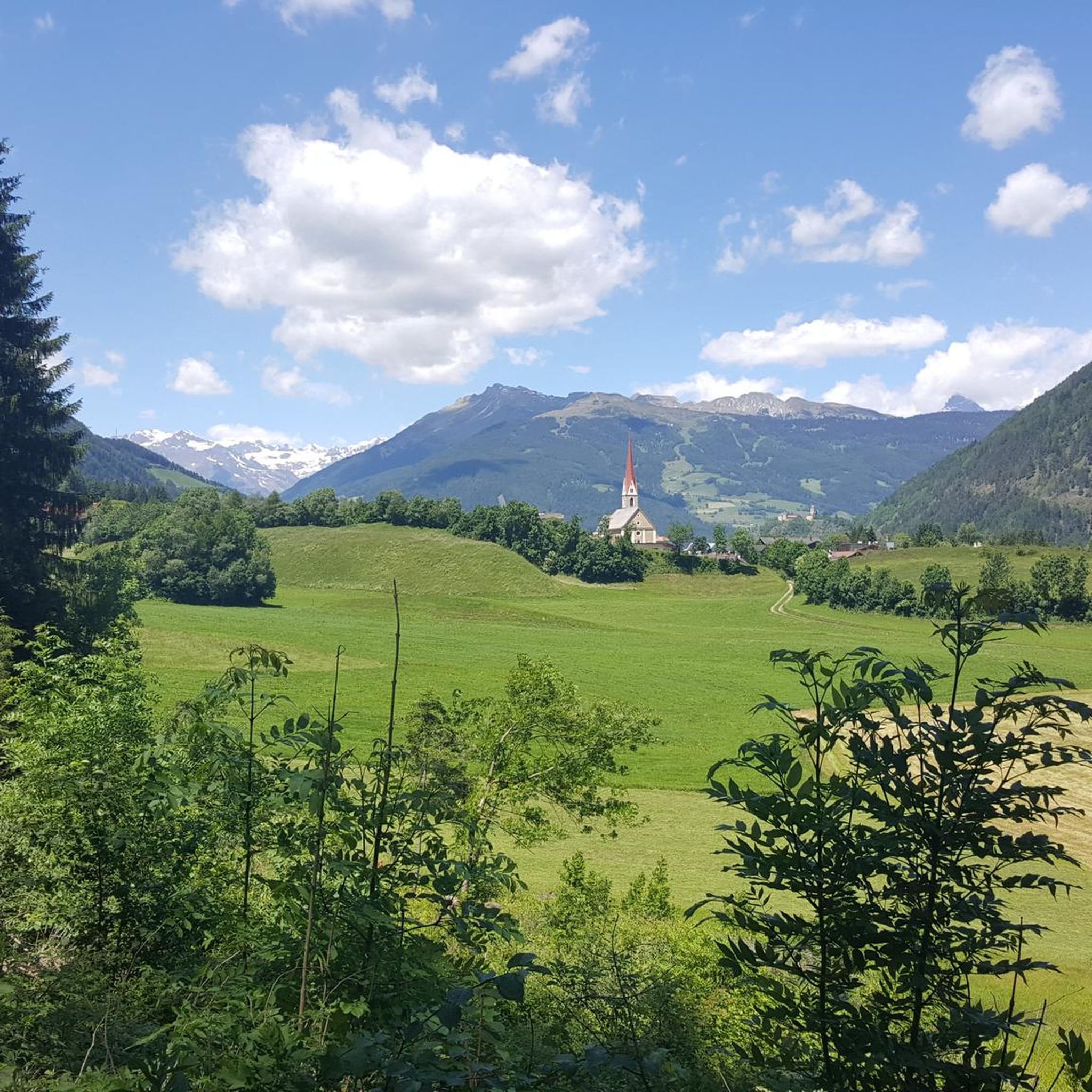
Running Trails around Freienfeld - Campo Di Trens

Gravel biking around Freienfeld - Campo Di Trens
Other adventures around Freienfeld - Campo Di Trens


Tips from the Community

Be sure to take the guided tour to the upper fortress...the 452 steps reward you with a beautiful view.
1
0

You should take a break there and take your time
0
0

Great view of the reservoir and fortress from the cycle path.
4
0

The festival is worth a visit
1
0

Unfortunately closed: no viewing
4
0
Built between 1833 and 1838 under Emperor Franz I of Austria, it was one of the safest fortresses in the Alpine region of its time - built for the purpose of securing the axis between southern Germany and northern Italy in the Habsburg Empire. 65,000 square meters of area make the Franzenfeste the largest historical complex in South Tyrol. In addition to an estimated 20 million bricks and 250,000 cubic meters of granite, many tons of wood, sand and lime were used. The adaptation to the terrain, the fire fronts, bomb-proof gun positions, a labyrinth of tunnels and passageways, speak for the planning masterpiece. The fortress had already lost its strategic importance by the time it was completed. There was never any confrontation with the enemy; now and again companies were quartered there, but they were only waiting for a deployment in the south. Ultimately, the fortress served mainly as a weapons and ammunition depot for the Italian military until 2003.
5
0
Built between 1833 and 1838 under Emperor Franz I of Austria, it was one of the safest fortresses in the Alpine region of its time - built for the purpose of securing the axis between southern Germany and northern Italy in the Habsburg Empire. 65,000 square meters of area make the Franzenfeste the largest historical complex in South Tyrol. In addition to an estimated 20 million bricks and 250,000 cubic meters of granite, many tons of wood, sand and lime were used. The adaptation to the terrain, the fire fronts, bomb-proof gun positions, a labyrinth of tunnels and passageways, speak for the planning masterpiece. The fortress had already lost its strategic importance by the time it was completed. There was never any confrontation with the enemy; now and again companies were quartered there, but they were only waiting for a deployment in the south. Ultimately, the fortress served mainly as a weapons and ammunition depot for the Italian military until 2003.
5
0

Until a few years ago, anyone who wanted to spend a holiday in the Pusteria Valley from Brenner or Salorno was forced to drive through the ruins of the Klusa of Rio Pusteria. Today, traffic no longer flows directly through this fortress.
4
0
Frequently Asked Questions
What historical significance do the castles in Freienfeld - Campo Di Trens hold?
The castles in Freienfeld - Campo Di Trens offer a deep dive into medieval history. Many, like Reifenstein Castle (Castel Tasso), have stood for centuries, witnessing and shaping the region's past. They served various purposes, from defensive strongholds controlling important trade routes, like the Jaufenpass, to residences for noble families.
Which castles in the region are particularly well-preserved?
Reifenstein Castle (Castel Tasso) is renowned as one of South Tyrol's oldest and best-preserved castles, having never been conquered or destroyed. It maintains its original medieval condition. Sprechenstein Castle, though damaged during WWII, has been meticulously restored and showcases different architectural periods.
Can I visit the interiors of the castles in Freienfeld - Campo Di Trens?
Yes, Reifenstein Castle (Castel Tasso) is open to visitors and offers guided tours daily from April 1st to October 31st (except Saturdays). You can explore original medieval interiors, including a kitchen, bathroom, and the famous Green Hall. Sprechenstein Castle, however, is generally only viewable from the outside as it is inhabited by a noble family.
Are there any unique architectural features among the castles?
Reifenstein Castle (Castel Tasso) boasts gothic paneled rooms, a magnificent late-Gothic wooden grille, and authentic medieval elements like a sliding portcullis and a torture chamber. Sprechenstein Castle is notable for its striking circular castle keep from the 13th century and a late-Gothic Chapel of St. Erasmus with murals and a winged altar.
What outdoor activities can I do near these castles?
The region offers various outdoor activities. You can explore hiking trails, such as the 'Historic pilgrimage trail to Maria Trens' or the 'Welfenstein Castle Trail'. For mountain biking, options like the 'Salita alla Malga Simile-Mahd' are available. Find more details on these and other routes in the Hiking around Freienfeld - Campo Di Trens and MTB Trails around Freienfeld - Campo Di Trens guides.
Are there family-friendly castles or activities in the area?
Yes, several castles and sites are considered family-friendly. Mühlbacher Klause Castle and Fortezza Fortress (Franzensfeste) are both categorized as family-friendly. Reifenstein Castle (Castel Tasso), with its authentic knight's castle features like dungeons and a portcullis, can also be an engaging experience for families.
What do visitors enjoy most about the castles in Freienfeld - Campo Di Trens?
Visitors frequently appreciate the historical authenticity and well-preserved nature of the castles. The original medieval interiors of Reifenstein Castle (Castel Tasso) are a particular highlight. The scenic views from elevated castle locations, such as Sprechenstein Castle, and the opportunity to explore ancient structures like Reifenegg Castle Ruins, are also highly valued.
Are there hiking trails to the castles?
Yes, Reifenstein Castle (Castel Tasso) can be reached via a pleasant, short hiking trail. The 'Welfenstein Castle Trail' is another option for exploring the region's historical landscape. You can find more hiking routes in the Hiking around Freienfeld - Campo Di Trens guide.
What is the best time to visit the castles in Freienfeld - Campo Di Trens?
The period from April to October is generally ideal for visiting the castles, especially since Reifenstein Castle (Castel Tasso) offers guided tours during these months. The weather is typically favorable for exploring the castle grounds and enjoying the surrounding trails. Some facilities, like Mühlbacher Klause Castle, are open from June to September.
Are there any viewpoints near the castles?
Many castles, due to their strategic elevated positions, offer excellent viewpoints. Sprechenstein Castle provides panoramic views of the surrounding area. Additionally, the View of Forte di Fortezza highlight offers a great perspective of the Franzensfest reservoir and the fortress itself.
How accessible are the castles for visitors?
Reifenstein Castle (Castel Tasso) is accessible via a short hiking trail. However, due to the historical nature and terrain of many castles and ruins, some areas may have limited accessibility. It's advisable to check specific castle details for information on pathways and facilities.
Are there any legends or myths associated with the castles?
Yes, Sprechenstein Castle is associated with the legend of a murdered knight, adding a touch of mystique to its history. Reifenegg Castle Ruins also has a legend about a ghost dog guarding a precious treasure amassed by robber knights.
Most popular routes around Freienfeld - Campo Di Trens
Most popular attractions around Freienfeld - Campo Di Trens

Get inspired with the komoot mobile app


Explore more
Looking for the best castles somewhere else? Discover other guides around Freienfeld - Campo Di Trens:
