Attractions and Places To See around Decollatura - Top 20
Best attractions and places to see around Decollatura include a mix of historical, cultural, and natural sites. This village is situated along the eastern slopes of Mount Reventino in the province of Catanzaro, Calabria. The area features scenic landscapes, including the Reventino Woods and the Amato River, offering diverse exploration opportunities. Visitors can discover ancient landmarks and significant religious sites within this region.
Best attractions and places to see around Decollatura
- The most popular attractions is Norman–Swabian Castle of Nicastro, a castle that is an ancient medieval fortress built by the Byzantines or Normans. Despite damage from the 1638 earthquake, it retains traces of its original structure.
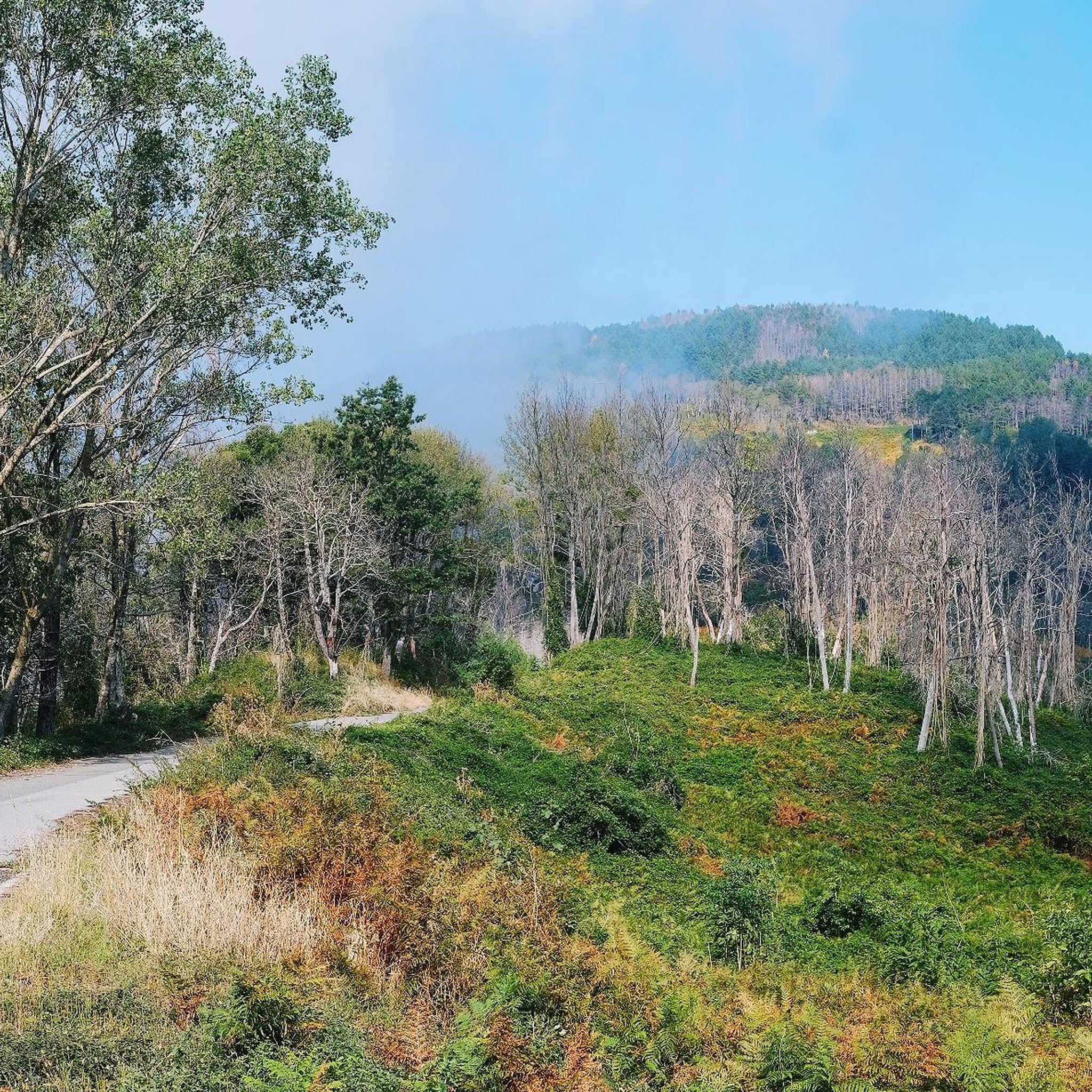
- Another must-see spot is Scenic Road Between Tiriolo and Taverna, a cycle way. This paved route crosses spectacular vegetation, offering panoramic views.
- Visitors also love Sanctuary of the Madonna di Porto, a religious building. This sanctuary in Gimigliano is one of the most important Marian shrines in Calabria, dating back to the 18th century.
- Decollatura is known for its historical sites, religious buildings, and scenic routes. The area offers a variety of attractions to see and explore, from ancient castles to important sanctuaries and natural landscapes.
- The attractions around Decollatura are appreciated by the komoot community, with 9 upvotes and 9 photos shared by visitors.
Last updated: October 4, 2026
Scenic Road Between Tiriolo and Taverna
Highlight (Segment) • Cycleway
The surface is paved and the road crosses a stretch of spectacular vegetation: you'll feel like you're pedaling inside a painting.
Translated by Google •
Tip by

Norman–Swabian Castle of Nicastro
Highlight • Castle
Translated by Google •
Tip by

Sign up now to discover places like this
Get recommendations on the best single tracks, peaks, & plenty of other exciting outdoor places.
Sanctuary of the Madonna di Porto
Highlight • Religious Site
Translated by Google •
Tip by

Rifugio Monte Reventino
Highlight • Mountain Hut
Translated by Google •
Tip by

Tavolaria Bridge
Highlight • Bridge
Translated by Google •
Tip by

Sign up for free to discover even more attractions around Decollatura.
Already have an account?
Start today with a free account
Your next adventure awaits.


Other adventures around Decollatura

Tips from the Community

A sanctuary, the destination of an annual pilgrimage linked to a legend. The Madonna is said to have appeared in a dream to a bandit, commanding him to build a chapel dedicated to her and to convert to a better life. The basilica was later built around this chapel.
0
0

The Sanctuary of the Madonna di Porto in Gimigliano, Calabria, is one of the most important Marian shrines in the region and a central site of popular piety. The origins of the shrine date back to 1626, when Calabria was struck by a plague epidemic and earthquakes. During this time, the painter Marcangione began a painting of the Madonna di Costantinopoli. According to legend, the image was miraculously completed overnight, which was interpreted as a divine sign. This image, considered "acheropit" (not made by human hands), became a center of veneration. Later, the Madonna appeared in a dream to a local brigand named Pietro Gatto. After his conversion, he built a small chapel, which formed the foundation stone of the present shrine.
3
0

Immersed in nature and the silence of the woods
0
0

Poorly maintained but still looks old
1
0
The "Tavolaria" bridge about 1500 meters from Cannavina was built in the Spanish period in 1592 with a single arch in sun-baked bricks while the shoulders were built entirely with local stone and lime; the left shoulder rests on a very characteristic rock spur. It connected, via mule tracks, the lands to the left of the river with those exposed to the east, and was important for the trade of agricultural and sheep-farming products which were brought to the markets of Rogliano. But, in addition to its rough and primitive architectural beauty, it fascinates us with its history and the legend linked to this area from which it takes its name: Tavolaria. King Oenotrio, finding himself traveling up the Savuto valley, encountered much resistance from his enemies in the area. To defeat them, he worked with cunning by asking for a truce and inviting them to a lavish dinner and, after getting them drunk, he killed them all. The Cannavina locality takes its name from the Cannavino stream, a tributary of the Savuto river, and is one of the refreshment places of the Rogliano people characterized by a waterfall which at the base forms a basin of water, the so-called "vullu" in the local dialect. Cannavino/a could mean "guzzling wine" precisely because of the coolness and beauty of the place which invites the typical conviviality of the people of the valley.
0
0
The castle is not particularly maintained and cared for but also for this reason it retains a great charm.
0
0

The Norman-Swabian Castle of Nicastro, an ancient medieval fortress built by the Byzantines or Normans, dominates the historic district of San Teodoro in Lamezia Terme. Despite the damage caused by the earthquake of 1638, the castle retains the traces of four towers, bastions and a wall. Its history is linked to the tragic imprisonment of Henry VII, the rebellious son of Frederick II. Today, it offers a fascinating insight into Calabria's medieval history.
2
0

This stretch of road is truly spectacular and exciting to ride on your own bike, whatever it is. The surface is paved and the road crosses a stretch of spectacular vegetation: you'll feel like you're pedaling inside a painting.
2
0
Frequently Asked Questions
What historical landmarks can I visit in and around Decollatura?
Decollatura and its surroundings offer a rich history. Within the village, you can explore the 17th-century Mother Church of San Bernardo, the 16th-century Bishop's Palace, and the Ancient Grain Warehouse. Further afield, don't miss the ancient medieval fortress of Norman–Swabian Castle of Nicastro in Lamezia Terme, or the ruins of the Abbey of Santa Maria di Corazzo, which dates back to the 11th century.
Are there any significant religious sites to explore near Decollatura?
Yes, Decollatura is home to several noteworthy religious sites. The Mother Church of San Bernardo is a central historical church. Other churches like Monte Carmelo, Santissima Assunta, and Addolorata are also present. A significant Marian shrine in the region is the Sanctuary of the Madonna di Porto in Gimigliano, dating back to the 18th century and steeped in local legend.
What natural attractions can I find around Decollatura?
Decollatura is nestled at the foot of Mount Reventino, offering scenic landscapes. The Reventino Woods are a significant natural resource and a protected site of community interest. The Amato River flows through the area, and the broader Sila region, including the Sila National Park, is accessible for nature excursions with ancient beech forests and diverse ecosystems.
Are there opportunities for cycling around Decollatura?
Absolutely! The region around Decollatura is great for cycling. You can find various routes for road cycling, mountain biking, and touring. For example, the Scenic Road Between Tiriolo and Taverna is a popular paved route offering spectacular vegetation and panoramic views. You can explore more options for road cycling, mountain biking, and general cycling routes on our dedicated guides for Road Cycling Routes around Decollatura, MTB Trails around Decollatura, and Cycling around Decollatura.
What hiking trails are available near Decollatura?
The area around Decollatura, particularly Mount Reventino and the Reventino Woods, offers various hiking opportunities. While specific named trails are not detailed in the provided data, the natural landscape suggests options for exploring the woods and river areas. For more structured outdoor activities, you can check our guides for cycling and mountain biking, which often share similar terrain.
Are there family-friendly attractions or activities in Decollatura?
Yes, the Sanctuary of the Madonna di Porto is categorized as family-friendly, offering a cultural and historical experience. Additionally, the natural beauty of Mount Reventino and the Reventino Woods provides a wonderful setting for family walks and enjoying the outdoors.
What is the Tavolaria Bridge?
The Tavolaria Bridge, located near Cannavina, is a historical single-arch bridge built in 1592 during the Spanish period. Constructed with sun-baked bricks and local stone, it served as a crucial connection for trade routes, linking lands across the river. It's an interesting example of historical engineering and local heritage.
What is the best time to visit Decollatura for outdoor activities?
Decollatura, being in Calabria, generally enjoys a Mediterranean climate. For outdoor activities like hiking and cycling, spring (April to June) and autumn (September to October) typically offer pleasant temperatures and less extreme weather, making them ideal times to explore the natural landscapes and historical sites.
Can I find places to eat or stay in Decollatura?
Decollatura, as a charming village, offers local amenities. While specific establishments are not listed in the provided data, you can expect to find local restaurants, cafes, and accommodation options such as bed and breakfasts or small hotels, reflecting the region's agricultural and pastoral traditions.
What is the significance of Mount Reventino to Decollatura?
Mount Reventino is central to Decollatura's identity. The village is nestled along its eastern slopes, and the mountain's woods are a primary natural resource, historically providing timber and other products. The area's high degree of naturalness has led to its inclusion as a protected site, making it a significant ecological and scenic feature for the region.
Is Decollatura known for any local products or traditions?
Yes, Decollatura and the surrounding area are renowned for their agricultural and pastoral traditions. This includes the production of local delicacies such as Soppressata di Decollatura (a type of cured sausage) and Sila Potato PGI, highlighting the region's rich culinary heritage.
Most popular attractions around Decollatura

Get inspired with the komoot mobile app


Explore more
Still not found the Highlight you’re looking for? See guides of the top attractions in other regions:
