Attractions and Places To See around Quartu Sant'Aleni/Quartu Sant'Elena - Top 20
Best attractions and places to see around Quartu Sant'Aleni/Quartu Sant'Elena include a diverse range of natural landscapes, historical landmarks, and cultural sites on Sardinia's southern coast. The area serves as a base for exploring the region's heritage and natural beauty. Notable features include extensive beaches and significant wetland reserves. This region offers a variety of experiences for visitors.
Best attractions and places to see around Quartu Sant'Aleni/Quartu Sant'Elena
- The most popular attractions is Bastion of Saint Remy, a man_made_monument that offers panoramic views of Cagliari and the sea. This impressive classical building features white and yellow limestone columns and a triumphal arch.
- Another must-see spot is Castello district, Cagliari, a historical site with colorful streets and old buildings. Visitors can explore narrow streets, discover hidden cafés, and enjoy scenic views over the bay.
- Visitors also love Cathedral of Saint Mary of the Assumption and Saint Cecilia (Cagliari Cathedral), a religious_building with a history spanning centuries. Its architecture blends Pisan Romanesque, Baroque, and neo-Romanesque styles, featuring colorful stones on floors, columns, and altars.
- Quartu Sant'Aleni/Quartu Sant'Elena is known for its beaches, natural parks, and historical sites. The area offers a variety of attractions to see and explore, from coastal areas to ancient monuments.
- The attractions around Quartu Sant'Aleni/Quartu Sant'Elena are appreciated by the komoot community, with 19 highlights receiving 382 upvotes and featuring 296 photos.
Last updated: August 3, 2026
Bastion of Saint Remy
Highlight • Monument
Translated by Google •
Tip by

Castello district, Cagliari
Highlight • Historical Site
Translated by Google •
Tip by

Sign up now to discover places like this
Get recommendations on the best single tracks, peaks, & plenty of other exciting outdoor places.
Sign up for free
Cathedral of Saint Mary of the Assumption and Saint Cecilia (Cagliari Cathedral)
Highlight • Religious Site
When you enter this sacred place you are transported to another time. The foundation of this cathedral was laid in the 13th century in the Pisan Romanesque style and reflects seven centuries of urban development. You can almost feel the historical touch of the time when the representatives of the three Stamenti were sworn in here, when Cagliari was still the center of the Kingdom of Sardinia.
Over the years, this gem has been carefully modified. The Baroque elements of the 17th and 18th centuries harmonize elegantly with the neo-Romanesque facade added in the 20th century, inspired by the majestic Pisa Cathedral.
But beyond its architectural significance, the cathedral exudes spirituality and community. The central liturgical ceremonies take place here, led by the archdiocese.
The opening hours allow visitors to experience the magic of this place every day from 9 a.m. to 1 p.m. and 4 p.m. to 8 p.m. A highlight is undoubtedly the colorful stones that adorn the floors, columns and altars - an impressive work of art that will be remembered.
You can find more highlights and tours in and around Cagliari here: komoot.de/collection/2433150/-cagliari.
Translated by Google •
Tip by

Molentargius–Saline Regional Natural Park
Highlight • Natural
Translated by Google •
Tip by

Poetto Beach
Highlight • Beach
Translated by Google •
Tip by

Sign up for free to discover even more attractions around Quartu Sant'Aleni/Quartu Sant'Elena.
Sign up for free
Already have an account?
Start today with a free account
Your next adventure awaits.
Login or Signup
Popular around Quartu Sant'Aleni/Quartu Sant'Elena
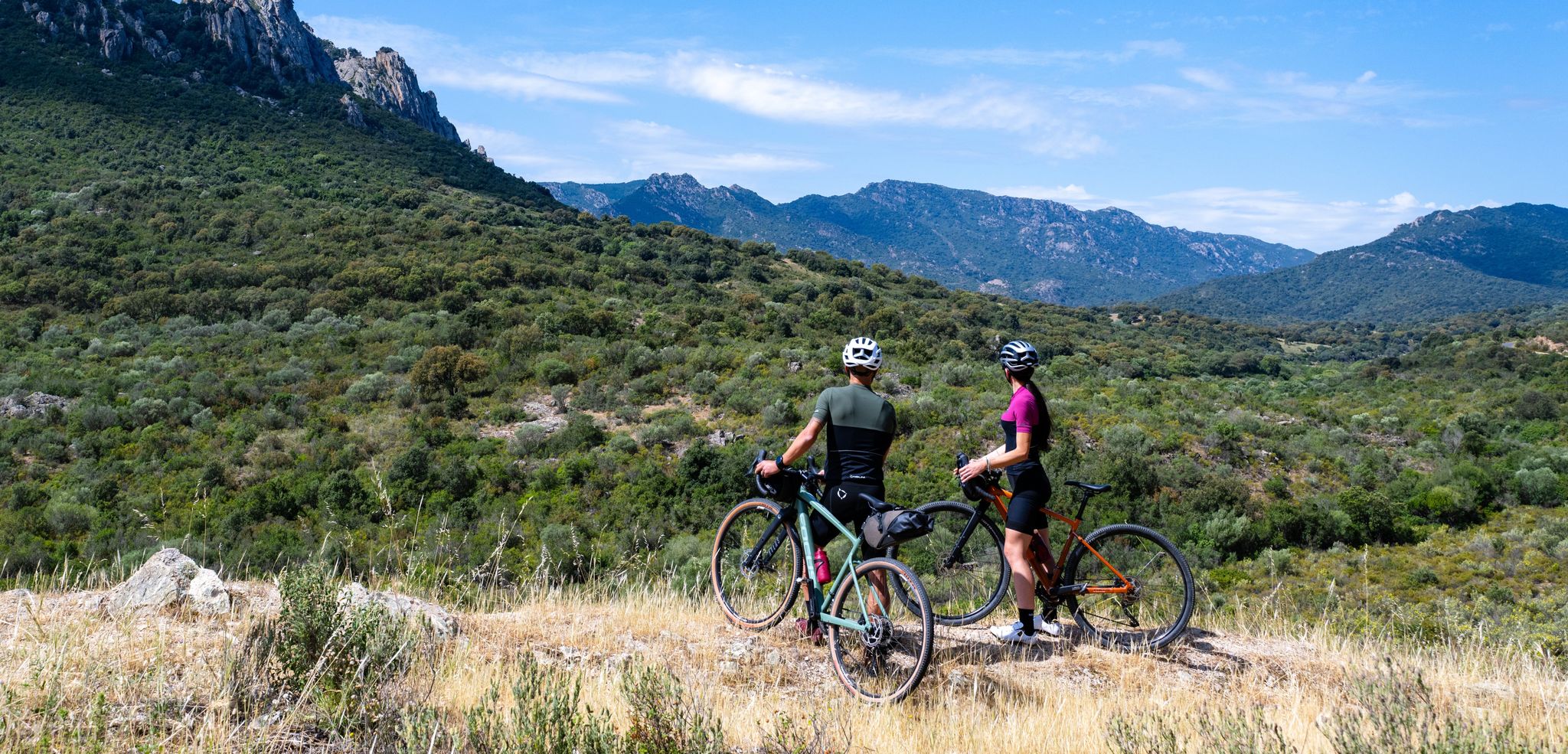
Sardinia by e-bike – enchanting landscapes and ancient culture
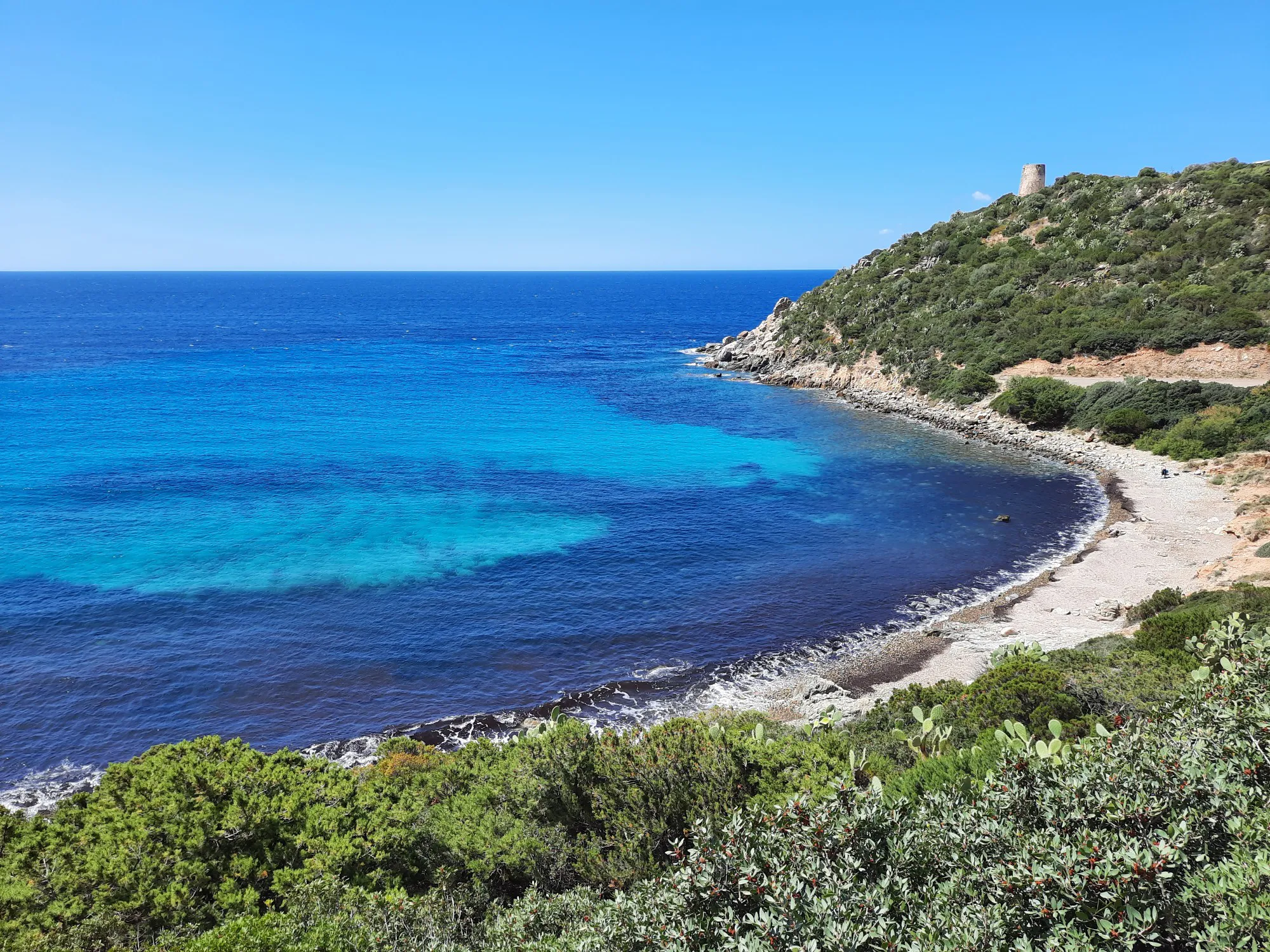
Cagliari to Villasimius on the Via degli Angeli – Cammino 100 Torri
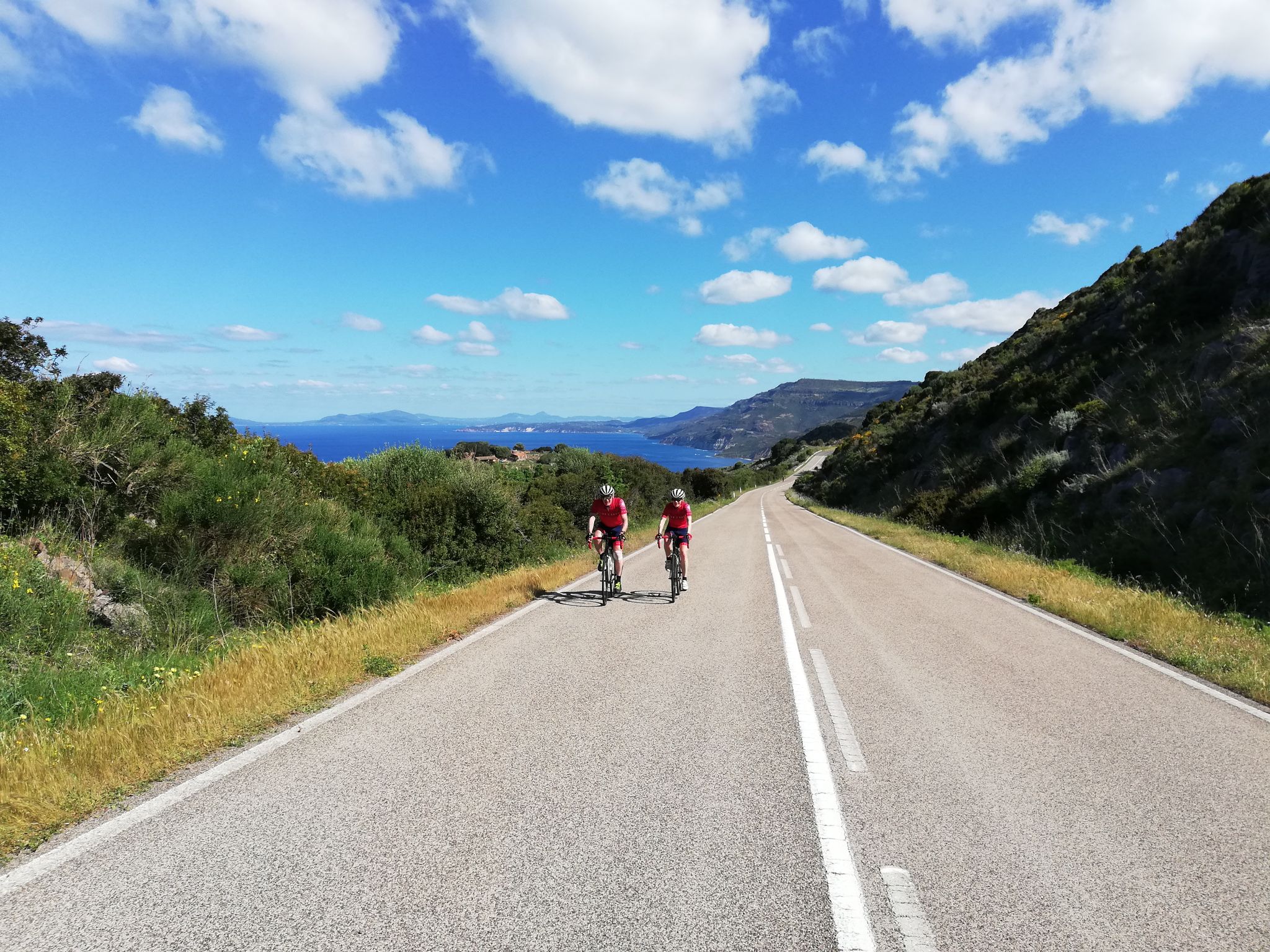
Amazing views on perfectly smooth asphalt - road bike tours in Sardinia
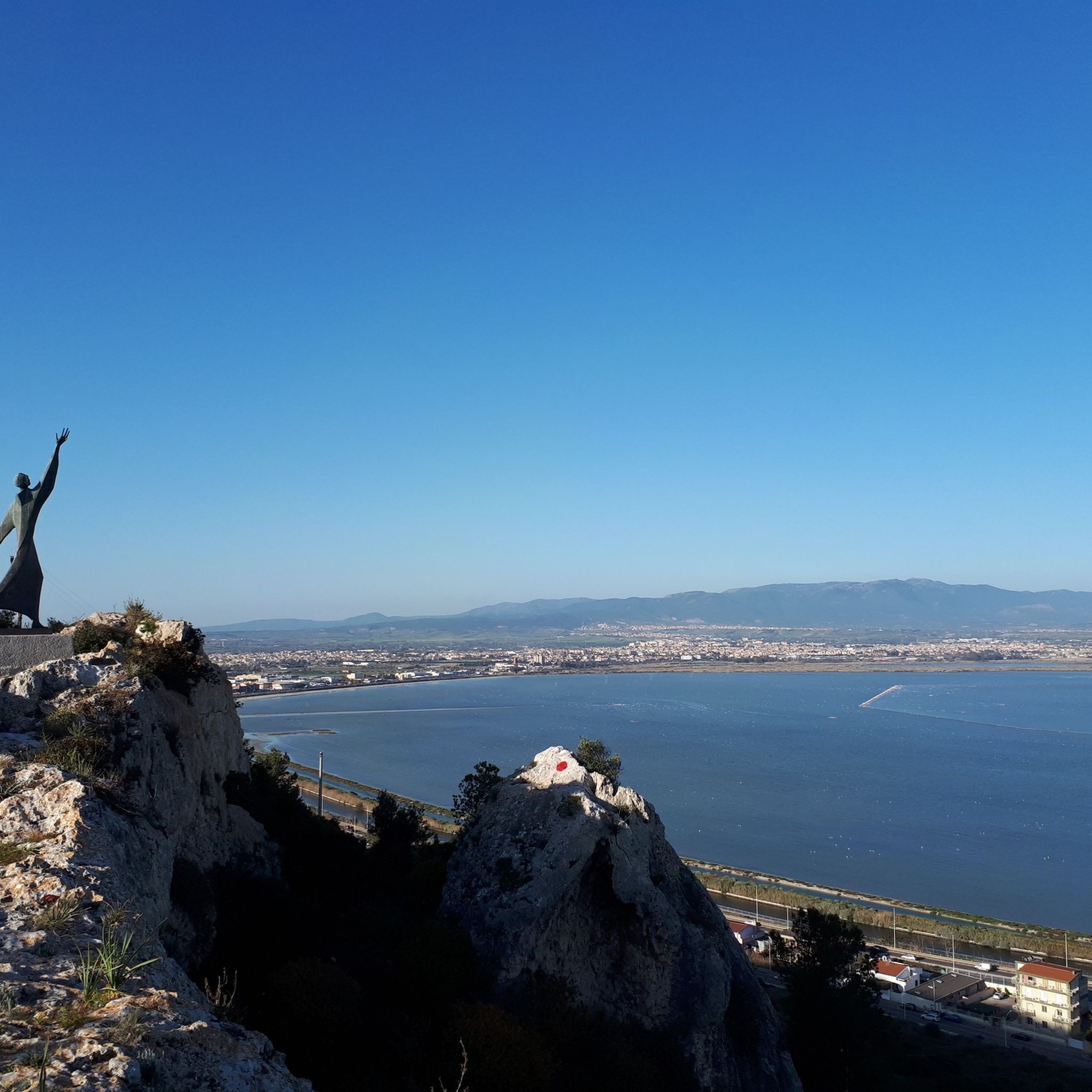
Running Trails around Quartu Sant'Aleni/Quartu Sant'Elena
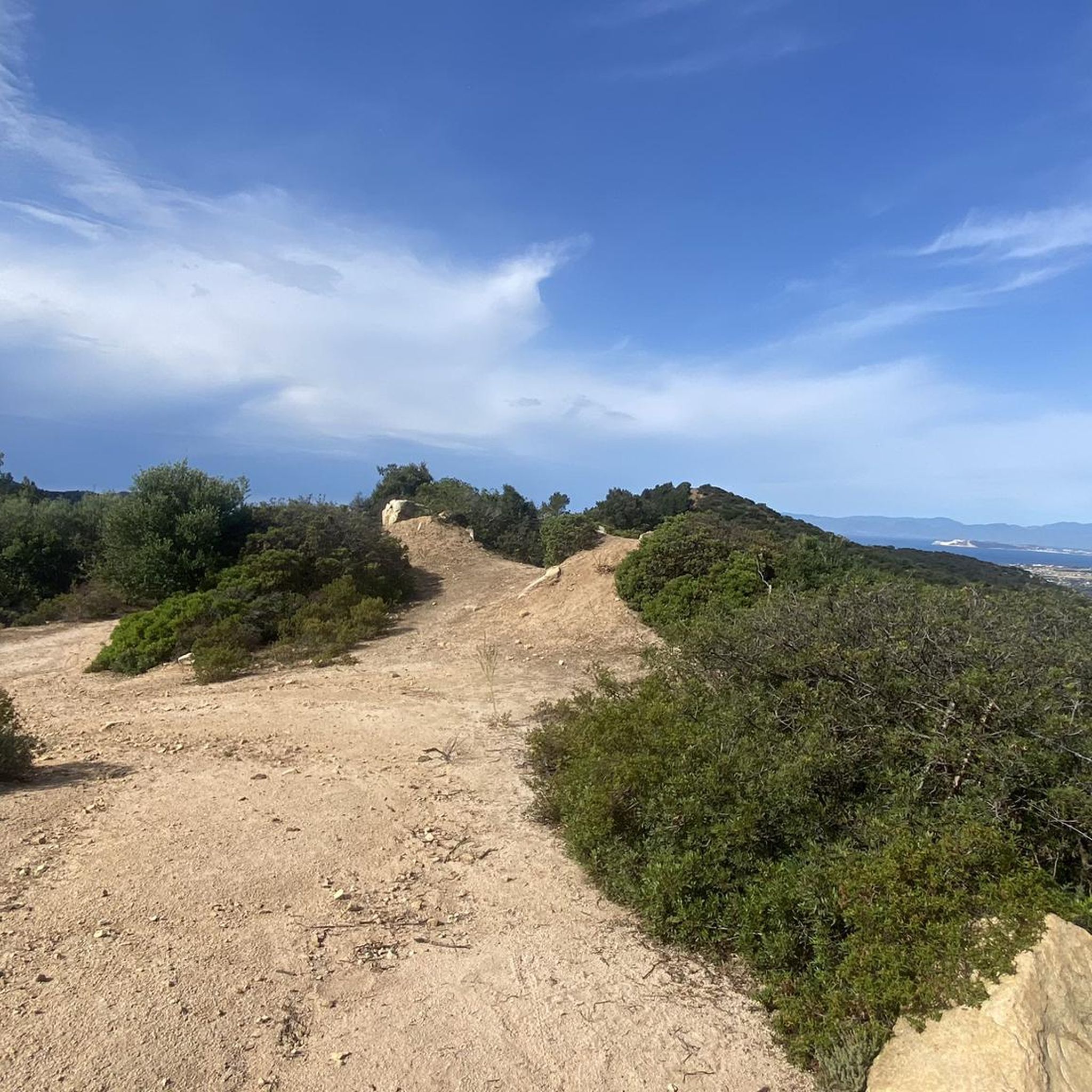
Cycling around Quartu Sant'Aleni/Quartu Sant'Elena
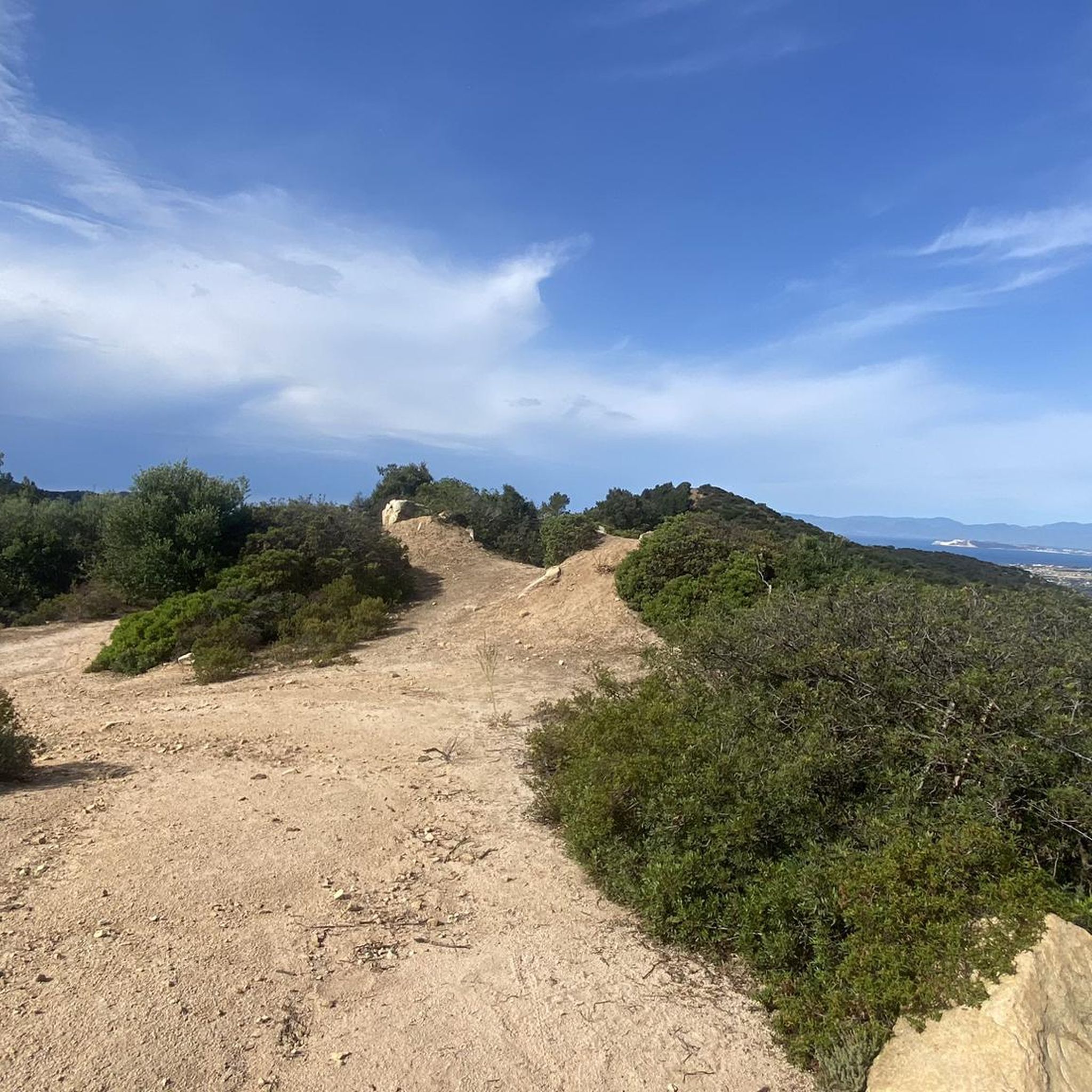
Road Cycling Routes around Quartu Sant'Aleni/Quartu Sant'Elena
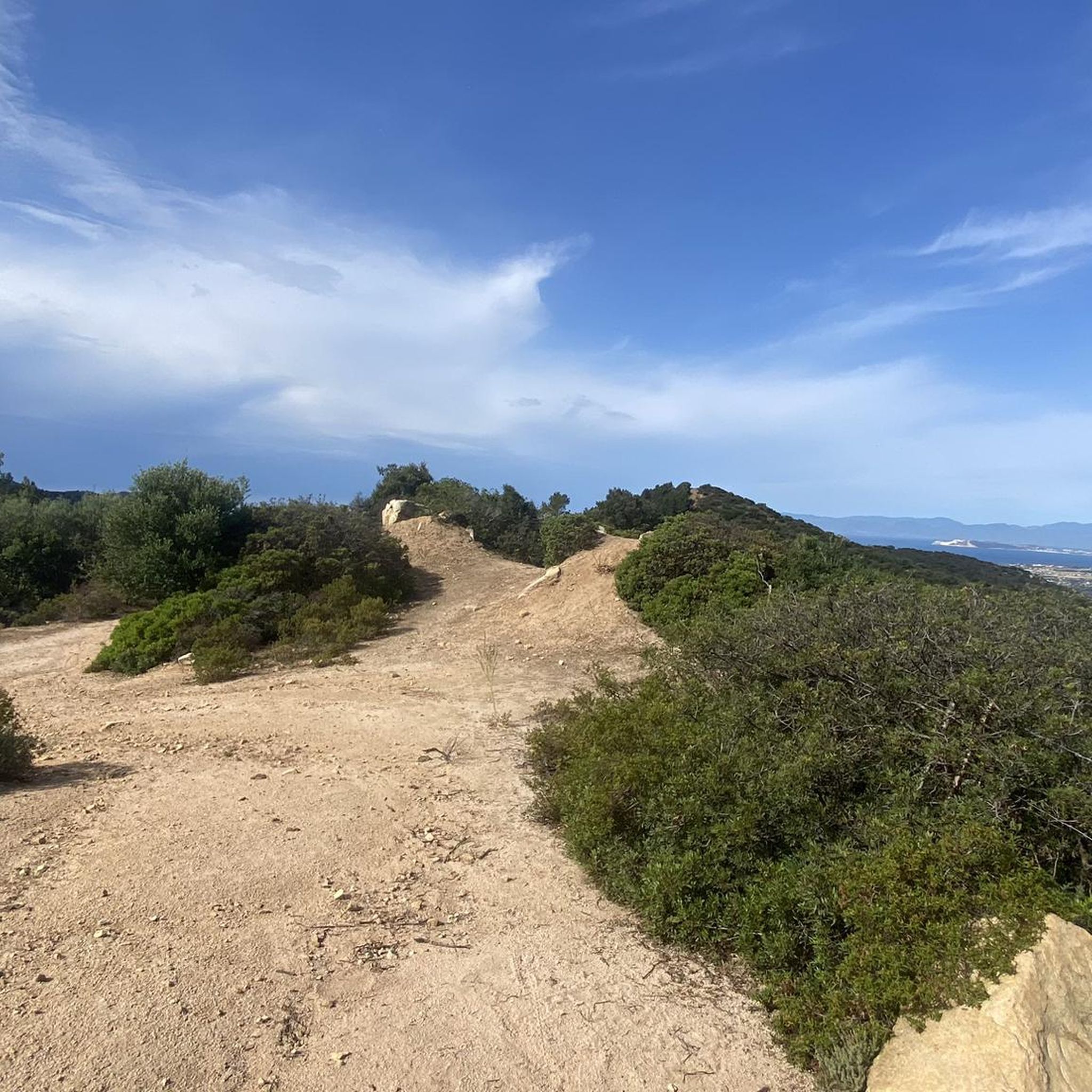
Hiking around Quartu Sant'Aleni/Quartu Sant'Elena
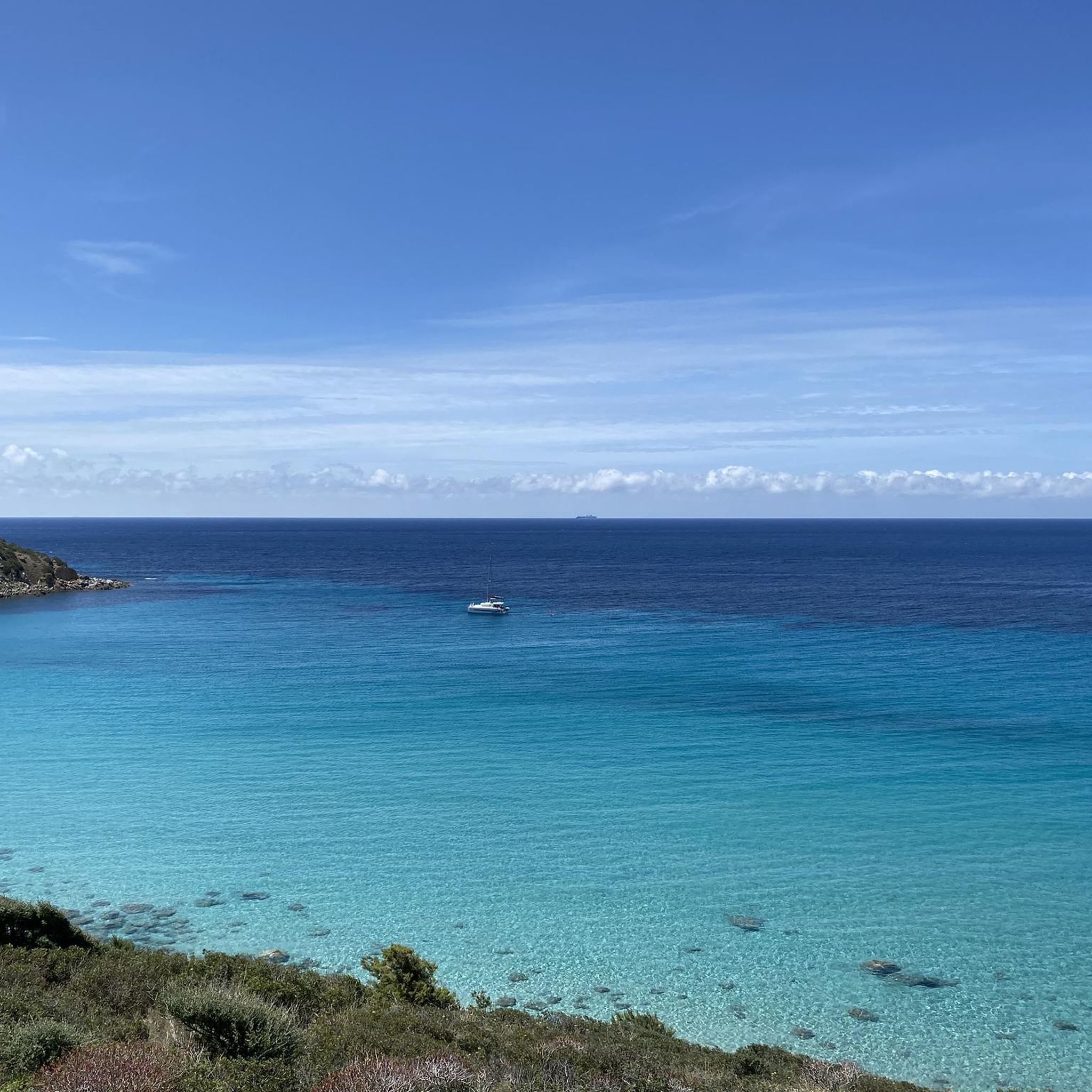
MTB Trails around Quartu Sant'Aleni/Quartu Sant'Elena
Gravel biking around Quartu Sant'Aleni/Quartu Sant'Elena
Other adventures around Quartu Sant'Aleni/Quartu Sant'Elena


Tips from the Community

Cagliari's landmark is the imposing Cathedral of Santa Maria. It was built in the 13th century but has undergone numerous structural alterations over the years. It incorporates Romantic and Baroque styles, as well as the Pisan style. The current façade recalls the cathedral's original Romantic appearance, but the Baroque style still dominates the interior. A tour of the church reveals magnificent, detailed paintings on the ceiling, imposing sculptures, and a marble pulpit that once stood in Pisa Cathedral. In the crypt, you can marvel at around 300 burial chambers.
3
0

This place is a good example of how conservation can be overdone. Driving along the dam allows you to get closer to the flamingos than walking or cycling through the so-called park. I was disappointed. It's better to go to the zoo to see the flamingos.
0
0

Called Krly by the Phoenicians, Cagliari has a very ancient history, chapters of which can still be discovered in the streets of the old city. About 120 years ago the places of city power were moved from the old Castello district to the more modern area near the port, but the historical part of the city is still of great charm.
2
1

Historic center of Cagliari
3
1
Nice place reachable by bike
0
0
Beautiful cycle path next to the sea
0
0

The Bastione di Saint Remy is one of Cagliari's most iconic landmarks. Constructed between 1896 and 1902, it was built on the ancient defensive walls of the city and named after the first Piedmontese Viceroy, Baron of Saint Remy. The structure boasts a magnificent neoclassical design, featuring white and yellow limestone columns with Corinthian capitals, and it includes a monumental double-ramped staircase leading up to the Umberto I Terrace. The terrace offers stunning panoramic views of the city and the surrounding sea, making it a popular spot for both tourists and locals. The underlying gallery, known as Passeggiata Coperta, has served various purposes over the years—from an elegant banquet hall to a refuge for displaced people during World War II. The Bastione was severely damaged during the Allied bombings in 1943, which also destroyed many other significant buildings in Cagliari. After the war, the Bastione was carefully restored and continues to be a vital cultural and exhibition space in the city today.
4
1
Frequently Asked Questions
What natural attractions can I explore in Quartu Sant'Elena?
Quartu Sant'Elena offers a variety of natural beauty. You can visit Poetto Beach, an iconic sandy stretch perfect for sunbathing and water sports, or the Molentargius-Saline Regional Natural Park, a significant wetland reserve known for its birdlife. Other beautiful coastal spots include Cala Regina, Mari Pintau Beach, and Baia Azzurra, all offering crystal-clear waters.
Are there any historical landmarks or cultural sites to visit in Quartu Sant'Elena?
Yes, Quartu Sant'Elena is rich in history. The main historical sight is the Basilica di Sant'Elena Imperatrice, a neoclassical church with a long history. You can also explore ancient structures like the Torre Cala Regina, a 16th-century defensive tower, and the ancient Nuraghe Diana, offering insights into Sardinia's prehistoric past. The Castello district in Cagliari, with its colorful streets and historic buildings, is also a must-see nearby.
Where can I see flamingos or other wildlife near Quartu Sant'Elena?
The best place to observe flamingos and other bird species is the Molentargius-Saline Regional Natural Park. This wetland reserve is a haven for nature enthusiasts and birdwatchers, home to pink flamingos, herons, and cormorants. You can explore its trails on foot or by bike.
What kind of outdoor activities, like cycling or hiking, are available around Quartu Sant'Elena?
The region around Quartu Sant'Elena offers diverse outdoor activities. For cycling, you can find routes ranging from easy to difficult, including scenic coastal paths and challenging climbs. Options include the 'View of the Sea – Poetto Seafront Cycle Path loop' or the 'Tour of the Seven Brothers'. Gravel biking and touring bicycle routes are also available. You can find more details on these routes in the Road Cycling, Cycling, and Gravel Biking guides for the area.
Are there family-friendly places to visit in Quartu Sant'Elena?
Absolutely! Poetto Beach is excellent for families, offering plenty of space for children to play and swim. The Molentargius-Saline Regional Natural Park is also family-friendly, with easy trails for walking or cycling. Many historical sites, such as the Bastion of Saint Remy, offer engaging experiences and panoramic views that can be enjoyed by all ages.
What are the best beaches in and around Quartu Sant'Elena?
The most popular beach is Poetto Beach, known for its long sandy stretch and lively promenade. Other highly recommended beaches include Mari Pintau, famous for its 'painted sea' effect with white sand and turquoise waters, and Cala Regina, ideal for snorkeling and diving due to its clear waters and rocky shores.
Can I explore ancient Sardinian history near Quartu Sant'Elena?
Yes, you can delve into Sardinia's ancient past. The Nuraghe Diana is an ancient Nuragic monument providing a glimpse into the island's rich prehistoric era. Additionally, the Archaeological Site of Cuccuru Nuraxi, located on the outskirts, features remains of an ancient Nuragic settlement, including a typical Sardinian stone tower.
What is the best time of year to visit Quartu Sant'Elena for outdoor activities?
The southern coast of Sardinia, including Quartu Sant'Elena, generally enjoys a Mediterranean climate. Spring (April-May) and early autumn (September-October) are ideal for outdoor activities like cycling, hiking, and exploring natural parks, as the weather is pleasant and not excessively hot. Summer (June-August) is perfect for beach activities, though it can be very warm.
Are there any unique cultural experiences or museums in Quartu Sant'Elena?
For a unique cultural experience, visit the Museo Etnografico "Il Ciclo della Vita" (Ethnographic Museum "The Cycle of Life"), also known as Sa Domu 'e Farra. Housed in a 17th-century peasant house, it showcases traditional crafts, agriculture, and archaeological findings, offering a deep dive into the island's rural history and cultural heritage.
What are some scenic viewpoints or coastal areas worth visiting?
For breathtaking views, the Bastion of Saint Remy in nearby Cagliari offers panoramic vistas of the city and the sea. From Torre Cala Regina, you can also enjoy expansive coastal views. The entire coastline, particularly around Capitana Marina, provides picturesque scenery and opportunities for coastal exploration.
What do visitors particularly enjoy about the attractions in Quartu Sant'Elena?
Visitors frequently praise the stunning natural beauty, especially the crystal-clear waters of the beaches and the unique wildlife viewing opportunities at the Molentargius-Saline Regional Natural Park. The historical sites, like the Castello district and ancient churches, are appreciated for their charm and rich history. Many also enjoy the vibrant atmosphere of the promenade at Poetto Beach and the impressive architecture of the Cagliari Cathedral.
Are there any ancient defensive structures or towers to see?
Yes, the region features several historical defensive structures. You can visit Torre Cala Regina, a well-preserved stone tower built in 1578 that served as a defensive outpost. Another example is Torre Mortorio, which consists of the remains of a coastal lookout tower from the period of Spanish domination on the island.
Where can I find easy cycling routes suitable for families near Quartu Sant'Elena?
For easy cycling routes suitable for families, consider paths within the Molentargius-Saline Regional Natural Park, which offers car-free and pleasant trails. The 'Poetto Beach – Molentargius Canal loop' is an easy gravel biking option. Another easy route is the 'Viale Poetto – Poetto Beach loop from Cuartu Sant'Aleni/Quartu Sant'Elena' for touring bicycles. More details can be found in the Cycling and Gravel Biking guides.
Most popular routes around Quartu Sant'Aleni/Quartu Sant'Elena
Most popular attractions around Quartu Sant'Aleni/Quartu Sant'Elena

Get inspired with the komoot mobile app


Explore more
Still not found the Highlight you’re looking for? See guides of the top attractions in other regions:
