Attractions and Places To See around Semiana - Top 20
Best attractions and places to see around Semiana, a small *comune* in the Province of Pavia, are situated within the rich agricultural landscape of the Lomellina region. This area offers a blend of historical landmarks, cultural sites, and natural features that showcase the unique heritage of Lombardy. The terrain of the Lomellina region is characterized by expansive rice fields and a network of waterways. Visitors can explore various sites that highlight the area's deep agricultural roots and historical significance.
Best…
Last updated: May 11, 2026
Sartirana Castle
Highlight • Castle
Translated by Google •
Tip by

Dosso of Lomellina
Highlight • Natural Monument
Translated by Google •
Tip by
Sign up now to discover places like this
Get recommendations on the best single tracks, peaks, & plenty of other exciting outdoor places.
Sign up for free
Olevano di Lomellina
Highlight • Settlement
Translated by Google •
Tip by
Campalestro Farmstead
Highlight • Historical Site
Campalestro was included in the list of lands of the Principality of …
Translated by Google •
Tip by
Agogna Stream Bridge
Highlight • Bridge
Translated by Google •
Tip by
Sign up for free to discover even more attractions around Semiana.
Sign up for free
Already have an account?
Start today with a free account
Your next adventure awaits.
Login or Signup


Tips from the Community

Sartirana beautiful castle, a pity about the cars parked in front
0
0

A lost place, like the ones you see in books. Whenever I see something like this, I always think it's a shame that the old mills are no longer in use.
3
2

Yes Carlo, there are locks along the path of the stream to regulate the water to the rice fields.
67
1
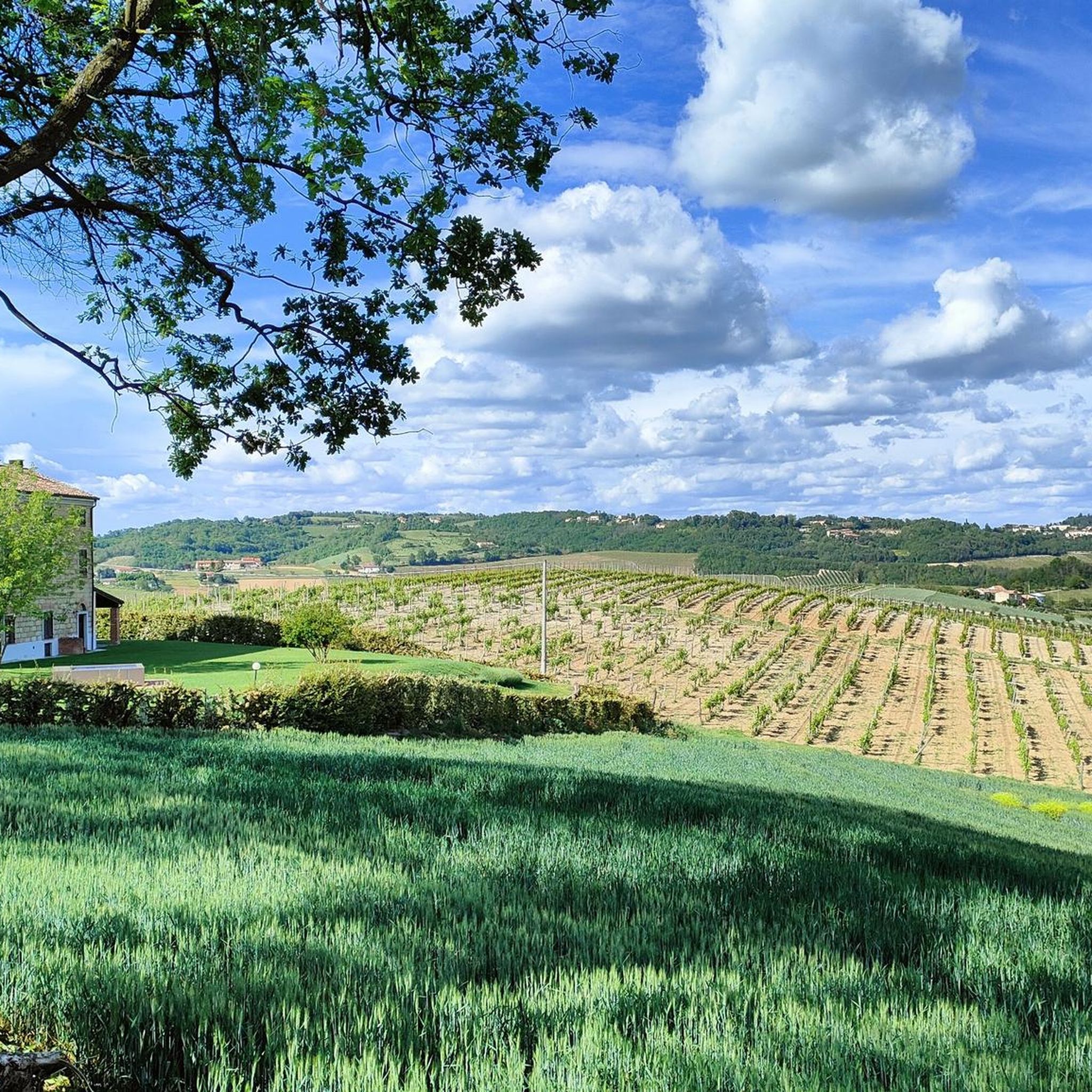
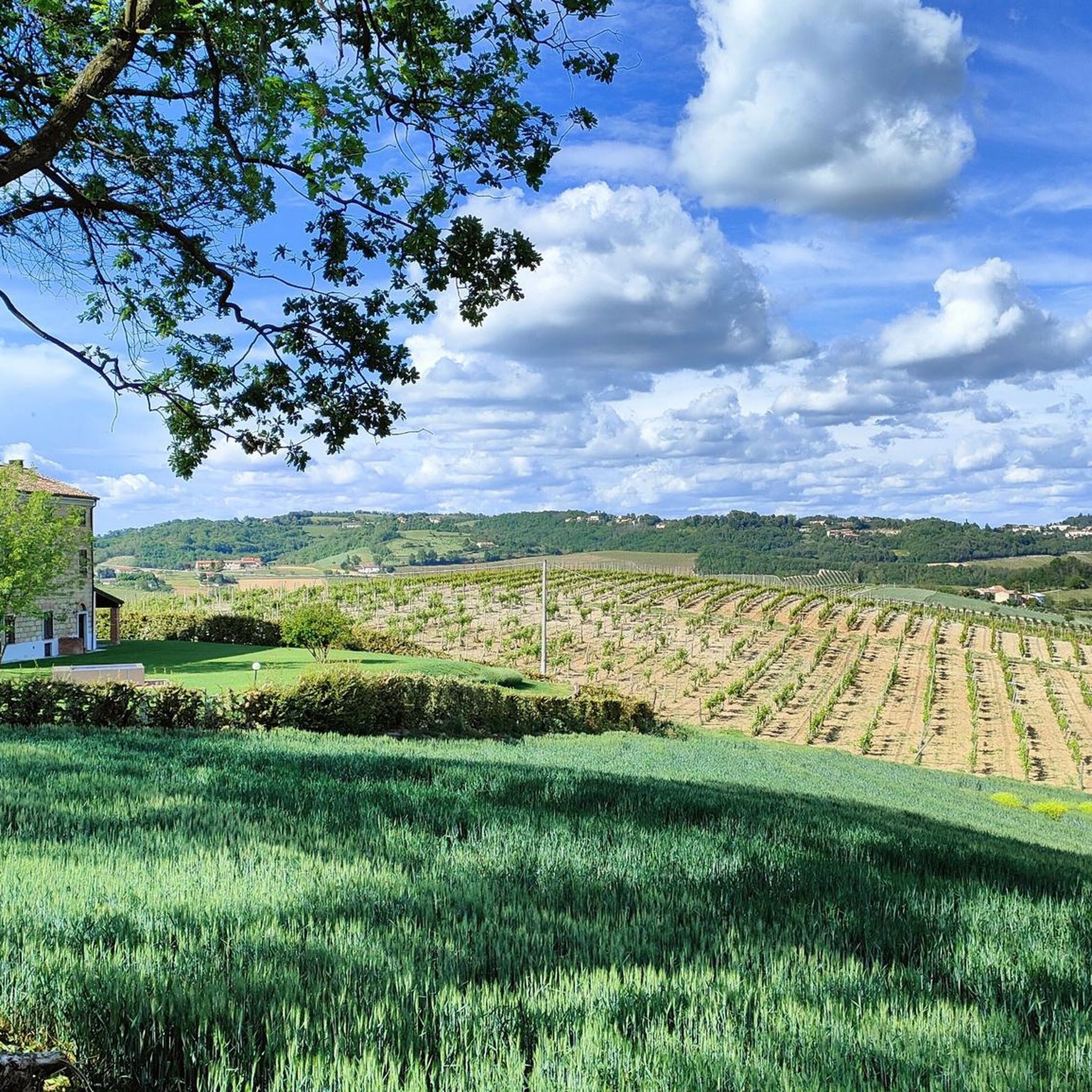
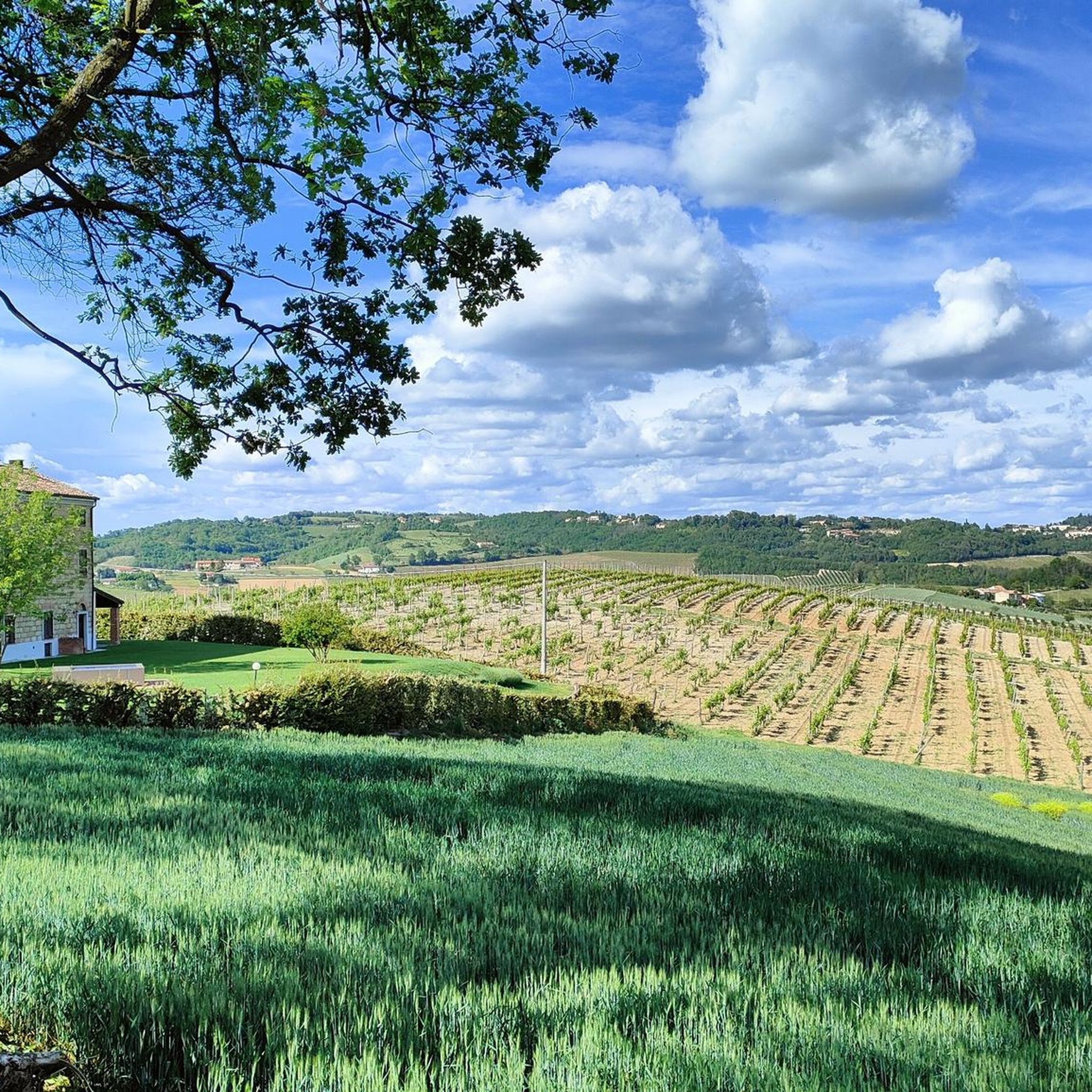
The bumps are tiny hills, generally sandy, which until a few decades ago characterized the landscape of our Lomelline countryside. Most of these very modest reliefs have been leveled to make way for poplar groves and rice fields and the only testimony that remains of them is, in many cases, the ups and downs of the country roads which gives those who walk them the amazement of finding some meters above the level of the cultivated countryside. In the area of the bumps, the alternation of hollows and ridges is visible which testifies to how the surface of our plain has been shaped by the continuous changes in the paths of the rivers, by the incessant work of streams, as well as by the erosion caused by atmospheric agents. Those who pass through Lomellina, after having crossed long stretches of very flat countryside, are pleasantly surprised to discover, in the heart of these centers, small hills flanked by old houses or ancient churches overlooking gently sloping churchyards.
51
0
Campalestro is part of the municipality of Velezzo Lomellina, in the province of Pavia, in the Lombardy region. Campalestro was included in the list of lands of the Principality of Pavia, registered for tax purposes by Ambrogio Opizzone, as belonging to Lomellina. Following the new census of the provinces of 15 September 1775 Campalestro is still confirmed in Lomellina. In the territorial subdivision of April 28, 1806, Campalestro falls within the Department of Agogna. Campalestro is today a hamlet of Vellezzo. Places out of this world and full of history.
74
0
Olevano di Lomellina is a town in the province of Pavia and is located about 800 m from the left bank of the Agogna river in a flat area in the center of Lomellina. In Olevano there is also the Museum of art and peasant tradition. The museum is located in Via Cesare Battisti 11. The museum is open Saturday (14-18) and Sunday (9-12 and 14.30-18.30) By reservation it is possible to visit the Museum also during the weekdays. On the occasion of the Olevano Lomellina festival, it was traditional to exhibit peasant tools and old agricultural machinery. Since 1993 a group of enthusiasts has worked to make this exhibition permanent. In 2018 the Museum had a new exhibition that focused, in particular, on rice.
61
0
The history of the Castle can be summarized as follows: built towards the end of the 1300s by order of Gian Galeazzo Visconti, it was strengthened towards the end of the 1400s by the Sforza family who, in the meantime, had conquered power. The Sforza family added other parts to the main body, which remained so until the sixteenth century, a time when the Castle, by the Gattinara family, was transformed into a comfortable residence, which has not undergone substantial changes to this day. Typical quadrilateral layout, with moat, internal courtyard and four corner towers. The castle is the main attraction of the village and currently houses the "Lomellina Study and Documentation Center", the "Sartirana Arte Foundation", with the museums of collections of silver, jewels, objects of peasant culture, art graphics. Both the Study Center and the Foundation organize numerous exhibitions and cultural events at an international level. In 1462-1463 under the Sforza, the Castle underwent military transformations of expansion and consolidation of the round tower, which was dealt with by the famous architect Bartolomeo Fioravanti, the same that Ivan II, Tsar of Russia, called to his court to the construction of the Kremlin defenses. Sartirana and its castle then passed to the Spaniards with Mercurino Arborio (cardinal) until his death in 1530. The castle belonged to the Arborio dynasty until 1934, and then to the Duke of Aosta Amedeo di Savoia.
4
0

Fabrizio are there any locks along the way to regulate the flow of water?
29
1
Frequently Asked Questions
What historical and cultural sites can I explore near Semiana?
The Lomellina region, where Semiana is located, is rich in history. A must-visit is Sartirana Castle, a significant historical landmark originally built in the late 1300s. It now houses museums and hosts international cultural events. You can also visit Olevano di Lomellina, home to the Museum of Rural Art and Tradition, which showcases the agricultural heritage of the area. The Campalestro Farmstead also offers a glimpse into the region's past.
Are there any unique natural attractions in the Lomellina region?
Yes, the region offers distinctive natural features. The Dosso of Lomellina is a natural monument consisting of tiny, sandy hills that characterize the local landscape, shaped by ancient rivers and erosion. The area is also known for its expansive rice fields and a network of waterways, which create a unique scenery, especially when the fields are flooded in spring. For birdwatching enthusiasts, the Garzaia di Sant'Alessandro and Garzaia di Celpenchio are protected areas known for various native bird species, particularly herons.
What kind of outdoor activities can I do around Semiana?
The flat agricultural landscape of Lomellina is ideal for various outdoor activities. You can find numerous routes for cycling and hiking. For example, there are moderate hiking routes like the 'Loop tour in Lomellina' or 'Sartirana Castle – Beach on the Po River loop from Sartirana'. Cyclists can enjoy easy routes such as 'Semiana – Church of San Marziano, Mede loop from Mede' or more challenging ones like the 'Ticino River Embankment – View of the Coperto Bridge loop from Lomello'. For more details on routes, check out the Hiking around Semiana and Cycling around Semiana guides.
Are there family-friendly attractions near Semiana?
Many attractions in the area are suitable for families. Sartirana Castle, with its historical significance and museums, can be an engaging visit for all ages. The Dosso of Lomellina offers a unique natural landscape for exploration. Additionally, the Museum of Rural Art and Tradition in Olevano di Lomellina provides an educational experience about the region's agricultural past.
What is the best time of year to visit Semiana and the Lomellina region?
The best time to visit is generally during autumn, winter, or spring. Summers can be hot, and mosquitoes are more prevalent due to the rice fields. Spring is particularly picturesque when the rice fields are flooded, creating a unique reflective landscape. Autumn offers pleasant temperatures and beautiful scenery.
Can I find mountain biking trails around Semiana?
Yes, there are several mountain biking trails in the vicinity. You can explore easy routes like the 'Decorated Bicycle – Scaldasole Castle loop from Ottobiano' or the 'Fausto Coppi Memorial Parking – Sartirana Castle loop from Sartirana'. For more options, refer to the MTB Trails around Semiana guide.
What is the significance of the rice fields in Lomellina?
The rice fields are a defining characteristic of the Lomellina region. They represent the area's deep agricultural roots and have shaped its landscape, economy, and culture. The network of canals and waterways associated with rice cultivation also creates unique habitats for various bird species and contributes to the distinctive scenery, especially during the spring flooding.
What is the Agogna Stream Bridge and why is it important?
The Agogna Stream Bridge, located near Campalestro, is an important local landmark. It connects the western and eastern parts of Lomellina, playing a crucial role in regional connectivity. Historically, the Agogna stream itself was significant enough to lend its name to one of the Departments of the Napoleonic Kingdom of Italy in the early nineteenth century.
Where can I learn more about the agricultural history of the region?
To delve into the agricultural history, visit the Museum of Rural Art and Tradition in Olevano di Lomellina. This museum houses a comprehensive collection of tools and machinery that illustrate the evolution of farming techniques, particularly for rice and cereal cultivation, providing insight into the area's heritage. The museum is typically open on Saturdays (2 PM - 6 PM) and Sundays (9 AM - 12 PM and 2:30 PM - 6:30 PM), with weekday visits possible by reservation.
Are there other castles to visit in the Lomellina region besides Sartirana Castle?
Yes, the broader Lomellina region is often referred to as 'Lombardy's Little Loire' due to its numerous castles and fortifications. While Sartirana Castle is a prominent example, you can also find other historical castles, such as the one in Castello d'Agogna, which has a rich history and is sometimes used for private events.
What makes the landscape around Semiana unique for walking and exploring?
The landscape is characterized by its flat terrain, dominated by vast rice fields and an intricate network of canals. This unique environment offers tranquil walking paths, often along the waterways, providing a distinctive experience. The presence of 'dosso' or small sandy hills, like the Dosso of Lomellina, also adds subtle variations to the otherwise flat countryside, offering pleasant surprises for those exploring on foot.
Most popular attractions around Semiana

Get inspired with the komoot mobile app


Explore more
Still not found the Highlight you’re looking for? See guides of the top attractions in other regions:
