Attractions and Places To See around Barbianello - Top 20
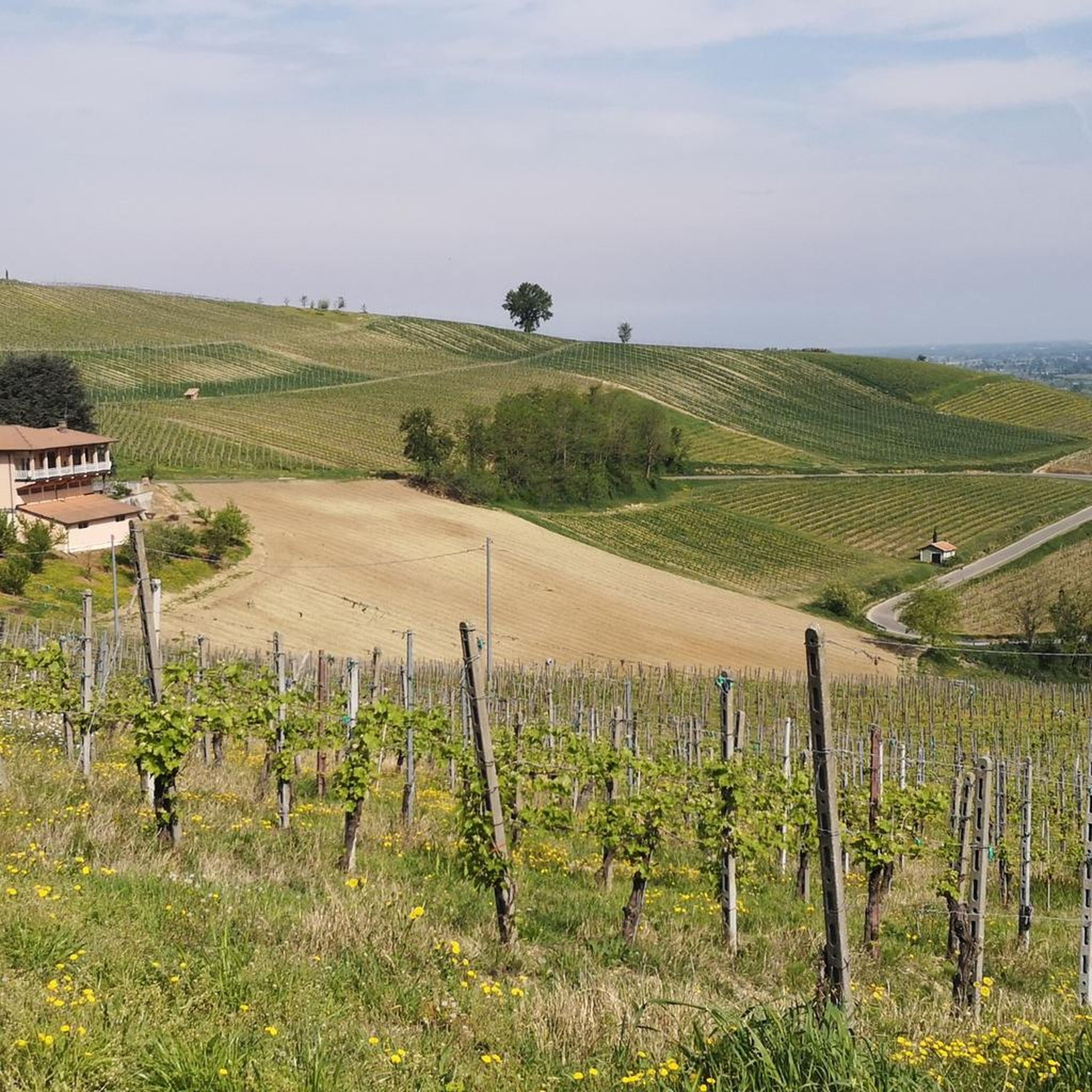
Best attractions and places to see around Barbianello include historical sites and natural features within the Province of Pavia, Italy. Situated in the Oltrepò Pavese area of Lombardy, Barbianello serves as a base for exploring a region known for its castles, vineyards, and cultural landmarks. The surrounding landscape offers opportunities for outdoor activities and visits to nearby towns with significant historical architecture.
Best attractions and places to see around Barbianello
- The most popular attractions is Montalto Pavese, a settlement…
Last updated: May 10, 2026
Ponte Coperto (the Covered Bridge) in Pavia
Highlight • Bridge
Translated by Google •
Tip by

Cicognola Castle and Viewpoint
Highlight • Castle
Translated by Google •
Tip by

Sign up now to discover places like this
Get recommendations on the best single tracks, peaks, & plenty of other exciting outdoor places.
Sign up for free
Montalto Pavese
Highlight • Settlement
Translated by Google •
Tip by

Statue of the Washerwoman
Highlight • Monument
Translated by Google •
Tip by

Basilica of San Michele Maggiore
Highlight • Religious Site
Translated by Google •
Tip by
Sign up for free to discover even more attractions around Barbianello.
Sign up for free
Already have an account?
Start today with a free account
Your next adventure awaits.
Login or Signup

Tips from the Community

A church in the Lombard Gothic style.
1
0
A memorial to the laundresses. Thanks to Willem VS for his excellent descriptions!
1
0

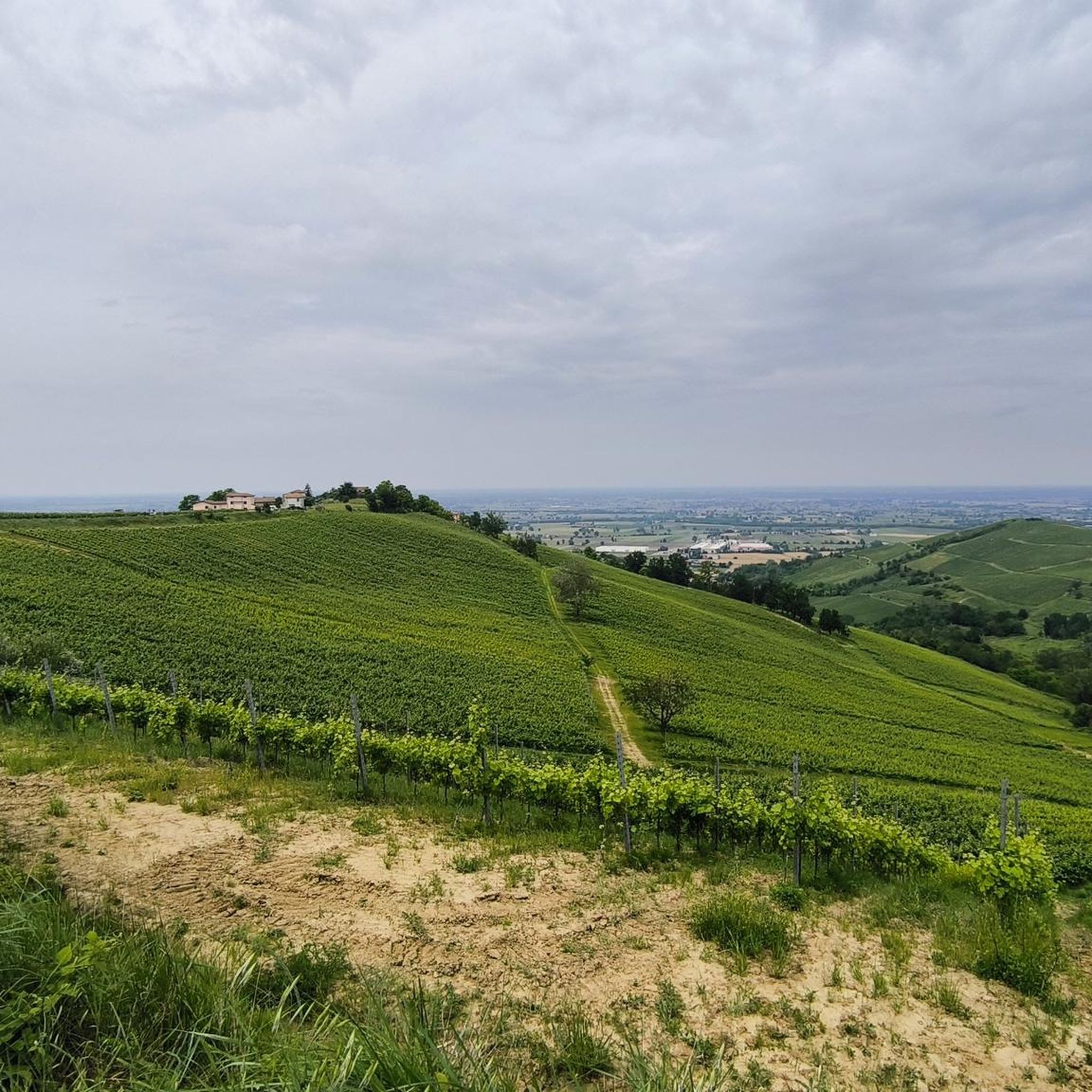
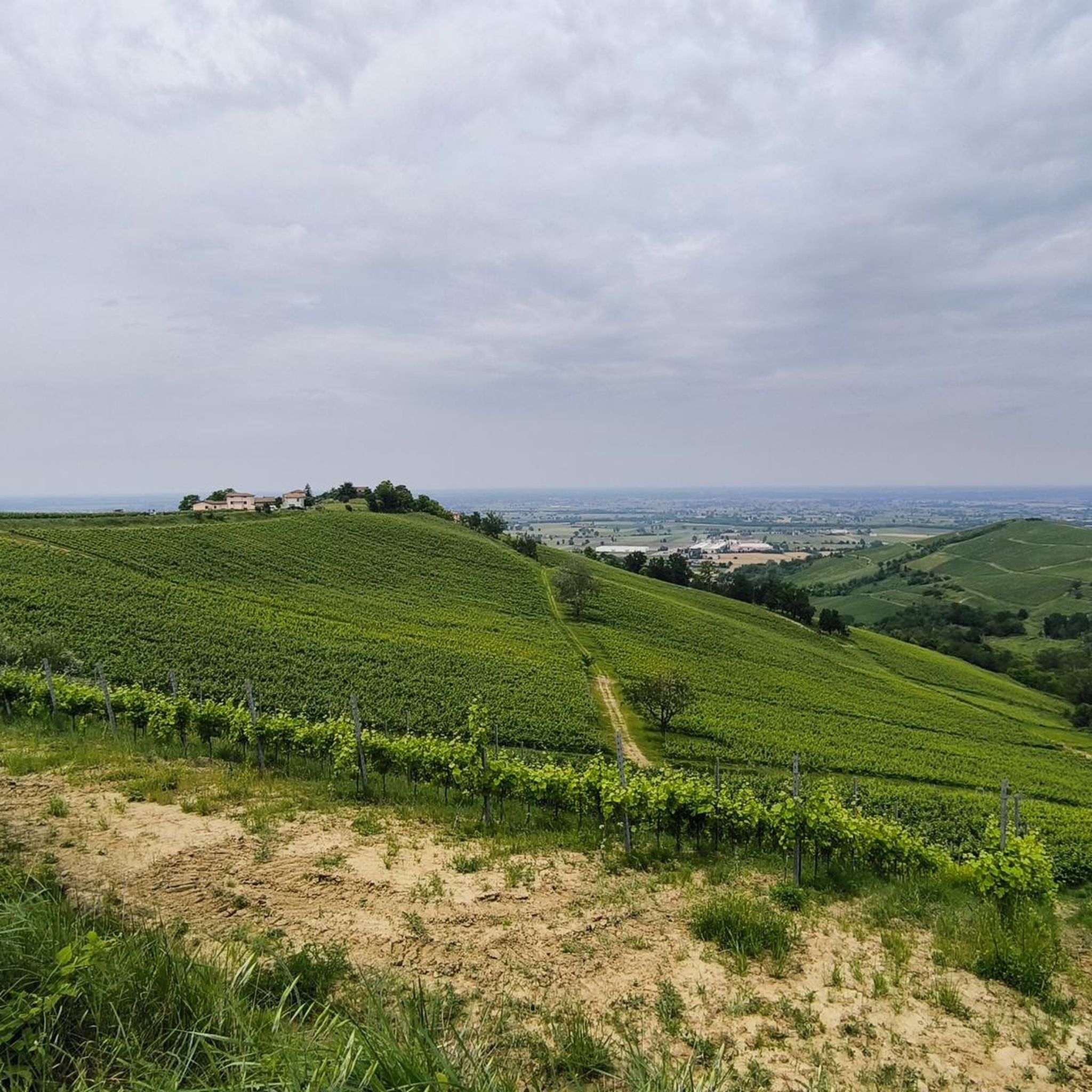
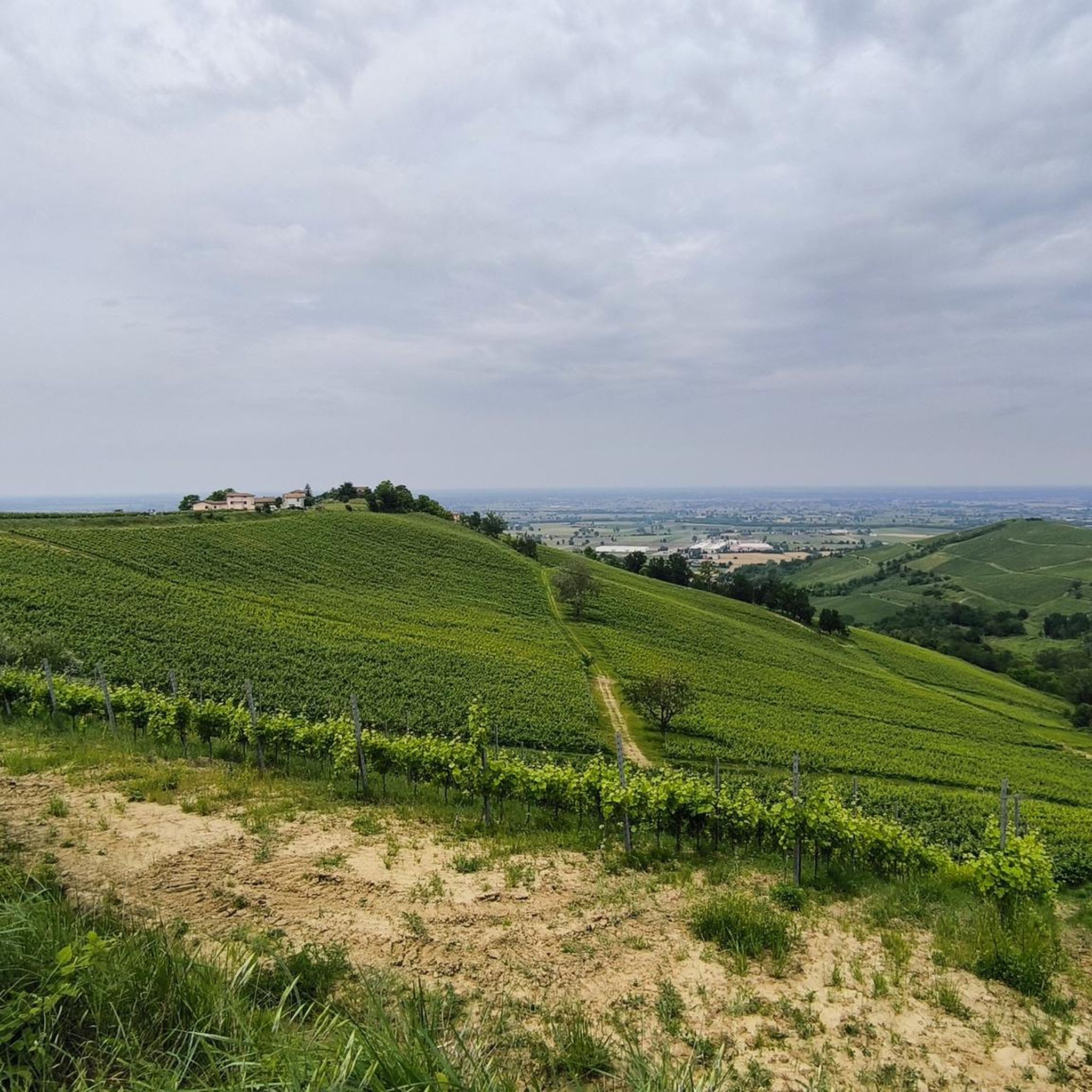
Montalto Pavese stands in a dominant position on the first hills above Casteggio, the beautiful castle (one of the best preserved in the region) with its Italian garden and its wine production.
23
0

Inside you will see a raised choir with mosaic floors and striking sculpted capitals. The apse contains a beautiful 15th century fresco* (crowning of Mary). The left transept contains the precious 10th century Crucifix of Teodote, made of silver plates.
6
0
This masterpiece in Lombardy-Romanesque style was built in the 12th century on the remains of an older church, where the coronation of the Lombard kings took place. This tradition continued in the new building and it was here that Frederick Barbarossa was awarded the Iron Crown of the Kingdom of Italy in 1155. The importance of the building explains its façade** of light sandstone (and not the then usual brick), remarkably balanced and varied in its sculpted decoration. On the right is a Romanesque door. On the door lintel, Christ gives Paul a papyrus scroll and Peter the keys to the church.
6
0
According to legend, some pilgrims wanted to attend midnight mass in the city on Christmas Eve in 999, but due to the thick fog their boats could not cross the river. Suddenly, a man dressed in red arrived and promised that he would immediately build a bridge in exchange for the first soul to cross the bridge. The man in red was the devil, and only the Archangel Michael, who had come from the nearby church, recognized him. Michael pretended to agree to the deal, but once the bridge was built, a goat crossed it first. The bridge is therefore also known as the Ponte del Diavolo ("Devil's Bridge").
7
0
The covered bridge has its origins in Roman times. The current one was constructed in the 14th century and covered in 1583. Upstream of the bridge you can still see pillars of the original bridge, reconstructed after the Second World War. A memorial stone on the bridge tells that Albert Einstein stayed in Pavia for several months and loved the place.
7
0
The Statua della Lavandaia in Pavia is one of the symbols of the city. This beautiful sculpture, created by local artist Giovanni Scapolla in 1981, recalls the time when the banks of the Ticino River were populated by women who washed clothes in the river. Giovanni Scapolla was inspired by his mother, a famous washerwoman named 'Sciura Teresina', who always wore a traditional 'caplina' on her head. Names of the washerwomen: The washerwomen often had nicknames related to physical characteristics. The most famous was 'Angiuleta', but there were others such as 'Marieta dai pe tort' (with crooked feet) and 'Gianina la culona' (the plump one). Method: The women worked all day on the riverbank. The clothes were soaked overnight in large concrete containers and then washed by the river using a wooden board (‘a scägn’). Men and children collected the washed clothes and delivered them throughout the city. It was hard and unprofitable work, with only one or two lira each. Singing and entertainment: To pass the time, the washerwomen often sang. One of their favorite songs was “La donna è mobile” from Verdi's opera Rigoletto. They even adapted the text: 'La dona l'è UN MOBIL da met in sala, l'om l'è un asin da met in stala', referring to the fact that men walked around all day while the women stood still to to wash.
7
0
Frequently Asked Questions
What historical sites can I explore around Barbianello?
The region around Barbianello is rich in history. You can visit the Ponte Coperto (the Covered Bridge) in Pavia, a reconstruction of a 14th-century bridge with Roman origins. Another significant historical site is Cicognola Castle and Viewpoint, a 13th-century fortress that once served a defensive role overlooking the Scuropasso Valley. Additionally, the Church of San Giacomo della Cerreta, located on the ancient Via Francigena, offers a glimpse into medieval pilgrimage routes and Lombard art.
Are there any castles or viewpoints with scenic views near Barbianello?
Yes, several locations offer both historical interest and scenic views. Montalto Pavese features a well-preserved castle with an Italian garden and provides a dominant position on the hills above Casteggio. Cicognola Castle and Viewpoint also offers strategic views of the Scuropasso Valley from its high-altitude position. In Pavia, the Statue of the Washerwoman is situated in Borgo Ticino, offering views along the Ticino River.
What outdoor activities can I do near Barbianello?
The area around Barbianello, particularly the Oltrepò Pavese, is excellent for outdoor activities. You can find numerous routes for hiking, mountain biking, and road cycling. For hiking, consider trails like the 'Hiking loop from Broni' or the 'Castello di Pietra de' Giorgi loop from Redavalle'. Mountain bikers might enjoy the 'Montalto Pavese – Entrance gate to Oliva Gessi loop from Barbianello'. Road cyclists have options such as the 'Canneto climb from Broni – Descent from Castana to Stradella loop from Barbianello'. You can find more details on these and other routes in the dedicated guides for hiking, MTB trails, and road cycling around Barbianello.
Are there family-friendly attractions around Barbianello?
Yes, there are attractions suitable for families. The Ponte Coperto (the Covered Bridge) in Pavia is considered family-friendly, offering a pleasant walk and historical interest. Also in Pavia, the Statue of the Washerwoman is a charming and accessible monument that tells a local story, making it suitable for all ages.
What is the best time to visit Barbianello and its surrounding attractions?
The Oltrepò Pavese region, where Barbianello is located, is known for its vineyards and outdoor activities. Spring and autumn generally offer pleasant weather for exploring historical sites, castles, and enjoying hiking or cycling through the scenic hills. These seasons avoid the peak heat of summer and the colder, potentially wetter conditions of winter, making them ideal for both cultural visits and outdoor pursuits.
Can I find wheelchair-accessible attractions in the area?
Yes, the Statue of the Washerwoman in Pavia is noted as being wheelchair-accessible. This monument, located in the historic Borgo Ticino, offers an opportunity to learn about local history and enjoy views along the Ticino River.
What is unique about the Oltrepò Pavese region where Barbianello is located?
The Oltrepò Pavese is renowned for its wine production, often referred to as the 'Tuscany of Lombardy'. Beyond its vineyards, the region is characterized by rolling hills, historic castles, and charming settlements like Montalto Pavese. It offers a blend of cultural heritage, gastronomic experiences, and opportunities for outdoor exploration.
Are there any specific cultural or artistic points of interest?
Beyond the historical architecture, the Church of San Giacomo della Cerreta is notable for its Lombard art from the 15th century, including frescoes and a wooden statue of San Giacomo. In Pavia, the Statue of the Washerwoman is a modern sculpture by Giovanni Scapolla, commemorating the historical role of women washing clothes in the Ticino River.
What do visitors enjoy most about the attractions around Barbianello?
Visitors appreciate the blend of historical significance and natural beauty. The well-preserved castles and strategic viewpoints, such as Montalto Pavese and Cicognola Castle, are highly rated. The unique character of the Ponte Coperto in Pavia and its connection to local history also receive positive feedback, as does the charming story behind the Statue of the Washerwoman.
How can I experience the local wine culture near Barbianello?
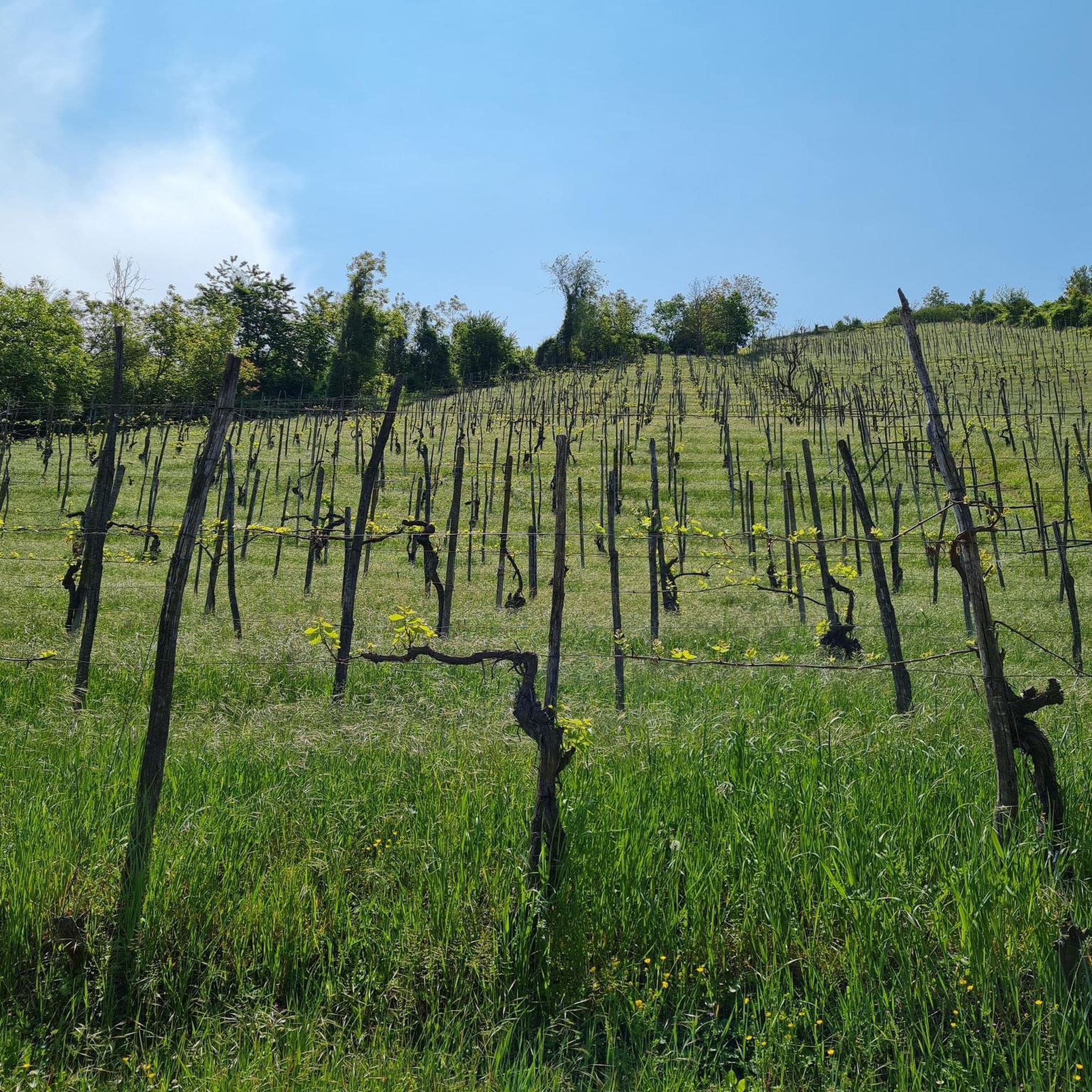
Barbianello is situated in the heart of the Oltrepò Pavese, a renowned wine region. Many agricultural businesses and wineries (Azienda Agricola) are located throughout the area, offering opportunities for wine tastings and tours. Montalto Pavese, for instance, is known for its local wine production, making it a good starting point to explore the region's viticulture.
Are there any natural features or green spaces to visit?
While Barbianello itself is a small locality, the broader Province of Pavia offers natural beauty. The Oltrepò Pavese region is characterized by its rolling hills and vineyards, providing scenic landscapes for walks and drives. Pavia also has green spaces like Vernavola Park, and the Ticino River, crossed by the Ponte Coperto, offers pleasant riverside views.
Most popular routes around Barbianello
Most popular attractions around Barbianello

Get inspired with the komoot mobile app


Explore more
Still not found the Highlight you’re looking for? See guides of the top attractions in other regions:
